

Alentejo, Portugal Travel Guide
Discover Alentejo, Portugal's hidden gem, where rolling plains, historic towns, and culinary delights await amidst serene landscapes and stunning coastlines.
Experience the untouched beauty of Alentejo, a region in Portugal where rolling plains, charming villages, and rich history intertwine. Alentejo is known for its vast landscapes, dotted with cork oak trees, olive groves, and vineyards. The region’s serene environment is perfect for those looking to escape the hustle and bustle of city life. History buffs will enjoy exploring the many ancient sites, such as the Roman temple in Évora, a UNESCO World Heritage Site. The town is also home to the Chapel of Bones and the Évora Cathedral, offering a glimpse into Portugal’s storied past. For a more immersive experience, visit the medieval village of Monsaraz, perched on a hilltop with stunning views of the surrounding countryside. Food lovers will delight in Alentejo’s culinary offerings. The region is famed for its hearty cuisine, including dishes like 'açorda' (bread soup), 'migas' (fried bread), and black pork. Pair these with local wines, many of which are produced in family-owned vineyards. Don’t miss the chance to try the Alentejo wine, renowned for its distinctive flavors and quality. The coastline of Alentejo is equally captivating, with pristine beaches and rugged cliffs. The Costa Vicentina is a protected natural park offering breathtaking coastal trails and secluded coves. Whether you're hiking, swimming, or simply relaxing on the beach, the Alentejo coast provides a perfect blend of natural beauty and tranquility.

Know before you go
Hi, I'm Eve. Here are a few practical things to know before exploring Alentejo.
- Visit during spring or autumn for the best weather and fewer crowds.
- Rent a car to explore the region at your own pace.
- Try local wines at a family-owned vineyard for an authentic experience.
- Wear comfortable shoes for walking on cobblestone streets and hiking trails.
- Learn a few basic Portuguese phrases to enhance your interaction with locals.
Top City Travel Guides in Alentejo
The cities of Alentejo, and the easiest places to base yourself.


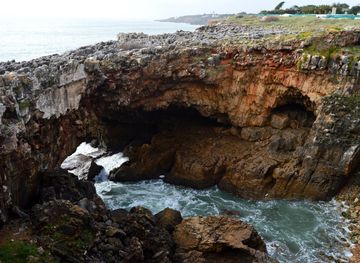

Destinations in Alentejo
Resorts, valleys and scenic spots worth a trip of their own.


Explore Alentejo: Things to Do, Places to Eat, Hotels & More
Handpicked recommendations for top attractions, local dining, accommodations, and more

Top Attractions & Sightseeing in Alentejo
Top-rated picks
Best Attractions

Templo Romano Évora
Explore the Templo Romano Évora, a stunning Roman temple showcasing Portugal’s rich history and architectural beauty in the heart of Évora.

Monsaraz Castle
Discover the medieval charm and breathtaking views of Monsaraz Castle in Portugal's Alentejo region, a historical gem for every traveler.

Chapel of Bones (Évora)
Explore the haunting beauty of Évora's Chapel of Bones, a unique testament to life, death, and history in Portugal's rich cultural landscape.

Praia Fluvial de Monsaraz
Experience the serene beauty of Praia Fluvial de Monsaraz, a perfect blend of relaxation and adventure in Portugal's natural landscape.

Best landmarks in Alentejo
Top-rated picks
Best Landmarks

Praça do Comércio
Discover the grandeur of Praça do Comércio, a historical landmark in Lisbon that embodies the city's rich maritime heritage and vibrant culture.

Parque Natural da Arrábida
Explore the breathtaking landscapes and diverse wildlife of Parque Natural da Arrábida, a stunning national park in Portugal's coastal region.

Miradouro da Senhora do Monte
Experience breathtaking views of Lisbon from the stunning Miradouro da Senhora do Monte, a scenic spot perfect for relaxation and photography.

Parque Natural do Sudoeste Alentejano e Costa Vicentina
Explore the breathtaking landscapes and rich biodiversity of Parque Natural do Sudoeste Alentejano e Costa Vicentina, a coastal paradise in Portugal.

Best restaurants in Alentejo
Top-rated picks
Best Restaurants

Pátio Alentejano
Experience authentic Portuguese cuisine at Pátio Alentejano in Vila Nova de Milfontes, where local flavors meet a charming atmosphere.

Venda Azul
Discover authentic Portuguese flavors at Venda Azul in Estremoz - an exquisite restaurant offering traditional dishes and local wines.

O Espalha Brasas
Discover authentic Portuguese flavors at O Espalha Brasas in Borba – where grilled specialties meet warm hospitality.

Adega Velha
Experience authentic Portuguese cuisine at Adega Velha in Mourão – where tradition meets exceptional hospitality.

Best bars in Alentejo
Top-rated picks
Best Bars
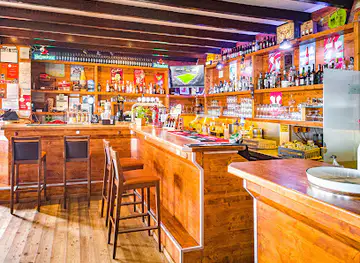
Riverside Pub
Experience the vibrant atmosphere of Riverside Pub in Vila Nova de Milfontes, where delicious fast food meets local charm and hospitality.

Alqueva Bar/Restaurante
Discover the culinary delights of Alqueva Bar/Restaurante, where local flavors meet breathtaking lakeside views for an unforgettable dining experience.

Destilaria Black Pig Alentejo
Explore the exquisite craftsmanship of spirits at Destilaria Black Pig Alentejo, where tradition meets innovation in the heart of Portugal.

Blue Bar
Experience the vibrant nightlife at Blue Bar, VNd's top cocktail destination, serving creative drinks in a lively atmosphere.

Best nightclubs in Alentejo
Top-rated picks
Best Nightclubs

Clube/Bar 6 Tetos
Discover the heart of Évora's nightlife at Clube/Bar 6 Tetos, where fun, affordable drinks, and billiards await in a vibrant atmosphere.

Clube Lounge
Discover the lively ambiance and diverse drink selection at Clube Lounge, your perfect bar stop in Portalegre.

Capítulo 8
Experience the vibrant nightlife of Évora at Capítulo 8, a lively disco club with an eclectic music scene and an energetic atmosphere for all.

Discoteca Alexander´s
Discover the electrifying nightlife at Discoteca Alexander's, Santiago do Cacém's premier night club for unforgettable dance and music experiences.

Best shops in Alentejo
Top-rated picks
Best Shops

El Corte Inglés
Discover the ultimate shopping experience at El Corte Inglés in Lisbon, where luxury meets convenience and culinary delights await.

Freeport Fashion Outlet
Explore Freeport Fashion Outlet for unbeatable deals on top brands in a vibrant shopping environment, perfect for fashion enthusiasts and bargain hunters.

Alegro
Discover Alegro in Setúbal: A shopping haven with diverse dining and entertainment options perfect for tourists.

Évora Plaza
Discover a vibrant shopping experience at Évora Plaza, where modern retail meets local charm in the heart of Évora, Portugal.

Explore Alentejo on the Map
A handpicked selection of must-see spots in Alentejo, mapped for you.
Alentejo Essentials
-
The Alentejo region is accessible by several means of transportation. The nearest major airport is Lisbon Portela Airport (LIS), located approximately 1.5 to 2 hours from the northern part of Alentejo by car. From Lisbon, you can rent a car, take a bus, or catch a train to various towns within the Alentejo region. Another option is to fly into Faro International Airport (FAO) in the Algarve, which is around 2 to 3 hours away by car.
-
Within Alentejo, the most convenient way to explore the region is by car, as public transportation options can be limited, especially in rural areas. Rental cars are available in major cities like Évora and Beja. Buses operate between major towns and cities, but schedules can be infrequent. Trains connect some of the larger towns, and taxis are available for shorter journeys. For a more immersive experience, consider cycling or hiking through the scenic landscapes.
-
The currency used in Portugal is the Euro (EUR). Credit and debit cards are widely accepted in hotels, restaurants, and shops, but it is advisable to carry some cash, especially when visiting smaller villages or rural areas. ATMs are available in most towns, but it is a good idea to withdraw sufficient funds before heading into more remote areas.
-
Alentejo is generally a safe region for tourists. Violent crime is rare, but petty crime such as pickpocketing can occur, particularly in crowded areas or popular tourist spots. Always keep an eye on your belongings and avoid displaying valuable items. There are no specific high-crime areas targeting tourists, but it is always wise to stay vigilant and aware of your surroundings, especially at night.
-
In case of emergency, dial 112 for immediate assistance. This number connects you to police, fire, and medical services. Hospitals and medical centers are available in major towns such as Évora and Beja. It is recommended to have travel insurance that covers medical emergencies. Pharmacies are widely available for minor health issues and over-the-counter medications.
-
Fashion: Do dress comfortably and modestly, especially when visiting religious sites. Avoid overly casual or revealing clothing. Religion: Do respect local customs and traditions. When entering churches, dress conservatively and remain quiet. Public Transport: Do be courteous and offer your seat to elderly passengers. Don’t eat or drink on public transport. Greetings: Do greet people with a handshake or a friendly 'Bom dia' (Good morning) or 'Boa tarde' (Good afternoon). Eating & Drinking: Do try local delicacies like 'açorda' and 'migas'. Don’t refuse food or drink offers, as it may be considered impolite.
-
To experience Alentejo like a local, visit the regional markets and taste traditional foods such as 'queijo de Nisa' (cheese) and 'vinho do Alentejo' (wine). Engage with locals, who are often friendly and eager to share their culture. Explore the region's rich history by visiting UNESCO World Heritage sites like the city of Évora. Don’t miss the opportunity to attend a local festival or 'festa', where you can experience traditional music, dance, and cuisine.
When is the best time to visit Alentejo?
Useful Local Phrases for Alentejo
You don't need to speak the language perfectly. Even learning a few simple words can make conversations warmer—and locals usually appreciate the effort.
— Eve

Here are the phrases I use most often in Alentejo. Try a few—you'll be surprised how far they go! 😊
❤️
-
- HelloOlá
[oh-LAH] - GoodbyeAdeus
[ah-DEH-oos] - YesSim
[seem] - NoNão
[now] - Please/You’re welcomePor favor/De nada
[poor fah-VOR/deh NAH-dah] - Thank youObrigado/Obrigada
[oh-bree-GAH-do/oh-bree-GAH-dah] - Excuse me/SorryDesculpe
[deh-SKOOL-peh] - How are you?Como está?
[KOH-moo es-TAH] - Fine. And you?Bem. E você?
[BANG. ee vo-SEH] - Do you speak English?Você fala inglês?
[vo-SEH FAH-lah een-GLESH] - I don't understandEu não entendo
[ay-ooh now en-TEN-do]
- HelloOlá
-
- I'd like to see the menu, pleaseGostaria de ver o menu, por favor
[goh-stah-REE-ah deh VEHR oo meh-NOO, poor fah-VOR] - I don't eat meatEu não como carne
[ay-ooh now KOH-moo KAR-nee] - Cheers!Saúde!
[sah-OO-deh] - I would like to pay, pleaseGostaria de pagar, por favor
[goh-stah-REE-ah deh pah-GAR, poor fah-VOR]
- I'd like to see the menu, pleaseGostaria de ver o menu, por favor
-
- Help!Ajuda!
[ah-ZHOO-dah] - Go away!Vá embora!
[vah em-BOH-rah] - Call the Police!Chame a polícia!
[SHAH-meh ah poh-LEE-syah] - Call a doctor!Chame um médico!
[SHAH-meh oom MEH-dee-koh] - I'm lostEstou perdido
[esh-TOH per-DEE-doo] - I'm illEstou doente
[esh-TOH doh-EN-teh]
- Help!Ajuda!
-
- I'd like to buy...Gostaria de comprar...
[goh-stah-REE-ah deh kom-PRAR...] - I'm just lookingEstou só a ver
[esh-TOH soh ah VEHR] - How much is it?Quanto custa?
[KWAN-toh KOOS-tah] - That's too expensiveÉ muito caro
[eh MOY-toh KAH-roh] - Can you lower the price?Pode baixar o preço?
[POH-deh bye-SHAHR oo PREH-soh]
- I'd like to buy...Gostaria de comprar...
-
- What time is it?Que horas são?
[keh OH-ras sow] - It's one o'clockÉ uma hora
[eh OO-mah OH-rah] - Half past (10)Dez e meia
[dehz ee MAY-ah] - MorningManhã
[mahn-YAH] - AfternoonTarde
[TAR-deh] - EveningNoite
[NOY-tay] - YesterdayOntem
[ON-tay] - TodayHoje
[OH-zhee] - TomorrowAmanhã
[ah-mahn-YAH] - 1Um
[oom] - 2Dois
[doysh] - 3Três
[tresh] - 4Quatro
[KWAH-tro] - 5Cinco
[SEEN-koh] - 6Seis
[saysh] - 7Sete
[SEH-teh] - 8Oito
[OY-toh] - 9Nove
[NOH-veh] - 10Dez
[dehz]
- What time is it?Que horas são?
-
- Where's a/the...?Onde está um/a...?
[ON-deh es-TAH oom/ah...?] - What's the address?Qual é o endereço?
[kwahl eh oo en-deh-REH-soh] - Can you show me (on the map)?Pode mostrar-me (no mapa)?
[POH-deh mos-TRAR-me (noh MAH-pah)?] - When's the next (bus)?Quando é o próximo (autocarro)?
[KWAN-do eh oo PROH-see-moo (ow-toh-KAH-roo)?] - A ticket (to ....)Um bilhete (para ....)
[oom bee-YEH-tay (PAH-rah ....)]
- Where's a/the...?Onde está um/a...?
History of Alentejo
-
The Romans arrived in the Alentejo region around the 2nd century BC, leaving a significant cultural and architectural legacy. The ancient city of Évora, known as Ebora Liberalitas Julia during Roman times, is a prime example. The Temple of Diana, a well-preserved Roman temple, stands as a testament to this era. Roman roads, bridges, and aqueducts spread across Alentejo, facilitating trade and communication. The region's landscape still bears the marks of Roman agricultural practices, particularly in the cultivation of olive trees and vineyards.
-
Following the decline of the Roman Empire, the Visigoths took control of the Iberian Peninsula, including Alentejo, in the 5th century AD. This period saw the transformation of Roman structures into Visigothic churches and settlements. The Visigothic influence is particularly evident in religious architecture, with remnants of Visigothic churches found in various parts of Alentejo. This era also marked a shift in the region's social and political structures, laying the groundwork for future medieval developments.
-
The Moors conquered Alentejo in the early 8th century, bringing profound changes to the region's culture, architecture, and agriculture. The introduction of advanced irrigation techniques revolutionized agriculture, transforming the landscape into a fertile area for crops like rice, citrus fruits, and figs. The city of Mértola, with its well-preserved Islamic architecture, including a mosque that was later converted into a church, serves as a key example of Moorish influence. The Moors also introduced new artistic and scientific knowledge, which continued to influence the region long after their rule ended in the 12th century.
-
The Reconquista, a series of military campaigns by Christian states to recapture territory from the Moors, reached Alentejo in the 12th century. The region saw the establishment of new Christian towns and fortresses, many of which still stand today. Notable examples include the Castle of Évora and the fortified town of Monsaraz. These structures were crucial in defending the newly reclaimed territory. The resettlement brought about significant demographic changes, with the establishment of new religious and cultural institutions that shaped Alentejo's medieval identity.
-
Alentejo played an essential role during Portugal's Age of Discoveries in the 15th and 16th centuries. The region's agricultural wealth supported the expeditions financially, while its ports along the Guadiana River facilitated trade. Figures such as Vasco da Gama and other navigators are linked to this era, with some of their expeditions being outfitted in Alentejo. The wealth generated from the discoveries led to the construction of grandiose buildings and monuments in cities like Évora, reflecting the region's prosperity during this period.
-
The Portuguese Restoration War (1640-1668) marked Alentejo as a significant battleground. This period saw numerous conflicts as Portuguese forces sought to reclaim independence from Spanish rule. The Battle of Ameixial in 1663 was a decisive victory for the Portuguese in Alentejo, contributing to the eventual restoration of Portugal's sovereignty. The war left an indelible mark on the region, with many fortifications and defensive structures from this era still visible today.
-
The 20th century brought significant social and economic changes to Alentejo. The region underwent agrarian reforms, particularly during the Estado Novo regime, aiming to modernize agriculture and improve rural living conditions. The Carnation Revolution of 1974, which overthrew the Estado Novo, led to further reforms, including land redistribution. These changes had profound impacts on Alentejo's agricultural landscape and rural communities. The latter half of the century saw a focus on preserving the region's cultural heritage while promoting sustainable development, leading to a revival of traditional crafts and tourism.
Neighbouring Regions of Alentejo
The closest regions to Alentejo, if you have time for more than one.
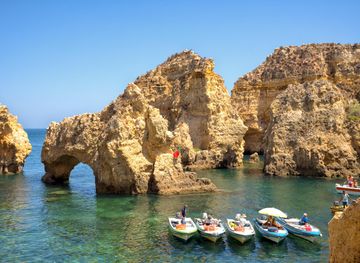


Your all‑in‑one travel companion app
Explore expert travel guides, compare and book tours, experiences, hotels, and more—all from the palm of your hand. Download now for seamless trip planning wherever your wanderlust takes you.


Explore More of Portugal
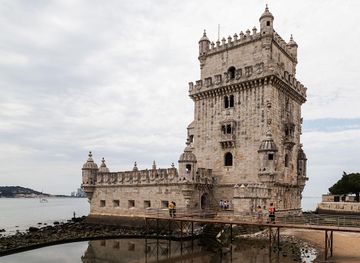
Looking beyond Alentejo? Discover Portugal for broader travel guides, local hot-spots, and regional highlights.
Explore PortugalAlentejo in Photos
Browse through our photo collection highlighting the charm and character of the destination.


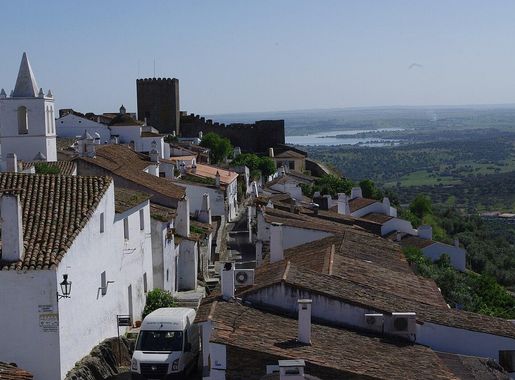


Alentejo: The Tranquil Heart of Portugal
Experience the untouched beauty of Alentejo, a region in Portugal where rolling plains, charming villages, and rich history intertwine. Alentejo is known for its vast landscapes, dotted with cork oak trees, olive groves, and vineyards. The region’s serene environment is perfect for those looking to escape the hustle and bustle of city life. History buffs will enjoy exploring the many ancient sites, such as the Roman temple in Évora, a UNESCO World Heritage Site. The town is also home to the Chapel of Bones and the Évora Cathedral, offering a glimpse into Portugal’s storied past. For a more immersive experience, visit the medieval village of Monsaraz, perched on a hilltop with stunning views of the surrounding countryside. Food lovers will delight in Alentejo’s culinary offerings. The region is famed for its hearty cuisine, including dishes like 'açorda' (bread soup), 'migas' (fried bread), and black pork. Pair these with local wines, many of which are produced in family-owned vineyards. Don’t miss the chance to try the Alentejo wine, renowned for its distinctive flavors and quality. The coastline of Alentejo is equally captivating, with pristine beaches and rugged cliffs. The Costa Vicentina is a protected natural park offering breathtaking coastal trails and secluded coves. Whether you're hiking, swimming, or simply relaxing on the beach, the Alentejo coast provides a perfect blend of natural beauty and tranquility.