

Serra do Marão Travel Guide - Free Web & App
Your ultimate guide to Serra do Marão. Discover top landmarks, proposed trips, and local tips. Free on the web or via the Evendo companion app.


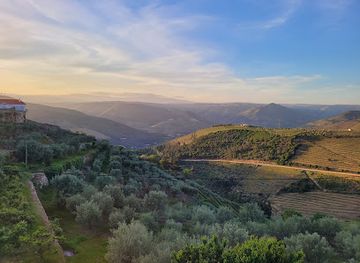
Serra do Marão in northern Portugal offers granite peaks, Douro views, rural villages, scenic drives, mountain walks and rich regional heritage.
Mountain Landscape
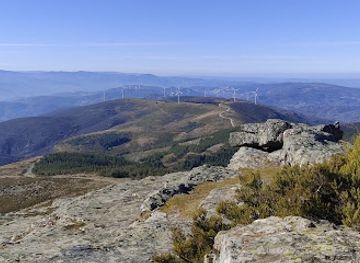
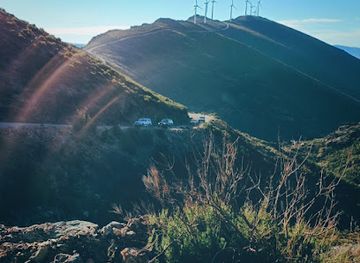
Serra do Marão rises across northern Portugal between the Douro Valley and the Tâmega basin, forming one of the most recognisable upland barriers in the region. Its slopes are shaped by granite and schist, with rounded summits, exposed rock, high pastures, narrow valleys and scattered villages. The range reaches about 1,416 metres at the Marão summit, while the A4 motorway passes through the long Marão Tunnel beneath the mountains. The landscape changes markedly with altitude: vineyards and olive groves occupy warmer lower valleys, while gorse, heather, broom and wind-shaped woodland appear higher up.Read more about Serra do Marão
Villages, Vistas and Local Character
Outdoor Experiences and Regional Heritage
When is the best time to visit Serra do Marão?
Best: June–August · 23–24°C| Month | High (°C) | Rainfall (mm) |
|---|---|---|
| January | 11 | 150 |
| February | 12 | 140 |
| March | 13 | 120 |
| April | 15 | 100 |
| May | 19 | 80 |
| June (best) | 23 | 60 |
| July (best) | 24 | 40 |
| August (best) | 24 | 40 |
| September | 22 | 60 |
| October | 19 | 100 |
| November | 15 | 120 |
| December | 12 | 140 |
Getting to and around Serra do Marão
How to get there
Transportation
Best attractions in Serra do Marão
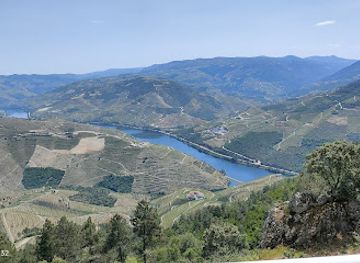
The principal attraction of Serra do Marão is the mountain landscape itself: high granite and schist slopes, upland scrub, woodland, pasture and long views towards the Douro and Tâmega valleys. The summit area around Alto do Marão and the sanctuary of Nossa Senhora do Marão provides a memorable highland setting, subject to access and weather conditions. Scenic roads climb from the surrounding municipalities towards isolated villages, forest clearings and viewpoints, while the western approach through Amarante offers a cultural contrast with its historic centre and Tâmega riverfront. On the southern and eastern sides, vineyard terraces around Santa Marta de Penaguião, Peso da Régua and the wider Douro region show how sharply the landscape changes below the ridge. Vila Real is a useful base for exploring the eastern approaches and for combining the mountains with the region’s manor houses, gardens and wine heritage, although attractions outside the range should be treated as nearby excursions rather than features of Serra do Marão itself.
-
Water park
Amarante Water Park
Discover the exhilarating rides and serene relaxation at Amarante Water Park, a premier destination for family fun in Portugal.
-
Santuário de Nossa Senhora dos Remédios
Explore the stunning Sanctuary of Nossa Senhora dos Remédios, a masterpiece of Baroque architecture with breathtaking views and a rich spiritual heritage in Lamego.
-
Amusement park
Pena Aventura
Discover the thrill of outdoor adventures and family fun at Pena Aventura, a premier amusement park in scenic Ribeira de Pena, Portugal.
-
Catholic cathedral
Lamego Cathedral
Explore the breathtaking Lamego Cathedral, a blend of Baroque and Gothic architecture in the heart of Lamego, Portugal, rich in history and beauty.


Best landmarks in Serra do Marão
The defining natural landmark is the Serra do Marão ridge, whose elevated granite and schist terrain separates the greener Tâmega side from the warmer Douro-facing slopes. The summit and high ground around Alto do Marão provide the range’s most recognisable upland setting, while the sanctuary of Nossa Senhora do Marão adds a religious and cultural landmark to the landscape. Beneath the mountains, the Marão Tunnel is an important modern engineering feature on the A4, carrying the main east–west motorway through the range. The mountain’s significance is also visible in its relationship with the Douro Valley, where vineyard terraces rise towards the foothills and demonstrate the sharp change from high pasture and woodland to intensively cultivated wine country. Historic villages, chapels, granite houses and old agricultural walls throughout the surrounding municipalities complete a dispersed cultural landmark system rather than a single monumental site.
-
Tourist attraction
Observatório do Marão
Explore the cosmos at Observatório do Marão, a stunning astronomical observatory offering breathtaking views and educational experiences in Portugal's picturesque landscape.
Explore Serra do Marão on the map
Plan your trip on one map. See where the top attractions, landmarks, restaurants and hotels are, and book hotels and experiences in a few clicks.
Best hotels in Serra do Marão
Best restaurants in Serra do Marão
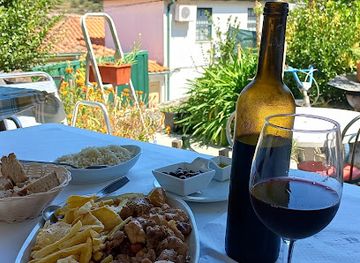
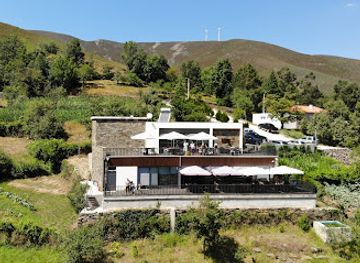
Dining around Serra do Marão is concentrated in Amarante, Vila Real, the Douro towns and the larger villages rather than on the high mountain roads. Regional cooking reflects the meeting of upland farming and Douro produce, with dishes based on pork, local sausages, beans, potatoes, greens, bread and seasonal game where offered. Amarante is associated with northern Portuguese specialities and traditional sweets, while the Douro side brings river-valley wines, olive oil, fruit and vineyard-centred food traditions. Rural restaurants, cafés and family-run establishments may serve straightforward daily cooking, but opening patterns can be limited outside the main settlements. Visitors staying in smaller villages should plan meals in advance and ask locally about established places, while wine purchases and tastings are generally easier to arrange in the Douro communities below the mountain.
-
Restaurant
Restaurante S. Leonardo
Discover authentic Portuguese cuisine at Restaurante S. Leonardo in Vila Real, offering breathtaking views and an unforgettable dining experience.
-
Restaurant
Tasca do Zéquinha
Experience authentic Portuguese cuisine at Tasca do Zéquinha in São Nicolau - a must-visit restaurant for food lovers.
-
Traditional restaurant
Tasca do Valado
Experience authentic Portuguese cuisine at Tasca do Valado in Teixeira - where tradition meets flavor in every dish.
-
Restaurant
Regional Fonte Nova
Experience authentic Portuguese cuisine at Regional Fonte Nova in Armamar - a culinary haven for travelers seeking local flavors.
Best bars in Serra do Marão
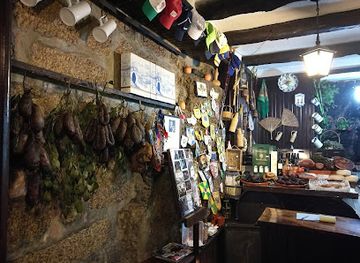
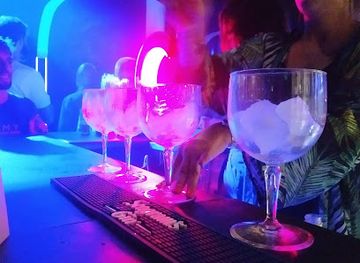
Serra do Marão has no concentrated nightlife scene and the highland villages generally become quiet after the evening meal. The most characteristic evening experience is a drink or coffee in a village café, tasca or traditional wine-led establishment, where local residents gather and conversation is more central than late-night entertainment. Amarante and Vila Real offer the widest choice of bars and evening venues, with activity centred on their populated historic and university areas rather than the mountain itself. Douro towns also have restaurants and wine-focused places suited to a relaxed evening, although the atmosphere varies by season and day of the week. Visitors should not expect clubs or a continuous bar circuit in the rural interior, and should arrange transport before travelling between scattered villages after dark.
-
Bar
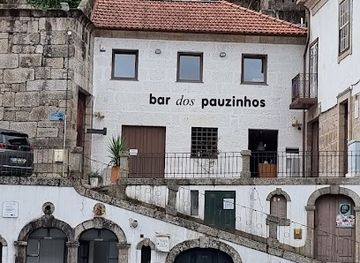
Bar dos Pauzinhos
Experience the vibrant atmosphere of Bar dos Pauzinhos in Amarante, where local flavors meet casual dining in a friendly setting.
-
Bar
Foz do Távora Bar
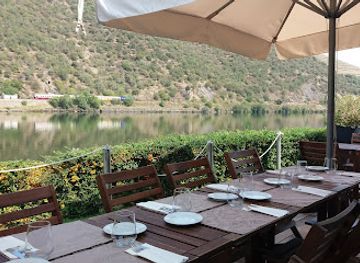
Discover Foz do Távora Bar: a serene escape in Tabuaço, offering local flavors and stunning river views for a memorable experience.
-
Wine bar
Adega Kilowatt
Discover Adega Kilowatt in Amarante: A delightful wine bar that embodies Portuguese culture with its exquisite selection of local wines and delicious tapas.
-
Beer hall
Surviaria
Discover the vibrant Surviaria in Amarante, a perfect blend of fast food and local brews in a lively beer hall atmosphere.

Best nightclubs in Serra do Marão
Serra do Marão has no concentrated nightlife scene and the highland villages generally become quiet after the evening meal. The most characteristic evening experience is a drink or coffee in a village café, tasca or traditional wine-led establishment, where local residents gather and conversation is more central than late-night entertainment. Amarante and Vila Real offer the widest choice of bars and evening venues, with activity centred on their populated historic and university areas rather than the mountain itself. Douro towns also have restaurants and wine-focused places suited to a relaxed evening, although the atmosphere varies by season and day of the week. Visitors should not expect clubs or a continuous bar circuit in the rural interior, and should arrange transport before travelling between scattered villages after dark.
-
Disco club
Mercado Club
Dive into the exhilarating nightlife of Mercado Club, Celorico de Basto's premier disco destination for music and dance lovers.
-
Night club
Bclub
Experience the vibrant nightlife at Bclub in Vila Real, where electrifying beats and a dynamic atmosphere await you.
-
Disco club
Babalu Superclub
Discover the electrifying nightlife of Babalu Superclub in Vila Real, where vibrant music and unforgettable experiences await every party lover.
-
Night club
Duplex Club
Discover the lively atmosphere and unforgettable nights at Duplex Club in Vila Real, a must-visit for nightlife lovers.


Best shops in Serra do Marão
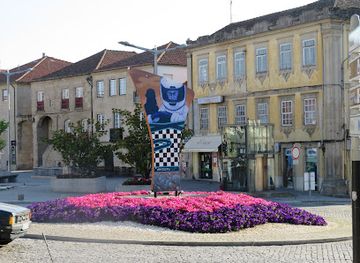
Shopping in Serra do Marão is practical and locally focused, with the main choice found in Amarante, Vila Real and the towns of the Douro rather than in the uplands. Village shops and weekly markets may provide bread, regional produce, preserves, honey, olive oil and other everyday goods, while larger settlements are better for outdoor supplies and provisions before a mountain excursion. Amarante is known for traditional sweets and regional food products, and the Douro side offers wine, olive oil and locally grown produce connected with the valley’s agricultural economy. Small craft and food businesses can be seasonal or irregular, so visitors should check locally rather than expect a permanent artisan market. Purchases are most meaningful when they reflect the area’s farming, wine and village traditions rather than generic souvenirs.
-
Pastries
Pastelaria Loja do Covilhete
Experience the enchanting flavors of Portugal at Pastelaria Loja do Covilhete, where every pastry tells a story.
-
Mountain peak
Serra do Marão
Discover the stunning vistas and rich cultural heritage of Serra do Marão, a majestic mountain peak in northern Portugal, perfect for nature lovers and adventurers.
-
Wine store
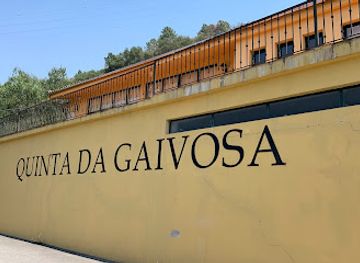
Alves de Sousa - Douro and Port Wines, Quinta da Gaivosa
Explore the rich heritage of Douro Valley wines at Alves de Sousa, where exquisite flavors meet breathtaking landscapes in every sip.
-
Clothing store
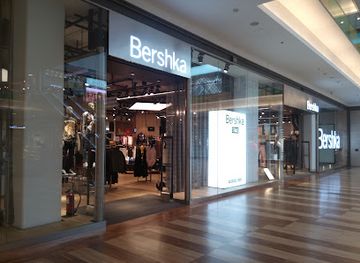
Bershka
Explore the latest fashion trends at Bershka in Vila Real, a stylish clothing store offering trendy apparel and accessories for every taste.
Get your free copy of our complete guide to Serra do Marão, delivered straight to you.
Everything on this page, from attractions and restaurants to essentials and local phrases, in one PDF you can read offline, print or share.
Already have an account? Sign in
Your Serra do Marão guide is ready.
We'll send it to · Not you? Sign out

Getting your guide ready…
We are putting together a fresh copy of the Serra do Marão guide. This can take up to a minute.
This can take a few moments. If your browser asks, choose Allow so the download can start. You'll find the guide in your Downloads folder.
Nothing happened? Download it again
Sorry, the guide is taking longer than usual. Please try again in a minute, or get it by email instead.
Serra do Marão essentials
Currency and Payment
Safety
Emergency Situations
Do's and Don'ts
Local Tips
From Eve
Local phrases worth knowing
You don't need to get them perfect. A few words go a long way, and locals appreciate the effort.
Basics
| English | Local | Say it |
|---|---|---|
| Hello | Olá | [oh-lah] |
| Goodbye | Adeus | [ah-deh-oosh] |
| Yes | Sim | [seem] |
| No | Não | [now] |
| Please/You're welcome | Por favor/De nada | [pohr fah-vohr/deh nah-dah] |
| Thank you | Obrigado | [oh-bree-gah-doo] |
| Excuse me/Sorry | Com licença/Desculpe | [kohm lee-sehn-sah/deh-skool-peh] |
| How are you? | Como está? | [koh-moh ehs-tah] |
| Fine. And you? | Estou bem. E você? | [ehs-tohoh behn/eh voh-seh] |
| Do you speak English? | Fala inglês? | [fah-lah een-glehsh] |
| I don't understand | Não entendo | [now ehn-tehn-doh] |
Eating & Drinking
| English | Local | Say it |
|---|---|---|
| I'd like to see the menu, please | Gostaria de ver o menu, por favor | [goh-stah-ree-ah deh vehr oh meh-noo/ pohr fah-vohr] |
| I don't eat meat | Não como carne | [now koh-moh kahr-neh] |
| Cheers! | Saúde! | [sah-oo-deh] |
| I would like to pay, please | Gostaria de pagar, por favor | [goh-stah-ree-ah deh pah-gahr/ pohr fah-vohr] |
Emergencies
| English | Local | Say it |
|---|---|---|
| Help! | Ajuda! | [ah-zhoo-dah] |
| Go away! | Vai embora! | [vah-ee ehm-boh-rah] |
| Call the Police! | Chamar a polícia! | [shah-mahr ah poh-lee-see-ah] |
| Call a doctor! | Chamar um médico! | [shah-mahr oom meh-dee-koo] |
| I'm lost | Estou perdido | [ehs-tohoh pehr-dee-doo] |
| I'm ill | Estou doente | [ehs-tohoh doo-ehn-teh] |
Shopping
| English | Local | Say it |
|---|---|---|
| I'd like to buy... | Gostaria de comprar... | [goh-stah-ree-ah deh kohm-prahr] |
| I'm just looking | Estou só a ver | [ehs-tohoh soh ah vehr] |
| How much is it? | Quanto custa? | [kwahn-toh koosh-tah] |
| That's too expensive | Isso é demasiado caro | [ee-soh eh dah-mah-zyah-doo kah-roh] |
| Can you lower the price? | Pode baixar o preço? | [poh-deh bahy-shahr oh preh-soh] |
Time & Numbers
| English | Local | Say it |
|---|---|---|
| What time is it? | Que horas são? | [keh oh-rahsh soh] |
| It's one o'clock | É uma hora | [eh oo-mah oh-rah] |
| Half past (10) | Meia (10) | [meh-yah/ deh-ee-ss] |
| Morning | Manhã | [mah-nyah] |
| Afternoon | Tarde | [tahr-deh] |
| Evening | Noite | [noy-teh] |
| Yesterday | Ontem | [ohn-tehm] |
| Today | Hoje | [oh-jeh] |
| Tomorrow | Amanhã | [ah-mah-nyah] |
| 1 | Um | [oom] |
| 2 | Dois | [doysh] |
| 3 | Três | [trehsh] |
| 4 | Quatro | [kwah-troh] |
| 5 | Cinco | [seen-koh] |
| 6 | Seis | [saysh] |
| 7 | Sete | [seh-teh] |
| 8 | Oito | [oy-toh] |
| 9 | Nove | [noh-veh] |
| 10 | Dez | [dehsh] |
Transport & Directions
| English | Local | Say it |
|---|---|---|
| Where's a/the...? | Onde fica...? | [ohn-deh fee-kah] |
| What's the address? | Qual é o endereço? | [kahl eh ooh ehn-deh-reh-soh] |
| Can you show me (on the map)? | Pode mostrar-me (no mapa)? | [poh-deh moh-strahr meh/ noh mah-pah] |
| When's the next (bus)? | Quando é o próximo (autocarro)? | [kwahn-doh eh ooh proh-ksee-moh/ow-toh-kah-roo] |
| A ticket (to ....) | Um bilhete (para ....) | [oom bee-lyeh-teh/ pah-rah] |
History of Serra do Marão
A Granite and Schist Mountain Barrier
Serra do Marão belongs to the complex mountain system of northern Portugal, where resistant granite and schist have been shaped over geological time by uplift, weathering and erosion. The range’s elevation and orientation helped create a marked climatic divide: moist Atlantic air reaches the western slopes, while the Douro side is warmer and more continental. This physical contrast influenced settlement, agriculture and transport, making the mountains both a natural boundary and a connecting landscape between the coastward valleys and the interior.
Early Routes and Highland Settlement
Human activity around the Marão mountains developed through small farming communities, seasonal grazing and routes linking the Tâmega basin, Vila Real and the Douro. Evidence of wider Roman movement survives in the region through roads, bridges and settlements in the surrounding valleys, although the high mountain itself was never an urban centre. Traditional villages used local granite and schist, while narrow valleys provided cultivable land, water and sheltered sites for homes, mills and small agricultural plots.
Farming, Woodland and Mountain Livelihoods
For centuries, communities around Serra do Marão combined subsistence agriculture with livestock keeping, woodland use and seasonal work in the neighbouring wine country. Chestnut, oak, pine and scrub formed important parts of the upland economy, while lower slopes supported vines, maize, olives and fruit according to altitude and exposure. Paths across the range connected villages and grazing areas, and the contrast between high pastures and terraced Douro land remains central to the region’s cultural landscape.
Shrines, Roads and Modern Access
Religious landmarks helped give the mountain cultural meaning, particularly the sanctuary and pilgrimage tradition associated with Nossa Senhora do Marão. In the modern period, roads improved connections between Amarante, Vila Real and the Douro, although the mountain remained a challenging natural obstacle. The opening of the Marão Tunnel on the A4 transformed long-distance travel between the coast and inland northern Portugal by carrying the main motorway beneath the range rather than over its exposed passes.
A Landscape Under Continuing Change
The contemporary Serra do Marão reflects both rural continuity and demographic change. Mechanised agriculture, woodland management, road construction and the decline of some traditional farming practices have altered the appearance of the slopes, while villages retain older houses, chapels, field walls and agricultural patterns. Tourism is generally low-key and focused on scenery, walking, food, wine and cultural landscapes. Conservation is therefore expressed less through a single tourist park than through responsible management of forests, watercourses, farmland and habitats across the mountain municipalities.
Serra do Marão in Photos
Browse through our photo collection highlighting the charm and character of the destination.
Cities in Serra do Marão
The towns and cities of Serra do Marão, and the easiest places to base yourself.
-

-

-


Swipe for more cities
Neighbouring destination travel guides
The closest destinations to Serra do Marão, if you have time for more than one.
-

-

-

-

-


Swipe for more destinations
Explore more
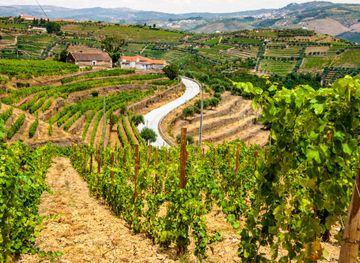
Explore more of Douro
Discover the Douro Valley in Portugal: A UNESCO World Heritage site known for its stunning landscapes, historic vineyards, and world-famous Port wine.
Explore Douro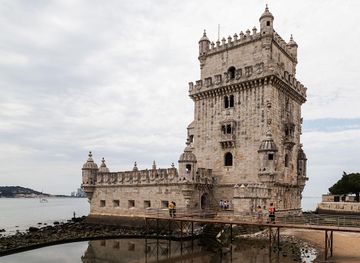
Explore more of Portugal
Discover Portugal: A blend of historic charm, stunning coastlines, and delightful cuisine awaits in this captivating European gem.
Explore Portugal