

Free Vâlcea Travel Guide & Mobile App
Explore Vâlcea with free travel guides. Discover regional history, expert tips, proposed trips, and audio guides on web or mobile app.


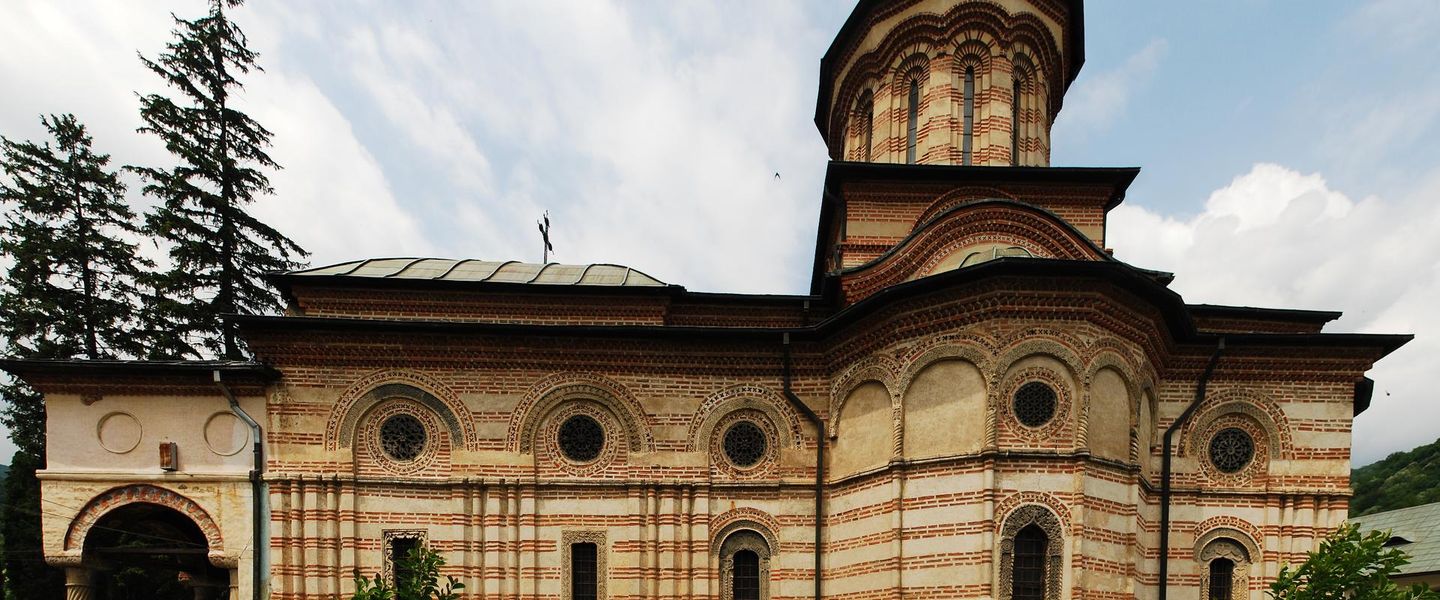


Explore Vâlcea in Romania for Carpathian valleys, historic monasteries, spa towns, Horezu pottery, mountain trails and Drăgășani wines.
Read more about Vâlcea
When is the best time to visit Vâlcea?
Best: June–August · 23–26°C| Month | High (°C) | Rainfall (mm) |
|---|---|---|
| January | 1 | 30 |
| February | 4 | 35 |
| March | 8 | 40 |
| April | 14 | 50 |
| May | 20 | 60 |
| June (best) | 23 | 65 |
| July (best) | 26 | 60 |
| August (best) | 26 | 55 |
| September | 21 | 50 |
| October | 15 | 45 |
| November | 9 | 40 |
| December | 3 | 35 |
Getting to and around Vâlcea
How to get there
Transportation
Top city travel guides in Vâlcea
The cities of Vâlcea, and the easiest places to base yourself.
-

-

-

-


Swipe for more cities
Destinations in Vâlcea
Resorts, valleys and scenic spots worth a trip of their own.
-

-

-

-

-


Swipe for more destinations
Best attractions in Vâlcea
Vâlcea's attractions range from major religious monuments to forests, valleys and living craft traditions. The UNESCO-listed Horezu Monastery is the county's most internationally recognised heritage site, while Cozia Monastery anchors the Olt valley near Călimănești-Căciulata and connects architecture with mountain scenery. Other monasteries, including Govora, Arnota and Dintr-un Lemn, reward visitors interested in Wallachian history, Orthodox art and quieter rural settings. Cozia National Park offers walking and wildlife observation around the Olt defile, while Buila-Vânturarița National Park provides more demanding routes across limestone terrain. The Lotru valley and the area around Voineasa and Vidra are suited to seasonal hiking, cycling and winter activities, subject to weather and local access conditions. Spa towns provide parks, mineral-water traditions and historic resort architecture rather than a single monumental sight. In the south, Drăgășani introduces vineyard landscapes and wine culture, and Horezu's pottery workshops show how a regional craft continues beyond museum display. The result is a dispersed attraction landscape best explored through several bases and short road journeys.
-
Tourist attraction
"Cozia" Monastery
Explore the tranquil beauty and rich history of Cozia Monastery, a stunning Romanian landmark nestled in the Carpathian Mountains.
-
Tourist attraction
Cozia National Park
Explore the enchanting landscapes of Cozia National Park, Romania's natural gem, where adventure and tranquility await in a breathtaking setting.
-
Tourist attraction
Zăvoi
Explore the enchanting Zăvoi park in Râmnicu Vâlcea, a serene escape into nature filled with scenic trails and vibrant wildlife.
-
Tourist attraction
Polovragi Monastery
Explore the serene Polovragi Monastery, a spiritual haven in Romania surrounded by breathtaking landscapes and rich Orthodox heritage.

Best landmarks in Vâlcea
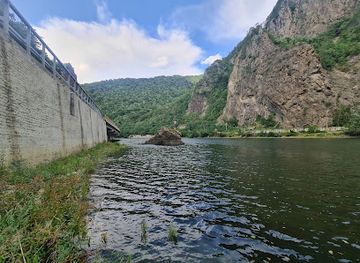
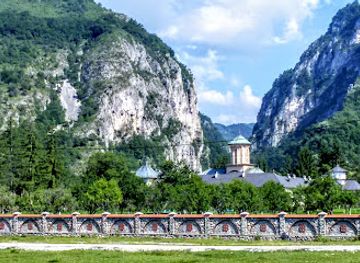
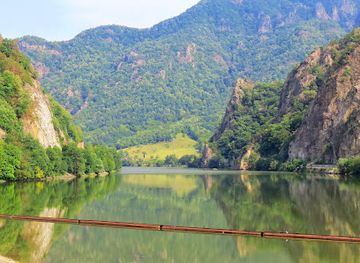
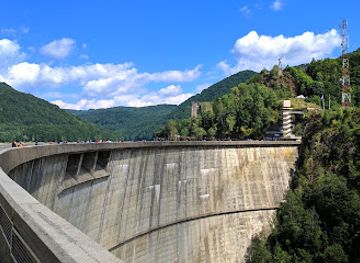
The Olt valley's most recognisable landmark is Cozia Monastery, founded by Mircea the Elder in the late fourteenth century and closely associated with the medieval history of Wallachia. Its church and setting beside the river make it an essential historical reference point for the county. Horezu Monastery is a different but equally important marker: its late-seventeenth-century ensemble represents Brâncovenesc architecture, with richly decorated buildings and a carefully composed monastic plan. Arnota Monastery, associated with Matei Basarab, occupies a wooded mountain setting and adds an earlier Wallachian layer to Vâlcea's religious heritage. The county's spa towns are marked by villas, pavilions and park landscapes developed around mineral springs, especially in Călimănești-Căciulata and Băile Govora. In the natural realm, the limestone ridges of Buila-Vânturarița and the Olt gorge through the Carpathians provide the county's most distinctive geographical forms. Together these monuments and landscapes show how river routes, Orthodox patronage, resort culture and mountain geology have shaped Vâlcea's visual identity.
-
Monastery
"Cozia" Monastery
Explore Cozia Monastery, an exquisite 14th-century landmark surrounded by stunning nature, rich history, and breathtaking architecture in Romania.
-
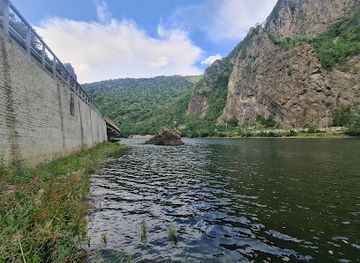
Weir
Vidraru Dam
Discover the captivating Vidraru Dam, a stunning engineering marvel set against the dramatic backdrop of Romania's Carpathian Mountains.
-
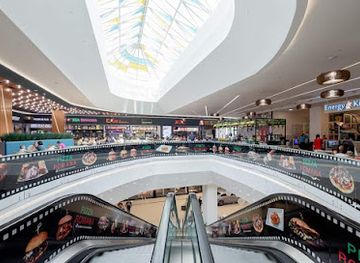
Shopping mall
Shopping City Râmnicu Vâlcea
Discover Shopping City Râmnicu Vâlcea: A vibrant hub of shopping, dining, and entertainment in the heart of Romania.
-
National park
Cozia National Park
Explore the breathtaking landscapes and rich biodiversity of Cozia National Park, a hidden gem in Romania perfect for outdoor adventures and cultural exploration.
Explore Vâlcea on the map
Plan your trip on one map. See where the top cities, national parks and sights are, and book hotels and experiences in a few clicks.
Best hotels in Vâlcea
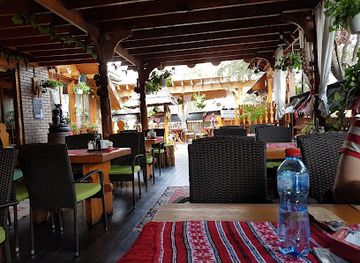
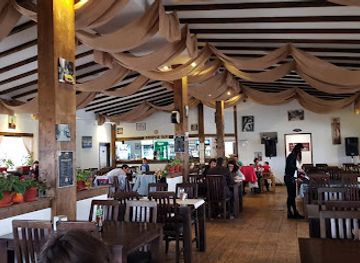
Best restaurants in Vâlcea
Vâlcea's food reflects the contrast between its mountain districts, fertile valleys and wine country. Rural menus commonly draw on soups, polenta, fresh or smoked meats, farmhouse cheeses, vegetables, beans, pickles and fruit preserves, while trout and other freshwater dishes appear in some mountain and valley restaurants. Traditional Romanian cooking is particularly accessible in guesthouses, village inns and family-run restaurants, where menus may change with the season. Râmnicu Vâlcea and the spa towns offer a broader range of cafés, bakeries and contemporary restaurants, while Horezu combines local cooking with opportunities to buy regional produce and ceramics. Drăgășani provides the strongest wine focus, with vineyards and producers associated with the surrounding area; tastings should be arranged rather than assumed to be available on demand. Look for local cheeses, honey, jams and bakery products in markets and farm shops, and expect service and menu choices to vary outside the main urban centres.
-
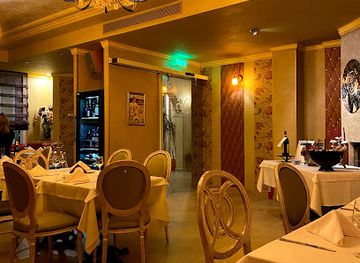
Restaurant
Taverna D'Amici
Discover Taverna D'Amici in Râmnicu Vâlcea for an unforgettable journey into authentic Romanian flavors and hospitality.
-
Restaurant
Restaurant DADA
Experience authentic Romanian cuisine in the heart of Călimănești at Restaurant DADA - where every meal tells a story.
-
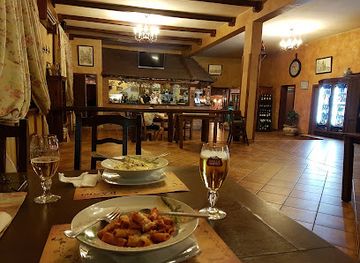
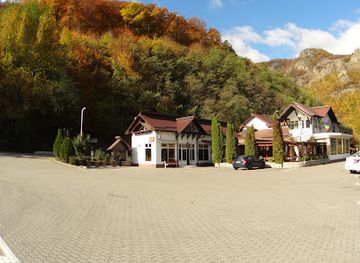
Romanian
Hanul Haiducilor
Discover the essence of Romanian cuisine at Hanul Haiducilor in Râmnicu Vâlcea—where tradition meets flavor in every dish.
-
Restaurant
Restaurant Doi Cocosi
Experience authentic Romanian cuisine at Restaurant Doi Cocosi in Horezu – where tradition meets flavor in every bite.
Best bars in Vâlcea
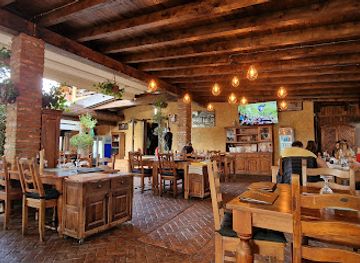
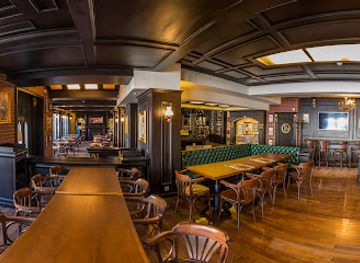
Evening life in Vâlcea is concentrated in Râmnicu Vâlcea, the spa resorts and larger towns rather than spread across the rural county. Râmnicu Vâlcea has cafés, pubs, restaurants and bars where residents meet after work, while Călimănești-Căciulata and Băile Olănești offer a quieter resort atmosphere shaped by hotels, terraces and seasonal visitors. Traditional pubs and restaurant bars are more common than large nightclubs in the mountain districts, and evenings around Voineasa or Horezu tend to centre on guesthouse dining, conversation and occasional live music. Drăgășani's wine identity is reflected in tasting rooms and wine-focused occasions, although availability varies by producer and season. Check current arrangements locally, particularly outside summer, and do not assume that rural venues remain open late.
-
Restaurant
Taverna D'Amici
Discover the heart of Romanian cuisine at Taverna D'Amici, where traditional flavors and warm hospitality create a memorable dining experience.
-
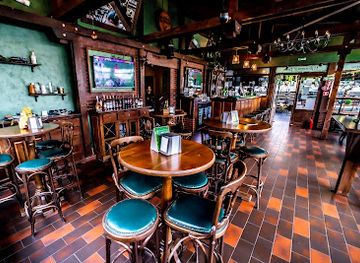
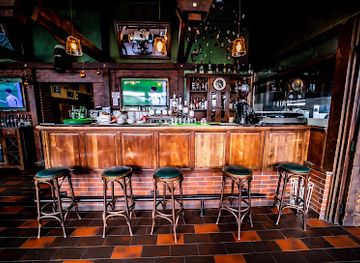
Restaurant
OK Street Pub
Experience the vibrant culinary scene at OK Street Pub, where delicious pizzas and local Romanian dishes await in Râmnicu Vâlcea.
-
Restaurant
Simfonia Restaurant
Experience the finest Romanian cuisine at Simfonia Restaurant, where tradition meets innovation in a delightful dining atmosphere.
-
Restaurant
Club Winners'
Experience the excitement of sports and the joy of dining at Club Winners' in Râmnicu Vâlcea, a perfect destination for food and sports lovers.
Best nightclubs in Vâlcea
Evening life in Vâlcea is concentrated in Râmnicu Vâlcea, the spa resorts and larger towns rather than spread across the rural county. Râmnicu Vâlcea has cafés, pubs, restaurants and bars where residents meet after work, while Călimănești-Căciulata and Băile Olănești offer a quieter resort atmosphere shaped by hotels, terraces and seasonal visitors. Traditional pubs and restaurant bars are more common than large nightclubs in the mountain districts, and evenings around Voineasa or Horezu tend to centre on guesthouse dining, conversation and occasional live music. Drăgășani's wine identity is reflected in tasting rooms and wine-focused occasions, although availability varies by producer and season. Check current arrangements locally, particularly outside summer, and do not assume that rural venues remain open late.
-
Restaurant
Club Winners'
Experience the perfect blend of delicious cuisine and sports excitement at Club Winners', Râmnicu Vâlcea's premier dining and athletic destination.
-
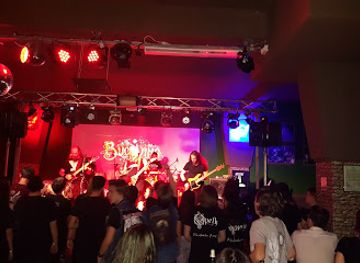
Night club
Aby Stage Bar
Experience vibrant nightlife at Aby Stage Bar, the top night club in Râmnicu Vâlcea with great music, cocktails, and unforgettable moments.
-
Night club
WILD NOVICOFF EVENTS
Dive into the vibrant nightlife of Hirișești at Wild Novicoff Events, where music, dance, and unforgettable memories await.
-
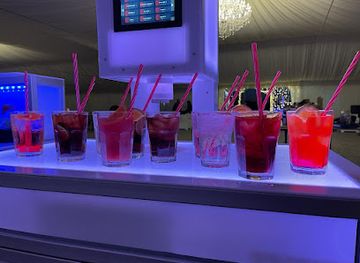
Cocktail bar
Cocktail Box Romania
Experience the vibrant nightlife at Cocktail Box Romania, where craft cocktails and an inviting atmosphere create unforgettable memories.

Best shops in Vâlcea
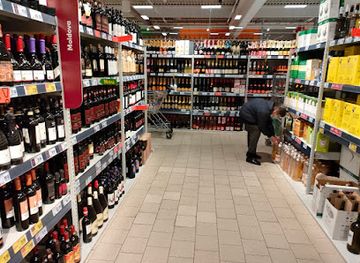
Shopping in Vâlcea is strongest in its market towns and craft-producing communities rather than in large luxury retail districts. Râmnicu Vâlcea provides the broadest choice of supermarkets, high-street shops, cafés and everyday services, while local markets are useful for seasonal fruit, vegetables, honey, preserves, cheeses and other regional produce. Horezu is the county's best-known destination for craft shopping, particularly hand-painted pottery made in the local tradition; buy directly from established workshops where possible and understand that designs, sizes and prices vary. Monastery areas may have small stalls selling candles, religious items and locally made products. Drăgășani and surrounding wine country are suitable for purchasing bottles from regional producers, subject to transport and tasting arrangements. Rural shops are small and opening patterns can be limited, so stock up in larger towns before travelling into the mountain valleys.
-
Store
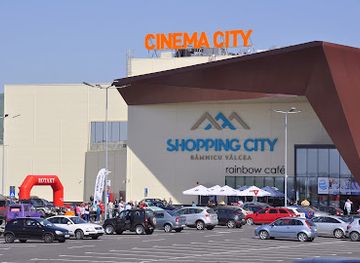
Shopping City Râmnicu Vâlcea
Discover the ultimate shopping experience at Shopping City Râmnicu Vâlcea, where retail therapy meets culinary delights.
-
Supermarket
Kaufland Ramnicu Valcea-Libert
Discover a diverse range of local and international products at Kaufland Ramnicu Valcea-Libert, the ultimate shopping destination in Râmnicu Vâlcea.
-
Tourist attraction
Ocnele Mari Salt Mine
Explore the mesmerizing Ocnele Mari Salt Mine, a unique tourist attraction in Romania offering fascinating history, stunning salt formations, and therapeutic experiences.
-
Tourist attraction
Lotrișor Waterfall
Immerse yourself in the stunning natural beauty of Lotrișor Waterfall, a must-visit destination for nature lovers in Romania.
Get your free copy of our complete guide to Vâlcea, delivered straight to you.
Everything on this page, from attractions and restaurants to essentials and local phrases, in one PDF you can read offline, print or share.
Already have an account? Sign in
Your Vâlcea guide is ready.
We'll send it to · Not you? Sign out

Getting your guide ready…
We are putting together a fresh copy of the Vâlcea guide. This can take up to a minute.
This can take a few moments. If your browser asks, choose Allow so the download can start. You'll find the guide in your Downloads folder.
Nothing happened? Download it again
Sorry, the guide is taking longer than usual. Please try again in a minute, or get it by email instead.
Vâlcea essentials
Currency and Payment
Safety
Emergency Situations
Do's and Don'ts
Local Tips
From Eve
Local phrases worth knowing
You don't need to get them perfect. A few words go a long way, and locals appreciate the effort.
Basics
| English | Local | Say it |
|---|---|---|
| Hello | Salut | [sah-loot] |
| Goodbye | La revedere | [lah reh-veh-deh-reh] |
| Yes | Da | [dah] |
| No | Nu | [noo] |
| Please/You’re welcome | Te rog | [teh rog] |
| Thank you | Mulțumesc | [mool-tsoo-mesk] |
| Excuse me/Sorry | Scuză-mă | [skoo-zah-muh] |
| How are you? | Ce mai faci? | [cheh my fahch?] |
| Fine. And you? | Bine. Și tu? | [bee-neh. shee too?] |
| Do you speak English? | Vorbești engleză? | [vor-besht eng-leh-zah?] |
| I don't understand | Nu înțeleg | [noo in-tseh-leg] |
Eating & Drinking
| English | Local | Say it |
|---|---|---|
| I’d like to see the menu, please | Aș dori să văd meniul, te rog | [ash doh-ree sah vehd meh-nee-ul, teh rog] |
| I don't eat meat | Nu mănânc carne | [noo muh-nuhn-k kar-neh] |
| Cheers! | Noroc! | [noh-roc] |
| I would like to pay, please | Aș dori să plătesc, te rog | [ash doh-ree sah plah-tesk, teh rog] |
Emergencies
| English | Local | Say it |
|---|---|---|
| Help! | Ajutor! | [ah-joo-tor] |
| Go away! | Du-te! | [doo-teh] |
| Call the Police! | Sună Poliția! | [soo-nah poh-lee-tsee-ah] |
| Call a doctor! | Sună un doctor! | [soo-nah oon dok-tor] |
| I’m lost | Sunt pierdut | [soont pee-er-doot] |
| I’m ill | Sunt bolnav | [soont bol-nahv] |
Shopping
| English | Local | Say it |
|---|---|---|
| I’d like to buy... | Aș dori să cumpăr... | [ash doh-ree sah koom-puhr] |
| I’m just looking | Mă uit doar | [muh ooit doar] |
| How much is it? | Cât costă? | [kuht koh-stah?] |
| That’s too expensive | E prea scump | [eh preh skoomp] |
| Can you lower the price? | Poți să scazi prețul? | [pots sah skahz preh-tsool?] |
Time & Numbers
| English | Local | Say it |
|---|---|---|
| What time is it? | Ce oră este? | [cheh oh-rah yeh-steh?] |
| It’s one o’clock | Este o oră | [yeh-steh o oh-rah] |
| Half past (10) | Jumătate după (10) | [joo-mah-tah-teh doo-pah (10)] |
| Morning | Dimineața | [dee-mee-neh-ah-tsah] |
| Afternoon | După-amiază | [doo-pah-ah-mee-ah-zah] |
| Evening | Seara | [seh-ah-rah] |
| Yesterday | Ieri | [yeh-ree] |
| Today | Astăzi | [ahs-tuh-dz] |
| Tomorrow | Mâine | [mee-neh] |
| 1 | 1 | [unu] |
| 2 | 2 | [doi] |
| 3 | 3 | [trei] |
| 4 | 4 | [patru] |
| 5 | 5 | [cinci] |
| 6 | 6 | [șase] |
| 7 | 7 | [șapte] |
| 8 | 8 | [opt] |
| 9 | 9 | [nouă] |
| 10 | 10 | [zece] |
Transport & Directions
| English | Local | Say it |
|---|---|---|
| Where's a/the...? | Unde este un/ o...? | [oon-deh yeh-steh oon/oh] |
| What's the address? | Care este adresa? | [kah-reh yeh-steh ah-dreh-sah] |
| Can you show me (on the map)? | Îmi poți arăta (pe hartă)? | [eem pots ah-rah-tah (peh hahr-tah)?] |
| When's the next (bus)? | Când vine următorul (autobuz)? | [kund vee-neh oor-mah-toh-rool (ow-toh-booz)?] |
| A ticket (to ....) | Un bilet (la ....) | [oon bee-let (lah ....)] |
History of Vâlcea
Dacian and Roman Frontiers
The Olt valley has been an important route across the southern Carpathians since antiquity. Before Roman conquest, the surrounding region formed part of the wider Dacian world. Roman control brought roads, forts and administrative settlements along the Olt, then known as the Alutus. The Roman military road through the valley connected the Danubian frontier with Transylvanian territory, and archaeological remains in the county reflect this strategic role. Although later settlement patterns changed substantially, the valley's function as a passage between the plains and mountains continued through the medieval and modern periods.
Medieval Wallachia and the Olt Valley
During the formation of medieval Wallachia, the Olt corridor became a route of political, military and commercial importance. Princes and armies moved between the southern plain and Transylvania through the mountain passes, while monasteries and fortified settlements helped anchor authority. The region's position also exposed it to conflict and changing relations with neighbouring powers. Cozia Monastery, founded by Mircea the Elder at the end of the fourteenth century, remains the clearest monument of this period in Vâlcea and preserves the memory of Wallachian state-building along the river.
Monastic Foundations and Orthodox Culture
From the medieval era into the early modern period, monasteries became major religious, educational, artistic and economic institutions in Vâlcea. Foundations at Govora, Arnota, Dintr-un Lemn and elsewhere supported manuscript culture, worship and land management. The monasteries were also associated with ruling families and boyar patrons, who used architecture and religious endowments to express political legitimacy. Their churches, painted interiors, stonework and surrounding estates provide an unusually concentrated record of Wallachian Orthodox culture.
Brâncovenesc Architecture and Horezu
Constantin Brâncoveanu, ruler of Wallachia from 1688 to 1714, founded Horezu Monastery in the late seventeenth century. Its buildings and decoration established a sophisticated architectural language now known as Brâncovenesc, combining Byzantine forms with Ottoman, Renaissance and local elements. The monastery became a centre of religious and artistic activity, and its sculptural details, frescoes and orderly composition remain central to Vâlcea's cultural identity. UNESCO inscribed the Horezu Monastery ensemble as a World Heritage Site in 1993.
Trade, Crafts and Rural Life
For centuries, Vâlcea's economy combined mountain pastoralism, agriculture in the Olt and Oltean valleys, forestry, trade and craft production. The Horezu area developed a particularly strong pottery tradition, with vessels and decorative motifs shaped by local practice and transmitted through generations of makers. Markets and cross-Carpathian routes connected villages with larger towns, while monasteries and estates formed important local employers and consumers. These older economic patterns remain visible in village architecture, food traditions, craft workshops and the continued importance of small-scale agricultural production.
The Rise of the Spa Towns
Mineral springs helped transform several Vâlcea settlements into resort towns during the nineteenth century and the early twentieth century. Călimănești-Căciulata, Băile Govora and Băile Olănești developed treatment facilities, promenades, villas and hotels serving visitors seeking cures and rest. Their growth reflected wider European interest in balneology, the therapeutic use of mineral waters and climatic environments. Some historic buildings have changed function or condition, but the spa tradition still shapes the county's visitor economy and public landscapes.
Industry, Transport and the Modern County
Modern Vâlcea was reshaped by improved roads and rail connections through the Olt valley, by forestry and food production, and by industrial development during the twentieth century. Hydroelectric infrastructure and reservoirs altered parts of the Olt and Lotru valleys, while Râmnicu Vâlcea expanded as an administrative and industrial centre. After the end of communism, tourism, services, wine production, craft industries and nature-based recreation assumed greater significance. The county's present identity therefore combines medieval and religious heritage with spa travel, mountain landscapes and a changing regional economy.
Vâlcea in Photos
Browse through our photo collection highlighting the charm and character of the destination.
Neighbouring regions of Vâlcea
The closest regions to Vâlcea, if you have time for more than one.
-

-

-

-

-


Swipe for more regions
Explore more

Explore more of Romania
Discover Romania's blend of mystical castles, enchanting landscapes, and vibrant culture. Experience the rich history and natural beauty that make Romania a unique travel destination.
Explore Romania