
Southern Province, Rwanda Travel Guide
Discover Rwanda's Southern Province: A land of lush landscapes, rich history, and vibrant culture, offering unique experiences from tea plantations to ancient palaces.
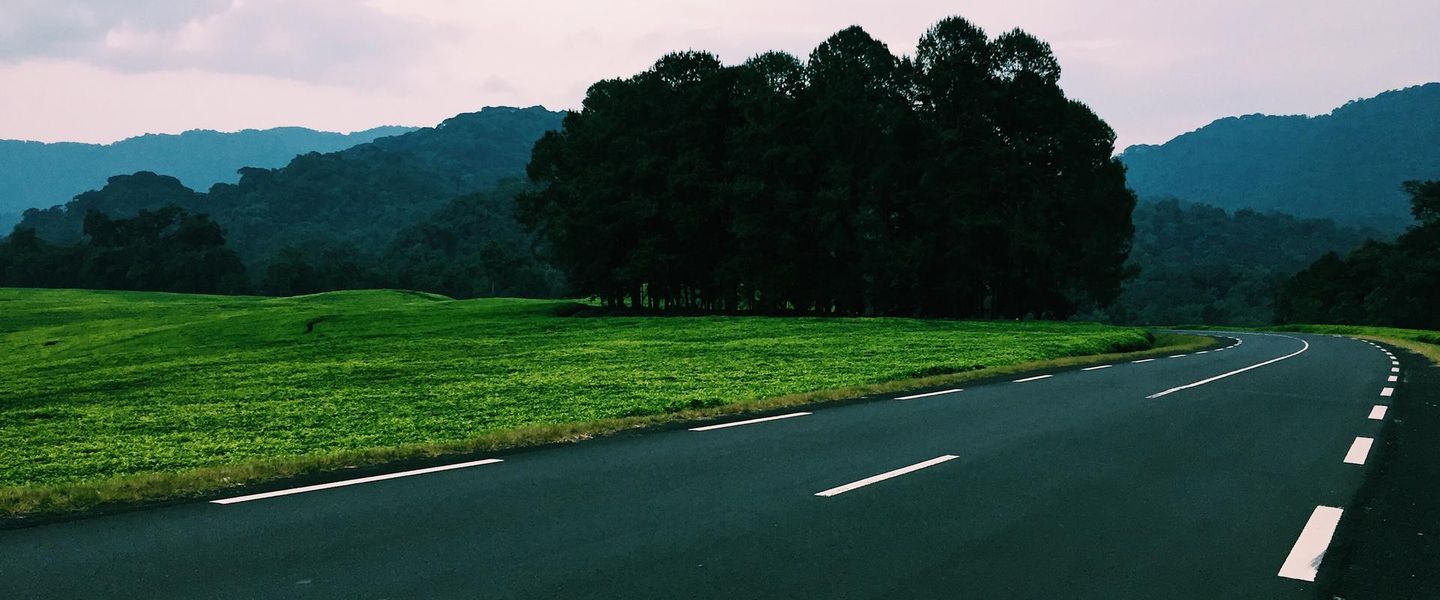
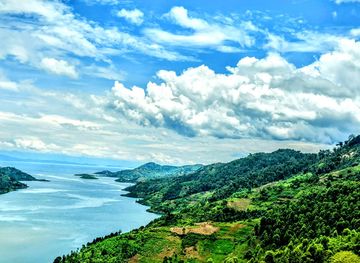
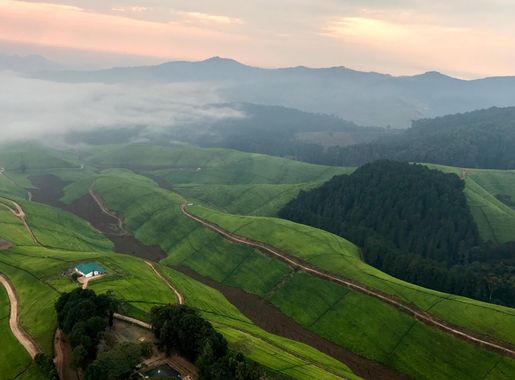
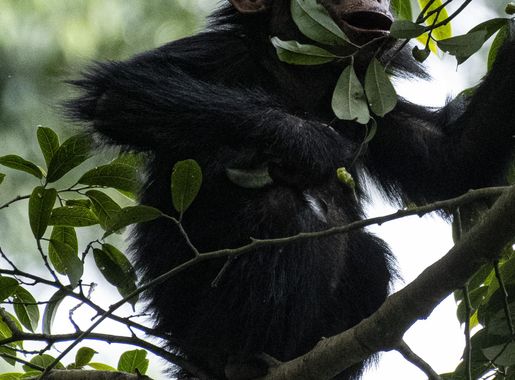
The Southern Province of Rwanda is a captivating region known for its lush landscapes, historical landmarks, and vibrant culture. Nestled in the heart of Africa, this area offers visitors a unique blend of natural beauty and cultural richness. From the verdant hills and tea plantations to the bustling markets and ancient sites, there is something for everyone to enjoy. One of the key attractions in the Southern Province is the Nyungwe Forest National Park. This vast rainforest is home to a diverse range of wildlife, including chimpanzees, colobus monkeys, and hundreds of bird species. Visitors can take guided hikes along well-marked trails, explore the canopy walkway, or simply soak in the tranquility of the forest. The city of Butare, also known as Huye, is another highlight of the region. As the intellectual hub of Rwanda, Butare hosts the National University of Rwanda and several important museums. The Ethnographic Museum in Butare offers an in-depth look at Rwanda's history and culture, featuring artifacts, traditional clothing, and historical exhibits. For those interested in history, a visit to the King's Palace Museum in Nyanza is a must. This reconstructed palace provides insight into the royal history of Rwanda, with traditional thatched buildings and a modern museum showcasing the monarchy's heritage. The nearby Rwesero Art Museum further enriches the cultural experience with its collection of contemporary Rwandan art. The Southern Province also boasts numerous picturesque tea plantations, where visitors can learn about the tea production process and enjoy the stunning scenery. The rolling hills covered in tea bushes create a serene and inviting atmosphere, perfect for relaxation and photography. Whether you are an adventure seeker, history enthusiast, or simply looking to experience the warmth of Rwandan hospitality, the Southern Province has something to offer. Its blend of natural wonders and cultural treasures makes it a must-visit destination in Rwanda.

Know before you go
Hi, I'm Eve. Here are a few practical things to know before exploring Southern Province.
- Visit Nyungwe Forest early in the morning for the best chances to see chimpanzees and other wildlife.
- Wear comfortable hiking shoes and bring a raincoat when exploring Nyungwe Forest, as the weather can be unpredictable.
- Allocate at least half a day to fully explore the Ethnographic Museum in Butare and immerse yourself in Rwandan culture.
- Consider hiring a local guide when visiting historical sites to gain deeper insights and enhance your experience.
- Try local Rwandan cuisine at the markets and restaurants in Butare for an authentic culinary experience.
- Photography enthusiasts should not miss the tea plantations, especially during the early morning or late afternoon for the best light.
Top City Travel Guides in Southern Province
The cities of Southern Province, and the easiest places to base yourself.




Destinations in Southern Province
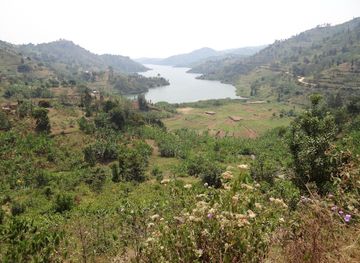
Resorts, valleys and scenic spots worth a trip of their own.


Explore Southern Province: Things to Do, Places to Eat, Hotels & More
Handpicked recommendations for top attractions, local dining, accommodations, and more

Top Attractions & Sightseeing in Southern Province
Top-rated picks
Best Attractions

Ethnographic Museum
Explore Rwanda's rich history and vibrant culture at the Ethnographic Museum in Butare, a must-see for every traveler.

King's Palace Museum
Explore the grandeur of Rwanda's royal past at the King's Palace Museum in Nyanza, where history and culture come alive in a breathtaking setting.
Heaven Garden Rebero
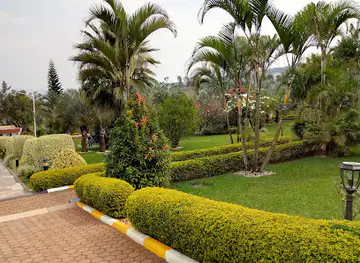
Discover the breathtaking beauty and tranquility of Heaven Garden Rebero in Kigali, a lush oasis perfect for relaxation and stunning city views.

Juru Park
Discover the tranquility of Juru Park in Kigali, where nature meets local cuisine in a captivating setting.

Best landmarks in Southern Province
Top-rated picks
Best Landmarks
Kigali Genocide Memorial
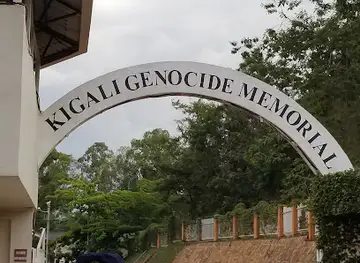
Explore the Kigali Genocide Memorial, a profound journey through Rwanda's history of resilience, remembrance, and reconciliation.

Kigali Serena Hotel
Experience unparalleled luxury at Kigali Serena Hotel, where modern comfort meets Rwandan hospitality in the vibrant capital city.

Nyabugogo Bus Park
Explore Rwanda from Nyabugogo Bus Park, the vibrant transport hub connecting you to all corners of the nation with local charm.

Century Cinema
Discover Kigali's vibrant film culture at Century Cinema, where modern technology meets comfort for unforgettable cinematic experiences.

Best restaurants in Southern Province
Top-rated picks
Best Restaurants

Sole Luna
Experience authentic Italian cuisine at Sole Luna in Kigali – where every dish tells a story.

Repub Lounge
Experience authentic Rwandan cuisine at Repub Lounge in Kigali - where tradition meets modernity in an inviting atmosphere.
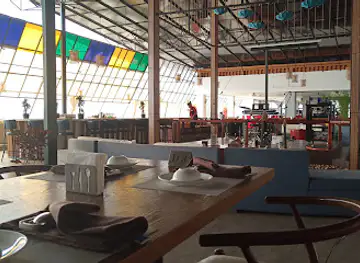
Bamboo Rooftop Restaurant
Savor exquisite Chinese dishes while enjoying breathtaking views of Kigali at Bamboo Rooftop Restaurant.

New Cactus
Experience the best of Rwandan and international cuisine at New Cactus in Kigali – where every meal is a celebration of flavor.

Best bars in Southern Province
Top-rated picks
Best Bars
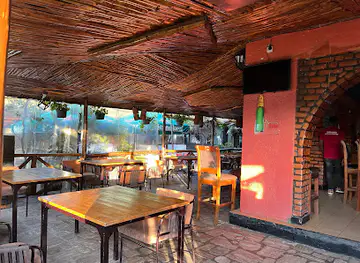
Sundowner
Discover the heart of Kigali at Sundowner, where local flavors meet a vibrant atmosphere and exceptional service.

Riders Lounge Kigali
Discover the vibrant culinary scene at Riders Lounge Kigali, where local flavors meet a lively atmosphere for unforgettable nights out.

Repub Lounge
Experience the vibrant culture and flavors of Kigali at Repub Lounge, a unique blend of local art and international cuisine in a lively atmosphere.

Best BelAir Bar & Restaurant
Discover the vibrant culinary scene at Best BelAir Bar & Restaurant, offering a fusion of local and international flavors in Kigali.

Best nightclubs in Southern Province
Top-rated picks
Best Nightclubs

Shooters Lounge
Discover the vibrant nightlife and delicious cuisine at Shooters Lounge in Kigali, where every night promises a unique experience.

People Bar & Dance Venue
Experience the vibrant nightlife of Kigali at People Bar & Dance Venue, where music, dancing, and great drinks meet for an unforgettable night.

Cadillac Night Club
Discover Kigali's nightlife at Cadillac Night Club - where vibrant energy, great music, and unforgettable experiences await.

La Noche
Experience the electrifying nightlife at La Noche, Kigali's premier disco club, where dancing, music, and fun come together.

Best shops in Southern Province
Top-rated picks
Best Shops

Kigali City Market
Explore the vibrant Kigali City Market, where local culture and commerce come alive in the heart of Rwanda's capital.

CHICLtd
Discover the vibrant shopping and dining experience at CHICLtd, Kigali's premier shopping mall, blending local culture with modern retail.

Rwanda Clothing Store
Explore Rwanda's rich culture and vibrant fashion with unique garments and handmade accessories at the Rwanda Clothing Store in Kigali.

NICCU CREATIONS LTD, SHOP NO C12 , FLOOR B1, Chic Shopping center
Explore a vibrant fabric store blending local craftsmanship and tailoring services for a unique shopping experience.

Explore Southern Province on the Map
A handpicked selection of must-see spots in Southern Province, mapped for you.
Southern Province Essentials
-
Southern Province in Rwanda can be accessed via Kigali International Airport (KGL), located in the capital city of Kigali. From Kigali, you can take a bus, taxi, or rent a car to travel to various destinations within Southern Province. The road journey typically takes 2 to 3 hours depending on your specific destination. Major bus companies like Volcano Express and Horizon Express offer regular services to Huye (Butare) and other towns in the province.
-
Within Southern Province, transportation options include buses, minibuses (matatus), and motorcycle taxis (motos). For short distances, motos are a quick and convenient option. Buses and minibuses connect major towns and are a cost-effective way to travel. Taxis are also available for hire and are a reliable option for reaching more remote areas. Renting a car is another option for those who prefer to explore at their own pace.
-
The official currency in Rwanda is the Rwandan Franc (RWF). Credit cards are accepted in major hotels, restaurants, and some shops, but it is advisable to carry cash, especially in smaller towns and rural areas. ATMs are available in major towns such as Huye, but it is wise to withdraw sufficient cash in Kigali before traveling to ensure you have enough funds for your trip.
-
Southern Province is generally safe for tourists, but it is important to take standard precautions. Avoid walking alone at night and keep an eye on your belongings in crowded places. While the province does not have specific high-crime areas targeting tourists, it is always best to stay vigilant and aware of your surroundings. In case of any issues, local police stations are available in major towns.
-
In case of emergency, dial 112 for immediate assistance. Major hospitals and medical facilities are available in towns like Huye. It is recommended to have travel insurance that covers medical emergencies. Pharmacies are available in the main towns where you can purchase over-the-counter medications. For more serious health issues, you may need to travel to Kigali for specialized care.
-
Fashion: Do dress modestly, especially when visiting religious sites or rural areas. Avoid wearing revealing clothing. Religion: Do respect local customs and traditions. Always cover your head when entering churches and other religious sites. Public Transport: Do be respectful and give up your seat to elderly passengers. Don't eat or drink on public transport. Greetings: Do greet people with a handshake or a slight bow of the head. Use the local greeting 'Muraho' (Hello) to show respect. Eating & Drinking: Do try local delicacies and accept food offerings graciously. Don't refuse hospitality, as it is considered impolite.
-
To experience Southern Province like a local, visit the local markets where you can buy fresh produce and traditional Rwandan goods. Engage with locals, as they are often friendly and willing to share stories about the region's history and culture. Don't miss visiting the National Museum of Rwanda in Huye and the King's Palace Museum in Nyanza. For a unique experience, participate in community-based tourism activities that offer insights into traditional Rwandan life.
When is the best time to visit Southern Province?
Useful Local Phrases for Southern Province
You don't need to speak the language perfectly. Even learning a few simple words can make conversations warmer—and locals usually appreciate the effort.
— Eve

Here are the phrases I use most often in Southern Province. Try a few—you'll be surprised how far they go! 😊
❤️
-
- HelloMuraho
[moo-rah-ho] - GoodbyeMurabeho
[moo-rah-beh-ho] - YesYego
[yeh-go] - NoOya
[oh-yah] - Please/You're welcomeNyabuneka
[nyah-boo-neh-kah] - Thank youUrakoze
[oo-rah-koh-zeh] - Excuse me/SorryMbabarira
[mm-bah-bah-ree-rah] - How are you?Amakuru yawe?
[ah-mah-koo-roo yah-weh] - Fine. And you?Ndi neza. Nawe?
[n-dee neh-zah. nah-weh?] - Do you speak English?Uravuga Icyongereza?
[oo-rah-voo-gah ee-chong-eh-reh-zah] - I don't understandSinumva
[see-noom-vah]
- HelloMuraho
-
- I'd like to see the menu, pleaseNashaka kureba menu, nyabuneka
[nah-shah-kah koo-reh-bah meh-noo, nyah-boo-neh-kah] - I don't eat meatSinarya inyama
[see-nah-ree-ah ee-nyah-mah] - Cheers!Hishimwe!
[hee-shee-mweh] - I would like to pay, pleaseNashaka kwishyura, nyabuneka
[nah-shah-kah kwee-shee-oo-rah, nyah-boo-neh-kah]
- I'd like to see the menu, pleaseNashaka kureba menu, nyabuneka
-
- Help!Fasha!
[fah-shah] - Go away!Genda!
[gen-dah] - Call the Police!Hamagara Polisi!
[hah-mah-gah-rah poh-lee-see] - Call a doctor!Hamagara umuganga!
[hah-mah-gah-rah oo-moo-gah-ngah] - I'm lostNdi mu nzira
[n-dee moo n-zee-rah] - I'm illNdi indwara
[n-dee in-dwah-rah]
- Help!Fasha!
-
- I'd like to buy...Nashaka kugura...
[nah-shah-kah koo-goo-rah] - I'm just lookingNdi kureba gusa
[n-dee koo-reh-bah goo-sah] - How much is it?Ni angahe?
[nee ahn-gah-heh] - That's too expensiveBirahenze
[bee-rah-hen-zeh] - Can you lower the price?Ushobora kugabanya igiciro?
[oo-shoh-bah-rah koo-gah-bah-nyah ee-ghee-roh]
- I'd like to buy...Nashaka kugura...
-
- What time is it?Ni saa ingahe?
[nee sah ahn-gah-heh] - It's one o'clockNi saa imwe
[nee sah eem-weh] - Half past (10)Saa kumi n'igice
[sah koo-mee n'ee-gee-cheh] - MorningMu gitondo
[moo gee-ton-doh] - AfternoonMu masaha ya nyuma
[moo mah-sah-hah yah nyoo-mah] - EveningMu mugitondo
[moo moo-gee-ton-doh] - YesterdayEjo hashize
[eh-jo hah-shee-zeh] - TodayUyu munsi
[oo-yoo moon-sigh] - TomorrowEjo hazaza
[eh-jo hah-zah-zah] - 11
[imwe] - 22
[ebyiri] - 33
[ebyiri] - 44
[ebyiri] - 55
[ibyiri] - 66
[byiri] - 77
[byiri] - 88
[byiri] - 99
[byiri] - 1010
[byiri]
- What time is it?Ni saa ingahe?
-
- Where's a/the...?Aho hantu?
[ah-hoh hahn-too] - What's the address?Ni adresse iyihe?
[nee ah-dress ee-yee-heh] - Can you show me (on the map)?Urashobora kumfasha (ku ikarita)?
[oo-rah-shoh-bah-rah koom-fah-shah (koo ee-kah-ree-tah)] - When's the next (bus)?Igihe bus izaza?
[ee-gee-heh boos ee-zah-zah] - A ticket (to ....)Itike (ku ....)
[ee-tee-keh (koo ....)]
- Where's a/the...?Aho hantu?
History of Southern Province
-
Southern Province is historically significant as part of the ancient Kingdom of Rwanda, which dates back to the 11th century. The area played a crucial role in the formation and consolidation of the kingdom, serving as a key cultural and political center. It was home to several important clans and families who contributed to the kingdom's rich heritage.
-
Nyanza, located within Southern Province, was the royal capital of the Kingdom of Rwanda from the late 19th century until the early 20th century. The Mwami (king) of Rwanda resided here, and the area became a hub of cultural and political activity. The Royal Palace, now a museum, offers visitors a glimpse into the regal past of Rwanda and the traditions that shaped the nation.
-
During the colonial period, Southern Province was influenced by both German and Belgian colonial administrations. The colonial powers introduced new administrative structures, education systems, and infrastructure developments that had lasting impacts on the region. The Catholic Church also established a strong presence, influencing the culture and daily life of the local communities.
-
Rwanda gained independence from Belgium in 1962, marking a significant turning point for Southern Province. The region saw substantial political and social changes as the new nation navigated its path to self-governance. The post-colonial era brought challenges and opportunities, reshaping the cultural and economic landscape of the province.
-
Southern Province, like the rest of Rwanda, was deeply affected by the 1994 Genocide against the Tutsi. The region is home to several genocide memorials, such as the Murambi Genocide Memorial, which serve as somber reminders of the atrocities and as places for reflection and education. These memorials are key to understanding the profound impact of the genocide on Rwanda and its people.
-
The Southern Province is renowned for its traditional crafts, particularly the famous Rwandan 'Imigongo' art. This unique art form, characterized by its geometric patterns made from cow dung and natural dyes, originated in the region. Visitors can explore local markets and workshops to see these beautiful crafts and learn about the cultural significance behind them.
-
The Intore dance, known as the 'Dance of Heroes,' is an integral part of Rwandan culture, with deep roots in Southern Province. This traditional dance, accompanied by drumming and singing, was historically performed for the kings and during important ceremonies. Today, it remains a vibrant expression of Rwandan heritage, often showcased during cultural festivals and events.
-
Southern Province boasts a stunning natural landscape, including the lush forests of Nyungwe National Park. This park is one of the oldest rainforests in Africa and a biodiversity hotspot, home to numerous species of primates, birds, and plants. It offers visitors the chance to experience Rwanda's natural beauty through activities like chimpanzee trekking, canopy walks, and bird watching.
Neighbouring Regions of Southern Province
The closest regions to Southern Province, if you have time for more than one.



Your all‑in‑one travel companion app
Explore expert travel guides, compare and book tours, experiences, hotels, and more—all from the palm of your hand. Download now for seamless trip planning wherever your wanderlust takes you.


Explore More of Rwanda

Looking beyond Southern Province? Discover Rwanda for broader travel guides, local hot-spots, and regional highlights.
Explore RwandaSouthern Province in Photos
Browse through our photo collection highlighting the charm and character of the destination.
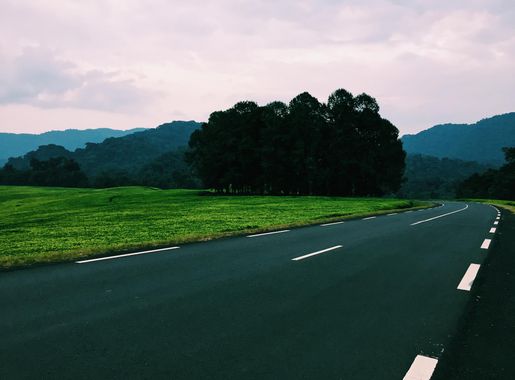




The Enchanting Southern Province of Rwanda
The Southern Province of Rwanda is a captivating region known for its lush landscapes, historical landmarks, and vibrant culture. Nestled in the heart of Africa, this area offers visitors a unique blend of natural beauty and cultural richness. From the verdant hills and tea plantations to the bustling markets and ancient sites, there is something for everyone to enjoy. One of the key attractions in the Southern Province is the Nyungwe Forest National Park. This vast rainforest is home to a diverse range of wildlife, including chimpanzees, colobus monkeys, and hundreds of bird species. Visitors can take guided hikes along well-marked trails, explore the canopy walkway, or simply soak in the tranquility of the forest. The city of Butare, also known as Huye, is another highlight of the region. As the intellectual hub of Rwanda, Butare hosts the National University of Rwanda and several important museums. The Ethnographic Museum in Butare offers an in-depth look at Rwanda's history and culture, featuring artifacts, traditional clothing, and historical exhibits. For those interested in history, a visit to the King's Palace Museum in Nyanza is a must. This reconstructed palace provides insight into the royal history of Rwanda, with traditional thatched buildings and a modern museum showcasing the monarchy's heritage. The nearby Rwesero Art Museum further enriches the cultural experience with its collection of contemporary Rwandan art. The Southern Province also boasts numerous picturesque tea plantations, where visitors can learn about the tea production process and enjoy the stunning scenery. The rolling hills covered in tea bushes create a serene and inviting atmosphere, perfect for relaxation and photography. Whether you are an adventure seeker, history enthusiast, or simply looking to experience the warmth of Rwandan hospitality, the Southern Province has something to offer. Its blend of natural wonders and cultural treasures makes it a must-visit destination in Rwanda.