

Free Cyangugu Travel Guide & Mobile App
Explore Cyangugu with free travel guides. Discover regional history, expert tips, proposed trips, and audio guides on web or mobile app.


Explore Cyangugu and Rusizi for Lake Kivu views, borderland culture, island outings and access to Rwanda’s Nyungwe rainforest.
Read more about Cyangugu
When is the best time to visit Cyangugu?
Best: January–March · 25°C| Month | High (°C) | Rainfall (mm) |
|---|---|---|
| January (best) | 25 | 100 |
| February (best) | 25 | 110 |
| March (best) | 25 | 120 |
| April | 25 | 130 |
| May | 25 | 140 |
| June | 25 | 150 |
| July | 25 | 160 |
| August | 25 | 170 |
| September | 25 | 180 |
| October | 25 | 190 |
| November | 25 | 200 |
| December | 25 | 210 |
Getting to and around Cyangugu
How to get there
Transportation
Destinations in Cyangugu
Resorts, valleys and scenic spots worth a trip of their own.

Swipe for more destinations
Best attractions in Cyangugu
Cyangugu and the surrounding Rusizi area combine lakeside, rural and rainforest attractions. Along Lake Kivu, visitors can arrange boat outings, observe fishing activity and enjoy views towards the Congolese shore, while Nkombo Island offers a more rural island setting within the wider lake district. The town’s markets and ordinary commercial streets are useful for understanding its role as a border and transport centre rather than for conventional sightseeing. Farther east, Nyungwe National Park is the region’s major natural draw, with guided forest walks, chimpanzee tracking, birdwatching and canopy experiences available under park regulations. The journey through tea-growing highlands and densely vegetated slopes is part of the appeal, although Nyungwe is a large protected landscape and should not be treated as a quick urban excursion. Rural Rusizi also offers views of cultivated hills, streams and villages, with opportunities for slower, guide-led visits rather than formal attractions. Because weather and road conditions can affect access, visitors should build flexibility into itineraries and arrange specialist activities in advance.
-
National park
Akagera National Park Rwanda
Explore the stunning wilderness of Akagera National Park in Rwanda, home to diverse wildlife and breathtaking landscapes, perfect for nature lovers and adventurers.
-
National park
Nyungwe Forest National Park
Discover the breathtaking beauty and rich biodiversity of Nyungwe Forest National Park, Rwanda's oldest rainforest, perfect for nature lovers and adventure seekers.
-
Museum
Ethnographic Museum
Explore Rwanda's vibrant history and culture at the Ethnographic Museum in Butare, showcasing a diverse collection of artifacts and exhibits.
-
Museum
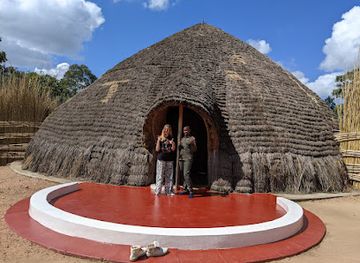
King's Palace Museum
Discover the captivating history of Rwanda at the King's Palace Museum, where royal heritage and culture come alive through stunning exhibits.
Best landmarks in Cyangugu
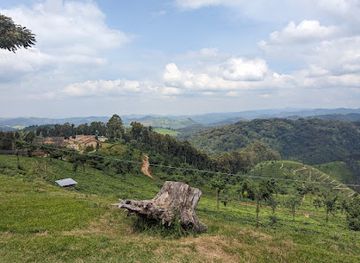
The most recognisable landmark in the Cyangugu area is the southern reach of Lake Kivu, whose broad water surface and mountainous opposite shore define the town’s western setting. The Rusizi River and the international frontier give the urban area a clear geographical identity, although border facilities should be treated as working infrastructure rather than tourist viewpoints. Kamembe’s airport is an important modern marker of the region’s connection with the rest of Rwanda. Farther east, the forested escarpments and protected landscapes of Nyungwe form a natural landmark of national importance, marking the transition from humid lakeside lowlands to montane rainforest. Nkombo Island provides a distinctive human and geographical presence on the lake, with settlement and cultivation shaped by its insular environment. In the built-up area, markets, churches, administrative buildings and transport streets are less monumental but help explain how a border town functions. The area’s significance comes from the relationship between water, river, forest and frontier rather than from a single grand monument.
-
National park
Nyungwe Forest National Park
Experience the breathtaking beauty and rich biodiversity of Nyungwe Forest National Park, a haven for nature lovers and adventure seekers in Rwanda.
-
Museum
King's Palace Museum
Experience the royal legacy of Rwanda at the captivating King's Palace Museum, a treasure trove of history and culture nestled in tranquil gardens.
-
Historical place museum
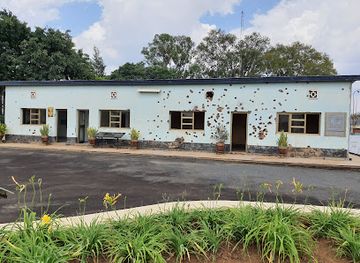
Belgian Peacekeepers Memorial
Explore the Belgian Peacekeepers Memorial in Kigali, a poignant tribute to resilience and the sacrifices made during the Rwandan Genocide.
-
Hotel
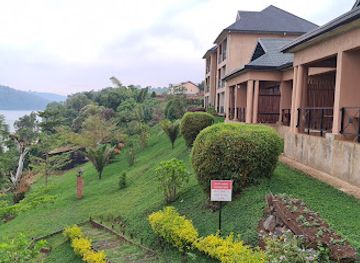
Emeraude Kivu Resort
Discover the serene beauty of Emeraude Kivu Resort, your ultimate lakeside escape in Rwanda, blending comfort, adventure, and rich cultural experiences.
Explore Cyangugu on the map
Plan your trip on one map. See where the top cities, national parks and sights are, and book hotels and experiences in a few clicks.
Best hotels in Cyangugu
Best restaurants in Cyangugu
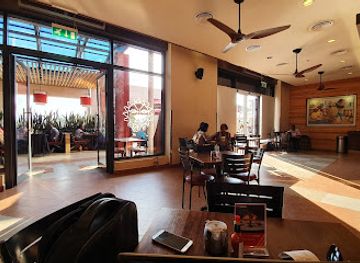
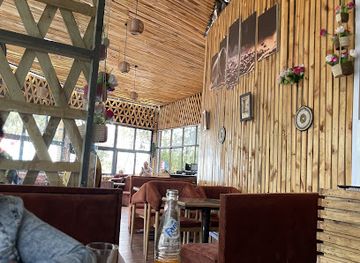
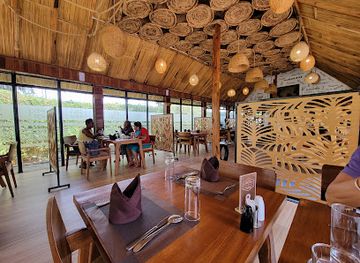
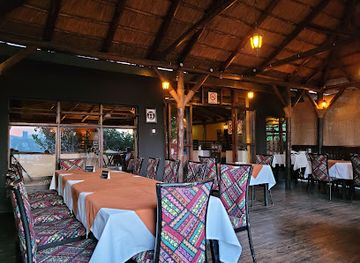
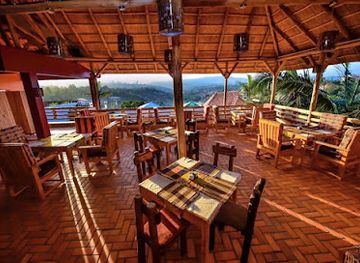
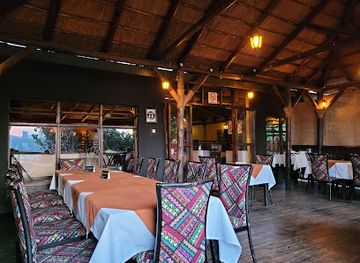
Dining in Cyangugu and Kamembe is centred on Rwandan staples and Great Lakes ingredients rather than a highly specialised restaurant district. Local menus commonly feature beans, rice, potatoes, cassava, plantains, vegetables and brochettes, with grilled or fried fish available in lakeside settings when supplies permit. Small restaurants and cafés serve practical meals throughout the day, while hotels and larger establishments are more likely to offer familiar international dishes. Tea reflects the importance of the surrounding highland plantations, and locally produced fruit may appear in juices or simple desserts. Visitors should distinguish between a lakeside view and guaranteed lake-caught fish: sourcing varies by season and establishment. Markets are useful for seeing produce such as bananas, avocados and root crops, although prepared food should be chosen from busy, clean stalls. Dining is generally informal, and meal times can be slower outside the main commercial centre.
-
Restaurant
Java House Kigali Heights
Experience the best of Rwandan hospitality and cuisine at Java House Kigali Heights - where every meal tells a story.
-
Restaurant
The Hut Restaurant and Boutique Hotel
Discover comfort and culinary delights at The Hut Restaurant & Boutique Hotel in Kigali—where Rwandan flavors meet warm hospitality.
-
Arab restaurant
The house of mandi
Experience authentic Middle Eastern flavors at The House of Mandi in Kigali – where every dish tells a story.
-
Indian
Kurry Kingdom
Discover authentic North Indian cuisine at Kurry Kingdom in Kigali—where every meal is a celebration of flavor and hospitality.
Best bars in Cyangugu
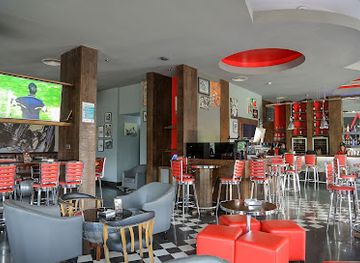
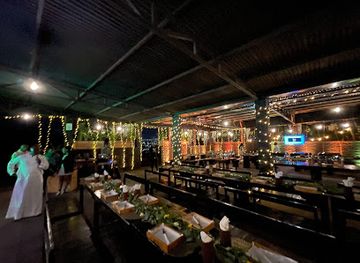
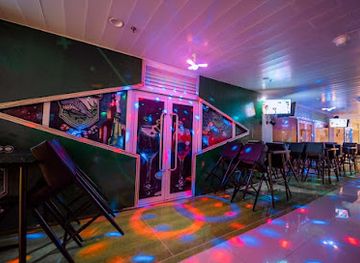
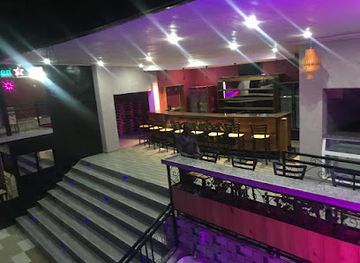
Nightlife in Cyangugu is modest and local in character. In Rusizi and Kamembe, evenings typically revolve around neighbourhood bars, hotel lounges, cafés and restaurants, with conversation, televised sport and music more common than a large late-night club circuit. A few venues may offer dancing or live music, but their schedules and operating arrangements can change, so local advice is more dependable than online listings. Lakeside establishments can provide relaxed sunset settings, although evening activity is usually quieter than in Rwanda’s larger cities. Travellers staying near Nyungwe should expect rural evenings, early starts and limited entertainment outside their accommodation. Drink responsibly, arrange transport before going out and remember that local culture is not defined by alcohol; food, conversation and community gathering are equally important parts of the evening scene.
-
Restaurant
Riders Lounge Kigali
Experience the vibrant culinary scene and lively nightlife at Riders Lounge Kigali, where every visit is a celebration of flavor and fun.
-
Bar
Repub Lounge
Experience Kigali's nightlife at Repub Lounge, where delicious cuisine meets vibrant ambiance in the heart of Rwanda's capital.
-
Grill
Choma'd Bar & Grill
Discover the flavors of Kigali at Choma'd Bar & Grill, where delicious grilled dishes and vibrant ambiance await.
-
Bar
Cocobean
Experience Kigali's nightlife at Cocobean, a lively bar and restaurant offering delicious food, refreshing drinks, and a vibrant atmosphere.
Best nightclubs in Cyangugu
Nightlife in Cyangugu is modest and local in character. In Rusizi and Kamembe, evenings typically revolve around neighbourhood bars, hotel lounges, cafés and restaurants, with conversation, televised sport and music more common than a large late-night club circuit. A few venues may offer dancing or live music, but their schedules and operating arrangements can change, so local advice is more dependable than online listings. Lakeside establishments can provide relaxed sunset settings, although evening activity is usually quieter than in Rwanda’s larger cities. Travellers staying near Nyungwe should expect rural evenings, early starts and limited entertainment outside their accommodation. Drink responsibly, arrange transport before going out and remember that local culture is not defined by alcohol; food, conversation and community gathering are equally important parts of the evening scene.
-
Restaurant
Repub Lounge
Experience the vibrant flavors and atmosphere of Repub Lounge, a top restaurant and bar in Kigali, blending local cuisine with a lively dining experience.
-
Lounge
Shooters Lounge
Experience the vibrant nightlife at Shooters Lounge in Kigali, where delicious dining meets energetic dancing in a stylish setting.
-
Lounge
Deep Lounge
Discover the lively atmosphere of Deep Lounge in Kigali, where great food, music, and a vibrant crowd await you.
-
Night club
People Bar & Dance Venue
Discover the heart of Kigali's nightlife at People Bar & Dance Venue, where music, dance, and community create unforgettable nights.

Best shops in Cyangugu
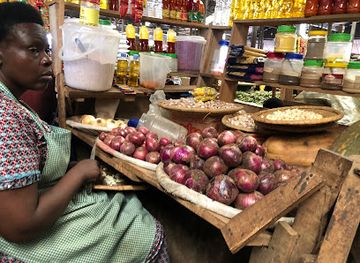
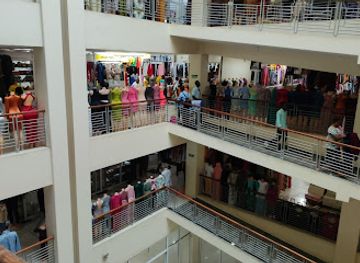
Shopping in Cyangugu is practical and market-oriented, reflecting Rusizi’s role as a regional commercial centre. Market areas and local shops sell household goods, clothing, fresh produce, fruit, beans, cassava, bananas and other staples, while small traders serve travellers moving between the lake, town and border. Visitors seeking regional products can look for Rwandan tea, coffee, woven goods, baskets and modest craft items, although selection varies and provenance should be checked rather than assumed. Independent shops and supermarkets in Kamembe are useful for water, snacks, toiletries and supplies before travelling towards Nyungwe, where retail choices become limited. There is no need to expect a major luxury-shopping scene; the appeal lies in everyday commerce and locally made objects. Bargaining is not appropriate everywhere, so ask politely and accept fixed prices in formal shops. Pack goods discreetly and remember that customs rules apply when crossing an international border.
-
Butcher shop
Kigali City Market
Experience the vibrant heart of Rwanda at Kigali City Market, where culture, crafts, and local flavors come together in a bustling atmosphere.
-
Shopping mall
CHICLtd
Explore CHICLtd in Kigali for an unforgettable shopping experience, blending local charm with modern retail convenience.
-
Clothing store
Rwanda Clothing Store
Shop at Rwanda Clothing Store for unique garments that celebrate Rwandan culture and craftsmanship in the heart of Kigali.
-
Boutique
Go Kigali Tours & Boutique
Explore unique Rwandan souvenirs and curated tours at Go Kigali Tours & Boutique, your gateway to the heart of Kigali.

Get your free copy of our complete guide to Cyangugu, delivered straight to you.
Everything on this page, from attractions and restaurants to essentials and local phrases, in one PDF you can read offline, print or share.
Already have an account? Sign in
Your Cyangugu guide is ready.
We'll send it to · Not you? Sign out

Getting your guide ready…
We are putting together a fresh copy of the Cyangugu guide. This can take up to a minute.
This can take a few moments. If your browser asks, choose Allow so the download can start. You'll find the guide in your Downloads folder.
Nothing happened? Download it again
Sorry, the guide is taking longer than usual. Please try again in a minute, or get it by email instead.
Cyangugu essentials
Currency and Payment
Safety
Emergency Situations
Do's and Don'ts
Local Tips
From Eve
Local phrases worth knowing
You don't need to get them perfect. A few words go a long way, and locals appreciate the effort.
Basics
| English | Local | Say it |
|---|---|---|
| Hello | Muraho | [moo-rah-ho] |
| Goodbye | Nkwihanganira | [n-kwee-han-gee-rah] |
| Yes | Yego | [yeh-go] |
| No | Oya | [oh-yah] |
| Please/You're welcome | Ndakwinginze/Urakoze | [n-dah-kwee-nee-geh/oo-rah-koh-zeh] |
| Thank you | Urakoze | [oo-rah-koh-zeh] |
| Excuse me/Sorry | Mbabarira | [m-bah-bah-ree-rah] |
| How are you? | Amakuru yawe? | [ah-mah-koo-roo yah-weh] |
| Fine. And you? | Ni byiza. Nawe? | [nee bee-za. nah-weh?] |
| Do you speak English? | Uravuga Icyongereza? | [oo-rah-voo-gah ee-chohn-geh-reh-zah] |
| I don't understand | Sinumva | [see-noom-vah] |
Eating & Drinking
| English | Local | Say it |
|---|---|---|
| I'd like to see the menu, please | Ndashaka kureba menu, ndakwinginze | [n-dah-shah-kah koo-reh-bah meh-noo, n-dah-kwee-nee-geh] |
| I don't eat meat | Sinarya inyama | [see-nah-ree-ah ee-nyah-mah] |
| Cheers! | Tugire inama! | [too-gee-reh ee-nah-mah] |
| I would like to pay, please | Ndashaka kwishyura, ndakwinginze | [n-dah-shah-kah kwee-shee-oo-rah, n-dah-kwee-nee-geh] |
Emergencies
| English | Local | Say it |
|---|---|---|
| Help! | Mfasha! | [m-fah-shah] |
| Go away! | Genda! | [gehn-dah] |
| Call the Police! | Hamagara Polisi! | [hah-mah-gah-rah poh-lee-see] |
| Call a doctor! | Hamagara muganga! | [hah-mah-gah-rah moo-gahn-gah] |
| I'm lost | Ndi mu mahanga | [n-dee moo ah-mah-hahn-gah] |
| I'm ill | Ndi indwara | [n-dee een-dwah-rah] |
Shopping
| English | Local | Say it |
|---|---|---|
| I'd like to buy... | Ndashaka kugura... | [n-dah-shah-kah koo-goo-rah] |
| I'm just looking | Ndi kureba gusa | [n-dee koo-reh-bah goo-sah] |
| How much is it? | Ni angahe? | [nee ahn-gah-heh] |
| That's too expensive | Birahenze cyane | [bee-rah-hen-zeh chah-neh] |
| Can you lower the price? | Wabasha kugabanya igiciro? | [wah-bah-shah koo-gah-bah-nyah ee-ghee-roh] |
Time & Numbers
| English | Local | Say it |
|---|---|---|
| What time is it? | Isaha ni mingahe? | [ee-sah-hah nee meen-gah-heh] |
| It's one o'clock | Ni saa moya | [nee sah ah-moy-ah] |
| Half past (10) | Saa tatu n'igice | [sah ah-too nee ee-gee-cheh] |
| Morning | Mugitondo | [moo-gee-ton-doh] |
| Afternoon | Nyuma ya saa sita | [nyoo-mah yah sah see-tah] |
| Evening | Nijoro | [nee-jo-roh] |
| Yesterday | Ejo hashize | [eh-jo hah-shee-zeh] |
| Today | Uyu munsi | [oo-yoo moon-sigh] |
| Tomorrow | Ejo hazaza | [eh-jo hah-zah-zah] |
| 1 | 1 | [imwe] |
| 2 | 2 | [ebyiri] |
| 3 | 3 | [eshatu] |
| 4 | 4 | [ebyiri] |
| 5 | 5 | [eshanu] |
| 6 | 6 | [itandatu] |
| 7 | 7 | [indwi] |
| 8 | 8 | [umunani] |
| 9 | 9 | [icyenda] |
| 10 | 10 | [icumi] |
Transport & Directions
| English | Local | Say it |
|---|---|---|
| Where's a/the...? | Aho hari...? | [ah-ho hah-ree] |
| What's the address? | Ni iyihe aderesi? | [nee ee-yee-heh ah-deh-reh-see] |
| Can you show me (on the map)? | Ushobora kumfasha (ku ikarita)? | [oo-shoh-bah-rah koom-fah-shah (koo ee-kah-ree-tah)] |
| When's the next (bus)? | Igihe cy'ikindi (bisi)? | [ee-gee-heh chee-ee-keen-dee (bee-see)] |
| A ticket (to ....) | Tike (ku....) | [tee-keh (koo....)] |
History of Cyangugu
Precolonial kingdoms and the Great Lakes crossroads
The area around present-day Rusizi formed part of the wider Great Lakes world long before modern borders were drawn. Communities linked to the Rwandan kingdom, neighbouring polities and the shores of Lake Kivu exchanged agricultural products, livestock and lake resources. The Rusizi River also connected Lake Kivu with Lake Tanganyika, making the south-western corridor geographically important. Political authority was organised through local communities and royal structures rather than through the modern town of Cyangugu, whose later importance came from colonial administration, transport and the international boundary.
Colonial rule and the creation of a border town
German influence in Rwanda was followed after the First World War by Belgian administration, under which roads, administrative centres and boundaries were developed according to colonial priorities. The frontier with the Belgian Congo gave the Cyangugu area new strategic and commercial significance. Administrative practices, taxation, mission activity and changing agricultural systems affected local communities, while the border separated areas that had long belonged to the same cultural and trading region. The modern identity of Cyangugu therefore owes much to the colonial construction of a frontier around an older Great Lakes landscape.
Agriculture, trade and the growth of Rusizi
During the twentieth century, the south-west developed through a combination of subsistence farming, commercial agriculture, road transport and cross-border trade. Tea became particularly important in the wetter highland areas, while bananas, cassava, beans and other food crops supported local communities. The expanding settlement around Cyangugu and Kamembe served as an administrative and commercial centre for Rusizi District. Its location on routes towards Lake Kivu, the Congolese border and the interior helped transform a frontier settlement into one of Rwanda’s principal south-western urban hubs.
War, displacement and the 1994 genocide
The region was deeply affected by the violence that culminated in the 1994 genocide against the Tutsi and by the wars that followed in the Great Lakes region. South-western Rwanda experienced displacement, insecurity and major movements of people across the nearby Congolese frontier. The consequences affected families, communities and regional trade for years afterwards. Rwanda’s memorial sites and national commemorative practices provide important context, although visitors should approach them quietly and respectfully. The history is not confined to a single town: it forms part of the wider national and regional story of loss, justice, return and reconstruction.
Reconstruction and the modern border economy
Since the late 1990s, Rwanda has invested heavily in public administration, roads, tourism infrastructure, environmental management and urban development. Rusizi and Kamembe have benefited from their position as a western transport and commercial centre, while formal and informal links with eastern Democratic Republic of the Congo continue to influence local life. Lake Kivu tourism and access to Nyungwe have gained importance alongside agriculture and trade. Contemporary Cyangugu is therefore best understood as both a Rwandan regional town and part of a wider cross-border economic and cultural zone.
Nyungwe conservation and rainforest tourism
The protection of Nyungwe’s montane rainforest represents one of the most significant modern environmental developments affecting the area. The forest is a major watershed and habitat for primates, birds and specialist plant life, and its conservation has increasingly shaped tourism and local land-use debates. The park’s southern and western approaches are linked with Rusizi District, although the forest extends beyond any single district. Chimpanzee tracking, canopy tourism and guided forest walks have introduced a higher-value tourism economy while reinforcing the importance of protecting an ecosystem that supplies water to much of the region.
Cyangugu in Photos
Browse through our photo collection highlighting the charm and character of the destination.
Neighbouring regions of Cyangugu
The closest regions to Cyangugu, if you have time for more than one.
-

-

-

-

-


Swipe for more regions
Explore more

Explore more of Rwanda
Discover Rwanda: A land of rolling hills, rich culture, and unforgettable wildlife experiences. From mountain gorillas to serene lakes, adventure awaits in every corner.
Explore Rwanda