

Free Western Province Travel Guide & Mobile App
Explore Western Province with free travel guides. Discover regional history, expert tips, proposed trips, and audio guides on web or mobile app.


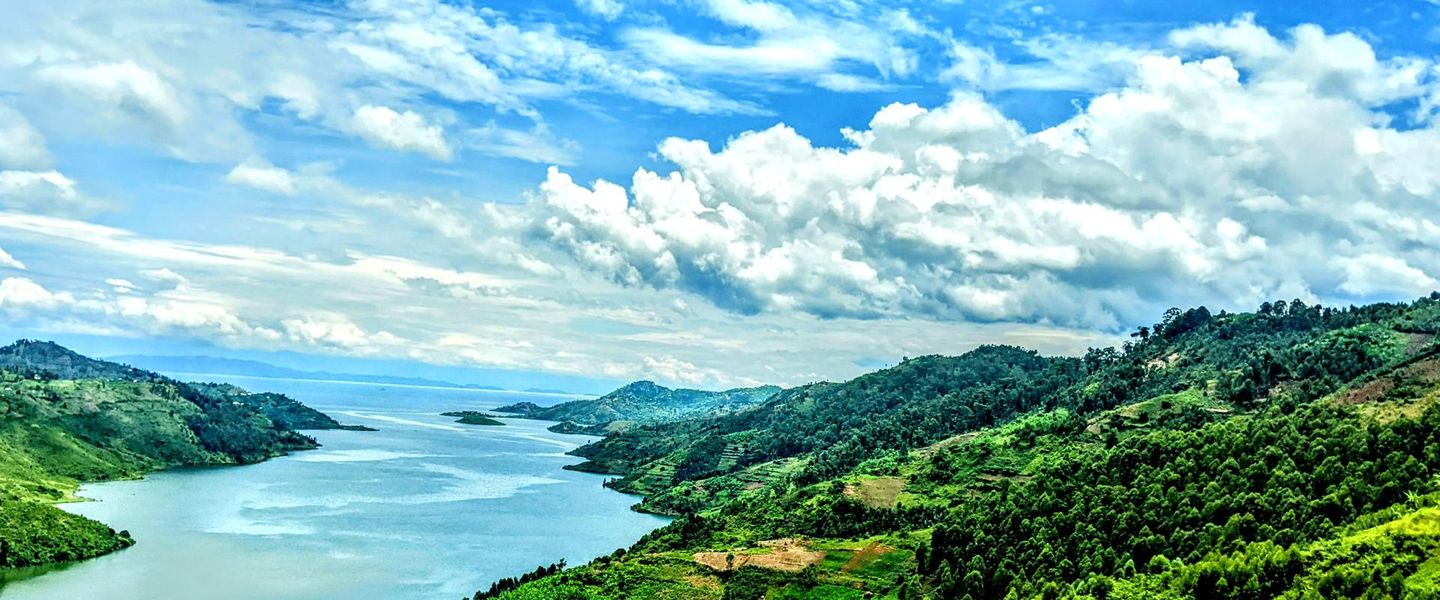


Explore Western Province, Rwanda, for Lake Kivu boat trips, tea country, forest parks, cultural heritage and the lakeside towns of Rubavu and Karongi.
Read more about Western Province
When is the best time to visit Western Province?
Best: January–March · 26–27°C| Month | High (°C) | Rainfall (mm) |
|---|---|---|
| January (best) | 26 | 60 |
| February (best) | 26 | 70 |
| March (best) | 27 | 80 |
| April | 27 | 90 |
| May | 27 | 100 |
| June | 27 | 110 |
| July | 27 | 120 |
| August | 27 | 130 |
| September | 27 | 120 |
| October | 27 | 110 |
| November | 26 | 100 |
| December | 26 | 90 |
Getting to and around Western Province
How to get there
Transportation
Top city travel guides in Western Province
The cities of Western Province, and the easiest places to base yourself.
-

-

-

-

-

-


Swipe for more cities
Destinations in Western Province
Resorts, valleys and scenic spots worth a trip of their own.
-

-

-


Swipe for more destinations
Best attractions in Western Province
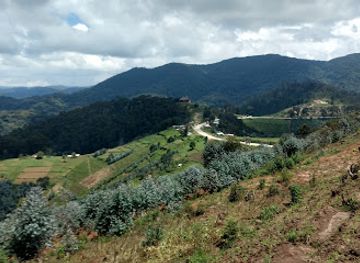
Western Province’s attractions are shaped by the contrast between Lake Kivu, highland agriculture and protected forest. Around Rubavu, visitors can combine a lively lakeside waterfront with boat excursions, hot springs and views towards the Congolese volcano country across the border; the city itself is a working border centre rather than a purpose-built resort. Karongi, or Kibuye, offers quieter coves, island trips, kayaking and sections of the Congo Nile Trail, while the road between the main lake towns reveals farms, tea landscapes and changing views over the water. Gishwati-Mukura National Park is the province’s principal northern forest destination, with guided walks and opportunities to learn about montane conservation. In the south, parts of Nyungwe National Park extend into Western Province, although forest activities are spread across a large area and need advance planning. Coffee experiences, community initiatives and fishing-related visits provide insight into local livelihoods. The Bisesero Genocide Memorial is a significant place of education and remembrance, approached with respect rather than as a conventional attraction.
-
Tourist attraction
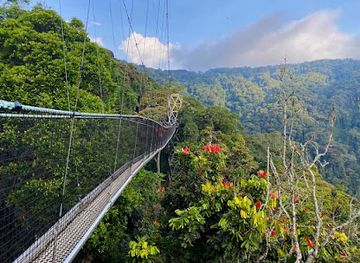
Nyungwe Forest National Park
Explore the breathtaking Nyungwe Forest National Park, a rich biodiversity hotspot in Rwanda, featuring primates, stunning landscapes, and a captivating canopy walk.
-
 Hotel
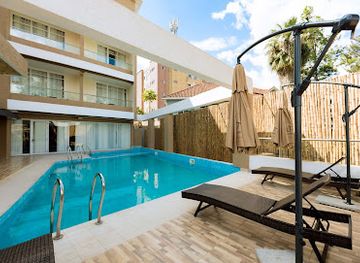
HotelRushel Kivu Resort
Discover the serene beauty of Rushel Kivu Resort, a perfect blend of relaxation, adventure, and local culture by the stunning Lake Kivu.
-
Tourist attraction
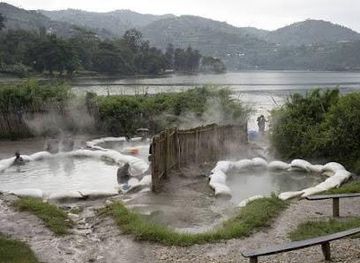
Nyamyumba Hot Springs
Discover the serene beauty of Nyamyumba Hot Springs in Rubavu, Rwanda, where nature meets relaxation in a stunning lakeside setting.
-
Museum
Museum of Environment
Discover Rwanda's rich natural heritage at the Museum of Environment in Kibuye, an educational hub for conservation and biodiversity.


Best landmarks in Western Province
Lake Kivu is Western Province’s largest geographical landmark, its intricate shoreline and scattered islands defining the outlook from Rubavu, Karongi and the southern lake districts. In Karongi, wooded peninsulas and island-dotted bays form a recognisable landscape distinct from Rwanda’s inland hills. The Bisesero hills are both a powerful physical presence and a site of national remembrance; the Bisesero Genocide Memorial gives historical meaning to terrain that might otherwise be viewed only as a rural panorama. Rubavu’s lakeside urban waterfront and the nearby border setting, with Goma visible across the divide, express the province’s connection to the wider Great Lakes region. The Rusizi River and its outlet from Lake Kivu mark the southern transition towards forest country and neighbouring Burundi and the Democratic Republic of the Congo. Further north, the remaining montane forests of Gishwati-Mukura stand as important ecological landmarks amid densely farmed hills. In the south-western highlands, the portions of Nyungwe forest within the province contribute a markedly different landscape of ridges, rain forest and protected watershed.
-
History museum
Kigali Genocide Memorial
Explore the Kigali Genocide Memorial, a powerful tribute to resilience and remembrance in the heart of Rwanda's capital.
-
National park
Akagera National Park Rwanda
Explore Akagera National Park, Rwanda's stunning national park filled with diverse wildlife, breathtaking landscapes, and unforgettable safari adventures.
-
National park
Nyungwe Forest National Park
Explore the breathtaking beauty and biodiversity of Nyungwe Forest National Park, a top destination for nature lovers in Rwanda.
-
Museum
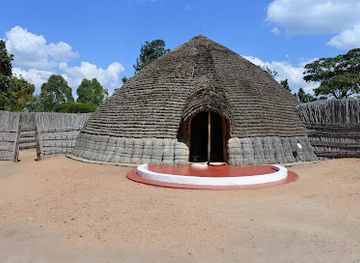
King's Palace Museum
Explore the grandeur of Rwanda's royal past at King's Palace Museum, where history and culture come alive in this cherished landmark.
Explore Western Province on the map
Plan your trip on one map. See where the top cities, national parks and sights are, and book hotels and experiences in a few clicks.
Best hotels in Western Province
Best restaurants in Western Province
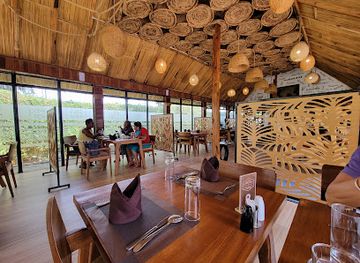
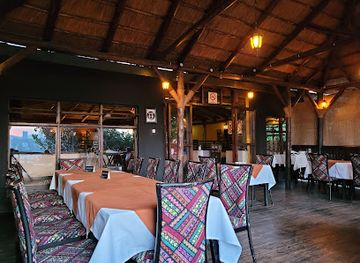
Dining in Western Province reflects Rwanda’s agricultural economy and the distinctive setting of the lake districts. In Rubavu, Karongi and Rusizi, hotels and independent restaurants serve familiar Rwandan dishes alongside East African and international options, while smaller towns rely more heavily on cafés, modest restaurants and local eateries. Fresh lake fish, particularly tilapia and small sardine-like sambaza, is associated with Lake Kivu and may appear grilled or prepared in local styles, although availability varies by season and establishment. Other common foods include plantain, beans, cassava, sweet potatoes, maize and rice, often accompanied by vegetables or meat. Coffee from the Lake Kivu area is an important regional product, and visits to washing stations can explain its production more clearly than a restaurant menu can. Tea from the western highlands is another defining agricultural product. In rural areas, expect simpler meals and limited late-night service; in the main towns, lakeside restaurants, hotel dining rooms and cafés provide more choice without erasing the everyday character of local food.
-
Hotel
The Hut Restaurant and Boutique Hotel
Experience authentic Rwandan cuisine and warm hospitality at The Hut Restaurant and Boutique Hotel in Kigali.
-
Arab restaurant
The house of mandi
Discover authentic Arabian cuisine at The House of Mandi in Kigali, offering rich flavors and a warm atmosphere for an unforgettable dining experience.
-
Indian
Kurry Kingdom
Experience authentic Indian cuisine at Kurry Kingdom - a family-friendly fine dining restaurant in Kigali offering diverse flavors and cozy accommodations.
-
Restaurant
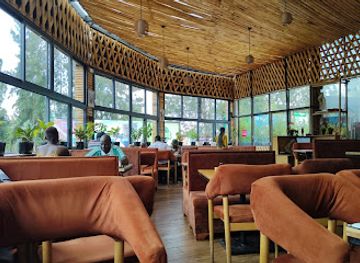
Repub Lounge
Discover Kigali's culinary delight at Repub Lounge - where traditional flavors meet modern dining in an inviting atmosphere.
Best bars in Western Province
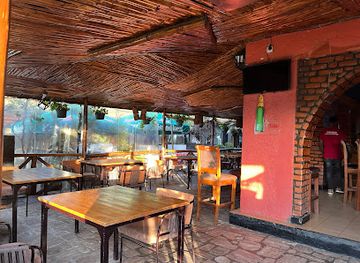
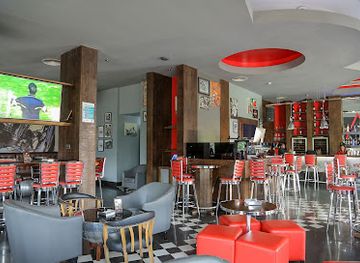
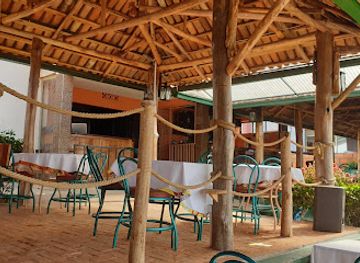
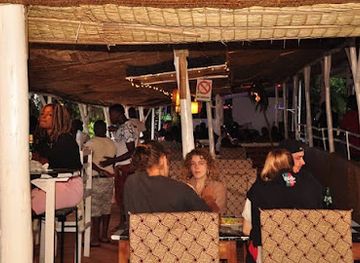
Evening life varies considerably across Western Province. Rubavu has the broadest choice of bars, hotel lounges, restaurants and music-led venues, reflecting its size, border economy and steady movement between Rwanda and the Democratic Republic of the Congo. Karongi’s nightlife is quieter and generally centred on lakeside hotels, restaurants, relaxed bars and occasional live music rather than a large club circuit. Rusizi offers local bars and restaurant-based evenings, while smaller towns and rural districts tend to close earlier and focus on socialising in neighbourhood establishments. Local beers, soft drinks, coffee and spirits are widely available, but alcohol is not necessary to participate in the region’s evening culture. Ask accommodation staff about current venues and transport after dark, since businesses and opening arrangements can change. Lakeside walks, sunset views and early morning activities are often more characteristic of the province than late-night entertainment.
-
Grill
Sundowner
Experience the best of Kigali dining at Sundowner, where local flavors meet international flair in a vibrant setting.
-
Restaurant
Riders Lounge Kigali
Experience the best of Kigali's nightlife and dining at Riders Lounge – a perfect blend of delicious cuisine, creative cocktails, and vibrant entertainment.
-
Bar
Best BelAir Bar & Restaurant
Best BelAir Bar & Restaurant in Kigali - A vibrant culinary gem offering local flavors and a lively atmosphere for tourists and locals alike.
-
Bar
Lakeside Bar Beach & Restaurant
Discover the perfect blend of stunning lake views and delicious cuisine at Lakeside Bar Beach & Restaurant in Gisenyi, Rwanda.
Best nightclubs in Western Province
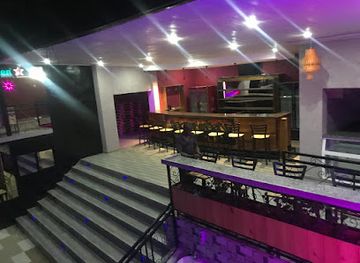
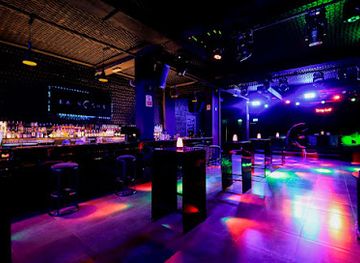
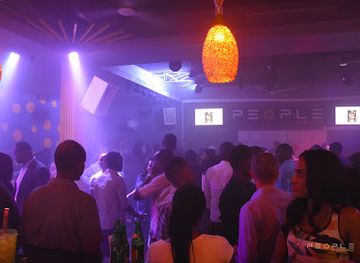
Evening life varies considerably across Western Province. Rubavu has the broadest choice of bars, hotel lounges, restaurants and music-led venues, reflecting its size, border economy and steady movement between Rwanda and the Democratic Republic of the Congo. Karongi’s nightlife is quieter and generally centred on lakeside hotels, restaurants, relaxed bars and occasional live music rather than a large club circuit. Rusizi offers local bars and restaurant-based evenings, while smaller towns and rural districts tend to close earlier and focus on socialising in neighbourhood establishments. Local beers, soft drinks, coffee and spirits are widely available, but alcohol is not necessary to participate in the region’s evening culture. Ask accommodation staff about current venues and transport after dark, since businesses and opening arrangements can change. Lakeside walks, sunset views and early morning activities are often more characteristic of the province than late-night entertainment.
-
National park
Gishwati-Mukura National Park and Biosphere Reserve
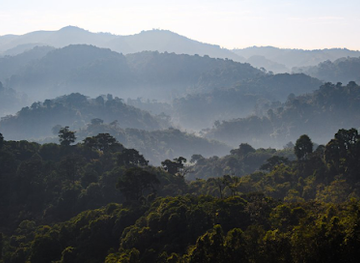
Discover the breathtaking beauty and biodiversity of Gishwati-Mukura National Park, a true gem of Rwanda's natural heritage.
-
Lounge
Deep Lounge
Discover the vibrant nightlife and relaxing ambiance of Deep Lounge in Kigali, where entertainment meets comfort for an unforgettable experience.
-
Disco club
La Noche
Experience Kigali's vibrant nightlife at La Noche, the ultimate disco club for dancing and entertainment in Rwanda's capital city.
-
Night club
People Bar & Dance Venue
Discover Kigali's nightlife at People Bar & Dance Venue, where vibrant music, dancing, and a lively atmosphere await every night.
Best shops in Western Province
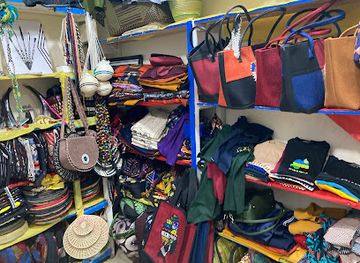
Shopping in Western Province is concentrated in the high streets and markets of Rubavu, Karongi and Rusizi rather than in large dedicated retail centres. Rubavu has the widest urban selection, including everyday goods, clothing, mobile services and produce connected to its busy border economy, while Karongi and Rusizi offer smaller markets and independent shops serving local communities. Rwandan coffee, packaged tea, woven goods, baskets and practical handicrafts can make appropriate regional purchases, especially when bought through reputable cooperatives or established outlets. Around Lake Kivu, locally produced food and coffee may be available through accommodation providers or organised community visits, although supply and packaging vary. Markets are useful for fresh fruit, vegetables and household goods, but visitors should ask permission before photographing vendors and should inspect food products carefully before carrying them onward. Bargaining is not appropriate everywhere; use it cautiously in informal settings and accept stated prices in ordinary shops, supermarkets and cooperative outlets.
-
National park
Nyungwe Forest National Park
Explore the lush biodiversity of Nyungwe Forest National Park, a breathtaking haven for nature lovers and adventure seekers in Rwanda.
-
Shopping mall
CHICLtd
Explore the best of Kigali at CHICLtd, where shopping meets culture in a vibrant atmosphere.
-
Clothing store
Rwanda Clothing Store
Explore the vibrant styles of Rwanda at the Rwanda Clothing Store, where tradition meets contemporary fashion in the heart of Kigali.
-
Boutique
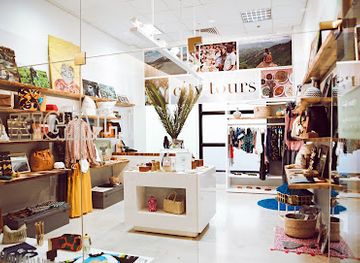
Go Kigali Tours & Boutique
Explore the essence of Kigali at Go Kigali Tours & Boutique, where local crafts meet personalized travel experiences.
Get your free copy of our complete guide to Western Province, delivered straight to you.
Everything on this page, from attractions and restaurants to essentials and local phrases, in one PDF you can read offline, print or share.
Already have an account? Sign in
Your Western Province guide is ready.
We'll send it to · Not you? Sign out

Getting your guide ready…
We are putting together a fresh copy of the Western Province guide. This can take up to a minute.
This can take a few moments. If your browser asks, choose Allow so the download can start. You'll find the guide in your Downloads folder.
Nothing happened? Download it again
Sorry, the guide is taking longer than usual. Please try again in a minute, or get it by email instead.
Western Province essentials
Currency and Payment
Safety
Emergency Situations
Do's and Don'ts
Local Tips
From Eve
Local phrases worth knowing
You don't need to get them perfect. A few words go a long way, and locals appreciate the effort.
Basics
| English | Local | Say it |
|---|---|---|
| Hello | Muraho | [moo-rah-ho] |
| Goodbye | Nkwifurije ibyiza | [n-kwee-foo-ree-zay ee-bee-za] |
| Yes | Yego | [yeh-go] |
| No | Oya | [oh-yah] |
| Please/You're welcome | Nyabuna | [nyah-boo-nah] |
| Thank you | Urakoze | [oo-rah-koh-zeh] |
| Excuse me/Sorry | Mbabarira | [m-bah-bah-ree-rah] |
| How are you? | Amakuru? | [ah-mah-koo-roo] |
| Fine. And you? | Ni byiza. Nawe? | [nee bee-za. nah-weh?] |
| Do you speak English? | Uravuga Icyongereza? | [oo-rah-voo-gah ee-chong-eh-reh-zah] |
| I don't understand | Sinumva | [see-noom-vah] |
Eating & Drinking
| English | Local | Say it |
|---|---|---|
| I'd like to see the menu, please | Nashaka kureba menu, nyabuna | [nah-shah-kah koo-reh-bah meh-noo, nyah-boo-nah] |
| I don't eat meat | Sinakunda inyama | [see-nah-koon-dah ee-nyah-mah] |
| Cheers! | Tugire ibihe byiza! | [too-gee-reh ee-beh heh bee-za] |
| I would like to pay, please | Nashaka kwishyura, nyabuna | [nah-shah-kah kwee-shee-oo-rah, nyah-boo-nah] |
Emergencies
| English | Local | Say it |
|---|---|---|
| Help! | Fasha! | [fah-shah] |
| Go away! | Genda! | [gehn-dah] |
| Call the Police! | Hamagara Polisi! | [hah-mah-gah-rah poh-lee-see] |
| Call a doctor! | Hamagara umuganga! | [hah-mah-gah-rah oo-moo-gahng-ah] |
| I'm lost | Ndi mu rugo | [n-dee moo roo-go] |
| I'm ill | Ndi indwara | [n-dee een-dwah-rah] |
Shopping
| English | Local | Say it |
|---|---|---|
| I'd like to buy... | Nashaka kugura... | [nah-shah-kah koo-goo-rah] |
| I'm just looking | Ndi kureba gusa | [n-dee koo-reh-bah goo-sah] |
| How much is it? | Ni angahe? | [nee ahn-gah-heh] |
| That's too expensive | Ibyo birahenze | [ee-byoh bee-rah-hen-zay] |
| Can you lower the price? | Ushobora kugabanya igiciro? | [oo-sho-boo-rah koo-gah-bah-nyah ee-gee-roh] |
Time & Numbers
| English | Local | Say it |
|---|---|---|
| What time is it? | Ni mugihe kihe? | [nee moo-gee-heh kee-heh] |
| It's one o'clock | Ni saa moya | [nee sah moh-yah] |
| Half past (10) | Isaha icumi n'igice | [ee-sah-hah ee-choo-mee n'ee-gee-cheh] |
| Morning | Mugoroba | [moo-goh-roh-bah] |
| Afternoon | Mugoroba | [moo-goh-roh-bah] |
| Evening | Nimugoroba | [nee-moo-goh-roh-bah] |
| Yesterday | Ejo hashize | [eh-jo hah-shee-zeh] |
| Today | Ubu | [oo-boo] |
| Tomorrow | Ejo | [eh-jo] |
| 1 | 1 | [mwe] |
| 2 | 2 | [kabiri] |
| 3 | 3 | [gatatu] |
| 4 | 4 | [kane] |
| 5 | 5 | [gatanu] |
| 6 | 6 | [gatandatu] |
| 7 | 7 | [karindwi] |
| 8 | 8 | [umunani] |
| 9 | 9 | [icyenda] |
| 10 | 10 | [icumi] |
Transport & Directions
| English | Local | Say it |
|---|---|---|
| Where's a/the...? | Aho hantu? | [ah-ho hahn-too] |
| What's the address? | Ni iyihe adresse? | [nee ee-yee-heh ah-dress] |
| Can you show me (on the map)? | Urashobora kumvugisha (ku ikarita)? | [oo-rah-sho-boo-rah koom-vu-gee-shah (koo ee-kah-ree-tah)] |
| When's the next (bus)? | Ni ryari indi (bus)? | [nee ree-yah-ree een-dee (boos)] |
| A ticket (to ....) | Itike (ku ...) | [ee-tee-keh (koo ...)] |
History of Western Province
Early settlement and the Rwandan kingdom
The hills of western Rwanda have been cultivated and settled for centuries, forming part of the wider historical landscape of the Rwandan kingdom. Communities developed around farming, cattle keeping, local authority and exchange across the ridges and the Lake Kivu basin. The western shore was not an isolated frontier: routes connected it with central Rwanda, the Kivu hinterland and areas around the Rusizi River. Much of the visible landscape today, including intensely farmed slopes and compact settlements, reflects this long history of organised land use.
Colonial rule and the Lake Kivu frontier
German colonial influence in Rwanda was followed by Belgian administration after the First World War. Colonial rule altered systems of authority, taxation, labour and agricultural production, while Christian missions and new administrative centres expanded their influence. Western Rwanda’s position beside Lake Kivu and the colonial territories on the opposite shore gave the area continuing strategic and commercial importance. Roads, trading routes and border administration linked places such as Gisenyi and Cyangugu more closely to external markets, though development remained uneven and shaped by coercive colonial policies.
Tea, coffee and changing rural production
During the colonial and post-colonial periods, tea and coffee became important commercial crops in Rwanda’s highlands, including Western Province. Estates and processing facilities introduced production systems oriented towards national and international markets, alongside the subsistence farming that remained central to rural life. The province’s altitude, rainfall and volcanic or fertile upland soils support tea landscapes around the north-west and coffee production near Lake Kivu. Today, washing stations, cooperatives and farm visits reveal how these older export industries have been adapted to contemporary rural development.
Lake ports, borders and regional exchange
Lake Kivu and the Rusizi River have long connected western Rwanda with neighbouring territories. Gisenyi developed beside the border with Goma in the Democratic Republic of the Congo, while Cyangugu grew near the southern lake outlet and the crossing towards Bukavu. These towns became centres of trade, transport and administration, although their fortunes have also been affected by regional conflict and changing border conditions. The lake remains economically important through fishing, transport and tourism, but its shores are also part of a wider Great Lakes region with closely connected histories.
The 1994 Genocide against the Tutsi
Western Province was profoundly affected by the 1994 Genocide against the Tutsi, when more than 800,000 people were murdered across Rwanda over approximately one hundred days. The Bisesero hills in Karongi District became the scene of organised resistance and mass killings, and the Bisesero Genocide Memorial now commemorates victims and preserves testimony. Memorial visits require sensitivity: they are places of mourning, education and remembrance rather than conventional sightseeing. The genocide remains essential to understanding Rwanda’s contemporary society, commemorative practices and national reconstruction.
Post-genocide reconstruction and conservation
Since 1994, Western Province has undergone major reconstruction alongside national efforts to strengthen public institutions, improve roads and develop tourism. Lakeside towns have expanded their hospitality infrastructure, while conservation initiatives have focused on forests, watersheds and wildlife. Gishwati-Mukura National Park represents an important modern conservation effort in the north-west, and tourism around Lake Kivu has grown through boating, walking, cycling and community-linked experiences. These changes coexist with continuing pressures on land, agriculture and population density, making sustainable development a significant regional concern.
Western Province in Photos
Browse through our photo collection highlighting the charm and character of the destination.
Neighbouring regions of Western Province
The closest regions to Western Province, if you have time for more than one.
-

-

-

-

-


Swipe for more regions
Explore more

Explore more of Rwanda
Discover Rwanda: A land of rolling hills, rich culture, and unforgettable wildlife experiences. From mountain gorillas to serene lakes, adventure awaits in every corner.
Explore Rwanda