

Diamond Falls Botanical Gardens, Saint Lucia Travel Guide
Discover the tranquil beauty of Diamond Falls Botanical Gardens in Saint Lucia, where vibrant flora, a stunning waterfall, and historic mineral baths await.
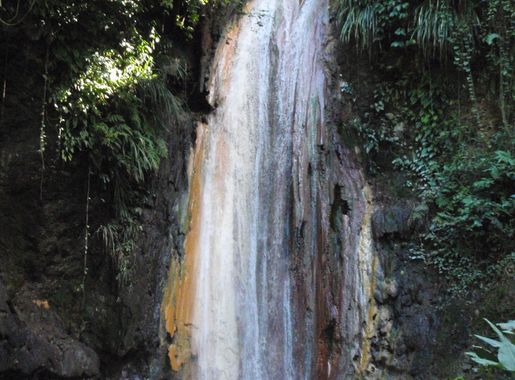
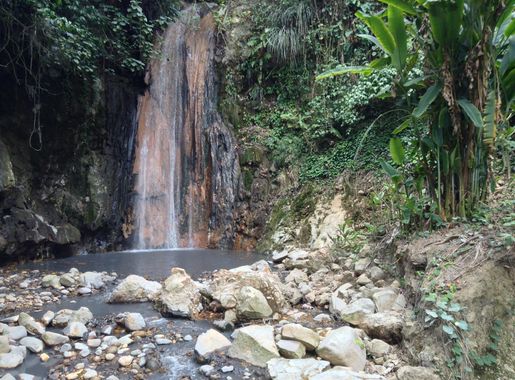
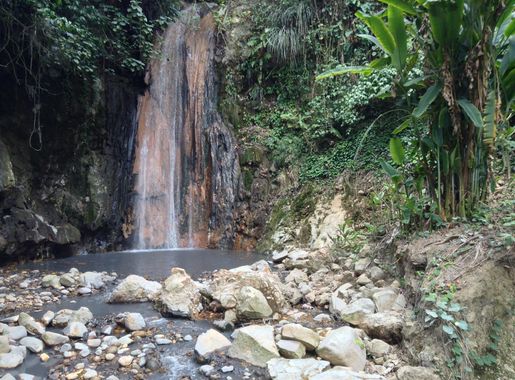
Nestled in the heart of Soufrière, the Diamond Falls Botanical Gardens is a lush, tropical oasis that offers a serene escape into nature's beauty. This six-acre garden is part of the Soufrière Estate, one of the oldest and best-preserved estates on the island. Visitors are greeted with a vibrant array of flora, from towering palms to delicate orchids, all thriving in the rich volcanic soil. The centerpiece of the gardens is the stunning Diamond Waterfall. Fed by the mineral-rich water from the Sulphur Springs, the waterfall is a mesmerizing sight, changing color due to the mineral content. The therapeutic mineral baths, originally built for the troops of King Louis XVI, offer a relaxing soak in warm, mineral-laden water. As you wander through the gardens, you'll find well-marked trails that lead to hidden gems like the old mill and the nature trails. The gardens are also home to a variety of bird species, making it a haven for bird watchers. With its rich history, natural beauty, and peaceful ambiance, Diamond Falls Botanical Gardens is a must-visit destination for nature lovers and history enthusiasts alike.

Know before you go
Hi, I'm Eve. Here are a few practical things to know before exploring Diamond Falls Botanical Gardens.
- Visit early in the morning to avoid crowds and enjoy the gardens in peace.
- Wear comfortable walking shoes as the trails can be uneven.
- Bring insect repellent to protect yourself from mosquitoes.
- Carry a water bottle to stay hydrated while exploring.
- Don’t forget your camera to capture the vibrant colors of the gardens and the waterfall.
Explore Diamond Falls Botanical Gardens: Things to Do, Places to Eat, Hotels & More
Handpicked recommendations for top attractions, local dining, accommodations, and more

Best attractions in Diamond Falls Botanical Gardens
Top-rated picks
Best Attractions

Mamiku Gardens
Experience the lush beauty of Mamiku Gardens, St. Lucia's botanical treasure, where tranquility meets vibrant flora in a stunning natural setting.

Father Nature Adventures
Explore St. Lucia's breathtaking landscapes with Father Nature Adventures, where unforgettable experiences meet sustainable tourism.

Macdomel Waterfall
Experience the serene beauty of Macdomel Waterfall, a hidden gem in La Haut, St. Lucia, perfect for nature lovers and adventure seekers.

The Holy Grail Falls
Experience the breathtaking beauty of The Holy Grail Falls in St. Lucia, a hidden gem surrounded by lush landscapes and serene tranquility.

Best landmarks in Diamond Falls Botanical Gardens


Best restaurants in Diamond Falls Botanical Gardens
Top-rated picks
Best Restaurants

Spinnakers Beach Bar And Carvery
Discover culinary delights at Spinnakers Beach Bar And Carvery in Gros Islet - a perfect blend of local flavors and stunning ocean views.

The Coal Pot Restaurant
Experience exquisite seafood dining with stunning waterfront views at The Coal Pot Restaurant in Castries, St. Lucia.

Big Chef Steakhouse
Experience exquisite dining at Big Chef Steakhouse in Rodney Bay, where premium steaks meet island charm in St. Lucia.

The Beacon Restaurant
Discover authentic St. Lucian flavors at The Beacon Restaurant in Palmiste – where local ingredients meet stunning views.

Best bars in Diamond Falls Botanical Gardens
Top-rated picks
Best Bars

Treetop Restaurant and Bar
Discover the taste of St. Lucia at Treetop Restaurant and Bar, where local flavors meet breathtaking views in a stunning tropical setting.

The Container Bar N Grill
Experience authentic Creole flavors at The Container Bar N Grill, a culinary gem in Soufrière, St. Lucia, offering stunning views and a vibrant atmosphere.

Bigger's Place
Experience the vibrant atmosphere and refreshing drinks at Bigger's Place, a must-visit bar in the heart of St. Lucia's stunning landscapes.

Cheaperz Bar
Discover the vibrant nightlife at Cheaperz Bar in Palmiste, St. Lucia, where refreshing drinks and local culture await in a lively atmosphere.

Best nightclubs in Diamond Falls Botanical Gardens
Top-rated picks
Best Nightclubs

Bigger's Place
Experience the vibrant local nightlife at Bigger's Place, a charming bar in Fond St Jacques, Soufriere, St. Lucia.

Bliss Nightlife
Discover the vibrant nightlife of St. Lucia at Bliss Nightlife, a premier bar and grill offering delicious food, refreshing drinks, and unforgettable experiences.

Cheaperz Bar
Cheaperz Bar in Palmiste: Enjoy refreshing drinks, local flavors, and live entertainment in a vibrant Caribbean atmosphere.

Acquinas's Bar
Experience the vibrant atmosphere and stunning views at Acquinas's Bar in St. Lucia, a perfect spot to unwind with tropical cocktails.

Best shops in Diamond Falls Botanical Gardens
Top-rated picks
Best Shops

Baywalk Shopping Mall
Experience shopping like never before at Baywalk Shopping Mall in Rodney Bay, St. Lucia—where local flair meets international style.

Diamond Falls Botanical Gardens & Mineral Baths
Experience the breathtaking beauty of Diamond Falls Botanical Gardens & Mineral Baths, a tropical paradise in St. Lucia with vibrant flora and soothing mineral waters.

Gablewoods Shopping Mall
Experience the vibrant shopping atmosphere at Gablewoods Shopping Mall, where local charm meets international brands in St. Lucia.

Duty Free Pointe Seraphine Shopping Complex
Explore the Duty Free Pointe Seraphine Shopping Complex in St. Lucia, where luxury meets local charm in an unforgettable shopping experience.

Explore Diamond Falls Botanical Gardens on the Map
A handpicked selection of must-see spots in Diamond Falls Botanical Gardens, mapped for you.
Diamond Falls Botanical Gardens Essentials
-
Diamond Falls Botanical Gardens is located in Soufrière, Saint Lucia. The nearest international airport is Hewanorra International Airport (UVF) in Vieux Fort, approximately 45 kilometers away. From the airport, you can hire a taxi or rent a car for the scenic drive to Soufrière, which takes about 1 hour and 15 minutes. Alternatively, you can fly into George F.L. Charles Airport (SLU) in Castries and take a taxi or shuttle, which will take around 1 hour and 30 minutes to reach the gardens.
-
Soufrière is a small town, and many of its attractions, including Diamond Falls Botanical Gardens, are within walking distance. For longer distances, local taxis are readily available and can be hired for short trips or full-day excursions. Public buses (minibuses) operate within the town and connect to nearby areas, but schedules may be irregular. Car rentals are another convenient option for those who prefer to explore at their own pace.
-
The official currency in Saint Lucia is the Eastern Caribbean Dollar (XCD). Credit cards are widely accepted in hotels, restaurants, and larger shops, but it is advisable to carry cash for smaller vendors and markets. ATMs are available in Soufrière, but it is wise to withdraw sufficient cash in advance, especially if you plan to visit more remote areas.
-
Diamond Falls Botanical Gardens and Soufrière are generally safe for tourists. However, like any travel destination, it is important to take standard precautions. Avoid walking alone at night in unfamiliar areas and keep an eye on your belongings in crowded places. While there are no specific high-crime areas targeting tourists in Soufrière, it is always best to stay vigilant and aware of your surroundings.
-
In case of emergency, dial 911 for immediate assistance. Soufrière has a local police station and medical facilities, including a hospital. It is recommended to have travel insurance that covers medical emergencies. For minor health issues, there are pharmacies in the town where you can purchase over-the-counter medications.
-
Fashion: Do dress comfortably and wear appropriate footwear for walking in the gardens. Avoid wearing revealing clothing. Religion: Do respect local customs and traditions. Public Transport: Do be respectful and courteous to drivers and fellow passengers. Don't eat or drink on public transport. Greetings: Do greet people with a friendly 'hello' or 'good day'. A handshake is also common. Eating & Drinking: Do try local delicacies and accept food offerings graciously. Don't refuse hospitality, as it is considered impolite.
-
To experience Diamond Falls Botanical Gardens like a local, visit during the early morning or late afternoon to avoid the midday heat and enjoy a quieter atmosphere. Engage with the garden staff, as they are often knowledgeable and willing to share insights about the flora and history of the gardens. Don't miss the mineral baths, which are a unique feature of the gardens and offer a relaxing experience. For a more immersive visit, consider joining a guided tour to learn more about the diverse plant species and the geological history of the area.
When is the best time to visit Diamond Falls Botanical Gardens?
Useful Local Phrases for Diamond Falls Botanical Gardens
You don't need to speak the language perfectly. Even learning a few simple words can make conversations warmer—and locals usually appreciate the effort.
— Eve

Here are the phrases I use most often in Diamond Falls Botanical Gardens. Try a few—you'll be surprised how far they go! 😊
❤️
-
- HelloBonjou
[bon-zhoo] - GoodbyeOrevwa
[oh-rev-wah] - YesWi
[wee] - NoNon
[non] - Please/You're welcomeTanpri
[tahn-pree] - Thank youMèsi
[meh-see] - Excuse me/SorryEskize mwen
[es-keez may-wen] - How are you?Kijan ou ye?
[kee-jahn ooh yay] - Fine. And you?Byen. E ou?
[byen. ay ooh] - Do you speak English?Eske ou pale angle?
[es-ke ooh pah-lay ahn-glay] - I don't understandMwen pa konprann
[mayn pah kohn-prahn]
- HelloBonjou
-
- I'd like to see the menu, pleaseMwen ta renmen wè meni an, tanpri
[mayn tah rahn-mayn way may-nee ahn tahn-pree] - I don't eat meatMwen pa manje kò-kò
[mayn pah mahn-jay koh-koh] - Cheers!Santé!
[sahn-tay] - I would like to pay, pleaseMwen ta renmen peye, tanpri
[mayn tah rahn-mayn pay-yay tahn-pree]
- I'd like to see the menu, pleaseMwen ta renmen wè meni an, tanpri
-
- Help!Souvni mwen!
[soo-vee mayn] - Go away!Al rete!
[ahl reh-tay] - Call the Police!Rele Polis!
[reh-lay poh-lees] - Call a doctor!Rele yon doktè!
[reh-lay yohn dohk-tay] - I'm lostMwen pèdi
[mayn pay-dee] - I'm illMwen malad
[mayn mah-lahd]
- Help!Souvni mwen!
-
- I'd like to buy...Mwen ta renmen achte...
[mayn tah rahn-mayn ash-tay] - I'm just lookingMwen jis ap gade
[mayn zjeez ahp gah-day] - How much is it?Konbyen sa koute?
[kohn-byen sah koo-tay] - That's too expensiveSa tro chè
[sah troh chay] - Can you lower the price?Eske ou kapab redwi pri la?
[es-ke ooh kah-pahb ray-dwee pree lah]
- I'd like to buy...Mwen ta renmen achte...
-
- What time is it?Kisa lè li ye?
[kee-sah lay lee yay] - It's one o'clockLi senkè
[lee sahn-kay] - Half past (10)Demi (10)
[deh-mee (dees)] - MorningMaten
[mah-tehn] - AfternoonApremidi
[ah-pray-mee-dee] - EveningAswè
[ah-sway] - YesterdayYè
[yay] - TodayJodi a
[zhoh-dee ah] - TomorrowDemen
[deh-mehn] - 11
[1] - 22
[2] - 33
[3] - 44
[4] - 55
[5] - 66
[6] - 77
[7] - 88
[8] - 99
[9] - 1010
[10]
- What time is it?Kisa lè li ye?
-
- Where's a/the...?Ki kote...?
[kee koh-tay] - What's the address?Kisa adrès la ye?
[kee-sah ah-dray lah yay] - Can you show me (on the map)?Eske ou ka montre mwen (sou kat)?
[es-ke ooh kah mohn-tray mayn (soo kaht)] - When's the next (bus)?Ki lè pwochen (bous)?
[kee lay pwosh-ehn (boo)] - A ticket (to ....)Yon tikè (pou ....)
[yohn tee-kay (poo)]
- Where's a/the...?Ki kote...?
History of Diamond Falls Botanical Gardens
-
The Diamond Falls Botanical Gardens in Soufrière, Saint Lucia, were originally part of the Soufrière Estate, which was established by the French in the 18th century. The estate was initially a working plantation producing cocoa, coconuts, sugarcane, and limes. The lush landscape and natural mineral springs contributed to the estate's transformation into a botanical garden.
-
In the late 18th century, mineral springs were discovered on the Soufrière Estate. These springs, rich in volcanic minerals, were believed to have therapeutic properties. The mineral baths became an attraction for visitors seeking healing and relaxation, and their popularity helped spur the development of the gardens.
-
The Devaux family, who owned the Soufrière Estate, played a significant role in the development and preservation of the Diamond Falls Botanical Gardens. They recognized the potential of the natural beauty and unique features of the estate, and thus invested in its maintenance and enhancement. Their efforts ensured the site remained a key attraction in Saint Lucia.
-
The Diamond Falls, one of the main attractions within the gardens, is renowned for its ever-changing colors. The waterfall is fed by rainwater mixed with volcanic minerals, which results in vibrant hues ranging from yellow to green to purple. These changing colors have fascinated visitors for centuries and contribute to the unique allure of the gardens.
-
In the 1980s, the gardens underwent significant development to enhance their appeal to tourists. Pathways were constructed, and the variety of plant species was expanded to create a more immersive botanical experience. Today, the gardens feature a diverse collection of tropical flora, including hibiscus, heliconias, and anthuriums, as well as exotic plants from around the world.
-
The Diamond Falls Botanical Gardens are more than just a natural attraction; they hold cultural significance for the people of Saint Lucia. The gardens serve as a reminder of the island's colonial history, its agricultural heritage, and the enduring relationship between the land and its inhabitants. Local folklore and traditions are often interwoven with the natural features of the gardens, enriching the visitor experience.
Neighbouring destination travel guides
Browse our curated selection of top destinations, scenic points, and must-visit spots in the area.


Your all‑in‑one travel companion app
Explore expert travel guides, compare and book tours, experiences, hotels, and more—all from the palm of your hand. Download now for seamless trip planning wherever your wanderlust takes you.


Explore More of Soufrière Quarter

Looking beyond Diamond Falls Botanical Gardens? Discover Soufrière Quarter for broader travel guides, local hot-spots, and regional highlights.
Explore Soufrière QuarterExplore More of Saint Lucia

Looking beyond Diamond Falls Botanical Gardens? Discover Saint Lucia for broader travel guides, local hot-spots, and regional highlights.
Explore Saint LuciaDiamond Falls Botanical Gardens in Photos
Browse through our photo collection highlighting the charm and character of the destination.



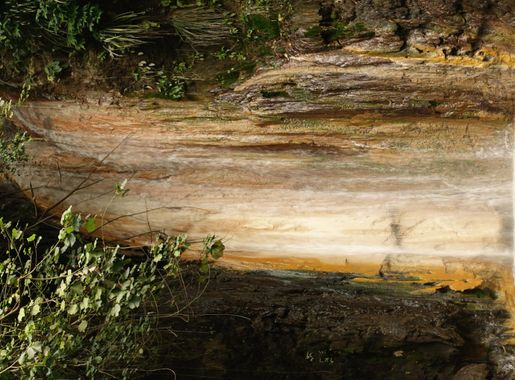
Diamond Falls Botanical Gardens: A Tropical Paradise in Saint Lucia
Nestled in the heart of Soufrière, the Diamond Falls Botanical Gardens is a lush, tropical oasis that offers a serene escape into nature's beauty. This six-acre garden is part of the Soufrière Estate, one of the oldest and best-preserved estates on the island. Visitors are greeted with a vibrant array of flora, from towering palms to delicate orchids, all thriving in the rich volcanic soil. The centerpiece of the gardens is the stunning Diamond Waterfall. Fed by the mineral-rich water from the Sulphur Springs, the waterfall is a mesmerizing sight, changing color due to the mineral content. The therapeutic mineral baths, originally built for the troops of King Louis XVI, offer a relaxing soak in warm, mineral-laden water. As you wander through the gardens, you'll find well-marked trails that lead to hidden gems like the old mill and the nature trails. The gardens are also home to a variety of bird species, making it a haven for bird watchers. With its rich history, natural beauty, and peaceful ambiance, Diamond Falls Botanical Gardens is a must-visit destination for nature lovers and history enthusiasts alike.