

Free Eastern Province Travel Guide & Mobile App
Explore Eastern Province with free travel guides. Discover regional history, expert tips, proposed trips, and audio guides on web or mobile app.


Explore Saudi Arabia’s Eastern Province for Gulf coastlines, Al-Ahsa’s date oasis, oil heritage, historic settlements and modern cultural life.
Read more about Eastern Province
When is the best time to visit Eastern Province?
Best: February–March, November · 23–28°C| Month | High (°C) | Rainfall (mm) |
|---|---|---|
| January | 21 | 10 |
| February (best) | 23 | 9 |
| March (best) | 28 | 8 |
| April | 32 | 6 |
| May | 37 | 3 |
| June | 40 | 1 |
| July | 41 | 1 |
| August | 41 | 1 |
| September | 39 | 2 |
| October | 34 | 4 |
| November (best) | 27 | 6 |
| December | 22 | 8 |
Getting to and around Eastern Province
How to get there
Transportation
Top city travel guides in Eastern Province
The cities of Eastern Province, and the easiest places to base yourself.
-

-

-

-

-


Swipe for more cities
Destinations in Eastern Province
Resorts, valleys and scenic spots worth a trip of their own.
-
-


Swipe for more destinations
Best attractions in Eastern Province
Eastern Province offers a broad mix of urban culture, oasis heritage, Gulf recreation and industrial history. In Dhahran, the King Abdulaziz Center for World Culture, known as Ithra, provides galleries, a library, cinema, theatre and educational spaces in a striking contemporary building. Dammam and Al Khobar are suited to seafront walks, family recreation, cafés and shopping, while Half Moon Bay offers a popular coastal escape south of the metropolitan area. Al-Hofuf and Al-Mubarraz provide access to the Al-Ahsa Oasis, where palm groves, traditional settlements, markets and historic buildings reveal a long agricultural tradition. Al-Qarah Mountain rises from the oasis landscape and has caves and viewpoints associated with the area’s natural and cultural identity. Qatif and Tarout Island offer a different perspective through old coastal communities and maritime history. Jubail combines planned urban areas with major industrial and marine infrastructure, while the province’s desert margins appeal to visitors seeking open landscapes and stargazing. Sightseeing is highly seasonal: indoor museums and cultural centres are valuable in summer, whereas oasis walks and coastal excursions are more comfortable during the cooler part of the year.
-
Food court
Ajdan Walk
Experience the vibrant culinary scene at Ajdan Walk, a cultural landmark in Al Khobar offering diverse dining options and a taste of Saudi heritage.
-
Park
Dammam Corniche
Experience the beauty of the Arabian Gulf at Dammam Corniche, a scenic park perfect for relaxation, recreation, and cultural experiences.
-
City park
Corniche Fanateer
Experience the serene coastal beauty and recreational charm of Corniche Fanateer in Al Jubail, Saudi Arabia, a perfect destination for relaxation and outdoor activities.
-
Park
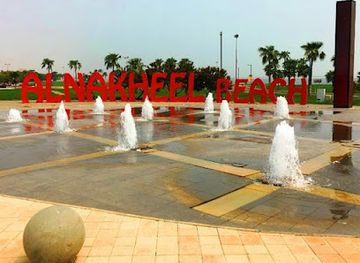
Al Nakheel Beach
Discover Al Nakheel Beach, a stunning park in Al Jubail, where sand, sea, and palm trees create the perfect atmosphere for relaxation and fun.


Best landmarks in Eastern Province
The province’s most recognisable landmarks express its three defining themes: oasis settlement, Gulf maritime history and petroleum-led modernisation. Al-Ahsa Oasis is the region’s principal cultural landscape, with extensive date palms, historic water systems and cultivated fields surrounding Al-Hofuf and Al-Mubarraz. Qasr Ibrahim in Al-Hofuf is a substantial historic complex associated with the political history of Al-Ahsa and Saudi unification, while nearby traditional quarters preserve older urban forms. Jawatha Mosque and the archaeological landscape around Jawatha are linked to the early Islamic history of eastern Arabia. On the coast, Tarout Castle on Tarout Island is a prominent reminder of the island’s long strategic and commercial importance, although the site should be viewed with respect for its archaeological setting. Al-Qarah Mountain forms a distinctive rocky landmark within the oasis, rising abruptly above the palms. In Dhahran, the architecture of Ithra symbolises the province’s contemporary cultural ambitions, while the Dammam Well No. 7 area represents the beginning of the modern Saudi oil story.
-
Tourist attraction
Ajdan Walk
Experience the vibrant culture and culinary delights at Ajdan Walk, a premier destination for tourists in Al Khobar, Saudi Arabia.
-
Park
Dammam Corniche
Discover the tranquil beauty and vibrant atmosphere of Dammam Corniche, a premier park destination along the Arabian Gulf.
-
City park
Khobar Sea Front
Discover the beauty of Khobar Sea Front, a serene city park along the Arabian Gulf, perfect for relaxation, picnics, and breathtaking sunsets.
-
City park
Corniche Fanateer
Explore the beauty and tranquility of Corniche Fanateer, a stunning city park in Al Jubail perfect for relaxation, recreation, and breathtaking coastal views.


Explore Eastern Province on the map
Plan your trip on one map. See where the top cities, national parks and sights are, and book hotels and experiences in a few clicks.
Best hotels in Eastern Province
Best restaurants in Eastern Province
Dining in Eastern Province reflects its position between the Gulf, the oasis and the wider Saudi culinary tradition. Seafood is prominent in coastal cities, with fish, prawns and rice dishes appearing in restaurants around Dammam, Al Khobar and Qatif. Al-Ahsa is especially associated with dates, date-based products and produce from its palm groves, while traditional meals across the province include spiced rice, grilled meats, breads, soups and slow-cooked dishes such as harees. Family restaurants and local eateries provide a more traditional setting, while Al Khobar, Dhahran and Dammam offer broad choices of Saudi, Gulf, South Asian, Arab and international food. Cafés are an important part of urban social life, with speciality coffee, pastries and contemporary desserts widely available. Markets and food shops are useful for dates, nuts, spices and sweets. Dining customs vary by venue, but shared plates and family-style meals remain common, and visitors should expect many restaurants to organise seating and service around local family arrangements.
-
Restaurant
Off white
Discover authentic Armenian cuisine at Off White in Al Khobar - perfect for families and food lovers alike.
-
Indian
Bharat Restaurant Indian Kitchen
Discover the authentic taste of India at Bharat Restaurant Indian Kitchen in Al Hofuf – where every meal is a celebration of flavor.
-
Restaurant
Steak House
Discover the ultimate steak experience at Steak House Al Khobar – where every bite is pure delight!
-
Asian Fusion
Takara Restaurant ® مطعم تاكارا
Indulge in exquisite Asian fusion cuisine at Takara Restaurant - where tradition meets innovation in every dish.


Best bars in Eastern Province
Eastern Province does not have a conventional bar or nightclub culture because alcohol is prohibited in Saudi Arabia. Evening life instead centres on cafés, restaurants, dessert shops, hotel lounges without alcohol, waterfront walks, cinemas, cultural programming and private social gatherings. Dammam, Al Khobar and Dhahran have the widest choice, including speciality coffee shops, late-opening restaurants, live cultural events and venues connected with shopping or entertainment complexes. Ithra in Dhahran can contribute exhibitions, films, performances and talks to the evening calendar, subject to its programme. In Al-Hofuf and smaller towns, nights are generally quieter and focus on family dining, markets, heritage areas and cafés. During cooler months, outdoor terraces and corniche districts become more active, while summer evenings are often spent in air-conditioned venues. Visitors should check current cultural and entertainment schedules rather than assume that a venue operates every night.
-
Park
Al Nakheel Beach
Experience the tranquil beauty of Al Nakheel Beach in Al Jubail, Saudi Arabia, perfect for relaxation, recreation, and stunning sunsets.
-
Hookah bar
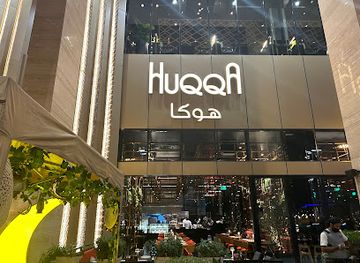
HuQQa Riyadh
Relax and indulge in the rich flavors of Middle Eastern cuisine at HuQQa Riyadh's vibrant hookah bar experience.
-
American
The Cheesecake Factory
Savor the best of American cuisine and indulge in decadent desserts at The Cheesecake Factory in Al Khobar.
-
Brazilian
Brasa De Brazil Khobar
Experience the vibrant flavors of Brazil at Brasa De Brazil Khobar, where authentic churrasco meets stunning views on Al-Dhugaither leisure Island.



Best nightclubs in Eastern Province
Eastern Province does not have a conventional bar or nightclub culture because alcohol is prohibited in Saudi Arabia. Evening life instead centres on cafés, restaurants, dessert shops, hotel lounges without alcohol, waterfront walks, cinemas, cultural programming and private social gatherings. Dammam, Al Khobar and Dhahran have the widest choice, including speciality coffee shops, late-opening restaurants, live cultural events and venues connected with shopping or entertainment complexes. Ithra in Dhahran can contribute exhibitions, films, performances and talks to the evening calendar, subject to its programme. In Al-Hofuf and smaller towns, nights are generally quieter and focus on family dining, markets, heritage areas and cafés. During cooler months, outdoor terraces and corniche districts become more active, while summer evenings are often spent in air-conditioned venues. Visitors should check current cultural and entertainment schedules rather than assume that a venue operates every night.
-
Lounge
Melrose Lounge
Discover the lively ambiance and exquisite flavors of Melrose Lounge in Al Khobar, a top destination for dining and nightlife.
-
Lounge
La Mer Lounge & Restaurant
Experience the perfect blend of coastal views and gourmet dining at La Mer Lounge & Restaurant in Al Khobar, Saudi Arabia.
-
Lounge
Lounge shesha shisha hookah hooka مقهى لاونج غصن الرمان لاونج شيشة شيشه كافيهGhosen
Experience the ultimate relaxation at Ghosen Lounge, where shisha meets delightful café vibes in the heart of Al Khobar.
-
Lounge
Jam cafe lounge shisha
Discover the soothing ambiance of Jam Cafe Lounge in Al Khobar, perfect for enjoying shisha, coffee, and light bites in a stylish setting.


Best shops in Eastern Province
Shopping in Eastern Province ranges from large, air-conditioned urban centres to traditional markets and specialist food shops. Dammam, Al Khobar and Dhahran provide the broadest selection of international brands, electronics, fashion, cosmetics, cafés and department stores, while Al-Hofuf is particularly useful for dates, date products, spices, sweets and goods associated with oasis agriculture. Heritage markets and older commercial streets in Al-Hofuf, Qatif and nearby communities offer a more local atmosphere, although individual shop hours and stock change regularly. Look for Saudi handicrafts, woven items, incense, perfumed oils, ceramics and small decorative pieces, but compare quality and ask about materials before buying. Farmers’ produce and dates are among the most distinctive regional purchases. Modern shopping complexes often stay open into the evening and provide indoor relief from the heat; traditional markets are more rewarding when visited in cooler weather and outside peak prayer periods.
-
Shopping mall
Riyadh Gallery Mall
Explore Riyadh Gallery Mall - a shopping paradise with diverse brands, delectable dining, and thrilling entertainment experiences in the heart of Riyadh.
-
Shopping mall
Cenomi Dhahran Mall
Explore a shopping haven at Cenomi Dhahran Mall, offering retail therapy, delightful dining, and family-friendly entertainment in the heart of Dhahran.
-
Shopping mall
Mall of Dhahran
Explore the Mall of Dhahran - Saudi Arabia's top shopping destination with diverse stores, restaurants, and entertainment options for all.
-
Shopping mall
Al Rashid Mall
Discover Al Rashid Mall, Al Khobar's premier shopping destination, offering diverse brands, dining, and entertainment for every visitor.


Get your free copy of our complete guide to Eastern Province, delivered straight to you.
Everything on this page, from attractions and restaurants to essentials and local phrases, in one PDF you can read offline, print or share.
Already have an account? Sign in
Your Eastern Province guide is ready.
We'll send it to · Not you? Sign out

Getting your guide ready…
We are putting together a fresh copy of the Eastern Province guide. This can take up to a minute.
This can take a few moments. If your browser asks, choose Allow so the download can start. You'll find the guide in your Downloads folder.
Nothing happened? Download it again
Sorry, the guide is taking longer than usual. Please try again in a minute, or get it by email instead.
Eastern Province essentials
Currency and Payment
Safety
Emergency Situations
Do's and Don'ts
Local Tips
From Eve
Local phrases worth knowing
You don't need to get them perfect. A few words go a long way, and locals appreciate the effort.
Basics
| English | Local | Say it |
|---|---|---|
| Hello | مرحبا | [Marhaban] |
| Goodbye | مع السلامة | [Ma'a as-salama] |
| Yes | نعم | [Na'am] |
| No | لا | [La] |
| Please/You're welcome | من فضلك | [Min fadlik] |
| Thank you | شكرا | [Shukran] |
| Excuse me/Sorry | عفوا | [Afwan] |
| How are you? | كيف حالك؟ | [Kayfa halak?] |
| Fine. And you? | بخير. وأنت؟ | [Bikhayr. Wa anta?] |
| Do you speak English? | هل تتحدث الإنجليزية؟ | [Hal tatahaddath al-ingliziya?] |
| I don't understand | لا أفهم | [La afham] |
Eating & Drinking
| English | Local | Say it |
|---|---|---|
| I'd like to see the menu, please | أود رؤية القائمة، من فضلك | [Awad ru'yat al-qa'ima, min fadlik] |
| I don't eat meat | لا أكل اللحم | [La akil al-lahm] |
| Cheers! | في صحتك! | [Fi sihtak!] |
| I would like to pay, please | أود أن أدفع، من فضلك | [Awad an adfa', min fadlik] |
Emergencies
| English | Local | Say it |
|---|---|---|
| Help! | المساعدة! | [Al-musa'ada!] |
| Go away! | ابتعد! | [Ibt'id!] |
| Call the Police! | اتصل بالشرطة! | [Ittasil bil-shurta!] |
| Call a doctor! | اتصل بالطبيب! | [Ittasil bil-tabeeb!] |
| I'm lost | أنا ضائع | [Ana da'i'] |
| I'm ill | أنا مريض | [Ana marid] |
Shopping
| English | Local | Say it |
|---|---|---|
| I'd like to buy... | أود شراء... | [Awad shirā...] |
| I'm just looking | أنا فقط أبحث | [Ana faqat abhath] |
| How much is it? | كم ثمنه؟ | [Kam thamanuh?] |
| That's too expensive | هذا غالي جداً | [Hatha ghali jiddan] |
| Can you lower the price? | هل يمكنك تخفيض السعر؟ | [Hal yumkinuka takhfid as-si'r?] |
Time & Numbers
| English | Local | Say it |
|---|---|---|
| What time is it? | كم الساعة؟ | [Kam as-saa'a?] |
| It's one o'clock | الساعة الواحدة | [As-saa'a al-wahidah] |
| Half past (10) | العاشرة والنصف | [Al-'ashirah wa an-nisf] |
| Morning | صباحاً | [Sabahan] |
| Afternoon | بعد الظهر | [Ba'd adh-dhuhr] |
| Evening | مساءً | [Masa'an] |
| Yesterday | أمس | [Ams] |
| Today | اليوم | [Al-yawm] |
| Tomorrow | غداً | [Ghadan] |
| 1 | واحد | [Wahid] |
| 2 | اثنان | [Ithnan] |
| 3 | ثلاثة | [Thalatha] |
| 4 | أربعة | [Arba'a] |
| 5 | خمسة | [Khamsa] |
| 6 | ستة | [Sitta] |
| 7 | سبعة | [Sab'a] |
| 8 | ثمانية | [Thamaniya] |
| 9 | تسعة | [Tis'a] |
| 10 | عشرة | [Ashara] |
Transport & Directions
| English | Local | Say it |
|---|---|---|
| Where's a/the...? | أين...؟ | [Ayna...?] |
| What's the address? | ما هو العنوان؟ | [Ma huwa al-'unwan?] |
| Can you show me (on the map)? | هل يمكنك إظهار لي (على الخريطة)؟ | [Hal yumkinuka izhar li (ala al-kharita)?] |
| When's the next (bus)? | متى تأتي (الحافلة) التالية؟ | [Mata ta'ti (al-hafila) at-taliya?] |
| A ticket (to ....) | تذكرة (إلى ....) | [Tadhkira (ila ....)] |
History of Eastern Province
Dilmun, Trade and Ancient Eastern Arabia
Eastern Arabia occupied an important position between Mesopotamia, the Gulf and the Indian Ocean. The wider Gulf world was associated with Dilmun, a maritime trading civilisation whose influence extended across parts of present-day Bahrain and the eastern Arabian coast. Archaeological evidence from sites including Tarout Island points to long-distance exchange, craft activity and settlement from antiquity. Later traditions also describe commercial centres in eastern Arabia, including Gerrha, although the precise location and extent of that polity remain subjects of scholarly debate. The region’s early history is therefore best understood through its connections across the Gulf rather than as an isolated desert culture.
Early Islam and the Oasis of Al-Ahsa
The oasis of Al-Ahsa became an important settled centre during the early Islamic period. Al-Ahsa’s agricultural base, wells and springs supported communities in an otherwise arid environment, while its position connected eastern Arabia with routes towards Iraq, the Gulf and the interior of the peninsula. Jawatha is traditionally associated with one of the earliest mosques outside Medina and with the early spread of Islam in the east, although surviving structures and later rebuilding reflect many periods. The oasis continued to support farming, scholarship, trade and political authority through successive Islamic dynasties.
Qatif, Tarout and the Gulf Maritime Economy
The coastal towns and islands of Eastern Province developed around fishing, seafaring, date cultivation and trade. Qatif and Tarout were particularly associated with the Gulf’s maritime economy, including pearling before the industry’s decline in the twentieth century. Boats, seasonal fishing grounds and commercial links connected these communities with Bahrain, Kuwait, Iraq, India and other Gulf ports. The old settlements also reveal the importance of oasis agriculture alongside marine resources. Although modern roads, ports and industry have changed the coastline, the province’s seafood traditions, town layouts and surviving historic structures retain traces of this earlier economy.
Al-Ahsa under Regional Dynasties and the Ottoman Era
Because of its fertile oasis and strategic position, Al-Ahsa was contested by regional powers over many centuries. It came under the influence or control of dynasties including the Uyunids, the Jabrids and the Ottomans, with periods of local autonomy and changing alliances. Fortifications, mosques and traditional houses in and around Al-Hofuf reflect the political importance of controlling the oasis and its water resources. Ottoman influence became especially significant from the sixteenth century, although local society and established agricultural systems remained central to everyday life. These layered connections help explain Al-Ahsa’s distinctive architectural and cultural character.
Saudi Unification and the Oil Discovery
Al-Ahsa was incorporated into the emerging Saudi state in 1913 when Ibn Saud captured Al-Hofuf, an important step in extending his authority towards the Gulf. The province’s modern history then changed decisively through petroleum exploration. Oil was discovered near Dammam in 1938 at Dammam Well No. 7 after several unsuccessful attempts, establishing the commercial foundations of Saudi Arabia’s oil industry. Dhahran developed as a centre for exploration, administration and technical expertise, while petroleum revenues transformed infrastructure, education, housing and employment across the wider country. The original oil-field landscape remains central to the province’s historical identity.
Industrialisation and the Growth of the Gulf Corridor
From the mid-twentieth century, Eastern Province became the principal base of Saudi Arabia’s petroleum, refining, gas and petrochemical economy. Dammam, Dhahran and Al Khobar expanded into a connected metropolitan area, while ports and industrial facilities reshaped the coast. The development of Jubail Industrial City from the 1970s created one of the world’s major concentrations of petrochemical and energy-related industry, alongside a planned residential city and extensive maritime infrastructure. This transformation brought residents from across Saudi Arabia and abroad, producing a region where oasis traditions, Gulf commerce, global industry and contemporary cultural institutions exist side by side.
Eastern Province in Photos
Browse through our photo collection highlighting the charm and character of the destination.
Neighbouring regions of Eastern Province
The closest regions to Eastern Province, if you have time for more than one.
-

-

-

-

-


Swipe for more regions
Explore more

Explore more of Saudi Arabia
Discover the rich heritage, stunning landscapes, and warm hospitality of Saudi Arabia, where ancient traditions meet modern wonders in a truly unique travel experience.
Explore Saudi Arabia