

Kédougou, Senegal Travel Guide
Discover the natural wonders and rich cultural heritage of Kédougou, Senegal's hidden gem, where lush landscapes, waterfalls, and vibrant traditions await.
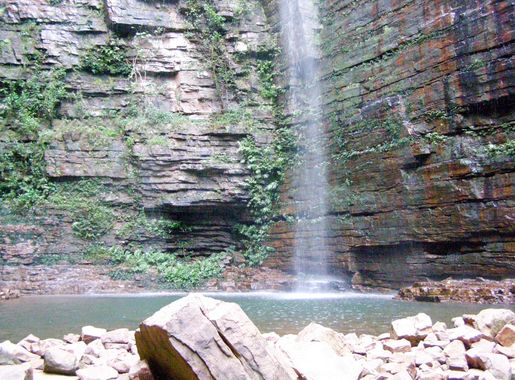
Nestled in the southeastern corner of Senegal, Kédougou is a treasure trove of natural beauty and cultural richness. This charming town is the gateway to some of the most breathtaking landscapes in West Africa. From lush forests and rolling hills to cascading waterfalls and diverse wildlife, Kédougou offers an escape into nature like no other. Visitors will be enchanted by the majesty of the Dindefelo Falls, where water plunges from a height of over 100 meters into a crystal-clear pool. It's the perfect spot for a refreshing swim or a peaceful picnic amidst the serene surroundings. For those seeking adventure, the nearby Fouta Djallon highlands provide numerous hiking trails that lead to panoramic views and hidden villages. Kédougou is also home to a vibrant cultural tapestry. The region is inhabited by various ethnic groups, including the Bassari, who are known for their unique traditions and colorful festivals. A visit to the Bassari villages offers a glimpse into their way of life and an opportunity to partake in their celebrations. The local markets are bustling with activity, offering a variety of handmade crafts and local delicacies. Whether you're a nature enthusiast, an adventure seeker, or a cultural explorer, Kédougou promises an unforgettable experience. Its unspoiled beauty and warm hospitality will make you feel right at home in this hidden gem of Senegal.

Know before you go
Hi, I'm Eve. Here are a few practical things to know before exploring Kédougou.
- Visit during the dry season (November to May) for the best weather conditions.
- Hire a local guide for hiking trips to ensure safety and gain deeper insights.
- Carry cash, as ATMs and card payment facilities are limited.
- Respect local customs and traditions, especially in village areas.
- Bring comfortable walking shoes and insect repellent for outdoor activities.
Destinations in Kédougou
Resorts, valleys and scenic spots worth a trip of their own.

Explore Kédougou: Things to Do, Places to Eat, Hotels & More
Handpicked recommendations for top attractions, local dining, accommodations, and more

Top Attractions & Sightseeing in Kédougou
Top-rated picks
Best Attractions

Bandia Reserve
Discover the natural beauty and diverse wildlife of Bandia Reserve, a must-visit wildlife refuge near Dakar, Senegal.

Stade Demba Diop
Discover the vibrant energy and cultural significance of Stade Demba Diop, a must-visit stadium in Dakar, Senegal, celebrating local football and community spirit.

Plage de Yoff
Discover the vibrant culture and stunning beauty of Plage de Yoff, a must-visit beach destination in Dakar, Senegal.

Fadiouth
Explore Fadiouth, a unique seashell island in Senegal, where vibrant culture meets stunning coastal beauty and rich heritage awaits discovery.

Best landmarks in Kédougou
Top-rated picks
Best Landmarks

Niokolo-Koba National Park
Experience the breathtaking wilderness and rich wildlife of Niokolo-Koba National Park, a UNESCO World Heritage site in Senegal.

Relais de Kédougou
Discover the charm of Kédougou at Relais de Kédougou, your comfortable retreat in the heart of Senegal's stunning landscapes.
Campement le Bedick chez Leontine
Experience authentic Senegalese hospitality and nature's beauty at Campement le Bedick chez Leontine in Kedougou.

Hotel les cocotiers
Experience the tranquil charm of Hotel les Cocotiers in Kedougou, your perfect base for exploring Senegal's natural beauty and vibrant culture.

Best restaurants in Kédougou
Top-rated picks
Best Restaurants

noblex bar restaurant
Experience authentic Senegalese cuisine at Noblex Bar Restaurant in Kedougou – where flavor meets affordability.

Black And White
Experience the vibrant flavors of Senegal at Black And White in Kedougou - where culinary tradition meets modern flair.

Dalis cream
Experience authentic Senegalese cuisine at Dalis Cream in Kédougou - where local flavors meet warm hospitality.

Restaurant Le carrefour de Kédougou
Experience authentic Senegalese cuisine at Restaurant Le Carrefour de Kédougou, where every dish celebrates local flavors and hospitality.

Best bars in Kédougou
Top-rated picks
Best Bars

Market Kedougou
Discover the colors and flavors of Senegal at Market Kedougou, a cultural hub brimming with local life and artisanal treasures.

noblex bar restaurant
Experience the authentic flavors of Senegal at Noblex Bar Restaurant in Kedougou, where local cuisine meets a lively atmosphere.

Black And White
Discover the lively ambiance and delicious offerings of Black And White, a popular bar and restaurant in Kedougou, perfect for relaxation and socializing.

Dalis cream
Savor the authentic flavors of Senegal at Dalis Cream, a cozy restaurant in Kédougou offering delicious local dishes and a warm ambiance.

Best nightclubs in Kédougou
Top-rated picks
Best Nightclubs

CASTEL NIGHT CLUB
Experience the electrifying nightlife of Dakar at Castel Night Club, a vibrant disco club perfect for dancing and socializing.
Relais de Kédougou
Discover the heart of Kedougou at Relais de Kédougou, where comfort meets the rich culture of Senegal.

King Night Club
Dance the night away at King Night Club in Saly, where vibrant music, electrifying atmosphere, and unforgettable experiences await every night.

Club Gaindé
Dance the night away at Club Gaindé, Dakar's premier disco club, where vibrant music and dynamic energy create an unforgettable nightlife experience.

Best shops in Kédougou
Top-rated picks
Best Shops

Market Kedougou
Discover the vibrant culture and local flavors at Market Kedougou - a must-visit destination for every traveler in Senegal.

Siège Du Groupe YELLITAARE
Experience the blend of local culture and modern shopping at Siège Du Groupe YELLITAARE in Kedougou, Senegal, a perfect destination for tourists.

Supermarché 1001 Merveilles
Explore the vibrant Supermarché 1001 Merveilles in Kedougou for a taste of local life, fresh produce, and unique Senegalese products.

Quincaillerie générale Abdoulaye Diallo
Explore Quincaillerie générale Abdoulaye Diallo, Kédougou's vibrant electronics store, offering local crafts and essential gadgets.

Explore Kédougou on the Map
A handpicked selection of must-see spots in Kédougou, mapped for you.
Kédougou Essentials
-
Kédougou is located in southeastern Senegal, near the borders with Guinea and Mali. The nearest major international airport is Blaise Diagne International Airport (DSS) in Dakar, approximately 700 kilometers away. From Dakar, you can take a domestic flight to Tambacounda, which is about 230 kilometers from Kédougou. From Tambacounda, you can hire a taxi or take a bus to Kédougou. Alternatively, you can opt for a long-distance bus or private car hire directly from Dakar to Kédougou, which takes roughly 10 to 12 hours.
-
Within Kédougou, transportation options include taxis, motorcycles (locally known as 'jakartas'), and minibuses. Taxis are a convenient option for getting around town and to nearby attractions, while motorcycles are great for shorter distances. Minibuses operate on fixed routes and are a budget-friendly choice. For exploring the surrounding areas and national parks, hiring a 4x4 vehicle is recommended due to the rough terrain.
-
The official currency of Senegal is the West African CFA franc (XOF). Credit cards are not widely accepted in Kédougou, so it's essential to carry enough cash for your transactions. ATMs are available in Kédougou, but it's advisable to withdraw sufficient funds in larger cities like Dakar or Tambacounda. Ensure you have small denominations, as making change can sometimes be difficult.
-
Kédougou is generally safe for tourists, but it's important to exercise standard precautions. Avoid walking alone at night, especially in unfamiliar areas. Petty theft and pickpocketing can occur, so keep your valuables secure and be vigilant in crowded places. Areas near the borders with Guinea and Mali can be sensitive, so stay informed about the current security situation and avoid these regions if advised.
-
In case of emergency, dial 17 for the police and 18 for the fire department. The main hospital in Kédougou can handle medical emergencies, but for more serious conditions, you may need to be transferred to a larger facility in Tambacounda or Dakar. It is highly recommended to have comprehensive travel insurance that covers medical evacuation. Pharmacies are available for minor health issues and over-the-counter medications.
-
Fashion: Do dress modestly, particularly in rural areas and when visiting religious sites. Avoid wearing revealing clothing. Religion: Do respect local customs and traditions, including asking for permission before taking photos of people. Public Transport: Do be patient and polite when using public transport. Don't expect strict adherence to schedules. Greetings: Do greet people with a friendly 'As-salamu alaykum' or 'Bonjour'. A handshake is common. Eating & Drinking: Do try local dishes and accept food offerings graciously. Don't refuse hospitality, as it is considered impolite.
-
To experience Kédougou like a local, visit the weekly markets where you can buy fresh produce and handmade crafts. Engage with locals, as they are often very welcoming and eager to share their culture and traditions. Don't miss visiting the Niokolo-Koba National Park for wildlife and the stunning Dindefelo Falls. For a unique cultural experience, consider taking part in a guided tour to visit local Bedik and Bassari villages.
When is the best time to visit Kédougou?
Useful Local Phrases for Kédougou
You don't need to speak the language perfectly. Even learning a few simple words can make conversations warmer—and locals usually appreciate the effort.
— Eve

Here are the phrases I use most often in Kédougou. Try a few—you'll be surprised how far they go! 😊
❤️
-
- HelloNaka
[Nah-kah] - GoodbyeBa bene
[Bah beh-neh] - YesWaaw
[Wah-w] - NoDeed
[Dee-d] - Please/You're welcomeJërëjëf
[Jehr-eh-yeff] - Thank youJërëjëf
[Jehr-eh-yeff] - Excuse me/SorryNangadef
[Nahn-gah-dehf] - How are you?Naka nga def?
[Nah-kah nahg dehf] - Fine. And you?Mangi fi, na nga def?
[Mahn-gee fee, nah ngah dehf] - Do you speak English?Nanga wax Anglais?
[Nahn-gah wahx Ahng-lay] - I don't understandMaa ngi xamul
[Mah ahn-gee zah-mool]
- HelloNaka
-
- I'd like to see the menu, pleaseNanga dekk menu, jërëjëf
[Nahng-ah dehk men-oo, jehr-eh-yeff] - I don't eat meatMaa ngi xamul nyama
[Mah ahn-gee zah-mool nyah-mah] - Cheers!Sama yoon
[Sah-mah yoon] - I would like to pay, pleaseMangi nu ko def, jërëjëf
[Mahn-gee noo koh dehf, jehr-eh-yeff]
- I'd like to see the menu, pleaseNanga dekk menu, jërëjëf
-
- Help!Jox na!
[Jox nah] - Go away!Dëgg na!
[Deh-g nah] - Call the Police!Jox na Police!
[Jox nah Poh-lees] - Call a doctor!Jox na doktoor!
[Jox nah doh-ktoor] - I'm lostMaa ngi jott
[Mah ahn-gee joht] - I'm illMaa ngi xam fa
[Mah ahn-gee zahm fah]
- Help!Jox na!
-
- I'd like to buy...Mangi bëgg...
[Mahn-gee behg] - I'm just lookingMangi fi jokk
[Mahn-gee fee johk] - How much is it?Naka la?
[Nah-kah lah] - That's too expensiveBoo xam na mën
[Boo zahm nah men] - Can you lower the price?Nanga mën na baat?
[Nahng-ah men nah baht]
- I'd like to buy...Mangi bëgg...
-
- What time is it?Naka sa waxtu?
[Nah-kah sah wahk-too] - It's one o'clockMaa ngi jott ci sa waxtu
[Mah ahn-gee joht chee sah wahk-too] - Half past (10)Njaay (10)
[Njahy (10)] - MorningGannaaw
[Gah-nahw] - AfternoonNjaaxum
[Njah-xoom] - EveningGàmmu
[Gah-moo] - YesterdayDàq
[Dahq] - TodayBokk
[Bohk] - TomorrowDewen
[Deh-wen] - 1Benn
[Beh-nn] - 2Ney
[Nay] - 3Ñett
[Nyeht] - 4Ñaar
[Nyaar] - 5Juroom
[Joo-room] - 6Juroom benn
[Joo-room beh-nn] - 7Juroom ñett
[Joo-room nyeht] - 8Juroom ñaar
[Joo-room nyaar] - 9Juroom ñaari
[Joo-room nyah-ree] - 10Juroom ñatti
[Joo-room nyah-tee]
- What time is it?Naka sa waxtu?
-
- Where's a/the...?Naka...?
[Nah-kah...?] - What's the address?Naka sa adresse?
[Nah-kah sah ah-dress] - Can you show me (on the map)?Mangi nanga jox ma (ci la carte)?
[Mahn-gee nahng-ah jox mah (chee lah kart)] - When's the next (bus)?Naka sa yoon bu (next)?
[Nah-kah sah yoon boo (next)] - A ticket (to ....)Benn ticket (ci ....)
[Beh-nn tee-ket (chee ....)]
- Where's a/the...?Naka...?
History of Kédougou
-
Kédougou has been inhabited since ancient times by various ethnic groups, including the Bassari, Bedik, and Dialonké peoples. These communities have long practiced traditional agriculture, hunting, and gathering, which have shaped the region's cultural landscape. The Bassari and Bedik, in particular, are known for their unique initiation ceremonies and mask-making traditions, which have been passed down through generations.
-
During the late 19th and early 20th centuries, Kédougou came under French colonial rule. This period saw the imposition of administrative structures and the introduction of new agricultural practices. The French also built infrastructure such as roads and schools, which facilitated greater connectivity within the region. The colonial era left a lasting impact on the socio-political dynamics of Kédougou, blending indigenous traditions with European influences.
-
Senegal gained independence from France in 1960, and Kédougou became an integral part of the newly-formed nation. The post-independence period focused on national integration and development, with efforts to improve education, healthcare, and economic opportunities in the region. Kédougou's rich cultural heritage was increasingly recognized as a vital part of Senegal's national identity.
-
In 2012, the cultural landscape of the Bassari, Fula, and Bedik peoples in Kédougou was inscribed as a UNESCO World Heritage Site. This recognition highlights the region's unique cultural practices, traditional knowledge systems, and sustainable land-use techniques. The designation aims to preserve the cultural heritage and promote sustainable tourism, bringing global attention to Kédougou's rich traditions and natural beauty.
-
Today, Kédougou is a vibrant region that celebrates its diverse cultural heritage while embracing modernity. The area is known for its stunning landscapes, including the Fouta Djallon highlands, waterfalls, and rich biodiversity. Kédougou continues to attract visitors who are eager to experience its unique blend of history, culture, and natural beauty, making it a significant destination in Senegal's tourism landscape.
Neighbouring Regions of Kédougou
The closest regions to Kédougou, if you have time for more than one.


Your all‑in‑one travel companion app
Explore expert travel guides, compare and book tours, experiences, hotels, and more—all from the palm of your hand. Download now for seamless trip planning wherever your wanderlust takes you.


Explore More of Senegal

Looking beyond Kédougou? Discover Senegal for broader travel guides, local hot-spots, and regional highlights.
Explore SenegalKédougou in Photos
Browse through our photo collection highlighting the charm and character of the destination.




Kédougou: Senegal's Hidden Gem of Natural Wonders
Nestled in the southeastern corner of Senegal, Kédougou is a treasure trove of natural beauty and cultural richness. This charming town is the gateway to some of the most breathtaking landscapes in West Africa. From lush forests and rolling hills to cascading waterfalls and diverse wildlife, Kédougou offers an escape into nature like no other. Visitors will be enchanted by the majesty of the Dindefelo Falls, where water plunges from a height of over 100 meters into a crystal-clear pool. It's the perfect spot for a refreshing swim or a peaceful picnic amidst the serene surroundings. For those seeking adventure, the nearby Fouta Djallon highlands provide numerous hiking trails that lead to panoramic views and hidden villages. Kédougou is also home to a vibrant cultural tapestry. The region is inhabited by various ethnic groups, including the Bassari, who are known for their unique traditions and colorful festivals. A visit to the Bassari villages offers a glimpse into their way of life and an opportunity to partake in their celebrations. The local markets are bustling with activity, offering a variety of handmade crafts and local delicacies. Whether you're a nature enthusiast, an adventure seeker, or a cultural explorer, Kédougou promises an unforgettable experience. Its unspoiled beauty and warm hospitality will make you feel right at home in this hidden gem of Senegal.