

Free Lowveld Travel Guide & Mobile App
Explore Lowveld with free travel guides. Discover regional history, expert tips, proposed trips, and audio guides on web or mobile app.


Explore South Africa’s Lowveld for Kruger safaris, subtropical scenery, archaeological heritage, local food and river-fringed wildlife landscapes.
Read more about Lowveld
When is the best time to visit Lowveld?
Best: May, August–September · 23–26°C| Month | High (°C) | Rainfall (mm) |
|---|---|---|
| January | 30 | 100 |
| February | 30 | 90 |
| March | 29 | 80 |
| April | 27 | 60 |
| May (best) | 24 | 40 |
| June | 22 | 20 |
| July | 21 | 20 |
| August (best) | 23 | 20 |
| September (best) | 26 | 40 |
| October | 28 | 60 |
| November | 29 | 80 |
| December | 30 | 100 |
Getting to and around Lowveld
How to get there
Transportation
Top city travel guides in Lowveld
The cities of Lowveld, and the easiest places to base yourself.

Swipe for more cities
Destinations in Lowveld
Resorts, valleys and scenic spots worth a trip of their own.
-

-


Swipe for more destinations
Best attractions in Lowveld
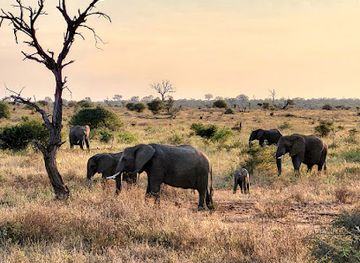
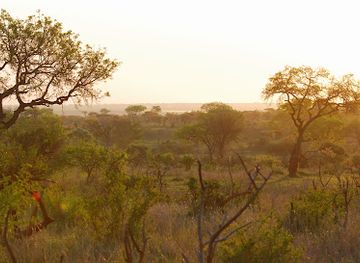
The Lowveld’s attractions centre on its protected landscapes, with Kruger National Park offering self-drive routes, guided safaris, birdwatching, archaeological sites and a wide range of habitats from riverine woodland to open savannah. Private reserves around Hoedspruit and the southern Lowveld provide additional guided wildlife experiences, while the region’s smaller conservation areas and rehabilitation projects introduce visitors to local species and ecological work. Around Mbombela, White River and Hazyview, forested valleys, waterfalls, orchards and outdoor activities create a greener contrast to the drier bushveld farther east. Phalaborwa combines access to northern Kruger with mining and archaeological heritage, including the Masorini site. The Lowveld also supports walking, cycling, scenic drives, canoeing in suitable areas and specialist birding. Its attraction landscape is defined less by a dense collection of monuments than by the relationship between wildlife, rivers, geology, agriculture and living cultural traditions. The eastern escarpment is close enough to provide dramatic scenery and cooler excursions, but visitors should treat it as a distinct edge to the Lowveld rather than assume that every highland attraction belongs to the plains below.
-
National park
Kruger National Park
Discover the wildlife wonders and stunning landscapes of Kruger National Park, a premier destination for nature lovers and adventure seekers alike.
-
Tourist attraction
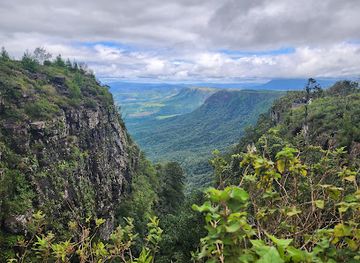
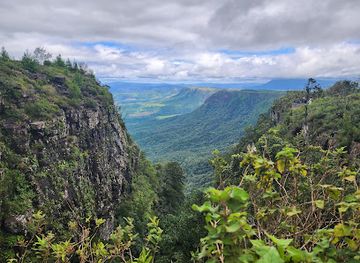
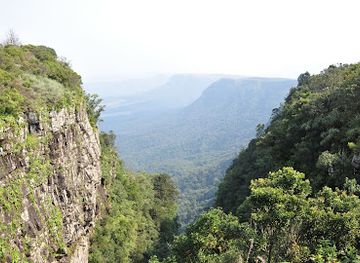
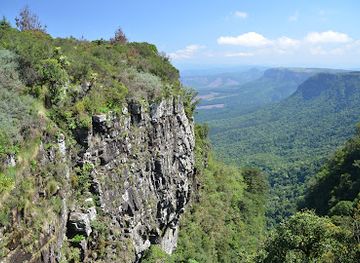
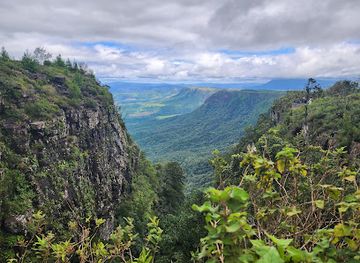
God’s Window
Experience breathtaking views and natural beauty at God's Window in Ehlanzeni, a must-visit scenic spot in South Africa.
-
Tourist attraction
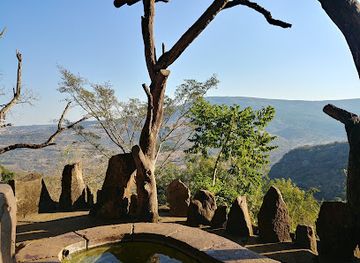
Sudwala Caves
Discover the ancient Sudwala Caves, a stunning natural attraction in South Africa, rich in history and breathtaking geological formations.
-
Scenic spot
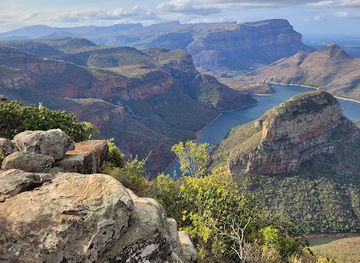
Three Rondavels View Point
Discover the mesmerizing beauty of the Three Rondavels View Point in South Africa, where stunning landscapes and unique rock formations await.
Best landmarks in Lowveld
Kruger National Park is the Lowveld’s defining geographical and cultural landmark, its long-established protected landscape extending across much of the eastern region and recognised by a sequence of gates, rest camps, rivers and archaeological sites. In northern Kruger, the stone walls of Thulamela stand as a powerful reminder of late Iron Age settlement and regional trade, while Masorini near Phalaborwa preserves evidence of iron-smelting and production. The Crocodile, Sabie, Olifants and Letaba rivers are natural landmarks as well as vital wildlife corridors, shaping both scenery and animal movement. Around Mbombela and the southern Lowveld, granite hills and forested valleys mark the transition towards the eastern escarpment; Sudwala Caves, near Mbombela, is a notable geological landmark in this transitional landscape. The Lebombo Mountains form a long eastern borderland towards Mozambique, giving the Lowveld a distinctive sense of enclosure and cross-border geography. These places matter not only for their visual presence but also for the archaeological, ecological and geological stories they carry.
-
National park
Kruger National Park
Experience the breathtaking beauty and wildlife of Kruger National Park, a premier destination for nature lovers and adventure seekers in South Africa.
-
Tourist attraction
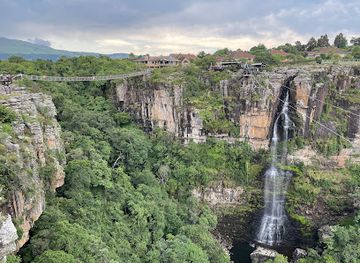
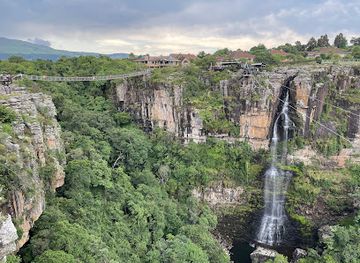
Graskop Gorge Lift Co.
Discover the breathtaking views and thrilling experiences at Graskop Gorge Lift Co. - a top tourist attraction in South Africa's stunning Mpumalanga region.
-
Tourist attraction
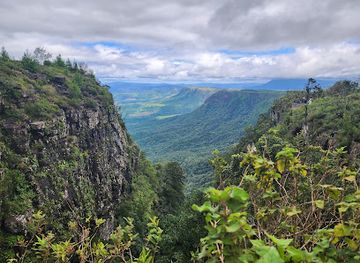
God’s Window
Explore God's Window, a stunning viewpoint in Ehlanzeni, South Africa, offering panoramic views of the Blyde River Canyon and breathtaking natural beauty.
-
Tourist attraction
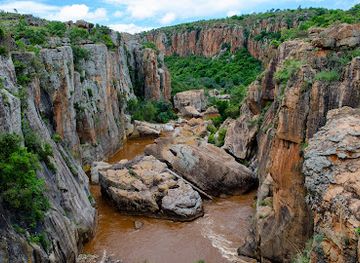
Bourke's Luck Potholes
Discover the breathtaking Bourke's Luck Potholes, a natural marvel in Blyde River Canyon Nature Reserve, showcasing stunning geological formations and crystal-clear pools.
Explore Lowveld on the map
Plan your trip on one map. See where the top cities, national parks and sights are, and book hotels and experiences in a few clicks.
Best hotels in Lowveld
Best restaurants in Lowveld
Lowveld dining reflects a warm agricultural region and a tourism economy shaped by safari lodges, farm stays and gateway towns. Menus commonly draw on citrus, mangoes, avocados, macadamia nuts, locally grown vegetables and South African staples, while game meat may appear in some lodge and restaurant settings. Around Mbombela, White River, Hazyview, Hoedspruit and Phalaborwa, visitors will find cafés, casual restaurants, farm-style venues and establishments serving both South African and international food. Lodge kitchens often provide set meals or carefully planned menus, making advance dietary communication useful in remote reserves. Rural inns and roadside venues can offer a more informal atmosphere, while farmers’ stalls and local markets are practical places to buy fruit, nuts, preserves and baked goods. Dining choices become more limited inside conservation areas, where meal arrangements are usually linked to rest camps, lodges or booked activities rather than an open restaurant district.
-
Tourist attraction
God’s Window
Discover God's Window: A breathtaking viewpoint offering panoramic vistas of lush valleys and dramatic cliffs in South Africa's stunning Ehlanzeni region.
-
Seafood
Millys N4
Discover Millys N4: A delightful seafood restaurant and cozy bed & breakfast nestled in eNtokozweni's scenic beauty.
-
Restaurant
Harrie's Pancakes
Experience the best pancakes in Graskop at Harrie's Pancakes - where every bite is a taste of South African tradition.
-
Hotel
Blyde Lodge
Discover comfort and adventure at Blyde Lodge in Graskop – your gateway to the stunning Blyde River Canyon.
Best bars in Lowveld
Evening life in the Lowveld is generally relaxed and dispersed rather than centred on a major club circuit. In Mbombela, White River, Hazyview, Hoedspruit and Phalaborwa, pubs, casual bars, hotel lounges and restaurants provide the main social settings, with occasional live music and sports viewing. Safari lodges tend to offer a quiet drink around a fire, at a bar or during a hosted dinner, although schedules and facilities differ between properties. Some farm and tourism venues produce or serve regional craft beverages, but it is wise to confirm current arrangements rather than expect a fixed nightlife programme. The most distinctive evening activity is often a guided night drive or stargazing session where available, not late-night entertainment. In rural districts, distances, wildlife and limited transport mean that visitors should arrange their return journey before drinking and avoid walking between isolated properties after dark.
-
Tourist attraction
God’s Window
Discover the stunning vistas and natural beauty of God's Window, a breathtaking viewpoint in Mpumalanga, South Africa.
-
Hotel
Blyde Lodge
Experience the charm of Blyde Lodge, where comfort meets adventure in the heart of Graskop, South Africa's breathtaking nature.
-
Grill
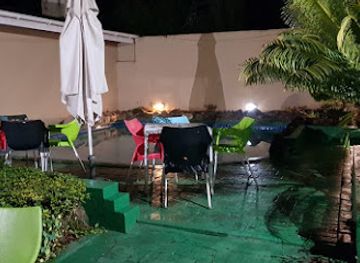
Jock Pub and Grill
Indulge in the best grilled specialties and local flavors at Jock Pub and Grill, Mbombela's favorite destination for food lovers.
-
 Guest house
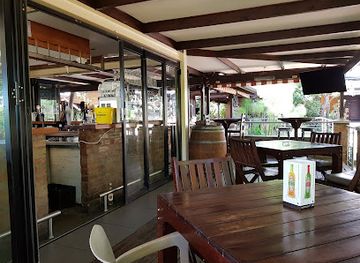
Bush Pub & Inn.
Discover comfort and adventure at Bush Pub & Inn, your gateway to the stunning Thornybush Game Reserve in South Africa.
Best nightclubs in Lowveld
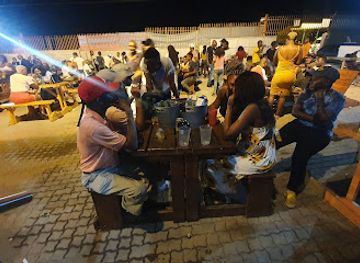
Evening life in the Lowveld is generally relaxed and dispersed rather than centred on a major club circuit. In Mbombela, White River, Hazyview, Hoedspruit and Phalaborwa, pubs, casual bars, hotel lounges and restaurants provide the main social settings, with occasional live music and sports viewing. Safari lodges tend to offer a quiet drink around a fire, at a bar or during a hosted dinner, although schedules and facilities differ between properties. Some farm and tourism venues produce or serve regional craft beverages, but it is wise to confirm current arrangements rather than expect a fixed nightlife programme. The most distinctive evening activity is often a guided night drive or stargazing session where available, not late-night entertainment. In rural districts, distances, wildlife and limited transport mean that visitors should arrange their return journey before drinking and avoid walking between isolated properties after dark.
-
Tourist attraction
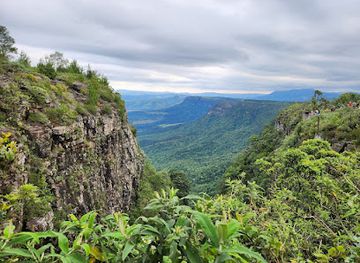
God’s Window
Experience the breathtaking views and natural beauty at God's Window, a must-see scenic spot in South Africa's Blyde River Canyon.
-
Hotel
Blyde Lodge
Experience the serene beauty of Blyde Lodge in Graskop, a perfect blend of adventure and relaxation amidst nature's stunning landscapes.
-
Dance club
Mustangs - The Dancing Place
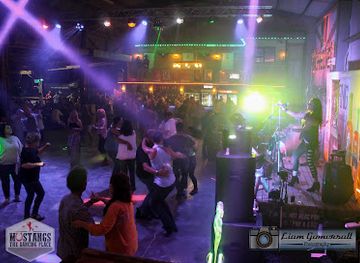
Experience the vibrant nightlife at Mustangs - The Dancing Place, where great food meets exhilarating dance in Mbombela, South Africa.
-
Bar
Chillas Club Lodge
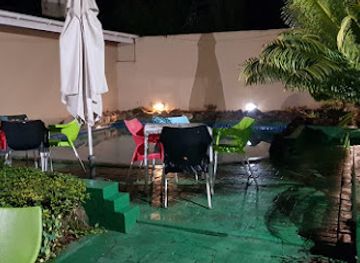
Experience the vibrant nightlife at Chillas Club Lodge in Nkambeni, where delicious drinks and local culture come together for an unforgettable evening.
Best shops in Lowveld
Shopping in the Lowveld is concentrated in the commercial centres of Mbombela, White River, Hazyview, Hoedspruit and Phalaborwa, where supermarkets, shopping centres, high-street businesses and practical safari suppliers serve both residents and visitors. Smaller towns and roadside farm stalls are better for regional produce, including macadamia nuts, citrus, mangoes, preserves and locally made snacks. Craft outlets and markets may offer carved wood, woven goods, beadwork, textiles and other South African-made items, but quality and provenance vary, so ask sellers about materials and makers. Around safari gateways, shops commonly stock field clothing, hats, binocular accessories and books about wildlife. Independent galleries and studios in the Mbombela, White River and Hoedspruit areas can provide locally produced ceramics, paintings, photography and decorative work. For a more useful souvenir, choose a clearly labelled regional food product or responsibly made craft item, and remember that some rural stalls accept cash more readily than cards.
-
Shopping mall
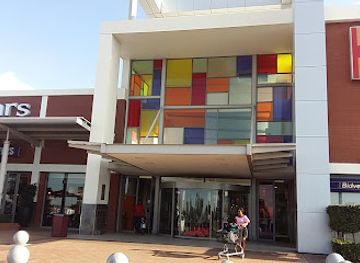
i’langa Mall
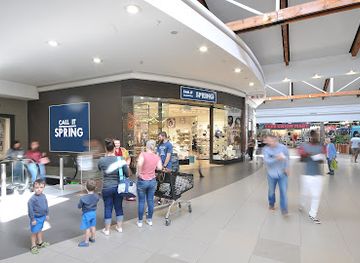
i’langa Mall: A shopping and dining oasis in Mbombela, offering unique boutiques, diverse eateries, and vibrant local culture.
-
Shopping mall
Highveld Mall
Discover shopping bliss at Highveld Mall in eMalahleni, featuring a variety of stores, dining options, and entertainment for all ages.
-
Tourist attraction
Graskop Gorge Lift Co.
Experience breathtaking views and nature's beauty at Graskop Gorge Lift Co. in South Africa's Mpumalanga region.
-
Tourist attraction
God’s Window
Discover the breathtaking views at God’s Window, a stunning viewpoint in Mpumalanga, South Africa, that showcases nature's unparalleled beauty.
Get your free copy of our complete guide to Lowveld, delivered straight to you.
Everything on this page, from attractions and restaurants to essentials and local phrases, in one PDF you can read offline, print or share.
Already have an account? Sign in
Your Lowveld guide is ready.
We'll send it to · Not you? Sign out

Getting your guide ready…
We are putting together a fresh copy of the Lowveld guide. This can take up to a minute.
This can take a few moments. If your browser asks, choose Allow so the download can start. You'll find the guide in your Downloads folder.
Nothing happened? Download it again
Sorry, the guide is taking longer than usual. Please try again in a minute, or get it by email instead.
Lowveld essentials
Currency and Payment
Safety
Emergency Situations
Do's and Don'ts
Local Tips
From Eve
Local phrases worth knowing
You don't need to get them perfect. A few words go a long way, and locals appreciate the effort.
Basics
| English | Local | Say it |
|---|---|---|
| Hello | Howzit | [Haw-zit] |
| Goodbye | Totsiens | [Toe-tsiens] |
| Yes | Ja | [Yah] |
| No | Nee | [Nee] |
| Please/You're welcome | Asseblief | [Ah-se-bleef] |
| Thank you | Dankie | [Dahn-kee] |
| Excuse me/Sorry | Verskoon my | [Fer-skohn my] |
| How are you? | Hoe gaan dit? | [Hoo gahn dit?] |
| Fine. And you? | Goed. En jy? | [Hoot. En yay?] |
| Do you speak English? | Praat jy Engels? | [Praht yay Eng-els?] |
| I don't understand | Ek verstaan nie | [Ek fer-stahn nee] |
Eating & Drinking
| English | Local | Say it |
|---|---|---|
| I'd like to see the menu, please | Ek wil graag die spyskaart sien, asseblief | [Ek vil grahkh dee spays-kart seen, ah-se-bleef] |
| I don't eat meat | Ek eet nie vleis nie | [Ek eet nee flays nee] |
| Cheers! | Gesondheid! | [Geh-sond-hayt] |
| I would like to pay, please | Ek wil graag betaal, asseblief | [Ek vil grahkh beh-tahl, ah-se-bleef] |
Emergencies
| English | Local | Say it |
|---|---|---|
| Help! | Help! | [Help!] |
| Go away! | Gaan weg! | [Khan vek!] |
| Call the Police! | Bel die polisiemag! | [Bel dee poh-lee-see-mahg!] |
| Call a doctor! | Bel 'n dokter! | [Bel 'n dok-ter!] |
| I'm lost | Ek is verlore | [Ek is fer-lohr-eh] |
| I'm ill | Ek is siek | [Ek is seek] |
Shopping
| English | Local | Say it |
|---|---|---|
| I'd like to buy... | Ek wil graag koop... | [Ek vil grahkh koop...] |
| I'm just looking | Ek kyk net | [Ek kyk net] |
| How much is it? | Hoeveel kos dit? | [Hoo-vayl kos dit?] |
| That's too expensive | Dit is te duur | [Dit is tuh dyur] |
| Can you lower the price? | Kan jy die prys verlaag? | [Kan yay dee prays fer-lawkh?] |
Time & Numbers
| English | Local | Say it |
|---|---|---|
| What time is it? | Hoe laat is dit? | [Hoo laht is dit?] |
| It's one o'clock | Dit is een uur | [Dit is een oor] |
| Half past (10) | Half elf | [Half elf] |
| Morning | Oggend | [Okh-hend] |
| Afternoon | Middag | [Mih-dahg] |
| Evening | Aand | [Aand] |
| Yesterday | Gister | [His-ter] |
| Today | Vandag | [Vahn-dahg] |
| Tomorrow | Môre | [Maw-reh] |
| 1 | Een | [Een] |
| 2 | Twee | [Twee] |
| 3 | Drie | [Dree] |
| 4 | Vier | [Feer] |
| 5 | Vyf | [Fife] |
| 6 | Ses | [Ses] |
| 7 | Sewe | [Seh-vay] |
| 8 | Agt | [Aht] |
| 9 | Nege | [Neh-geh] |
| 10 | Tien | [Teen] |
Transport & Directions
| English | Local | Say it |
|---|---|---|
| Where's a/the...? | Waar is 'n ...? | [Vahr is 'n ...?] |
| What's the address? | Wat is die adres? | [Vaht is dee ah-dres?] |
| Can you show me (on the map)? | Kan jy my wys (op die kaart)? | [Kan yay my vais (op dee kaart)?] |
| When's the next (bus)? | Wanneer is die volgende (bus)? | [Vahn-eer is dee vol-ghen-deh (bus)?] |
| A ticket (to ....) | ‘n Kaartjie (na ...) | [‘n Kaart-kee (nah ...)] |
History of Lowveld
Early hunter-gatherers and rock art
The Lowveld was occupied for thousands of years by hunter-gatherer communities whose presence is recorded through stone tools, archaeological remains and rock art in parts of the region. Rock paintings and engravings are especially important evidence of changing relationships between people, animals and the landscape, although individual images require careful interpretation rather than simple labels. Today, archaeological traces in and around protected areas form part of a much longer human history than the modern safari industry suggests.
Iron Age settlement and metalworking
From the first millennium CE, farming and metalworking communities established settlements across the Lowveld and adjacent areas. Masorini, near Phalaborwa in Kruger National Park, preserves evidence of iron-smelting activity and links the region to wider networks of production and exchange. Thulamela, a stone-walled settlement in northern Kruger, reflects the social and trading systems of the later Iron Age. These sites demonstrate that the Lowveld was an active cultural and economic landscape long before European colonial expansion.
Tsonga, Swazi and neighbouring communities
The Lowveld has long been home to communities with distinct languages, histories and cultural practices, including Tsonga-speaking peoples in the eastern and northern districts and Swazi communities around the southern Mpumalanga borderlands. Settlement, trade, cattle-keeping, farming and political change connected these communities across present-day provincial and national boundaries. Contemporary cultural life, craft traditions, foodways and local place names retain elements of this history, while the modern region remains socially diverse rather than culturally uniform.
Trade, Portuguese contact and colonial expansion
The eastern Lowveld formed part of wider trading worlds linking the interior with the Portuguese-controlled coast of Mozambique. Ivory, metals and other goods moved through changing networks, while later colonial expansion brought new political boundaries, missionary activity, commercial agriculture and forms of labour control. The Lowveld’s position between the interior plateau and the coast made it strategically important, but the region’s history cannot be reduced to European exploration: African communities and established trade systems shaped events throughout this period.
Mining and agricultural development
Mineral resources influenced the growth of settlements around the Lowveld, most notably copper and phosphate mining near Phalaborwa. Agriculture also became increasingly significant, with citrus, subtropical fruit, sugar-related production in neighbouring districts and later macadamia cultivation adapting to the warm climate. Roads, railways and commercial centres expanded to serve these industries. The resulting towns, farm landscapes and infrastructure remain part of the region’s economy alongside tourism and conservation.
From game reserves to Kruger National Park
The modern conservation landscape developed from early twentieth-century efforts to protect wildlife in the eastern Transvaal. The Sabie Game Reserve was proclaimed in 1898, and the area was later expanded and formally established as Kruger National Park in 1926. Conservation brought major ecological protection but also involved the removal or restriction of local communities, a difficult legacy that continues to influence debates about land, access and park management. Kruger subsequently became one of South Africa’s defining protected areas and the foundation of much Lowveld tourism.
Tourism, conservation and regional change
Since the later twentieth century, safari tourism, private reserves, lodges, airports and outdoor businesses have transformed the Lowveld economy. Tourism has created employment and conservation revenue while also placing pressure on water, roads, wildlife corridors and neighbouring communities. Cross-border conservation initiatives, including the Great Limpopo Transfrontier Park, reflect a more connected approach to ecosystems that cross national boundaries. The contemporary Lowveld therefore combines established wildlife tourism with continuing agricultural, cultural and conservation change.
Lowveld in Photos
Browse through our photo collection highlighting the charm and character of the destination.
Neighbouring regions of Lowveld
The closest regions to Lowveld, if you have time for more than one.
-

-

-

-

-


Swipe for more regions
Explore more

Explore more of South Africa
Discover South Africa: A land of breathtaking landscapes, rich history, and diverse cultures, from bustling cities to world-renowned wildlife reserves.
Explore South Africa