

Free Galicia Travel Guide & Mobile App
Explore Galicia with free travel guides. Discover regional history, expert tips, proposed trips, and audio guides on web or mobile app.


Explore Galicia’s Atlantic coast, pilgrimage heritage, Roman cities, green valleys, seafood traditions and distinctive Galician culture in north-west Spain.
Read more about Galicia
When is the best time to visit Galicia?
Best: June–August · 24–26°C| Month | High (°C) | Rainfall (mm) |
|---|---|---|
| January | 13 | 165 |
| February | 13 | 135 |
| March | 15 | 125 |
| April | 17 | 115 |
| May | 20 | 95 |
| June (best) | 24 | 65 |
| July (best) | 26 | 45 |
| August (best) | 25 | 55 |
| September | 24 | 85 |
| October | 19 | 125 |
| November | 15 | 155 |
| December | 13 | 165 |
Getting to and around Galicia
How to get there
Transportation
Top city travel guides in Galicia
The cities of Galicia, and the easiest places to base yourself.
-

-


Swipe for more cities
Destinations in Galicia
Resorts, valleys and scenic spots worth a trip of their own.

Swipe for more destinations
Best attractions in Galicia
Galicia’s attractions extend from prehistoric landscapes and Roman remains to islands, estuaries, vineyards and pilgrimage routes. Santiago de Compostela provides the region’s major cultural focus, with the cathedral, pilgrimage infrastructure, museums and historic streets forming a coherent urban heritage experience. Lugo is notable for its Roman wall, while A Coruña, Vigo and Pontevedra offer museums, waterfronts, galleries and distinctive old quarters. The Atlantic Islands of Galicia National Park protects the Cíes, Ons, Sálvora and Cortegada archipelagos, combining beaches, maritime scenery and important wildlife habitats; seasonal access requires planning. Along the coast, the Rías Baixas and the Costa da Morte provide opportunities for walking, boat trips, harbour visits and seafood-focused travel. Inland, the Ribeira Sacra brings together river gorges, terraced vineyards and monasteries, while Ourense is associated with thermal bathing and the Miño valley. Castros, dolmens, manor houses, churches and rural food traditions add depth beyond the headline sights, and sections of the Camino de Santiago provide a more active way to encounter villages and changing landscapes.
-
Historical landmark
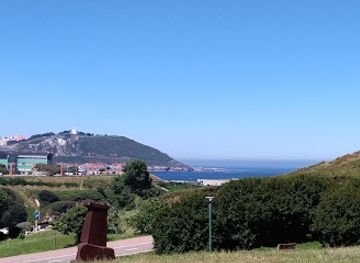
Torre de Hércules
Explore the ancient Torre de Hércules in A Coruña, a historic lighthouse and UNESCO World Heritage Site with stunning coastal views and rich maritime heritage.
-
Health spa
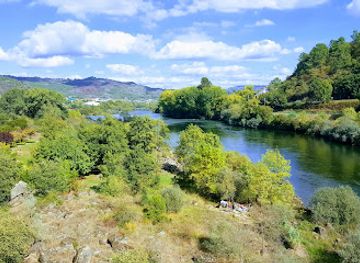
Caldas de Outariz (Hot Springs)
Discover the healing waters and stunning landscapes of Caldas de Outariz, a premier health spa destination in scenic Ourense, Galicia.
-
Tourist attraction
Ézaro waterfall
Explore the stunning Ézaro Waterfall in A Coruña, a natural wonder offering breathtaking views and outdoor adventures in the heart of Galicia.
-
Nature preserve
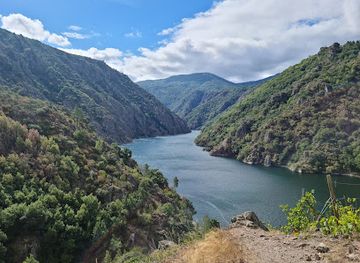
Cañón del Sil
Explore Cañón del Sil, a stunning canyon in Galicia, Spain, renowned for its dramatic cliffs, rich biodiversity, and breathtaking river views.

Best landmarks in Galicia
The Cathedral of Santiago de Compostela is Galicia’s defining landmark, its Romanesque core and later additions dominating the destination reached by the Camino. Lugo’s Roman wall is an exceptional surviving circuit of ancient urban fortification, while the Tower of Hercules in A Coruña is an operating Roman lighthouse and one of the region’s most recognisable coastal monuments. The old quarter of Pontevedra is notable for its churches, granite buildings and connected historic streets, and Ferrol’s planned eighteenth-century urban fabric reflects its naval importance. In southern Galicia, the Castro de Santa Trega occupies a prominent hill above the Miño estuary, linking archaeology with a broad Atlantic view. The monasteries and terraced slopes of the Ribeira Sacra form a cultural landscape rather than a single monument, with sites beside the Sil and Miño rivers revealing centuries of religious and agricultural history. The Cíes Islands, with their granite shores and protected waters, provide a natural landmark of national significance within Galicia’s Atlantic island landscape.
-
Catholic cathedral
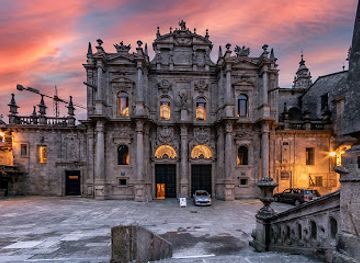
Cathedral of Santiago de Compostela
Experience the spiritual and architectural wonder of the Cathedral of Santiago de Compostela, a UNESCO World Heritage site and a pilgrimage destination.
-
Tourist attraction
Faro de Fisterra
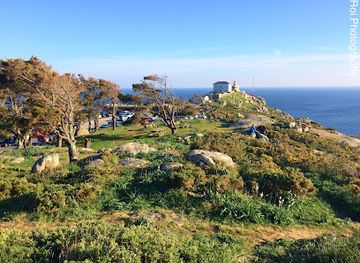
Discover the Faro de Fisterra, where history meets breathtaking ocean views at Spain's westernmost point.
-
 Historical landmark
Torre de Hércules
Discover the ancient wonders of Torre de Hércules, the world's oldest functioning lighthouse, with stunning views and rich maritime history in A Coruña, Spain.
-
Monument
Muralla Romana de Lugo
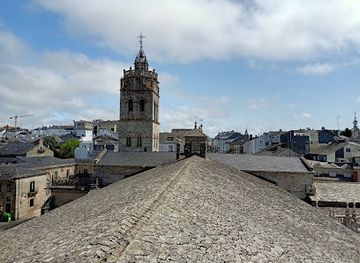
Immerse yourself in history at the Muralla Romana de Lugo, a UNESCO World Heritage Site showcasing ancient Roman architecture and stunning views.
Explore Galicia on the map
Plan your trip on one map. See where the top cities, national parks and sights are, and book hotels and experiences in a few clicks.
Best hotels in Galicia
Best restaurants in Galicia
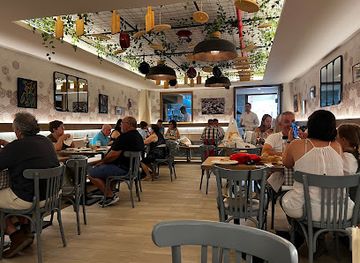
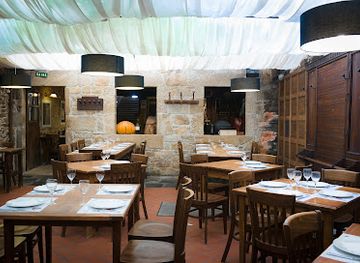
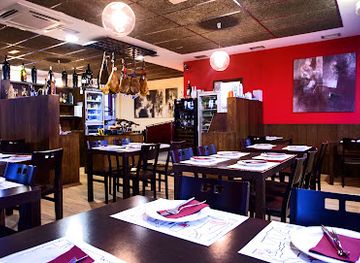
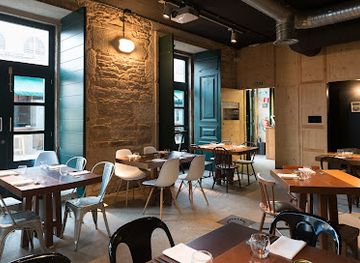
Galician cooking is strongly connected to the Atlantic and to small-scale agriculture. Coastal menus often feature mussels, octopus, razor clams, scallops, spider crab and other shellfish, while inland kitchens use pork, beef, potatoes, greens and seasonal produce. Pulpo a feira, seasoned with paprika and olive oil, Galician empanada and caldo gallego are widely associated with the region, while tarta de Santiago provides a characteristic almond-based dessert. Local cheeses include varieties made in different parts of Galicia, and bread remains an important part of everyday dining. Wine areas include Rías Baixas, known especially for Albariño, along with Ribeiro, Ribeira Sacra, Valdeorras and Monterrei, each with different conditions and styles. Restaurants range from traditional seafood houses, family-run cafés and rural inns to contemporary kitchens in Santiago, A Coruña, Vigo and other larger towns. Markets and food festivals can be useful places to see how local produce is traded and prepared, although schedules vary by town and season.
-
Restaurant
A Noiesa Casa de Comidas
Discover authentic Galician cuisine at A Noiesa Casa de Comidas in Santiago de Compostela - where tradition meets flavor.
-
Restaurant
Casa de Xantar O Dezaseis (Santiago de Compostela)
Experience authentic Galician cuisine at Casa de Xantar O Dezaseis in Santiago de Compostela - where tradition meets flavor.
-
Restaurant
La Bodeguilla de San Lázaro
Discover authentic Galician flavors at La Bodeguilla de San Lázaro – a top destination for tapas lovers in Santiago de Compostela.
-
Restaurant
Abastos 2.0
Experience the authentic taste of Galicia at Abastos 2.0 - where fresh market ingredients meet culinary innovation.
Best bars in Galicia
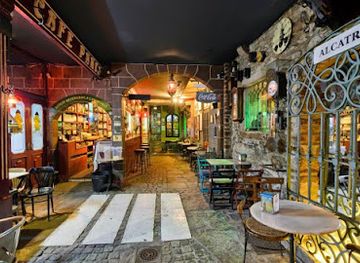
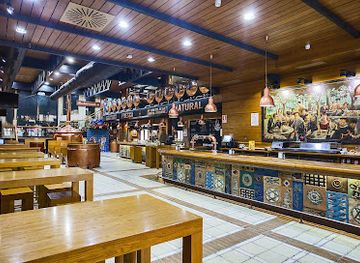
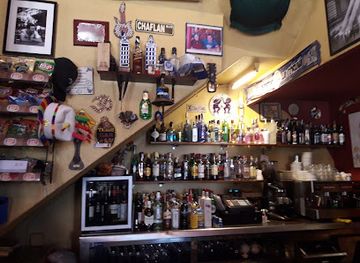
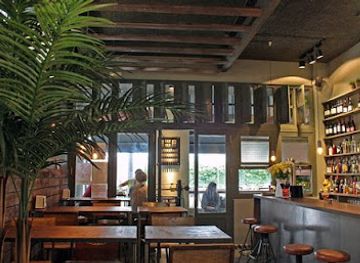
Evening life in Galicia is rooted more in cafés, traditional taverns, wine bars, restaurants and pubs than in a region-wide club culture. Santiago de Compostela has the most concentrated student and visitor nightlife, with bars and live-music venues around its historic centre and newer districts. A Coruña and Vigo offer broader choices, including cocktail bars, music venues and late-night clubs, while Pontevedra, Ourense and Lugo have active but more compact evening scenes. In coastal villages and rural areas, social life often centres on local bars, restaurants and seasonal festivals rather than dedicated nightclubs. Galician wines, cider-style drinks and locally produced beers are available alongside the broader Spanish drinks range, but sampling them need not involve heavy drinking. Opening patterns and seasonal activity differ considerably, particularly in resort areas, so check locally rather than relying on old listings.
-
Pub
Pub Momo
Discover Pub Momo in Santiago de Compostela - A Lively Pub Experience with Great Drinks and a Welcoming Vibe.
-
Beer hall
Cervecería Estrella de Galicia
Experience the authentic flavors of A Coruña at Cervecería Estrella de Galicia, where local brews and vibrant atmosphere await.
-
Bar
Chaflán
Discover Chaflán, a vibrant bar in A Coruña offering delicious tapas, great drinks, and a lively atmosphere perfect for socializing with locals.
-
Tapas Bar
La Urbana
Discover La Urbana, a vibrant tapas bar in A Coruña, where traditional flavors meet a lively atmosphere perfect for tourists seeking authentic local cuisine.
Best nightclubs in Galicia
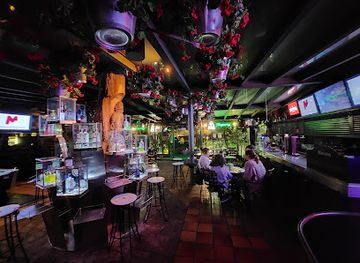
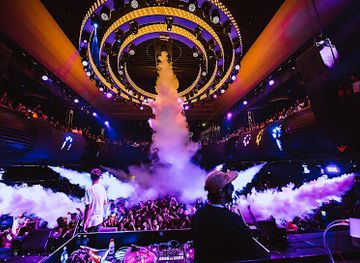
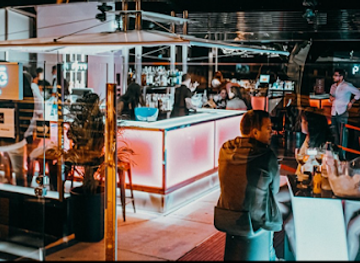
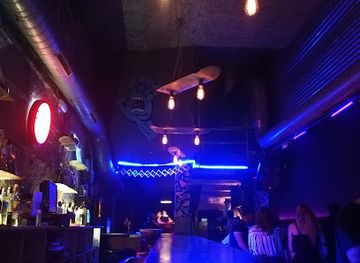
Evening life in Galicia is rooted more in cafés, traditional taverns, wine bars, restaurants and pubs than in a region-wide club culture. Santiago de Compostela has the most concentrated student and visitor nightlife, with bars and live-music venues around its historic centre and newer districts. A Coruña and Vigo offer broader choices, including cocktail bars, music venues and late-night clubs, while Pontevedra, Ourense and Lugo have active but more compact evening scenes. In coastal villages and rural areas, social life often centres on local bars, restaurants and seasonal festivals rather than dedicated nightclubs. Galician wines, cider-style drinks and locally produced beers are available alongside the broader Spanish drinks range, but sampling them need not involve heavy drinking. Opening patterns and seasonal activity differ considerably, particularly in resort areas, so check locally rather than relying on old listings.
-
Pub
Pub Momo
Experience the lively charm of Pub Momo, a top bar in Santiago de Compostela, perfect for socializing and enjoying local drinks.
-
Night club
Pelícano
Discover the pulsating nightlife of A Coruña at Pelícano, where music, dance, and fun collide in an unforgettable experience.
-
Pub
Privé Porto Sanxenxo
Discover the lively nightlife at Privé Porto Sanxenxo, where great music, delicious drinks, and an energetic atmosphere await you in the heart of the marina.
-
Night club
Fifty Club Pontevedra
Discover the electrifying nightlife at Fifty Club Pontevedra, where dance and fun come alive in the heart of the city!
Best shops in Galicia
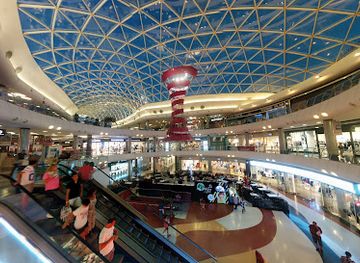
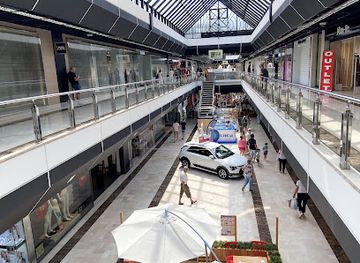
Shopping in Galicia is most rewarding in its historic city centres, market towns and food markets rather than in large-scale luxury districts. Santiago de Compostela combines traditional food shops, bookshops, craft outlets and contemporary independent retailers with products connected to pilgrimage, including scallop-shell symbols and walking equipment. A Coruña and Vigo provide the broadest urban range of fashion, department stores, galleries and specialist shops, while Pontevedra, Lugo and Ourense offer compact high streets and local markets. Regional purchases can include Galician cheeses, tinned seafood, cured products, wine, spirits, almond sweets and conserves, provided they are packed appropriately for travel. Look for ceramics, textiles, leather goods and small craft items, but check provenance rather than assuming every product is locally made. Weekly markets and seasonal food fairs vary between towns, and rural shopping is often focused on produce and practical goods rather than souvenirs.
-
Shopping mall
Marineda City
Experience the ultimate shopping and entertainment destination at Marineda City, A Coruña's largest shopping mall with diverse attractions.
-
Shopping mall
C.C. Cuatro Caminos
Explore the vibrant C.C. Cuatro Caminos in A Coruña, where shopping meets Spanish culture, dining delights, and entertainment awaits.
-
Shopping mall
Vialia Vigo
Explore Vialia Vigo, a vibrant shopping mall with diverse stores, delicious dining, and entertainment, perfect for tourists seeking local culture.
-
Shopping mall
Gran Vía de Vigo
Discover the vibrant Gran Vía de Vigo, a shopping mall filled with diverse retailers, delicious dining options, and exciting entertainment for all ages.
Get your free copy of our complete guide to Galicia, delivered straight to you.
Everything on this page, from attractions and restaurants to essentials and local phrases, in one PDF you can read offline, print or share.
Already have an account? Sign in
Your Galicia guide is ready.
We'll send it to · Not you? Sign out

Getting your guide ready…
We are putting together a fresh copy of the Galicia guide. This can take up to a minute.
This can take a few moments. If your browser asks, choose Allow so the download can start. You'll find the guide in your Downloads folder.
Nothing happened? Download it again
Sorry, the guide is taking longer than usual. Please try again in a minute, or get it by email instead.
Galicia essentials
Currency and Payment
Safety
Emergency Situations
Do's and Don'ts
Local Tips
From Eve
Local phrases worth knowing
You don't need to get them perfect. A few words go a long way, and locals appreciate the effort.
Basics
| English | Local | Say it |
|---|---|---|
| Hello | Ola | [OH-lah] |
| Goodbye | Adeus | [ah-DAY-oos] |
| Yes | Si | [SEE] |
| No | Non | [NON] |
| Please/You're welcome | Por favor/De nada | [por fah-VOR/deh NAH-dah] |
| Thank you | Grazas | [GRAH-zahs] |
| Excuse me/Sorry | Desculpe | [deh-SKUL-peh] |
| How are you? | Como estás? | [KOH-mo es-TAS] |
| Fine. And you? | Ben. E ti? | [BEN. eh TEE] |
| Do you speak English? | Falades inglés? | [fah-LAH-des een-GLES] |
| I don't understand | Non entendo | [NON en-TEN-do] |
Eating & Drinking
| English | Local | Say it |
|---|---|---|
| I'd like to see the menu, please | Gustaríame ver o menú, por favor | [goos-tah-REE-ah-meh ver oh meh-NOO, por fah-VOR] |
| I don't eat meat | Non como carne | [NON KOH-mo CAR-neh] |
| Cheers! | Saúde! | [sah-OO-deh] |
| I would like to pay, please | Gustaríame pagar, por favor | [goos-tah-REE-ah-meh pah-GAR, por fah-VOR] |
Emergencies
| English | Local | Say it |
|---|---|---|
| Help! | Axuda! | [ah-SOO-dah] |
| Go away! | Fóra! | [FOR-ah] |
| Call the Police! | Chama a policía! | [CHA-ma ah poh-LEE-siah] |
| Call a doctor! | Chama a un doutor! | [CHA-ma ah oon doo-TOR] |
| I'm lost | Estou perdido | [es-TOH perd-EE-do] |
| I'm ill | Estou enfermo | [es-TOH en-FER-mo] |
Shopping
| English | Local | Say it |
|---|---|---|
| I'd like to buy... | Gustaríame comprar... | [goos-tah-REE-ah-meh kom-PRAHR] |
| I'm just looking | Sólo estou mirando | [SOH-lo es-TOH mee-RAN-do] |
| How much is it? | Canto custa? | [KAN-toh KOOS-tah] |
| That's too expensive | Iso é demasiado caro | [EE-so eh deh-mah-SIA-do KAH-ro] |
| Can you lower the price? | Podes rebaixar o prezo? | [POH-des re-bai-SHAR oh PREH-zo] |
Time & Numbers
| English | Local | Say it |
|---|---|---|
| What time is it? | Que hora é? | [keh OH-rah eh] |
| It's one o'clock | É a unha | [eh ah OON-yah] |
| Half past (10) | Medio pasado (10) | [MEH-dio pah-SAH-do (diez)] |
| Morning | Mañá | [mah-NYAH] |
| Afternoon | Tarde | [TAR-deh] |
| Evening | Noite | [NOY-teh] |
| Yesterday | Onte | [ON-teh] |
| Today | Hoxe | [OH-kseh] |
| Tomorrow | Mañá | [mah-NYAH] |
| 1 | Un | [oon] |
| 2 | Dúas | [DOO-as] |
| 3 | Tres | [TRES] |
| 4 | Catro | [KAH-tro] |
| 5 | Cinco | [SING-ko] |
| 6 | Seis | [SAY-s] |
| 7 | Sete | [SEH-teh] |
| 8 | Oito | [OY-toh] |
| 9 | Nove | [NOH-veh] |
| 10 | Dez | [DEZ] |
Transport & Directions
| English | Local | Say it |
|---|---|---|
| Where's a/the...? | Onde está un/a...? | [ON-deh es-TAH oon/ah] |
| What's the address? | Cal é a dirección? | [KAL eh ah dee-rek-SYON] |
| Can you show me (on the map)? | Podes mostrárme (no mapa)? | [POH-des mos-TRAR-meh (noh MAH-pah)] |
| When's the next (bus)? | Cando é o próximo (autobús)? | [KAN-do eh oh PROH-simo (OW-toh-BUS)] |
| A ticket (to ....) | Un billete (a ....) | [oon bee-YEH-teh (ah ....)] |
History of Galicia
Prehistoric Megaliths and Hill Forts
Galicia has a substantial prehistoric legacy, including Neolithic burial monuments, stone circles and rock art, followed later by fortified hilltop settlements known as castros. Sites such as the Castro de Baroña on the coast and Santa Trega near the Miño estuary show how communities occupied defensible locations and maintained connections with the Atlantic world before Roman rule. Megalithic tombs and castros remain important reminders that Galicia’s cultural landscape was shaped long before the emergence of its medieval towns and pilgrimage routes.
Roman Gallaecia
Roman expansion brought north-western Iberia into the imperial system, creating the province and cultural region broadly known as Gallaecia. Roads, bridges, mining, military power and urban administration reshaped the territory. Lugo, founded as Lucus Augusti, retains the most visible Roman legacy through its remarkably complete defensive wall, while Ourense preserves Roman associations around its bridge and hot springs. Roman influence did not erase local communities, but it connected Galicia more closely to the wider economy and political structures of the empire.
The Suebi Kingdom and Early Christianity
After Roman authority weakened, the Suebi established a kingdom in north-western Iberia during the fifth century, with Braga as an important centre in neighbouring Portugal and parts of present-day Galicia within its sphere. Christianity developed through episcopal centres, monasteries and local religious foundations. This period helped shape the political and ecclesiastical networks that later supported medieval settlement and pilgrimage. The region’s early medieval history was not isolated from wider Iberia, but it developed a distinctive Atlantic and north-western orientation.
The Discovery Tradition of Santiago
From the ninth century, the tomb traditionally identified with the apostle Saint James became the focus of Santiago de Compostela. Pilgrimage routes from across Europe converged on the city, encouraging the construction of churches, hospitals, bridges and accommodation along the way. Santiago grew into one of medieval Christianity’s major pilgrimage centres, while its cathedral and surrounding urban fabric became the most influential expression of Galicia’s religious and architectural history. The Camino remains a living network rather than merely a historical monument.
Medieval Monasteries, Ports and Seigneurial Power
During the Middle Ages, monasteries, bishops and noble houses controlled extensive estates and helped organise agriculture, woodland and river valleys. Monastic foundations in areas such as the Ribeira Sacra preserve evidence of this influence, particularly beside the Sil and Miño rivers. Coastal ports developed through fishing, trade and maritime connections, while towns including Pontevedra, A Coruña and Baiona gained importance at different times. Medieval religious and seigneurial power left a lasting mark on Galicia’s churches, manor houses, place names and rural settlement patterns.
Atlantic Trade and Maritime Conflict
Galicia’s position on the Atlantic brought commercial opportunity as well as military danger. Its ports participated in fishing, coastal trade and long-distance maritime networks, while the coastline faced attacks and political conflict involving English, French and Spanish interests. A Coruña’s defeat of the English Armada in 1589, in which María Pita became a celebrated figure, remains part of the city’s civic memory. Fortifications, naval installations and historic harbours reveal the strategic importance of Galicia’s coast well beyond its role as a fishing region.
Industrialisation, Emigration and Modern Galicia
From the nineteenth century, shipbuilding, canning, fishing, railways and port commerce transformed urban Galicia, particularly around Vigo, A Coruña and Ferrol. At the same time, large numbers of Galicians emigrated to Latin America and elsewhere in Europe, supporting families and communities through remittances and creating enduring cultural links. The twentieth century brought political repression under Franco, followed by democratic regional autonomy and renewed public recognition of the Galician language. Contemporary Galicia combines a modern maritime and service economy with strong agricultural, linguistic and cultural traditions.
Galicia in Photos
Browse through our photo collection highlighting the charm and character of the destination.
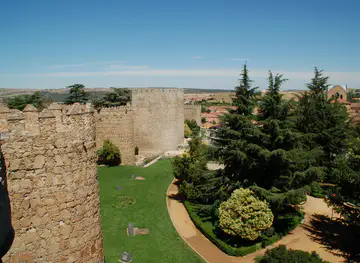
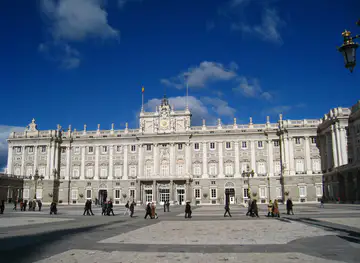
Neighbouring regions of Galicia
The closest regions to Galicia, if you have time for more than one.
-

-
-

-

-


Swipe for more regions
Explore more

Explore more of Spain
Discover Spain: A vibrant tapestry of culture, history, and breathtaking landscapes, where every city offers a unique adventure and unforgettable experiences.
Explore Spain