

Poble Sec (Barcelona) Travel Guide - Free
Explore Poble Sec in Barcelona with Evendo's free guide. Find the best shops, historic streets, restaurants, and gems on web or mobile.


Poble Sec in Barcelona brings together Paral·lel theatres, Carrer de Blai pintxos, Civil War history, Montjuïc walks and independent local dining.
Between City and Mountain
Poble Sec occupies the slope between Barcelona’s central districts and Montjuïc, stretching from the broad entertainment corridor of Avinguda del Paral·lel towards the hill’s gardens and cultural institutions. Its streets are more intimate than the grand boulevards nearby: apartment blocks, small squares, corner bars and steep lanes create a neighbourhood that feels lived-in even where the city’s theatres and museums draw visitors. The area’s name, commonly translated as “dry village”, recalls its history as land beyond Barcelona’s old walls before dense urban development reached it.Read more about Poble Sec
Paral·lel, Blai and Everyday Life
Memory, Industry and Montjuïc
Best attractions in Poble Sec
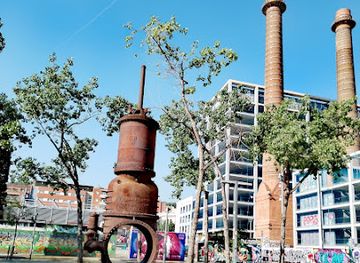
Poble Sec’s attractions are concentrated in its theatres, historical sites and streets rather than in one monumental square. A walk along Avinguda del Paral·lel reveals the district’s long relationship with popular entertainment, while Carrer de Blai offers a lively succession of pintxos bars and informal restaurants. Refugi 307, maintained as part of Barcelona’s Civil War heritage, gives visitors an unusually direct sense of how residents sheltered during bombing raids. The Tres Xemeneies park provides open space beside the industrial remains of the former power station, with the three chimneys forming one of the neighbourhood’s most recognisable silhouettes. From the upper streets, visitors can continue towards Montjuïc’s gardens, viewpoints and museums, although these lie beyond Poble Sec’s core. Smaller squares, bodegas and residential lanes complete the experience, showing the neighbourhood as an inhabited district rather than simply a nightlife quarter.
-
Tourist attraction
Magic Fountain of Montjuïc
Experience the enchanting light and water displays at the Magic Fountain of Montjuïc in Barcelona, a must-see attraction filled with vibrant culture.
12 min walk · 1.0 km from neighbourhood centre
-
 Tourist attraction
Montjuïc Castle
Discover Montjuïc Castle, a historic fortress with stunning views, rich history, and beautiful gardens in the heart of Barcelona.
13 min walk · 1.1 km from neighbourhood centre
-
Tourist attraction
Museu Nacional d'Art de Catalunya
Explore the Museu Nacional d'Art de Catalunya, a stunning art museum in Barcelona showcasing Catalan masterpieces from various historical periods.
11 min walk · 0.9 km from neighbourhood centre
-
Tourist attraction
Poble Espanyol
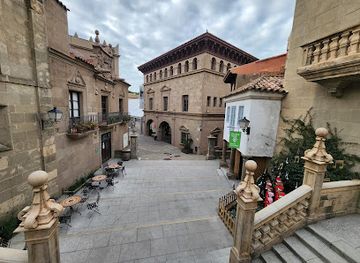
Experience the vibrant culture of Spain in one place at Poble Espanyol, Barcelona's open-air museum showcasing architecture, crafts, and cuisine.
16 min walk · 1.3 km from neighbourhood centre


Best landmarks in Poble Sec
Poble Sec’s most distinctive landmarks combine industrial remains, wartime memory and theatrical architecture. The three chimneys of the former power station at the Tres Xemeneies park are a striking reminder of the heavy infrastructure that once occupied the lower district. Refugi 307, cut into the rock of Montjuïc, preserves a section of the extensive air-raid shelter built by local residents during the Spanish Civil War and gives the neighbourhood a powerful historical reference point. Avinguda del Paral·lel is itself a landmark urban space, shaped by theatres and music halls rather than by a single civic monument; Sala Apolo continues that performance tradition. The streets rising towards Montjuïc retain the compact apartment blocks and steep lanes that distinguish Poble Sec from Barcelona’s more formal nineteenth-century avenues.
-
Historical landmark
Montjuïc Castle
Discover the historic Montjuïc Castle, a majestic fortress offering panoramic views and a deep dive into Barcelona's rich history.
13 min walk · 1.1 km from neighbourhood centre
-
Museum
Poble Espanyol
Discover the charm of Spain at Poble Espanyol, an open-air museum showcasing the country's rich art, architecture, and cultural diversity.
16 min walk · 1.3 km from neighbourhood centre
-
Park
Parc del Mirador del Poble-sec
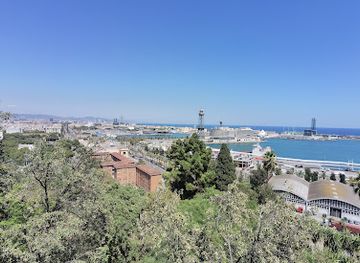
Explore Parc del Mirador del Poble-sec, a tranquil urban oasis with breathtaking views and a vibrant community atmosphere in the heart of Barcelona.
9 min walk · 0.7 km from neighbourhood centre
-
Park
Jardins de les Tres Xemeneies
Explore the serene Jardins de les Tres Xemeneies, a hidden gem in Barcelona’s Sants-Montjuïc district, perfect for relaxation and urban nature experiences.
10 min walk · 0.8 km from neighbourhood centre
Explore Poble Sec on the map
A handpicked selection of must-see spots in Poble Sec, mapped for you.
Best hotels in Poble Sec
Best restaurants in Poble Sec
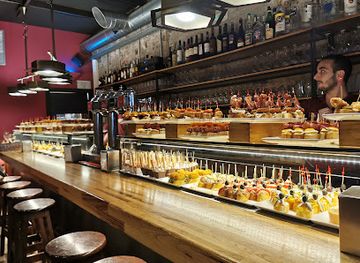
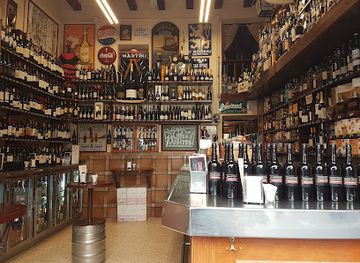
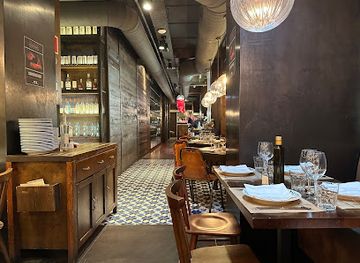
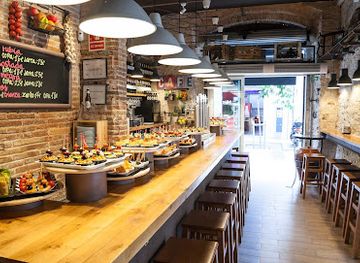
Poble Sec is one of Barcelona’s most approachable areas for informal evening eating, particularly around Carrer de Blai, where pintxos bars create a sociable route between small plates, drinks and pavement tables. The neighbourhood’s culinary identity is not limited to that street: traditional bodegas, cafés and neighbourhood restaurants sit alongside contemporary kitchens influenced by Catalan, Spanish and international cooking. Quimet i Quimet, a long-established bar on Carrer del Poeta Cabanyes, is among the district’s best-known food addresses, while streets around Paral·lel and Margarit offer further choice. Visitors should distinguish the pintxos tradition from a formal restaurant meal, as ordering, seating and payment can vary from one venue to another. The area is particularly suited to grazing across several stops, though the residential setting means that considerate noise levels matter after dinner.
-
Tapas Bar
La Tasqueta de Blai
Experience the vibrant flavors of Spain at La Tasqueta de Blai - a must-visit tapas bar in Barcelona's Sants-Montjuïc district.
3 min walk · 0.2 km from neighbourhood centre
-
Tapas Bar
Quimet & Quimet
Discover authentic Spanish flavors at Quimet & Quimet, Barcelona's iconic tapas bar offering a unique culinary experience.
3 min walk · 0.3 km from neighbourhood centre
-
Restaurant
Restaurant Can Lampazas
Experience authentic Galician cuisine at Restaurant Can Lampazas in Barcelona's Sants-Montjuïc district.
7 min walk · 0.6 km from neighbourhood centre
-
Tapas Bar
Blai 9
Experience authentic Spanish tapas at Blai 9 in Barcelona's vibrant Sants-Montjuïc district, where flavor meets tradition.
3 min walk · 0.2 km from neighbourhood centre
Best bars in Poble Sec
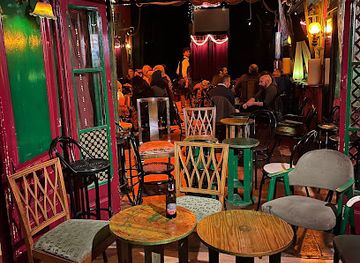
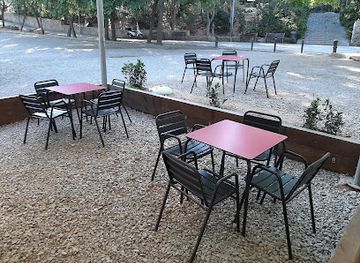
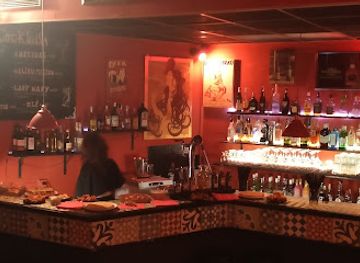
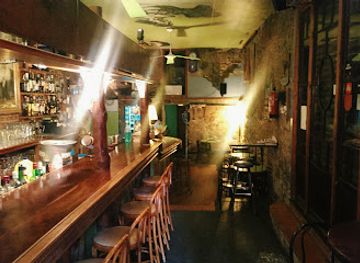
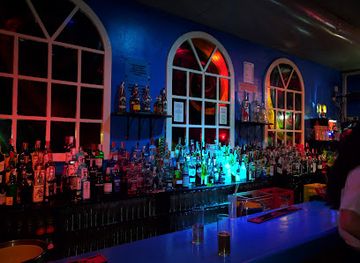
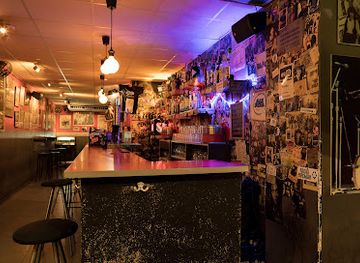
Poble Sec’s evening life is closely tied to the Paral·lel entertainment corridor and the bars around Carrer de Blai. Sala Apolo, on the neighbourhood’s lower edge, is a major venue for concerts, club nights and cultural programming, while the surrounding theatres continue the avenue’s historic association with popular performance. Smaller bars provide a more relaxed alternative, from old-fashioned drinking places to contemporary venues serving cocktails and late-night conversation. Carrer de Blai is primarily a dining street, but its bars give the area a social evening rhythm before and after theatre visits. Nightlife becomes quieter on the residential streets uphill, where visitors should avoid shouting or lingering noisily outside apartment buildings. Event programmes and access arrangements change, so current venue information is essential for organised evenings.
-
Bar
Tinta Roja - Bar Teatro
Discover the artistic allure of Tinta Roja - Bar Teatro, where delicious tapas and vibrant performances create an unforgettable Barcelona experience.
3 min walk · 0.2 km from neighbourhood centre
-
Bar
Bar Marcelino
Discover Bar Marcelino, a charming bar in Sants-Montjuïc, Barcelona, serving delightful tapas and refreshing drinks in a cozy atmosphere.
4 min walk · 0.4 km from neighbourhood centre
-
Musical club
Rouge Cocktail Club
Discover the lively Rouge Cocktail Club in Barcelona – a musical haven with exquisite cocktails and unforgettable live performances.
4 min walk · 0.3 km from neighbourhood centre
-
Brewpub
Cerveseria Jazz
Discover Cerveseria Jazz, a brewpub in Barcelona offering craft beers, gourmet burgers, and a vibrant ambiance that captures the city's essence.
1 min walk · 0.1 km from neighbourhood centre
Best nightclubs in Poble Sec
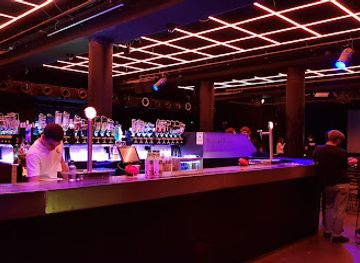
Poble Sec’s evening life is closely tied to the Paral·lel entertainment corridor and the bars around Carrer de Blai. Sala Apolo, on the neighbourhood’s lower edge, is a major venue for concerts, club nights and cultural programming, while the surrounding theatres continue the avenue’s historic association with popular performance. Smaller bars provide a more relaxed alternative, from old-fashioned drinking places to contemporary venues serving cocktails and late-night conversation. Carrer de Blai is primarily a dining street, but its bars give the area a social evening rhythm before and after theatre visits. Nightlife becomes quieter on the residential streets uphill, where visitors should avoid shouting or lingering noisily outside apartment buildings. Event programmes and access arrangements change, so current venue information is essential for organised evenings.
-
Disco club
Sala Apolo
Dive into Barcelona's nightlife at Sala Apolo, a dynamic disco club and concert hall offering unforgettable music and dance experiences.
7 min walk · 0.6 km from neighbourhood centre
-
Disco club
Sala Plataforma Barcelona
Discover the pulse of Barcelona's nightlife at Sala Plataforma, where music, dance, and vibrant energy come together for an unforgettable experience.
5 min walk · 0.4 km from neighbourhood centre
-
Disco club
La Terrrazza
Experience the vibrant nightlife of Barcelona at La Terrrazza, an open-air disco club with stunning views and electrifying music.
15 min walk · 1.2 km from neighbourhood centre
-
Pub
PSYCHO Rock & Roll Club
Discover the electrifying atmosphere of PSYCHO Rock & Roll Club in Barcelona, where rock music meets lively nightlife in a vibrant pub setting.
7 min walk · 0.6 km from neighbourhood centre

Best shops in Poble Sec
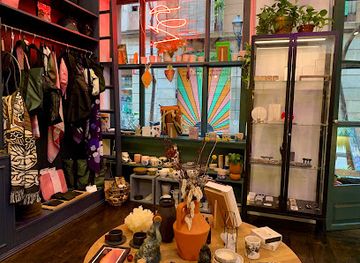
Shopping in Poble Sec is predominantly local and practical rather than centred on large retail complexes. Small food shops, bakeries, wine sellers, bodegas and convenience stores serve residents along the streets around Blai, Margarit and Paral·lel, while independent businesses appear among cafés and restaurants. The Tres Xemeneies area and the lower edge of the neighbourhood occasionally host market-style activity and community events, but visitors should not expect a permanent specialist market on the scale of Barcelona’s principal food markets. For broader produce shopping, the nearby Sant Antoni market area lies outside Poble Sec and is best treated as a neighbouring district rather than part of the neighbourhood itself. The appeal of shopping locally is the chance to browse everyday Catalan food culture and small businesses while walking between the district’s historic and cultural sites.
-
Gift shop
Grey Street
Explore Grey Street in Barcelona for unique gifts, art supplies, and vintage treasures in a vibrant, artistic atmosphere.
12 min walk · 1.0 km from neighbourhood centre
-
Clothing store
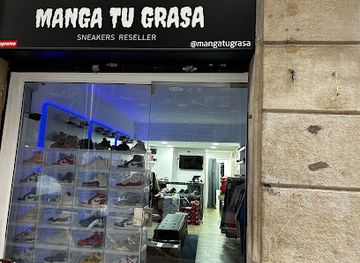
Manga tú grasa
Discover the eclectic fashion offerings at Manga tú grasa, a trendy clothing store in Barcelona's vibrant Sants-Montjuïc district.
3 min walk · 0.2 km from neighbourhood centre
-
Gift shop
Multiprecio
Discover Multiprecio in Sants-Montjuïc, Barcelona - your go-to gift shop for unique souvenirs and local treasures that capture the spirit of the city.
6 min walk · 0.5 km from neighbourhood centre
-
Clothing store
Shallu Collection
Explore unique fashion at Shallu Collection, a boutique clothing store in Barcelona's vibrant Sants-Montjuïc district, blending style with local flair.
5 min walk · 0.4 km from neighbourhood centre
Poble Sec essentials
Getting There
Getting Around
Safety
Emergency Situations
Do's and Don'ts
Local Tips

From Eve
Local phrases worth knowing
You don't need to get them perfect. A few words go a long way, and locals appreciate the effort.
Basics
| English | Local | Say it |
|---|---|---|
| Hello | Hola | [oh-la] |
| Goodbye | Adiós | [ah-dee-ohs] |
| Yes | Sí | [see] |
| No | No | [no] |
| Please/You're welcome | Por favor/De nada | [por fah-vor/deh nah-dah] |
| Thank you | Gracias | [grah-see-ahs] |
| Excuse me/Sorry | Perdón/Lo siento | [pair-dohn/loh see-ehn-toh] |
| How are you? | ¿Cómo estás? | [koh-moh ehs-tahs] |
| Fine. And you? | Bien. ¿Y tú? | [byen. ee too] |
| Do you speak English? | ¿Hablas inglés? | [ah-blahs een-glays] |
| I don't understand | No entiendo | [noh ehn-tee-ehn-doh] |
Eating & Drinking
| English | Local | Say it |
|---|---|---|
| I'd like to see the menu, please | Me gustaría ver la carta, por favor | [meh goos-tah-ree-ah vehr lah kahr-tah, por fah-vor] |
| I don't eat meat | No como carne | [noh koh-moh kahr-neh] |
| Cheers! | ¡Salud! | [sah-lood] |
| I would like to pay, please | Me gustaría pagar, por favor | [meh goos-tah-ree-ah pah-gar, por fah-vor] |
Emergencies
| English | Local | Say it |
|---|---|---|
| Help! | ¡Ayuda! | [ah-yoo-dah] |
| Go away! | ¡Vete! | [veh-teh] |
| Call the Police! | ¡Llama a la policía! | [yah-mah ah lah poh-lee-see-ah] |
| Call a doctor! | ¡Llama a un médico! | [yah-mah ah oon meh-dee-koh] |
| I'm lost | Estoy perdido | [ehs-toy pair-dee-doh] |
| I'm ill | Estoy enfermo | [ehs-toy ehn-fehr-moh] |
Shopping
| English | Local | Say it |
|---|---|---|
| I'd like to buy... | Me gustaría comprar... | [meh goos-tah-ree-ah kohm-prar] |
| I'm just looking | Solo estoy mirando | [soh-loh ehs-toy mee-rahn-doh] |
| How much is it? | ¿Cuánto cuesta? | [kwan-toh kwehs-tah] |
| That's too expensive | Esto es demasiado caro | [ehs-toh ehs deh-mah-syah-doh kah-ro] |
| Can you lower the price? | ¿Puedes bajar el precio? | [pweh-dehs bah-har ehl pree-syoh] |
Time & Numbers
| English | Local | Say it |
|---|---|---|
| What time is it? | ¿Qué hora es? | [keh oh-rah ehs] |
| It's one o'clock | Es la una | [ehs lah oo-nah] |
| Half past (10) | Media (10) | [meh-dee-ah (dheez)] |
| Morning | Mañana | [mah-nyah-nah] |
| Afternoon | Tarde | [tahr-deh] |
| Evening | Noche | [noh-cheh] |
| Yesterday | Ayer | [ah-yehr] |
| Today | Hoy | [oy] |
| Tomorrow | Mañana | [mah-nyah-nah] |
| 1 | Uno | [oo-noh] |
| 2 | Dos | [dohs] |
| 3 | Tres | [trehs] |
| 4 | Cuatro | [kwah-troh] |
| 5 | Cinco | [theen-koh] |
| 6 | Seis | [says] |
| 7 | Siete | [syeh-teh] |
| 8 | Ocho | [oh-choh] |
| 9 | Nueve | [nweh-veh] |
| 10 | Diez | [dyehth] |
Transport & Directions
| English | Local | Say it |
|---|---|---|
| Where's a/the...? | ¿Dónde está...? | [dohn-deh ehs-tah] |
| What's the address? | ¿Cuál es la dirección? | [kwal ehs lah dee-rehk-syohn] |
| Can you show me (on the map)? | ¿Puedes mostrarme (en el mapa)? | [pweh-dehs mohs-trar-meh (ehn ehl mah-pah)] |
| When's the next (bus)? | ¿Cuándo es el próximo (autobús)? | [kwan-doh ehs ehl proh-ksee-moh (ow-toh-boos)] |
| A ticket (to ....) | Un billete (a ....) | [oon bee-yeh-teh (ah)] |
History of Poble Sec
Rural Land Beyond the Walls
Before Poble Sec became an urban district, the area at the foot of Montjuïc was largely open land used for agriculture, paths and scattered buildings outside Barcelona’s medieval walls. Its name is generally understood as “dry village”, a reference to the area’s lack of reliable natural water sources compared with other parts of the city. Montjuïc shaped the district’s geography from the beginning: the land rose sharply towards the hill, while the lower ground connected Barcelona with the port and the road south. This rural fringe gradually changed as the expanding city required new housing and infrastructure.
Urbanisation and the Paral·lel
Poble Sec developed rapidly during Barcelona’s nineteenth-century expansion, particularly after the city’s medieval walls were removed and population growth increased demand for housing. Streets were laid out on the lower slopes of Montjuïc, producing dense blocks of modest apartment buildings alongside workshops, cafés and small businesses. Avinguda del Paral·lel became the district’s defining public corridor, linking the city centre with the port area and emerging as a major venue for theatres, music halls and popular entertainment. The neighbourhood’s urban identity was therefore shaped by both working-class residential growth and the commercial culture of the stage.
Industry, Entertainment and Migration
By the late nineteenth and early twentieth centuries, Poble Sec stood close to factories, warehouses, port activity and transport routes, while its theatres attracted audiences from across Barcelona. The district’s taverns, boarding houses and small shops served residents employed in nearby industry and services. Successive waves of migration added to the neighbourhood’s social variety, particularly during the twentieth century as people moved to Barcelona from other parts of Spain. The surrounding streets retained a practical, mixed-use character, with domestic life taking place close to workshops, markets, entertainment venues and the industrial installations associated with the lower Paral·lel area.
War, Memory and Renewal
During the Spanish Civil War, residents of Poble Sec sought protection in shelters dug into Montjuïc and the surrounding slopes; Refugi 307 is the clearest surviving reminder of that experience. After the war, the district remained densely settled and socially mixed, while some industrial uses declined and older buildings required renewal. From the late twentieth century onwards, the area benefited from its position near the city centre, Montjuïc and the theatre district, attracting new restaurants, bars and cultural activity. This change has brought investment and greater visitor attention while leaving Poble Sec’s residential streets, historic venues and memories of wartime life central to its identity.
Poble Sec in Photos
Browse through our photo collection highlighting the charm and character of the destination.
Neighbourhoods near Poble Sec
The closest neighbourhoods to Poble Sec, if you have time for more than one stop.
-

-

-

-

-


Swipe for more neighbourhoods
Explore more

Explore more of Barcelona
Barcelona blends Gaudí architecture, Mediterranean beaches, Gothic streets, food culture and Catalan traditions with museums, markets and lively neighbourhoods.
Explore Barcelona