

Deusto (Bilbao) Travel Guide - Free
Explore Deusto in Bilbao with Evendo's free guide. Find the best shops, historic streets, restaurants, and gems on web or mobile.


Deusto in Bilbao combines riverside walks, university heritage, local pintxos bars and the historic Deusto Canal, with easy Metro access to the city centre.
A District Between River and City
Deusto occupies Bilbao’s north-western riverbank, facing the central districts across the Nervión and extending inland through San Pedro de Deusto, Ibarrekolanda, San Ignacio and Elorrieta. It is less concentrated than the Old Town or Ensanche, with broad avenues, residential streets, university buildings, former industrial land and long stretches of water defining its character. The riverside is the district’s most legible feature: from the Botica Vieja area and the University of Deusto towards the Deusto Canal, footpaths open views across Bilbao’s transformed waterfront.Read more about Deusto
University, Industry and Everyday Bilbao
Walking Along the Water
Best attractions in Deusto
Deusto’s attractions are closely tied to its riverfront and everyday urban landscape. The University of Deusto, with its prominent riverside setting and historic academic identity, is the district’s best-known institution, while the nearby Botica Vieja park provides open space and views towards central Bilbao. The Deusto Bridge offers a useful architectural and photographic threshold between the city centre and the neighbourhood, and the riverside paths continue towards the Deusto Canal, where port infrastructure, water and changing views of Zorrotzaurre illustrate Bilbao’s urban transformation. San Pedro de Deusto adds a more traditional local focus, with its parish church and surrounding streets. Visitors can also explore Sarriko’s green spaces and the broad avenues of San Ignacio, experiencing a residential side of Bilbao that is less formal than the central tourist areas. The district’s appeal lies in connecting these places on foot rather than viewing them as isolated monuments.
-
Tourist attraction
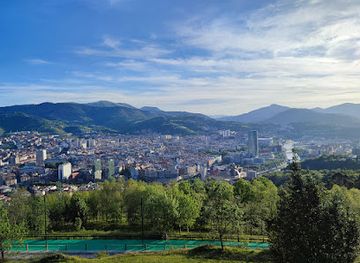
Artxanda viewpoint
Discover breathtaking panoramic views of Bilbao from the Artxanda Viewpoint, a perfect blend of nature and cityscape in the Basque Country.
17 min walk · 1.4 km from neighbourhood centre
-
Tourist attraction
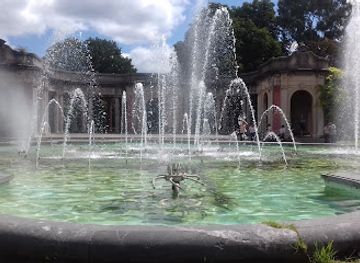
Doña Casilda Iturrizar Park
Discover the lush beauty and cultural charm of Doña Casilda Iturrizar Park, a serene oasis in the heart of Bilbao, perfect for relaxation and exploration.
5 min walk · 0.4 km from neighbourhood centre
-
Tourist attraction
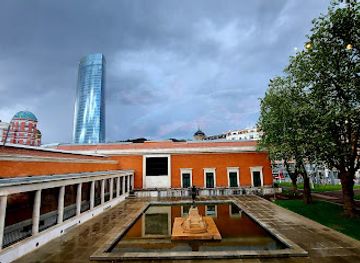
Museum of Fine Arts of Bilbao
Explore an exquisite collection of art from the Middle Ages to contemporary masterpieces at the Museum of Fine Arts of Bilbao, a cultural gem in Spain.
2 min walk · 0.2 km from neighbourhood centre
-
Tourist attraction
Parque de Sarriko
Explore the serene beauty of Parque de Sarriko, a lush urban park in Bilbao, perfect for relaxation, picnics, and family fun amidst nature.
6 min drive · 1.9 km from neighbourhood centre
Best landmarks in Deusto
The University of Deusto is Deusto’s defining landmark, occupying a prominent site on the Nervión opposite the central city and representing the district’s long educational connection. The Deusto Bridge is another essential structure: its raised central section and broad crossing link the neighbourhood to Bilbao’s urban core while marking the river as a continuing feature of local identity. In San Pedro, the parish church recalls Deusto’s earlier life as an independent anteiglesia and gives the neighbourhood a historic focal point amid later apartment blocks and commercial streets. The Deusto Canal is a landmark of a different kind, recording the area’s industrial and port history and its connection with the Zorrotzaurre peninsula. Together, the church, university, bridge and canal show how religious, educational, transport and industrial structures have successively shaped the district.
-
Modern art museum
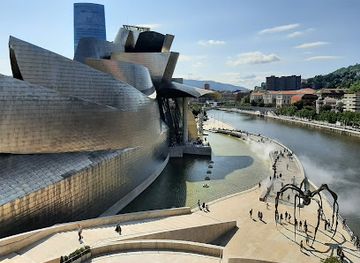
Guggenheim Museum Bilbao
Explore the Guggenheim Museum Bilbao, a modern architectural wonder showcasing world-class contemporary art in the heart of Spain's Basque Country.
3 min walk · 0.2 km from neighbourhood centre
-
Historical landmark
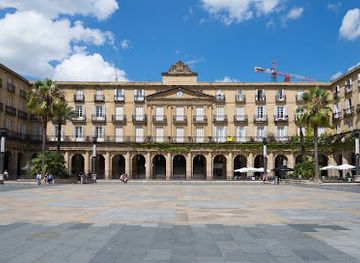
Plaza Nueva
Experience the vibrant atmosphere of Plaza Nueva, Bilbao's historic square, filled with local bars, delicious pintxos, and stunning architecture.
17 min walk · 1.4 km from neighbourhood centre
-
Observation deck
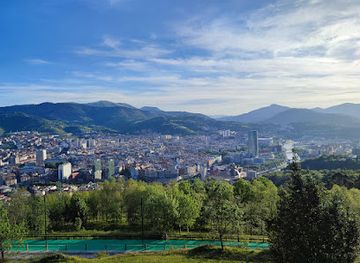
Artxanda viewpoint
Discover the stunning panoramic views of Bilbao from the Artxanda Viewpoint, a must-visit observation deck in the Basque Country.
17 min walk · 1.4 km from neighbourhood centre
-
City park
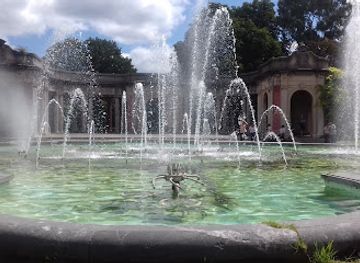
Doña Casilda Iturrizar Park
Explore the tranquil beauty of Doña Casilda Iturrizar Park, a green oasis in the heart of Bilbao, perfect for relaxation and outdoor activities.
5 min walk · 0.4 km from neighbourhood centre
Explore Deusto on the map
A handpicked selection of must-see spots in Deusto, mapped for you.
Best hotels in Deusto
Best restaurants in Deusto
Deusto’s food scene is practical, local and shaped by the rhythms of a residential and university district. Around San Pedro, Avenida Madariaga and the streets near the Metro station, visitors find cafés, bars serving pintxos, casual restaurants and everyday eateries used by residents, students and staff. Basque staples such as tortilla, croquettes, grilled produce, seafood and small savoury bites appear alongside broader Spanish and international cooking, reflecting Bilbao’s contemporary population without displacing its bar culture. The area is not a single concentrated dining quarter, so exploring a few blocks is more rewarding than looking for one designated restaurant street. The riverside setting adds outdoor seating in suitable weather, while the commercial avenues provide convenient options between visits to the university, parks and canal. For a more specialised or late-night dining selection, central Bilbao is close across the bridge, but Deusto offers a grounded introduction to ordinary local eating habits.
-
Restaurant
Restaurante Deustoarrak
Discover authentic Basque cuisine at Restaurante Deustoarrak in Bilbao's vibrant Deusto district; a culinary delight not to be missed.
11 min walk · 0.9 km from neighbourhood centre
-
Basque
Bordatxo jatetxea
Experience authentic Basque cuisine at Bordatxo Jatetxea in Deusto - where Mediterranean flavors meet warm hospitality.
12 min walk · 1.0 km from neighbourhood centre
-
Tavern
Taberna de Deusto
Discover the heart of Basque cuisine at Taberna de Deusto—where tradition meets flavor in every dish.
11 min walk · 0.9 km from neighbourhood centre
-
Galician
Restaurante Pulpería Naroa
Experience the rich flavors of Galician cuisine at Restaurante Pulpería Naroa in Bilbao – where tradition meets taste.
18 min walk · 1.4 km from neighbourhood centre


Best bars in Deusto
Deusto’s evening life is centred on neighbourhood bars, cafés and pintxos rather than a major nightclub cluster. The streets around San Pedro, the university and Avenida Madariaga become sociable after work and during the academic year, with local residents and students sharing small bars over drinks and food. The atmosphere is generally more conversational and residential than that of Bilbao’s Old Town or the larger nightlife areas across the river. Some venues cater to student life, while others retain the informal bar culture associated with Bilbao, where an evening can move between several small establishments rather than revolve around one large venue. Riverside walks are pleasant before or after a drink, but the embankments are not a substitute for a dedicated entertainment district. Visitors seeking extensive club programming will find more choice in central Bilbao, easily reached by Metro or on foot across the Deusto Bridge.
-
Irish pub
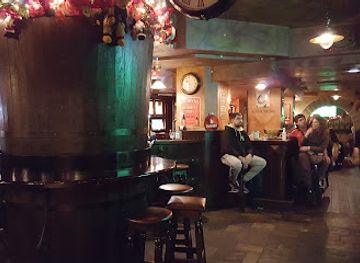
Pub Irish Stones
Discover the authentic taste of Ireland at Pub Irish Stones in Bilbao, where traditional food, drinks, and a lively atmosphere await.
11 min walk · 0.9 km from neighbourhood centre
-
Pub
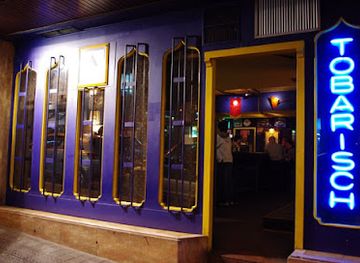
Tobarisch
Experience the vibrant nightlife at Tobarisch, a charming pub in Bilbao's Deusto neighborhood, offering delightful drinks and a welcoming atmosphere.
10 min walk · 0.8 km from neighbourhood centre
-
Bar
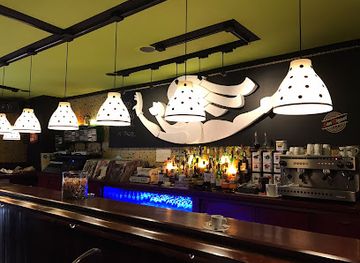
Amarillo
Discover the lively ambiance and local flavors at Amarillo Bar, a must-visit destination in Deusto, Bilbao.
10 min walk · 0.8 km from neighbourhood centre
-
Bar
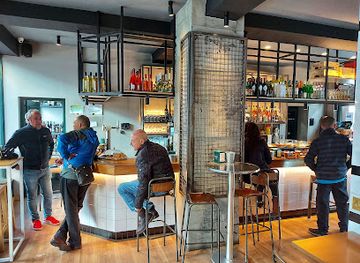
Bar OSKARBI
Discover the heart of Basque culture at Bar OSKARBI in Deusto, where delicious tapas meet a vibrant atmosphere at affordable prices.
14 min walk · 1.1 km from neighbourhood centre
Best nightclubs in Deusto
Deusto’s evening life is centred on neighbourhood bars, cafés and pintxos rather than a major nightclub cluster. The streets around San Pedro, the university and Avenida Madariaga become sociable after work and during the academic year, with local residents and students sharing small bars over drinks and food. The atmosphere is generally more conversational and residential than that of Bilbao’s Old Town or the larger nightlife areas across the river. Some venues cater to student life, while others retain the informal bar culture associated with Bilbao, where an evening can move between several small establishments rather than revolve around one large venue. Riverside walks are pleasant before or after a drink, but the embankments are not a substitute for a dedicated entertainment district. Visitors seeking extensive club programming will find more choice in central Bilbao, easily reached by Metro or on foot across the Deusto Bridge.
-
Piano bar
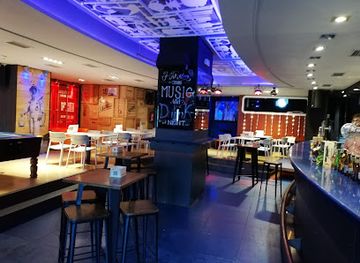
Bar Satélite
Experience the vibrant nightlife of Bilbao at Bar Satélite, a piano bar blending music, sports, and an inviting atmosphere for an unforgettable evening.
7 min walk · 0.6 km from neighbourhood centre
-
Disco club
Sala Rockstar Live
Discover the vibrant nightlife of Bilbao at Sala Rockstar Live, a premier disco club where music and dance unite to create unforgettable experiences.
9 min walk · 0.7 km from neighbourhood centre
-
Disco club
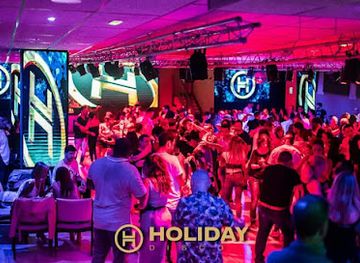
Discoteca Holiday
Discover the electrifying nightlife at Discoteca Holiday, a vibrant disco club in Bilbao's Deusto district, offering diverse music and unforgettable experiences.
14 min walk · 1.1 km from neighbourhood centre
-
Disco club
OCEAN DRIVE
Experience the vibrant nightlife at Ocean Drive, Bilbao's premier disco club, where music, dance, and culture collide in an unforgettable atmosphere.
3 min walk · 0.3 km from neighbourhood centre


Best shops in Deusto
Shopping in Deusto is primarily local and functional, concentrated along Avenida Madariaga, Avenida Lehendakari Leizaola and the San Pedro commercial streets. Small food shops, bakeries, pharmacies, fashion and household retailers serve residents, while cafés and convenience businesses reflect the district’s university population. The municipal market tradition is also important to the neighbourhood’s everyday character, offering a more direct connection with fresh food shopping than the large commercial centres elsewhere in Bilbao. Visitors should expect independent businesses and ordinary local retail rather than a specialised design or luxury-shopping destination. The streets around the Deusto Metro station are useful for combining errands with a meal or drink, and the university area adds bookshops and services associated with academic life. For major department stores, designer shops and a broader selection of specialist retailers, Bilbao’s Ensanche and central commercial streets lie across the bridge rather than within Deusto itself.
-
Shopping mall
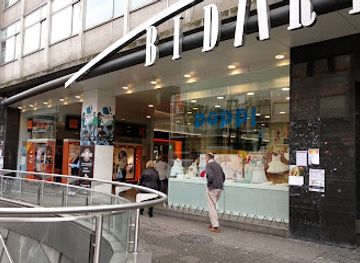
Centro Comercial Bidarte
Discover a vibrant shopping experience at Centro Comercial Bidarte, featuring diverse stores, dining delights, and family-friendly entertainment in the heart of Bilbao.
15 min walk · 1.2 km from neighbourhood centre
-
Gift shop
Flying Tiger Copenhagen
Explore the whimsical world of Flying Tiger Copenhagen in Bilbao, where unique gifts and creative home goods await every visitor.
14 min walk · 1.1 km from neighbourhood centre
-
Toy store
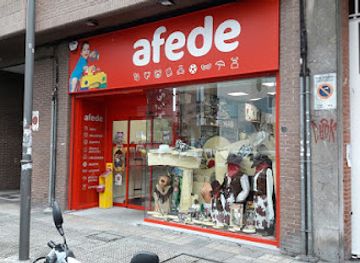
Afede Deusto
Experience the magic of childhood at Afede Deusto, the ultimate destination for toys, costumes, and games in Bilbao, Spain.
8 min walk · 0.7 km from neighbourhood centre
-
Used clothing store
Koopera Store Deusto
Explore sustainable fashion treasures at Koopera Store Deusto, a unique used clothing store in Bilbao's vibrant Deusto neighborhood.
11 min walk · 0.9 km from neighbourhood centre

Deusto essentials
Getting There
Getting Around
Safety
Emergency Situations
Do's and Don'ts
Local Tips

From Eve
Local phrases worth knowing
You don't need to get them perfect. A few words go a long way, and locals appreciate the effort.
Basics
| English | Local | Say it |
|---|---|---|
| Hello | Hola | [oh-lah] |
| Goodbye | Adiós | [ah-dee-ohs] |
| Yes | Sí | [see] |
| No | No | [noh] |
| Please/You're welcome | Por favor/De nada | [por fah-bor/de nah-dah] |
| Thank you | Gracias | [grah-see-ahs] |
| Excuse me/Sorry | Perdón/Lo siento | [pair-dohn/loh see-ehn-toh] |
| How are you? | ¿Cómo estás? | [koh-moh ehs-tahs] |
| Fine. And you? | Bien. ¿Y tú? | [byen. ee too] |
| Do you speak English? | ¿Hablas inglés? | [ah-blahs een-glays] |
| I don't understand | No entiendo | [noh ehn-tee-ehn-doh] |
Eating & Drinking
| English | Local | Say it |
|---|---|---|
| I'd like to see the menu, please | Me gustaría ver la carta, por favor | [meh goos-tah-ree-ah behr lah kahr-tah, por fah-bor] |
| I don't eat meat | No como carne | [noh koh-moh kahr-neh] |
| Cheers! | ¡Salud! | [sah-lood] |
| I would like to pay, please | Me gustaría pagar, por favor | [meh goos-tah-ree-ah pah-gahr, por fah-bor] |
Emergencies
| English | Local | Say it |
|---|---|---|
| Help! | ¡Ayuda! | [ah-yoo-dah] |
| Go away! | ¡Vete! | [veh-teh] |
| Call the Police! | ¡Llama a la policía! | [yah-mah ah lah poh-lee-see-ah] |
| Call a doctor! | ¡Llama a un médico! | [yah-mah ah oon meh-dee-koh] |
| I'm lost | Estoy perdido | [ehs-toy pair-dee-doh] |
| I'm ill | Estoy enfermo | [ehs-toy ehn-fehr-moh] |
Shopping
| English | Local | Say it |
|---|---|---|
| I'd like to buy... | Me gustaría comprar... | [meh goos-tah-ree-ah kohm-prar] |
| I'm just looking | Solo estoy mirando | [soh-loh ehs-toy mee-rahn-doh] |
| How much is it? | ¿Cuánto cuesta? | [kwan-toh kwehs-tah] |
| That's too expensive | Es demasiado caro | [ehs deh-mah-syah-doh kahr-oh] |
| Can you lower the price? | ¿Puedes rebajar el precio? | [pweh-dehs reh-bah-har ehl pree-syoh] |
Time & Numbers
| English | Local | Say it |
|---|---|---|
| What time is it? | ¿Qué hora es? | [keh oh-rah ehs] |
| It's one o'clock | Es la una | [ehs lah oo-nah] |
| Half past (10) | Y media (10) | [ee meh-dee-ah (dheez)] |
| Morning | Mañana | [mah-nyah-nah] |
| Afternoon | Tarde | [tahr-deh] |
| Evening | Noche | [noh-cheh] |
| Yesterday | Ayer | [ah-yehr] |
| Today | Hoy | [oy] |
| Tomorrow | Mañana | [mah-nyah-nah] |
| 1 | Uno | [oo-noh] |
| 2 | Dos | [dohs] |
| 3 | Tres | [trehs] |
| 4 | Cuatro | [kwah-troh] |
| 5 | Cinco | [seen-koh] |
| 6 | Seis | [says] |
| 7 | Siete | [syeh-teh] |
| 8 | Ocho | [oh-choh] |
| 9 | Nueve | [nweh-veh] |
| 10 | Diez | [dyehth] |
Transport & Directions
| English | Local | Say it |
|---|---|---|
| Where's a/the...? | ¿Dónde está...? | [dohn-deh ehs-tah] |
| What's the address? | ¿Cuál es la dirección? | [kwal ehs lah dee-rehk-syohn] |
| Can you show me (on the map)? | ¿Puedes mostrarme (en el mapa)? | [pweh-dehs mohs-trar-meh (ehn ehl mah-pah)] |
| When's the next (bus)? | ¿Cuándo es el próximo (autobús)? | [kwan-doh ehs ehl proh-ksee-moh (ow-toh-boos)] |
| A ticket (to ....) | Un billete (a ....) | [oon bee-yeh-teh (ah)] |
History of Deusto
The Anteiglesia of Deusto
Deusto developed historically as an anteiglesia, a parish-based rural community on the northern bank of the Nervión, rather than as part of Bilbao proper. Its settlements and farmland were organised around San Pedro, whose parish church remains a visible reminder of that older structure. The river shaped local life, providing a route for movement and commerce while separating Deusto from the expanding urban core. The name Deusto is associated with this historic parish territory, whose landscape was gradually altered as Bilbao grew beyond its original centre.
Industrial Expansion and Urban Change
During the nineteenth and early twentieth centuries, Bilbao’s industrial growth transformed the lower Nervión and increased pressure for housing, roads and infrastructure in Deusto. Agricultural land gave way to workshops, warehouses, transport links and dense residential development, while the district’s position beside the river connected it to the wider industrial economy. Deusto was incorporated into Bilbao in 1925, formalising a relationship already evident in its expanding built environment. The change brought municipal services and urban integration but also reduced the rural character of the former parish.
The University and the Riverfront
The University of Deusto was founded by the Society of Jesus in 1886, establishing an important educational institution on the river opposite Bilbao’s central districts. Its presence helped give the area a distinctive academic and international dimension, while the university buildings became among Deusto’s most recognisable architectural features. Across the twentieth century, residential neighbourhoods expanded around San Pedro, Ibarrekolanda and San Ignacio, adding schools, commercial streets and public facilities to the former parish landscape.
The Canal and Post-Industrial Bilbao
The Deusto Canal, constructed as part of twentieth-century port and river infrastructure, reshaped the district’s western waterfront and separated the Zorrotzaurre peninsula from the mainland. As port and industrial functions moved downstream, Bilbao increasingly reoriented its riverbanks towards public access, education, housing and cultural uses. Deusto consequently became part of the city’s wider post-industrial transformation without losing its residential identity. Its river paths, bridges, parks and mixed urban fabric now reveal several layers of Bilbao’s development, from parish community to industrial suburb and university district.
Deusto in Photos
Browse through our photo collection highlighting the charm and character of the destination.
Neighbourhoods near Deusto
The closest neighbourhoods to Deusto, if you have time for more than one stop.
-

-

-

-


Swipe for more neighbourhoods
Explore more

Explore more of Bilbao
Explore Bilbao, a vibrant city in Spain's Basque Country, where modern architecture meets rich tradition and stunning natural beauty.
Explore Bilbao