

El Terreno (Palma de Mallorca) Travel Guide - Free
Explore El Terreno in Palma de Mallorca with Evendo's free guide. Find the best shops, historic streets, restaurants, and gems on web or mobile.


El Terreno in Palma de Mallorca blends Bellver woodland, Joan Miró heritage, seafront walks, nightlife history and local dining near the harbour.
A Hillside Neighbourhood Between City and Sea
El Terreno occupies a sloping stretch of Palma between the wooded heights of Bellver and the broad curve of the waterfront. Its streets climb inland from the Passeig Marítim, producing sudden views across the harbour and a more enclosed, residential atmosphere only a few minutes from the centre. The neighbourhood is commonly associated with the area around Plaça Gomila, while its edges meet districts such as Son Armadans and the approaches to Porto Pi.Read more about El Terreno
From Seaside Villas to Nightlife Landmark
Bellver, Miró and the Waterfront
Best attractions in El Terreno
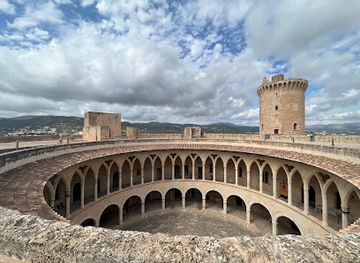
El Terreno’s attractions are concentrated in its setting rather than in a long list of museums. At its upper edge, the pine-covered hill of Bellver leads to Bellver Castle, one of Palma’s defining medieval monuments and a rewarding viewpoint over the bay, harbour and city. Downhill, Plaça Gomila provides a compact introduction to the neighbourhood’s former entertainment identity, while the Passeig Marítim offers a broad waterfront walk beside marinas, port activity and changing views of Palma. The streets between these points reveal older villas, apartment blocks, stairways and small public spaces shaped by decades of residential and tourist development. Nearby Cala Major adds the Fundació Miró Mallorca, where Joan Miró’s studios and art collection extend the cultural itinerary westwards, although the foundation lies outside El Terreno. Together, hillside woodland, harbour scenery, nightlife history and modern urban change define the area’s sightseeing appeal.
-
Park
Jardins de la Cuarentena
Explore the lush greenery and tranquility of Jardins de la Cuarentena, a peaceful park in Palma perfect for relaxation and family fun.
3 min walk · 0.2 km from neighbourhood centre
-
Observation deck
Plaza/Mirador Remigia Caubet
Discover the stunning vistas of Palma from the beautiful Plaza/Mirador Remigia Caubet, an essential viewing point for every traveler.
3 min walk · 0.2 km from neighbourhood centre
-
Tourist attraction
Plaça Gomila
Explore the enchanting Plaça Gomila, a serene square at the foot of Bellver Castle, perfect for relaxation and soaking in Palma's charm.
2 min walk · 0.1 km from neighbourhood centre
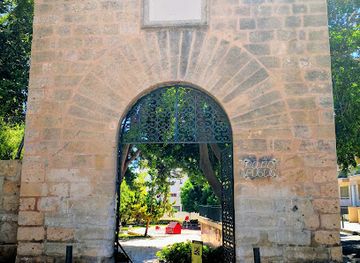
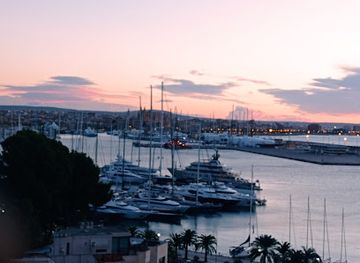
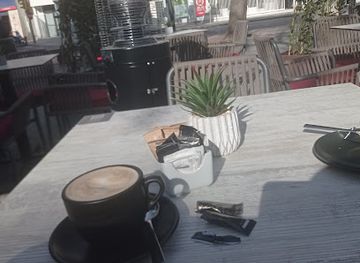
Best landmarks in El Terreno
Bellver Castle is the dominant landmark associated with El Terreno’s hillside setting, a circular Gothic castle built in the fourteenth century on a wooded rise above Palma; its position connects the neighbourhood to the city’s medieval history and gives the area much of its visual identity. At the lower level, the Passeig Marítim and harbour form an important urban landmark system, marking the relationship between El Terreno and the Bay of Palma. Plaça Gomila is significant for a different reason: its name evokes the neighbourhood’s twentieth-century club culture and its role in Mallorca’s tourism history. The surrounding streets retain fragments of the earlier villa suburb, later apartment development and successive commercial changes. The Fundació Miró Mallorca, in nearby Cala Major, is a relevant adjacent landmark because Miró’s island studios and artistic legacy are closely connected to Palma’s western side, but it should not be described as being inside El Terreno.
-
Castle
Castell de Bellver
Explore the majestic Castell de Bellver in Palma, a circular castle rich in history with stunning views and captivating exhibits.
6 min walk · 0.4 km from neighbourhood centre
-
Lodging
El Terreno Place Mallorca
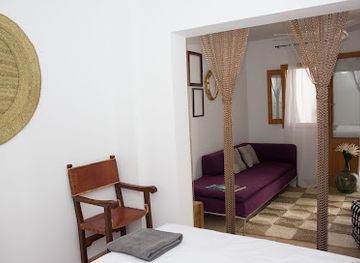
El Terreno Place Mallorca: Experience the perfect blend of comfort and local charm in the heart of Palma.
4 min walk · 0.3 km from neighbourhood centre
Explore El Terreno on the map
A handpicked selection of must-see spots in El Terreno, mapped for you.
Best hotels in El Terreno
Best restaurants in El Terreno
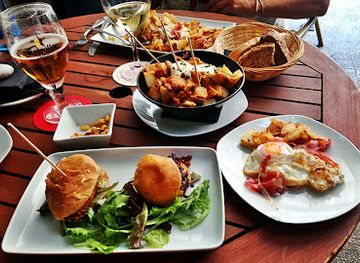
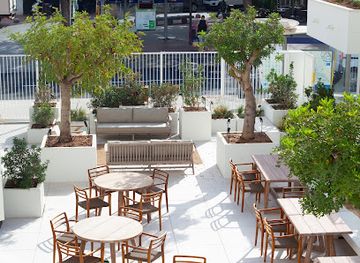
El Terreno’s dining scene reflects its position between established Palma and the western waterfront rather than a single sharply defined cuisine. Restaurants, cafés and bars are scattered around the lower streets, Plaça Gomila and the routes towards the Passeig Marítim, with choices ranging from casual meals and Mediterranean cooking to international food shaped by the neighbourhood’s long relationship with visitors and new residents. The harbour edge offers places to eat with maritime views, while the uphill streets are more mixed and residential in character. Traditional Mallorcan dishes may appear alongside familiar Spanish favourites and contemporary menus, but the area is not best understood as a dedicated market or food quarter. For broader local produce and specialist ingredients, visitors generally need to continue into central Palma’s markets and shopping streets. Checking current opening arrangements is sensible, as El Terreno’s commercial landscape has changed significantly since its celebrated nightlife period.
-
Bar
La Pergola
Discover La Pergola in Palma: where Mediterranean flavors meet vibrant nightlife for an unforgettable dining experience.
8 min walk · 0.6 km from neighbourhood centre
-
Restaurant
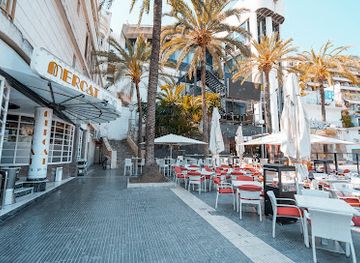
Mercat 1930
Discover the best of Mediterranean and international cuisine at Mercat 1930 in Palma, Mallorca – a feast for all senses.
3 min walk · 0.2 km from neighbourhood centre
-
Mediterranean
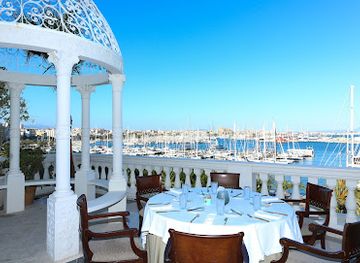
Restaurante Bahía Mediterráneo
Experience exquisite Mediterranean cuisine with stunning harbor views at Restaurante Bahía Mediterráneo in Palma.
3 min walk · 0.2 km from neighbourhood centre
-
Italian
Brutus
Experience authentic Italian cuisine at Brutus in Palma - where tradition meets modernity in every delicious bite.
2 min walk · 0.1 km from neighbourhood centre
Best bars in El Terreno
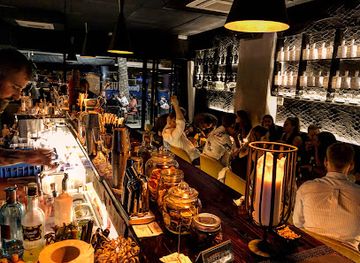
El Terreno remains strongly associated with nightlife, especially the clubs and bars that made Plaça Gomila internationally recognised from the 1960s onwards, but its present evening scene is more varied and less concentrated than that historical reputation suggests. Visitors will find casual bars, restaurants that stay open into the evening and pockets of activity near the lower streets and waterfront, while other parts of the neighbourhood become quiet and residential. The former club culture is important as local social history rather than a guarantee of a particular venue or atmosphere today. The Passeig Marítim provides a livelier late-evening setting in places, though it is also a major traffic route. After dark, move respectfully through residential streets, check current venue information and do not assume that old nightlife landmarks continue under their former names or formats.
-
Cocktail bar
Quentin'S American Bar
Experience the best of Palma's nightlife at Quentin's American Bar, where innovative cocktails and a chic atmosphere await your arrival.
3 min walk · 0.2 km from neighbourhood centre
-
Tapas Bar
Bar Bellver
Experience the vibrant flavors of Palma at Bar Bellver, where authentic tapas and a lively atmosphere create unforgettable moments.
2 min walk · 0.1 km from neighbourhood centre
-
Mediterranean
Bar Michel
Experience Mediterranean flavors and vibrant nightlife at Bar Michel, Palma's inclusive gay bar and hamburger haven.
1 min walk · 0.1 km from neighbourhood centre
-
Pub
La Mantis
Experience the vibrant nightlife at La Mantis, Palma's favorite pub for unique cocktails and lively entertainment in the heart of the Balearic Islands.
1 min walk · 0.1 km from neighbourhood centre
Best nightclubs in El Terreno
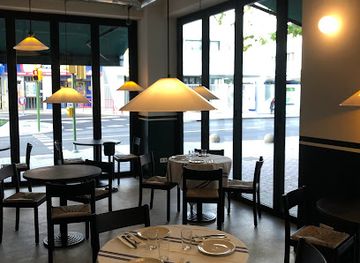
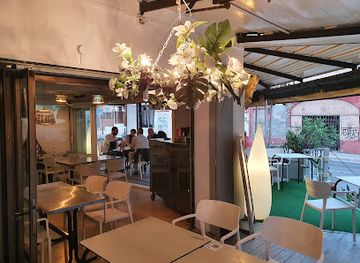
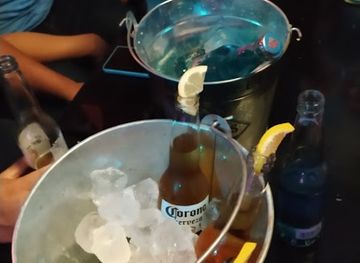
El Terreno remains strongly associated with nightlife, especially the clubs and bars that made Plaça Gomila internationally recognised from the 1960s onwards, but its present evening scene is more varied and less concentrated than that historical reputation suggests. Visitors will find casual bars, restaurants that stay open into the evening and pockets of activity near the lower streets and waterfront, while other parts of the neighbourhood become quiet and residential. The former club culture is important as local social history rather than a guarantee of a particular venue or atmosphere today. The Passeig Marítim provides a livelier late-evening setting in places, though it is also a major traffic route. After dark, move respectfully through residential streets, check current venue information and do not assume that old nightlife landmarks continue under their former names or formats.
-
Disco club
Zar Society - Discoteca en Palma de Mallorca
Experience the vibrant nightlife of Palma at Zar Society, a top disco club offering cocktails, dancing, and unforgettable events.
5 min walk · 0.4 km from neighbourhood centre
-
Night club
Lío Mallorca
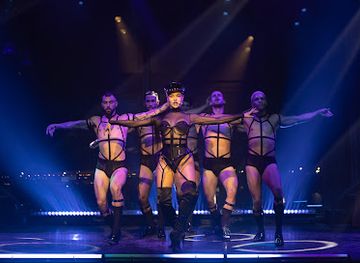
Experience the ultimate blend of fine dining and vibrant nightlife at Lío Mallorca, where stunning views and unforgettable performances await.
2 min walk · 0.2 km from neighbourhood centre
-
Disco club
Times Square Music Club
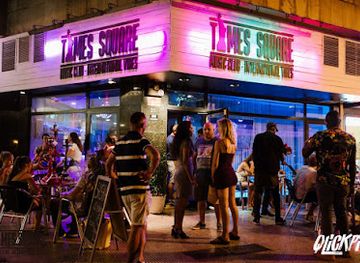
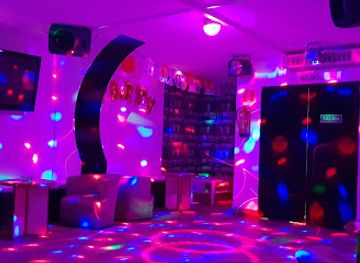
Dive into the vibrant nightlife of Palma at Times Square Music Club, where music, dance, and unforgettable memories await every night.
5 min walk · 0.4 km from neighbourhood centre
-
Disco club
CAMELOT
Experience the vibrant nightlife of Palma at Camelot, the ultimate disco club for dancing and socializing in the Balearic Islands.
2 min walk · 0.2 km from neighbourhood centre

Best shops in El Terreno
Shopping in El Terreno is local and mixed rather than concentrated in a major retail street. Small convenience shops, cafés, services and independent businesses appear along the lower roads and around Plaça Gomila, while the waterfront has a more visitor-oriented commercial character. The neighbourhood’s most distinctive retail experience comes from observing how businesses occupy older buildings and streets shaped by successive waves of residents, tourism and redevelopment, not from a particular craft or market tradition. Visitors looking for Mallorcan food products, fashion, books or a larger choice of independent shops will find a broader selection in central Palma, especially around the old town and its markets. Porto Pi, nearby to the west, provides a larger modern shopping environment outside El Terreno. Retail activity can vary considerably from one street to the next, so the quarter is better suited to informal browsing than to a dedicated shopping itinerary.
-
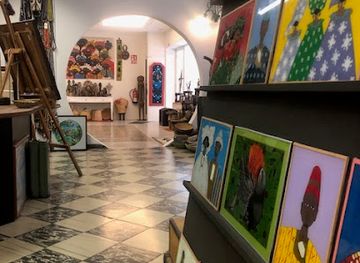
Craft store
Black Market
Explore the artistic charm of Palma at Black Market, a unique craft store offering handcrafted treasures and expert interior decorating.
2 min walk · 0.1 km from neighbourhood centre
-
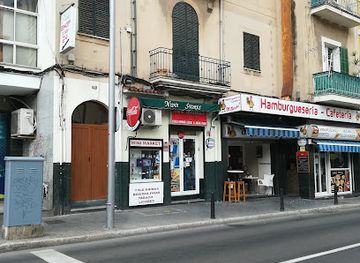
Gourmet grocery store
Especias Nisha Stores
Explore the culinary treasures of Palma at Especias Nisha Stores, where gourmet meets local flavor in a delightful shopping experience.
1 min walk · 0.1 km from neighbourhood centre
-
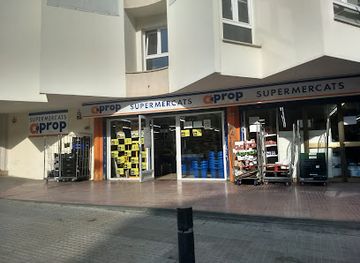
Home goods store
Todomercado Palma
Discover unique home goods and local treasures at Todomercado Palma, your go-to store in the heart of Palma, Balearic Islands.
4 min walk · 0.3 km from neighbourhood centre
-
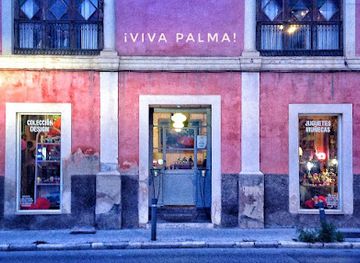
Antique store
viva palma!
Explore the rich history of the Balearic Islands through unique antiques and vintage treasures at Viva Palma!, Palma's premier antique store.
2 min walk · 0.2 km from neighbourhood centre
El Terreno essentials
Getting There
Getting Around
Safety
Emergency Situations
Do's and Don'ts
Local Tips

From Eve
Local phrases worth knowing
You don't need to get them perfect. A few words go a long way, and locals appreciate the effort.
Basics
| English | Local | Say it |
|---|---|---|
| Hello | Hola | [oh-lah] |
| Goodbye | Adiós | [ah-dee-ohs] |
| Yes | Sí | [see] |
| No | No | [noh] |
| Please/You're welcome | Por favor/De nada | [por fah-vor/deh nah-dah] |
| Thank you | Gracias | [grah-thyahs] |
| Excuse me/Sorry | Perdón/Lo siento | [pehr-dohn/loh syehn-toh] |
| How are you? | ¿Cómo estás? | [koh-moh ehs-tahs] |
| Fine. And you? | Bien. ¿Y tú? | [byehn. ee too] |
| Do you speak English? | ¿Hablas inglés? | [ah-blahs een-glehs] |
| I don't understand | No entiendo | [noh ehn-tyehn-doh] |
Eating & Drinking
| English | Local | Say it |
|---|---|---|
| I'd like to see the menu, please | Me gustaría ver la carta, por favor | [meh goos-tah-ree-ah behr lah kahr-tah, por fah-vor] |
| I don't eat meat | No como carne | [noh koh-moh kahr-neh] |
| Cheers! | ¡Salud! | [sah-lood] |
| I would like to pay, please | Me gustaría pagar, por favor | [meh goos-tah-ree-ah pah-gahr, por fah-vor] |
Emergencies
| English | Local | Say it |
|---|---|---|
| Help! | ¡Ayuda! | [ah-yoo-dah] |
| Go away! | ¡Vete! | [veh-teh] |
| Call the Police! | ¡Llama a la Policía! | [yah-mah ah lah poh-lee-see-ah] |
| Call a doctor! | ¡Llama a un médico! | [yah-mah ah oon meh-dee-koh] |
| I'm lost | Estoy perdido | [ehs-toy pehr-dee-doh] |
| I'm ill | Estoy enfermo | [ehs-toy ehn-fehr-moh] |
Shopping
| English | Local | Say it |
|---|---|---|
| I'd like to buy... | Me gustaría comprar... | [meh goos-tah-ree-ah kohm-prahr] |
| I'm just looking | Solo estoy mirando | [soh-loh ehs-toy mee-rahndo] |
| How much is it? | ¿Cuánto cuesta? | [kwan-toh kwes-tah] |
| That's too expensive | Eso es demasiado caro | [eh-soh ehs deh-mah-see-ah-doh kahr-oh] |
| Can you lower the price? | ¿Puedes bajar el precio? | [pweh-dehs bah-hahr ehl pree-syoh] |
Time & Numbers
| English | Local | Say it |
|---|---|---|
| What time is it? | ¿Qué hora es? | [keh oh-rah ehs] |
| It's one o'clock | Es la una | [ehs lah oo-nah] |
| Half past (10) | Las diez y media | [lahs dyehs ee meh-dee-ah] |
| Morning | Mañana | [mah-nyah-nah] |
| Afternoon | Tarde | [tahr-deh] |
| Evening | Noche | [noh-cheh] |
| Yesterday | Ayer | [ah-yehr] |
| Today | Hoy | [oy] |
| Tomorrow | Mañana | [mah-nyah-nah] |
| 1 | Uno | [oo-noh] |
| 2 | Dos | [dohs] |
| 3 | Tres | [trehs] |
| 4 | Cuatro | [kwah-troh] |
| 5 | Cinco | [theen-koh] |
| 6 | Seis | [sehs] |
| 7 | Siete | [syeh-teh] |
| 8 | Ocho | [oh-choh] |
| 9 | Nueve | [nweh-veh] |
| 10 | Diez | [dyehs] |
Transport & Directions
| English | Local | Say it |
|---|---|---|
| Where's a/the...? | ¿Dónde está...? | [dohn-deh ehs-tah] |
| What's the address? | ¿Cuál es la dirección? | [kwal ehs lah dee-rehk-syohn] |
| Can you show me (on the map)? | ¿Puedes mostrarme (en el mapa)? | [pweh-dehs mohs-trar-meh (ehn ehl mah-pah)] |
| When's the next (bus)? | ¿Cuándo es el próximo (autobús)? | [kwan-doh ehs ehl proh-ksee-moh (ow-toh-boos)] |
| A ticket (to ....) | Un billete (a ...) | [oon bee-yeh-teh (ah ...)] |
History of El Terreno
A Rural Retreat Above Palma
Before becoming a built-up urban quarter, El Terreno was part of the semi-rural landscape outside Palma’s historic centre, with slopes, cultivated land and country properties overlooking the bay. Its name, meaning “the land” or “the terrain”, reflects this earlier character. From the nineteenth century, the area attracted houses and summer residences for people seeking cleaner air and a position outside the crowded old city. The combination of elevated ground, harbour views and proximity to the road west made it particularly suitable for a suburban retreat, although development remained uneven and mixed with open land for many years.
Urban Expansion and Seaside Development
Palma’s growth in the late nineteenth and early twentieth centuries gradually drew El Terreno into the expanding city. Villas, apartment buildings, small businesses and leisure facilities appeared along the slopes and near the waterfront, while improved roads strengthened connections with Porto Pi and the western suburbs. The neighbourhood’s architecture became varied rather than uniform, combining detached residences and gardens with denser blocks built for a growing urban population. Its location beside the harbour also gave it a recreational role, linking residential life to promenades, restaurants and views across the Bay of Palma.
The Gomila Entertainment Era
From the 1960s through the late twentieth century, Plaça Gomila and its surrounding streets became closely associated with Palma’s international nightlife. Bars, clubs and music venues made El Terreno a prominent meeting place during the expansion of mass tourism in Mallorca, drawing visitors as well as residents. The entertainment economy brought money and visibility but also altered the neighbourhood’s rhythms and reputation. Hotels, rented apartments and businesses appeared alongside long-established homes, creating a cosmopolitan quarter whose identity was increasingly linked to evening culture rather than its earlier role as a hillside residential retreat.
Decline, Change and Regeneration
El Terreno’s club culture declined as nightlife patterns changed and competing entertainment zones developed elsewhere in Palma and on the island. Some venues closed, buildings deteriorated and parts of the neighbourhood experienced a quieter, more residential phase, while the Passeig Marítim and harbour edge were reshaped by broader waterfront investment. More recently, redevelopment around Gomila and the continuing appeal of Bellver, the seafront and the western city have encouraged new commercial and residential interest. This transition has not erased the neighbourhood’s earlier character: its streets still reveal the overlap between seaside suburb, tourism district and established urban community.
El Terreno in Photos
Browse through our photo collection highlighting the charm and character of the destination.
Neighbourhoods near El Terreno
The closest neighbourhoods to El Terreno, if you have time for more than one stop.
-

-

-

-


Swipe for more neighbourhoods
Explore more

Explore more of Palma de Mallorca
Palma de Mallorca blends Gothic architecture, Mediterranean beaches, historic streets, island cuisine and cultural sights in Mallorca’s lively Mediterranean capital.
Explore Palma de Mallorca