

Free Solothurn Travel Guide & Mobile App
Explore Solothurn with free travel guides. Discover regional history, expert tips, proposed trips, and audio guides on web or mobile app.


Explore Solothurn’s Baroque old town, Aare paths, Jura landscapes, historic villages and regional food in north-western Switzerland.
Read more about Solothurn
When is the best time to visit Solothurn?
Best: June–August · 23–25°C| Month | High (°C) | Rainfall (mm) |
|---|---|---|
| January | 2 | 60 |
| February | 5 | 55 |
| March | 10 | 65 |
| April | 14 | 70 |
| May | 19 | 75 |
| June (best) | 23 | 80 |
| July (best) | 25 | 85 |
| August (best) | 24 | 80 |
| September | 20 | 75 |
| October | 14 | 70 |
| November | 9 | 65 |
| December | 4 | 60 |
Getting to and around Solothurn
How to get there
Transportation
Top city travel guides in Solothurn
The cities of Solothurn, and the easiest places to base yourself.

Swipe for more cities
Best attractions in Solothurn
Solothurn’s attractions range from a compact Baroque city to open Jura landscapes and the industrial heritage of the Aare corridor. In the capital, visitors can explore the Old Town, museums, churches, riverside promenades and cultural venues, then continue towards the Verena Gorge for a wooded walk close to the centre. The Weissenstein area provides mountain paths, broad views and winter activities when conditions allow, while the Jura around Balsthal and Oensingen combines hiking with castles and historic villages. Olten offers a more urban experience, including riverside routes and access to nearby countryside. Families and heritage enthusiasts can also explore the Bally shoe museum in Schönenwerd, where the history of a major local footwear enterprise is presented through design, manufacturing and social history. Across the canton, cycling routes follow the Aare and quieter rural roads, while farm shops, woods and village churches provide slower-paced alternatives to formal sightseeing.
-
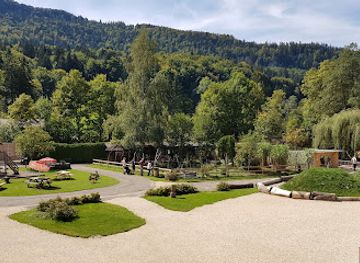
Zoo
ZOO Siky Ranch, Christophe Keller
Experience the enchanting wildlife and family-friendly atmosphere at ZOO Siky Ranch in Crémines, Switzerland, a must-visit tourist attraction.
-
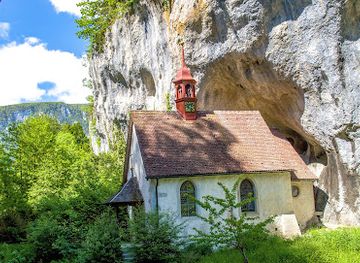
Religious destination
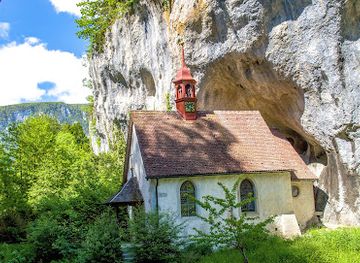
Verena Gorge Hermitage
Explore the serene Verena Gorge Hermitage, a spiritual retreat surrounded by breathtaking hiking trails in the heart of Switzerland's natural beauty.
-
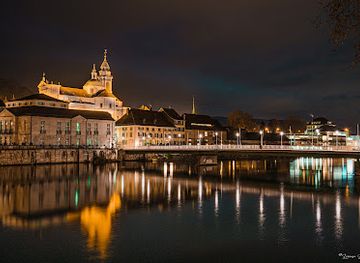
Catholic cathedral
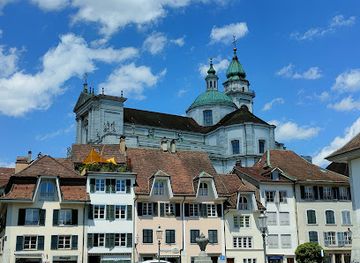
Cathedral of Saint Ursus
Explore the architectural beauty and rich history of the Cathedral of Saint Ursus, a must-see cultural landmark in Solothurn, Switzerland.
-
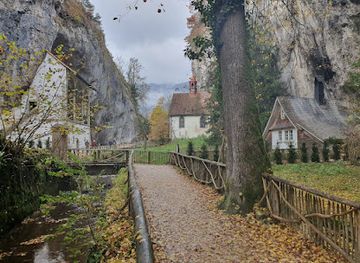
Tourist attraction
Verena Gorge
Discover the enchanting Verena Gorge in Rüttenen, Switzerland, a hiker's paradise featuring stunning landscapes and a hidden church within a cave.
Best landmarks in Solothurn
Solothurn’s most recognisable landmark is the Cathedral of St Ursus, whose monumental Baroque façade and interior dominate the Old Town above the Aare. Nearby streets reveal the city’s diplomatic and patrician past through ornate fountains, guild houses and grand residences, while the clock tower and remnants of historic fortification add medieval layers. The Aare itself is a defining geographical landmark, shaping the city’s promenades and long views towards the Jura. Above the canton, the Weissenstein ridge forms a prominent natural landmark and one of the clearest viewpoints across the Swiss Plateau. In the western Jura, Neu-Bechburg Castle above Oensingen is an important medieval fortified residence with commanding views into the surrounding landscape. The railway landscape around Olten, although more functional than monumental, is also historically significant: its junction and bridges represent the transport infrastructure that helped transform the canton in the nineteenth century.
-
Religious destination
Verena Gorge Hermitage
Explore the serene Verena Gorge Hermitage, a spiritual haven amidst breathtaking landscapes and scenic hiking trails in Rüttenen, Switzerland.
-
Catholic cathedral
Cathedral of Saint Ursus
Discover the architectural splendor and historical significance of the Cathedral of Saint Ursus in Solothurn, a captivating destination for all travelers.
-
Tourist attraction
Verena Gorge
Explore Verena Gorge, a stunning hiking area in Switzerland, where nature meets tranquility and adventure awaits at every turn.
-
Castle
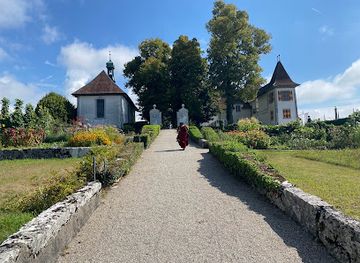
Waldegg Castle
Discover the rich history and stunning architecture of Waldegg Castle in Feldbrunnen-St. Niklaus, a must-see destination for history enthusiasts and tourists alike.
Explore Solothurn on the map
Plan your trip on one map. See where the top cities, national parks and sights are, and book hotels and experiences in a few clicks.
Best hotels in Solothurn
Best restaurants in Solothurn
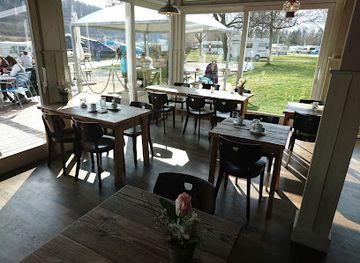
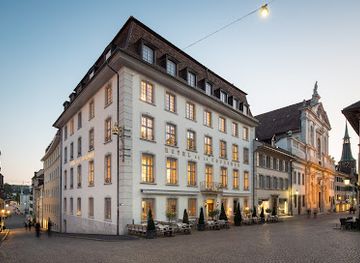
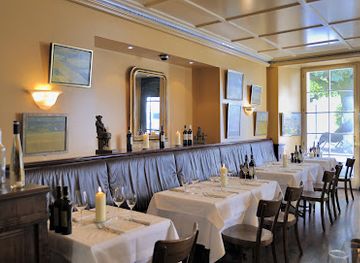
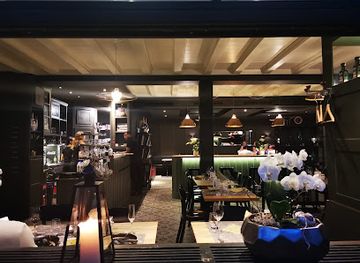
Dining in Solothurn reflects the canton’s position between the Aare lowlands and the Jura. Traditional restaurants and inns serve familiar Swiss dishes such as rösti, regional sausages, cheese-based meals and seasonal game, while town-centre restaurants offer contemporary interpretations and international choices. Local farms contribute vegetables, fruit, dairy products and meat, and markets and farm shops are useful places to find seasonal produce and practical picnic supplies. In the Jura foothills, country inns often provide a more rural setting, while Solothurn has the broadest choice of cafés, bakeries and restaurants. Olten’s dining scene is similarly varied, with options around the station and old town. Menus change with the season, and visitors should distinguish established regional produce from dishes marketed more broadly as Swiss specialities.
-
Restaurant
Restaurant Pier 11
Experience the best of Swiss cuisine at Restaurant Pier 11 in Solothurn, where local flavors meet culinary innovation in a stunning setting.
-
Hotel
La Couronne Hotel Restaurant
Experience Swiss hospitality at La Couronne Hotel Restaurant in Solothurn - where fine dining meets luxurious accommodations.
-
Italian
Cantinetta Bindella Solothurn
Discover authentic Tuscan cuisine at Cantinetta Bindella Solothurn - where every meal is a celebration of flavor.
-
Steak
Löwen
Experience exquisite Swiss cuisine at Löwen in Solothurn—where every meal is a celebration of flavor and tradition.
Best bars in Solothurn
Evening life in Solothurn is concentrated in and around the Old Town, where traditional pubs, wine bars, cafés and smaller venues occupy historic streets and lanes. The city’s cultural calendar, including film, music and theatre, gives the evening scene interests beyond drinking, although particular venues and programmes change over time. Olten has a more contemporary urban rhythm supported by its larger population, railway traffic and cultural institutions, with bars and restaurants around the centre. Elsewhere in the canton, nightlife is chiefly based on village inns, local clubs, seasonal events and the social life of restaurants rather than a large nightclub circuit. Weissenstein and the rural Jura are destinations for sunset views and evening meals, not late-night entertainment, and visitors should arrange their return transport in advance.
-
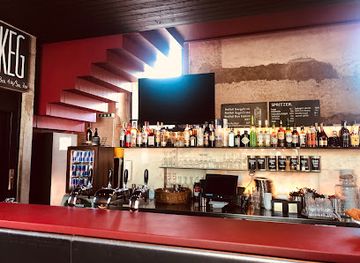
Bar
Solheure
Discover the vibrant atmosphere of Solheure, Solothurn's premier bar and lounge, offering unique cocktails and delicious cuisine in a cozy setting.
-
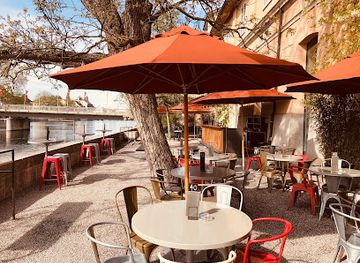
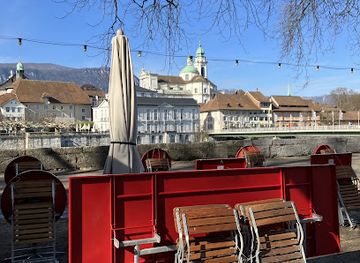
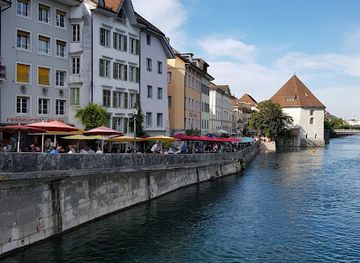
Bar
Hafebar Solothurn
Discover Hafebar Solothurn, a riverside bar blending picturesque views with a vibrant atmosphere, perfect for a relaxing drink in the heart of Solothurn.
-
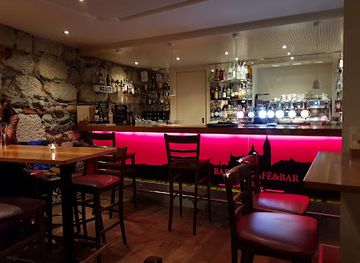
Bar
Cafe & Bar Barock
Discover the perfect blend of vibrant bar culture and refined bistro dining at Café & Bar Barock in Solothurn, Switzerland.
-
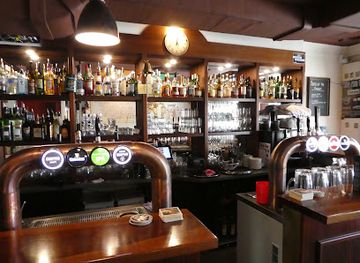
Irish pub
Red John Irish Pub
Experience the heart of Ireland at Red John Irish Pub in Solothurn, where great food, drinks, and live music create unforgettable memories.
Best nightclubs in Solothurn
Evening life in Solothurn is concentrated in and around the Old Town, where traditional pubs, wine bars, cafés and smaller venues occupy historic streets and lanes. The city’s cultural calendar, including film, music and theatre, gives the evening scene interests beyond drinking, although particular venues and programmes change over time. Olten has a more contemporary urban rhythm supported by its larger population, railway traffic and cultural institutions, with bars and restaurants around the centre. Elsewhere in the canton, nightlife is chiefly based on village inns, local clubs, seasonal events and the social life of restaurants rather than a large nightclub circuit. Weissenstein and the rural Jura are destinations for sunset views and evening meals, not late-night entertainment, and visitors should arrange their return transport in advance.
-
Bar
Solheure
Experience the vibrant atmosphere and delightful flavors at Solheure, Solothurn's premier bar and restaurant along the Aare River.
-
Bar
Hafebar Solothurn
Discover the vibrant ambiance of Hafebar Solothurn, where riverside relaxation meets lively entertainment in the heart of Switzerland.
-
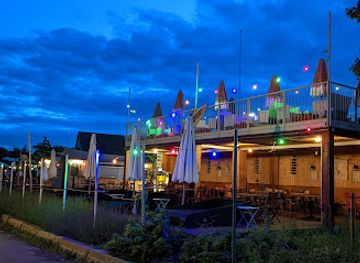
Restaurant
Badmeister Sommer Lounge
Discover the lively Badmeister Sommer Lounge in Solothurn, where exquisite dining meets vibrant nightlife in a charming atmosphere.
-
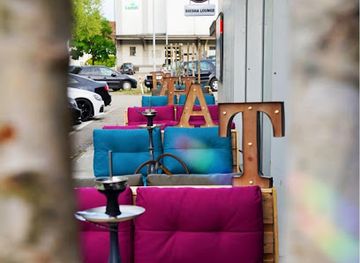
Hookah bar
Rahat Lounge
Discover Rahat Lounge in Solothurn, an inviting hookah bar that blends café charm with a cozy lounge atmosphere for a perfect relaxation experience.
Best shops in Solothurn
Solothurn’s Old Town is the canton’s most appealing shopping environment, with independent boutiques, bookshops, galleries, bakeries and shops selling design objects and Swiss-made gifts among historic façades. Olten offers a practical selection of high-street retailers, everyday services and cafés, particularly around its centre and station area. Markets and seasonal stalls provide regional cheese, bread, fruit, vegetables and other farm products, while rural districts are the best places to look for direct-from-producer sales, though opening arrangements vary. Craft items, local food and small design pieces make more useful souvenirs than generic alpine merchandise. Schönenwerd’s association with the Bally footwear company gives the area a particular connection with shoe and fashion history, while the wider canton also has galleries and specialist shops rather than extensive luxury retail.
-
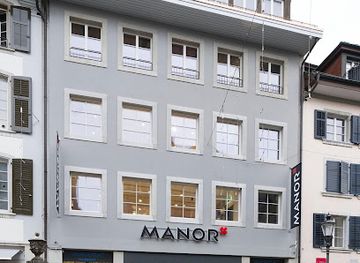
Department store
MANOR Solothurn
Explore the charm of Swiss retail at MANOR Solothurn, your destination for clothing, home goods, perfumes, and toys in a vibrant shopping atmosphere.
-
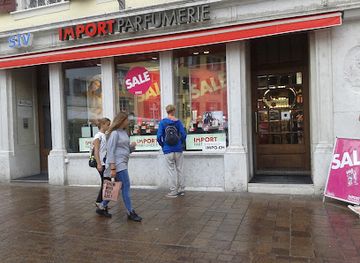
Perfume store
Import Parfumerie Solothurn Marktplatz
Discover the luxurious world of fragrances at Import Parfumerie Solothurn, your destination for exquisite perfumes and beauty products in a charming marketplace.
-
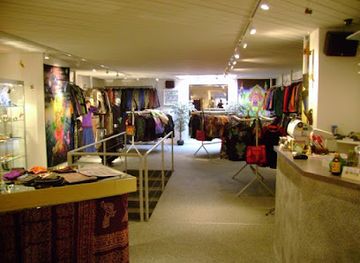
Boutique
BABACOOL Trendshop
Explore BABACOOL Trendshop in Solothurn for unique fashion, accessories, and home decor that capture the spirit of Switzerland.
-
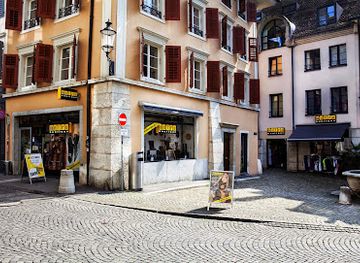
Boutique
Metro Boutique Solothurn
Discover the unique charm of Metro Boutique Solothurn - your ultimate shopping destination for stylish clothing and accessories in the heart of Switzerland.
Get your free copy of our complete guide to Solothurn, delivered straight to you.
Everything on this page, from attractions and restaurants to essentials and local phrases, in one PDF you can read offline, print or share.
Already have an account? Sign in
Your Solothurn guide is ready.
We'll send it to · Not you? Sign out

Getting your guide ready…
We are putting together a fresh copy of the Solothurn guide. This can take up to a minute.
This can take a few moments. If your browser asks, choose Allow so the download can start. You'll find the guide in your Downloads folder.
Nothing happened? Download it again
Sorry, the guide is taking longer than usual. Please try again in a minute, or get it by email instead.
Solothurn essentials
Currency and Payment
Safety
Emergency Situations
Do's and Don'ts
Local Tips
From Eve
Local phrases worth knowing
You don't need to get them perfect. A few words go a long way, and locals appreciate the effort.
Basics
| English | Local | Say it |
|---|---|---|
| Hello | Grüezi | [Gree-tsee] |
| Goodbye | Ade | [Ah-day] |
| Yes | Ja | [Yah] |
| No | Nein | [Nine] |
| Please/You're welcome | Bitte | [Bit-teh] |
| Thank you | Danke | [Dahn-keh] |
| Excuse me/Sorry | Entschuldigung | [Ent-shool-dee-goong] |
| How are you? | Wie geht's? | [Vee gates?] |
| Fine. And you? | Gut. Und dir? | [Goot. Oond deer?] |
| Do you speak English? | Sprechen Sie Englisch? | [Shpreh-chen Zee Eng-lish?] |
| I don't understand | Ich verstehe nicht | [Ish fer-shtay-eh nikht] |
Eating & Drinking
| English | Local | Say it |
|---|---|---|
| I'd like to see the menu, please | Ich möchte die Speisekarte sehen, bitte | [Ish mehr-teh dee Shpy-zeh-kar-teh zay-en, bit-teh] |
| I don't eat meat | Ich esse kein Fleisch | [Ish es-seh kyan Flysh] |
| Cheers! | Prost! | [Prohst!] |
| I would like to pay, please | Ich möchte bezahlen, bitte | [Ish mehr-teh beh-tsah-len, bit-teh] |
Emergencies
| English | Local | Say it |
|---|---|---|
| Help! | Hilfe! | [Hil-feh!] |
| Go away! | Geh weg! | [Gay vek!] |
| Call the Police! | Rufen Sie die Polizei! | [Roo-fen Zee dee Po-lee-tsai!] |
| Call a doctor! | Rufen Sie einen Arzt! | [Roo-fen Zee eye-nen Artst!] |
| I'm lost | Ich bin verloren | [Ish bin fer-lo-ren] |
| I'm ill | Ich bin krank | [Ish bin krank] |
Shopping
| English | Local | Say it |
|---|---|---|
| I'd like to buy... | Ich möchte kaufen... | [Ish mehr-teh kauf-en...] |
| I'm just looking | Ich schaue nur | [Ish shau-eh noor] |
| How much is it? | Wie viel kostet es? | [Vee feel kost-eht es?] |
| That's too expensive | Das ist zu teuer | [Das ist tsoy-er] |
| Can you lower the price? | Könnten Sie den Preis senken? | [Kern-ten Zee den Price zen-ken?] |
Time & Numbers
| English | Local | Say it |
|---|---|---|
| What time is it? | Wie spät ist es? | [Vee shpaht ist es?] |
| It's one o'clock | Es ist ein Uhr | [Es ist ine Oor] |
| Half past (10) | Halb (10) | [Halb (10)] |
| Morning | Morgen | [Mor-gen] |
| Afternoon | Nachmittag | [Nahch-mit-tahg] |
| Evening | Abend | [Ah-bend] |
| Yesterday | Gestern | [Ges-tern] |
| Today | Heute | [Hoy-teh] |
| Tomorrow | Morgen | [Mor-gen] |
| 1 | Eins | [Eyns] |
| 2 | Zwei | [Zvy] |
| 3 | Drei | [Dry] |
| 4 | Vier | [Veer] |
| 5 | Fünf | [Foonf] |
| 6 | Sechs | [Zex] |
| 7 | Sieben | [Zee-ben] |
| 8 | Acht | [Acht] |
| 9 | Neun | [Noyn] |
| 10 | Zehn | [Tzen] |
Transport & Directions
| English | Local | Say it |
|---|---|---|
| Where's a/the...? | Wo ist ein/das...? | [Vo ist ine/das...?] |
| What's the address? | Wie ist die Adresse? | [Vee ist dee Ah-dress-eh?] |
| Can you show me (on the map)? | Könnten Sie mir (auf der Karte) zeigen? | [Kern-ten Zee meer (owf der Kar-teh) tsay-gen?] |
| When's the next (bus)? | Wann kommt der nächste (Bus)? | [Vahn komt der next-e (Boos)?] |
| A ticket (to ....) | Ein Ticket (nach ....) | [Ine Ticket (nahkh ....)] |
History of Solothurn
Prehistoric Settlement and the Aare Valley
The Aare valley and the lower Jura have supported human settlement since prehistoric times. Rivers, fertile ground and routes through the Jura made the area useful for farming, movement and exchange, while archaeological discoveries across the canton show successive Neolithic, Bronze Age and Iron Age activity. The exact character of settlement varied between the lowlands and the uplands, but the enduring pattern is clear: communities occupied the river corridors and cultivated or grazed the Jura margins. These early landscapes established transport and settlement lines that later urban and rural development repeatedly followed.
Roman Salodurum
The Roman settlement of Salodurum developed at present-day Solothurn beside the Aare, probably in the first century AD. Its position on routes linking the Rhine region with the Swiss Plateau gave it strategic and commercial importance. Remains incorporated into later buildings, along with archaeological evidence from the town and surrounding area, preserve traces of Roman administration and urban life. The name Salodurum is the source of Solothurn’s name, and the Roman foundation provides the earliest clearly documented basis for the canton’s principal settlement.
Medieval Solothurn and the Church
After the Roman period, Solothurn developed as a medieval settlement and became closely associated with the cult of St Ursus, a Christian martyr traditionally linked with the city. Ecclesiastical institutions and powerful regional families shaped the town, while the Aare supported trade and communication. In the later Middle Ages, Solothurn expanded its political influence beyond the immediate river settlement. Churches, defensive traces and the street plan of the Old Town reflect the gradual transformation from a medieval centre into a more substantial urban polity.
Solothurn Joins the Swiss Confederacy, 1481
Solothurn entered the Swiss Confederacy in 1481, alongside Freiburg, after a period of alliance-building and political negotiation among the cantons. Membership strengthened the city’s security and connected it to the confederate network, while Solothurn later became an important Catholic canton in northern Switzerland. Its political and religious identity continued to influence architecture, education and public life. The town’s later Baroque appearance cannot be separated from the wealth, church patronage and civic confidence that developed during the early modern period.
The Baroque City and the Ambassadorial Era
During the seventeenth and eighteenth centuries, Solothurn served as the seat of the French ambassador to the Swiss Confederacy. The presence of French diplomatic representatives brought money, status and international connections to the city. Local patrician families built or remodelled residences, and churches and civic buildings acquired the restrained but substantial Baroque character still visible today. The Cathedral of St Ursus, aristocratic houses and formal public spaces express this period of Catholic patronage and diplomatic importance, giving Solothurn an architectural identity distinct from many neighbouring towns.
Industry, Railways and Regional Transformation
The nineteenth and twentieth centuries brought industrial and transport change across the canton. Olten became one of Switzerland’s most important railway junctions, linking major national routes and encouraging commerce, employment and urban growth. Solothurn and surrounding districts developed engineering, manufacturing and other industries, while Grenchen became strongly associated with watchmaking and Schönenwerd with the Bally footwear enterprise. These developments altered the balance between rural communities and industrial towns, and their legacy remains visible in railway infrastructure, factory architecture, museums and the social geography of the canton.
Modern Cultural and Landscape Heritage
Contemporary Solothurn combines industrial and transport heritage with an increasingly prominent cultural and recreational identity. The Solothurn Film Festival has helped establish the capital as a national meeting place for Swiss cinema, while the Old Town, Aare banks and Jura recreation areas support year-round visitation. Former industrial communities have adapted to changing economies, and rural districts continue to balance agriculture, conservation and residential development. The present canton is therefore not simply a preserved historic landscape: it is a working region where Baroque urban heritage, railway modernity and Jura countryside coexist.
Solothurn in Photos
Browse through our photo collection highlighting the charm and character of the destination.
Neighbouring regions of Solothurn
The closest regions to Solothurn, if you have time for more than one.
-

-

-

-

-


Swipe for more regions
Explore more

Explore more of Switzerland
Discover Switzerland's majestic landscapes, vibrant cities, and rich culture. From alpine adventures to urban exploration, experience the best of Europe in one destination.
Explore Switzerland