

Central Switzerland, Switzerland Travel Guide
Discover Central Switzerland: A blend of history, culture, and stunning natural landscapes in the heart of Switzerland.
Central Switzerland is the birthplace of the Swiss Confederation and offers a blend of historical significance and natural beauty. The region is known for its picturesque landscapes, with majestic mountains, serene lakes, and charming villages that seem to come straight out of a fairy tale. Visitors can explore the famous city of Lucerne, with its stunning medieval architecture, iconic Chapel Bridge, and the impressive Lion Monument. Lucerne also serves as a gateway to the nearby mountains, such as Mount Pilatus and Mount Rigi, which provide breathtaking views and opportunities for outdoor activities like hiking and skiing. The region is also home to Lake Lucerne, which offers boat cruises that allow you to soak in the tranquil beauty of the surrounding scenery. The lake is surrounded by quaint towns and villages where you can experience Swiss culture and traditions up close. The Swiss Museum of Transport in Lucerne is a must-visit for those interested in the history of transportation and communication. Central Switzerland is rich in history and culture. The town of Schwyz, where the Swiss Charter was signed, offers a deep dive into the roots of Swiss independence. The region also hosts various festivals and events throughout the year, celebrating everything from music to traditional Swiss customs. Whether you're an adventure seeker, a history enthusiast, or someone looking to relax in nature, Central Switzerland has something to offer. Its central location makes it an ideal base for exploring other parts of Switzerland as well.

Know before you go
Hi, I'm Eve. Here are a few practical things to know before exploring Central Switzerland.
- Visit Lucerne early in the morning to avoid crowds and get the best light for photographs.
- Take a boat cruise on Lake Lucerne for the best views of the surrounding mountains and villages.
- Use the Swiss Travel Pass for unlimited travel on public transportation and discounted entry to many attractions.
- Try local Swiss dishes such as fondue and raclette at traditional restaurants for an authentic culinary experience.
- Check the weather forecast before planning a trip to the mountains, as conditions can change rapidly.
Top City Travel Guides in Central Switzerland
The cities of Central Switzerland, and the easiest places to base yourself.


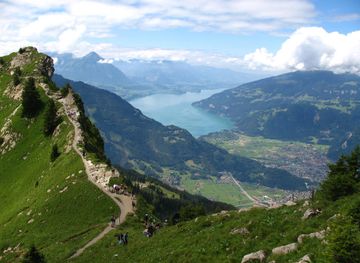

Destinations in Central Switzerland
Resorts, valleys and scenic spots worth a trip of their own.


Explore Central Switzerland: Things to Do, Places to Eat, Hotels & More
Handpicked recommendations for top attractions, local dining, accommodations, and more

Top Attractions & Sightseeing in Central Switzerland
Top-rated picks
Best Attractions

Swiss Museum of Transport
Lucerne’s large transport museum pairs interactive halls, planetarium shows, and lakefront access for a flexible half-day or full-day indoor visit.

Ballenberg, Swiss Open-Air Museum
Explore the captivating heritage of Switzerland at Ballenberg, an open-air museum showcasing traditional architecture, crafts, and rural life.
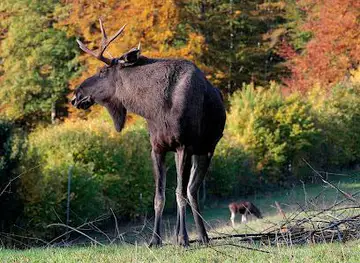
Wildnispark Zürich Langenberg
Explore the Wildnispark Zürich Langenberg, an immersive animal park showcasing Switzerland's native wildlife in a stunning natural setting.

Rigi Kulm
Experience the breathtaking views and natural beauty of Rigi Kulm, Switzerland's iconic mountain peak, perfect for hiking and adventure seekers.

Best landmarks in Central Switzerland
Top-rated picks
Best Landmarks

Chapel Bridge
Lucerne’s medieval wooden bridge, with painted panels, the Water Tower, and close-up river views that make a short walk feel like a city landmark stop.

Lion Monument
Discover the poignant beauty of the Lion Monument in Lucerne, a tribute to loyalty and bravery carved into sandstone, surrounded by lush landscapes.
Spreuerbrücke
A 15th-century covered bridge in Lucerne with rare Dance of Death paintings, river views, and a quieter atmosphere than the city’s better-known span.

Rigi
Ride into one of Switzerland’s best-known summit landscapes, where rail access, ridge walks, and lake views define the Rigi experience.

Best restaurants in Central Switzerland
Top-rated picks
Best Restaurants

Swiss Chuchi Restaurant
Experience authentic Swiss cuisine at Swiss Chuchi Restaurant in Zürich – famous for its fondue and traditional dishes in a cozy atmosphere.

Allmendhuisli
Discover authentic Swiss cuisine at Allmendhuisli in Stans – a delightful dining experience that captures the essence of Switzerland.

Schiffrestaurant Wilhelm Tell
Experience exquisite Swiss dining aboard Schiffrestaurant Wilhelm Tell with stunning lake views in Lucerne.

Nidair
Discover culinary excellence at Nidair in Ennetbürgen, where fine dining meets vibrant bar culture amidst breathtaking Swiss landscapes.

Best bars in Central Switzerland
Top-rated picks
Best Bars

Penthouse Roof Top Bar – 360° View
Experience breathtaking 360° views of Lucerne at the luxurious Penthouse Roof Top Bar – the perfect blend of style, atmosphere, and exquisite cocktails.

Suite Rooftop Lounge & Bar
Experience breathtaking views and exquisite flavors at Suite Rooftop Lounge & Bar, a vibrant cocktail haven in the heart of Lucerne.

Old Crow
Experience the vibrant nightlife of Zürich at Old Crow, a cocktail bar renowned for innovative drinks and a stylish atmosphere.

Widder Bar
Widder Bar: A luxurious cocktail haven in Zürich, offering creative drinks, premium spirits, and an elegant atmosphere for discerning visitors.

Best nightclubs in Central Switzerland
Top-rated picks
Best Nightclubs

Penthouse Roof Top Bar – 360° View
Experience breathtaking views and vibrant nightlife at Penthouse Roof Top Bar in Lucerne, where cocktails meet stunning landscapes.

Down Town
Discover the vibrant nightlife at Down Town, Lucerne's premier bar and nightclub, offering a perfect blend of drinks, music, and an electric atmosphere.

Das schwarze Schaf
Experience the vibrant nightlife of Lucerne at Das schwarze Schaf, where music, dancing, and unforgettable memories await.

VEGAS Dance Club
Discover the electrifying nightlife of Kriens at VEGAS Dance Club, where music, dance, and unforgettable memories come together.

Best shops in Central Switzerland
Top-rated picks
Best Shops

Einkaufszentrum Glatt
Discover Einkaufszentrum Glatt, a vibrant shopping mall in Wallisellen with diverse shops, dining, and entertainment for every traveler.

Landquart Fashion Outlet
Discover unmatched shopping experiences at Landquart Fashion Outlet, Switzerland's premier destination for discounted luxury brands amidst stunning alpine scenery.

Einkaufszentrum Letzipark
Discover the ultimate shopping experience at Einkaufszentrum Letzipark in Zurich, where variety meets convenience in a modern setting.

Emmen Center
Explore a shopper's haven at Emmen Center, where fashion meets flavor and entertainment awaits at every corner.

Explore Central Switzerland on the Map
A handpicked selection of must-see spots in Central Switzerland, mapped for you.
Central Switzerland Essentials
-
Central Switzerland is easily accessible by multiple modes of transport. The main international gateway is Zurich Airport (ZRH), located approximately 50-100 kilometers from various parts of Central Switzerland, depending on your specific destination. From Zurich, you can take a direct train to cities like Lucerne, Zug, or Schwyz, which typically takes around 1 to 1.5 hours. Alternatively, you can rent a car and drive, which offers a scenic route through the Swiss countryside.
-
Public transportation in Central Switzerland is exceptionally efficient and reliable. The Swiss Travel System offers a range of passes for unlimited travel on trains, buses, and boats within a set duration. Lucerne, one of the central hubs, has a well-connected local bus and boat network. For more remote areas, renting a car can provide additional flexibility. Cycling is also popular, with numerous well-marked bike paths available.
-
The official currency is the Swiss Franc (CHF). Credit and debit cards are widely accepted in hotels, restaurants, and shops. ATMs are plentiful, especially in larger towns and cities. It's advisable to carry some cash for smaller establishments or rural areas. Many places also accept Euros, but the exchange rate may not be favorable.
-
Central Switzerland is generally very safe for tourists. Crime rates are low, but standard precautions should be taken. Avoid leaving valuables unattended and be cautious in crowded areas. There are no specific high-crime neighborhoods targeting tourists, but it's always wise to stay vigilant. Public transport is safe even late at night, and streets are well-lit.
-
In case of emergency, dial 112 for immediate assistance. Hospitals and medical facilities are of high standard and widely available. Pharmacies are also common and provide over-the-counter medications. It is recommended to have travel insurance that covers medical emergencies.
-
Fashion: Do dress in layers, as the weather can change rapidly. Avoid overly casual attire when dining out or visiting cultural sites. Religion: Do respect religious customs, especially in churches and monasteries. Public Transport: Do be punctual, as Swiss transport runs on a strict schedule. Don't eat or drink on public transport unless permitted. Greetings: Do greet people with a firm handshake and maintain eye contact. Eating & Drinking: Do try local delicacies like cheese fondue and raclette. Don't rush meals, as dining is often a leisurely activity.
-
To experience Central Switzerland like a local, take time to explore the charming villages and interact with residents. Participate in local festivals and markets to understand the culture better. Take advantage of the extensive hiking trails for breathtaking views of the Alps. Consider taking a boat trip on Lake Lucerne for a unique perspective of the region. Visit local bakeries for fresh bread and pastries early in the morning, a common local practice.
When is the best time to visit Central Switzerland?
Useful Local Phrases for Central Switzerland
You don't need to speak the language perfectly. Even learning a few simple words can make conversations warmer—and locals usually appreciate the effort.
— Eve

Here are the phrases I use most often in Central Switzerland. Try a few—you'll be surprised how far they go! 😊
❤️
-
- HelloHoi
[hoy] - GoodbyeAdieu
[ah-dyoo] - YesJa
[yah] - NoNee
[nee] - Please/You're welcomeBitte
[bi-teh] - Thank youDanke
[dahn-keh] - Excuse me/SorryEntschuldigung
[ent-shool-dee-goong] - How are you?Wie gaht's?
[vee gaht's] - Fine. And you?Guet. Und dir?
[goot. oond deer] - Do you speak English?Sprichsch Englisch?
[sprikhsh eng-lish] - I don't understandIch versteh nüt
[ikh fershteh nüt]
- HelloHoi
-
- I'd like to see the menu, pleaseIch möcht das Menü sehen, bitte
[ikh mohkht das meh-new zeh-en, bi-teh] - I don't eat meatIch esse kein Fleisch
[ikh es-seh kine fleshk] - Cheers!Prost!
[prohst] - I would like to pay, pleaseIch möcht bezahlen, bitte
[ikh mohkht be-tzah-len, bi-teh]
- I'd like to see the menu, pleaseIch möcht das Menü sehen, bitte
-
- Help!Hilfe!
[hil-feh] - Go away!Geh wäg!
[geh weg] - Call the Police!Ruf die Polizei!
[roof dee po-li-tsai] - Call a doctor!Ruf en Dokter!
[roof en dok-ter] - I'm lostIch bin verlorä
[ikh bin fer-loh-rah] - I'm illIch bi krank
[ikh bee krank]
- Help!Hilfe!
-
- I'd like to buy...Ich möchte kaufen...
[ikh mohkht kau-fen] - I'm just lookingIch schaue nur
[ikh shau-eh noor] - How much is it?Wie viel kostet es?
[vee feel kost-et es] - That's too expensiveDas isch z'tüer
[das ish z'too-er] - Can you lower the price?Chasch den Preis senke?
[khash den pryce sen-keh]
- I'd like to buy...Ich möchte kaufen...
-
- What time is it?Wie spät isch es?
[vee shpat ish es] - It's one o'clockEs isch ein Uhr
[es ish ine oor] - Half past (10)Halb nach (10)
[halb nakh (10)] - MorningMorgä
[mor-gah] - AfternoonNamittag
[nah-mit-tahg] - EveningAbend
[ah-bent] - YesterdayGestern
[ges-terrn] - TodayHüt
[hue-t] - TomorrowMorn
[morn] - 1Eins
[ines] - 2Zwei
[tsvai] - 3Drei
[dry] - 4Vier
[feer] - 5Fünf
[fu-nf] - 6Sechs
[zex] - 7Sieben
[zee-ben] - 8Acht
[aht] - 9Neun
[noyn] - 10Zehn
[tsen]
- What time is it?Wie spät isch es?
-
- Where's a/the...?Wo isch e/die ...?
[vo ish eh/dee ...?] - What's the address?Was isch d'Adresse?
[vas ish d'ah-dres-seh?] - Can you show me (on the map)?Chasch mir zeige (uf der Karte)?
[khash mir tsai-ge (oof der kar-teh)?] - When's the next (bus)?Wann chund der nächste (Bus)?
[van chund der nash-teh (boos)?] - A ticket (to ....)E Ticket (nach ...)
[eh tiket (nahkh ...)]
- Where's a/the...?Wo isch e/die ...?
History of Central Switzerland
-
In 1291, the cantons of Uri, Schwyz, and Unterwalden formed an alliance for mutual defense against the Habsburgs. This pact is considered the founding act of the Swiss Confederation. The iconic Rütli Meadow in Uri is where the legendary Rütli Oath was sworn, symbolizing the birth of Switzerland.
-
On November 15, 1315, the Swiss Confederates achieved a significant victory against the Habsburgs at the Battle of Morgarten. This battle, fought near Lake Ägeri, demonstrated the effectiveness of the Swiss militia and solidified the Confederation’s resolve for autonomy.
-
The legend of William Tell, a folk hero from Uri, is deeply ingrained in Swiss culture. According to the legend, Tell was forced by a Habsburg bailiff to shoot an apple off his son's head with his crossbow, an act of defiance that eventually led to a rebellion and the founding of the Swiss Confederation.
-
Hohle Gasse, a historic lane between Küssnacht and Immensee, is famously associated with the William Tell legend. It is said to be the site where Tell ambushed and killed the Habsburg bailiff Gessler, an event that marked a turning point in the struggle for Swiss independence.
-
The St. Gotthard Pass has been a crucial north-south axis through the Alps since the Middle Ages. Its significance grew with the construction of the Gotthard Tunnel in the 19th century, and later the Gotthard Base Tunnel, which is the world's longest railway and deepest traffic tunnel.
-
Swiss National Day on August 1st commemorates the founding of the Swiss Confederation in 1291. Celebrations are particularly vibrant in Central Switzerland, featuring fireworks, parades, and traditional music, reflecting the region's pride in its historical significance.
-
The Historical Museum of Lucerne houses an extensive collection of artifacts that highlight the rich history of Central Switzerland. Exhibits range from medieval armory to folk art, offering visitors a comprehensive understanding of the region's cultural evolution.
Neighbouring Regions of Central Switzerland
The closest regions to Central Switzerland, if you have time for more than one.
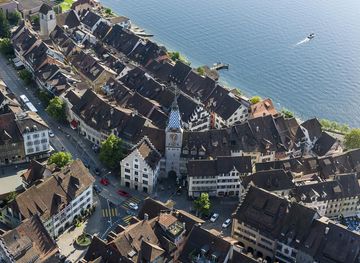


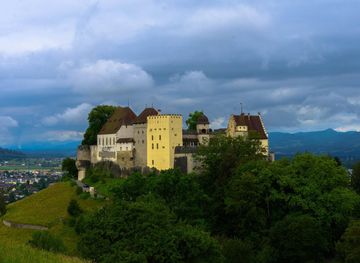

Your all‑in‑one travel companion app
Explore expert travel guides, compare and book tours, experiences, hotels, and more—all from the palm of your hand. Download now for seamless trip planning wherever your wanderlust takes you.


Explore More of Switzerland

Looking beyond Central Switzerland? Discover Switzerland for broader travel guides, local hot-spots, and regional highlights.
Explore SwitzerlandCentral Switzerland in Photos
Browse through our photo collection highlighting the charm and character of the destination.


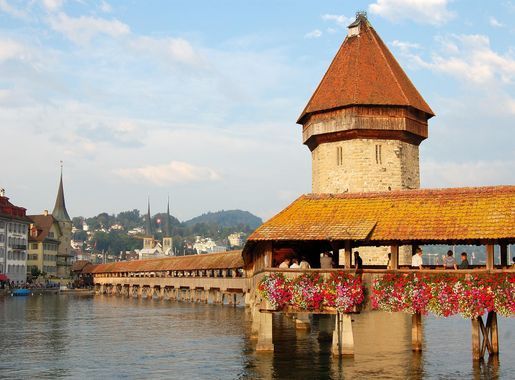


Central Switzerland: The Heart of Scenic Beauty and Cultural Richness
Central Switzerland is the birthplace of the Swiss Confederation and offers a blend of historical significance and natural beauty. The region is known for its picturesque landscapes, with majestic mountains, serene lakes, and charming villages that seem to come straight out of a fairy tale. Visitors can explore the famous city of Lucerne, with its stunning medieval architecture, iconic Chapel Bridge, and the impressive Lion Monument. Lucerne also serves as a gateway to the nearby mountains, such as Mount Pilatus and Mount Rigi, which provide breathtaking views and opportunities for outdoor activities like hiking and skiing. The region is also home to Lake Lucerne, which offers boat cruises that allow you to soak in the tranquil beauty of the surrounding scenery. The lake is surrounded by quaint towns and villages where you can experience Swiss culture and traditions up close. The Swiss Museum of Transport in Lucerne is a must-visit for those interested in the history of transportation and communication. Central Switzerland is rich in history and culture. The town of Schwyz, where the Swiss Charter was signed, offers a deep dive into the roots of Swiss independence. The region also hosts various festivals and events throughout the year, celebrating everything from music to traditional Swiss customs. Whether you're an adventure seeker, a history enthusiast, or someone looking to relax in nature, Central Switzerland has something to offer. Its central location makes it an ideal base for exploring other parts of Switzerland as well.