

Free Lake Geneva Region Travel Guide & Mobile App
Explore Lake Geneva Region with free travel guides. Discover regional history, expert tips, proposed trips, and audio guides on web or mobile app.


Explore Switzerland’s Lake Geneva Region for Geneva’s culture, Lausanne’s museums, Lavaux vineyards, lakeside towns and Alpine views.
Read more about Lake Geneva Region
When is the best time to visit Lake Geneva Region?
Best: June–August · 23–25°C| Month | High (°C) | Rainfall (mm) |
|---|---|---|
| January | 6 | 70 |
| February | 7 | 60 |
| March | 11 | 75 |
| April | 15 | 80 |
| May | 19 | 95 |
| June (best) | 23 | 100 |
| July (best) | 25 | 95 |
| August (best) | 25 | 100 |
| September | 21 | 85 |
| October | 16 | 80 |
| November | 9 | 90 |
| December | 6 | 85 |
Getting to and around Lake Geneva Region
How to get there
Transportation
Top city travel guides in Lake Geneva Region
The cities of Lake Geneva Region, and the easiest places to base yourself.
-

-

-
-


Swipe for more cities
Destinations in Lake Geneva Region
Resorts, valleys and scenic spots worth a trip of their own.

Swipe for more destinations
Best attractions in Lake Geneva Region
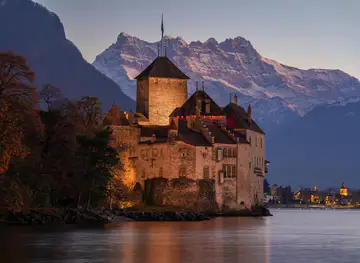
The region’s attractions range from international urban culture to carefully cultivated rural landscapes. Geneva offers museums, galleries, parks, the old town and lakeside promenades, while Lausanne combines a cathedral, museums, concert venues and the Olympic Museum with steep streets leading towards the water. Along the northern shore, Nyon and Morges provide Roman and medieval history, harbours and gardens. Lavaux is the signature countryside attraction: visitors can walk between vineyard villages, learn about wine production and pause at viewpoints above the lake. Vevey and Montreux bring promenades, cultural venues and access to the eastern shore’s mountain scenery. Château de Chillon, beside the lake near Montreux, provides a concentrated view of medieval power and Alpine trade routes. Boat excursions, lakeside cycling, swimming areas and rail journeys add movement to a largely accessible itinerary, while upland destinations above the Riviera offer walking and panoramic views. The attraction landscape is distinguished less by isolated theme parks than by the close succession of cities, heritage sites, vineyards, water and mountains.
-
Castle
Chillon Castle
Discover the majestic Chillon Castle, a historical gem on Lake Geneva, where Swiss heritage meets breathtaking views and captivating architecture.
-
 Tourist attraction
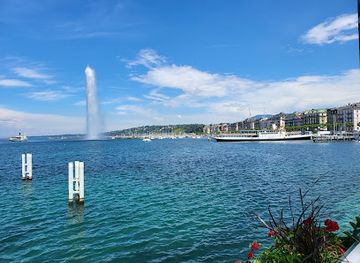
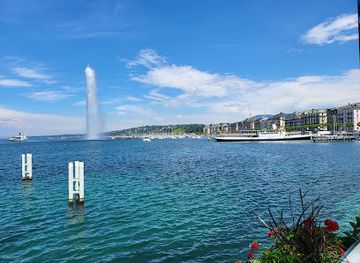
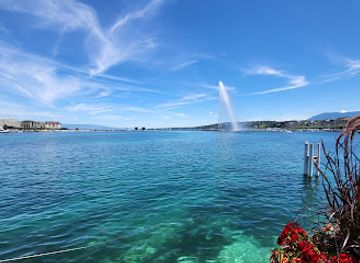
The Geneva Water Fountain
Discover the breathtaking Jet d'Eau, Geneva's iconic fountain that soars 140 meters high, a must-see for every visitor exploring the beauty of Switzerland.
-
Park
Jardin Anglais
Explore Jardin Anglais in Geneva, a picturesque park with stunning views, vibrant flowers, and a serene atmosphere ideal for relaxation and exploration.
-
Tourist attraction
The Flower Clock
Experience the enchanting Flower Clock in Geneva, a stunning floral masterpiece symbolizing the city's rich heritage and natural beauty.

Best landmarks in Lake Geneva Region
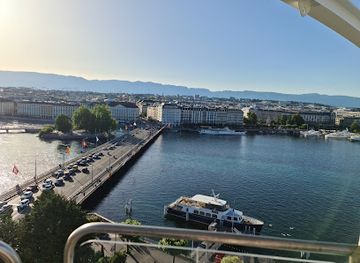
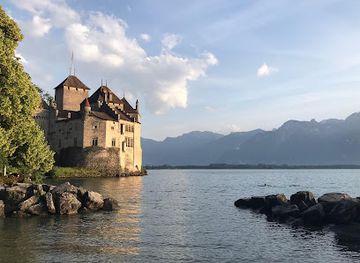
The Jet d’Eau, rising from Geneva’s harbour, is the region’s most recognisable modern lakeside symbol and reflects the city’s relationship with water, engineering and international visitors. Geneva’s old town, dominated by St Pierre Cathedral, preserves the historic centre of the Reformation-era city. Lausanne Cathedral is one of Switzerland’s important Gothic monuments, while the city’s steep position gives it a distinctive architectural relationship with Lake Geneva. Further east, the Lavaux vineyard terraces form a cultural landscape of walls, villages and descending fields, recognised for the way generations of viticulture shaped the shore. Château de Chillon near Montreux is a particularly prominent medieval landmark, set against the lake and backed by mountains. The lakeside promenades and Belle Époque hotels of Montreux and Vevey provide a contrasting nineteenth-century architectural legacy. In Nyon, Roman remains and the castle above the old town recall the settlement’s ancient and medieval importance, adding historical depth to the western lakeshore.
-
Castle
Chillon Castle
Discover Chillon Castle, Switzerland's enchanting medieval fortress on Lake Geneva, rich in history, stunning architecture, and breathtaking views.
-
Tourist attraction
The Geneva Water Fountain
Discover the breathtaking Geneva Water Fountain, a stunning symbol of elegance and beauty on Lake Geneva, captivating tourists with its magnificent display.
-
Park
Jardin Anglais
Discover the beauty of Jardin Anglais, a breathtaking park in Geneva featuring stunning floral displays and picturesque views along the shores of Lake Geneva.
-
Tourist attraction
The Flower Clock
Discover the captivating Flower Clock in Geneva, a stunning blend of nature and craftsmanship set against the backdrop of Lake Geneva.
Explore Lake Geneva Region on the map
Plan your trip on one map. See where the top cities, national parks and sights are, and book hotels and experiences in a few clicks.
Best hotels in Lake Geneva Region
Best restaurants in Lake Geneva Region
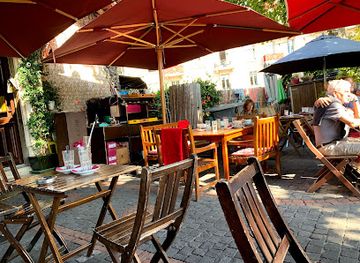
Dining in the Lake Geneva Region reflects both French-speaking Swiss traditions and the produce of the lake and surrounding countryside. Vaud is associated with Chasselas wines, which are served in vineyard villages and regional restaurants, while local menus may include lake fish, seasonal vegetables, cheeses and dishes based on potatoes or cream. Geneva adds a more international restaurant scene shaped by its diplomatic and multicultural population, alongside traditional cafés and brasseries. In Lausanne, Vevey and Montreux, restaurants range from informal lakeside dining to contemporary kitchens and established hotel dining rooms. Rural inns in the Vaud countryside provide a setting for regional specialities, while markets and food shops are useful for bread, cheeses, wine and seasonal produce. Fondue and raclette belong to the wider Swiss culinary tradition rather than to this region alone, but they are widely available. Reservations are sensible for well-known restaurants and for small establishments with limited service, particularly at weekends and during summer.
-
Swiss
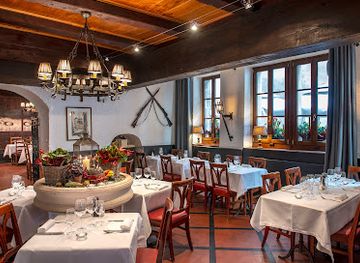
Restaurant Les Armures
Discover the authentic taste of Switzerland at Restaurant Les Armures in Geneva – where tradition meets culinary excellence.
-
Swiss
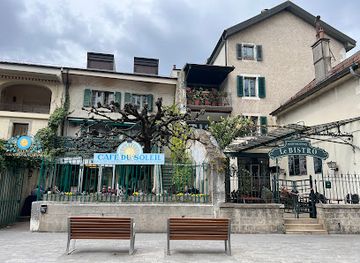
Café du Soleil
Experience authentic Swiss cuisine at Café du Soleil in Geneva, famous for its fondue and family-friendly atmosphere.
-
Café
Cottage Café
Discover the charm of Cottage Café in Geneva - where delicious food meets cozy ambiance in the heart of Switzerland.
-
Restaurant
Buvette des Bains
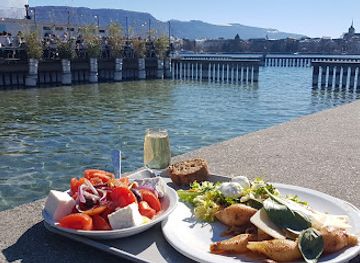
Discover the charm of Buvette des Bains by Lake Geneva—where delicious Swiss cuisine meets breathtaking views.
Best bars in Lake Geneva Region
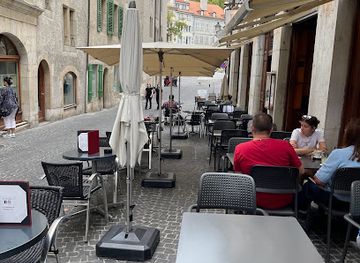
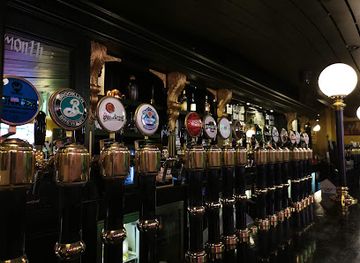
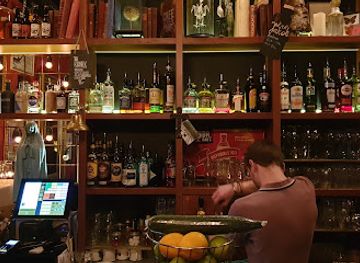
Evening life is concentrated in Geneva, Lausanne and the larger towns of the Vaud Riviera. Geneva has hotel bars, wine bars, cocktail venues, live music and late-opening entertainment around its central districts, while Lausanne’s student population supports a broad range of bars, concert spaces and clubs. Montreux is known for its music heritage and has a more seasonal evening atmosphere, with venues and restaurants focused around the town centre and lakeside. Vevey and Nyon offer smaller selections of bars, cafés and live events rather than a large club scene. In vineyard villages and rural areas, the evening usually centres on restaurants, village cafés, wine tastings or traditional pubs and inns. Opening arrangements vary, especially outside the main towns, so it is wise to check current information rather than assume that a particular venue operates every night.
-
Restaurant
rooftop°42
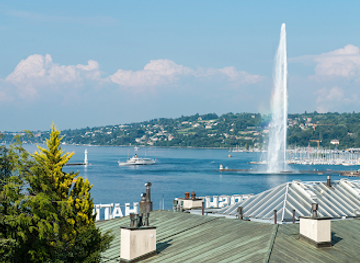
Discover rooftop°42, Geneva's premier restaurant-bar offering stunning views, exquisite cuisine, and a vibrant atmosphere for an unforgettable dining experience.
-
Restaurant
Demi Lune Café
Experience the culinary delights at Demi Lune Café in Geneva, where fine dining meets a vibrant atmosphere, perfect for every occasion.
-
Pub
Lady Godiva Pub
Discover Geneva's vibrant nightlife at Lady Godiva Pub, a lively spot for food, drinks, and live music in the heart of the city.
-
Bar
Le Kraken
Discover the lively atmosphere and diverse menu at Le Kraken, a popular bar and restaurant in the heart of Geneva, perfect for tourists seeking culinary delights.
Best nightclubs in Lake Geneva Region
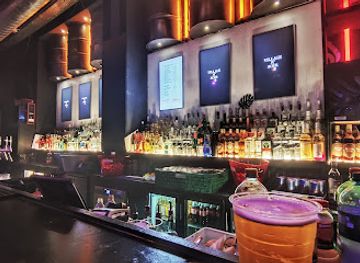
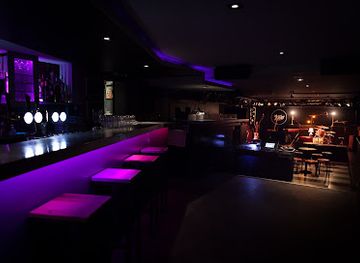
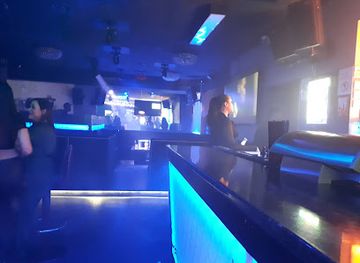
Evening life is concentrated in Geneva, Lausanne and the larger towns of the Vaud Riviera. Geneva has hotel bars, wine bars, cocktail venues, live music and late-opening entertainment around its central districts, while Lausanne’s student population supports a broad range of bars, concert spaces and clubs. Montreux is known for its music heritage and has a more seasonal evening atmosphere, with venues and restaurants focused around the town centre and lakeside. Vevey and Nyon offer smaller selections of bars, cafés and live events rather than a large club scene. In vineyard villages and rural areas, the evening usually centres on restaurants, village cafés, wine tastings or traditional pubs and inns. Opening arrangements vary, especially outside the main towns, so it is wise to check current information rather than assume that a particular venue operates every night.
-
Disco club
Village du Soir
Discover the electrifying nightlife at Village du Soir, a must-visit disco club in Lancy, Switzerland, blending music, dance, and exhilarating vibes.
-
Live music bar
Chat Noir Club
Experience the vibrant nightlife and live music at Chat Noir Club in Carouge, a must-visit for every tourist seeking local culture and entertainment.
-
Disco club
Five Night Club
Discover Geneva's vibrant nightlife at Five Night Club, where music meets excitement in a stylish disco setting.
-
Nightclub
M CLUB GENEVE
Experience electrifying nights at M Club Genève, where top DJs, vibrant crowds, and an unforgettable atmosphere come together in the heart of the city.

Best shops in Lake Geneva Region
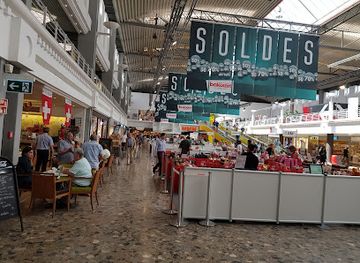
Shopping varies considerably between the international boutiques and department stores of Geneva, the independent streets and covered market areas of Lausanne, and the smaller high streets of towns such as Nyon, Morges, Vevey and Montreux. Geneva is associated with Swiss watches, jewellery, design and luxury goods, though prices should be compared carefully and tax arrangements checked where relevant. Lausanne offers books, fashion, galleries, food shops and locally minded independent retailers, while the lakeside towns are useful for specialist groceries, antiques, crafts and gifts. In Lavaux and the Vaud countryside, direct purchases from wine producers can include bottles from small appellations, subject to the producer’s availability and visitor arrangements. Regional food products, Swiss chocolate, cheese and carefully made craft goods are practical souvenirs. Weekly markets and seasonal farmers’ markets provide a more local shopping experience, but dates and locations vary, so confirm them locally before making a special journey.
-
Department store
MANOR Genève
Explore MANOR Genève, a vibrant department store that offers a unique shopping experience with clothing, home goods, perfumes, and toys in the heart of Geneva.
-
Shopping mall
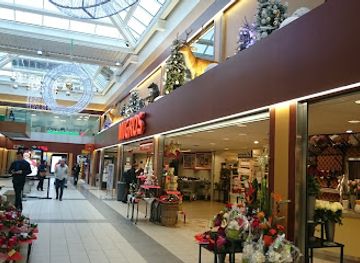
Balexert
Explore Balexert, Geneva's vibrant shopping mall featuring over 150 stores, diverse dining, and entertainment options for a delightful experience.
-
Chocolate shop
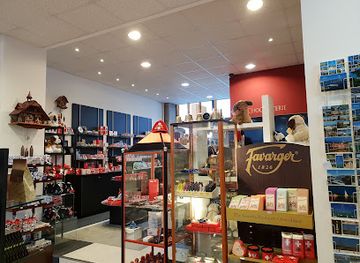
La Chocolaterie de Genève
Explore the finest Swiss chocolates at La Chocolaterie de Genève, where exquisite taste meets artisanal craftsmanship in the heart of Geneva.
-
Shopping mall
Meyrin Center
Explore the Meyrin Center - A vibrant shopping mall in Meyrin, Switzerland with diverse boutiques, delicious dining options, and essential services.

Get your free copy of our complete guide to Lake Geneva Region, delivered straight to you.
Everything on this page, from attractions and restaurants to essentials and local phrases, in one PDF you can read offline, print or share.
Already have an account? Sign in
Your Lake Geneva Region guide is ready.
We'll send it to · Not you? Sign out

Getting your guide ready…
We are putting together a fresh copy of the Lake Geneva Region guide. This can take up to a minute.
This can take a few moments. If your browser asks, choose Allow so the download can start. You'll find the guide in your Downloads folder.
Nothing happened? Download it again
Sorry, the guide is taking longer than usual. Please try again in a minute, or get it by email instead.
Lake Geneva Region essentials
Currency and Payment
Safety
Emergency Situations
Do's and Don'ts
Local Tips
From Eve
Local phrases worth knowing
You don't need to get them perfect. A few words go a long way, and locals appreciate the effort.
Basics
| English | Local | Say it |
|---|---|---|
| Hello | Salut | [sah-loo] |
| Goodbye | Au revoir | [oh ruh-vwahr] |
| Yes | Oui | [wee] |
| No | Non | [noh] |
| Please/You're welcome | S'il vous plaît | [seel voo pleh] |
| Thank you | Merci | [mehr-see] |
| Excuse me/Sorry | Excusez-moi | [ehk-skew-zay mwah] |
| How are you? | Comment ça va? | [koh-mohn sah vah] |
| Fine. And you? | Bien. Et vous? | [byan. eh voo] |
| Do you speak English? | Parlez-vous anglais? | [par-lay voo ahn-glay] |
| I don't understand | Je ne comprends pas | [zhuh nuh kohm-prahn pah] |
Eating & Drinking
| English | Local | Say it |
|---|---|---|
| I'd like to see the menu, please | Je voudrais voir le menu, s'il vous plaît | [zhuh voo-dray vwar luh meh-nu, seel voo pleh] |
| I don't eat meat | Je ne mange pas de viande | [zhuh nuh mahnj pah duh vyahnd] |
| Cheers! | Santé! | [sahn-tay] |
| I would like to pay, please | Je voudrais payer, s'il vous plaît | [zhuh voo-dray peh-yay, seel voo pleh] |
Emergencies
| English | Local | Say it |
|---|---|---|
| Help! | À l'aide! | [ah led] |
| Go away! | Allez-vous-en! | [ah-lay voo-zahn] |
| Call the Police! | Appelez la police! | [ah-peh-lay lah poh-lees] |
| Call a doctor! | Appelez un médecin! | [ah-peh-lay uhn meh-deh-sahn] |
| I'm lost | Je suis perdu | [zhuh swee pair-doo] |
| I'm ill | Je suis malade | [zhuh swee mah-lahd] |
Shopping
| English | Local | Say it |
|---|---|---|
| I'd like to buy... | Je voudrais acheter... | [zhuh voo-dray ah-sheh-tay] |
| I'm just looking | Je regarde juste | [zhuh ruh-gard zhoost] |
| How much is it? | C'est combien? | [say kohm-byen] |
| That's too expensive | C'est trop cher | [say troh shair] |
| Can you lower the price? | Pouvez-vous baisser le prix? | [poo-vay voo beh-say luh pree] |
Time & Numbers
| English | Local | Say it |
|---|---|---|
| What time is it? | Quelle heure est-il? | [kel uhr eh-teel] |
| It's one o'clock | Il est une heure | [eel eh eewn uhr] |
| Half past (10) | Dix heures et demie | [dees uhr eh duh-mee] |
| Morning | Matin | [mah-tahn] |
| Afternoon | Après-midi | [ah-preh-mee-dee] |
| Evening | Soir | [swahr] |
| Yesterday | Hier | [ee-ehr] |
| Today | Aujourd'hui | [oh-zhoor-dwee] |
| Tomorrow | Demain | [duh-mahn] |
| 1 | Un | [uhn] |
| 2 | Deux | [duh] |
| 3 | Trois | [trwah] |
| 4 | Quatre | [katr] |
| 5 | Cinq | [sank] |
| 6 | Six | [sees] |
| 7 | Sept | [set] |
| 8 | Huit | [weet] |
| 9 | Neuf | [nuhf] |
| 10 | Dix | [dees] |
Transport & Directions
| English | Local | Say it |
|---|---|---|
| Where's a/the...? | Où est un/une...? | [oo eh uhn/oon] |
| What's the address? | Quelle est l'adresse? | [kel eh l'a-dress] |
| Can you show me (on the map)? | Pouvez-vous me montrer (sur la carte)? | [poo-vay voo muh mohn-tray (sur lah kart)] |
| When's the next (bus)? | Quand est le prochain (bus)? | [kahn eh luh pro-shen (boos)] |
| A ticket (to ....) | Un billet (pour....) | [uhn bee-yay (poohr....)] |
History of Lake Geneva Region
Prehistoric lake settlements and early communities
The shores of Lake Geneva have supported human settlement since prehistoric times, when communities used the lake for fishing, transport and access to fertile lowlands. Archaeological evidence from the wider lake basin includes remains of lakeside settlements and objects associated with Bronze Age communities. These finds show that the waterway was not simply a scenic boundary but an important route connecting the Rhône valley, the Alpine foreland and the Jura. The region’s later towns developed within this long-established pattern of movement and settlement around a navigable lake and productive shore.
Roman Geneva and the lakeside road network
Roman influence transformed the western end of the lake. Geneva, then known as Genava, occupied a strategic position where the Rhône leaves the lake and became part of the imperial road system. Roman settlements and routes also shaped the development of places such as Nyon, founded as Colonia Iulia Equestris on the northern shore. Roads, administration, trade and agricultural production connected the lakeside communities to larger centres in Gaul and the Alpine region. Archaeological remains in Geneva and Nyon continue to reveal the importance of the Roman period.
Medieval bishoprics, castles and trading towns
During the Middle Ages, power around the lake was divided among bishops, noble families, monasteries and emerging urban authorities. Geneva’s bishopric played a major political role, while Lausanne became an important ecclesiastical centre dominated by its cathedral. Castles and fortified settlements controlled roads, harbours and agricultural districts; Château de Chillon, on the eastern shore, guarded a strategic route beside the lake. Nyon, Morges, Rolle, Vevey and other towns developed through trade, administration and craft production, leaving behind historic cores that remain visible today.
Reformation and the shaping of Geneva and Vaud
The sixteenth-century Reformation profoundly altered the region. Geneva became a leading centre of Reformed Protestantism associated with John Calvin and developed an international religious and intellectual influence. In the Pays de Vaud, the Bernese conquest of 1536 brought administrative change and established the Reformation in place of Catholic institutions. Churches, schools and civic structures were reorganised, while Geneva’s position as a refuge for religious exiles strengthened its links with wider Europe. The period left a lasting mark on the region’s politics, architecture and cultural identity.
The creation of modern cantons and the growth of transport
The political map of the lakeshore changed during the upheavals surrounding the French Revolution and the Napoleonic era. The canton of Vaud was established in 1803, while Geneva joined the Swiss Confederation in 1815 after the Napoleonic period. In the nineteenth century, steam navigation and railway construction made the lake and its shores more accessible, linking Geneva, Lausanne, Vevey and Montreux with Swiss and international networks. Tourism, trade, education and manufacturing expanded as travel became easier and the lakeside acquired a growing reputation as a health and leisure destination.
Wine terraces, tourism and modern international life
The nineteenth and twentieth centuries brought several overlapping transformations. Lavaux’s historic vineyard terraces continued to be cultivated while improved transport and hotels encouraged visitors to the Riviera and Montreux. Lausanne developed as a major educational, cultural and sporting centre, and Geneva became increasingly associated with international diplomacy and organisations. The region also retained important agricultural and wine-producing communities. Today, heritage protection, viticulture, research, tourism and international business coexist along a densely settled but carefully varied lakeside landscape.
Lake Geneva Region in Photos
Browse through our photo collection highlighting the charm and character of the destination.
Neighbouring regions of Lake Geneva Region
The closest regions to Lake Geneva Region, if you have time for more than one.
-

-

-

-

-


Swipe for more regions
Explore more

Explore more of Switzerland
Discover Switzerland's majestic landscapes, vibrant cities, and rich culture. From alpine adventures to urban exploration, experience the best of Europe in one destination.
Explore Switzerland