

Free Bernese Oberland Travel Guide & Mobile App
Explore Bernese Oberland with free travel guides. Discover regional history, expert tips, proposed trips, and audio guides on web or mobile app.


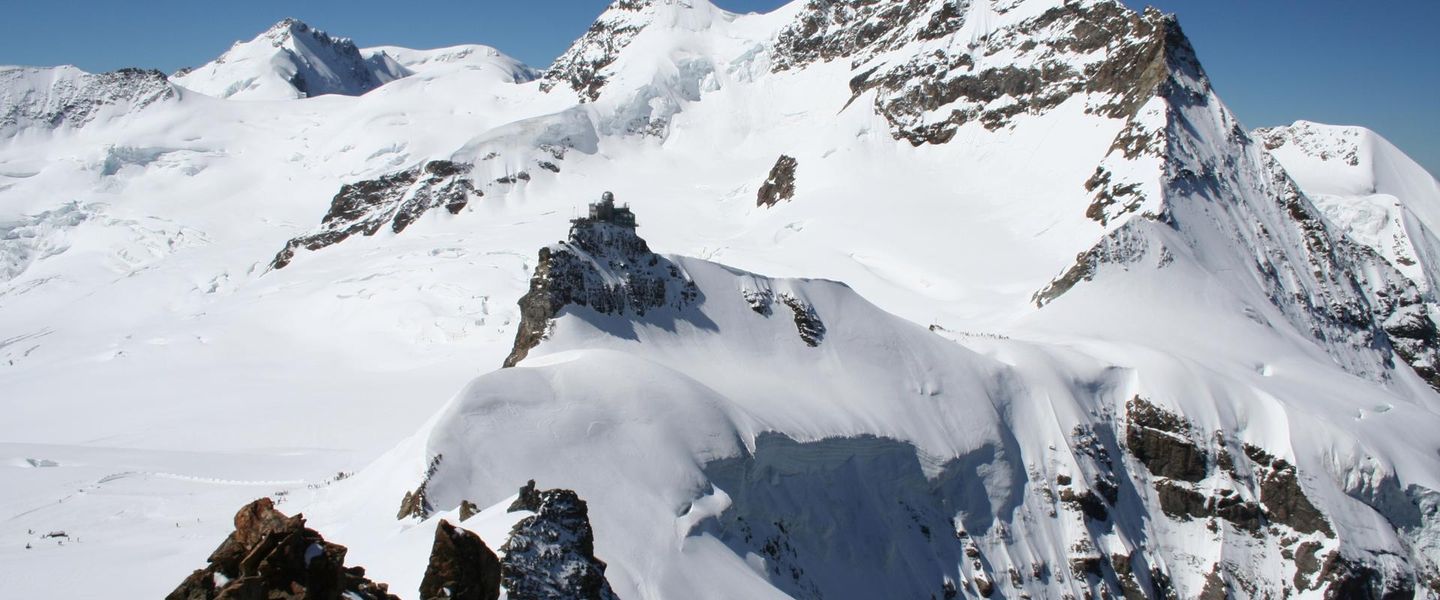


Explore Bernese Oberland for glacier-framed peaks, historic mountain railways, clear lakes, alpine villages and walks across Switzerland’s dramatic heartland.
Read more about Bernese Oberland
When is the best time to visit Bernese Oberland?
Best: June–August · 22–24°C| Month | High (°C) | Rainfall (mm) |
|---|---|---|
| January | 3 | 60 |
| February | 4 | 50 |
| March | 9 | 60 |
| April | 14 | 70 |
| May | 18 | 80 |
| June (best) | 22 | 90 |
| July (best) | 24 | 100 |
| August (best) | 24 | 100 |
| September | 19 | 90 |
| October | 14 | 80 |
| November | 8 | 70 |
| December | 5 | 60 |
Getting to and around Bernese Oberland
How to get there
Transportation
Top city travel guides in Bernese Oberland
The cities of Bernese Oberland, and the easiest places to base yourself.
-

-

-
-
-

-


Swipe for more cities
Destinations in Bernese Oberland
Resorts, valleys and scenic spots worth a trip of their own.
-

-

-

-

-
-


Swipe for more destinations
Best attractions in Bernese Oberland
The Bernese Oberland offers a broad range of mountain, cultural and outdoor attractions. Interlaken is the region’s principal base for excursions between Lake Thun and Lake Brienz, while boat journeys reveal lakeside settlements, wooded slopes and mountain backdrops from a lower perspective. The valleys provide distinct experiences: Lauterbrunnen is known for its cliffs and waterfalls, Grindelwald for close views of the high Alps, and Kandersteg for walking routes towards Oeschinen Lake. The Jungfrau Railway’s high-altitude journey to Jungfraujoch is one of Switzerland’s signature excursions, while the Schilthorn provides another dramatic summit viewpoint above Mürren. Ballenberg near Brienz presents historic rural buildings and craft traditions from across Switzerland in an open-air museum setting. Other attractions include Giessbach Falls, the Aare Gorge near Meiringen, the mountain landscapes around Adelboden and the gentler pasture country of the Saanenland. Hiking, cycling, skiing, snowshoeing, paragliding and lake activities are central to the region, but visitors can also choose museums, churches, village architecture and scenic railways when weather limits time outdoors.
-
Tourist attraction
Jungfraujoch
Discover Jungfraujoch, the Top of Europe, where breathtaking views, thrilling activities, and unforgettable alpine adventures await every traveler.
-
Tourist attraction
St. Beatus-Höhlen, Swiss Caves
Explore the St. Beatus-Höhlen, a stunning cave system in Switzerland with breathtaking formations, rich history, and scenic views of Lake Thun.
-
Hiking area
Naturpark Blausee
Explore the breathtaking beauty of Naturpark Blausee, a serene paradise in Switzerland with hiking trails, BBQ spots, and vibrant wildlife.
-
Tourist attraction
Jungfraujoch Sphinx Observatory
Discover breathtaking views and unique experiences at the Jungfraujoch Sphinx Observatory, the Top of Europe in the Swiss Alps.


Best landmarks in Bernese Oberland
The Bernese Oberland’s most recognisable landmarks are shaped by both geology and engineering. The Eiger, Mönch and Jungfrau form the region’s celebrated high-alpine skyline, while Jungfraujoch marks the terminus of the railway driven through the mountains at more than 3,400 metres. The sheer limestone walls and waterfalls of the Lauterbrunnen valley create one of the area’s defining landscapes, with Staubbach Falls as its most familiar visual feature. Oeschinen Lake above Kandersteg, framed by steep mountain walls, is another prominent natural landmark, as are the turquoise waters and wooded shores of Lake Brienz. The historic castles at Thun and Spiez represent the region’s medieval and political heritage, while Interlaken’s former monastery precinct recalls the area’s religious history. Further east, the Aare Gorge near Meiringen demonstrates the force of glacial and river erosion through narrow limestone passages. Mountain villages such as Mürren and Wengen are landmarks in their own right for their distinctive car-free settings and elevated views, although their character derives from the relationship between settlement, pasture and surrounding peaks.
-
Tourist attraction
St. Beatus-Höhlen, Swiss Caves
Discover the captivating St. Beatus-Höhlen Caves, where natural wonders and legends unite in the heart of Switzerland's breathtaking landscapes.
-
Tourist attraction
Trümmelbach Falls
Explore Trümmelbach Falls, an awe-inspiring series of glacial waterfalls in Lauterbrunnen Valley, a must-see natural wonder in Switzerland.
-
Historical landmark
Yash Chopra Statue
Discover the Yash Chopra Statue in Interlaken, a tribute to the legendary filmmaker surrounded by breathtaking Swiss landscapes.
-
Tourist attraction
Aareschlucht
Experience the breathtaking beauty of Aareschlucht, a stunning gorge in Switzerland, perfect for nature lovers and outdoor adventures.


Explore Bernese Oberland on the map
Plan your trip on one map. See where the top cities, national parks and sights are, and book hotels and experiences in a few clicks.
Best hotels in Bernese Oberland
Best restaurants in Bernese Oberland
Food in the Bernese Oberland is rooted in alpine farming and the hearty traditions of German-speaking Switzerland. Mountain cheeses, rösti, sausages, soups, breads and rösti-based dishes are common in village inns, chalet restaurants and high-altitude huts, while seasonal menus make use of local dairy produce, potatoes, meat and game. Bernese specialities such as Berner Platte belong to the wider canton rather than exclusively to the Oberland, but they are widely encountered in traditional restaurants. Around Lakes Thun and Brienz, freshwater fish may appear on menus, while bakeries and cafés provide pastries, cakes and coffee for travellers between excursions. Interlaken, Thun, Gstaad and the larger resorts have the broadest choice, including international and contemporary cuisine; smaller valleys focus more on family-run inns and regional cooking. Farmers’ shops and seasonal markets are useful places to find mountain cheese, dried meats, honey and other locally produced goods, though opening arrangements vary between villages.
-
Italian
Luna Piccante
Discover Luna Piccante: Authentic Italian Cuisine in Wilderswil – A Culinary Delight Not to Be Missed!
-
Swiss
Bebbis Restaurant
Experience authentic Swiss cuisine amidst breathtaking alpine scenery at Bebbis Restaurant in Grindelwald.
-
Restaurant
Restaurant Luegibrüggli
Experience exceptional Swiss cuisine with stunning views at Restaurant Luegibrüggli in Unterseen.
-
Swiss
Restaurant Bären
Experience authentic Swiss cuisine at Restaurant Bären in Unterseen, where tradition meets taste amidst stunning Alpine scenery.


Best bars in Bernese Oberland
Evening life in the Bernese Oberland is generally centred on restaurants, hotel bars, traditional pubs and music venues rather than a large club scene. Interlaken has the widest range of late-night options, with bars and venues aimed at an international visitor base, while Thun and Gstaad offer more town-centre and resort-style choices. In mountain resorts such as Grindelwald, Wengen, Mürren and Adelboden, après-ski venues become more active in winter, but nightlife remains seasonal and relatively compact. Rural communities tend towards village inns, local gatherings and occasional live music rather than late-opening entertainment. Craft beer, Swiss wine, spirits and non-alcoholic drinks are widely available, and some hotels provide quieter lounges with views of the surrounding peaks. Check current arrangements locally, as venues and schedules can change outside the main summer and winter seasons.
-
Bar
Hüsi Bierhaus
Experience the lively atmosphere of Hüsi Bierhaus in Interlaken, where delicious Swiss cuisine meets an extensive selection of local beers amidst stunning alpine views.
-
Bar
Avocado Bar Grindelwald
Discover the taste of health and flavor at Avocado Bar Grindelwald, the perfect spot to relax after Alpine adventures.
-
Bar
Jamming Corner
Discover the vibrant nightlife at Jamming Corner, where unique cocktails and a welcoming atmosphere create unforgettable experiences in Unterseen.
-
Bar
Barracuda Cafe & Bar
Discover the lively Barracuda Cafe & Bar in Matten bei Interlaken, where great drinks and a vibrant atmosphere await you.


Best nightclubs in Bernese Oberland
Evening life in the Bernese Oberland is generally centred on restaurants, hotel bars, traditional pubs and music venues rather than a large club scene. Interlaken has the widest range of late-night options, with bars and venues aimed at an international visitor base, while Thun and Gstaad offer more town-centre and resort-style choices. In mountain resorts such as Grindelwald, Wengen, Mürren and Adelboden, après-ski venues become more active in winter, but nightlife remains seasonal and relatively compact. Rural communities tend towards village inns, local gatherings and occasional live music rather than late-opening entertainment. Craft beer, Swiss wine, spirits and non-alcoholic drinks are widely available, and some hotels provide quieter lounges with views of the surrounding peaks. Check current arrangements locally, as venues and schedules can change outside the main summer and winter seasons.
-
Bar
Jamming Corner
Discover the lively Jamming Corner in Unterseen, where fantastic cocktails and a welcoming atmosphere await every visitor.
-
Bar
Rox Music Bar
Immerse yourself in the lively ambiance of Rox Music Bar, where great music, delicious food, and refreshing drinks create unforgettable moments in Spiez.
-
Bar
Sherlock Lounge - Club
Experience the vibrant fusion of dining and nightlife at Sherlock Lounge, Meiringen's premier club and restaurant.
-
Bar
Frankie's Bar
Discover the lively atmosphere of Frankie's Bar in Interlaken, where live music and great drinks create unforgettable memories.


Best shops in Bernese Oberland
Shopping in the Bernese Oberland varies from practical village high streets to specialist alpine products and resort boutiques. Thun and Interlaken have the broadest selection, including Swiss food shops, watches, outdoor equipment, clothing, souvenirs and independent retailers, while Gstaad is known for a more luxury-oriented resort atmosphere. Brienz has a long association with woodcarving, and carved objects, decorative pieces and demonstrations can be found in the town and surrounding area, although purchases should be checked for provenance and quality. Village shops and farm outlets sell mountain cheese, honey, dried meat, biscuits and other regional produce, making food a more useful souvenir than fragile mass-produced gifts. Markets and seasonal stalls appear in different municipalities at changing times, so local tourist offices are the best source for current details. In smaller valleys, opening hours can be limited outside the main holiday periods, whereas larger settlements provide more consistent retail access.
-
Shopping mall
Zentrum Oberland
Experience the vibrant atmosphere of Zentrum Oberland, a premier shopping mall in Thun, Switzerland, with diverse shops, dining, and entertainment.
-
Shopping mall
Oberland Shopping
Oberland Shopping: A vibrant shopping experience amidst the stunning Swiss Alps, where retail therapy meets scenic beauty.
-
Watch store
Watches of Switzerland
Discover luxury timepieces at Watches of Switzerland in Interlaken, where craftsmanship meets elegance in a timeless shopping experience.
-
Shopping mall
Splendid Interlaken
Explore Splendid Interlaken – a vibrant shopping mall in the heart of Switzerland, offering unique clothing, souvenirs, and sunglasses.


Get your free copy of our complete guide to Bernese Oberland, delivered straight to you.
Everything on this page, from attractions and restaurants to essentials and local phrases, in one PDF you can read offline, print or share.
Already have an account? Sign in
Your Bernese Oberland guide is ready.
We'll send it to · Not you? Sign out

Getting your guide ready…
We are putting together a fresh copy of the Bernese Oberland guide. This can take up to a minute.
This can take a few moments. If your browser asks, choose Allow so the download can start. You'll find the guide in your Downloads folder.
Nothing happened? Download it again
Sorry, the guide is taking longer than usual. Please try again in a minute, or get it by email instead.
Bernese Oberland essentials
Currency and Payment
Safety
Emergency Situations
Do's and Don'ts
Local Tips
From Eve
Local phrases worth knowing
You don't need to get them perfect. A few words go a long way, and locals appreciate the effort.
Basics
| English | Local | Say it |
|---|---|---|
| Hello | Grüezi | [Grew-tsee] |
| Goodbye | Adieu | [A-DYOO] |
| Yes | Ja | [Yah] |
| No | Nein | [Nine] |
| Please/You’re welcome | Bitte | [Bitta] |
| Thank you | Danke | [Dah-nka] |
| Excuse me/Sorry | Entschuldigung | [Ent-shool-dee-goong] |
| How are you? | Wie gaht's? | [Vee gahts?] |
| Fine. And you? | Gut. Und dir? | [Gooot. Oond deer?] |
| Do you speak English? | Spreche Sie Englisch? | [Shpreh-khe Zee English?] |
| I don't understand | Ich verstehe nicht | [Ikh fer-shteh nihkt] |
Eating & Drinking
| English | Local | Say it |
|---|---|---|
| I'd like to see the menu, please | Ich möcht dä Menü gseh, bitte | [Ikh murkht deh Meh-nyoo geh, bitta] |
| I don't eat meat | Ich iess kein Fleisch | [Ikh ees kyan Flysh] |
| Cheers! | Prost! | [Prohst!] |
| I would like to pay, please | Ich möcht zahle, bitte | [Ikh murkht tsah-leh, bitta] |
Emergencies
| English | Local | Say it |
|---|---|---|
| Help! | Hilfe! | [Hil-feh!] |
| Go away! | Geh weg! | [Geh weg!] |
| Call the Police! | Ruf d'Polizei! | [Roof dee Po-lee-tzai!] |
| Call a doctor! | Ruf en Dokter! | [Roof en Dok-ter!] |
| I'm lost | Ich bin verlore | [Ikh bin fer-loo-reh] |
| I'm ill | Ich bin krank | [Ikh bin krunk] |
Shopping
| English | Local | Say it |
|---|---|---|
| I'd like to buy... | Ich möcht kaufe... | [Ikh murkht cow-feh...] |
| I'm just looking | Ich lueg nur | [Ikh loo-g noor] |
| How much is it? | Wie viel kostet es? | [Vee feel kostet es?] |
| That's too expensive | Das isch z'uer teuer | [Dahs ish ts'oo-ehr toy-er] |
| Can you lower the price? | Chasch de Preis senke? | [Khash deh Preis sen-keh?] |
Time & Numbers
| English | Local | Say it |
|---|---|---|
| What time is it? | Wie spät isch's? | [Vee shpate ish's?] |
| It's one o'clock | Es isch ein Uhr | [Es ish ine Oor] |
| Half past (10) | Halb elf | [Halb elf] |
| Morning | Morge | [Mor-gah] |
| Afternoon | Nami | [Nah-mee] |
| Evening | Abend | [Ah-bent] |
| Yesterday | Gester | [Gehs-ter] |
| Today | Hüt | [Hoot] |
| Tomorrow | Morgä | [Mor-gah] |
| 1 | 1 | [Eins] |
| 2 | 2 | [Zwei] |
| 3 | 3 | [Drei] |
| 4 | 4 | [Vier] |
| 5 | 5 | [Fünf] |
| 6 | 6 | [Sechs] |
| 7 | 7 | [Sieben] |
| 8 | 8 | [Acht] |
| 9 | 9 | [Neun] |
| 10 | 10 | [Zehn] |
Transport & Directions
| English | Local | Say it |
|---|---|---|
| Where's a/the...? | Wo isch e/d'...? | [Vo ish e/deh...?] |
| What's the address? | Was isch d'Adresse? | [Vas ish deh Ah-dres-seh?] |
| Can you show me (on the map)? | Chasch mir zeige (uf der Karte)? | [Khash meer tsai-ge (oof der Kar-teh)?] |
| When's the next (bus)? | Wänn chunn der nächscht (Bus)? | [Venn khunn der naechst (Boos)?] |
| A ticket (to ....) | E Ticket (nach ...) | [Eh Tee-ket (nahkh ...)] |
History of Bernese Oberland
Early Alpine Settlement and Roman Influence
Communities have used the valleys and lower slopes of the Bernese Oberland since prehistoric times, with farming, transhumance and movement across Alpine passes shaping settlement patterns. Roman influence reached the wider region through roads, trade and administrative networks based around settlements in the Swiss Plateau and approaches to the mountains. The high valleys remained comparatively remote, but Roman-era finds and later routes show that the Alps were not an isolated barrier. Pastoral practices developed over centuries, producing the scattered barns, seasonal huts and meadow management that remain characteristic of many parts of the region.
Medieval Lords, Monasteries and Alpine Communities
During the Middle Ages, power in the Oberland was divided among local nobles, ecclesiastical institutions and emerging towns. Interlaken Monastery became an important landowner and religious centre, while castles and fortified settlements around lakes and valley entrances controlled routes and agricultural resources. Farming communities negotiated access to forests, pastures and mountain passes, establishing patterns of communal land use that influenced later rural society. Thun, Spiez and other lakeside centres served as links between the Bernese lowlands and the more secluded valleys beyond.
Bernese Expansion and the Reformation
Bern expanded its influence into the Oberland during the late medieval and early modern periods, bringing the region more firmly into the political orbit of the city-state. The Reformation of the sixteenth century transformed religious life, although its effects varied between communities and institutions. Monastic property was secularised in territories controlled by Protestant Bern, while churches and civic authorities assumed new responsibilities. Fortifications, parish churches, farmhouses and historic town centres still reflect the administrative and religious changes that connected the valleys with the wider canton.
Pastoral Economy and Alpine Trade
For centuries, the economy of the Bernese Oberland depended on cattle, dairy production, timber, small-scale agriculture and trade through mountain passes. Seasonal movement between valley farms and high pastures created the foundations of alpine cheese-making and shaped local architecture. Routes over passes such as the Brünig and Grimsel connected the region with central Switzerland, while lake transport supported movement around Thun and Brienz. The resulting culture was practical and community-based, with many modern rural traditions deriving from this long relationship between settlement, pasture and altitude.
The Rise of Alpine Tourism in the Nineteenth Century
European Romantic interest in mountains brought artists, scientists and wealthy travellers to the Bernese Oberland during the nineteenth century. Interlaken, Lauterbrunnen, Grindelwald and the lakes became established destinations, supported by hotels, guides and improving road connections. The first ascents of major peaks, including the Jungfrau in 1811, helped turn the high Alps into a focus of exploration and tourism. The growth of hospitality altered local economies while also creating the enduring international image of the region as a landscape of dramatic peaks, waterfalls and pastoral villages.
Railways, Engineering and Access to the High Alps
Railway construction reshaped travel through the Oberland from the late nineteenth century onwards. Lines reached Interlaken, Lauterbrunnen and Grindelwald, while mountain railways and funiculars connected resorts with high viewpoints. The Jungfrau Railway, built in stages between 1896 and 1912, bored through the Eiger and Mönch to reach Jungfraujoch, making one of Europe’s highest railway destinations accessible to visitors. These projects encouraged tourism and trade but required ambitious engineering in a difficult environment of steep rock, snow and glaciers.
Modern Alpine Tourism and Environmental Pressures
The twentieth and twenty-first centuries brought mass tourism, winter sports, improved roads, cableways and a sophisticated network of hotels and visitor services. Resorts such as Wengen, Mürren, Grindelwald, Adelboden, Gstaad and Kandersteg developed distinct identities while remaining tied to farming and mountain landscapes. At the same time, glacier retreat, changing snowfall patterns, pressure on transport infrastructure and the need to protect sensitive habitats have become central regional concerns. Contemporary travel increasingly combines established excursions with sustainable mobility, landscape conservation and respect for working alpine communities.
Bernese Oberland in Photos
Browse through our photo collection highlighting the charm and character of the destination.
Neighbouring regions of Bernese Oberland
The closest regions to Bernese Oberland, if you have time for more than one.
-

-

-

-

-


Swipe for more regions
Explore more

Explore more of Switzerland
Discover Switzerland's majestic landscapes, vibrant cities, and rich culture. From alpine adventures to urban exploration, experience the best of Europe in one destination.
Explore Switzerland