

Free Western Switzerland Travel Guide & Mobile App
Explore Western Switzerland with free travel guides. Discover regional history, expert tips, proposed trips, and audio guides on web or mobile app.


Explore Western Switzerland for Geneva and Lausanne, Lake Geneva vineyards, Jura trails, Alpine villages, historic towns and distinguished regional cuisine.
Read more about Western Switzerland
When is the best time to visit Western Switzerland?
Best: June, August–September · 22–27°C| Month | High (°C) | Rainfall (mm) |
|---|---|---|
| January | 5 | 60 |
| February | 6 | 50 |
| March | 12 | 55 |
| April | 16 | 65 |
| May | 21 | 80 |
| June (best) | 25 | 90 |
| July | 28 | 80 |
| August (best) | 27 | 70 |
| September (best) | 22 | 60 |
| October | 16 | 65 |
| November | 9 | 70 |
| December | 5 | 75 |
Getting to and around Western Switzerland
How to get there
Transportation
Top city travel guides in Western Switzerland
The cities of Western Switzerland, and the easiest places to base yourself.
-

-

-

-
-
-


Swipe for more cities
Destinations in Western Switzerland
Resorts, valleys and scenic spots worth a trip of their own.
-

-

-

-

-

-


Swipe for more destinations
Best attractions in Western Switzerland
Western Switzerland offers an unusually broad range of attractions across a relatively compact part of the country. Geneva combines its old town and lakefront with international institutions, museums and the natural drama of the Rhône leaving Lake Geneva. Lausanne brings a cathedral, cultural venues and steep urban viewpoints, while the lake shore continues through the vineyards and resort architecture of Lavaux, Vevey and Montreux. Historic sites include Château de Chillon, medieval Fribourg and the fortified hill town of Gruyères, where local dairy culture and mountain landscapes meet. The Jura provides wooded ridges, watchmaking heritage and long-distance walking, with Neuchâtel adding lakeside museums and a historic centre. In Valais, the attraction landscape changes to vineyards, orchards, glaciers, high passes and mountain resorts, including Zermatt beneath the Matterhorn. Visitors can combine boat trips, vineyard walks, cycling, museums, cheese-making traditions, skiing and high-altitude hiking, but distances and elevation changes make a focused itinerary more rewarding than a rushed tour of every canton.
-
Bridge
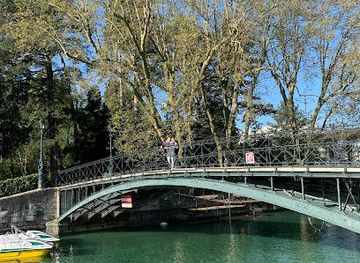
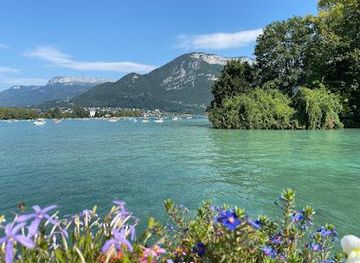
Pont des Amours
Discover the romantic allure of Pont des Amours, a scenic bridge in Annecy, offering breathtaking views and a perfect atmosphere for couples and nature lovers.
-
Tourist attraction
St. Beatus-Höhlen, Swiss Caves
Discover the breathtaking St. Beatus-Höhlen Caves in Switzerland, a natural wonder filled with stunning rock formations and rich history, perfect for adventurers and nature lovers alike.
-
Jardins de l'Europe
Discover the tranquil beauty of Jardins de l'Europe in Annecy, a scenic park perfect for relaxation and enjoying stunning lake and mountain views.
-
Castle
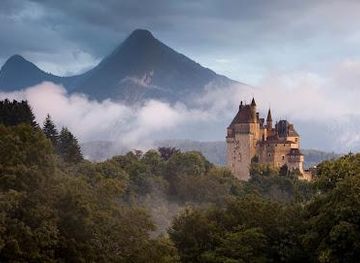
Château de Menthon-Saint-Bernard
Explore the enchanting Château de Menthon-Saint-Bernard, a stunning medieval castle offering breathtaking views of Lake Annecy and rich historical experiences.

Best landmarks in Western Switzerland
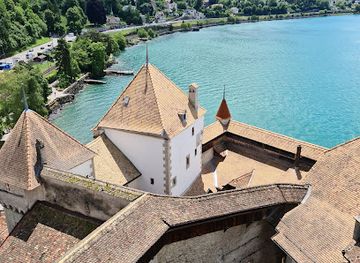
The most recognisable landmarks of Western Switzerland range from medieval fortifications to Alpine peaks. Château de Chillon stands on a rocky island-like shore at Veytaux, its towers and walls closely associated with Lake Geneva and the Savoyard control of the lake route. Lausanne Cathedral dominates the historic city above the lake, while Geneva's St Pierre Cathedral and the Reformation Wall express the city's religious and civic history. The medieval old town of Fribourg occupies a dramatic position above the Sarine gorge, with bridges, churches and defensive remains creating one of the region's most distinctive urban silhouettes. Gruyères Castle crowns its walled hill town, and the watchmaking towns of the Jura preserve a different industrial and architectural heritage. The Lavaux terraces form a cultural landscape rather than a single monument, their stone walls and vineyards descending towards Lake Geneva. In the high Alps, the Matterhorn near Zermatt is the region's defining natural landmark, while the Rhône valley's terraced slopes and glaciers reveal the powerful geological forces shaping Valais.
-
Tourist attraction
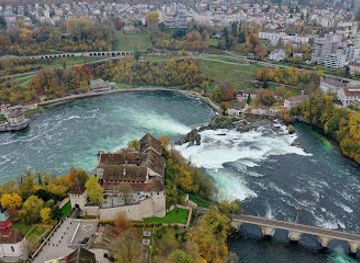
Rhine Falls
Explore Rhine Falls, Europe's largest waterfall, near Neuhausen am Rheinfall, where nature's beauty and adventure await every visitor.
-
Bridge
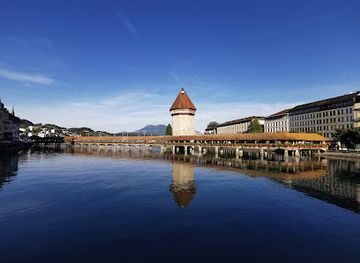
Chapel Bridge
Discover the enchanting Chapel Bridge in Lucerne, a historical wooden bridge adorned with stunning art and picturesque views of Switzerland's beauty.
-
Castle
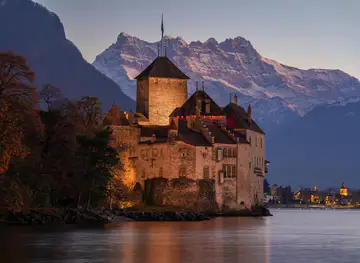
Chillon Castle
Discover the enchanting Chillon Castle, a historical gem on Lake Geneva's shores, where stunning architecture and rich culture await every visitor.
-
Monument
Lion Monument
Discover the Lion Monument in Lucerne: A captivating sculpture honoring the bravery of the Swiss Guards, steeped in history and artistry.

Explore Western Switzerland on the map
Plan your trip on one map. See where the top cities, national parks and sights are, and book hotels and experiences in a few clicks.
Best hotels in Western Switzerland
Best restaurants in Western Switzerland
Dining in Western Switzerland reflects the region's linguistic and geographical variety. Lake Geneva towns offer lakeside restaurants, cafés and contemporary kitchens, with fish from the lake available in season alongside broader Swiss and French-influenced cooking. Vaud is associated with wines from its vineyards and dishes such as papet vaudois, made with leeks and potatoes and traditionally served with sausage. Fondue and raclette are strongly linked with French-speaking Swiss mountain culture, while Gruyères and surrounding uplands are known for established cheese-making traditions. Valais adds dried meats, rye bread, apricots, pears and wines from its sunny valley slopes; the Jura has its own cheese, dairy and watchmaking-country food traditions. Geneva and Lausanne provide the widest choice of international dining, whereas rural inns, farm restaurants, bakeries and village cafés offer a more local pace. Farmers' markets and food shops are useful places to find regional cheeses, charcuterie, wines and seasonal produce.
-
Swiss
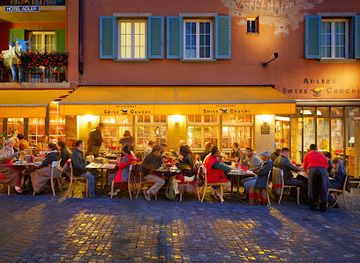
Swiss Chuchi Restaurant
Experience authentic Swiss cuisine at Swiss Chuchi Restaurant in Zürich, specializing in fondue and traditional dishes perfect for families.
-
Italian
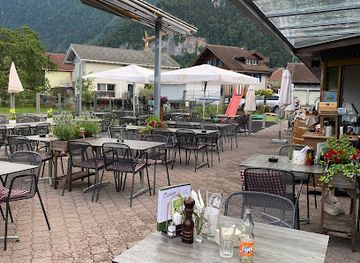
Luna Piccante
Experience authentic Italian flavors amidst stunning alpine scenery at Luna Piccante in Wilderswil.
-
Swiss
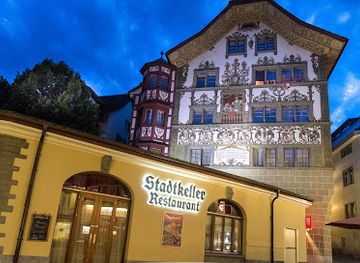
Stadtkeller
Discover the essence of Swiss cuisine at Stadtkeller in Lucerne - a blend of tradition, flavor, and vibrant atmosphere awaits!
-
Barbecue
OX Restaurant & Grill
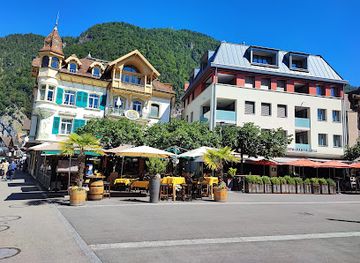
Experience exquisite barbecue and authentic Swiss cuisine at OX Restaurant & Grill in picturesque Interlaken.
Best bars in Western Switzerland
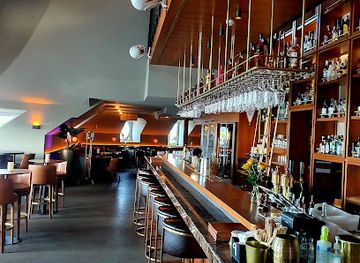
Evening life is concentrated in Geneva and Lausanne, where bars, wine lounges, live music venues, theatres and restaurants remain active well beyond the daytime sightseeing hours. Montreux and Vevey have a more resort-oriented selection of cocktail bars, hotel lounges and music venues, with activity varying by season. Neuchâtel and Fribourg offer compact historic-centre scenes shaped by students, local residents and cultural events, including traditional cafés and beer or wine bars. In Valais and the Jura, evening entertainment is usually centred on restaurants, village inns, hotel bars, breweries and après-ski venues rather than a large club circuit. Geneva has the most internationally influenced nightlife, while Lausanne's university population contributes to a younger atmosphere. Opening arrangements and seasonal programming change, so visitors should check current information locally rather than assume that mountain resorts or lakeside towns operate late throughout the year.
-
Pub
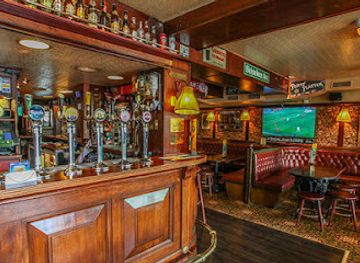
Mr. Pickwick Pub Luzern
Discover Mr. Pickwick Pub in Lucerne - a lively British-Irish pub with delicious food, a vast drink selection, and a vibrant atmosphere for all visitors.
-
Bar
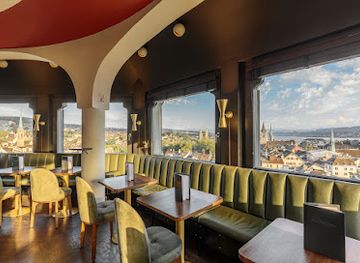
Jules Verne Panoramabar
Discover the Jules Verne Panoramabar, a luxurious cocktail bar and restaurant in Zürich, offering stunning views and exquisite dining experiences.
-
Bar
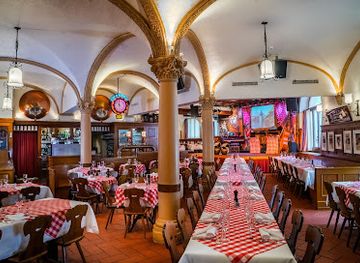
Stadtkeller
Experience the heart of Swiss culture at Stadtkeller, where delicious cuisine meets lively folk music in Lucerne.
-
Bar
Suite Rooftop Lounge & Bar
Discover stunning views, exquisite tapas, and crafted cocktails at Suite Rooftop Lounge & Bar in Lucerne's vibrant nightlife.
Best nightclubs in Western Switzerland
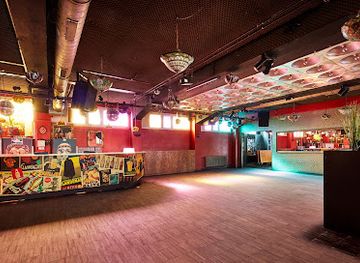
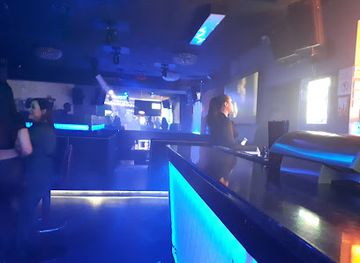
Evening life is concentrated in Geneva and Lausanne, where bars, wine lounges, live music venues, theatres and restaurants remain active well beyond the daytime sightseeing hours. Montreux and Vevey have a more resort-oriented selection of cocktail bars, hotel lounges and music venues, with activity varying by season. Neuchâtel and Fribourg offer compact historic-centre scenes shaped by students, local residents and cultural events, including traditional cafés and beer or wine bars. In Valais and the Jura, evening entertainment is usually centred on restaurants, village inns, hotel bars, breweries and après-ski venues rather than a large club circuit. Geneva has the most internationally influenced nightlife, while Lausanne's university population contributes to a younger atmosphere. Opening arrangements and seasonal programming change, so visitors should check current information locally rather than assume that mountain resorts or lakeside towns operate late throughout the year.
-
Nightclub
Hive
Experience Zurich's vibrant nightlife at Hive, a premier nightclub known for its eclectic music, immersive ambiance, and unforgettable dance parties.
-
Disco club
VEGAS Dance Club
Discover the pulsating nightlife at VEGAS Dance Club in Kriens, where vibrant music and energetic crowds create an unforgettable experience.
-
Disco club
Five Night Club
Discover the electrifying nightlife at Five Night Club in Geneva, where music, dance, and unforgettable memories come to life.
-
Nightclub
Jade Club
Experience the vibrant nightlife at Jade Club, Zürich's premier destination for music, cocktails, and a stylish atmosphere.


Best shops in Western Switzerland
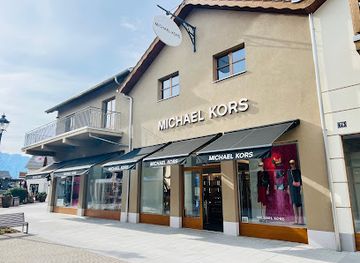
Shopping in Western Switzerland ranges from international retail in Geneva and Lausanne to market produce and specialist crafts in smaller towns. Geneva and Lausanne have the broadest choice of department stores, independent boutiques, bookshops, galleries and Swiss watch retailers, while Montreux, Vevey and Neuchâtel combine practical high-street shopping with lakeside and old-town businesses. Farmers' markets are useful for local cheeses, wines, fruit, bread, chocolate and seasonal produce, particularly in vineyard and Alpine districts. Valais is a good place to look for regional wines, dried fruit, apricot products, rye bread and mountain cheeses; Gruyères and neighbouring uplands are associated with cheese and dairy goods. Jura towns reflect the area's precision tradition through watchmaking and related craftsmanship, though specialised purchases should be made from established retailers. Swiss Army knives, chocolate and watches are widely available national souvenirs rather than products exclusive to Western Switzerland, while ceramics, textiles, food products and locally made objects offer more regionally grounded alternatives.
-
Outlet mall
Landquart Fashion Outlet
Explore Landquart Fashion Outlet: Your ultimate shopping destination in the heart of the Swiss Alps, featuring top brands at unbeatable prices.
-
Shopping mall
Einkaufszentrum Letzipark
Explore Letzipark, Zürich's vibrant shopping mall, offering a diverse range of stores and dining options for an unforgettable retail experience.
-
Shopping mall
Mall of Switzerland
Explore the Mall of Switzerland: A shopper's paradise with diverse stores, dining, and entertainment options in a vibrant atmosphere.
-
Outlet store
Fashion Fish Premium Factory Outlet
Discover unbeatable deals at Fashion Fish Premium Factory Outlet, your go-to destination for high-quality fashion in Schönenwerd.

Get your free copy of our complete guide to Western Switzerland, delivered straight to you.
Everything on this page, from attractions and restaurants to essentials and local phrases, in one PDF you can read offline, print or share.
Already have an account? Sign in
Your Western Switzerland guide is ready.
We'll send it to · Not you? Sign out

Getting your guide ready…
We are putting together a fresh copy of the Western Switzerland guide. This can take up to a minute.
This can take a few moments. If your browser asks, choose Allow so the download can start. You'll find the guide in your Downloads folder.
Nothing happened? Download it again
Sorry, the guide is taking longer than usual. Please try again in a minute, or get it by email instead.
Western Switzerland essentials
Currency and Payment
Safety
Emergency Situations
Do's and Don'ts
Local Tips
From Eve
Local phrases worth knowing
You don't need to get them perfect. A few words go a long way, and locals appreciate the effort.
Basics
| English | Local | Say it |
|---|---|---|
| Hello | Salut | [sah-loo] |
| Goodbye | Au revoir | [oh ruh-vwahr] |
| Yes | Oui | [wee] |
| No | Non | [noh] |
| Please/You're welcome | S'il vous plaît/De rien | [seel voo pleh/deh ree-ehn] |
| Thank you | Merci | [mehr-see] |
| Excuse me/Sorry | Excusez-moi/Désolé | [ehk-skew-zay mwah/deh-zoh-lay] |
| How are you? | Comment ça va? | [koh-mohn sah vah] |
| Fine. And you? | Ça va bien. Et vous? | [sah vah byan. eh voo] |
| Do you speak English? | Parlez-vous anglais? | [par-lay voo ahn-glay] |
| I don't understand | Je ne comprends pas | [zhuh nuh kohm-prahn pah] |
Eating & Drinking
| English | Local | Say it |
|---|---|---|
| I'd like to see the menu, please | Je voudrais voir le menu, s'il vous plaît | [zhuh voo-dray vwar luh meh-nu, seel voo pleh] |
| I don't eat meat | Je ne mange pas de viande | [zhuh nuh mahnj pah duh vyahnd] |
| Cheers! | Santé! | [sahn-tay] |
| I would like to pay, please | Je voudrais payer, s'il vous plaît | [zhuh voo-dray pay-ay, seel voo pleh] |
Emergencies
| English | Local | Say it |
|---|---|---|
| Help! | Au secours! | [oh se-kour] |
| Go away! | Allez-vous-en! | [ah-lay voo zahn] |
| Call the Police! | Appelez la police! | [ah-peh-lay lah poh-lees] |
| Call a doctor! | Appelez un médecin! | [ah-peh-lay uhn meh-deh-sahn] |
| I'm lost | Je suis perdu | [zhuh swee pehr-due] |
| I'm ill | Je suis malade | [zhuh swee mah-lahd] |
Shopping
| English | Local | Say it |
|---|---|---|
| I'd like to buy... | Je voudrais acheter... | [zhuh voo-dray ah-she-tay] |
| I'm just looking | Je regarde juste | [zhuh ruh-gard zhoost] |
| How much is it? | C'est combien? | [say kohm-byen] |
| That's too expensive | C'est trop cher | [say troh shair] |
| Can you lower the price? | Pouvez-vous baisser le prix? | [poo-vay voo beh-say luh pree] |
Time & Numbers
| English | Local | Say it |
|---|---|---|
| What time is it? | Quelle heure est-il? | [kel uhr eh-teel] |
| It's one o'clock | Il est une heure | [eel eht uhn uhr] |
| Half past (10) | Dix heures et demie | [dees uhr eh deh-mee] |
| Morning | Matin | [mah-tahn] |
| Afternoon | Après-midi | [ah-preh mee-dee] |
| Evening | Soir | [swahr] |
| Yesterday | Hier | [ee-air] |
| Today | Aujourd'hui | [oh-zhoor-dwee] |
| Tomorrow | Demain | [duh-mahn] |
| 1 | Un | [uhn] |
| 2 | Deux | [duh] |
| 3 | Trois | [trwah] |
| 4 | Quatre | [katr] |
| 5 | Cinq | [sank] |
| 6 | Six | [sees] |
| 7 | Sept | [seht] |
| 8 | Huit | [weet] |
| 9 | Neuf | [nuhf] |
| 10 | Dix | [dees] |
Transport & Directions
| English | Local | Say it |
|---|---|---|
| Where's a/the...? | Où est un/le...? | [oo eh uhn/luh] |
| What's the address? | Quelle est l'adresse? | [kel eh luh-dress] |
| Can you show me (on the map)? | Pouvez-vous me montrer (sur la carte)? | [poo-vay voo muh mohn-tray (sur lah kart)] |
| When's the next (bus)? | Quand est le prochain (bus)? | [kahn eh luh proh-shen (boos)] |
| A ticket (to ....) | Un billet (pour ....) | [uhn bee-yay (poor ....)] |
History of Western Switzerland
Prehistoric lake settlements and Celtic heritage
The shores of Lake Geneva, Lake Neuchâtel and other western Swiss lakes preserve evidence of prehistoric communities, including pile dwellings built in and beside shallow water. These settlements formed part of wider Bronze Age networks linking the Alpine region, the Rhône corridor and the Swiss plateau. Later, Celtic groups occupied hilltop and trading sites across what is now Western Switzerland. Their legacy is visible mainly through archaeology rather than surviving buildings, but it demonstrates that the region's lakes, passes and river routes had long connected communities across the Alps and western Europe.
Roman colonies and roads
Rome incorporated Western Switzerland into its imperial system and developed settlements, roads and trading routes across the region. Geneva, then known as Genava, occupied an important position at the Rhône's outlet from Lake Geneva, while Aventicum, outside the modern western travel region but influential across the Swiss plateau, was the principal Roman centre nearby. Roman roads also linked lake ports with Alpine passes and the Rhône valley. Archaeological remains, museums and the street patterns of some historic settlements continue to show how Roman administration, commerce and infrastructure reshaped local life.
Medieval bishops, counts and fortified towns
During the Middle Ages, power was divided among bishops, noble families, abbeys and emerging town authorities. Geneva's bishop and counts competed for authority, while Savoy controlled important territories around Lake Geneva and built or strengthened fortifications, including Château de Chillon. Lausanne developed around its cathedral and episcopal institutions, and towns such as Fribourg grew as political and commercial centres. Medieval walls, churches, bridges and compact old towns remain among the most visible historical features of Western Switzerland, reflecting both regional trade and the strategic importance of routes towards the Alps.
The Reformation and confessional change
The sixteenth-century Reformation transformed western Swiss religious and political life. Geneva became a major centre of Reformed Protestantism under the influence of John Calvin, whose movement gave the city an international intellectual reputation. Bern's influence helped spread Protestant reforms across parts of Vaud, while Fribourg and Valais remained predominantly Catholic. The resulting confessional geography still shapes architecture, festivals, cultural institutions and historic memory. Geneva's Reformation Wall and the cathedrals and churches of the region offer tangible reminders of a period when religion was closely bound to civic government.
Agriculture, watchmaking and Alpine commerce
From the seventeenth century onwards, Western Switzerland developed specialised rural economies alongside growing town markets. Watchmaking took root in the Jura, where scattered workshops eventually supported a globally recognised precision industry. In the Vaud and Valais, vineyards, orchards and livestock farming adapted to steep slopes and dry inner valleys, with terraces, irrigation channels and seasonal Alpine pastures becoming characteristic features. Cheese production around Gruyères and in neighbouring upland districts also became economically and culturally important. Roads, improved passes and later railways connected these communities to Swiss and European markets.
Railways, tourism and modern Switzerland
Nineteenth-century railway construction and the expansion of steam navigation on Lake Geneva changed Western Switzerland's economy and accessibility. Resorts such as Montreux and the Valais mountain villages developed as destinations for health, scenery and winter sports, while Lausanne and Geneva became increasingly important educational, commercial and international centres. The twentieth century brought further urban growth, international organisations in Geneva, industrial change in the Jura and mass tourism in the Alps. Modern Western Switzerland therefore combines a highly connected metropolitan corridor with working vineyards, historic towns and mountain communities shaped by older seasonal economies.
Western Switzerland in Photos
Browse through our photo collection highlighting the charm and character of the destination.
Neighbouring regions of Western Switzerland
The closest regions to Western Switzerland, if you have time for more than one.
-

-

-

-

-


Swipe for more regions
Explore more

Explore more of Switzerland
Discover Switzerland's majestic landscapes, vibrant cities, and rich culture. From alpine adventures to urban exploration, experience the best of Europe in one destination.
Explore Switzerland