
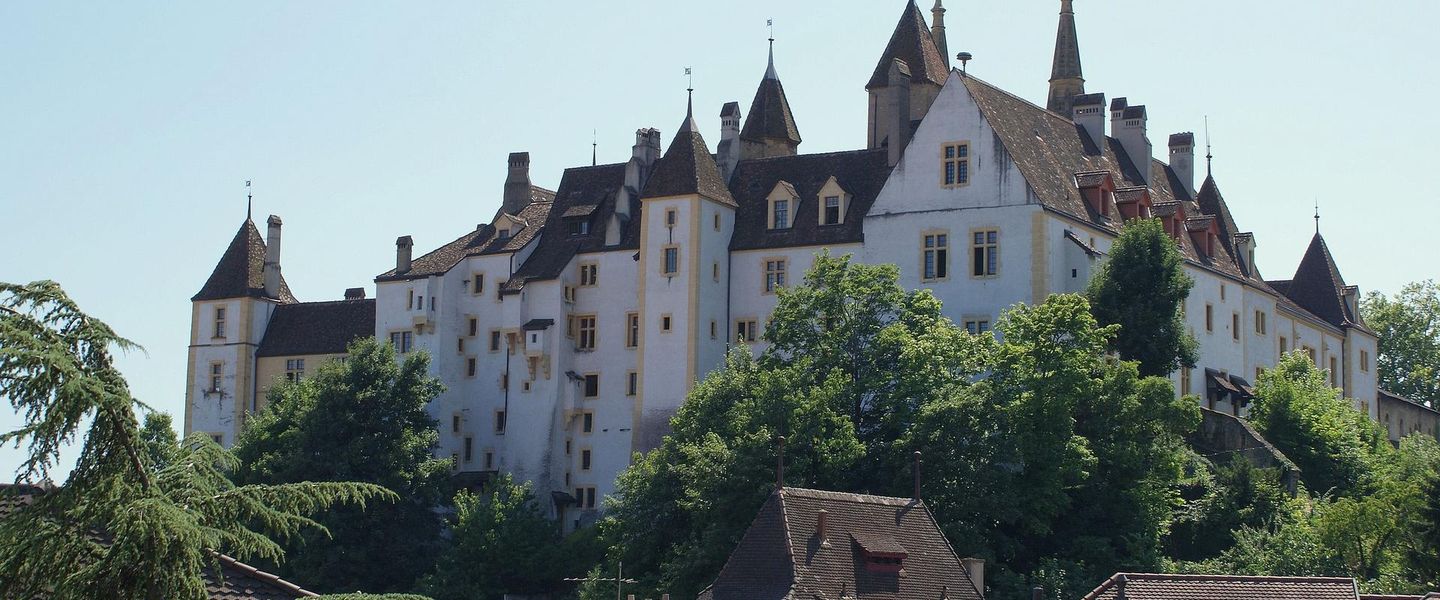
Neuchâtel, Switzerland Travel Guide
Discover Neuchâtel, a Swiss city rich in medieval charm, stunning natural beauty, and vibrant culture, all set against the serene backdrop of Lake Neuchâtel.
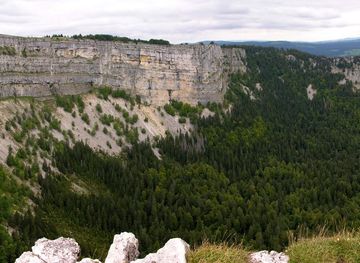
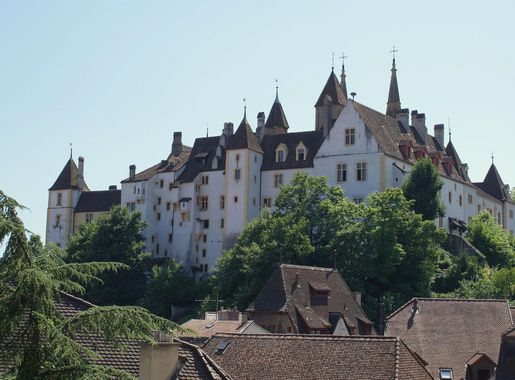
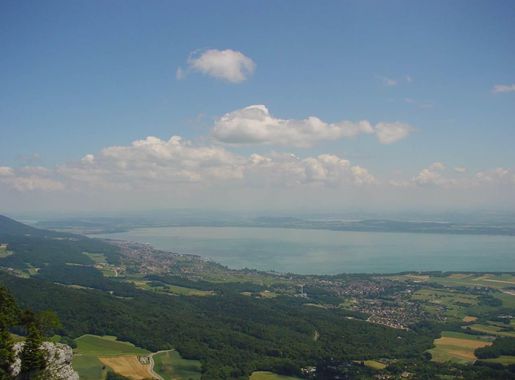
Nestled on the shores of Lake Neuchâtel, the charming city of Neuchâtel offers a mix of history, natural beauty, and vibrant culture. Known for its well-preserved medieval architecture, the city is a treasure trove of historical landmarks. The Old Town is a maze of narrow streets and picturesque squares, with the impressive Neuchâtel Castle and the Collegiate Church standing as testaments to its rich past. Neuchâtel is also a paradise for nature lovers. The lake itself is perfect for a variety of water sports, while the surrounding Jura Mountains offer hiking trails with breathtaking views. The city's botanical garden and lakeside parks provide peaceful retreats for relaxation and picnics. Culinary enthusiasts will find Neuchâtel a delight with its local specialties like Neuchâtel cheese and absinthe, which originated in the nearby Val-de-Travers. The city also hosts numerous festivals throughout the year, celebrating everything from wine to film, ensuring a lively atmosphere no matter when you visit.

Know before you go
Hi, I'm Eve. Here are a few practical things to know before exploring Neuchâtel.
- Explore the Old Town on foot to fully appreciate its historic charm and hidden gems.
- Visit the Neuchâtel Castle and Collegiate Church early in the morning to avoid crowds.
- Take a boat tour on Lake Neuchâtel for unique views of the city and surrounding landscapes.
- Sample local foods like Neuchâtel cheese and absinthe at local markets and restaurants.
- Check the festival calendar before your visit to experience Neuchâtel's lively cultural events.
Explore Neuchâtel: Things to Do, Places to Eat, Hotels & More
Handpicked recommendations for top attractions, local dining, accommodations, and more

Top Attractions & Sightseeing in Neuchâtel
Top-rated picks
Best Attractions

Zoo du Bois du Petit-Château
Explore the captivating Zoo du Bois du Petit-Château in La Chaux-de-Fonds, where wildlife conservation meets family-friendly fun.

Saut du Doubs
Explore the stunning Saut du Doubs, a breathtaking waterfall in Switzerland offering adventure and tranquility amidst nature's beauty.

Gorges de l'Areuse
Explore the breathtaking beauty of Gorges de l'Areuse, Switzerland's stunning natural preserve with scenic trails and picturesque landscapes.

Laténium Park and Museum of Archeology
Explore the rich history of Switzerland at Laténium Park and Museum of Archeology, where ancient artifacts and picturesque landscapes come together.

Best landmarks in Neuchâtel
Top-rated picks
Best Landmarks
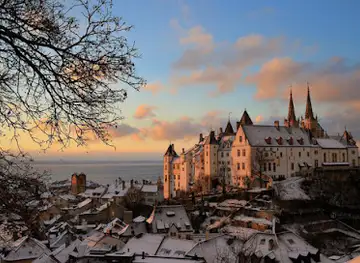
Neuchâtel Castle
Discover the enchanting Neuchâtel Castle, a historical gem overlooking the lake, perfect for history lovers and scenic views.

Hôtel Palafitte
Discover the elegance of Hôtel Palafitte, where luxury meets nature in the heart of Neuchâtel, Switzerland. Enjoy breathtaking views and exquisite dining.

Gorges de l'Areuse
Experience the stunning beauty of Gorges de l'Areuse, a nature preserve in Switzerland perfect for hiking, picnicking, and enjoying the great outdoors.

Laténium Park and Museum of Archeology
Explore the rich history and stunning landscapes at Laténium Park and Museum of Archeology in Hauterive, Switzerland's premier archaeological destination.

Best restaurants in Neuchâtel
Top-rated picks
Best Restaurants

Les Brasseurs
Experience authentic Swiss flavors at Les Brasseurs in Neuchâtel - where handcrafted beer meets exquisite French cuisine.
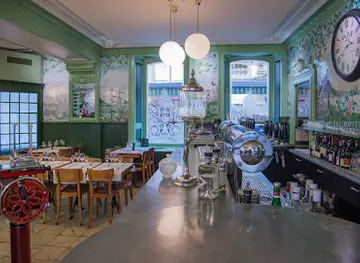
Brasserie Le Cardinal Neuchâtel
Discover authentic Swiss cuisine at Brasserie Le Cardinal in Neuchâtel - a culinary delight blending tradition with modern flair.

Restaurant Le Silex
Experience exquisite French-Swiss cuisine at Restaurant Le Silex in Hauterive – where culinary excellence meets stunning views.

Brasserie Le Jura
Experience authentic Swiss cuisine at Brasserie Le Jura in Neuchâtel – where tradition meets taste in every dish.

Best bars in Neuchâtel
Top-rated picks
Best Bars

Les Brasseurs
Explore the vibrant brewpub culture of Neuchâtel at Les Brasseurs, where craft beer meets exquisite French cuisine for an unforgettable experience.

Café du Cerf
Discover Café du Cerf in Neuchâtel, an Irish pub offering gastropub delights, live music, and a vibrant atmosphere for every visitor.

Bar le Charlot
Experience the vibrant nightlife of Neuchâtel at Bar le Charlot, where local culture meets a diverse drink selection in a cozy setting.

Le Prestige
Discover Le Prestige, Neuchâtel’s vibrant bar and club, where cocktails, music, and a lively atmosphere await every night.

Best nightclubs in Neuchâtel
Top-rated picks
Best Nightclubs

La Marina
Discover La Marina, Neuchâtel's luxurious bar offering exquisite drinks and stunning lake views for an unforgettable night out.

Downtownk
Discover the vibrant nightlife of Neuchâtel at Downtownk, where music, dancing, and unforgettable memories await you.
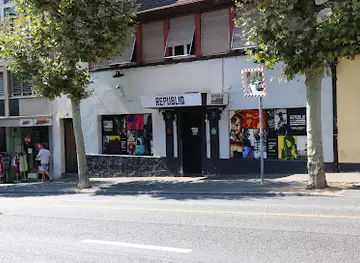
Republiq Bar Club
Discover the vibrant Republiq Bar Club in Neuchâtel, where cocktails, music, and nightlife come together for an unforgettable experience.

Rodolph Music bar
Experience the vibrant nightlife of Neuchâtel at Rodolph Music Bar, where live music and a lively atmosphere create unforgettable memories.

Best shops in Neuchâtel
Top-rated picks
Best Shops

Marin Centre
Explore Marin Centre in La Tène, Switzerland - your ultimate shopping destination for Swiss goods, dining, and entertainment.

Maladière Shopping Mall
Discover the Maladière Shopping Mall in Neuchâtel: a vibrant shopping and dining destination for tourists and locals alike.

ZARA
Explore the latest fashion trends at ZARA in Neuchâtel, where style meets affordability in a vibrant shopping environment.

CofteArt boutique et Coffee Shop since 2015
Discover CofteArt, Neuchâtel's cozy boutique and coffee shop, offering artisanal coffee, delightful chocolates, and unique handcrafted treasures.

Explore Neuchâtel on the Map
A handpicked selection of must-see spots in Neuchâtel, mapped for you.
Neuchâtel Essentials
-
Neuchâtel is easily accessible from major Swiss cities. The nearest international airport is Zürich Airport (ZRH), approximately 1.5 hours away by train. Alternatively, you can fly into Geneva Airport (GVA), which is about 1.5 hours away by train as well. Direct trains run frequently from both Zürich and Geneva to Neuchâtel. If you’re driving, Neuchâtel is well-connected by Swiss motorways, with the A5 motorway running directly through the city.
-
Neuchâtel has an efficient public transportation system, including buses and trams operated by TransN. Tickets can be purchased at vending machines or via mobile apps. The city is also very walkable, and many of the attractions are within walking distance from each other. For exploring nearby regions, renting a car or using the extensive train network operated by SBB (Swiss Federal Railways) are convenient options. Bicycles are also a popular way to get around, and bike rentals are available at various locations.
-
The official currency in Switzerland is the Swiss Franc (CHF). Credit and debit cards are widely accepted in most hotels, restaurants, and shops. ATMs are readily available throughout the city, and many establishments also accept Euros, although the exchange rate may not be favorable. It’s a good idea to carry some cash for small purchases and in case you visit more remote areas where card payments might not be accepted.
-
Neuchâtel is generally a very safe city with low crime rates. However, it is always wise to take standard precautions. Keep an eye on your personal belongings, especially in crowded areas like markets and public transportation hubs. Avoid poorly lit areas at night, and be cautious of pickpockets in tourist-heavy locations. There are no specific high-crime areas targeting tourists, but staying vigilant is always a good practice.
-
In case of emergency, dial 117 for police, 118 for fire services, and 144 for medical emergencies. The Neuchâtel Hospital (Hôpital de Pourtalès) is well-equipped to handle medical emergencies. Pharmacies are available throughout the city for minor health issues. It’s advisable to have travel insurance that covers medical emergencies. The local tourist information center can also provide assistance if needed.
-
Fashion: Do dress smartly and comfortably. Swiss people appreciate neat and tidy appearances. Avoid overly casual clothing when dining out or visiting cultural sites. Religion: Do respect local customs and traditions. When visiting churches, dress modestly and refrain from loud conversations. Public Transport: Do validate your ticket before boarding. Don’t eat or drink on public transport. Greetings: Do greet people with a friendly 'Bonjour' or 'Bonsoir'. A handshake is common when meeting someone for the first time. Eating & Drinking: Do try local specialties such as fondue and raclette. Don’t tip excessively; service charges are usually included in the bill.
-
To experience Neuchâtel like a local, visit the Saturday market at Place des Halles for fresh produce and local products. Take a stroll along the lakeside promenade, which offers beautiful views of Lake Neuchâtel. Engage with locals in cafés and restaurants to learn more about the city's culture and history. Don’t miss the opportunity to explore the Jura Mountains for hiking and outdoor activities. For a unique experience, visit the Neuchâtel Observatory and the Laténium, an archaeological museum and park.
When is the best time to visit Neuchâtel?
Useful Local Phrases for Neuchâtel
You don't need to speak the language perfectly. Even learning a few simple words can make conversations warmer—and locals usually appreciate the effort.
— Eve

Here are the phrases I use most often in Neuchâtel. Try a few—you'll be surprised how far they go! 😊
❤️
-
- HelloSalut
[sah-loo] - GoodbyeAu revoir
[oh ruh-vwahr] - YesOui
[wee] - NoNon
[noh] - Please/You’re welcomeS'il vous plaît / Je vous en prie
[seel voo pleh / zhuh voo zahn pree] - Thank youMerci
[mehr-see] - Excuse me/SorryExcusez-moi / Désolé
[ehk-skew-zay mwah / day-zoh-lay] - How are you?Comment ça va?
[koh-mahn sah vah] - Fine. And you?Bien. Et vous?
[byehn. eh voo] - Do you speak English?Parlez-vous anglais?
[par-lay voo ahn-glay] - I don't understandJe ne comprends pas
[zhuh nuh kohm-prahn pah]
- HelloSalut
-
- I’d like to see the menu, pleaseJe voudrais voir le menu, s'il vous plaît
[zhuh voo-dray vwar luh meh-nu, seel voo pleh] - I don't eat meatJe ne mange pas de viande
[zhuh nuh mahnzh pah duh vyahnd] - Cheers!Santé!
[sahn-tay] - I would like to pay, pleaseJe voudrais payer, s'il vous plaît
[zhuh voo-dray pay-ay, seel voo pleh]
- I’d like to see the menu, pleaseJe voudrais voir le menu, s'il vous plaît
-
- Help!Au secours!
[oh suh-koor] - Go away!Allez-vous-en!
[ah-lay voo-zahn] - Call the Police!Appelez la police!
[ah-peh-lay lah poh-lees] - Call a doctor!Appelez un médecin!
[ah-peh-lay uhn may-deh-sin] - I’m lostJe suis perdu
[zhuh swee pair-due] - I’m illJe suis malade
[zhuh swee mah-lahd]
- Help!Au secours!
-
- I’d like to buy...Je voudrais acheter...
[zhuh voo-dray ah-she-tay] - I’m just lookingJe regarde juste
[zhuh ruh-gard zhyst] - How much is it?C'est combien?
[seh kohm-byen] - That’s too expensiveC'est trop cher
[seh troh shair] - Can you lower the price?Pouvez-vous baisser le prix?
[poo-vay voo beh-say luh pree]
- I’d like to buy...Je voudrais acheter...
-
- What time is it?Quelle heure est-il?
[kel uhr eh-teel] - It’s one o’clockIl est une heure
[eel eh oon uhr] - Half past (10)Dix heures et demie
[dees uhr eh duh-mee] - MorningMatin
[mah-tan] - AfternoonAprès-midi
[ah-pray mee-dee] - EveningSoir
[swahr] - YesterdayHier
[ee-air] - TodayAujourd'hui
[oh-zhoor dwee] - TomorrowDemain
[duh-mahn] - 1Un
[uhn] - 2Deux
[duh] - 3Trois
[trwah] - 4Quatre
[katr] - 5Cinq
[sank] - 6Six
[sees] - 7Sept
[set] - 8Huit
[weet] - 9Neuf
[nuhf] - 10Dix
[dees]
- What time is it?Quelle heure est-il?
-
- Where's a/the...?Où est un/une ...?
[oo eh uhn/oon ...] - What’s the address?Quelle est l'adresse?
[kel eh luh-dress] - Can you show me (on the map)?Pouvez-vous me montrer (sur la carte)?
[poo-vay voo muh mohn-tray (sur lah kart)] - When’s the next (bus)?Quand est le prochain (bus)?
[kahn eh luh pro-shen (boos)] - A ticket (to ....)Un billet (pour ...)
[uhn bee-yay (poor ...)]
- Where's a/the...?Où est un/une ...?
History of Neuchâtel
-
Neuchâtel's history can be traced back to Roman times, evidenced by archaeological discoveries in the region. The area was a strategic site along important trade routes, and remnants of Roman villas and artifacts have been found, shedding light on its early significance.
-
Neuchâtel was officially founded in 1011 when Rudolph III of Burgundy gifted the castle and its surrounding lands to his wife, Queen Irmengarde. This event marks the beginning of the city's documented history and established its status as a significant medieval settlement.
-
During the 12th to 15th centuries, the Counts of Neuchâtel played a crucial role in the region's development. They expanded their territories and influence, constructing notable landmarks such as the Collegiate Church and the Neuchâtel Castle, which remain iconic symbols of the city.
-
Neuchâtel embraced the Protestant Reformation in the 16th century, influenced by the teachings of John Calvin. The city became a stronghold of Protestantism, which significantly impacted its cultural and religious landscape, leading to the establishment of new educational and religious institutions.
-
In 1707, Neuchâtel entered a new chapter when it became a Prussian possession. Under Prussian rule, the city enjoyed a period of stability and economic growth. The influence of Prussian governance is still evident in some of the administrative and architectural aspects of Neuchâtel.
-
The Neuchâtel Crisis of 1856-1857 was a significant event when pro-Prussian loyalists attempted to restore Prussian control over the city. The conflict was resolved diplomatically, leading to Neuchâtel's full integration into the Swiss Confederation, reaffirming its status as a Swiss canton.
-
Neuchâtel has a long-standing tradition of watchmaking, dating back to the 17th century. The city and its surrounding region became renowned for producing high-quality timepieces. The watchmaking industry played a pivotal role in Neuchâtel's economic development and continues to be a significant cultural heritage.
-
Today, Neuchâtel is a vibrant city known for its picturesque landscapes, rich history, and cultural diversity. It hosts several festivals, museums, and educational institutions, including the University of Neuchâtel. The city's historical sites, combined with its modern amenities, make it a unique destination for visitors.
Neighbouring Regions of Neuchâtel
The closest regions to Neuchâtel, if you have time for more than one.




Your all‑in‑one travel companion app
Explore expert travel guides, compare and book tours, experiences, hotels, and more—all from the palm of your hand. Download now for seamless trip planning wherever your wanderlust takes you.


Explore More of Switzerland

Looking beyond Neuchâtel? Discover Switzerland for broader travel guides, local hot-spots, and regional highlights.
Explore SwitzerlandNeuchâtel in Photos
Browse through our photo collection highlighting the charm and character of the destination.




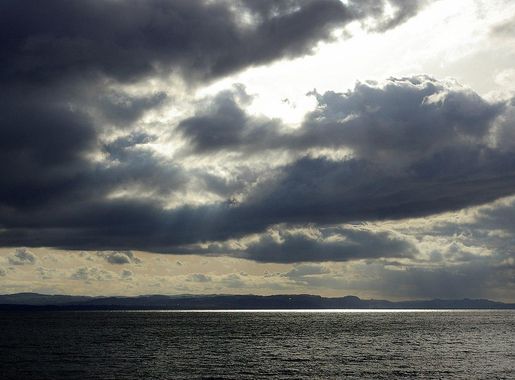
Neuchâtel: The Swiss Gem by the Lake
Nestled on the shores of Lake Neuchâtel, the charming city of Neuchâtel offers a mix of history, natural beauty, and vibrant culture. Known for its well-preserved medieval architecture, the city is a treasure trove of historical landmarks. The Old Town is a maze of narrow streets and picturesque squares, with the impressive Neuchâtel Castle and the Collegiate Church standing as testaments to its rich past. Neuchâtel is also a paradise for nature lovers. The lake itself is perfect for a variety of water sports, while the surrounding Jura Mountains offer hiking trails with breathtaking views. The city's botanical garden and lakeside parks provide peaceful retreats for relaxation and picnics. Culinary enthusiasts will find Neuchâtel a delight with its local specialties like Neuchâtel cheese and absinthe, which originated in the nearby Val-de-Travers. The city also hosts numerous festivals throughout the year, celebrating everything from wine to film, ensuring a lively atmosphere no matter when you visit.