

Free Vaud Travel Guide & Mobile App
Explore Vaud with free travel guides. Discover regional history, expert tips, proposed trips, and audio guides on web or mobile app.


Explore Vaud for Lausanne’s culture, Lavaux vineyards, Lake Geneva scenery, historic castles, Jura forests and Alpine villages.
Read more about Vaud
When is the best time to visit Vaud?
Best: July–September · 22–26°C| Month | High (°C) | Rainfall (mm) |
|---|---|---|
| January | 6 | 80 |
| February | 7 | 70 |
| March | 11 | 90 |
| April | 15 | 100 |
| May | 20 | 110 |
| June | 23 | 120 |
| July (best) | 26 | 110 |
| August (best) | 26 | 100 |
| September (best) | 22 | 90 |
| October | 17 | 80 |
| November | 10 | 90 |
| December | 6 | 100 |
Getting to and around Vaud
How to get there
Transportation
Top city travel guides in Vaud
The cities of Vaud, and the easiest places to base yourself.
-

-

-
-


Swipe for more cities
Destinations in Vaud
Resorts, valleys and scenic spots worth a trip of their own.

Swipe for more destinations
Best attractions in Vaud
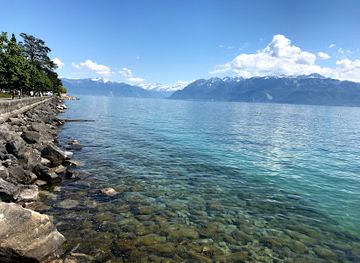
Vaud offers a broad mixture of urban culture, heritage, wine landscapes and outdoor recreation. Lausanne combines the medieval Cité and cathedral with museums, galleries, concert venues and the lakeside Roman site of Lousonna. Along the shore, the towns of Morges, Rolle, Nyon, Vevey and Montreux provide promenades, museums, historic centres and access to Lake Geneva boat journeys. Lavaux is the canton’s defining cultural landscape, where footpaths cross vineyard terraces between Lausanne and Montreux. Château de Chillon and Château d’Aigle provide different perspectives on medieval power and wine-country history. Inland, Yverdon-les-Bains offers thermal bathing and historic surroundings, while the Jura and Vallée de Joux suit forests, pastures and lakes suited to walking, cycling and winter sports. The Vaud Alps around Villars, Leysin and Les Diablerets bring higher mountain scenery, skiing and marked hiking routes. Museums, local markets and seasonal cultural programmes add variety beyond the best-known viewpoints.
-
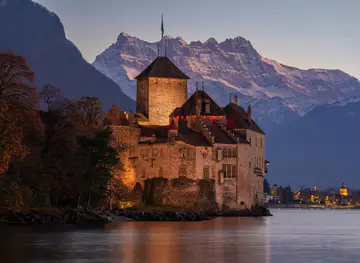
Castle
Chillon Castle
Explore Chillon Castle, a stunning historical landmark on Lake Geneva, offering breathtaking views, rich history, and captivating architecture.
-
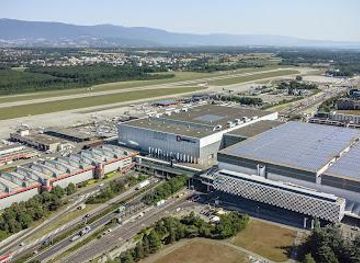
Exhibition and trade centre
Palexpo
Explore Palexpo in Le Grand-Saconnex, Switzerland, the ultimate destination for international exhibitions and trade events, blending culture with innovation.
-
Aquarium
AQUATIS Aquarium-Vivarium
Experience the majesty of aquatic life at AQUATIS Aquarium-Vivarium in Lausanne, Switzerland, where education meets adventure.
-
Cathedral
Lausanne Cathedral
Discover the breathtaking beauty and historical significance of Lausanne Cathedral, a must-visit landmark in Switzerland's scenic city.



Best landmarks in Vaud
Lausanne Cathedral dominates the old city from its hilltop position and remains one of Switzerland’s most important Gothic buildings, with the surrounding medieval streets forming the historic core of the canton’s principal city. On the lake shore near Veytaux, Château de Chillon is a remarkably preserved fortified complex whose towers, courtyards and waterside setting reflect its role on the route between northern and southern Alpine territories. The terraces of Lavaux, extending between Lausanne and Montreux, are a landmark landscape as much as a wine-growing area, with dry-stone walls and villages descending towards Lake Geneva. Château d’Aigle stands amid vineyards in the Rhône valley, while the historic centres of Moudon, Orbe and Grandson preserve medieval and early modern townscapes. At Vidy, the archaeological remains of Roman Lousonna mark the earlier lakeside settlement of Lausanne. In the Jura, the wooded ridges and open pastures around the Vallée de Joux form a natural landmark characteristically different from the lake and Alpine districts.
-
Castle
Chillon Castle
Discover the enchanting Chillon Castle, a historical masterpiece on Lake Geneva’s shores, blending stunning architecture with rich cultural heritage.
-
Museum
The Olympic Museum
Discover the spirit of the Olympic Games at The Olympic Museum in Lausanne, where sports history and culture come alive in a stunning lakeside setting.
-
Amusement center
Swiss Vapeur Parc
Experience the charm of Switzerland at Swiss Vapeur Parc, where miniature trains and stunning landscapes create an unforgettable adventure for the whole family.
-
Museum
Queen Studio Experience Montreux
Explore the mesmerizing Queen Studio Experience in Montreux, where music history meets stunning Lake Geneva views.



Explore Vaud on the map
Plan your trip on one map. See where the top cities, national parks and sights are, and book hotels and experiences in a few clicks.
Best hotels in Vaud
Best restaurants in Vaud
Vaud’s food culture is shaped by Lake Geneva, vineyard country, Alpine dairying and the French-speaking traditions of western Switzerland. Menus may feature perch or other lake fish, seasonal vegetables, breads and pastries, while mountain areas are associated with fondue, raclette and other cheese-based dishes shared in convivial settings. Chasselas is the signature white wine of many Vaud vineyards, with additional regional varieties appearing in cellars and restaurants across Lavaux and La Côte. Lausanne, Vevey and Montreux offer the widest range of contemporary restaurants, cafés and international cuisines; smaller towns and villages are more likely to centre on brasseries, bakeries, farm shops and traditional inns. Farmers’ markets and village wine events are useful places to encounter local produce, including cheeses, fruit, preserves and wines. Restaurant prices vary considerably, but lakeside resorts and major urban centres are generally more expensive than rural districts.
-
Restaurant
Ze Fork
Discover Ze Fork in Vevey: A culinary masterpiece blending tradition with innovation for an unforgettable dining experience.
-
Restaurant
White Horse
Discover the best of Swiss cuisine and vibrant nightlife at White Horse in Lausanne, where every meal becomes a memorable experience.
-
Swiss
Auberge du Chalet des Enfants
Experience authentic Swiss cuisine at Auberge du Chalet des Enfants with stunning views in Le Mont-sur-Lausanne.
-
Haute French
Restaurant de l'Hôtel de Ville de Crissier
Savor exquisite haute French cuisine at Restaurant de l'Hôtel de Ville de Crissier - a true culinary masterpiece in Switzerland.


Best bars in Vaud
Evening life in Vaud is concentrated in Lausanne, whose Flon and central districts contain bars, live-music venues, clubs, cinemas and theatres, while nearby Ouchy is oriented towards the lake rather than late-night entertainment. Montreux and Vevey offer hotel bars, wine bars, music venues and restaurants, with activity often increasing during major seasonal events. In vineyard and mountain communities, the evening scene is quieter and usually revolves around village cafés, traditional pubs, hotel lounges, cellar tastings and occasional live performances rather than large clubs. The canton’s wine and brewery culture provides alternatives to nightlife centred on spirits, and many visitors prefer an early dinner followed by a lakeside walk or concert. Opening arrangements vary, especially outside Lausanne, so rural visitors should plan transport home rather than assume late public services.
-
Bar
The Great Escape
Discover the vibrant atmosphere of The Great Escape in Lausanne, where delicious burgers and unique fries await you in a lively bar setting.
-
Pub
King Size Pub
Experience the vibrant atmosphere, delicious food, and local culture at King Size Pub, a favorite gathering spot in Lausanne.
-
Bar
Jetée de la Compagnie
Experience the beauty of Lake Geneva at Jetée de la Compagnie, a vibrant bar and restaurant in Lausanne offering delicious cuisine and scenic views.
-
Beer hall
Bar Satellite
Discover the lively spirit of Lausanne at Bar Satellite, where craft beers meet live music and comedy for an unforgettable night out.


Best nightclubs in Vaud
Evening life in Vaud is concentrated in Lausanne, whose Flon and central districts contain bars, live-music venues, clubs, cinemas and theatres, while nearby Ouchy is oriented towards the lake rather than late-night entertainment. Montreux and Vevey offer hotel bars, wine bars, music venues and restaurants, with activity often increasing during major seasonal events. In vineyard and mountain communities, the evening scene is quieter and usually revolves around village cafés, traditional pubs, hotel lounges, cellar tastings and occasional live performances rather than large clubs. The canton’s wine and brewery culture provides alternatives to nightlife centred on spirits, and many visitors prefer an early dinner followed by a lakeside walk or concert. Opening arrangements vary, especially outside Lausanne, so rural visitors should plan transport home rather than assume late public services.
-
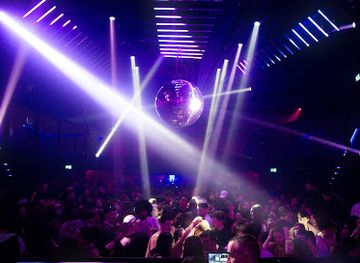
Nightclub
D! Club
Experience Lausanne's nightlife at D! Club, where electrifying music and vibrant energy blend for an unforgettable night out.
-
Disco club
STORY CLUB Lausanne
Dive into the pulsating nightlife at STORY CLUB Lausanne, a premier disco club offering unforgettable music and vibrant dance experiences.
-
Disco club
El Secreto Club
Discover the electrifying nightlife at El Secreto Club, Lausanne's top disco venue, where music and fun never stop.
-
Nightclub
L'After Club
Experience electrifying nights at L'After Club, Nyon's ultimate destination for nightlife, cocktails, and dance.


Best shops in Vaud
Lausanne provides Vaud’s broadest shopping choice, from the pedestrian streets around the old centre to independent boutiques, design shops, bookshops, food halls and specialist retailers in newer districts. Morges, Nyon, Vevey, Montreux and Yverdon-les-Bains offer more compact high streets where local businesses, bakeries, delicatessens and weekly markets are central to the experience. Vineyard villages and rural areas are good places to buy bottles of Vaud wine directly from producers, although opening arrangements and tasting availability vary. Regional food gifts can include Alpine cheeses, chocolate, preserves, biscuits and dried produce, while farm shops often reflect the season. The Vallée de Joux and Jura have a long association with precision watchmaking, though specialist purchases require research and a suitable budget. Craft galleries and small studios provide alternatives to mass-produced souvenirs, particularly around the lake and in mountain resorts. Swiss design goods and practical outdoor equipment are widely available in Lausanne and larger resort towns.
-
Outlet store
OUTLET AUBONNE
Discover incredible deals at OUTLET AUBONNE, the premier shopping destination in Switzerland for fashion, jewelry, and sporting goods.
-
Gift shop
Maisons du Monde
Discover Swiss elegance at Maisons du Monde, your go-to destination for unique gifts and stylish home furnishings in Crissier.
-
Boutique
MANIAK Lausanne
Explore unique vintage fashion and cosmetics at MANIAK Lausanne, the ultimate boutique experience for style and beauty lovers.
-
Souvenir store
Bazar Ouchy. Souvenirs suisses, jouets
Explore Bazar Ouchy: A delightful souvenir store in Lausanne offering authentic Swiss gifts and toys, perfect for tourists seeking unique mementos.


Get your free copy of our complete guide to Vaud, delivered straight to you.
Everything on this page, from attractions and restaurants to essentials and local phrases, in one PDF you can read offline, print or share.
Already have an account? Sign in
Your Vaud guide is ready.
We'll send it to · Not you? Sign out

Getting your guide ready…
We are putting together a fresh copy of the Vaud guide. This can take up to a minute.
This can take a few moments. If your browser asks, choose Allow so the download can start. You'll find the guide in your Downloads folder.
Nothing happened? Download it again
Sorry, the guide is taking longer than usual. Please try again in a minute, or get it by email instead.
Vaud essentials
Currency and Payment
Safety
Emergency Situations
Do's and Don'ts
Local Tips
From Eve
Local phrases worth knowing
You don't need to get them perfect. A few words go a long way, and locals appreciate the effort.
Basics
| English | Local | Say it |
|---|---|---|
| Hello | Salut | [sah-loo] |
| Goodbye | Au revoir | [oh ruh-vwahr] |
| Yes | Oui | [wee] |
| No | Non | [noh] |
| Please/You're welcome | S'il vous plaît / De rien | [seel voo pleh / duh ree-ehn] |
| Thank you | Merci | [mehr-see] |
| Excuse me/Sorry | Excusez-moi / Désolé | [ehk-skew-zay mwah / day-zoh-lay] |
| How are you? | Comment ça va? | [koh-mohn sah vah?] |
| Fine. And you? | Bien. Et vous? | [byehn. eh voo?] |
| Do you speak English? | Parlez-vous anglais? | [par-lay voo ahn-glay?] |
| I don't understand | Je ne comprends pas | [zhuh nuh kom-prahnd pah] |
Eating & Drinking
| English | Local | Say it |
|---|---|---|
| I'd like to see the menu, please | Je voudrais voir le menu, s'il vous plaît | [zhuh voo-dray vwar luh meh-nu, seel voo pleh] |
| I don't eat meat | Je ne mange pas de viande | [zhuh nuh mahnj pah duh vyahnd] |
| Cheers! | Santé! | [sahn-tay] |
| I would like to pay, please | Je voudrais payer, s'il vous plaît | [zhuh voo-dray pay-ay, seel voo pleh] |
Emergencies
| English | Local | Say it |
|---|---|---|
| Help! | Au secours! | [oh se-kour] |
| Go away! | Allez-vous-en! | [ah-lay voo zahn] |
| Call the Police! | Appelez la police! | [ah-peh-lay lah poh-lees] |
| Call a doctor! | Appelez un médecin! | [ah-peh-lay uhn meh-deh-sahn] |
| I'm lost | Je suis perdu | [zhuh swee pehr-due] |
| I'm ill | Je suis malade | [zhuh swee mah-lahd] |
Shopping
| English | Local | Say it |
|---|---|---|
| I'd like to buy... | Je voudrais acheter... | [zhuh voo-dray ah-sheh-tay...] |
| I'm just looking | Je regarde juste | [zhuh ruh-gard zhust] |
| How much is it? | C'est combien? | [say kohm-byen?] |
| That's too expensive | C'est trop cher | [say troh shair] |
| Can you lower the price? | Pouvez-vous baisser le prix? | [poo-vay voo beh-say luh pree?] |
Time & Numbers
| English | Local | Say it |
|---|---|---|
| What time is it? | Quelle heure est-il? | [kel uhr eh-teel?] |
| It's one o'clock | Il est une heure | [eel eh tün uhr] |
| Half past (10) | Dix heures et demie | [dees uhr eh duh-mee] |
| Morning | Matin | [mah-tahn] |
| Afternoon | Après-midi | [ah-preh-mee-dee] |
| Evening | Soir | [swahr] |
| Yesterday | Hier | [ee-ehr] |
| Today | Aujourd'hui | [oh-zhoor-dwee] |
| Tomorrow | Demain | [deh-mahn] |
| 1 | Un | [uhn] |
| 2 | Deux | [duh] |
| 3 | Trois | [trwah] |
| 4 | Quatre | [ka-truh] |
| 5 | Cinq | [sank] |
| 6 | Six | [sees] |
| 7 | Sept | [seht] |
| 8 | Huit | [weet] |
| 9 | Neuf | [nuhf] |
| 10 | Dix | [dees] |
Transport & Directions
| English | Local | Say it |
|---|---|---|
| Where's a/the...? | Où est un/une...? | [oo eh uhn/oon...?] |
| What's the address? | Quelle est l'adresse? | [kel eh la-dress?] |
| Can you show me (on the map)? | Pouvez-vous me montrer (sur la carte)? | [poo-vay voo muh mohn-tray (sur lah kart)?] |
| When's the next (bus)? | Quand est le prochain (bus)? | [kahn eh luh pro-shen (bus)?] |
| A ticket (to ....) | Un billet (pour ....) | [uhn bee-yay (poor ....)] |
History of Vaud
Prehistoric lake-shore settlement
The shores of Lake Geneva and Lake Neuchâtel supported communities long before the modern towns of Vaud emerged. Archaeological remains associated with the Alpine lake-dwelling tradition show how prehistoric inhabitants built settlements in or beside shallow water and relied on farming, fishing and craft production. Sites around the lakes preserve evidence of changing water levels, tools, ceramics and domestic life. They form part of a wider transnational archaeological heritage recognised for its contribution to understanding prehistoric settlement around the Alps.
Roman Lousonna and the lake route
The Roman settlement of Lousonna developed at Vidy, beside present-day Lausanne, from the first century BC and became an important commercial centre on the route linking the Rhône corridor with the Alpine hinterland. Its position on Lake Geneva supported trade, transport and communications, while roads connected it with other settlements across western Switzerland. Excavated remains, foundations and museum displays at the lakeside site help explain how Roman urban life shaped the area before the settlement pattern shifted towards the hill above the lake.
Savoyard and medieval Vaud
During the Middle Ages, much of the territory that became Vaud was influenced by the counts and dukes of Savoy. Castles, churches and fortified towns protected routes through the lake shore, the Rhône valley and the Jura approaches. Château de Chillon, Moudon, Grandson and other strategic sites reflect the importance of controlling movement, taxation and political authority. Lausanne also developed as an episcopal centre, while rural communities were organised through lordships, monasteries and increasingly prosperous market towns.
The Bernese conquest and the Reformation
Bern conquered the Pays de Vaud in 1536, ending Savoyard rule and bringing the territory into the Bernese political sphere. The Reformation was introduced soon afterwards, transforming religious institutions, education and public life. Lausanne became an important centre of Protestant learning, and the establishment of the Lausanne Academy in 1537 laid foundations for the canton’s later intellectual role. The period also left a strong architectural and institutional legacy in churches, civic buildings and historic town centres.
From subject territory to canton
The upheavals surrounding the French Revolution encouraged opposition to Bernese rule, and the Vaudois revolution of 1798 led to the creation of the short-lived canton of Léman within the Helvetic Republic. After the Act of Mediation in 1803, Vaud entered the Swiss Confederation as a canton. This transition gave political expression to a distinct regional identity while integrating Vaud into the federal system that continues to shape Switzerland.
Railways, vineyards and tourism
Nineteenth-century railways connected Lausanne and the Lake Geneva shore with Geneva, Bern and the Alpine valleys, accelerating commerce, migration and tourism. Vine-growing remained central in Lavaux and La Côte, while workshops and specialist manufacturing expanded in the Jura and Vallée de Joux. Improved access also encouraged the growth of resorts such as Montreux, Villars and Leysin. Hotels, promenades, railways and mountain facilities from this period helped establish Vaud as both a productive canton and an international leisure destination.
A modern centre of education, sport and international culture
In the twentieth and twenty-first centuries, Vaud increasingly combined agriculture and tourism with higher education, technology, health sciences and international institutions. Lausanne’s universities and research organisations have strengthened its role as a knowledge centre, while the city is internationally associated with the Olympic movement. Montreux’s cultural profile was reinforced by music and entertainment, and the canton’s towns continue to balance historic environments with expanding contemporary economies.
Vaud in Photos
Browse through our photo collection highlighting the charm and character of the destination.
Neighbouring regions of Vaud
The closest regions to Vaud, if you have time for more than one.
-

-

-

-
-


Swipe for more regions
Explore more

Explore more of Switzerland
Discover Switzerland's majestic landscapes, vibrant cities, and rich culture. From alpine adventures to urban exploration, experience the best of Europe in one destination.
Explore Switzerland