

Free Fribourg Travel Guide & Mobile App
Explore Fribourg with free travel guides. Discover regional history, expert tips, proposed trips, and audio guides on web or mobile app.


Explore Fribourg’s bilingual old towns, Gruyère cheese country, lake shores, medieval castles and Alpine foothills in western Switzerland.
Read more about Fribourg
When is the best time to visit Fribourg?
Best: June–August · 21–23°C| Month | High (°C) | Rainfall (mm) |
|---|---|---|
| January | 5 | 55 |
| February | 6 | 50 |
| March | 10 | 60 |
| April | 14 | 65 |
| May | 18 | 80 |
| June (best) | 21 | 90 |
| July (best) | 23 | 85 |
| August (best) | 23 | 80 |
| September | 19 | 70 |
| October | 14 | 65 |
| November | 8 | 60 |
| December | 4 | 55 |
Getting to and around Fribourg
How to get there
Transportation
Top city travel guides in Fribourg
The cities of Fribourg, and the easiest places to base yourself.
-

-

-
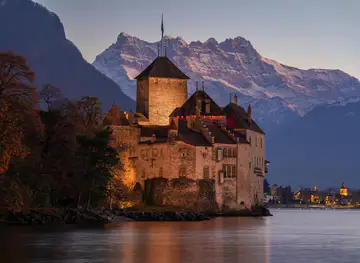
-
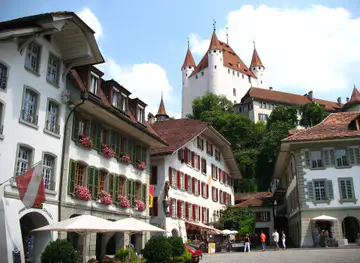
-


Swipe for more cities
Destinations in Fribourg
Resorts, valleys and scenic spots worth a trip of their own.

Swipe for more destinations
Best attractions in Fribourg
Fribourg’s attractions are spread across distinct landscapes rather than concentrated in one resort. In the cantonal capital, visitors can explore the medieval old town, fortifications, museums, churches and viewpoints over the Sarine valley, while the university and cultural venues give the city a contemporary dimension. The Gruyère country combines the hilltop Château de Gruyères, the cheese-making heritage of the Maison du Gruyère in Pringy and chocolate history at Maison Cailler in Broc. The pre-Alpine area around Moléson and Schwarzsee offers hiking, cable-car access in season, winter sports and broad pasture scenery. Murten’s walls and lakeside setting provide history and gentle outdoor recreation, while Estavayer-le-Lac adds medieval streets, water sports and access to the southern shore of Lake Neuchâtel. Romont’s stained-glass heritage, Hauterive Abbey and rural cycling routes broaden the cultural offer. The appeal lies in the contrast between urban heritage, working agricultural landscapes, lakes and accessible mountains, with seasonal conditions shaping what is practical.
-
Chocolate factory
Maison Cailler
Experience the rich history and delectable creations at Maison Cailler, Switzerland's oldest chocolate factory in Broc, a must-visit for all chocolate lovers.
-
Castle
Château de Gruyères
Experience the enchanting Château de Gruyères, a stunning Swiss castle blending history, art, and breathtaking Alpine views.
-
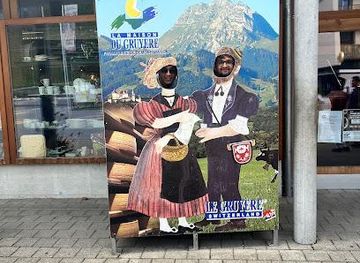
Cheese shop
La Maison du Gruyère
Experience the rich tradition of Swiss cheese-making at La Maison du Gruyère, featuring a museum, restaurant, and shop dedicated to the famous Gruyère cheese.
-
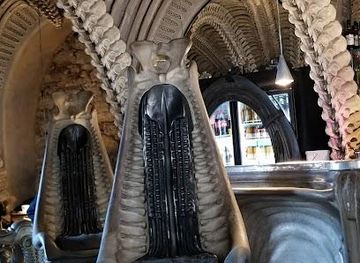
Art museum
HR Giger Museum
Discover the surreal universe of H.R. Giger at the HR Giger Museum in Gruyères, a captivating blend of art and imagination in a historic setting.


Best landmarks in Fribourg
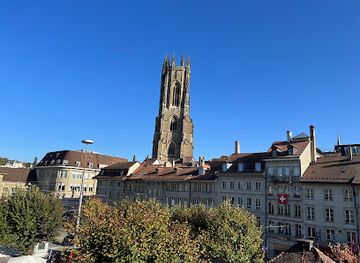
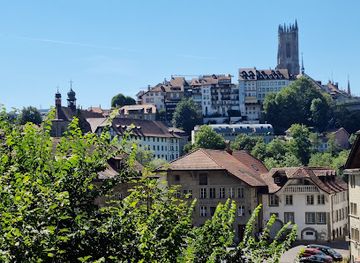
Fribourg’s defining landmark is its historic city set on a rocky peninsula above the Sarine, where the Gothic Cathedral of St Nicholas, medieval gates, fortified walls and bridges create a distinctive urban profile. The cathedral’s tower is particularly prominent, while the nearby Basse-Ville preserves streets and buildings closely tied to the city’s medieval development. Château de Gruyères dominates its hilltop town and expresses the political importance of the Gruyère territory through its walls, towers and later interiors. Murten’s encircling medieval ramparts are among the most recognisable defensive structures in western Switzerland and recall the town’s role in the Battle of Murten. Estavayer-le-Lac retains a compact historic core with the Savoy Castle and fortified remains above the lake. Romont Castle, with its elevated position and stained-glass associations, gives another visual focus to the south-western canton. In the countryside, the peaks and pasture slopes around Moléson and Schwarzsee function as natural landmarks, linking Fribourg’s built heritage to its pre-Alpine geography.
-
Catholic cathedral
St-Nicolas Cathedral
Discover the architectural beauty and historical significance of St-Nicolas Cathedral in Fribourg, a must-visit landmark for every traveler.
-
Bridge
Berne Bridge
Experience the elegance of Berne Bridge, an architectural gem in Fribourg, offering stunning views and a taste of Swiss history.
-
Botanical garden
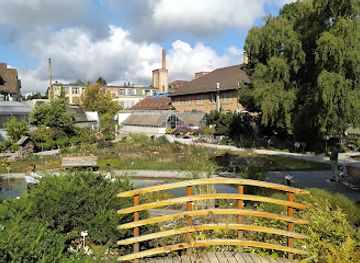
Fribourg University Botanical Garden
Discover serenity and diverse flora at Fribourg University Botanical Garden, a peaceful escape in the heart of Switzerland's picturesque landscape.
-
Tourist attraction
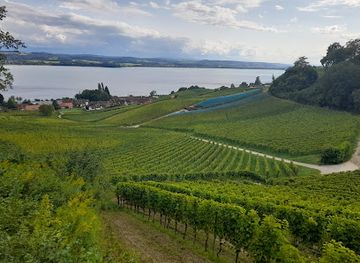
Les Grottes des Roches Grises La Lamberta
Explore the breathtaking limestone caves of Les Grottes des Roches Grises La Lamberta, a natural wonder in the heart of Mont-Vully, Switzerland.
Explore Fribourg on the map
Plan your trip on one map. See where the top cities, national parks and sights are, and book hotels and experiences in a few clicks.
Best hotels in Fribourg
Best restaurants in Fribourg
Fribourg’s food culture is grounded in dairy farming and the produce of the western Swiss Plateau. Gruyère AOP and Vacherin Fribourgeois AOP are essential discoveries, whether served in fondue, on a cheeseboard or in regional gratins; the classic moitié-moitié fondue combines Gruyère with Vacherin Fribourgeois. In the canton’s villages and market towns, traditional inns and farm restaurants sit alongside contemporary dining rooms, cafés and bakeries. Local specialities include cuchaules, a saffron-scented bread, meringues with double cream from Gruyère, and regional sausages such as boutifas. Around the lakes, menus may feature freshwater fish when available, while mountain districts emphasise cheese, potatoes and hearty seasonal cooking. Fribourg city offers the widest range of international and modern cuisine, whereas the Gruyère region is particularly suited to tasting dairy products close to their place of production. Swiss wines from other regions are common, but local cider, fruit products and artisanal cheeses are often more distinctive souvenirs.
-
Restaurant
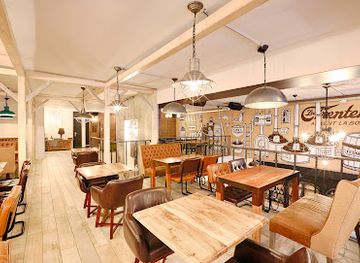
Les Trentenaires
Experience culinary delights at Les Trentenaires in Fribourg - where local flavors meet vibrant atmosphere.
-
Hamburger
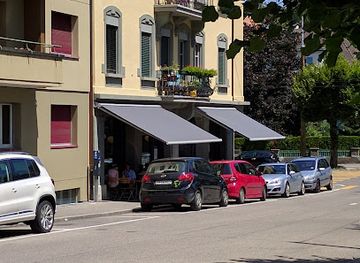
Cyclo Café
Experience gourmet hamburgers like never before at Cyclo Café in Fribourg - where flavor meets creativity in every bite.
-
Swiss
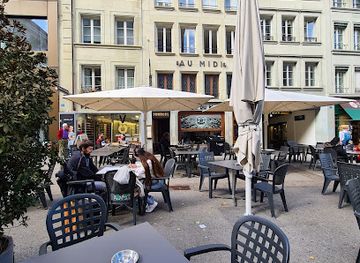
Café du Midi
Experience authentic Swiss cuisine at Café du Midi in Fribourg - where tradition meets flavor in a cozy atmosphere.
-
Swiss
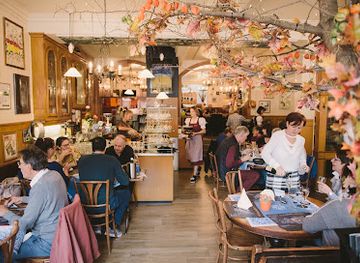
Café Du Gothard
Experience authentic Swiss flavors at Café Du Gothard in Fribourg—a must-visit destination for food lovers seeking local charm.
Best bars in Fribourg
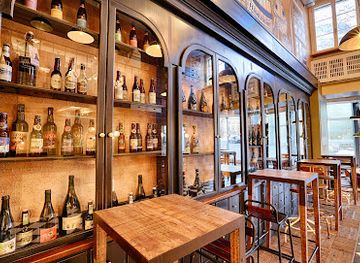
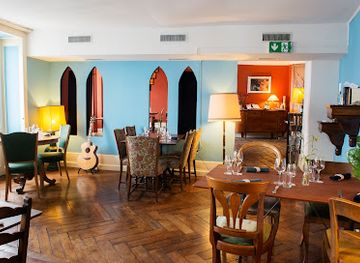
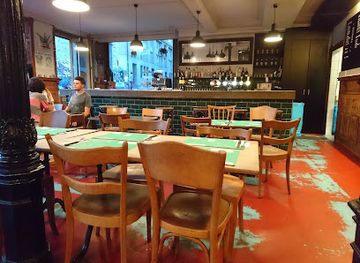
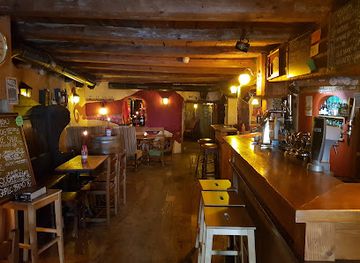
Evening life in Fribourg is led by the cantonal capital, where students, residents and visitors support a mixture of traditional cafés, beer bars, wine places, live-music venues and cultural events. The old town and areas around the university provide the broadest choice, although the atmosphere is generally more conversational and venue-based than built around a large club district. Bulle has a smaller but active selection of bars, restaurants and occasional live entertainment, while Murten and Estavayer-le-Lac are livelier during the warmer months, when lakeside terraces and seasonal events extend the evening. In Gruyère villages and rural districts, nightlife is primarily found in village cafés, traditional inns and restaurants rather than nightclubs. Check local listings for current programmes and closing arrangements, especially outside the main towns, and remember that many smaller places become quiet relatively early.
-
Bar
Les Trentenaires
Experience the vibrant atmosphere of Les Trentenaires, a must-visit bar and restaurant in Fribourg, Switzerland, offering delicious food and drinks.
-
Restaurant
Belvédère
Discover the vibrant fusion of art and cuisine at Belvédère, Fribourg's premier restaurant offering a unique dining experience in a charming setting.
-
Restaurant
Café Populaire
Experience the heart of Fribourg at Café Populaire, where delicious food and warm hospitality meet in a charming atmosphere.
-
Pub
Banshees' Lodge
Discover Banshees' Lodge: A cozy pub in Fribourg offering local brews, friendly vibes, and a taste of Swiss hospitality.
Best nightclubs in Fribourg
Evening life in Fribourg is led by the cantonal capital, where students, residents and visitors support a mixture of traditional cafés, beer bars, wine places, live-music venues and cultural events. The old town and areas around the university provide the broadest choice, although the atmosphere is generally more conversational and venue-based than built around a large club district. Bulle has a smaller but active selection of bars, restaurants and occasional live entertainment, while Murten and Estavayer-le-Lac are livelier during the warmer months, when lakeside terraces and seasonal events extend the evening. In Gruyère villages and rural districts, nightlife is primarily found in village cafés, traditional inns and restaurants rather than nightclubs. Check local listings for current programmes and closing arrangements, especially outside the main towns, and remember that many smaller places become quiet relatively early.
-
Bar
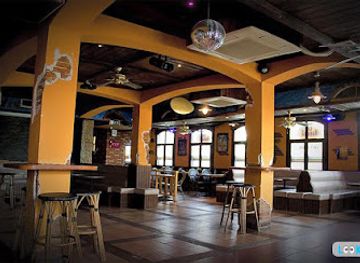
La Habana
Discover the vibrant nightlife and culinary delights at La Habana, a must-visit bar and restaurant in the heart of Fribourg.
-
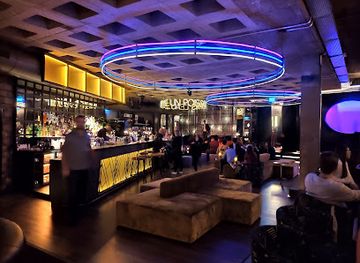
Cocktail bar
Crapule Club
Discover the vibrant nightlife of Fribourg at Crapule Club, a cocktail bar and nightclub offering an unforgettable party experience.
-
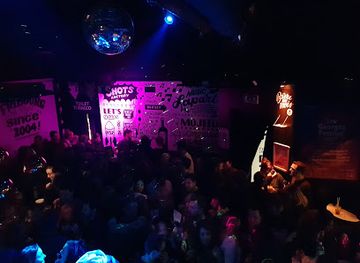
Bar
LAPART
Experience the vibrant nightlife at LAPART in Fribourg, where great drinks and lively dancing await every weekend.
-
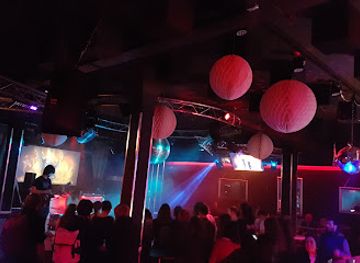
Disco club
Mythic club
Discover the heart of Fribourg's nightlife at Mythic Club, where energetic music and a lively atmosphere await every night.
Best shops in Fribourg
Shopping in Fribourg ranges from the independent streets and specialist food shops of the capital to market-town high streets and rural producers. The old city is suited to books, crafts, galleries, gifts and everyday Swiss specialities, while Bulle provides a practical commercial centre for the Gruyère area. Murten and Estavayer-le-Lac combine small independent shops with visitor-oriented outlets in historic surroundings, though their retail offer is more compact than that of larger Swiss cities. The most characteristic purchases are regional foods: Gruyère AOP, Vacherin Fribourgeois AOP, chocolate, meringues, cuchaules and other products from farm dairies or specialist delicatessens. Markets and seasonal producer stalls are useful for fruit, vegetables, bread and local preserves, but schedules vary. Craft shops and galleries may offer ceramics, textiles, woodwork and Swiss-designed goods, while museum shops provide more dependable heritage-related souvenirs. Compare packaging and transport requirements when buying cheese or chocolate for an international journey.
-
Shopping mall
Fribourg Centre
Explore Fribourg Centre, a vibrant shopping destination in Fribourg, Switzerland, offering a mix of local boutiques and international brands.
-
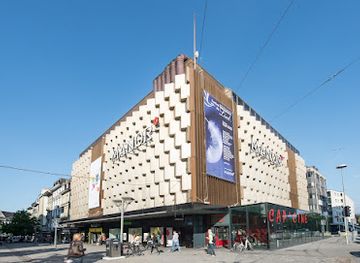
Department store
MANOR Fribourg
Explore MANOR Fribourg - your ultimate shopping destination for clothing, home goods, perfumes, and toys in the heart of Fribourg, Switzerland.
-
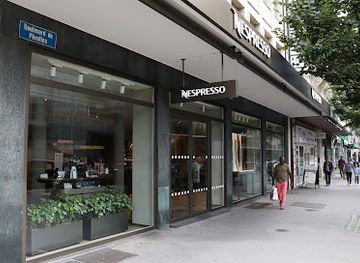
Coffee store
Nespresso Boutique
Discover the ultimate coffee experience at Nespresso Boutique, where quality meets passion in every cup.
-
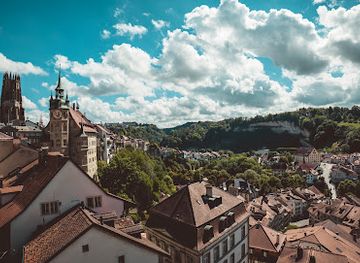
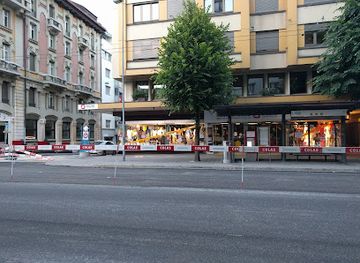
Used clothing store
Boutique Zig-Zag
Uncover stylish second-hand treasures at Boutique Zig-Zag, Fribourg's go-to destination for sustainable fashion.
Get your free copy of our complete guide to Fribourg, delivered straight to you.
Everything on this page, from attractions and restaurants to essentials and local phrases, in one PDF you can read offline, print or share.
Already have an account? Sign in
Your Fribourg guide is ready.
We'll send it to · Not you? Sign out

Getting your guide ready…
We are putting together a fresh copy of the Fribourg guide. This can take up to a minute.
This can take a few moments. If your browser asks, choose Allow so the download can start. You'll find the guide in your Downloads folder.
Nothing happened? Download it again
Sorry, the guide is taking longer than usual. Please try again in a minute, or get it by email instead.
Fribourg essentials
Currency and Payment
Safety
Emergency Situations
Do's and Don'ts
Local Tips
From Eve
Local phrases worth knowing
You don't need to get them perfect. A few words go a long way, and locals appreciate the effort.
Basics
| English | Local | Say it |
|---|---|---|
| Hello | Salut | [sah-loo] |
| Goodbye | Au revoir | [oh ruh-vwahr] |
| Yes | Oui | [wee] |
| No | Non | [noh] |
| Please/You're welcome | S'il vous plaît / De rien | [seel voo pleh / duh ree-ehn] |
| Thank you | Merci | [mehr-see] |
| Excuse me/Sorry | Excusez-moi / Désolé | [ehk-skoo-zay mwah / day-zoh-lay] |
| How are you? | Comment ça va? | [koh-mah sah vah] |
| Fine. And you? | Bien. Et vous? | [byehn. eh voo] |
| Do you speak English? | Parlez-vous anglais? | [par-lay voo ahn-glay] |
| I don't understand | Je ne comprends pas | [zhuh nuh kohm-prahn pah] |
Eating & Drinking
| English | Local | Say it |
|---|---|---|
| I'd like to see the menu, please | Je voudrais voir le menu, s'il vous plaît | [zhuh voo-dray vwar luh meh-nu, seel voo pleh] |
| I don't eat meat | Je ne mange pas de viande | [zhuh nuh mahnzh pah duh vyahnd] |
| Cheers! | Santé! | [sahn-tay] |
| I would like to pay, please | Je voudrais payer, s'il vous plaît | [zhuh voo-dray peh-yay, seel voo pleh] |
Emergencies
| English | Local | Say it |
|---|---|---|
| Help! | Au secours! | [oh se-koor] |
| Go away! | Allez-vous-en! | [ah-lay voo-zahn] |
| Call the Police! | Appelez la police! | [ah-peh-lay lah poh-lees] |
| Call a doctor! | Appelez un médecin! | [ah-peh-lay uhn meh-deh-sin] |
| I'm lost | Je suis perdu | [zhuh swee pehr-dyoo] |
| I'm ill | Je suis malade | [zhuh swee mah-lahd] |
Shopping
| English | Local | Say it |
|---|---|---|
| I'd like to buy... | Je voudrais acheter... | [zhuh voo-dray ah-sheh-tay] |
| I'm just looking | Je regarde juste | [zhuh ruh-gard zhoost] |
| How much is it? | C'est combien? | [say kohm-byen] |
| That's too expensive | C'est trop cher | [say troh shair] |
| Can you lower the price? | Pouvez-vous baisser le prix? | [poo-vay voo beh-say luh pree] |
Time & Numbers
| English | Local | Say it |
|---|---|---|
| What time is it? | Quelle heure est-il? | [kel uhr eh-teel] |
| It's one o'clock | Il est une heure | [eel eh yoon uhr] |
| Half past (10) | Dix et demie | [dees eh deh-mee] |
| Morning | Matin | [mah-tan] |
| Afternoon | Après-midi | [ah-preh-mee-dee] |
| Evening | Soir | [swahr] |
| Yesterday | Hier | [ee-ehr] |
| Today | Aujourd'hui | [oh-zhoor-dwee] |
| Tomorrow | Demain | [deh-manh] |
| 1 | Un | [uhn] |
| 2 | Deux | [duhr] |
| 3 | Trois | [trwah] |
| 4 | Quatre | [katr] |
| 5 | Cinq | [sank] |
| 6 | Six | [sees] |
| 7 | Sept | [seht] |
| 8 | Huit | [weet] |
| 9 | Neuf | [nuhf] |
| 10 | Dix | [dees] |
Transport & Directions
| English | Local | Say it |
|---|---|---|
| Where's a/the...? | Où est un/une...? | [oo eh uhn/oon] |
| What's the address? | Quelle est l'adresse? | [kel eh l'ah-dress] |
| Can you show me (on the map)? | Pouvez-vous me montrer (sur la carte)? | [poo-vay voo muh mohn-tray (sur lah kart)] |
| When's the next (bus)? | Quand est le prochain (bus)? | [kahn eh luh pro-shen (boos)] |
| A ticket (to ....) | Un billet (pour ....) | [uhn bee-yay (poor)] |
History of Fribourg
Early settlement and Roman influence
The territory of present-day Fribourg was occupied by Celtic communities and later incorporated into the Roman world, although the canton’s most visible historic identity is medieval rather than Roman. Roman roads and settlements connected the area between Lake Geneva, the Swiss Plateau and the Rhine basin. Rural archaeological discoveries, old routeways and place-name evidence indicate a landscape shaped by farming, trade and movement across the Sarine region long before the foundation of the modern canton.
The foundation of Fribourg in 1157
Fribourg was founded in 1157 by Berthold IV, Duke of Zähringen, on a defensible promontory above the Sarine. Its position supported control of a river crossing and an important route through the western Swiss Plateau. The settlement expanded around the rocky peninsula, developing walls, gates, churches and commercial quarters. The medieval city’s bilingual character emerged gradually from its location between French- and German-speaking spheres, and much of its historic street plan remains legible today.
Medieval expansion and the House of Habsburg
After the extinction of the Zähringen line, Fribourg passed through the influence of several powerful houses, including the Kyburgs and Habsburgs. During the later Middle Ages, the city and its surrounding territories strengthened their commercial and political position through trade, craft production and alliances. The surviving fortifications and religious buildings reflect this period of urban consolidation, while nearby settlements such as Murten and Romont developed their own strategic importance along regional routes.
The Battle of Murten, 1476
The Battle of Murten, known as Morat in French, was fought near the town in June 1476 during the Burgundian Wars. Swiss Confederation forces decisively defeated the army of Charles the Bold, Duke of Burgundy, after the Burgundian siege of Murten. The victory weakened Burgundian power and became one of the defining military episodes in Swiss history. Murten’s walls, gates and commemorative landscapes continue to make the battle a major part of the canton’s historical consciousness.
Fribourg joins the Swiss Confederation in 1481
Fribourg entered the Swiss Confederation in 1481, together with Solothurn, after complex negotiations involving the existing cantons and the wider political balance of the Confederation. This affiliation gave the city and its territories a more secure place within Swiss politics while preserving substantial internal autonomy. The canton’s later development continued to combine urban authority, rural communities and religious institutions across a territory divided by language and differing regional economies.
Catholic renewal and intellectual life
Fribourg remained strongly Catholic during the Reformation, unlike many neighbouring parts of western Switzerland. In the sixteenth and seventeenth centuries it became an important centre of Catholic renewal, education and religious art. The Jesuit Collège Saint-Michel, founded in 1582, played a major role in education, while churches, convents and pilgrimage traditions shaped the canton’s cultural landscape. This history is visible in Fribourg’s ecclesiastical architecture and in the continuing significance of Catholic festivals and institutions.
Agriculture, cheese and industrial change
For centuries, the canton’s economy rested on farming, cattle breeding, forestry and trade between the Plateau and the mountains. Dairy production in the Gruyère uplands became especially important, with seasonal movement to Alpine pastures helping shape the region’s cheese-making traditions. From the nineteenth century, transport improvements and industrialisation encouraged manufacturing in Fribourg, Bulle and other towns, while railways connected rural districts to larger markets. Food production remains central, but it now exists alongside education, services and advanced manufacturing.
A bilingual canton in modern Switzerland
Modern Fribourg continues to negotiate the relationship between its French-speaking majority and German-speaking communities, particularly around Murten and the northern districts. The University of Fribourg, founded in 1889, reinforces the canton’s cross-cultural and multilingual profile. Twentieth- and twenty-first-century development brought suburban growth, improved transport and tourism to the lakes and mountains, while historic centres, farming landscapes and regional food traditions remain important markers of Fribourg’s identity.
Fribourg in Photos
Browse through our photo collection highlighting the charm and character of the destination.
Neighbouring regions of Fribourg
The closest regions to Fribourg, if you have time for more than one.
-

-

-

-

-


Swipe for more regions
Explore more

Explore more of Switzerland
Discover Switzerland's majestic landscapes, vibrant cities, and rich culture. From alpine adventures to urban exploration, experience the best of Europe in one destination.
Explore Switzerland