

Free Jura Mountains Travel Guide & Mobile App
Explore Jura Mountains with free travel guides. Discover regional history, expert tips, proposed trips, and audio guides on web or mobile app.


Explore Switzerland’s Jura Mountains for limestone ridges, watchmaking towns, forested valleys, French-speaking heritage and year-round outdoor travel.
Read more about Jura Mountains
When is the best time to visit Jura Mountains?
Best: June–August · 19–21°C| Month | High (°C) | Rainfall (mm) |
|---|---|---|
| January | 1 | 60 |
| February | 3 | 50 |
| March | 6 | 65 |
| April | 11 | 75 |
| May | 15 | 85 |
| June (best) | 19 | 90 |
| July (best) | 21 | 85 |
| August (best) | 21 | 80 |
| September | 17 | 75 |
| October | 12 | 70 |
| November | 7 | 65 |
| December | 2 | 60 |
Getting to and around Jura Mountains
How to get there
Transportation
Top city travel guides in Jura Mountains
The cities of Jura Mountains, and the easiest places to base yourself.
-

-

-
-


Swipe for more cities
Destinations in Jura Mountains
Resorts, valleys and scenic spots worth a trip of their own.

Swipe for more destinations
Best attractions in Jura Mountains
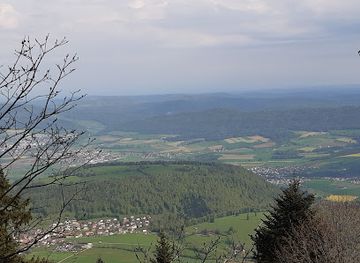
The Jura’s attractions combine outdoor landscapes with an unusually strong industrial and cultural heritage. Walking routes cross wooded ridges, open pastures and limestone plateaux, with viewpoints towards the Alps, the Vosges or the deep valleys of the Doubs and Areuse. The Creux du Van is one of the region’s most imposing natural formations, while the Areuse Gorge provides a dramatic route through the Neuchâtel Jura. Around the Val-de-Travers, cave landscapes and absinthe history add a distinctive local dimension. Museums in La Chaux-de-Fonds and Le Locle explain watchmaking not simply as a luxury trade but as the force that organised two entire towns. The Vallorbe Caves present a different aspect of the region’s geology, and rural districts offer farm visits, cheese production and quiet cycling roads. Historic centres in Delémont, Porrentruy, Saint-Ursanne and Solothurn provide medieval, episcopal and Baroque contrasts. In winter, the upper plateaux become settings for cross-country skiing and snowshoeing rather than the large downhill resorts associated with the Alps.
-
Castle
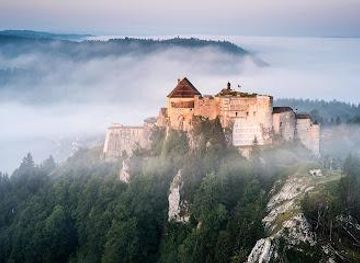
Château de Joux
Discover the rich history and stunning views at the Château de Joux, a magnificent fortress nestled in the Jura Mountains of France, a must-visit for all tourists.
-
Park
Doubs Natural Regional Park
Explore Doubs Natural Regional Park, a breathtaking Swiss haven of diverse landscapes, outdoor adventures, and serene natural beauty.
-
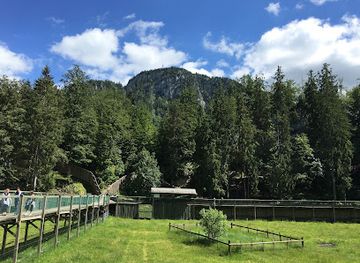
Animal park
Juraparc
Experience the beauty of nature at Juraparc, a captivating animal park in Vallorbe, Switzerland, perfect for families and wildlife enthusiasts alike.
-
Theme park
Grottes et Préhisto-Parc
Explore the prehistoric wonders at Grottes et Préhisto-Parc, where adventure meets education in a stunning natural setting.
Best landmarks in Jura Mountains
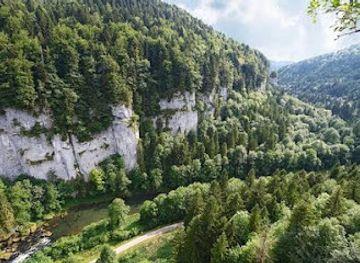
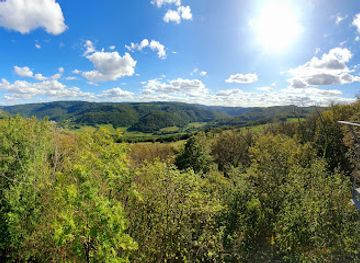
The Creux du Van is the Jura’s most recognisable natural landmark, a vast semicircular limestone escarpment above the Val-de-Travers whose cliffs and high pastures create a powerful sense of scale. The Doubs forms another defining feature, winding through the northern Jura near Saint-Ursanne and creating a landscape of wooded slopes, river bends and gorges. Saint-Ursanne’s collegiate church, medieval streets and stone bridge are among the region’s most coherent historic ensembles, while Porrentruy’s castle reflects the former importance of the Prince-Bishopric of Basel. In the Neuchâtel Jura, the planned centres of La Chaux-de-Fonds and Le Locle are landmarks of industrial urbanism as well as watchmaking history. The Château de Joux lies across the border in France and should not be confused with a Swiss Jura landmark. At the eastern edge, Solothurn’s old town and cathedral provide a major Baroque architectural reference point for the Jura’s relationship with the Aare lowlands.
-
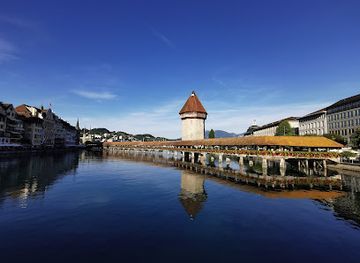
Bridge
Chapel Bridge
Discover the beauty and history of Chapel Bridge, Lucerne's iconic wooden bridge adorned with stunning artwork and breathtaking views.
-
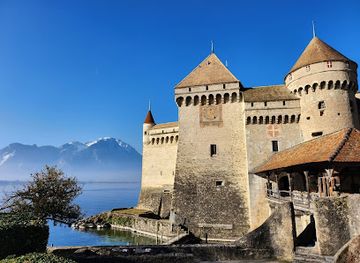
Castle
Chillon Castle
Discover the enchanting Chillon Castle, a historical gem on Lake Geneva that showcases Switzerland's rich medieval heritage and stunning lakeside views.
-
Tourist attraction
Jungfraujoch Sphinx Observatory
Experience the breathtaking beauty of the Jungfraujoch Sphinx Observatory, the Top of Europe, where stunning alpine views and adventure await.
-
Park
Parc naturel régional Jura vaudois
Experience the breathtaking beauty and tranquility of Parc naturel régional Jura vaudois, a must-visit nature preserve in Switzerland.
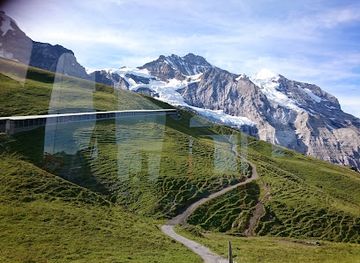
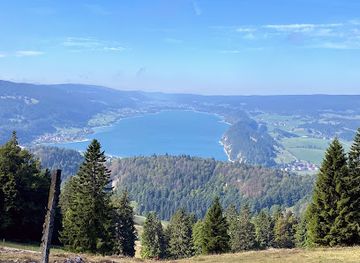
Explore Jura Mountains on the map
Plan your trip on one map. See where the top cities, national parks and sights are, and book hotels and experiences in a few clicks.
Best hotels in Jura Mountains
Best restaurants in Jura Mountains
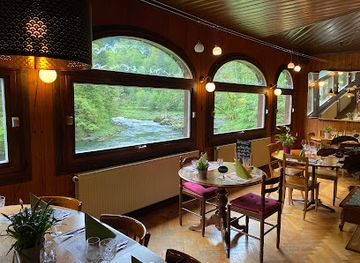
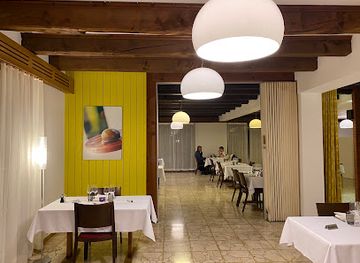
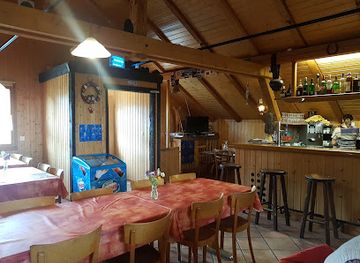
Dining in the Swiss Jura is shaped by dairy farming, mountain agriculture, French-speaking traditions and the practical food of long winters. Cheese is central, with Tête de Moine associated particularly with the Bernese Jura and the Franches-Montagnes, while fondue, raclette and rösti appear in many traditional restaurants across the region. Rural inns and village auberges serve hearty menus that may include sausages, ham, potatoes, seasonal vegetables and locally made cheeses. Around the Neuchâtel Jura and Val-de-Travers, visitors can encounter regional wines, fruit products and absinthe, the herbal spirit whose production was once prohibited in Switzerland and is now regulated. Towns such as Neuchâtel, Delémont, La Chaux-de-Fonds and Solothurn offer more varied cafés, bakeries and contemporary dining. Farm shops and local markets are valuable for honey, breads, dried meats, dairy products and seasonal produce, while French culinary influence becomes particularly noticeable in the western valleys and near the border.
-
Restaurant
Restaurant Le Theusseret
Experience authentic Swiss cuisine at Restaurant Le Theusseret in Goumois – a culinary treasure with seasonal delights.
-
European
Auberge Saint-Hubert
Experience exquisite French-Swiss cuisine at Auberge Saint-Hubert, where culinary excellence meets serene countryside charm.
-
Restaurant
Auberge de Jolimont
Discover authentic Swiss cuisine at Auberge de Jolimont in Glovelier - a culinary gem offering local flavors in a charming setting.
-
Swiss
Restaurant de Raimeux
Experience authentic Swiss cuisine in Corcelles at Restaurant de Raimeux – where local flavors meet warm hospitality.
Best bars in Jura Mountains
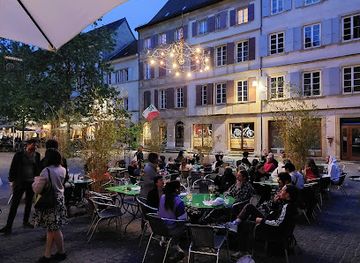
Evening life in the Jura is generally sociable rather than club-oriented. Village auberges, traditional pubs and wine bars provide the main settings for a quiet drink or an informal meal, while larger towns such as Delémont, Neuchâtel, La Chaux-de-Fonds, Solothurn and Biel-Bienne offer a broader choice of cafés, cocktail bars, cultural venues and live music. The watchmaking towns have a youthful and creative strand of evening culture, although it is spread through ordinary streets rather than concentrated in one large entertainment district. Breweries and small producers add interest for visitors seeking local drinks, while theatres and concert programmes provide alternatives to nightlife centred on alcohol. In rural areas, venues may close earlier and transport after evening events can be limited, so check return connections before travelling to a village or remote valley.
-
Bar
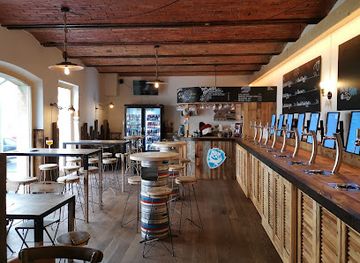
Beer O'Clock Neuchâtel
Discover the best of local and craft beers at Beer O'Clock Neuchâtel, where every sip tells a story of brewing excellence.
-
Bar
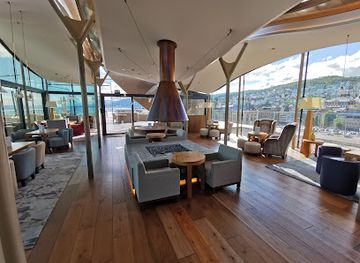
Waves Sky Lounge Bar
Experience unparalleled views and exquisite drinks at Waves Sky Lounge Bar in Neuchâtel, your perfect destination for relaxation.
-
Bar
Bar de L'Univers
Experience the vibrant atmosphere and diverse drinks at Bar de L'Univers, a cultural hotspot in the heart of Neuchâtel.
-
Bar
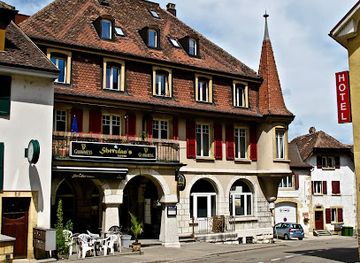
Sheridan's Pub
Discover the cozy charm of Sheridan's Pub, a local favorite in Colombier offering a delightful selection of drinks and a welcoming atmosphere.
Best nightclubs in Jura Mountains
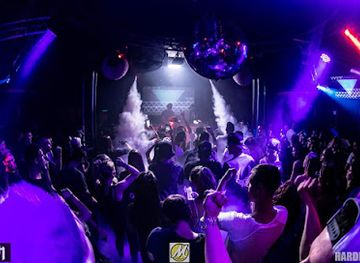
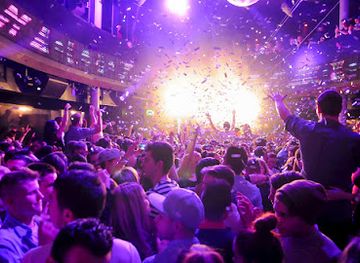
Evening life in the Jura is generally sociable rather than club-oriented. Village auberges, traditional pubs and wine bars provide the main settings for a quiet drink or an informal meal, while larger towns such as Delémont, Neuchâtel, La Chaux-de-Fonds, Solothurn and Biel-Bienne offer a broader choice of cafés, cocktail bars, cultural venues and live music. The watchmaking towns have a youthful and creative strand of evening culture, although it is spread through ordinary streets rather than concentrated in one large entertainment district. Breweries and small producers add interest for visitors seeking local drinks, while theatres and concert programmes provide alternatives to nightlife centred on alcohol. In rural areas, venues may close earlier and transport after evening events can be limited, so check return connections before travelling to a village or remote valley.
-
Disco club
Mythic club
Dive into the vibrant nightlife of Fribourg at Mythic Club, where music and dance create unforgettable experiences.
-
Nightclub
Kanzlei Club
Discover the vibrant nightlife at Kanzlei Club, a premier nightclub in Zürich, perfect for dancing, dining, and socializing in a stylish atmosphere.
-
Disco club
VEGAS Dance Club
Discover the electrifying nightlife at VEGAS Dance Club in Kriens, where music, dance, and vibrant energy come together for an unforgettable experience.
-
Nightclub
Club Bellevue
Discover Zurich's vibrant nightlife at Club Bellevue, a premier nightclub featuring electrifying music, stylish decor, and an unforgettable party atmosphere.

Best shops in Jura Mountains
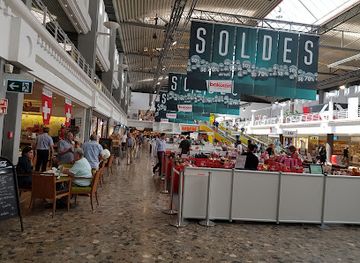
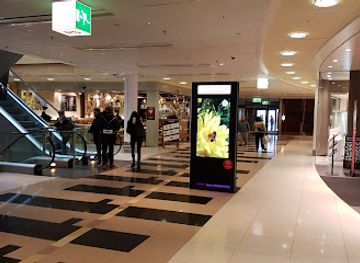
Shopping in the Jura is strongest in historic market towns and watchmaking centres rather than in large retail districts. La Chaux-de-Fonds and Le Locle are the principal places to explore Swiss watchmaking heritage, with specialist retailers and museums offering context for the region’s precision industries. Delémont, Porrentruy, Saint-Ursanne, Neuchâtel and Solothurn combine ordinary high-street shops with independent bookshops, galleries, bakeries and craft businesses. Farm shops and village markets are good sources of Tête de Moine and other cheeses, honey, preserves, dried meats, spirits and seasonal produce. Around the Val-de-Travers, absinthe-related products are a distinctive purchase, provided they are bought from reputable producers and transported in accordance with the rules of the destination country. Pottery, woodwork, textiles and locally designed objects make more meaningful souvenirs than generic Swiss-branded goods, while larger commercial centres are generally found just beyond the mountain valleys.
-
National park
Parc naturel régional du Haut-Jura
Experience the breathtaking natural beauty and rich cultural heritage of Parc naturel régional du Haut-Jura, a hidden gem in the Jura Mountains.
-
Shopping mall
Balexert
Discover Balexert, Vernier's shopping gem with diverse stores, delightful dining, and entertainment options for an unforgettable day.
-
Shopping mall
Fribourg Centre
Discover Fribourg Centre, a vibrant shopping mall in Switzerland offering diverse shops, delicious dining, and a welcoming atmosphere for all visitors.
-
Shopping mall
St. Jakob-Park Shopping Center
Experience the best of shopping and dining at St. Jakob-Park Shopping Center in Basel, where every visit is an adventure.
Get your free copy of our complete guide to Jura Mountains, delivered straight to you.
Everything on this page, from attractions and restaurants to essentials and local phrases, in one PDF you can read offline, print or share.
Already have an account? Sign in
Your Jura Mountains guide is ready.
We'll send it to · Not you? Sign out

Getting your guide ready…
We are putting together a fresh copy of the Jura Mountains guide. This can take up to a minute.
This can take a few moments. If your browser asks, choose Allow so the download can start. You'll find the guide in your Downloads folder.
Nothing happened? Download it again
Sorry, the guide is taking longer than usual. Please try again in a minute, or get it by email instead.
Jura Mountains essentials
Currency and Payment
Safety
Emergency Situations
Do's and Don'ts
Local Tips
From Eve
Local phrases worth knowing
You don't need to get them perfect. A few words go a long way, and locals appreciate the effort.
Basics
| English | Local | Say it |
|---|---|---|
| Hello | Salut | [sa-loo] |
| Goodbye | Au revoir | [oh ruh-vwahr] |
| Yes | Oui | [wee] |
| No | Non | [noh] |
| Please/You're welcome | S'il vous plaît | [seel voo pleh] |
| Thank you | Merci | [mehr-see] |
| Excuse me/Sorry | Excusez-moi | [ehk-skew-zay mwah] |
| How are you? | Comment ça va? | [koh-mohn sah vah] |
| Fine. And you? | Bien. Et vous? | [byan. eh voo] |
| Do you speak English? | Parlez-vous anglais? | [par-lay voo ahn-glay] |
| I don't understand | Je ne comprends pas | [zhuh nuh kohm-prahn pah] |
Eating & Drinking
| English | Local | Say it |
|---|---|---|
| I'd like to see the menu, please | Je voudrais voir le menu, s'il vous plaît | [zhuh voo-dray vwar luh meh-nu, seel voo pleh] |
| I don't eat meat | Je ne mange pas de viande | [zhuh nuh mahnzh pah duh vyahnd] |
| Cheers! | Santé! | [sahn-tay] |
| I would like to pay, please | Je voudrais payer, s'il vous plaît | [zhuh voo-dray pay-ay, seel voo pleh] |
Emergencies
| English | Local | Say it |
|---|---|---|
| Help! | Au secours! | [oh suh-koor] |
| Go away! | Allez-vous-en! | [ah-lay voo-zahn] |
| Call the Police! | Appelez la police! | [ah-peh-lay lah poh-lees] |
| Call a doctor! | Appelez un docteur! | [ah-peh-lay uh dohk-tur] |
| I'm lost | Je suis perdu | [zhuh swee pair-doo] |
| I'm ill | Je suis malade | [zhuh swee mah-lahd] |
Shopping
| English | Local | Say it |
|---|---|---|
| I'd like to buy... | Je voudrais acheter... | [zhuh voo-dray ah-sheh-tay] |
| I'm just looking | Je regarde juste | [zhuh ruh-gard zhoost] |
| How much is it? | C'est combien? | [say kohm-byen] |
| That's too expensive | C'est trop cher | [say troh shair] |
| Can you lower the price? | Pouvez-vous baisser le prix? | [poo-vay voo beh-say luh pree] |
Time & Numbers
| English | Local | Say it |
|---|---|---|
| What time is it? | Quelle heure est-il? | [kel uhr eh-teel] |
| It's one o'clock | Il est une heure | [eel eh ewn uhr] |
| Half past (10) | Dix heures et demie | [dees uhr eh duh-mee] |
| Morning | Matin | [mah-tan] |
| Afternoon | Après-midi | [ah-preh mee-dee] |
| Evening | Soir | [swahr] |
| Yesterday | Hier | [ee-ehr] |
| Today | Aujourd'hui | [oh-zhoor dwe] |
| Tomorrow | Demain | [duh-mahn] |
| 1 | Un | [uhn] |
| 2 | Deux | [duh] |
| 3 | Trois | [trwah] |
| 4 | Quatre | [ka-truh] |
| 5 | Cinq | [sank] |
| 6 | Six | [sees] |
| 7 | Sept | [set] |
| 8 | Huit | [weet] |
| 9 | Neuf | [nuhf] |
| 10 | Dix | [deez] |
Transport & Directions
| English | Local | Say it |
|---|---|---|
| Where's a/the...? | Où est un/une...? | [oo eh uh/oon] |
| What's the address? | Quelle est l'adresse? | [kel eh la-dress] |
| Can you show me (on the map)? | Pouvez-vous me montrer (sur la carte)? | [poo-vay voo muh mon-tray (sur lah kart)] |
| When's the next (bus)? | Quand est le prochain (bus)? | [kahn eh luh proh-shen (boos)] |
| A ticket (to ....) | Un billet (pour ....) | [uhn bee-ay (poor ....)] |
History of Jura Mountains
Celtic and Roman Frontier Landscapes
Before the modern cantons existed, the Jura was inhabited by Celtic communities and later incorporated into the Roman world. Roman roads and settlements connected the Rhine basin, the Swiss plateau and territories across present-day France, with routes passing through valleys and lower crossings rather than the highest ridges. Archaeological evidence around places such as Augusta Raurica near the eastern edge of the Jura and the Roman remains of Aventicum’s wider region helps explain the mountain chain’s role as a corridor and frontier. Much of the upland landscape remained forested and pastoral, but the valleys were repeatedly shaped by movement, trade and administration.
Medieval Abbeys, Lordships and Saint-Ursanne
In the medieval period, monasteries, bishoprics and noble lordships controlled much of the Jura’s valleys and routes. Saint-Ursanne, on the Doubs, developed around the cult of the Irish missionary Ursicinus and retains a Romanesque collegiate church, a historic bridge and a compact medieval settlement. The Prince-Bishopric of Basel became an important political presence in the northern and central Jura, while local castles and fortified towns marked the fragmented authority of the region. Monastic foundations also contributed to land clearance, agriculture and the development of communities in valleys that had previously been heavily wooded.
The Prince-Bishopric of Basel and the 1792 Revolution
For centuries, large parts of the northern Jura belonged to the Prince-Bishopric of Basel, a church-ruled territory whose political centre lay beyond the present Swiss border. Revolutionary upheaval in the 1790s ended that order: the bishopric was occupied and later incorporated into Napoleonic France. After Napoleon’s defeat, the Congress of Vienna assigned most of the former territory to the Swiss Confederation in 1815, principally to the canton of Bern. This settlement left a French-speaking Catholic region governed from a largely German-speaking canton, a tension that remained important in later Jura politics.
The Watchmaking Revolution in the Neuchâtel Jura
From the seventeenth century onwards, watchmaking transformed the high valleys of the Neuchâtel Jura. Farming households gradually combined agricultural work with specialised craft production, and workshops later developed into factories and internationally connected firms. La Chaux-de-Fonds and Le Locle were rebuilt and planned around the needs of watch production, with long streets and buildings designed to provide light for workshops. Their urban landscape, created during the nineteenth and early twentieth centuries, was inscribed as a UNESCO World Heritage site in 2009. Watchmaking remains central to the region’s historical identity and skilled manufacturing culture.
Industrial Valleys, Ironworking and Transport
The Jura’s rivers, forests and mineral resources supported ironworking, machinery, ceramics and other industries alongside watchmaking. Vallorbe became particularly associated with metalworking, while railways in the nineteenth century connected previously isolated valleys with Lausanne, Neuchâtel, Biel and France. Tunnels, viaducts and mountain railways changed the movement of workers and goods, although some rural districts remained relatively remote. Industrial heritage is still visible in factory buildings, railway structures, museums and the compact urban settlements that grew in valleys where waterpower and transport routes were available.
The Creation of the Canton of Jura
The political movement for a separate canton grew from linguistic, cultural and religious differences within the Bernese Jura. A series of referendums eventually led to the creation of the canton of Jura in 1979, initially comprising the northern districts of the former Bernese territory. The southern districts, known as the Bernese Jura, remained in the canton of Bern, although the question of their political status continued to shape regional debate. Delémont became the new canton’s capital, and the episode remains one of Switzerland’s clearest examples of modern territorial change achieved through direct democracy.
Modern Cross-Border and Regional Identity
Today the Swiss Jura is defined by links as well as boundaries. French-speaking communities maintain strong cultural and economic connections with neighbouring France, while German-speaking towns and the bilingual Biel-Bienne area connect the mountain arc to Switzerland’s central transport and industrial networks. Tourism, precision manufacturing, agriculture, education and protected landscapes now coexist with the older watchmaking and metalworking traditions. The region’s identity is therefore not solely rural or industrial: it reflects centuries of movement across the Jura, changing languages and the continuing relationship between valleys, upland farms and international markets.
Jura Mountains in Photos
Browse through our photo collection highlighting the charm and character of the destination.
Neighbouring regions of Jura Mountains
The closest regions to Jura Mountains, if you have time for more than one.
-

-

-

-

-


Swipe for more regions
Explore more

Explore more of Switzerland
Discover Switzerland's majestic landscapes, vibrant cities, and rich culture. From alpine adventures to urban exploration, experience the best of Europe in one destination.
Explore Switzerland