

Free Swiss Plateau Travel Guide & Mobile App
Explore Swiss Plateau with free travel guides. Discover regional history, expert tips, proposed trips, and audio guides on web or mobile app.


Explore Switzerland’s Swiss Plateau for connected cities, historic towns, lake shores, farm landscapes and clear views towards the Alps.
Read more about Swiss Plateau
When is the best time to visit Swiss Plateau?
Best: June–August · 22–24°C| Month | High (°C) | Rainfall (mm) |
|---|---|---|
| January | 4 | 50 |
| February | 5 | 45 |
| March | 10 | 55 |
| April | 14 | 60 |
| May | 19 | 80 |
| June (best) | 22 | 85 |
| July (best) | 24 | 80 |
| August (best) | 24 | 75 |
| September | 19 | 70 |
| October | 15 | 65 |
| November | 8 | 60 |
| December | 4 | 55 |
Getting to and around Swiss Plateau
How to get there
Transportation
Top city travel guides in Swiss Plateau
The cities of Swiss Plateau, and the easiest places to base yourself.
-

-

-

-

-

-


Swipe for more cities
Destinations in Swiss Plateau
Resorts, valleys and scenic spots worth a trip of their own.
-

-

-

-

-

-


Swipe for more destinations
Best attractions in Swiss Plateau
The Swiss Plateau’s attractions are varied because the region combines dense cities with cultivated countryside and several large lakes. Zürich offers major art collections, museums, waterfront districts and a lively architectural contrast between its medieval centre and modern quarters. Bern is known for its arcaded old town and museums, while Lausanne combines hillside urban scenery with lake views and cultural institutions. Smaller centres such as Fribourg, Solothurn, Murten, Aarau and Baden provide historic streets, bridges, walls and civic buildings on a more intimate scale. The region’s waterways create opportunities for boat trips, swimming, walking and cycling around Lakes Geneva, Neuchâtel, Biel and Zürich, while the Aare and other rivers have popular paths through towns and farmland. Roman archaeology at Vindonissa near Windisch, the abbey district of St Gallen and industrial or textile museums in the north-eastern Plateau broaden the historical offer. Rural visitors can explore vineyards, orchards, forest edges, farm shops and marked trails, although the Plateau is a working landscape rather than a wilderness. Rail connections make it possible to combine museums and historic centres with short excursions into the surrounding hills.
-
Animal park
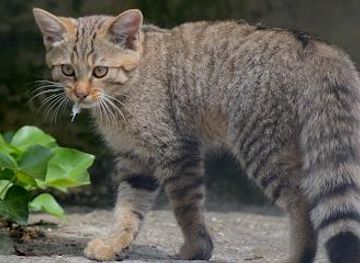
BearPark
Explore BearPark in Bern, where conservation meets recreation amidst the enchanting world of bears in a stunning natural setting.
-
Zoo
Dählhölzli
Explore Dählhölzli Zoo in Bern, a family-friendly adventure filled with diverse wildlife and scenic beauty by the Aare River.
-
Historical place
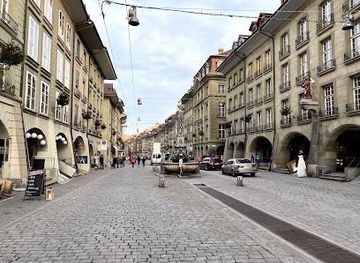
UNESCO - Bern Old Town
Discover the enchanting Bern Old Town, a UNESCO World Heritage site filled with historic charm, stunning architecture, and vibrant culture.
-
Stadium
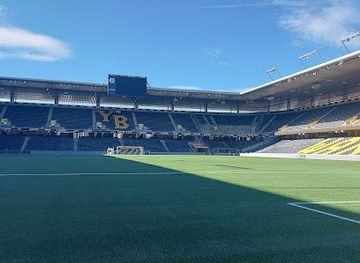
Wankdorf Stadium
Discover the excitement of Wankdorf Stadium in Bern, a premier destination for sports fans and event seekers, blending modern architecture with thrilling experiences.

Best landmarks in Swiss Plateau
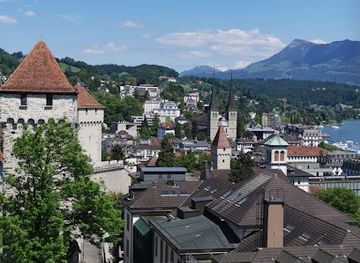
Bern’s old town, enclosed by a bend of the Aare, is the Plateau’s most coherent historic urban landmark, with covered arcades, fountains, civic buildings and the Zytglogge clock tower. In Zürich, the twin-towered Grossmünster and the churches, guild houses and waterfront buildings around the old town define the city’s historic silhouette. Lausanne Cathedral rises above the western shore of Lake Geneva and remains one of the region’s major Gothic monuments. Fribourg’s historic districts occupy both sides of the Sarine gorge, connected by bridges and marked by the Cathedral of St Nicholas. Solothurn is notable for its Baroque churches, old walls and formal streets beside the Aare, while Murten retains an unusually complete set of medieval fortifications. St Gallen’s former abbey precinct, including its cathedral and library complex, expresses the intellectual and religious influence of the city’s medieval monastery. Beyond built heritage, the broad Aare valley, the Jura-facing hills and the lakeshores provide the Plateau’s defining natural landmarks, with agricultural and urban landscapes often visible in the same view.
-
Tourist attraction
Rhine Falls
Experience the breathtaking beauty of Rhine Falls, Europe’s largest waterfall, where nature’s power meets tranquil surroundings in Switzerland.
-
Bridge
Chapel Bridge
Explore the stunning Chapel Bridge in Lucerne, an iconic Swiss landmark rich in history and breathtaking views of the surrounding landscape.
-
Castle
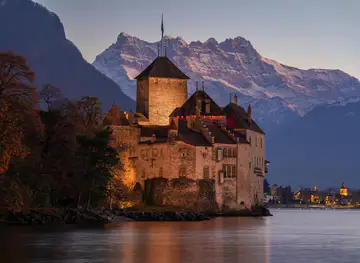
Chillon Castle
Discover the enchanting Chillon Castle, a historic Swiss landmark on Lake Geneva, where medieval beauty meets breathtaking landscapes.
-
Monument
Lion Monument
Discover the poignant beauty of the Lion Monument in Lucerne, a tribute to bravery and sacrifice amidst stunning Swiss scenery.

Explore Swiss Plateau on the map
Plan your trip on one map. See where the top cities, national parks and sights are, and book hotels and experiences in a few clicks.
Best hotels in Swiss Plateau
Best restaurants in Swiss Plateau
Dining across the Swiss Plateau reflects the country’s language regions, farming traditions and prosperous urban centres. Traditional restaurants serve dishes such as rösti, seasonal soups, alpine cheeses and regional meat preparations, while Bernese menus may include the substantial Berner Platte. Zürich is associated with Zürcher Geschnetzeltes, usually served with rösti, and Aargau is known for carrot cake, although these foods are now enjoyed well beyond their home districts. Around the lakes, fish appears on seasonal menus, while western towns bring French-speaking influences to cafés, bakeries and bistro cooking. Rural inns and village restaurants remain useful places to encounter local cheeses, breads, fruit, vegetables and game when in season. Farmers’ markets and farm shops are particularly good for apples, berries, honey, preserves and artisanal dairy products. In larger centres, international restaurants, vegetarian cooking, contemporary Swiss menus and refined dining sit alongside traditional establishments, giving the Plateau a broader culinary range than its pastoral appearance might suggest.
-
Restaurant
Restaurant Rosengarten
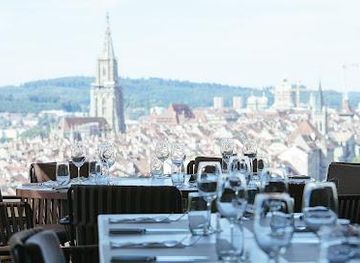
Panoramic Old Town views meet refined Swiss cuisine in an elevated park setting.
-
Swiss
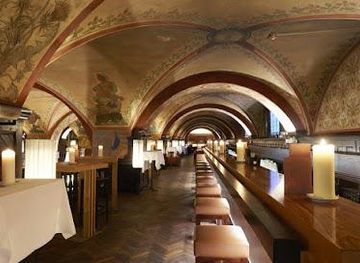
Kornhauskeller Restaurant & Bar
Dine beneath Baroque vaults in Bern's Kornhaus, where historic grandeur meets authentic Swiss flavors like Berner Platte and truffle-infused specialties in an elegant, atmospheric cellar.
-
French
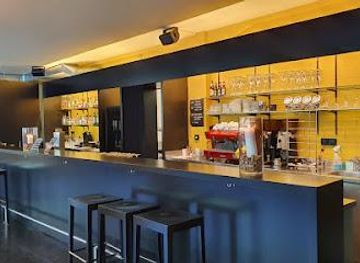
Cinématte
Arthouse cinema meets Swiss gastronomy on the Aare: surprise menus, rare wines, and indie films in Bern's coolest cultural spot.
-
Restaurant
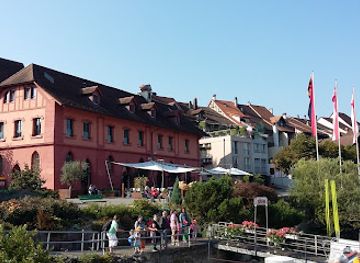
Restaurant IL GRANO
Experience authentic Italian cuisine in Büren an der Aare at Restaurant IL GRANO - where flavors come alive!
Best bars in Swiss Plateau
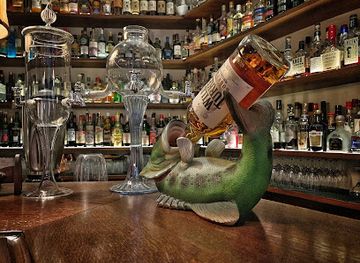
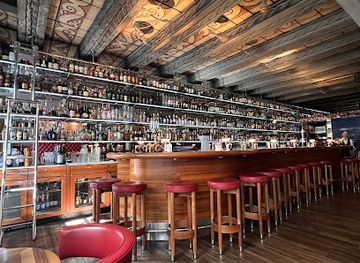
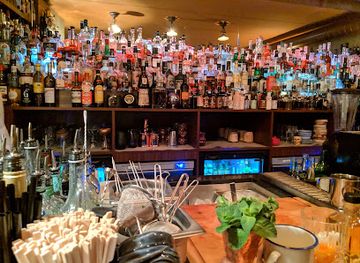
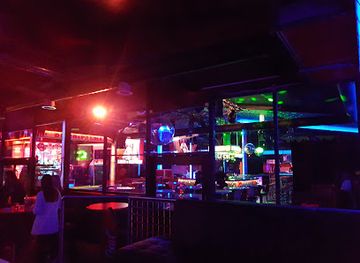
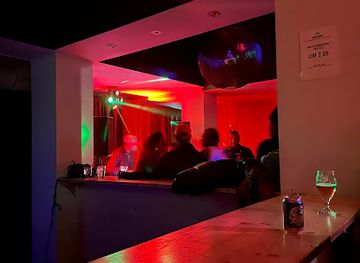
Evening life on the Swiss Plateau is concentrated in the major cities and university towns rather than spread evenly across the countryside. Zürich has the broadest choice, from wine and cocktail bars to live music venues and late-night clubs, while Bern, Lausanne, Fribourg, St Gallen and Winterthur support active but more compact scenes shaped by students, theatres, concerts and independent cultural spaces. Historic inns and traditional pubs remain important in smaller towns such as Solothurn, Baden and Aarau, where evenings often centre on conversation, food and locally produced beer or wine. Lakeside locations can be busier in summer, although seasonal arrangements vary. In rural districts, expect village restaurants, pubs and occasional live music rather than a substantial nightclub culture. Switzerland’s nightlife is generally orderly, and visitors should check current transport connections before staying out late because evening services become less frequent outside the principal urban corridors.
-
Bar
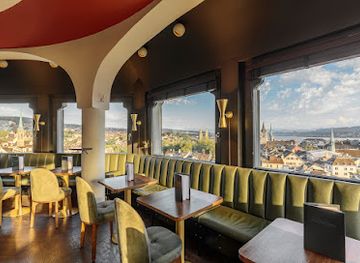
Jules Verne Panoramabar
Experience breathtaking views and exquisite cocktails at the Jules Verne Panoramabar, an iconic bar and restaurant in Zürich.
-
Bar
Old Crow
Discover Old Crow: a sophisticated cocktail bar in Zürich offering handcrafted drinks and a unique nightlife experience.
-
Bar
Widder Bar
Discover the Widder Bar in Zürich, where luxury meets exceptional cocktails in an elegant setting perfect for a night out.
-
Bar
Tales Bar
Discover Zurich's vibrant nightlife at Tales Bar, where expertly crafted cocktails and a chic atmosphere await you.
Best nightclubs in Swiss Plateau
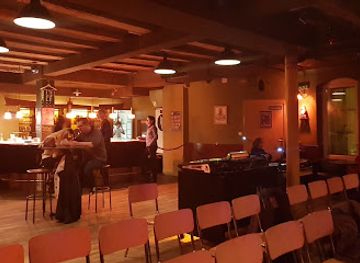
Evening life on the Swiss Plateau is concentrated in the major cities and university towns rather than spread evenly across the countryside. Zürich has the broadest choice, from wine and cocktail bars to live music venues and late-night clubs, while Bern, Lausanne, Fribourg, St Gallen and Winterthur support active but more compact scenes shaped by students, theatres, concerts and independent cultural spaces. Historic inns and traditional pubs remain important in smaller towns such as Solothurn, Baden and Aarau, where evenings often centre on conversation, food and locally produced beer or wine. Lakeside locations can be busier in summer, although seasonal arrangements vary. In rural districts, expect village restaurants, pubs and occasional live music rather than a substantial nightclub culture. Switzerland’s nightlife is generally orderly, and visitors should check current transport connections before staying out late because evening services become less frequent outside the principal urban corridors.
-
Nightclub
Le Singe
Explore Biel/Bienne's nightlife at Le Singe, a vibrant nightclub offering electrifying music and an unforgettable atmosphere for all party lovers.
-
Nightclub
Disco Palma
Discover the electrifying nightlife of Lyssach at Disco Palma, where music, dance, and unforgettable memories come together.
-
Nightclub
DUO Entertainment GmbH
Discover the vibrant nightlife at DUO Entertainment GmbH, Biel/Bienne's top destination for music, dance, and unforgettable experiences.
-
Nightclub
EDM SWITZERLAND Records
Experience electrifying nightlife at EDM SWITZERLAND Records, the ultimate dance club in Niederönz offering top DJs and vibrant atmosphere.
Best shops in Swiss Plateau
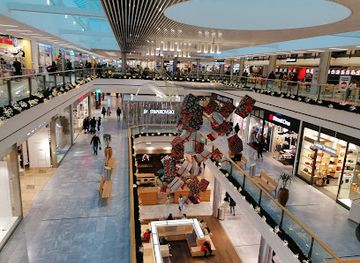
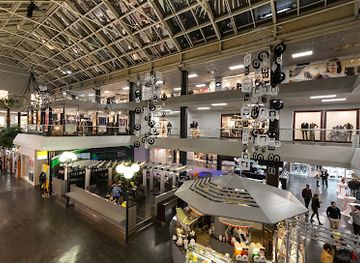
Shopping in the Swiss Plateau ranges from international retail in Zürich and Lausanne to independent high streets, markets and specialist food shops in smaller towns. Zürich’s Bahnhofstrasse is the most prominent luxury and department-store address, while neighbourhood streets and covered market areas provide more local choices. Bern’s arcaded streets mix established shops, bookshops, galleries, cafés and practical retailers, and Lausanne’s steep centre has a similarly varied urban offer. Solothurn, Fribourg, Winterthur, Aarau and Baden are useful for independent boutiques, antiques, design goods and regional crafts. Weekly markets in cities and market towns are the best places to look for seasonal produce, cheese, bread, flowers and preserves, though exact days vary. Farm shops across the rural Plateau sell fruit, honey, dairy products and other foods directly from producers. Swiss watches and chocolate are national products rather than specifically Plateau-made souvenirs, so visitors seeking regional character should also consider local ceramics, textiles, books, wines from lakeside districts and carefully labelled agricultural specialities.
-
Shopping mall
Einkaufszentrum Glatt
Discover the ultimate shopping experience at Einkaufszentrum Glatt, Zurich's premier shopping mall with diverse stores and dining options.
-
Outlet mall
FoxTown Factory Stores
Uncover amazing deals and high-fashion finds at FoxTown Factory Stores, the ultimate outlet shopping destination in Mendrisio, Switzerland.
-
Shopping mall
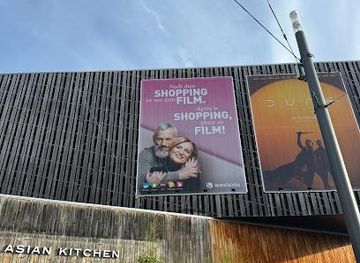
Westside
Discover the ultimate shopping experience at Westside in Bern, a vibrant mall featuring shops, dining, and entertainment for all ages.
-
Outlet mall
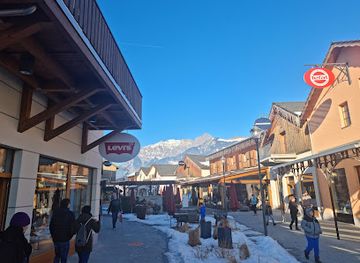
Landquart Fashion Outlet
Discover amazing deals and a vast selection of designer brands at Landquart Fashion Outlet, set against the stunning backdrop of the Swiss Alps.
Get your free copy of our complete guide to Swiss Plateau, delivered straight to you.
Everything on this page, from attractions and restaurants to essentials and local phrases, in one PDF you can read offline, print or share.
Already have an account? Sign in
Your Swiss Plateau guide is ready.
We'll send it to · Not you? Sign out

Getting your guide ready…
We are putting together a fresh copy of the Swiss Plateau guide. This can take up to a minute.
This can take a few moments. If your browser asks, choose Allow so the download can start. You'll find the guide in your Downloads folder.
Nothing happened? Download it again
Sorry, the guide is taking longer than usual. Please try again in a minute, or get it by email instead.
Swiss Plateau essentials
Currency and Payment
Safety
Emergency Situations
Do's and Don'ts
Local Tips
From Eve
Local phrases worth knowing
You don't need to get them perfect. A few words go a long way, and locals appreciate the effort.
Basics
| English | Local | Say it |
|---|---|---|
| Hello | Hallo | [Hah-loh] |
| Goodbye | Auf Wiedersehen | [Owf Veed-er-zay-en] |
| Yes | Ja | [Yah] |
| No | Nein | [Nine] |
| Please/You're welcome | Bitte | [Bit-teh] |
| Thank you | Danke | [Dahn-keh] |
| Excuse me/Sorry | Entschuldigung | [Ent-shool-dee-goong] |
| How are you? | Wie geht's? | [Vee gates?] |
| Fine. And you? | Gut. Und dir? | [Goot. Oond deer?] |
| Do you speak English? | Sprechen Sie Englisch? | [Shpreck-en Zee Engl-ish?] |
| I don't understand | Ich verstehe nicht | [Ish fer-shtay-eh nikht] |
Eating & Drinking
| English | Local | Say it |
|---|---|---|
| I'd like to see the menu, please | Ich hätte gerne die Speisekarte, bitte | [Ish heh-teh gair-neh dee Shpy-zeh-kahr-teh, bit-teh] |
| I don't eat meat | Ich esse kein Fleisch | [Ish ess-eh kine Flysh] |
| Cheers! | Prost! | [Prohst!] |
| I would like to pay, please | Ich möchte bezahlen, bitte | [Ish merkh-teh beh-tsah-len, bit-teh] |
Emergencies
| English | Local | Say it |
|---|---|---|
| Help! | Hilfe! | [Hil-feh!] |
| Go away! | Geh weg! | [Gay vek!] |
| Call the Police! | Rufen Sie die Polizei! | [Roo-fen Zee dee Poh-li-tsai!] |
| Call a doctor! | Rufen Sie einen Arzt! | [Roo-fen Zee eye-nen Artst!] |
| I'm lost | Ich habe mich verlaufen | [Ish hah-beh mikh fer-lah-fen] |
| I'm ill | Ich bin krank | [Ish bin krank] |
Shopping
| English | Local | Say it |
|---|---|---|
| I'd like to buy... | Ich möchte ... kaufen | [Ish merkh-teh ... kau-fen] |
| I'm just looking | Ich schaue nur | [Ish shau-eh noor] |
| How much is it? | Wie viel kostet es? | [Vee feel kost-et ess?] |
| That's too expensive | Das ist zu teuer | [Dahs ist tsoo toy-er] |
| Can you lower the price? | Könnten Sie den Preis senken? | [Kurn-ten Zee den Price senk-en?] |
Time & Numbers
| English | Local | Say it |
|---|---|---|
| What time is it? | Wie spät ist es? | [Vee shpaet ist ess?] |
| It's one o'clock | Es ist ein Uhr | [Ess ist ine Oor] |
| Half past (10) | Halb (10) | [Hahlb (10)] |
| Morning | Morgen | [Mor-gen] |
| Afternoon | Nachmittag | [Nahkh-mit-tahg] |
| Evening | Abend | [Ah-bent] |
| Yesterday | Gestern | [Ges-terrn] |
| Today | Heute | [Hoy-teh] |
| Tomorrow | Morgen | [Mor-gen] |
| 1 | Eins | [Ine-s] |
| 2 | Zwei | [Zvy] |
| 3 | Drei | [Dry] |
| 4 | Vier | [Veer] |
| 5 | Fünf | [Foonf] |
| 6 | Sechs | [Zex] |
| 7 | Sieben | [Zee-ben] |
| 8 | Acht | [Ahkt] |
| 9 | Neun | [Noyn] |
| 10 | Zehn | [Zayn] |
Transport & Directions
| English | Local | Say it |
|---|---|---|
| Where's a/the...? | Wo ist ein/das ...? | [Vo ist ine/dahs ...?] |
| What's the address? | Wie ist die Adresse? | [Vee ist dee Ah-dress-eh?] |
| Can you show me (on the map)? | Könnten Sie mir (auf der Karte) zeigen? | [Kurn-ten Zee meer (owf der Kar-teh) tsai-gen?] |
| When's the next (bus)? | Wann fährt der nächste (Bus)? | [Vahn faert der nay-shteh (Bus)?] |
| A ticket (to ....) | Ein Ticket (nach ...) | [Ine Tick-et (nahkh ...)] |
History of Swiss Plateau
Prehistoric Lakeshore and Hill Settlements
The lakes and rivers of the Swiss Plateau supported settlement from prehistoric times. Neolithic and Bronze Age communities established villages beside lakes and waterways, taking advantage of fertile soils, fish, timber and transport routes. Archaeological finds around Lakes Geneva, Neuchâtel, Biel and Zürich include tools, pottery, metalwork and evidence of lake-dwelling communities. These sites demonstrate that the Plateau was not an empty agricultural hinterland but a long-inhabited corridor linking the Alpine foreland with western and northern Europe.
Roman Roads and Vindonissa
Rome incorporated the Plateau into its provinces during the first century BC and AD, developing roads, estates, settlements and military installations. Vindonissa, at modern Windisch in the Aargau, became an important legionary camp and remains one of the clearest Roman archaeological sites in Switzerland. Roman influence encouraged urban growth and connected communities along the Aare, Rhine and Alpine approaches. Later towns, roads and property boundaries did not simply reproduce the Roman map, but many modern settlement patterns reflect the importance of these early routes.
Medieval Abbeys, Towns and Territories
During the Middle Ages, monasteries, noble families, bishops and emerging towns competed for land and authority across the Plateau. Religious foundations such as the abbey of St Gallen became centres of learning, administration and artistic production, while cities including Bern, Solothurn, Zürich, Fribourg and Lausanne developed walls, markets and civic institutions. Agricultural villages and river crossings supported these urban centres. The region’s present-day historic cores, churches, bridges and fortified remains reflect centuries of political fragmentation rather than a single medieval state.
The Old Swiss Confederacy and the Reformation
Several Plateau cities became influential members or allies of the Old Swiss Confederacy, while others remained under ecclesiastical or aristocratic rule. The sixteenth-century Reformation transformed religious and political life, especially in Zürich, Bern, Basel’s surrounding sphere and parts of the western Plateau. Lausanne adopted reform under Bernese influence, whereas Fribourg remained Catholic, creating a confessional boundary that still helps explain the region’s cultural variety. Changes to monasteries, church interiors, education and government left a lasting mark on urban landscapes.
Agriculture, Textiles and Early Industry
From the eighteenth century, the Plateau combined intensive farming with expanding textile, food-processing and engineering activities. Eastern and north-eastern districts became associated with cotton and embroidery, while rivers supplied power for mills and workshops. Towns such as Winterthur, St Gallen, Baden and Aarau developed industrial capabilities, although manufacturing was also dispersed through villages and small valleys. Improvements in roads, canals and commercial organisation connected producers to Swiss and European markets. This mixed economy helped create the prosperous, populous landscape visible today.
Railways and the Federal State
Railway construction in the nineteenth century reshaped the Swiss Plateau more profoundly than almost any earlier transport development. Lines connected Zürich, Bern, Lausanne, Neuchâtel, Solothurn, St Gallen and smaller market towns, speeding the movement of people, goods and agricultural produce. Bern’s selection as the federal city in 1848 reinforced the political importance of the region, while railway stations encouraged new suburbs and industrial districts. The Plateau’s modern role as Switzerland’s principal urban and economic corridor is closely tied to this period.
Twentieth-Century Urbanisation and Environmental Change
After 1900, the Plateau experienced rapid population growth, suburban expansion and a shift towards services, research, finance and advanced manufacturing. Zürich developed into an international business and cultural centre, while Bern, Lausanne, St Gallen and numerous regional towns expanded around established cores. Motorways and airports increased mobility but also placed pressure on farmland, river corridors and lake shores. Contemporary planning therefore balances dense urban development with the conservation of agricultural landscapes, historic towns, wetlands and the waterways that define the region.
Swiss Plateau in Photos
Browse through our photo collection highlighting the charm and character of the destination.
Neighbouring regions of Swiss Plateau
The closest regions to Swiss Plateau, if you have time for more than one.
-

-

-

-

-


Swipe for more regions
Explore more

Explore more of Switzerland
Discover Switzerland's majestic landscapes, vibrant cities, and rich culture. From alpine adventures to urban exploration, experience the best of Europe in one destination.
Explore Switzerland