

Basel, Switzerland Travel Guide
Discover Basel, Switzerland's cultural gem on the Rhine, where art, history, and culinary delights blend seamlessly in a picturesque setting.
Nestled at the meeting point of Switzerland, Germany, and France, Basel is a city that thrives on diversity and culture. Known for its vibrant arts scene, Basel is home to nearly 40 museums, offering a feast for art lovers. The Kunstmuseum, Fondation Beyeler, and Tinguely Museum are just a few of the art institutions that make this city a cultural haven. The old town of Basel is a charming mix of medieval and modern architecture. Stroll through its narrow alleys and you'll find impressive landmarks like the Basel Minster and the Rathaus, both of which tell tales of the city's rich history. The Tinguely Fountain, with its whimsical sculptures, adds a touch of modernity and fun to the historic setting. Basel is also a culinary delight, with a range of dining options that reflect its multicultural influences. From traditional Swiss dishes to French and German cuisine, the city's food scene is as diverse as its population. Don't miss out on trying the local specialty, Basler Läckerli, a spiced hard gingerbread. The Rhine River is the lifeblood of Basel, offering a picturesque backdrop for leisurely walks, boat trips, and even swimming during the summer months. The annual Art Basel fair draws art enthusiasts from around the world, while the Fasnacht carnival is a must-see for its vibrant parades and unique traditions.

Know before you go
Hi, I'm Eve. Here are a few practical things to know before exploring Basel.
- Purchase a Basel Card upon arrival for free public transport and discounts on local attractions and museums.
- Visit the Tinguely Fountain at night when it is beautifully illuminated.
- Take a ferry ride across the Rhine for a unique perspective of the city.
- Try to visit during the Fasnacht carnival in February or March for a unique cultural experience.
- Explore Kleinbasel for its vibrant nightlife and trendy bars.

Explore Basel: Things to Do, Places to Eat, Hotels & More
Handpicked recommendations for top attractions, local dining, accommodations, and more

Best attractions in Basel
Top-rated picks
Best Attractions

Zoo Basel
Explore Zoo Basel, a captivating wildlife experience in Switzerland with over 600 species in a stunning natural setting.

Zoo Basel
Experience the incredible diversity of wildlife at Zoo Basel, a top tourist attraction in Switzerland, committed to conservation and education.

Tinguely-Brunnen
Discover the enchanting Tinguely-Brunnen in Basel, where art and water dance together in a captivating display of creativity and innovation.

Kunstmuseum Basel
Discover the captivating art collections at Kunstmuseum Basel, Switzerland's premier art museum, featuring masterpieces from the Middle Ages to contemporary art.

Best landmarks in Basel
Top-rated picks
Best Landmarks

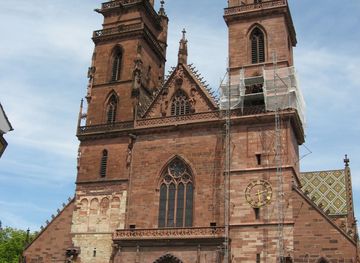
Basler Münster
Explore the stunning Basler Münster, a Gothic cathedral that embodies Basel's rich history and offers breathtaking views from its iconic tower.

Mittlere Brücke
Discover the historic Mittlere Brücke, a picturesque bridge in Basel offering stunning views and a taste of the city's rich heritage.
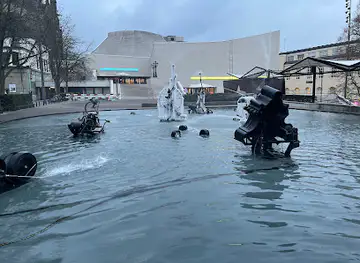
Tinguely Fountain
Discover the whimsical Tinguely Fountain in Basel, a captivating blend of art and water that delights visitors with its playful sculptures and dynamic displays.
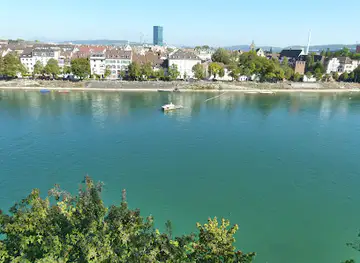
Fine Arts Museum Basel
Explore centuries of artistic excellence at the Fine Arts Museum Basel, a must-visit for art lovers and cultural explorers alike.

Best restaurants in Basel
Top-rated picks
Best Restaurants

Brasserie Zum Braunen Mutz
Experience authentic Swiss cuisine at Brasserie Zum Braunen Mutz in Basel – where tradition meets vibrant culinary artistry.

Restaurant Fiorentina Basel
Experience authentic Italian cuisine in Basel at Restaurant Fiorentina - where every meal feels like a celebration of flavors.

Gifthüttli
Discover authentic Swiss cuisine at Gifthüttli in Basel – where tradition meets flavor in a cozy setting.

Za Zaa - Lebanese Soul Food
Discover authentic Lebanese soul food at Za Zaa in Basel - where tradition meets flavor in every dish.

Best bars in Basel
Top-rated picks
Best Bars

Bar Rouge
Experience Basel's nightlife at Bar Rouge, where stunning views meet exquisite cocktails and vibrant entertainment.

Sandoase
Experience the charm of Sandoase, a riverside bar in Basel offering delightful drinks and a vibrant atmosphere for a perfect evening out.

Flanagan's
Discover the charm of Flanagan's in Basel, where Irish hospitality meets Swiss flavors in a vibrant pub atmosphere.

Mr. Pickwick Pub Basel
Experience authentic British charm at Mr. Pickwick Pub in Basel, where hearty meals and sports come together in a lively atmosphere.

Best nightclubs in Basel
Top-rated picks
Best Nightclubs

Das Viertel
Discover the pulsating nightlife of Basel at Das Viertel, where electrifying music and vibrant atmosphere await every night.

Club 59
Discover the vibrant nightlife of Basel at Club 59, where cocktails, dance, and unforgettable moments await in a stylish atmosphere.

Balz
Discover the vibrant nightlife of Basel at Balz Nightclub, where electrifying music and a lively atmosphere await every night.

Nordstern
Experience the electrifying nightlife at Nordstern, Basel's premier nightclub and lounge, where music and ambiance create unforgettable memories.

Best shops in Basel
Top-rated picks
Best Shops

MANOR Basel
Experience the best of shopping in Basel at MANOR, your destination for fashion, home goods, and delightful gifts.

St. Jakob-Park Shopping Center
Explore St. Jakob-Park Shopping Center: Basel's premier shopping destination with diverse stores, dining options, and vibrant local culture.

GLOBUS | Basel Provisorium (Neu: Freie Strasse 50)
Explore GLOBUS Basel – a luxurious department store with a curated selection of fashion, lingerie, and gourmet delights in the heart of the city.

Flying Tiger Copenhagen
Explore the vibrant world of Flying Tiger Copenhagen in Basel, where quirky gifts and home essentials come together in a colorful shopping experience.

Explore Basel on the Map
A handpicked selection of must-see spots in Basel, mapped for you.
Basel Essentials
-
Basel is well-connected by air, road, and rail. EuroAirport Basel-Mulhouse-Freiburg serves as the main international gateway, located approximately 6 kilometers from the city center. It is jointly operated by France and Switzerland. You can also reach Basel by train, with direct connections from major European cities such as Paris, Zurich, and Frankfurt. If you're driving, Basel is accessible via several major highways, including the A2 and A3 motorways.
-
Public transportation in Basel is efficient and comprehensive, comprising trams, buses, and trains. The Basel Card, provided by many hotels, offers free public transport within the city and discounts on various attractions. Taxis and ride-sharing services are also available but can be more expensive. For a unique experience, consider renting a bike; the city's well-developed cycling infrastructure makes it easy to get around.
-
The official currency in Basel is the Swiss Franc (CHF). Credit and debit cards are widely accepted in hotels, restaurants, and shops. However, it's advisable to carry some cash for smaller establishments, markets, or public transportation tickets. ATMs are widely available throughout the city, and many offer currency exchange services.
-
Basel is generally a safe city for tourists. However, like any urban area, it is wise to take standard precautions. Avoid leaving valuables unattended and be mindful of pickpockets, especially in crowded areas like public transport hubs and tourist attractions. The neighborhoods of Kleinbasel and around the train station can be more prone to petty crime, so exercise extra caution in these areas.
-
In case of emergency, dial 112 for immediate assistance. Basel has excellent medical facilities, including the University Hospital Basel. Pharmacies are widely available and can provide over-the-counter medications. It's advisable to have travel insurance that covers medical emergencies. For minor issues, local pharmacies can offer assistance and advice.
-
Fashion: Do dress smart-casual when dining out or visiting cultural sites. Avoid overly casual or revealing clothing. Religion: Do respect local customs in places of worship. Silence your phone and dress modestly. Public Transport: Do validate your ticket before boarding. Don’t eat or drink on public transport. Greetings: Do greet people with a handshake. A polite nod or 'Grüezi' (hello) is appreciated. Eating & Drinking: Do try local specialties like fondue or raclette. Don’t tip excessively; rounding up the bill or leaving a small amount is customary.
-
To experience Basel like a local, visit the weekly markets at Marktplatz or Matthäusmarkt for fresh produce and artisan goods. Explore Kleinbasel for its vibrant nightlife and diverse cuisine. Don't miss a swim in the Rhine River during summer months, a popular local pastime. Additionally, take advantage of the Basel Card for free public transport and discounts on museums and attractions.
When is the best time to visit Basel?
Useful Local Phrases for Basel
You don't need to speak the language perfectly. Even learning a few simple words can make conversations warmer—and locals usually appreciate the effort.
— Eve

Here are the phrases I use most often in Basel. Try a few—you'll be surprised how far they go! 😊
❤️
-
- HelloHallo
[hah-loh] - GoodbyeAuf Wiedersehen
[owf vee-dur-zay-en] - YesJa
[yah] - NoNein
[nine] - Please/You're welcomeBitte
[bit-teh] - Thank youDanke
[dahn-kuh] - Excuse me/SorryEntschuldigung
[ent-shool-dih-gung] - How are you?Wie geht es dir?
[vee gayt es deer] - Fine. And you?Gut. Und du?
[goot oont doo] - Do you speak English?Sprechen Sie Englisch?
[shprek-en zee eng-lish] - I don't understandIch verstehe nicht
[ikh fer-shtay-uh nikht]
- HelloHallo
-
- I'd like to see the menu, pleaseIch möchte bitte die Speisekarte sehen
[ikh merk-teh bit-teh dee shpy-zuh-kahr-teh zay-en] - I don't eat meatIch esse kein Fleisch
[ikh ess-uh kine flysh] - Cheers!Prost!
[prohst] - I would like to pay, pleaseIch möchte bitte zahlen
[ikh merk-teh bit-teh tsah-len]
- I'd like to see the menu, pleaseIch möchte bitte die Speisekarte sehen
-
- Help!Hilfe!
[hil-feh] - Go away!Geh weg!
[geh veg] - Call the Police!Rufen Sie die Polizei!
[roo-fen zee dee poh-lee-tsay] - Call a doctor!Rufen Sie einen Arzt!
[roo-fen zee i-nen ar-tst] - I'm lostIch habe mich verloren
[ikh hah-beh meesh fer-loh-ren] - I'm illIch bin krank
[ikh been krank]
- Help!Hilfe!
-
- I'd like to buy...Ich möchte ... kaufen
[ikh merk-teh ... cow-fen] - I'm just lookingIch schaue nur
[ikh shau-uh noor] - How much is it?Wie viel kostet es?
[vee feel kohstet es] - That's too expensiveDas ist zu teuer
[dahs ist tsoo toy-er] - Can you lower the price?Können Sie den Preis senken?
[kern-en zee den prees zeng-ken]
- I'd like to buy...Ich möchte ... kaufen
-
- What time is it?Wie viel Uhr ist es?
[vee feel oor ist es] - It's one o'clockEs ist ein Uhr
[es ist ine oor] - Half past (10)Halb (10)
[halb (10)] - MorningMorgen
[mor-gen] - AfternoonNachmittag
[nahk-mit-tahg] - EveningAbend
[ah-bent] - YesterdayGestern
[gehs-tern] - TodayHeute
[hoi-teh] - TomorrowMorgen
[mor-gen] - 1eins
[ine-s] - 2zwei
[tsvai] - 3drei
[dry] - 4vier
[feer] - 5fünf
[fuhnf] - 6sechs
[zeks] - 7sieben
[zee-ben] - 8acht
[ahkt] - 9neun
[noyn] - 10zehn
[tsen]
- What time is it?Wie viel Uhr ist es?
-
- Where's a/the...?Wo ist ein/der...?
[vo ist i-nehr] - What's the address?Was ist die Adresse?
[vahs ist dee ah-dre-suh] - Can you show me (on the map)?Können Sie mir (auf der Karte) zeigen?
[kern-en zee meer (ouf der kar-teh) tsey-gen] - When's the next (bus)?Wann kommt der nächste (Bus)?
[vahn kommt der nehk-stuh (boos)] - A ticket (to ....)Eine Fahrkarte (nach ....)
[i-ne fahr-kahr-teh (nahk)]
- Where's a/the...?Wo ist ein/der...?
History of Basel
-
The origins of Basel date back to the Celtic settlement known as 'Basilia'. The Romans later established a military stronghold here in the 1st century BC. Basel's strategic location along the Rhine River made it a significant point for trade and defense. By the 4th century AD, the city had become a fortified Roman town, serving as a crucial link between the Mediterranean and the North Sea.
-
In the early Middle Ages, Basel became an important center for the Catholic Church. The city was granted to the Bishop of Basel in 999 AD by Emperor Otto III, marking the beginning of its prominence as an ecclesiastical center. The construction of Basel Minster, a beautiful Gothic cathedral, began in the 11th century. The city also grew economically and culturally, with the establishment of markets and guilds.
-
Founded in 1460 by Pope Pius II, the University of Basel is Switzerland's oldest university. It quickly became a hub for humanist scholars and played a vital role in the Renaissance and Reformation movements. Notable figures such as Erasmus of Rotterdam and Paracelsus were associated with the university, contributing to its reputation as a center of learning and innovation.
-
On October 18, 1356, Basel was struck by one of the most devastating earthquakes in European history. The earthquake destroyed much of the city, including significant portions of Basel Minster. The event profoundly impacted the city's architecture and led to substantial rebuilding efforts that shaped its medieval character.
-
From 1431 to 1449, Basel hosted the Council of Basel, one of the most significant ecclesiastical councils of the Catholic Church. The council aimed to address church reforms and resolve issues related to papal authority. Basel's role as the host city enhanced its standing as a center for religious and political dialogue.
-
Basel was significantly affected by the Protestant Reformation in the 16th century. In 1529, the city's council officially adopted Protestantism, leading to the expulsion of the bishop and the secularization of church properties. Basel became a refuge for many Protestant reformers and intellectuals, further cementing its reputation as a center of religious and academic thought.
-
By the 19th century, Basel had become a major center for the chemical and pharmaceutical industries. Companies such as Novartis and Hoffmann-La Roche were founded here, contributing to Basel's economic growth and global significance. The city's focus on innovation and research in these industries continues to this day, making it a leading hub for science and technology.
-
Basel has a rich cultural heritage, with numerous museums, art galleries, and theaters. The Kunstmuseum Basel, founded in 1661, is one of the oldest public art collections in the world. The city also hosts Art Basel, one of the most prestigious contemporary art fairs globally. Basel's commitment to culture is evident in its vibrant arts scene and numerous cultural events throughout the year.
-
Today, Basel is a thriving, cosmopolitan city known for its high quality of life. It is a key financial center and home to many international organizations, including the Bank for International Settlements. Basel's blend of historical charm and modern innovation makes it a unique destination for visitors from around the world.
Cities near Basel
The closest cities to Basel, if you have time for more than one stop.


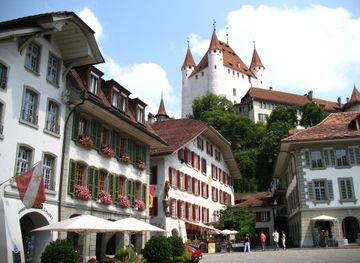
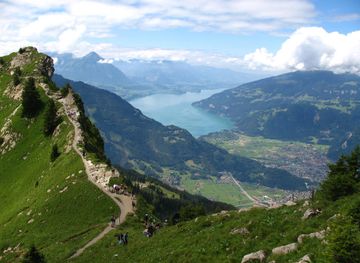

Your all‑in‑one travel companion app
Explore expert travel guides, compare and book tours, experiences, hotels, and more—all from the palm of your hand. Download now for seamless trip planning wherever your wanderlust takes you.


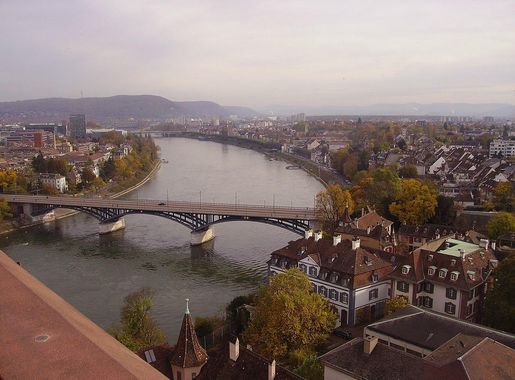
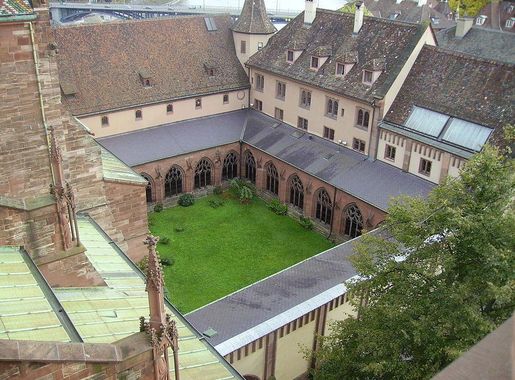
Basel in Photos
Browse through our photo collection highlighting the charm and character of the destination.




Basel: Switzerland's Cultural Gem on the Rhine
Nestled at the meeting point of Switzerland, Germany, and France, Basel is a city that thrives on diversity and culture. Known for its vibrant arts scene, Basel is home to nearly 40 museums, offering a feast for art lovers. The Kunstmuseum, Fondation Beyeler, and Tinguely Museum are just a few of the art institutions that make this city a cultural haven. The old town of Basel is a charming mix of medieval and modern architecture. Stroll through its narrow alleys and you'll find impressive landmarks like the Basel Minster and the Rathaus, both of which tell tales of the city's rich history. The Tinguely Fountain, with its whimsical sculptures, adds a touch of modernity and fun to the historic setting. Basel is also a culinary delight, with a range of dining options that reflect its multicultural influences. From traditional Swiss dishes to French and German cuisine, the city's food scene is as diverse as its population. Don't miss out on trying the local specialty, Basler Läckerli, a spiced hard gingerbread. The Rhine River is the lifeblood of Basel, offering a picturesque backdrop for leisurely walks, boat trips, and even swimming during the summer months. The annual Art Basel fair draws art enthusiasts from around the world, while the Fasnacht carnival is a must-see for its vibrant parades and unique traditions.
Explore More of Solothurn

Looking beyond Basel? Discover Solothurn for broader travel guides, local hot-spots, and regional highlights.
Explore SolothurnExplore More of Switzerland

Looking beyond Basel? Discover Switzerland for broader travel guides, local hot-spots, and regional highlights.
Explore Switzerland