

Free Ticino Travel Guide & Mobile App
Explore Ticino with free travel guides. Discover regional history, expert tips, proposed trips, and audio guides on web or mobile app.


Explore Ticino’s Italian-speaking lakes, UNESCO castles, granite valleys, vineyard hills, mountain trails and distinctive Swiss-Lombard cuisine.
Read more about Ticino
When is the best time to visit Ticino?
Best: June–July, September · 23–28°C| Month | High (°C) | Rainfall (mm) |
|---|---|---|
| January | 6 | 50 |
| February | 7 | 55 |
| March | 12 | 70 |
| April | 16 | 80 |
| May | 20 | 95 |
| June (best) | 25 | 100 |
| July (best) | 28 | 90 |
| August | 27 | 100 |
| September (best) | 23 | 90 |
| October | 17 | 80 |
| November | 11 | 70 |
| December | 7 | 60 |
Getting to and around Ticino
How to get there
Transportation
Top city travel guides in Ticino
The cities of Ticino, and the easiest places to base yourself.
-

-
-


Swipe for more cities
Destinations in Ticino
Resorts, valleys and scenic spots worth a trip of their own.

Swipe for more destinations
Best attractions in Ticino
Ticino’s attractions range from lakeside urban culture to demanding Alpine landscapes. Lugano offers museums, galleries, promenades and mountain viewpoints, while Locarno combines its historic centre and lakeshore with the surrounding mountains and cultural programme. Bellinzona’s castles introduce the canton’s medieval history, and the lower valleys provide churches, stone villages and traditional rural architecture. In the Maggia and Verzasca valleys, visitors come for hiking, climbing, canyoning, river swimming where conditions permit, and the visual drama of granite cliffs and clear water. Monte San Giorgio appeals to visitors interested in fossils and geology, while the Mendrisiotto combines vineyards, gentle hills and museums. Lake cruises, funiculars and cable cars add accessible ways to experience the terrain, although services are seasonal. The canton also has family-oriented attractions, botanical and landscaped sites, and cultural venues in its larger towns. The most rewarding itineraries mix a well-connected centre with a carefully chosen valley or mountain excursion rather than attempting to cover every corner in one day.
-
Cattedrale di Santa Maria Assunta - Duomo di Como
Discover the breathtaking beauty and rich history of the Duomo di Como, a Gothic masterpiece in the heart of Italy's stunning Lake Como.
-
Tourist attraction
Orrido di Bellano
Explore the stunning Orrido di Bellano, a natural gorge with breathtaking waterfalls and unique rock formations in Italy's enchanting Bellano.
-
Lake
Lake Como
Discover the serene beauty and rich culture of Lake Como, Italy’s picturesque lake surrounded by charming villages and stunning landscapes.
-
Parco Ciani
Experience the tranquil beauty of Parco Ciani, a must-visit park in Lugano, Switzerland, perfect for relaxation and outdoor adventures.


Best landmarks in Ticino
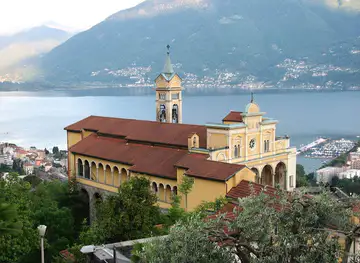
The three castles of Bellinzona are Ticino’s most prominent historic landmarks and form a UNESCO World Heritage site. Castelgrande, Montebello and Sasso Corbaro occupy strategic heights and slopes above the capital, showing how the town controlled movement through the Alpine corridor. In Lugano, the lakeside profile, arcaded streets and churches around the central city express the canton’s Italianate urban character, while the slopes of Monte Brè and Monte San Salvatore provide defining geographical backdrops. Locarno’s Piazza Grande and the Sanctuary of the Madonna del Sasso at Orselina are important architectural and religious landmarks, with the latter overlooking the lake and town. In the valleys, dry-stone walls, granite houses, historic bridges and village churches form a less monumental but highly characteristic built landscape. Monte San Giorgio is a landmark of geological rather than architectural significance, its fossil-bearing strata recording an ancient marine world. The Verzasca and Maggia valleys also possess powerful natural landmarks in the form of steep granite gorges, river pools and high mountain walls.
-
Shrine
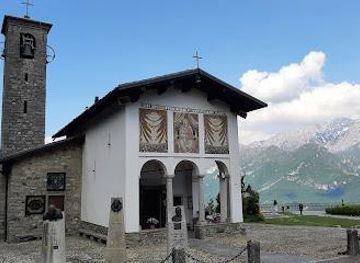
Madonna del Ghisallo
Explore the serene beauty and spiritual significance of Madonna del Ghisallo, a must-visit shrine and cycling museum in the heart of Italy's Lake Como region.
-
Cultural landmark
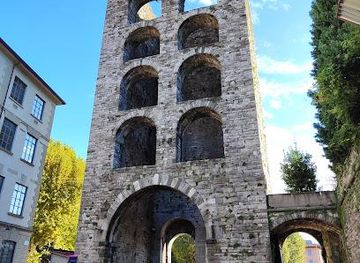
Porta Torre
Discover the stunning Porta Torre, a cultural landmark in Como, Italy, showcasing medieval architecture and breathtaking views of the city.
-
Park
Parco Naturale Valle Ticino- Piemonte
Explore the stunning landscapes and diverse wildlife at Parco Naturale Valle Ticino in the heart of Piemonte, Italy.
-
Bridge
Orrido di Nesso
Explore the enchanting Orrido di Nesso, a hidden gorge in Italy's picturesque Province of Como, rich in natural beauty and historical charm.


Explore Ticino on the map
Plan your trip on one map. See where the top cities, national parks and sights are, and book hotels and experiences in a few clicks.
Best hotels in Ticino
Best restaurants in Ticino
Ticinese cooking sits between Alpine and northern Italian traditions, with polenta, risotto, alpine cheeses, seasonal vegetables, chestnuts and cured meats appearing frequently on local menus. In the lake districts, fish may feature alongside Italianate pasta and contemporary cuisine, while valley kitchens traditionally make hearty dishes suited to mountain life. Grotti are central to the regional dining experience: these informal establishments, often associated with cool wooded settings, serve rustic food such as polenta with cheese or meat, minestrone and seasonal specialities, though menus vary from place to place. Lugano, Locarno, Bellinzona and Mendrisio provide the broadest choice of cafés, bakeries, wine bars and modern restaurants. Ticino’s vineyards produce mainly Merlot, and local wines are commonly available in restaurants and enotecas. Markets and farm shops are useful for discovering cheeses, bread, honey, chestnuts and other regional produce, while espresso and gelato reflect the canton’s close cultural relationship with neighbouring Italy.
-
Cheese shop
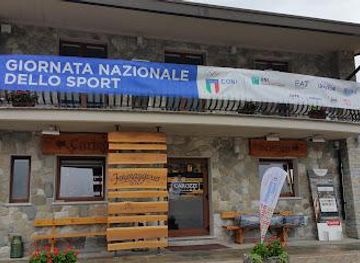
Da Carozzi - Formaggeria con cucina
Artisanal DOP cheeses and hearty Lombard dishes in Valsassina's heart, where family tradition meets Lake Como's mountain charm.
-
Italian
Ristorante Sensi
Experience authentic Italian cuisine with breathtaking views at Ristorante Sensi in Muralto Locarno.
-
Swiss
Ristorante Grotto Broggini
Discover authentic Swiss cuisine at Ristorante Grotto Broggini in Losone – where tradition meets taste in a beautiful setting.
-
Swiss
Grotto Bundi
Experience authentic Swiss flavors at Grotto Bundi in Mendrisio - where tradition meets culinary excellence.


Best bars in Ticino
Evening life in Ticino is concentrated in Lugano, Locarno, Bellinzona and, to a lesser extent, Mendrisio. Lugano has the widest selection of wine bars, cocktail venues, cafés, restaurants and live-music options, especially around the centre and lakeside, while Locarno’s evening scene expands during major cultural and film events. Bellinzona offers a more local-scale choice of bars, restaurants and occasional performances. In the valleys, nightlife generally means a grotto, village bar, seasonal event or quiet dinner rather than late-night clubs. The canton has a growing interest in craft beer and local wine, but drinking is not necessary to engage with its evening culture: cinemas, theatres, concerts and lakeside walks are equally relevant choices. Opening patterns and event programmes change, particularly outside the main towns, so advance checking is sensible for visitors seeking a specific performance or late venue.
-
Bar
Lanchetta Lounge Bar & Pinsa.
Experience the vibrant atmosphere and authentic Italian flavors at Lanchetta Lounge Bar & Pinsa in the heart of Lugano.
-
Pub
Il Fermento
Discover the lively ambiance and delicious local flavors at Il Fermento, a top pub destination in Lugano, Switzerland.
-
Irish pub
Trinity Irish Pub
Discover the vibrant atmosphere of Trinity Irish Pub in Lugano, where Irish culture meets Swiss charm through hearty food, lively drinks, and unforgettable entertainment.
-
Espresso bar
Bar Laura
Experience the vibrant atmosphere and diverse menu at Bar Laura, Lugano's premier espresso bar and cocktail lounge, perfect for every occasion.


Best nightclubs in Ticino
Evening life in Ticino is concentrated in Lugano, Locarno, Bellinzona and, to a lesser extent, Mendrisio. Lugano has the widest selection of wine bars, cocktail venues, cafés, restaurants and live-music options, especially around the centre and lakeside, while Locarno’s evening scene expands during major cultural and film events. Bellinzona offers a more local-scale choice of bars, restaurants and occasional performances. In the valleys, nightlife generally means a grotto, village bar, seasonal event or quiet dinner rather than late-night clubs. The canton has a growing interest in craft beer and local wine, but drinking is not necessary to engage with its evening culture: cinemas, theatres, concerts and lakeside walks are equally relevant choices. Opening patterns and event programmes change, particularly outside the main towns, so advance checking is sensible for visitors seeking a specific performance or late venue.
-
Disco club
SEVEN LUGANO The Club
Experience the electrifying nightlife at SEVEN LUGANO The Club, where top DJs and a vibrant atmosphere create unforgettable nights in Lugano.
-
Disco club
Club Seventy7
Discover the electrifying atmosphere of Club Seventy7 in Ascona, where unforgettable nights meet pulsating beats and stylish vibes.
-
Disco club
Underground Club
Discover the underground nightlife of Lugano at the Underground Club, where music and vibrant energy create an unforgettable experience.
-
Nightclub
Maxim Club Chiasso
Unleash your inner party spirit at Maxim Club Chiasso, the ultimate nightlife destination for unforgettable nights of music and dance.


Best shops in Ticino
Shopping in Ticino is strongest in Lugano, Locarno, Bellinzona and Mendrisio, where visitors find Swiss department stores, independent fashion shops, bookshops, cafés and boutiques alongside everyday high-street retail. Lugano has the broadest urban selection, while Locarno’s centre combines shopping with its historic streets and lakeside setting; Bellinzona is more compact and practical. In Mendrisiotto and the valleys, the emphasis shifts towards farm shops, wine producers, bakeries, cheese, honey, chestnut products and small craft outlets. Look for locally made food rather than assuming every Swiss souvenir is Ticinese, and ask about provenance when buying wine, ceramics, woodwork or textiles. Market days vary by town and season, so confirm local arrangements before making a special journey. Contemporary galleries and design shops are most visible in the larger centres, while village stores can offer more direct contact with the canton’s agricultural and craft traditions.
-
Outlet mall
FoxTown Factory Stores
Discover unmatched deals and a plethora of designer brands at FoxTown Factory Stores, the ultimate shopping destination in Mendrisio, Switzerland.
-
Shopping mall
Centro Tenero
Explore Centro Tenero, the ultimate shopping mall in Tenero-Contra, featuring diverse shops, dining options, and entertainment for all ages.
-
Shopping mall
Parco Commerciale Grancia
Explore Parco Commerciale Grancia for an unforgettable shopping and dining experience in the heart of Switzerland.
-
Produce market
Mercato Coperto di Como
Discover the Mercato Coperto di Como, a bustling produce market offering fresh local flavors and an authentic Italian culinary experience.


Get your free copy of our complete guide to Ticino, delivered straight to you.
Everything on this page, from attractions and restaurants to essentials and local phrases, in one PDF you can read offline, print or share.
Already have an account? Sign in
Your Ticino guide is ready.
We'll send it to · Not you? Sign out

Getting your guide ready…
We are putting together a fresh copy of the Ticino guide. This can take up to a minute.
This can take a few moments. If your browser asks, choose Allow so the download can start. You'll find the guide in your Downloads folder.
Nothing happened? Download it again
Sorry, the guide is taking longer than usual. Please try again in a minute, or get it by email instead.
Ticino essentials
Currency and Payment
Safety
Emergency Situations
Do's and Don'ts
Local Tips
From Eve
Local phrases worth knowing
You don't need to get them perfect. A few words go a long way, and locals appreciate the effort.
Basics
| English | Local | Say it |
|---|---|---|
| Hello | Ciao | [chow] |
| Goodbye | Arrivederci | [ah-ree-veh-DER-chee] |
| Yes | Sì | [see] |
| No | No | [noh] |
| Please/You're welcome | Per favore/Di niente | [per fah-VOH-ray/dee NYEN-tay] |
| Thank you | Grazie | [GRAH-tsyeh] |
| Excuse me/Sorry | Scusa/Mi dispiace | [SKOO-zah/mee dee-SPYAH-chay] |
| How are you? | Come stai? | [KOH-meh stah-ee] |
| Fine. And you? | Bene. E tu? | [BEH-neh. eh too?] |
| Do you speak English? | Parli inglese? | [PAR-lee een-GLEH-zeh] |
| I don't understand | Non capisco | [non kah-PEE-sko] |
Eating & Drinking
| English | Local | Say it |
|---|---|---|
| I'd like to see the menu, please | Vorrei vedere il menu, per favore | [vor-RAY veh-DEH-ray eel meh-NOO, per fah-VOH-ray] |
| I don't eat meat | Non mangio carne | [non MAHN-joh KAR-neh] |
| Cheers! | Salute! | [sah-LOO-tay] |
| I would like to pay, please | Vorrei pagare, per favore | [vor-RAY pah-GAH-ray, per fah-VOH-ray] |
Emergencies
| English | Local | Say it |
|---|---|---|
| Help! | Aiuto! | [ah-YOO-toh] |
| Go away! | Vattene! | [VAH-tay-neh] |
| Call the Police! | Chiama la polizia! | [KYAH-mah lah poh-lee-TSEE-ah] |
| Call a doctor! | Chiama un dottore! | [KYAH-mah oon doh-TTOH-ray] |
| I'm lost | Mi sono perso | [mee SOH-noh PER-soh] |
| I'm ill | Sono malato | [SOH-noh mah-LAH-toh] |
Shopping
| English | Local | Say it |
|---|---|---|
| I'd like to buy... | Vorrei comprare... | [vor-RAY kom-PRAH-ray...] |
| I'm just looking | Sto solo guardando | [sto SOH-loh gwahr-DAN-doh] |
| How much is it? | Quanto costa? | [KWAHN-toh KOH-stah] |
| That's too expensive | È troppo costoso | [eh TROH-poh koh-STOH-zoh] |
| Can you lower the price? | Puoi abbassare il prezzo? | [pwoy ahb-BAH-sah-ray eel PRET-soh] |
Time & Numbers
| English | Local | Say it |
|---|---|---|
| What time is it? | Che ore sono? | [keh OH-ray SOH-noh] |
| It's one o'clock | È l'una | [eh LOO-nah] |
| Half past (10) | Dieci e mezza | [DYAY-chee eh MEH-tsah] |
| Morning | Mattina | [maht-TEEN-ah] |
| Afternoon | Pomeriggio | [poh-meh-REE-joh] |
| Evening | Sera | [SEH-rah] |
| Yesterday | Ieri | [YEH-ree] |
| Today | Oggi | [OH-jjee] |
| Tomorrow | Domani | [doh-MAH-nee] |
| 1 | 1 | [uno] |
| 2 | 2 | [due] |
| 3 | 3 | [tre] |
| 4 | 4 | [quattro] |
| 5 | 5 | [cinque] |
| 6 | 6 | [sei] |
| 7 | 7 | [sette] |
| 8 | 8 | [otto] |
| 9 | 9 | [nove] |
| 10 | 10 | [dieci] |
Transport & Directions
| English | Local | Say it |
|---|---|---|
| Where's a/the...? | Dove si trova...? | [DOH-veh see TROH-vah] |
| What's the address? | Qual è l'indirizzo? | [kwahl eh leen-DEE-rit-soh] |
| Can you show me (on the map)? | Puoi mostrarmi (sulla mappa)? | [pwoy mo-STRAR-mee (SOOL-lah MAH-pah)] |
| When's the next (bus)? | Quando passa il prossimo (autobus)? | [KWAHN-doh PAH-sah eel PROH-see-mo (OW-toh-boos)] |
| A ticket (to ....) | Un biglietto (per ....) | [oon bee-LYE-ttoh (per ....)] |
History of Ticino
Prehistoric Settlements and Monte San Giorgio
Ticino has been inhabited since prehistoric times, with archaeological evidence from lake settlements, valleys and foothill communities showing long continuity of human activity. Monte San Giorgio, above Lake Lugano, is internationally important for its exceptionally rich Middle Triassic fossils, preserved in rocks formed around 240 million years ago. The site’s geological record helps reconstruct an ancient marine ecosystem and is recognised by UNESCO. Later communities used the region’s passes, river corridors and fertile lower valleys, establishing the settlement patterns that still distinguish southern Ticino from its high Alpine districts.
Roman Rule and Alpine Communications
The Roman conquest brought Ticino into the wider imperial system and strengthened the importance of routes crossing the Alps. Roads and settlements connected the region with northern Italy and the Alpine hinterland, while Roman administration influenced patterns of trade, farming and urban development. Bellinzona’s strategic position at the junction of routes towards the Gotthard, Lukmanier and San Bernardino passes later built on this earlier geography. Although much of the visible built heritage is medieval or later, the canton’s enduring role as a north-south corridor has roots in these ancient communications.
Medieval Lords, Communities and Fortifications
During the medieval period, Ticino was divided among powerful interests including the bishops of Como, local noble families and the Duchy of Milan. Bellinzona became a major military and political stronghold because whoever controlled its valley could influence Alpine traffic. The town’s three castles and defensive walls, developed chiefly between the thirteenth and fifteenth centuries, reflect this contested frontier. Many valley communities also developed forms of local administration and collective land use, while churches, stone houses and mule routes connected rural settlements with markets in the lowerlands.
Swiss Confederation and the Creation of the Canton
Swiss confederate forces conquered several Ticinese territories from the Duchy of Milan in the early sixteenth century, and the lands were administered as subject territories rather than as a fully equal canton. The political transformation came with the upheavals surrounding the Helvetic Republic and the Act of Mediation: in 1803, Ticino became a canton of the Swiss Confederation. This created a political framework within Switzerland for a region whose language, religious history and economic links remained closely connected to northern Italy.
The Gotthard Route and Nineteenth-Century Change
The opening of the Gotthard railway in 1882 transformed Ticino’s economy and geography by making the Alpine crossing faster and more reliable. Bellinzona, Biasca and the Leventina gained importance as transport and service centres, while Lugano and Locarno became increasingly accessible to visitors, investors and seasonal residents from northern Europe. Rail connectivity encouraged tourism, trade and migration, and helped integrate the canton more closely with the rest of Switzerland without removing its Italian-speaking character.
Tourism, Architecture and the Lakeside Economy
From the late nineteenth century onwards, the lakes and mild lower valleys attracted hotels, villas, promenades and cultural institutions. Lugano developed as a financial and tourism centre, while Locarno acquired an international profile through hotels, cultural events and its 1925 peace conference, which helped shape European diplomacy after the First World War. The period also left a varied architectural legacy, from grand lakeside buildings to modernist and contemporary works. Tourism became a major complement to traditional agriculture, stoneworking and cross-border trade.
Modern Ticino and the AlpTransit Era
Contemporary Ticino combines finance, education, manufacturing, tourism and cross-border employment with longstanding valley economies. The opening of the Gotthard Base Tunnel in 2016 shortened rail journeys beneath the Alps and reinforced the canton’s role in the European north-south corridor. At the same time, rural valleys have faced depopulation and the seasonal pressures of tourism, prompting renewed interest in heritage, local food, landscape conservation and sustainable mobility. Modern Ticino therefore balances strong international connections with efforts to maintain the character of its smaller communities.
Ticino in Photos
Browse through our photo collection highlighting the charm and character of the destination.
Neighbouring regions of Ticino
The closest regions to Ticino, if you have time for more than one.
-

-

-

-

-


Swipe for more regions
Explore more

Explore more of Switzerland
Discover Switzerland's majestic landscapes, vibrant cities, and rich culture. From alpine adventures to urban exploration, experience the best of Europe in one destination.
Explore Switzerland