

Free Valais Travel Guide & Mobile App
Explore Valais with free travel guides. Discover regional history, expert tips, proposed trips, and audio guides on web or mobile app.


Explore Valais for high Alpine scenery, terraced vineyards, historic towns, thermal baths and Swiss mountain villages shaped by two languages.
Read more about Valais
When is the best time to visit Valais?
Best: July–September · 17–20°C| Month | High (°C) | Rainfall (mm) |
|---|---|---|
| January | 2 | 45 |
| February | 3 | 45 |
| March | 7 | 50 |
| April | 11 | 50 |
| May | 15 | 60 |
| June | 18 | 65 |
| July (best) | 20 | 55 |
| August (best) | 19 | 55 |
| September (best) | 17 | 50 |
| October | 12 | 45 |
| November | 6 | 50 |
| December | 2 | 50 |
Getting to and around Valais
How to get there
Transportation
Top city travel guides in Valais
The cities of Valais, and the easiest places to base yourself.
-

-
-
-

-
-


Swipe for more cities
Destinations in Valais
Resorts, valleys and scenic spots worth a trip of their own.
-

-

-

-
-

-
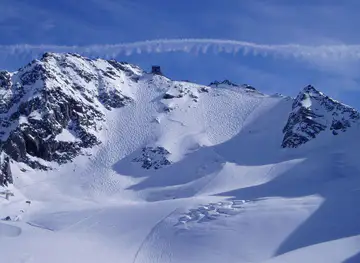


Swipe for more destinations
Best attractions in Valais
Valais offers an unusually broad range of experiences within one canton, from Roman archaeology and medieval religious sites to glaciers, vineyards and high-altitude sports. Sion’s historic hilltops, the Roman remains around Martigny and the Abbey of Saint-Maurice provide cultural anchors in the Rhône valley, while the Fondation Pierre Gianadda in Martigny is known for its exhibitions and archaeological collections. The side valleys lead to walking and ski areas around Zermatt, Saas-Fee, the Val d’Anniviers and the Aletsch region. The Great Aletsch Glacier is a defining natural attraction, with viewpoints and trails approached from several mountain communities. Leukerbad combines thermal bathing with extensive hiking terrain, and the valley’s bisses offer gentler walks along historic irrigation channels. Vineyards, orchards and food producers add a strongly agricultural dimension, while cable cars, mountain railways and panoramic trails make the high Alps accessible without requiring every visitor to undertake technical mountaineering.
-
Fortress
Fort of Bard
Discover the historical marvel of Fort of Bard in Aosta Valley, where breathtaking views meet rich military heritage and cultural events.
-
Ski resort
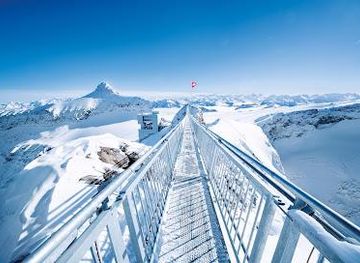
Glacier 3000
Discover Glacier 3000: Your Year-Round Adventure Playground in the Swiss Alps with Unforgettable Views and Activities.
-
Tourist attraction
Jungfraujoch Sphinx Observatory
Discover the breathtaking beauty of the Jungfraujoch Sphinx Observatory, a must-visit destination for tourists seeking the ultimate alpine adventure in Switzerland.
-
Historical landmark
Roman Theatre
Explore the Roman Theatre in Aosta, a stunning historical landmark that reflects the grandeur of ancient Rome amidst breathtaking alpine scenery.

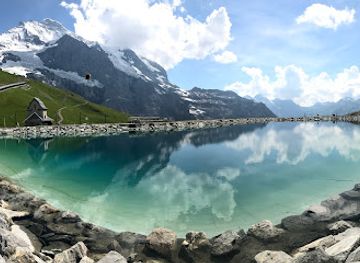

Best landmarks in Valais
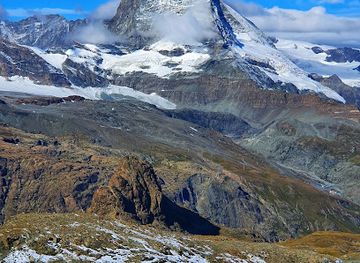
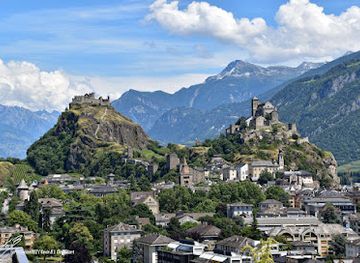
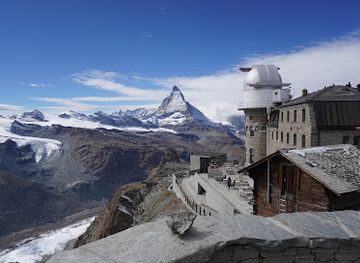
The hilltop Valère Basilica and Tourbillon Castle define the skyline of Sion and express the city’s medieval ecclesiastical and political importance. At Saint-Maurice, the ancient abbey and its treasury occupy a strategically narrow part of the Rhône valley where religious and military routes converged. Martigny’s Roman amphitheatre and archaeological remains recall the town’s ancient role as Octodurus, while the Great St Bernard road links the canton to one of the historic Alpine crossings. In the eastern canton, Stockalper Castle in Brig is a monumental reminder of early modern trade and the influence of the Stockalper family. The Great Aletsch Glacier is Valais’s most powerful natural landmark, its vast ice flow framed by the high Alps. Above Zermatt, the Matterhorn is visible from the canton’s mountain terrain and remains its most recognisable geographical symbol, although the summit itself lies on the Swiss-Italian border.
-
Historical landmark
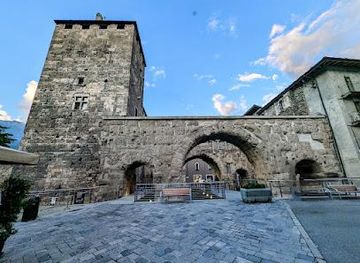
Porta Pretoria
Explore Porta Pretoria, the iconic Roman gateway in Aosta, where history and stunning architecture come together in a breathtaking alpine setting.
-
Heritage railroad
Gornergrat Railway
Discover the breathtaking beauty of the Swiss Alps with the Gornergrat Railway, an iconic heritage railway offering stunning alpine vistas.
-
Castle
Château de Tourbillon
Discover the enchanting Château de Tourbillon, a medieval castle offering breathtaking views and a glimpse into Switzerland's rich history.
-
Observation deck
Gornergrat Observation Platform
Experience breathtaking views of the Swiss Alps at Gornergrat Observation Platform, a must-visit tourist attraction near Zermatt, Switzerland.
Explore Valais on the map
Plan your trip on one map. See where the top cities, national parks and sights are, and book hotels and experiences in a few clicks.
Best hotels in Valais
Best restaurants in Valais
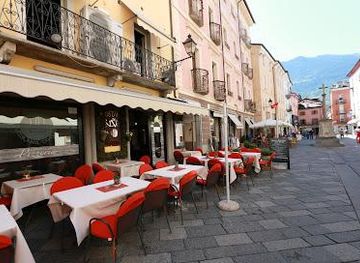
Valais dining reflects the contrast between a sunny, productive Rhône valley and high pastoral communities. Raclette du Valais AOP is the best-known local speciality, traditionally accompanied by potatoes, pickles and onions, while mountain cheeses and dried meats feature widely in village restaurants and alpine inns. The canton’s vineyards produce wines including Fendant, Petite Arvine, Amigne, Cornalin and Humagne Rouge, and wine bars and cellar tastings are particularly characteristic around Sion, Fully, Conthey and other wine-growing areas. Apricots, pears and other fruit contribute to preserves, spirits, tarts and seasonal menus. In resorts and towns, restaurants range from traditional cafés and bakeries to contemporary dining rooms, with menus often combining Swiss, French and Italian influences. Farmers’ markets and specialist food shops are useful for discovering local cheeses, charcuterie, dried fruit, rye products and regional wines.
-
Restaurant
Hostaria del Calvino Trattoria Ristorante Aosta
Cozy Crotta trattoria in Aosta's old town serving hearty Valdostan classics—fontina fondue, local game stews, handmade pasta, and wood-fired pizza—in a historic stone setting with warm service.
-
Restaurant
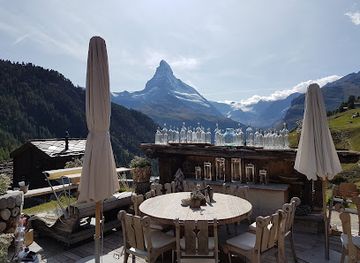
Chez Vrony
Experience authentic Swiss cuisine at Chez Vrony in Zermatt with stunning views of the Alps.
-
Brasserie
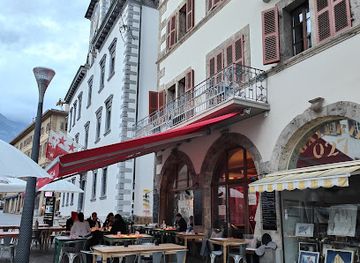
Brasserie du Grand Pont
Experience authentic French cuisine at Brasserie du Grand Pont in Sion - where every meal is a celebration of flavor.
-
Restaurant
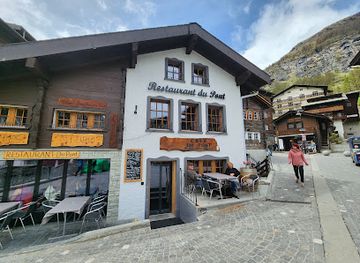
Du Pont
Savor authentic Swiss cheese dishes at Du Pont in Zermatt – your gateway to fondue perfection and unforgettable alpine views.
Best bars in Valais
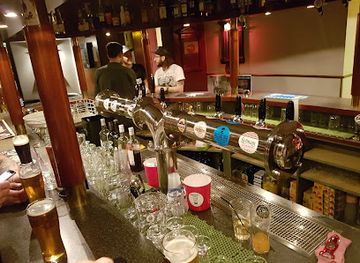
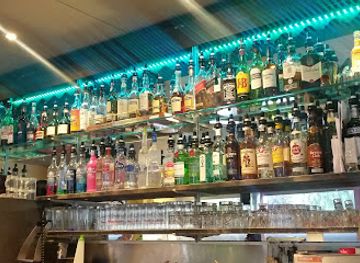
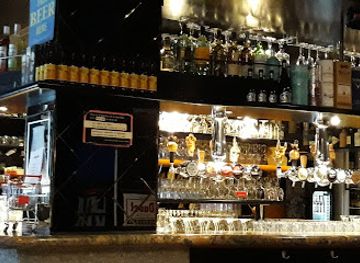
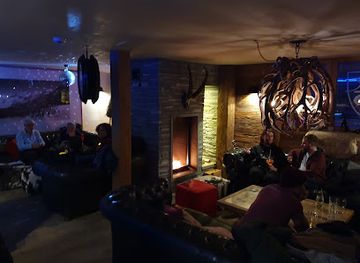
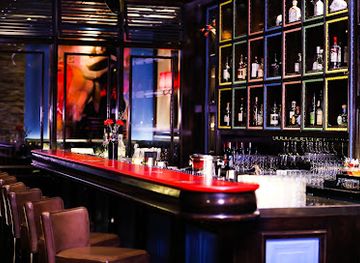
Evening life in Valais is shaped more by village cafés, wine bars, hotel lounges and traditional pubs than by a large club scene. Sion, Martigny, Brig and Visp provide the widest choice of restaurants, bars, cultural venues and occasional live music, while resorts such as Zermatt and Crans-Montana have a more developed après-ski and late-evening culture during the winter season. In smaller mountain communities, evenings generally centre on dining, local inns and social gatherings rather than nightclubs. Wine tasting rooms and cellar establishments are an important regional alternative to conventional nightlife, especially in the Rhône valley. Seasonal events and resort entertainment change from year to year, so visitors should check current local listings rather than assume that a venue or programme operates throughout the year.
-
Bar
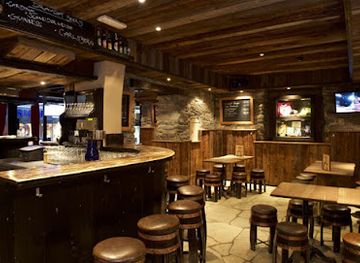
Brown Cow - pub
Experience the warmth of Zermatt at Brown Cow Pub, where alpine charm meets delightful cuisine and an extensive drink selection.
-
Bar
Sunset Bar
Discover Sunset Bar in Martigny: Enjoy delicious drinks, stunning sunset views, and a vibrant atmosphere in this popular local hotspot.
-
Bar
American Pub
Discover the vibrant American Pub in Sion, where delicious food, refreshing drinks, and pool games come together for an unforgettable experience.
-
Bar
Domino
Discover the vibrant atmosphere of Domino in Sion, a perfect bar for unwinding with friends and enjoying a variety of drinks in a welcoming setting.
Best nightclubs in Valais
Evening life in Valais is shaped more by village cafés, wine bars, hotel lounges and traditional pubs than by a large club scene. Sion, Martigny, Brig and Visp provide the widest choice of restaurants, bars, cultural venues and occasional live music, while resorts such as Zermatt and Crans-Montana have a more developed après-ski and late-evening culture during the winter season. In smaller mountain communities, evenings generally centre on dining, local inns and social gatherings rather than nightclubs. Wine tasting rooms and cellar establishments are an important regional alternative to conventional nightlife, especially in the Rhône valley. Seasonal events and resort entertainment change from year to year, so visitors should check current local listings rather than assume that a venue or programme operates throughout the year.
-
Bar
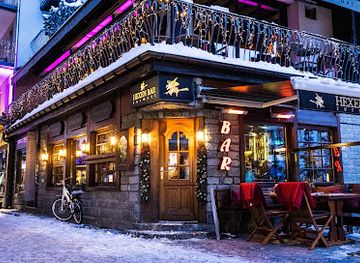
Hexenbar
Experience the vibrant nightlife at Hexenbar, Zermatt's favorite bar, offering a cozy atmosphere and an extensive drink selection.
-
Lounge
Bar 55
Experience the perfect blend of relaxation and socializing at Bar 55, Zermatt’s premier lounge with exquisite drinks and a cozy atmosphere.
-
Live music bar
Club Mamacita
Experience the vibrant nightlife at Club Mamacita in Zermatt, where live music, cocktails, and dancing come together for an unforgettable evening.
-
Disco club
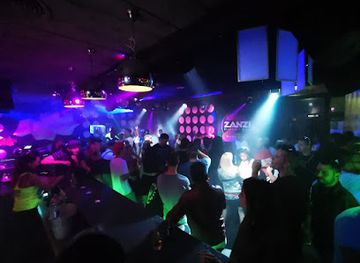
Zanzibar
Discover the electrifying atmosphere of Zanzibar Disco Club in Martigny, where music and dance come alive in an unforgettable nightlife experience.
Best shops in Valais
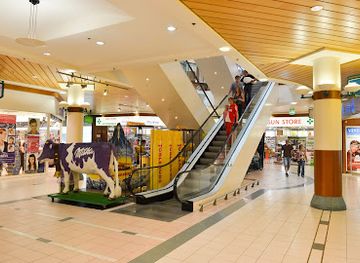
Shopping in Valais is strongest in the historic centres and market towns of the Rhône valley rather than in large urban retail districts. Sion, Martigny, Brig and Visp offer everyday high-street shops, delicatessens, bakeries, specialist wine merchants and independent businesses, while resort villages add outdoor equipment, mountain clothing and locally produced gifts. Wine is the most characteristic regional purchase, with bottles of Petite Arvine, Fendant, Cornalin and other Valais varieties available from estates, cooperatives and specialist shops. Other useful souvenirs include raclette cheese, dried meats, fruit preserves, apricot products, herbal goods and chocolate. Village markets and farmers’ stalls vary by season and location, but often showcase orchard produce and Alpine foods. Craft items, local ceramics, textiles and wood products can be found in smaller quantities, while visitors should distinguish genuinely regional goods from generic Swiss souvenirs sold in resort centres.
-
Shopping mall
Centre Manor Sierre
Explore Centre Manor Sierre, the ultimate shopping mall in Switzerland with diverse shops, delightful dining, and vibrant entertainment for all.
-
Shopping mall
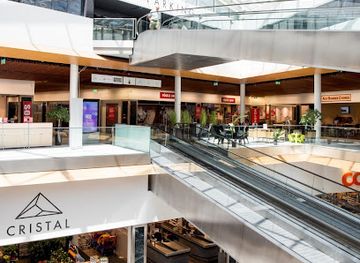
Cristal Centre
Explore Cristal Centre in Martigny for an unforgettable shopping and dining experience in a modern and inviting atmosphere.
-
E-commerce service
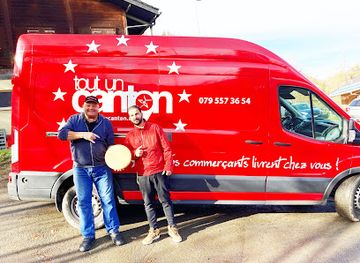
Tout un Canton - La Boutique du Valais
Discover the essence of Swiss culture at Tout un Canton - La Boutique du Valais, your go-to spot for local delicacies and handcrafted souvenirs in Riddes.
-
Shopping mall
Uvrier Centre
Explore Uvrier Centre in Sion, Switzerland: a vibrant shopping mall with diverse retail, dining, and entertainment options for every taste.
Get your free copy of our complete guide to Valais, delivered straight to you.
Everything on this page, from attractions and restaurants to essentials and local phrases, in one PDF you can read offline, print or share.
Already have an account? Sign in
Your Valais guide is ready.
We'll send it to · Not you? Sign out

Getting your guide ready…
We are putting together a fresh copy of the Valais guide. This can take up to a minute.
This can take a few moments. If your browser asks, choose Allow so the download can start. You'll find the guide in your Downloads folder.
Nothing happened? Download it again
Sorry, the guide is taking longer than usual. Please try again in a minute, or get it by email instead.
Valais essentials
Currency and Payment
Safety
Emergency Situations
Do's and Don'ts
Local Tips
From Eve
Local phrases worth knowing
You don't need to get them perfect. A few words go a long way, and locals appreciate the effort.
Basics
| English | Local | Say it |
|---|---|---|
| Hello | Grüezi | [Gree-tsee] |
| Goodbye | Adieu | [Ah-dyuh] |
| Yes | Ja | [Yah] |
| No | Nein | [Nine] |
| Please/You're welcome | Bitte | [Bit-teh] |
| Thank you | Danke | [Dahn-keh] |
| Excuse me/Sorry | Entschuldigung | [Ent-shool-dee-goong] |
| How are you? | Wie goht's? | [Vee goht's?] |
| Fine. And you? | Guet. Und dir? | [Goot. Oond deer?] |
| Do you speak English? | Spreche Sie Englisch? | [Spreh-khe Zee Eng-lish?] |
| I don't understand | Ich verstehe nicht | [Ish fer-shtay-eh nikht] |
Eating & Drinking
| English | Local | Say it |
|---|---|---|
| I'd like to see the menu, please | Ich möchte die Karte sehen, bitte | [Ish merkh-tuh dee Kahr-tuh zay-en, bit-teh] |
| I don't eat meat | Ich esse kein Fleisch | [Ish es-seh kine Flysh] |
| Cheers! | Prost! | [Prohst!] |
| I would like to pay, please | Ich möchte bezahlen, bitte | [Ish merkh-tuh beh-tsah-len, bit-teh] |
Emergencies
| English | Local | Say it |
|---|---|---|
| Help! | Hilfe! | [Hil-feh!] |
| Go away! | Geh weg! | [Geh veg!] |
| Call the Police! | Rufen Sie die Polizei! | [Roo-fen Zee dee Pol-ee-tsai!] |
| Call a doctor! | Rufen Sie einen Arzt! | [Roo-fen Zee eye-nen Arts-t!] |
| I'm lost | Ich bin verloren | [Ish bin fer-lo-ren] |
| I'm ill | Ich bin krank | [Ish bin krank] |
Shopping
| English | Local | Say it |
|---|---|---|
| I'd like to buy... | Ich möchte kaufen... | [Ish merkh-tuh kow-fen...] |
| I'm just looking | Ich schaue nur | [Ish shau-eh nur] |
| How much is it? | Wie viel kostet es? | [Vee feel koh-stet es?] |
| That's too expensive | Das ist zu teuer | [Das ist tsoo toy-er] |
| Can you lower the price? | Könnten Sie den Preis senken? | [Kern-ten Zee den Price zen-ken?] |
Time & Numbers
| English | Local | Say it |
|---|---|---|
| What time is it? | Wie spät ist es? | [Vee shpaet ist es?] |
| It's one o'clock | Es ist ein Uhr | [Es ist ine Oor] |
| Half past (10) | Halb (10) | [Hahlb (10)] |
| Morning | Morgen | [Mor-gen] |
| Afternoon | Nachmittag | [Nahkht-mi-tag] |
| Evening | Abend | [Ah-bend] |
| Yesterday | Gestern | [Gest-ern] |
| Today | Heute | [Hoy-teh] |
| Tomorrow | Morgen | [Mor-gen] |
| 1 | Eins | [Eyns] |
| 2 | Zwei | [Zvy] |
| 3 | Drei | [Dry] |
| 4 | Vier | [Fear] |
| 5 | Fünf | [Fünf] |
| 6 | Sechs | [Zex] |
| 7 | Sieben | [Zee-ben] |
| 8 | Acht | [Aht] |
| 9 | Neun | [Noyn] |
| 10 | Zehn | [Zayn] |
Transport & Directions
| English | Local | Say it |
|---|---|---|
| Where's a/the...? | Wo ist ein/der...? | [Vo ist ine/der...?] |
| What's the address? | Was ist die Adresse? | [Vas ist dee Ah-dress-eh?] |
| Can you show me (on the map)? | Könnten Sie mir (auf der Karte) zeigen? | [Kern-ten Zee meer (owf der Kahr-teh) tsai-gen?] |
| When's the next (bus)? | Wann kommt der nächste (Bus)? | [Vahn komt der nay-shta (Boos)?] |
| A ticket (to ....) | Ein Ticket (nach ....) | [Ine Ticket (nahkh ....)] |
History of Valais
Prehistoric Settlements and Alpine Passes
Valais has been inhabited since prehistoric times, with archaeological evidence showing communities farming the valley floor and using routes across the surrounding Alps. The Rhône corridor and passes towards Italy made the area a meeting point between northern and southern Alpine cultures. Bronze Age and later Iron Age finds reveal metalworking, trade and changing settlement patterns, while the high valleys remained closely connected to seasonal pastoralism. These early routes established a geographical pattern that endured for centuries: the main valley served as a transport corridor, while side valleys developed more locally distinctive economies and communities.
Roman Vallis Poenina
Rome incorporated Valais into the province known as Vallis Poenina during the first century BC. The Romans developed roads through the Rhône valley and across the Great St Bernard route, connecting northern Italy with the western Alps. Octodurus, near modern Martigny, became an important settlement and administrative centre, and Roman remains can still be seen in and around the town. Roman infrastructure strengthened trade, agriculture and urban life, while the region’s strategic passes gave it importance far beyond its relatively small population.
Christianisation and the Abbey of Saint-Maurice
Christian institutions became central to Valais during late antiquity and the early medieval period. The Abbey of Saint-Maurice, traditionally founded in 515 on the site associated with the martyrdom of Saint Maurice and the Theban Legion, became one of the oldest continuously occupied monastic foundations in Europe. It accumulated manuscripts, relics and political influence, while churches and religious houses spread along the Rhône corridor. The abbey’s long history illustrates the region’s position between Burgundy, the Alpine passes and the wider Christian worlds of western Europe.
Medieval Lords, Bishops and Mountain Communities
Throughout the Middle Ages, authority in Valais was divided among the prince-bishops of Sion, noble families, ecclesiastical institutions and increasingly organised local communities. Castles such as Valère and Tourbillon reflect the political importance of Sion, while fortified sites and parish churches controlled routes and agricultural resources elsewhere in the canton. Irrigation channels, known locally as bisses, helped distribute scarce water to dry slopes and remain an important reminder of medieval and early modern collective labour. Alpine villages also developed systems of shared pasture and woodland management.
The Napoleonic Era and Entry into Switzerland
Valais was drawn into the upheavals of the Napoleonic period and was annexed to France in 1810 as the department of Simplon. French administrative changes and improved control of Alpine routes altered the region’s political framework, although local institutions and geography continued to matter. After Napoleon’s defeat, Valais became a canton of the Swiss Confederation in 1815. Its incorporation strengthened links with the Swiss state while preserving the linguistic and cultural distinction between French-speaking Lower Valais and German-speaking Upper Valais.
Railways, Tourism and Alpine Modernisation
Railways transformed Valais from the nineteenth century onwards. Lines through the Rhône valley and mountain railways to resorts such as Zermatt made the canton more accessible to visitors, traders and seasonal workers. Mountaineering, spa tourism and winter sports expanded, accompanied by hotels, funiculars and cable cars. In the twentieth century, hydroelectricity, road building, industrial development and large-scale irrigation reshaped the valley floor, while agriculture became increasingly specialised in wine, fruit and livestock. Modern Valais therefore combines an international mountain economy with long-established rural practices.
Valais in Photos
Browse through our photo collection highlighting the charm and character of the destination.
Neighbouring regions of Valais
The closest regions to Valais, if you have time for more than one.
-

-

-

-

-


Swipe for more regions
Explore more

Explore more of Switzerland
Discover Switzerland's majestic landscapes, vibrant cities, and rich culture. From alpine adventures to urban exploration, experience the best of Europe in one destination.
Explore Switzerland