

Free Uri Travel Guide & Mobile App
Explore Uri with free travel guides. Discover regional history, expert tips, proposed trips, and audio guides on web or mobile app.


Explore Uri in Switzerland for Lake Lucerne shores, Gotthard heritage, Alpine passes, historic villages and rewarding mountain trails.
Read more about Uri
When is the best time to visit Uri?
Best: July–September · 19–23°C| Month | High (°C) | Rainfall (mm) |
|---|---|---|
| January | 2 | 61 |
| February | 3 | 56 |
| March | 6 | 71 |
| April | 11 | 82 |
| May | 16 | 102 |
| June | 20 | 111 |
| July (best) | 23 | 121 |
| August (best) | 23 | 111 |
| September (best) | 19 | 102 |
| October | 14 | 92 |
| November | 7 | 81 |
| December | 3 | 71 |
Getting to and around Uri
How to get there
Transportation
Destinations in Uri
Resorts, valleys and scenic spots worth a trip of their own.
-

-


Swipe for more destinations
Best attractions in Uri
Uri’s attractions range from lakeside journeys to demanding high-Alpine outings. Around Flüelen and the lower Lake Lucerne shore, visitors can combine boat travel, waterfront walks and sections of the Swiss Path, which links places associated with the early Confederation. Altdorf and Bürglen provide museums, civic buildings and William Tell traditions, while the Rütli meadow offers a symbolic historic setting reached by boat and foot. South along the Reuss valley, the transport landscape becomes an attraction in its own right: railway bridges, tunnels, old routes and the Schöllenen Gorge reveal how the Gotthard crossing was made possible. Andermatt serves as a base for hiking, cycling, skiing and excursions towards the high passes. Nature-oriented visitors can explore mountain pastures, glacial valleys and viewpoints, but should match routes to weather, fitness and seasonal access. The canton has relatively few large urban museums or family theme parks; its appeal is the combination of political history, working transport infrastructure, Alpine scenery and varied outdoor recreation within a small administrative area.
-
Tourist attraction
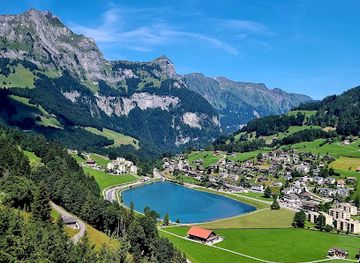
Titlis Cliff Walk
Explore the breathtaking Titlis Cliff Walk, a thrilling suspension bridge in the Swiss Alps, offering stunning views and unforgettable experiences.
-
Tourist attraction
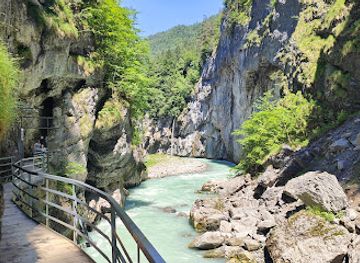
Aare Gorge West Entrance
Explore the breathtaking Aare Gorge West Entrance, a stunning natural and historical landmark in the heart of Switzerland.
-
Tourist attraction
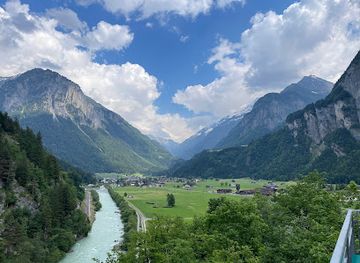
Aareschlucht
Discover the breathtaking Aareschlucht gorge in Switzerland, a stunning natural attraction perfect for hiking, photography, and serene walks amidst towering cliffs.
-
Tourist attraction
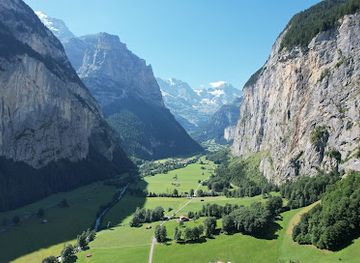
Staubbachfall Waterfall
Experience the breathtaking Staubbachfall Waterfall in Lauterbrunnen, where nature's beauty meets Swiss charm amidst stunning alpine landscapes.
Best landmarks in Uri
Uri’s most recognisable landmarks express its political mythology and its role as an Alpine crossing. The Tell Monument in Altdorf commemorates the canton’s legendary archer and stands in the town’s historic centre, while Bürglen is associated with the Tell tradition and has a museum devoted to it. The Rütli meadow above Lake Lucerne is one of Switzerland’s most resonant national sites, remembered as the setting of the founding oath in later tradition. At the southern end of the Reuss valley, the Schöllenen Gorge and Devil’s Bridge mark the difficult passage towards the Gotthard Pass; the dramatic gorge combines natural force with centuries of engineering. The Gotthard Pass itself is a defining geographical landmark, linking northern and southern Switzerland across high terrain. Lake Lucerne’s Uri shore, backed by steep mountains and interrupted by small settlements, provides a contrasting natural landmark. Railway viaducts, galleries and tunnel approaches around Wassen and Göschenen complete a distinctive landscape in which transport infrastructure is inseparable from the canton’s history.
-
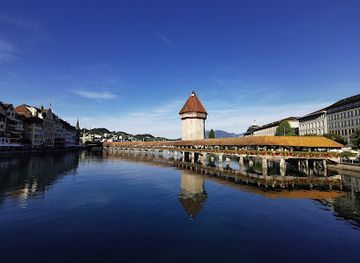
Bridge
Chapel Bridge
Discover the beauty and history of Chapel Bridge, Lucerne's iconic wooden bridge adorned with stunning artwork and breathtaking views.
-
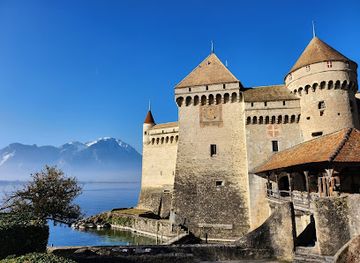
Castle
Chillon Castle
Discover the enchanting Chillon Castle, a historic gem on Lake Geneva, where history and breathtaking views merge in a captivating experience.
-
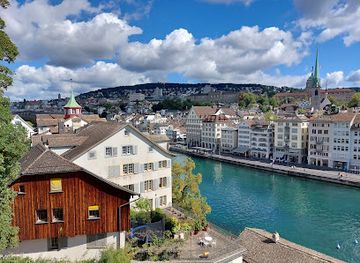
Historical landmark
Lindenhof
Explore Lindenhof, a historic park in Zurich offering panoramic views, rich history, and a peaceful atmosphere perfect for relaxation.
-
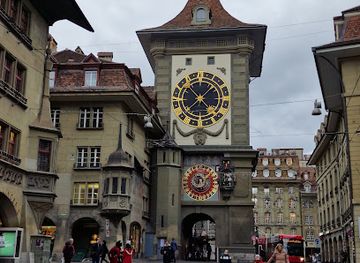
Historical landmark
Zytglogge
Experience the allure of Zytglogge, Bern's stunning clock tower, a UNESCO World Heritage Site showcasing Switzerland's rich history and culture.
Explore Uri on the map
Plan your trip on one map. See where the top cities, national parks and sights are, and book hotels and experiences in a few clicks.
Best hotels in Uri
Best restaurants in Uri
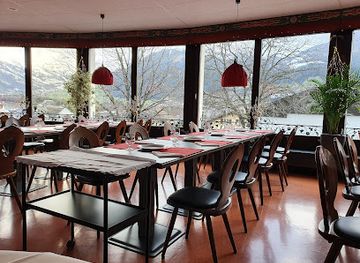
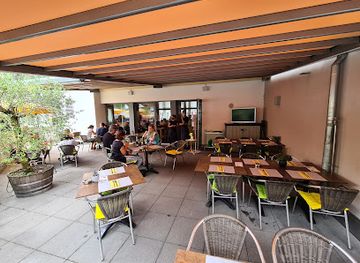
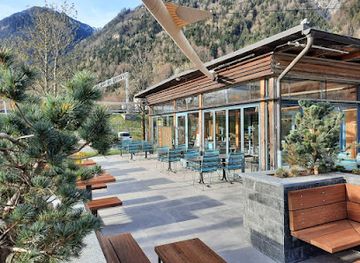
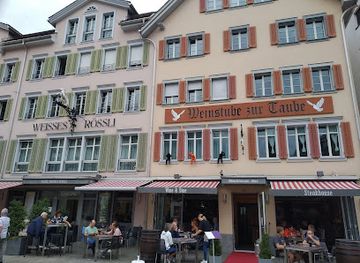
Uri’s dining culture is grounded in central Swiss mountain cooking, with menus often centred on potatoes, cheese, bread, seasonal vegetables and preserved meats. Rösti, cheese dishes, soups and regional sausages are common in traditional restaurants, while mountain cheeses and dairy products reflect the canton’s pasture economy. Around Altdorf and Flüelen, cafés and restaurants serve both local food and broader Swiss and European menus; in Andermatt, dining ranges from informal slope-side and village establishments to more contemporary hotel restaurants. Alpine huts and summer pasture restaurants offer simple meals, cakes and drinks when accessible, but their opening arrangements are seasonal and weather-dependent. Local bakeries are useful for provisions before a walk or rail journey. Swiss wines from other regions and locally produced beers may appear alongside the food, although Uri’s strongest culinary identity lies in hearty, practical dishes suited to mountain life rather than a single signature recipe.
-
Chicken
Pouletburg
Experience the ultimate chicken dining at Pouletburg in Attinghausen - where flavor meets comfort in every bite.
-
Swiss
Toutoune
Experience authentic Swiss cuisine at Toutoune in Andermatt – where tradition meets breathtaking mountain views.
-
Swiss
Seerestaurant Seedorf
Experience authentic Swiss cuisine at Seerestaurant Seedorf with stunning lake views and family-friendly amenities.
-
Steak
Steakhouse
Experience exceptional steaks in Brunnen's inviting atmosphere; perfect for meat lovers seeking quality dining.
Best bars in Uri
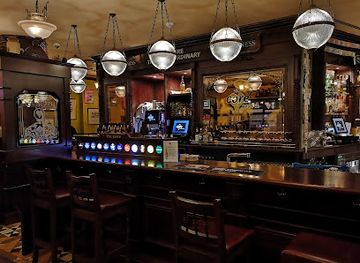
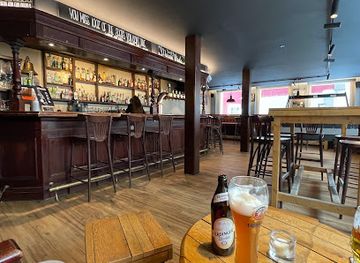
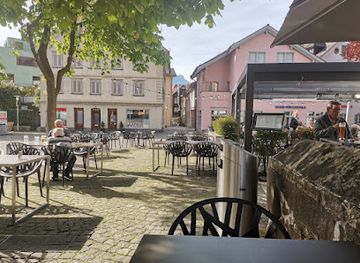
Uri has a restrained nightlife scene shaped by small towns, villages and mountain resorts rather than a large club circuit. Altdorf provides the canton’s broadest choice of cafés, bars, restaurants and occasional cultural evenings, while Flüelen has a quieter lakeside atmosphere. In Andermatt, hotel bars, après-ski venues and restaurants form the main evening focus during the winter season, with activity varying outside peak periods. Traditional pubs and village inns remain important places for an informal drink, and live music or local events may bring more energy on particular evenings. Visitors should not expect late-night entertainment across the rural valleys, where many establishments close earlier and public transport becomes less frequent. The evening character is better suited to conversation, regional food and mountain views than to a concentrated nightclub district.
-
Irish pub
The Core Irish Pub
Experience the warmth of Ireland at The Core Irish Pub in Engelberg, offering hearty food and a vast selection of drinks in a cozy atmosphere.
-
Pub
Pinte Pub&Club
Discover the lively atmosphere at Pinte Pub&Club in Andermatt, where delicious food and vibrant nightlife combine for an unforgettable experience.
-
Bar
Lehnhof - das Wirtshaus
Experience the heart of Swiss cuisine at Lehnhof - das Wirtshaus in Altdorf, where tradition meets taste in a cozy setting.
-
 Bar
BarGoldener Schlüssel Altdorf
Experience the charm of Altdorf at Goldener Schlüssel, a unique venue blending delicious dining, vibrant concerts, and Swiss hospitality.
Best nightclubs in Uri
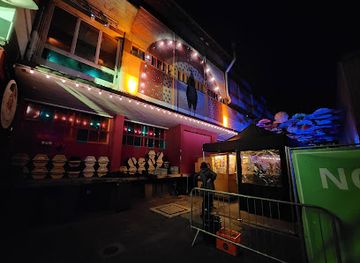
Uri has a restrained nightlife scene shaped by small towns, villages and mountain resorts rather than a large club circuit. Altdorf provides the canton’s broadest choice of cafés, bars, restaurants and occasional cultural evenings, while Flüelen has a quieter lakeside atmosphere. In Andermatt, hotel bars, après-ski venues and restaurants form the main evening focus during the winter season, with activity varying outside peak periods. Traditional pubs and village inns remain important places for an informal drink, and live music or local events may bring more energy on particular evenings. Visitors should not expect late-night entertainment across the rural valleys, where many establishments close earlier and public transport becomes less frequent. The evening character is better suited to conversation, regional food and mountain views than to a concentrated nightclub district.
-
Nightclub
Hive
Discover Zurich's nightlife at Hive, a vibrant nightclub known for its electrifying atmosphere and top-tier DJs, perfect for dance enthusiasts.
-
Pub
Pinte Pub&Club
Discover the perfect blend of pub and disco at Pinte Pub&Club in Andermatt, where great food, drinks, and music create unforgettable nights.
-
Bar
Tellenbar
Experience the vibrant nightlife of Altdorf at Tellenbar, a lively bar and dance club offering great music and drinks.
-
Nightclub
Princesse The Club
Experience the electrifying nightlife at Princesse The Club in Lucerne, where music and fun come alive until dawn.


Best shops in Uri
Shopping in Uri is concentrated in Altdorf, Flüelen, Andermatt and the larger valley settlements rather than in extensive retail centres. Altdorf has the widest selection of everyday shops, independent businesses, cafés and services, while smaller towns are useful for bakeries, groceries and practical outdoor equipment. Visitors can look for mountain cheese, dried meats, local baked goods and other Swiss food products, bearing in mind that some are regional specialities rather than Uri-exclusive inventions. Craft shops and galleries may offer woodwork, textiles, ceramics, decorative objects and Alpine-themed goods, particularly in resort areas. Andermatt’s retail character is oriented towards outdoor clothing, equipment, souvenirs and hotel-based shopping. Markets and seasonal village events can provide better opportunities for local produce than permanent souvenir outlets, but dates vary. For a substantial range of international brands or large shopping centres, visitors generally travel outside the canton to larger Swiss urban centres.
-
Shopping mall
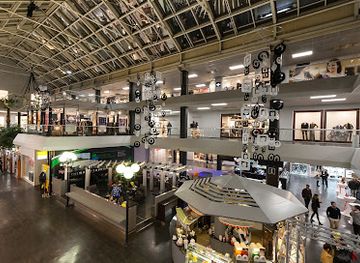
Einkaufszentrum Glatt
Discover the ultimate shopping experience at Einkaufszentrum Glatt, featuring diverse stores, delightful dining, and engaging entertainment options.
-
Outlet mall
FoxTown Factory Stores
Explore unbeatable discounts at FoxTown Factory Stores, Mendrisio's premier outlet mall with over 160 brands waiting for you!
-
Outlet mall
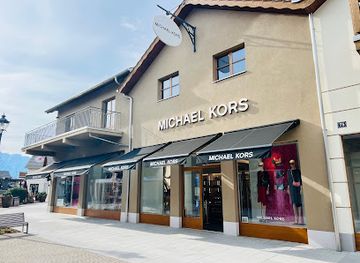
Landquart Fashion Outlet
Experience the ultimate shopping getaway at Landquart Fashion Outlet, where luxury meets affordability amidst stunning alpine views.
-
Shopping mall
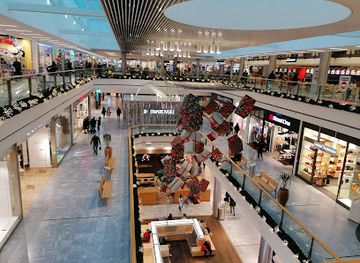
Einkaufszentrum Letzipark
Explore Einkaufszentrum Letzipark, Zurich's premier shopping destination with diverse stores, dining, and entertainment all under one roof.
Get your free copy of our complete guide to Uri, delivered straight to you.
Everything on this page, from attractions and restaurants to essentials and local phrases, in one PDF you can read offline, print or share.
Already have an account? Sign in
Your Uri guide is ready.
We'll send it to · Not you? Sign out

Getting your guide ready…
We are putting together a fresh copy of the Uri guide. This can take up to a minute.
This can take a few moments. If your browser asks, choose Allow so the download can start. You'll find the guide in your Downloads folder.
Nothing happened? Download it again
Sorry, the guide is taking longer than usual. Please try again in a minute, or get it by email instead.
Uri essentials
Currency and Payment
Safety
Emergency Situations
Do's and Don'ts
Local Tips
From Eve
Local phrases worth knowing
You don't need to get them perfect. A few words go a long way, and locals appreciate the effort.
Basics
| English | Local | Say it |
|---|---|---|
| Hello | Grüezi | [Grye-tsee] |
| Goodbye | Uf Wiederluege | [Oof Vee-der-loo-guh] |
| Yes | Ja | [Yah] |
| No | Nee | [Nay] |
| Please/You're welcome | Bitte | [Bi-tuh] |
| Thank you | Danke | [Dahn-keh] |
| Excuse me/Sorry | Entschuldigung | [Ent-shool-dee-goong] |
| How are you? | Wie gaht's? | [Vee gahts?] |
| Fine. And you? | Guet. Und dir? | [Goo-et. Oond deer?] |
| Do you speak English? | Sprichsch du Englisch? | [Spreekhsh doo English?] |
| I don't understand | Ich verstah nüt | [Ish fer-shtah nüt] |
Eating & Drinking
| English | Local | Say it |
|---|---|---|
| I'd like to see the menu, please | Ich möcht das Menu sähe, bitte | [Ish moekht dahs Meh-nu seh-eh, bi-tuh] |
| I don't eat meat | Ich esse kein Fleisch | [Ish es-se kiyn Flysh] |
| Cheers! | Prost! | [Prohst!] |
| I would like to pay, please | Ich möcht zahle, bitte | [Ish moekht zah-leh, bi-tuh] |
Emergencies
| English | Local | Say it |
|---|---|---|
| Help! | Hilfe! | [Hil-feh!] |
| Go away! | Geh weg! | [Gay vehg!] |
| Call the Police! | Ruf die Polizei! | [Roof dee Pohl-itz-eye!] |
| Call a doctor! | Ruf einen Arzt! | [Roof eye-nen Artzt!] |
| I'm lost | Ich bin verloore | [Ish bin fer-loo-reh] |
| I'm ill | Ich bin krank | [Ish bin krank] |
Shopping
| English | Local | Say it |
|---|---|---|
| I'd like to buy... | Ich möcht... kaufe | [Ish moekht... kau-feh] |
| I'm just looking | Ich lueg nur | [Ish loo-g noor] |
| How much is it? | Wie viel kostet das? | [Vee feel koh-stet dahs?] |
| That's too expensive | Das isch zu teuer | [Dahs ish too toy-er] |
| Can you lower the price? | Chasch den Preis senken? | [Khash den Pryce sen-ken?] |
Time & Numbers
| English | Local | Say it |
|---|---|---|
| What time is it? | Wie spät isch es? | [Vee shpate ish es?] |
| It's one o'clock | Es isch ein Uhr | [Es ish ine Oor] |
| Half past (10) | Halb elf | [Halb elf] |
| Morning | Morge | [Mor-guh] |
| Afternoon | Nachmittag | [Nach-mit-tahg] |
| Evening | Abend | [Ah-bend] |
| Yesterday | Gestern | [Ges-terrn] |
| Today | Hüt | [Hyu-t] |
| Tomorrow | Morgen | [Mor-gen] |
| 1 | Eins | [Eyns] |
| 2 | Zwei | [Zvy] |
| 3 | Drei | [Dry] |
| 4 | Vier | [Veer] |
| 5 | Fünf | [Fünf] |
| 6 | Sechs | [Zex] |
| 7 | Sieben | [Zee-ben] |
| 8 | Acht | [Ahkt] |
| 9 | Neun | [Noyn] |
| 10 | Zehn | [Tzehn] |
Transport & Directions
| English | Local | Say it |
|---|---|---|
| Where's a/the...? | Wo isch e...? | [Vo ish e...?] |
| What's the address? | Was isch die Adresse? | [Vas ish dee Ah-dress-eh?] |
| Can you show me (on the map)? | Chasch mir zeige (uf der Karte)? | [Khash meer tsai-guh (oof der Kar-teh)?] |
| When's the next (bus)? | Wann chunt der nächschte (Bus)? | [Vahn khoont der naykh-steh (Boos)?] |
| A ticket (to ....) | E Ticket (nach ....) | [E Tee-ket (nahkh ....)] |
History of Uri
Early settlement and the Alpine valleys
Uri’s valleys and lake shores have been inhabited since prehistoric times, although settlement was shaped by steep terrain, avalanches and difficult communications. Farming communities developed on the more accessible valley floors and terraces, while seasonal movement to higher pastures became an important part of rural life. Archaeological evidence and historic settlement patterns show that Uri was never an isolated wilderness: its position between the central Swiss lowlands and the Alpine passes gave it a continuing role in movement across the mountains.
The growth of the Gotthard route
The opening of a dependable route through the Schöllenen Gorge in the late medieval period transformed Uri’s importance. The Devil’s Bridge and associated paths made the Gotthard Pass a viable connection between northern and southern Europe. Uri benefited from tolls, transport and the provisioning of travellers, but also faced the hazards of avalanches, floods and difficult political control. Villages such as Wassen, Göschenen and Andermatt grew in significance as stages on this demanding trans-Alpine route.
The Swiss Confederation and the Rütli tradition
Uri joined Schwyz and Unterwalden in the alliance traditionally dated to 1291, an event later treated as the foundation of the Swiss Confederation. The surviving Federal Charter records a mutual defence agreement, while the Rütli meadow in Uri became a powerful national symbol in later centuries. The story of William Tell, associated especially with Altdorf and Bürglen, belongs to the same body of legend. Historians distinguish these traditions from the limited contemporary evidence for every detail of the later narrative.
Cantonal self-government and the Old Confederacy
As one of the forest cantons, Uri developed a strong tradition of local political participation within the Old Swiss Confederacy. The Landsgemeinde, a public assembly in which eligible citizens voted on cantonal matters, became an important expression of this system. Uri also pursued influence south of the Alps and played a part in confederate campaigns connected with control of the Gotthard approaches. The canton’s political identity was therefore shaped both by local autonomy and by the strategic value of its mountain corridor.
Roads, railways and industrial change
Modern transport altered Uri profoundly. The construction of the Gotthard road route and the Gotthard railway in the nineteenth century brought engineers, workers and new commercial possibilities into the Reuss valley. Wassen, Göschenen and Erstfeld became associated with tunnels, bridges and railway infrastructure, while Altdorf developed as a civic and industrial centre. Later road tunnels kept Uri central to north-south European traffic, even as the canton’s economy diversified beyond farming and transport.
Tourism and the contemporary Alpine canton
Mountain tourism developed in Uri during the nineteenth and twentieth centuries, first through walking, climbing and spa-oriented travel and later through skiing and wider outdoor recreation. Andermatt became the best-known high-altitude resort, while Lake Lucerne encouraged boating and lakeside tourism around Flüelen and Sisikon. Today Uri combines agriculture, transport, energy, public administration and tourism. Its historic passes and railway engineering remain working parts of the landscape rather than merely preserved relics.
Uri in Photos
Browse through our photo collection highlighting the charm and character of the destination.
Neighbouring regions of Uri
The closest regions to Uri, if you have time for more than one.
-

-

-

-

-


Swipe for more regions
Explore more

Explore more of Switzerland
Discover Switzerland's majestic landscapes, vibrant cities, and rich culture. From alpine adventures to urban exploration, experience the best of Europe in one destination.
Explore Switzerland