

Nashville Music Row Travel Guide - Free Web & App
Your ultimate guide to Nashville Music Row. Discover top landmarks, proposed trips, and local tips. Free on the web or via the Evendo companion app.


Nashville Music Row, Tennessee, is the historic heart of country music, with legendary studios, songwriter landmarks, live venues and tours year-round.
The District and Its Sound
Nashville Music Row is a compact, intensely influential district south-west of downtown, centred on streets such as 16th and 17th Avenues South and adjoining parts of Division Street. Its identity comes less from grand monuments than from the concentration of recording studios, music publishers, record companies, performance businesses and songwriter offices that helped establish Nashville as a global music capital. Low-rise commercial buildings, studios tucked behind modest façades and plaques commemorating musicians form an urban landscape shaped by the music industry.Read more about Nashville Music Row
Studios, Songwriters and Heritage
Exploring the Wider Music Neighbourhood
When is the best time to visit Nashville Music Row?
Best: May, September–October · 22–28°C| Month | High (°C) | Rainfall (mm) |
|---|---|---|
| January | 7 | 109 |
| February | 10 | 107 |
| March | 16 | 130 |
| April | 22 | 118 |
| May (best) | 27 | 125 |
| June | 31 | 117 |
| July | 33 | 118 |
| August | 32 | 109 |
| September (best) | 28 | 104 |
| October (best) | 22 | 99 |
| November | 16 | 113 |
| December | 10 | 122 |
Getting to and around Nashville Music Row
How to get there
Transportation
Best attractions in Nashville Music Row
Historic RCA Studio B is Music Row's central visitor attraction, offering a carefully organised introduction to the studio where numerous landmark recordings were made. The Music Row Roundabout, with its statues of musicians, and Owen Bradley Park provide public spaces for understanding the district's network of performers, producers and songwriters. Streets around 16th and 17th Avenues South reward a slow walk past studio buildings, publishing offices and commemorative plaques, although many remain working premises rather than public attractions. The district is close enough to combine with Vanderbilt University and Belmont University, while the Frist Art Museum, Country Music Hall of Fame and Museum, National Museum of African American Music and Broadway lie beyond Music Row in central Nashville. The nearby Station Inn, historically significant to bluegrass performance, is in the adjoining Gulch area rather than within the core district, making it important to distinguish Music Row's recording heritage from Nashville's broader network of live-music venues.
-
Antique store
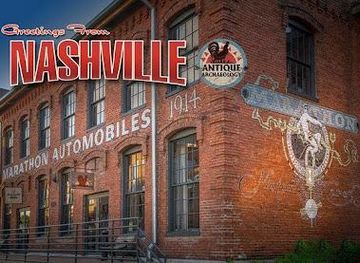
Antique Archaeology Nashville
Explore Antique Archaeology Nashville, a treasure trove of vintage collectibles and unique memorabilia in the heart of Music City.
-
Tourist attraction
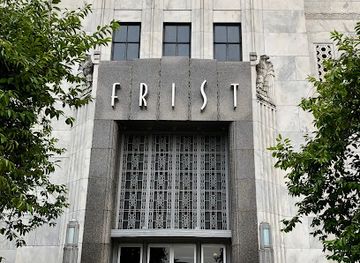
Frist Art Museum
Explore the Frist Art Museum in Nashville for captivating art exhibitions and a unique cultural experience in a historic setting.
-
Tourist attraction
Nashville WhatLiftsYou Wings Mural
Discover the inspiration behind Nashville's WhatLiftsYou Wings Mural, a vibrant tribute to creativity and positivity in Music City.
-
Tourist attraction
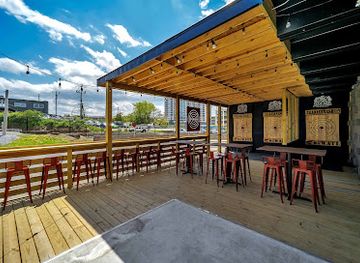
Bad Axe Throwing Nashville
Experience the excitement of axe throwing at Bad Axe Throwing Nashville, where fun meets friendly competition in a lively atmosphere.
Best landmarks in Nashville Music Row
Historic RCA Studio B is Music Row's defining built landmark, a preserved recording studio whose plain exterior conceals a major chapter in the history of country and popular music. The studio is significant not for monumental architecture but for the recordings, session musicians and production techniques associated with its interior. The Music Row Roundabout forms a recognisable public marker, with sculptural tributes to musicians, while Owen Bradley Park commemorates the producer who helped shape Nashville's studio sound. Nearby streets contain low-rise buildings linked to publishers, labels and recording businesses, giving the district a professional landscape rather than a historic square or civic centre. Nashville's most prominent music museums and Broadway's honky-tonks are nearby but outside Music Row, and their separate locations help clarify the difference between the district's production heritage and the city's wider public music culture.
-
 Hotel
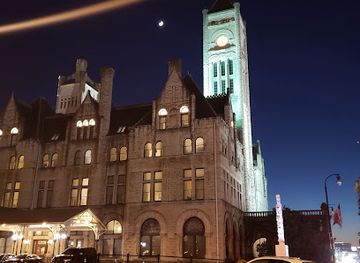
HotelThe Union Station Nashville Yards, Autograph Collection
Experience the charm of Nashville at The Union Station, a historic hotel blending luxury and rich culture in the heart of Music City.
-
Hotel
Best Western Plus Music Row
Discover Southern charm and vibrant music culture at Best Western Plus Music Row, your perfect Nashville getaway.
-
Bar
The Patterson House
Explore the refined cocktail culture at The Patterson House, Nashville's premier bar offering exquisite drinks and a cozy atmosphere.
-
Bar
Live Oak
Discover Live Oak, Nashville's premier bar and live music venue, where delicious food and unforgettable performances create the perfect night out.
Explore Nashville Music Row on the map
Plan your trip on one map. See where the top attractions, landmarks, restaurants and hotels are, and book hotels and experiences in a few clicks.
Best hotels in Nashville Music Row
Best restaurants in Nashville Music Row
Music Row itself has a practical rather than destination-led dining scene, with restaurants and cafés serving office workers, students, musicians and visitors around its edges. Nearby Midtown, West End, the Gulch and downtown provide a much broader choice, from casual restaurants and coffee shops to Nashville establishments specialising in hot chicken, barbecue and Southern cooking. The district's proximity to hotels and universities means that dining is generally easy to combine with a studio visit, but visitors should check the address because well-known Nashville restaurants are often described as being near Music Row rather than inside it. For a more traditionally musical evening, the adjoining Gulch and the downtown area offer places associated with live performance, while independent cafés around Vanderbilt and Belmont provide quieter daytime options. Menus and opening arrangements change, so advance checks are sensible for pre-booked tours.
-
Chicken
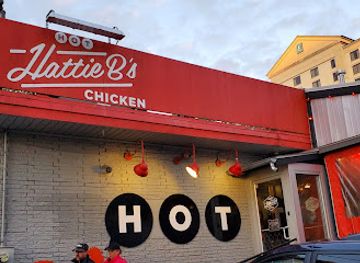
Hattie B's Hot Chicken - Nashville - Midtown
Experience Nashville's iconic hot chicken at Hattie B's in Midtown – where flavor meets Southern tradition!
-
Southern
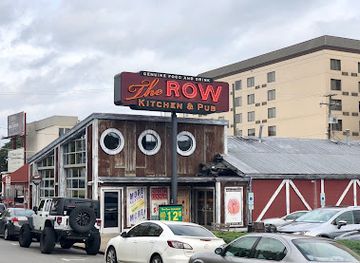
The Row Kitchen & Pub
Discover Nashville's culinary scene at The Row Kitchen & Pub, where Southern comfort food meets live music in an inviting atmosphere.
-
Tex Mex
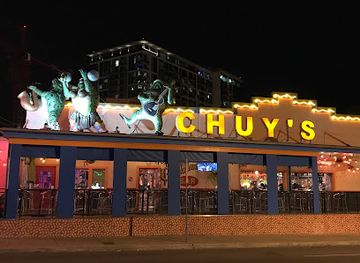
Chuy's
Indulge in vibrant Tex-Mex flavors at Chuy's in Midtown Nashville - where every meal is a fiesta!
-
New American
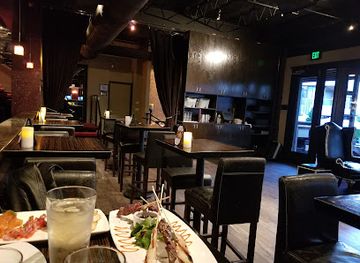
Sambuca
Discover Sambuca in Nashville: A vibrant fusion of New American cuisine, live music, and stylish cocktails awaits you.
Best bars in Nashville Music Row
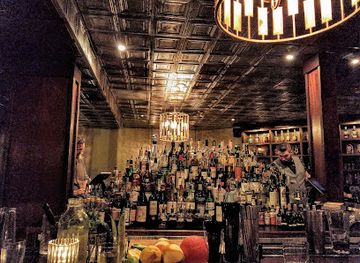
Music Row is not Nashville's principal nightlife district, and its evening atmosphere is generally quieter than Lower Broadway's concentrated honky-tonks. A few bars and restaurants operate in the surrounding Midtown, West End and Gulch areas, while established music venues nearby provide live bluegrass, country, rock and songwriter performances. The Station Inn, in the adjacent Gulch area, is especially associated with bluegrass, but it should not be described as being within the core Music Row boundary. Visitors seeking larger crowds, multiple stages and late-night entertainment usually continue downtown to Broadway, whereas those staying near Vanderbilt may find a more dispersed selection of pubs and casual bars. Evening plans should allow for the distance between venues and accommodation, changing traffic conditions and the fact that recording studios and publishing offices are primarily daytime workplaces.
-
Grill
Bar Louie - Nashville
Experience the vibrant American grill scene at Bar Louie in Nashville's trendy Gulch. Enjoy delicious food and innovative cocktails in a lively atmosphere.
-
Pub
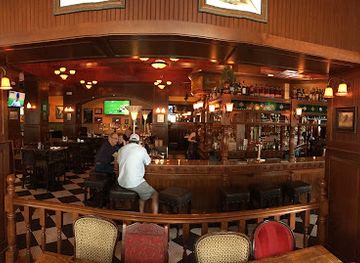
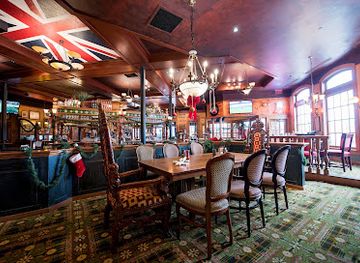
The Pub - Nashville
Experience the vibrant atmosphere and Southern flavors at The Pub - Nashville, the perfect spot for brunch, drinks, and lively gatherings.
-
Bar
The Patterson House
Experience the art of mixology at The Patterson House, Nashville's premier bar offering craft cocktails in an elegant, intimate setting.
-
Live music bar
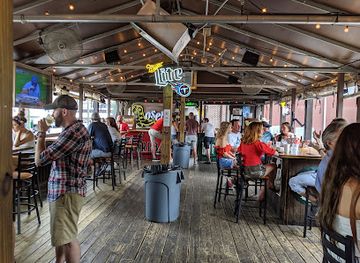
Losers Bar & Grill
Discover the pulse of Nashville at Losers Bar & Grill, where live music and delicious food create unforgettable memories in Music City.
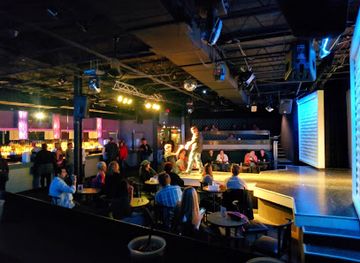
Best nightclubs in Nashville Music Row
Music Row is not Nashville's principal nightlife district, and its evening atmosphere is generally quieter than Lower Broadway's concentrated honky-tonks. A few bars and restaurants operate in the surrounding Midtown, West End and Gulch areas, while established music venues nearby provide live bluegrass, country, rock and songwriter performances. The Station Inn, in the adjacent Gulch area, is especially associated with bluegrass, but it should not be described as being within the core Music Row boundary. Visitors seeking larger crowds, multiple stages and late-night entertainment usually continue downtown to Broadway, whereas those staying near Vanderbilt may find a more dispersed selection of pubs and casual bars. Evening plans should allow for the distance between venues and accommodation, changing traffic conditions and the fact that recording studios and publishing offices are primarily daytime workplaces.
-
Live music bar
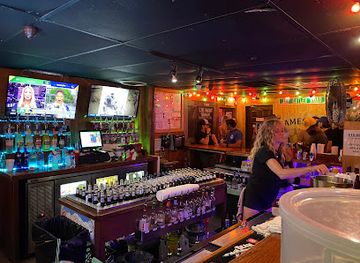
Losers Bar & Grill
Discover the heart of Nashville's nightlife at Losers Bar & Grill, where live music and great food come together in an unforgettable experience.
-
Live music bar
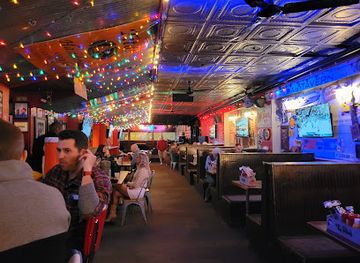
Tin Roof
Discover Tin Roof, Nashville's premier live music bar offering delicious food, refreshing drinks, and unforgettable performances in a vibrant atmosphere.
-
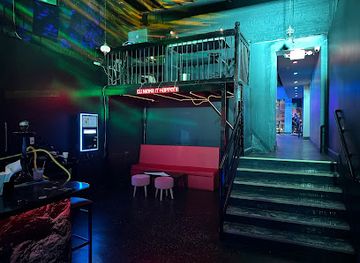
Gay night club
Play Dance Bar
Discover Play Dance Bar: Nashville's ultimate gay nightclub for dancing, entertainment, and vibrant nightlife experiences in a welcoming atmosphere.
-
Restaurant
La Danse Restaurant & Nightclub
Discover the perfect fusion of dining and nightlife at La Danse Restaurant & Nightclub in Nashville, where every night is a celebration of flavor and fun.
Best shops in Nashville Music Row
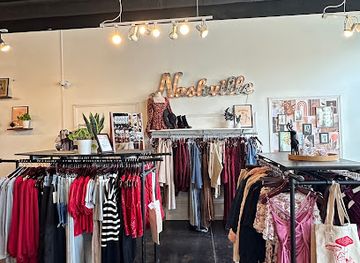
Shopping in Music Row is limited compared with Nashville's downtown visitor areas because the district is primarily a business and recording centre. Visitors may find music-related gifts, books and merchandise through nearby museums, venues and specialist retailers, while broader shopping is concentrated in downtown, the Gulch, 12 South and other Nashville neighbourhoods. Music lovers looking for instruments, recording equipment, vinyl or specialist guitar businesses should verify the exact location before travelling, as several well-known shops are outside Music Row and may require a separate journey. Local products associated with Nashville include music memorabilia, songwriter-themed publications, regional foods and Nashville-inspired clothing, but availability varies by retailer. The district's most meaningful souvenirs are often connected to its history—studio visits, authorised recordings, books and merchandise—rather than a permanent craft market or dedicated shopping street.
-
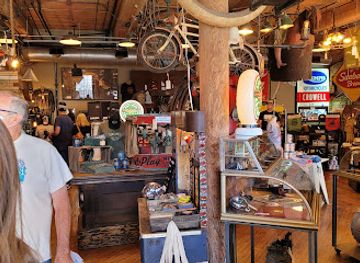
Antique store
Antique Archaeology Nashville
Discover unique antiques and vintage treasures at Antique Archaeology Nashville, home of American Pickers' iconic finds.
-
Store
Blush Boutique
Discover the chicest women's clothing at Blush Boutique in Nashville's lively Gulch, where fashion meets personalized service.
-
Shopping mall
Vanderbilt Square
Discover Vanderbilt Square, Nashville's premier shopping destination with diverse stores, delicious dining, and vibrant community events.
-
Health and beauty shop
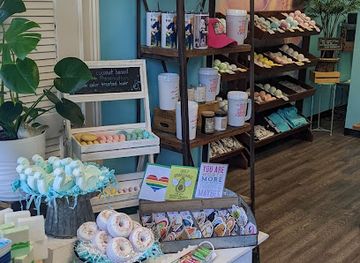
The Bubblery Nashville
Discover the essence of Nashville at The Bubblery, a health and beauty shop offering exquisite products in the heart of Music Row.
Get your free copy of our complete guide to Nashville Music Row, delivered straight to you.
Everything on this page, from attractions and restaurants to essentials and local phrases, in one PDF you can read offline, print or share.
Already have an account? Sign in
Your Nashville Music Row guide is ready.
We'll send it to · Not you? Sign out

Getting your guide ready…
We are putting together a fresh copy of the Nashville Music Row guide. This can take up to a minute.
This can take a few moments. If your browser asks, choose Allow so the download can start. You'll find the guide in your Downloads folder.
Nothing happened? Download it again
Sorry, the guide is taking longer than usual. Please try again in a minute, or get it by email instead.
Nashville Music Row essentials
Currency and Payment
Safety
Emergency Situations
Do's and Don'ts
Local Tips
From Eve
Local phrases worth knowing
You don't need to get them perfect. A few words go a long way, and locals appreciate the effort.
Basics
| English | Local | Say it |
|---|---|---|
| Hello | Howdy | [haw-dee] |
| Goodbye | See ya | [see yuh] |
| Yes | Yup | [yuhp] |
| No | Nah | [na] |
| Please/You're welcome | Please and thank ya kindly | [pleez and thank yuh kine-lee] |
| Thank you | Much obliged | [muhch uh-blahy-jed] |
| Excuse me/Sorry | Pardon me | [par-dn me] |
| How are you? | How y'all doin'? | [haw yall doin] |
| Fine. And you? | Just dandy. How 'bout you? | [jus dan-dee. how bowt yuh] |
| Do you speak English? | Ya speak English? | [yuh speak in-glish] |
| I don't understand | I ain't catchin' on | [I aint kach-in on] |
Eating & Drinking
| English | Local | Say it |
|---|---|---|
| I'd like to see the menu, please | I reckon I'd like to see the menu, please | [I rek-un I'd like to see the menu, please] |
| I don't eat meat | I ain't no meat eater | [I aint no meet eet-er] |
| Cheers! | Here's to ya! | [heers to yuh] |
| I would like to pay, please | I'd kindly settle up, please | [I'd kine-lee set-l up, please] |
Emergencies
| English | Local | Say it |
|---|---|---|
| Help! | I need a hand! | [I need uh hand] |
| Go away! | Get lost! | [get lost] |
| Call the Police! | Ring up the Law! | [ring up the law] |
| Call a doctor! | Holler for a doc! | [hawl-er for uh dok] |
| I'm lost | I'm turned around | [I'm turned around] |
| I'm ill | I'm feelin' poorly | [I'm feel-in poor-lee] |
Shopping
| English | Local | Say it |
|---|---|---|
| I'd like to buy... | I reckon I'd like to buy... | [I rek-un I'd like to buy] |
| I'm just looking | I'm just browsin' | [I'm just brouz-in] |
| How much is it? | What's the damage? | [whats the dam-ij] |
| That's too expensive | That's a bit steep | [thats uh bit steep] |
| Can you lower the price? | Can ya do any better on the price? | [can yuh do any bet-er on the price] |
Time & Numbers
| English | Local | Say it |
|---|---|---|
| What time is it? | What's the time of day? | [whats the time of day] |
| It's one o'clock | It's one in the mornin' | [its one in the morn-in] |
| Half past (10) | Half past ten | [half past ten] |
| Morning | Mornin' | [morn-in] |
| Afternoon | Afternoon | [after-noon] |
| Evening | Evenin' | [even-in] |
| Yesterday | Yest'day | [yest-day] |
| Today | Today | [to-day] |
| Tomorrow | Tomorrer | [tom-or-er] |
| 1 | One | [wun] |
| 2 | Two | [too] |
| 3 | Three | [three] |
| 4 | Four | [four] |
| 5 | Five | [fahyv] |
| 6 | Six | [siks] |
| 7 | Seven | [sev-uhn] |
| 8 | Eight | [eyt] |
| 9 | Nine | [nine] |
| 10 | Ten | [ten] |
Transport & Directions
| English | Local | Say it |
|---|---|---|
| Where's a/the...? | Where's the... | [wheres the] |
| What's the address? | What's the street? | [whats the street] |
| Can you show me (on the map)? | Can ya point it out (on the map)? | [can ya point it out on the map] |
| When's the next (bus)? | When's the next bus? | [whens the next bus] |
| A ticket (to ....) | A ticket (to ....) | [A ticket (to ....)] |
History of Nashville Music Row
Nashville's Earlier Musical Foundations
Music Row developed within a city whose musical identity had been shaped by publishing, radio, churches, vaudeville and the Grand Ole Opry before the district became internationally famous. Nashville's location in Middle Tennessee and its established recording and broadcasting networks helped connect local performers with national audiences. The surrounding area also included residential streets and institutions such as Vanderbilt University and Belmont University, placing the emerging music businesses within a growing urban neighbourhood rather than an isolated entertainment resort.
The Post-War Recording Industry
The district's decisive expansion came after the Second World War, when independent publishers, record labels, booking agencies and studios began clustering south of downtown. Producers and musicians developed the polished style later associated with the Nashville Sound, while session players working in the area supplied arrangements for country, pop and gospel recordings. Owen Bradley became one of the most influential figures in this period, and recording facilities established on or near Music Row gave Nashville an infrastructure capable of serving both local artists and major national releases.
RCA Studio B and the Nashville Sound
RCA Studio B opened on 17th Avenue South in 1957 and became one of the district's defining historic sites. Under producers including Chet Atkins and Owen Bradley, its studio musicians created recordings that used controlled arrangements, background vocals and a prominent piano sound to broaden country music's appeal. Elvis Presley, Dolly Parton, Roy Orbison, the Everly Brothers and many other artists recorded there. The studio's history also reflects the less visible contribution of session musicians, engineers, arrangers and songwriters whose work made Nashville's recording system function.
Music Publishing and Professional Networks
During the later twentieth century, Music Row became synonymous not only with recording but also with song publishing. Publishers, performing-rights organisations, managers, promoters and studios worked within a close professional network, allowing Nashville songwriters to place compositions with country performers and artists in other genres. The district's unassuming offices became part of the city's cultural mythology because songs were developed, demonstrated, licensed and recorded there. This concentration gave Nashville a commercial music identity distinct from the live entertainment of Lower Broadway.
Preservation and Continuing Change
As Nashville grew, redevelopment placed pressure on the low-rise buildings and historic studios that define Music Row's character. Preservation campaigns helped secure recognition for important sites, including RCA Studio B, while public features such as Owen Bradley Park and the Music Row Roundabout made the district's history more visible to visitors. The area continues to accommodate music businesses alongside offices, apartments, hotels and restaurants, so its heritage is experienced within an active commercial neighbourhood rather than a preserved open-air museum.
Nashville Music Row in Photos
Browse through our photo collection highlighting the charm and character of the destination.
Neighbouring destination travel guides
The closest destinations to Nashville Music Row, if you have time for more than one.
-
-

-

-

-


Swipe for more destinations
Explore more

Explore more of Northern Middle Tennessee
Explore Northern Middle Tennessee for Nashville music, Civil War history, river landscapes, historic towns, country cooking and outdoor escapes.
Explore Northern Middle Tennessee
Explore more of Tennessee
Discover Tennessee: A melting pot of music, history, and natural beauty, offering visitors an authentic taste of Southern hospitality and unforgettable experiences.
Explore Tennessee