

Free South Plains Travel Guide & Mobile App
Explore South Plains with free travel guides. Discover regional history, expert tips, proposed trips, and audio guides on web or mobile app.


Explore South Plains Texas for Lubbock culture, cotton country, West Texas history, vineyards, wide-open landscapes and the Caprock Escarpment.
Read more about South Plains
Getting to and around South Plains
How to get there
Transportation
Top city travel guides in South Plains
The cities of South Plains, and the easiest places to base yourself.
-

-
-


Swipe for more cities
Destinations in South Plains
Resorts, valleys and scenic spots worth a trip of their own.

Swipe for more destinations
Best attractions in South Plains
South Plains attractions range from museums and music history in Lubbock to geological landscapes and working agricultural communities beyond the city. The Buddy Holly Center explores the career and legacy of Lubbock’s internationally influential rock-and-roll musician, while the National Ranching Heritage Center presents historic buildings and artefacts connected with ranch life across the American West. Texas Tech University adds galleries and specialist collections, including the Museum of Texas Tech University. At Lubbock Lake Landmark, visitors can learn about archaeology, ancient environments and long human use of the Southern High Plains. The American Wind Power Center links local energy history with the region’s contemporary turbine landscape. East of the plateau, Caprock Canyons State Park, on the wider South Plains’ edge, offers hiking, mountain biking, camping and opportunities to see its protected bison herd. Wine-tasting rooms and vineyards around Lubbock provide a distinctly modern attraction, while smaller museums, restored depots and county institutions give communities such as Slaton and Post their own historical character. The region rewards visitors who combine planned cultural stops with long, observant drives through cotton country and across the changing terrain of the escarpment.
-
City park
Mackenzie Main City Park
Experience the tranquility of Mackenzie Main City Park, an urban oasis in Lubbock, Texas, perfect for picnics, walking trails, and year-round events.
-
Science museum
Science Spectrum & OMNI Theater
Experience the fascinating world of science, marine life, and immersive films at the Science Spectrum & OMNI Theater in Lubbock, Texas.
-
Amusement park
Wonderland Amusement Park
Discover fun and excitement at Wonderland Amusement Park, where thrilling rides and family-friendly attractions await in Amarillo, Texas.
-
Art museum
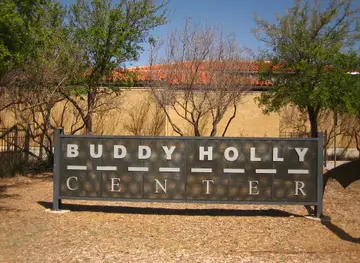
Buddy Holly Center
Explore the Buddy Holly Center in Lubbock, Texas - a vibrant tribute to the rock and roll legend, filled with memorabilia, exhibits, and live music events.


Best landmarks in South Plains
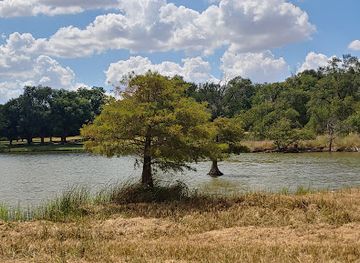
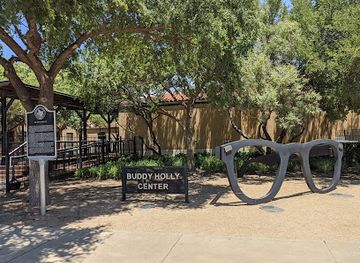
Lubbock’s strongest cultural landmark is the Buddy Holly Center, housed in the city’s historic Fort Worth and Denver South Plains Railway Depot and associated with the musician’s global legacy. The National Ranching Heritage Center is another defining place, preserving historic structures that illustrate the development of ranching and settlement across the region. Lubbock Lake Landmark is significant not for monumental architecture but for its archaeological record and evidence of long-term human activity on the Southern High Plains. The broad, engineered silhouettes of modern wind turbines have become a characteristic contemporary feature of the plateau, complementing older cotton gins, railway depots and courthouse squares in smaller communities. The most dramatic natural landmark is the Caprock Escarpment, where the level Llano Estacado breaks into eroded cliffs, ravines and canyon country. Caprock Canyons State Park presents this terrain at its most accessible and is also associated with a protected bison herd. Together, these places express the region’s central themes: Indigenous and archaeological time, ranching and railways, agricultural transformation, popular music and an environment shaped by both geology and human engineering.
-
Historical place
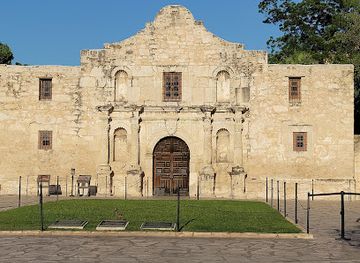
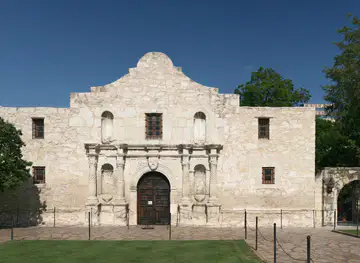
The Alamo
Explore the rich history of The Alamo, a symbol of Texas independence, with its stunning architecture and engaging exhibitions in San Antonio.
-
Sculpture
Cadillac Ranch
Experience the quirky charm of Cadillac Ranch, a vibrant roadside art installation in Amarillo, Texas, where vintage cars meet creative expression.
-
State park
Palo Duro Canyon State Park
Discover the breathtaking beauty of Palo Duro Canyon State Park, Texas's largest canyon, where adventure meets stunning landscapes in the heart of the Panhandle.
-
Historical place
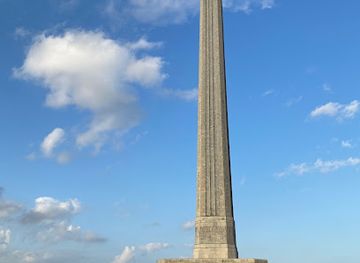
San Jacinto Battleground State Historic Site
Explore the historic San Jacinto Battleground, home to Texas' fight for independence, featuring the towering monument and engaging exhibits for all ages.


Explore South Plains on the map
Plan your trip on one map. See where the top cities, national parks and sights are, and book hotels and experiences in a few clicks.
Best hotels in South Plains
Best restaurants in South Plains
South Plains dining is rooted in the broad food culture of West Texas, with barbecue, steaks, burgers, Tex-Mex, fried chicken and substantial breakfasts widely available. Lubbock offers the greatest range, from independent cafés and food trucks to contemporary restaurants, breweries and more formal dining rooms, while smaller towns tend to centre on family-run cafés, diners, bakeries and traditional American restaurants. Cotton country is also an important agricultural landscape, and local menus may draw on beef, pork, seasonal produce, peanuts, grains and other crops grown across the plains. Lubbock’s surrounding vineyards support tasting rooms and restaurants focused on Texas wine, although the region’s winemaking identity sits alongside rather than replaces its ranching and farming traditions. Farmers’ markets and specialist food shops are useful places to look for local produce, preserves and baked goods. Portions and opening hours can vary substantially outside the city, so rural dining is best planned around the route rather than left entirely to chance.
-
Italian
Olive Garden Italian Restaurant
Savor authentic Italian cuisine at Olive Garden in Lubbock; perfect for family dinners and casual gatherings.
-
Restaurant
Walk-On's Sports Bistreaux - Lubbock Restaurant
Discover delicious Southern-inspired dishes and vibrant sports entertainment at Walk-On's Sports Bistreaux in Lubbock.
-
American
Cast Iron Grill
Experience the warmth and flavor of American cuisine at Cast Iron Grill in Lubbock – where every meal feels like home.
-
Restaurant
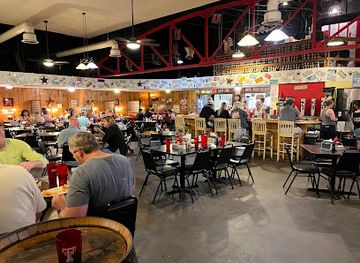
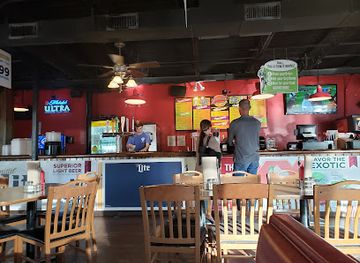
Spanky's
Discover hearty American cuisine at Spanky's in Lubbock—a must-visit restaurant offering delicious food and friendly service.


Best bars in South Plains
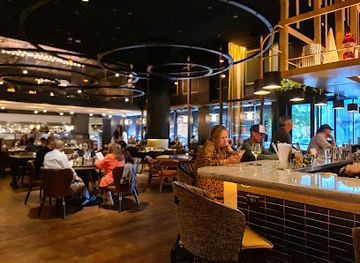
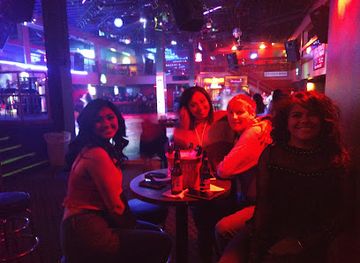
Lubbock is the South Plains’ main centre for evening entertainment, with traditional bars, breweries, wine-tasting rooms, live music venues and restaurants concentrated around the city’s commercial and university areas. Its musical identity is connected to Buddy Holly, but the contemporary scene is broader, encompassing rock, country, blues and performances associated with Texas Tech and local artists. The Depot District provides a historic setting for several nightlife and cultural venues, while other parts of the city offer a more student-oriented atmosphere. In smaller communities, evening life generally focuses on local restaurants, bars, community events and established pubs rather than large nightclub districts. Rural wineries provide a quieter alternative, particularly in the Lubbock area, but visitors should check current arrangements and organise a safe journey between dispersed venues. Nightlife is more limited outside Lubbock, and many South Plains towns become quiet earlier than major Texas cities.
-
Bar
Acre 41
Discover the vibrant culinary scene at Acre 41, where craft cocktails and delectable dishes create a perfect dining experience in Austin.
-
Grill
Flippers Tavern
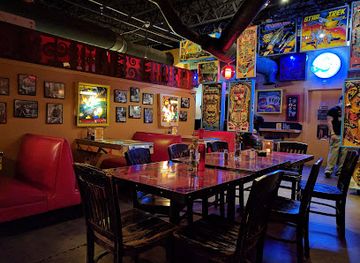
Discover the vintage charm of Flippers Tavern in Lubbock, TX, offering delicious grilled dishes in a nostalgic pinball arcade setting.
-
American
Cujo's Sports Bar & Grill
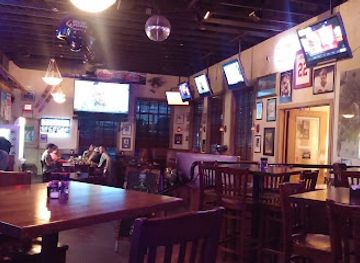
Cujo's Sports Bar & Grill in Lubbock, TX offers a lively atmosphere filled with delicious American cuisine and exciting sports action for every visitor.
-
Grill
Jake's Sports Cafe
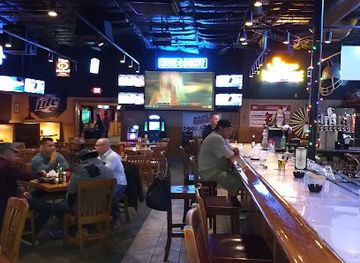
Experience the vibrant atmosphere of Jake's Sports Cafe in Lubbock, Texas, where great food meets live music and sports excitement.
Best nightclubs in South Plains
Lubbock is the South Plains’ main centre for evening entertainment, with traditional bars, breweries, wine-tasting rooms, live music venues and restaurants concentrated around the city’s commercial and university areas. Its musical identity is connected to Buddy Holly, but the contemporary scene is broader, encompassing rock, country, blues and performances associated with Texas Tech and local artists. The Depot District provides a historic setting for several nightlife and cultural venues, while other parts of the city offer a more student-oriented atmosphere. In smaller communities, evening life generally focuses on local restaurants, bars, community events and established pubs rather than large nightclub districts. Rural wineries provide a quieter alternative, particularly in the Lubbock area, but visitors should check current arrangements and organise a safe journey between dispersed venues. Nightlife is more limited outside Lubbock, and many South Plains towns become quiet earlier than major Texas cities.
-
Grill
Bar PM
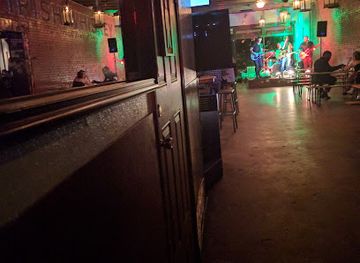
Experience the lively atmosphere of Bar PM, Lubbock's premier grill, bar, and live music venue, perfect for brunch, lunch, and nightlife.
-
Live music bar
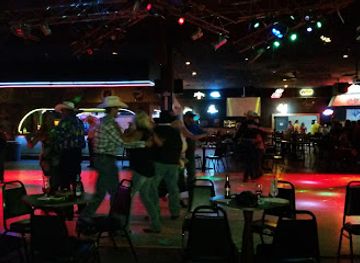
Cowpokes
Discover the vibrant live music scene at Cowpokes in Lubbock, Texas - a hotspot for dancing and local entertainment.
-
Night club
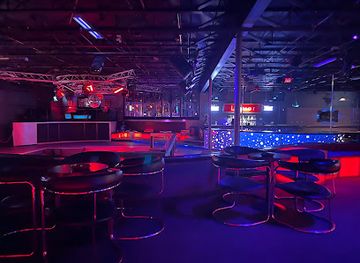
Chances R Nightclub
Experience the vibrant nightlife at Chances R Nightclub in Lubbock, Texas, where live music, dancing, and great vibes await every night.
-
Night club
Club Luxor
Discover the electrifying nightlife at Club Luxor in Lubbock, where dancing, drinks, and good vibes await in a lively atmosphere.
Best shops in South Plains
Shopping in the South Plains is concentrated in Lubbock, where established retail areas, independent boutiques, bookshops, galleries and specialist food stores serve the wider region. The city is the best place to look for Texas-themed gifts, music-related material connected with Buddy Holly, local art, Western wear and products from regional vineyards. Farmers’ markets and seasonal producer markets may offer preserves, baked goods, honey, produce and other provisions, although dates and locations vary. Smaller communities such as Slaton, Post, Plainview and Brownfield provide more traditional high streets, antique shops, local craft outlets and practical rural retail rather than large-scale destination shopping. Visitors interested in Western and ranching culture can find leather goods, boots, hats and related clothing, while galleries and university-linked cultural venues offer work by artists from the region. Because the South Plains is widely dispersed, combine shopping with a museum, market day or meal rather than expecting a single walkable shopping district outside Lubbock.
-
Shopping mall
South Plains Mall
Experience the vibrant shopping, dining, and entertainment at South Plains Mall in Lubbock, Texas – a destination for all tastes and preferences.
-
Shopping mall
West End Center
Explore Lubbock's West End Center for an exceptional shopping and dining experience, perfect for families and fashion enthusiasts alike.
-
Boutique
j. hoffman's
Explore j. hoffman's in Lubbock, Texas for chic women's fashion, unique accessories, and stylish footwear that elevate your wardrobe.
-
Shopping mall
South Plains Crossing
Explore South Plains Crossing in Lubbock, Texas: Your ultimate shopping destination with diverse stores and dining options for the whole family.


Get your free copy of our complete guide to South Plains, delivered straight to you.
Everything on this page, from attractions and restaurants to essentials and local phrases, in one PDF you can read offline, print or share.
Already have an account? Sign in
Your South Plains guide is ready.
We'll send it to · Not you? Sign out

Getting your guide ready…
We are putting together a fresh copy of the South Plains guide. This can take up to a minute.
This can take a few moments. If your browser asks, choose Allow so the download can start. You'll find the guide in your Downloads folder.
Nothing happened? Download it again
Sorry, the guide is taking longer than usual. Please try again in a minute, or get it by email instead.
South Plains essentials
Currency and Payment
Safety
Emergency Situations
Do's and Don'ts
Local Tips
From Eve
Local phrases worth knowing
You don't need to get them perfect. A few words go a long way, and locals appreciate the effort.
Basics
| English | Local | Say it |
|---|---|---|
| Hello | Howdy | [haʊdi] |
| Goodbye | See ya later | [si jə leɪtər] |
| Yes | Yep | [jɛp] |
| No | Naw | [nɔ] |
| Please/You're welcome | Please/No problem | [pliz/noʊ ˈprɒbləm] |
| Thank you | Thanks a lot | [θæŋks ə lɑt] |
| Excuse me/Sorry | Pardon me/Sorry | [ˈpɑrdən mi/ˈsɔri] |
| How are you? | How ya doin'? | [haʊ jə ˈduɪn] |
| Fine. And you? | Good. And you? | [ɡʊd. ənd ju] |
| Do you speak English? | Y'all speak English? | [jɔl spiːk ˈɪŋɡlɪʃ] |
| I don't understand | I ain't followin' | [aɪ eɪnt ˈfɑloʊɪn] |
Eating & Drinking
| English | Local | Say it |
|---|---|---|
| I'd like to see the menu, please | Can I see the menu, please? | [kæn aɪ si ðə ˈmɛnju, pliz] |
| I don't eat meat | I don't do meat | [aɪ doʊnt du mit] |
| Cheers! | Cheers! | [ʧɪrz] |
| I would like to pay, please | I'd like to settle up, please | [aɪd laɪk toʊ ˈsɛtəl ʌp, pliz] |
Emergencies
| English | Local | Say it |
|---|---|---|
| Help! | Help! | [hɛlp] |
| Go away! | Get lost! | [ɡɛt lɔst] |
| Call the Police! | Call the cops! | [kɔl ðə kɑps] |
| Call a doctor! | Get a doctor! | [ɡɛt ə ˈdɑktər] |
| I'm lost | I'm turned around | [aɪm tɜrnd əˈraʊnd] |
| I'm ill | I'm feelin' sick | [aɪm ˈfiːlɪn sɪk] |
Shopping
| English | Local | Say it |
|---|---|---|
| I'd like to buy... | I wanna buy... | [aɪ ˈwɑnə baɪ] |
| I'm just looking | Just browsin' | [dʒʌst ˈbraʊzɪn] |
| How much is it? | What's the price? | [wɒts ðə praɪs] |
| That's too expensive | That's too pricey | [ðæts tu ˈpraɪsi] |
| Can you lower the price? | Can ya bring it down? | [kæn jə brɪŋ ɪt daʊn] |
Time & Numbers
| English | Local | Say it |
|---|---|---|
| What time is it? | What time is it? | [wʌt taɪm ɪz ɪt] |
| It's one o'clock | It's one o'clock | [ɪts wʌn əˈklɒk] |
| Half past (10) | Half past ten | [hæf pæst tɛn] |
| Morning | Mornin' | [ˈmɔrnɪn] |
| Afternoon | Afternoon | [ˌæftərˈnun] |
| Evening | Evenin' | [ˈiːvnɪn] |
| Yesterday | Yesterday | [ˈjɛstərdeɪ] |
| Today | Today | [təˈdeɪ] |
| Tomorrow | Tomorrow | [təˈmɔroʊ] |
| 1 | One | [wʌn] |
| 2 | Two | [tu] |
| 3 | Three | [θri] |
| 4 | Four | [fɔr] |
| 5 | Five | [faɪv] |
| 6 | Six | [sɪks] |
| 7 | Seven | [ˈsɛvən] |
| 8 | Eight | [eɪt] |
| 9 | Nine | [naɪn] |
| 10 | Ten | [tɛn] |
Transport & Directions
| English | Local | Say it |
|---|---|---|
| Where's a/the...? | Where's the...? | [wɛrz ðə] |
| What's the address? | What's the address? | [wʌts ði ˈædrɛs] |
| Can you show me (on the map)? | Can you point it out? | [kæn jə pɔɪnt ɪt aʊt] |
| When's the next (bus)? | When's the next bus? | [wɛn z ðə nɛkst bʌs] |
| A ticket (to ....) | A ticket to... | [ə ˈtɪkɪt tu] |
History of South Plains
Plains Peoples and Archaeological Heritage
Long before modern settlement, Indigenous peoples used the Llano Estacado and its watercourses for hunting, travel and seasonal occupation. Archaeological evidence around Lubbock Lake Landmark records human activity extending back thousands of years, including traces associated with extinct animals and changing environments. Later Indigenous histories include the Comanche and other Plains peoples, whose mobility and knowledge of the southern High Plains shaped the region before and during the arrival of American and Mexican settlers. These histories remain essential to understanding the South Plains as a lived cultural landscape rather than an empty frontier.
The Llano Estacado and Spanish Exploration
Spanish expeditions crossed the High Plains from the sixteenth century onwards, encountering an elevated landscape whose flatness and limited surface water made it difficult to navigate. The name Llano Estacado is commonly translated as ‘staked plain’, although interpretations of its origin vary. For centuries the plateau remained lightly settled by Europeans compared with eastern Texas. Trails, springs, buffalo ranges and river breaks were more significant than permanent towns, while the escarpments formed practical geographic boundaries between the upper plain and lower country.
Nineteenth-Century Conflict and Settlement
The nineteenth century brought intensified conflict and displacement as the United States expanded into the southern Plains. Military campaigns, treaty changes, disease and the destruction of the buffalo economy undermined Indigenous independence, while Native communities were forced away from traditional territories. After the Civil War, ranchers, surveyors and land companies promoted settlement across West Texas. The establishment of Lubbock in the late nineteenth century, followed by the growth of surrounding county seats and ranch communities, created the civic framework of the modern South Plains.
Railways, Towns and the Ranching Economy
Railway construction transformed the region by connecting isolated settlements to markets, supplies and migration routes. Lubbock’s development accelerated after rail connections arrived in the early twentieth century, and towns such as Slaton became important transport points. Ranching remained central, but the railways also encouraged farming by making machinery, seed and distant markets more accessible. Depot buildings, street grids and commercial blocks in many South Plains towns still reflect this period, when railway access often determined whether a settlement prospered.
Irrigation, Cotton and Agricultural Expansion
The introduction of large-scale irrigation and improved agricultural technology reshaped the South Plains during the twentieth century. Cotton became the region’s signature crop, supported by suitable soils, a long growing season and expanding groundwater use from the Ogallala Aquifer. Mechanisation increased productivity while reducing the need for agricultural labour, and the cotton economy helped Lubbock develop as a processing, trading and service centre. The legacy is visible in gins, warehouses, farm towns and the continuing economic importance of water management.
Lubbock, Music and Modern Regional Identity
Lubbock’s cultural profile grew sharply in the twentieth century through Texas Tech University, radio, recording and live performance. Buddy Holly, born in Lubbock in 1936, became one of the formative figures in early rock and roll before his death in 1959. His international influence gave the city a musical association far beyond its population. Since then, museums, venues, festivals and the university have broadened the South Plains’ cultural life, while wineries, renewable energy and higher education have added new dimensions to an economy once defined chiefly by ranching and cotton.
South Plains in Photos
Browse through our photo collection highlighting the charm and character of the destination.
Neighbouring regions of South Plains
The closest regions to South Plains, if you have time for more than one.
-

-

-

-

-


Swipe for more regions
Explore more
Explore more of Texas
Discover the diverse landscapes, rich history, vibrant cities, and culinary delights of Texas, the Lone Star State, where adventure and culture await at every turn.
Explore Texas