

Free Trans-Pecos Travel Guide & Mobile App
Explore Trans-Pecos with free travel guides. Discover regional history, expert tips, proposed trips, and audio guides on web or mobile app.


Explore Trans-Pecos Texas for desert parks, mountain trails, borderland culture, contemporary art and some of the darkest skies in the United States.
Read more about Trans-Pecos
Getting to and around Trans-Pecos
How to get there
Transportation
Top city travel guides in Trans-Pecos
The cities of Trans-Pecos, and the easiest places to base yourself.
-

-

-


Swipe for more cities
Destinations in Trans-Pecos
Resorts, valleys and scenic spots worth a trip of their own.
-

-


Swipe for more destinations
Best attractions in Trans-Pecos
Trans-Pecos attractions are defined by scale and contrast. Big Bend National Park offers desert, mountain and river environments, with trails and scenic drives leading towards the Chisos Mountains, Santa Elena Canyon and the Rio Grande. Big Bend Ranch State Park provides another extensive area for hiking, mountain biking, horse riding and four-wheel-drive routes, subject to conditions and local guidance. Guadalupe Mountains National Park protects Guadalupe Peak, canyons and a major fossil reef landscape, while Davis Mountains State Park combines mountain scenery with accessible trails and camping. Around El Paso, Franklin Mountains State Park and Hueco Tanks State Park bring rugged geology, climbing and ancient rock art close to the city. Fort Davis National Historic Site explains frontier military history, and the McDonald Observatory offers public astronomy programmes in a region noted for dark skies. In Marfa, the Chinati Foundation and other galleries give the high desert a significant contemporary-art dimension. Springs, historic missions, ranch landscapes and small museums add human depth, although many attractions are separated by substantial driving distances.
-
Park
Pecos National Historical Park
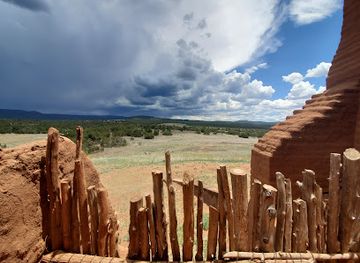
Explore the rich history and stunning landscapes of Pecos National Historical Park, where ancient cultures and natural beauty converge in New Mexico.
-
Museum
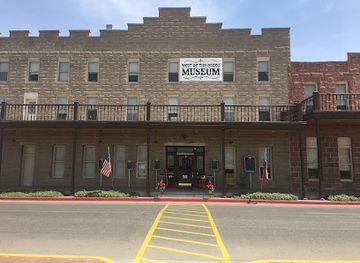
West of the Pecos Museum
Explore the West of the Pecos Museum, where the history of the American West comes alive through captivating exhibits and artifacts in Pecos, Texas.
-
Hiking area
Chihuahuan Desert Research Institute
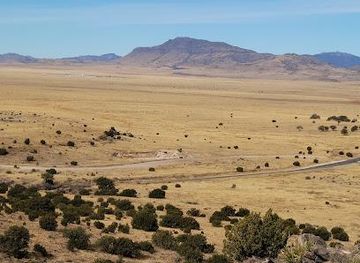
Discover the Chihuahuan Desert Research Institute: a sanctuary for nature lovers and a hub for ecological education in Fort Davis, Texas.
-
Arena
Buck Jackson Rodeo Arena
Discover the heart of Texas rodeo culture at Buck Jackson Rodeo Arena, where thrilling competitions and rich traditions come alive in Pecos.
Best landmarks in Trans-Pecos
The Franklin Mountains are the most prominent natural landmark of El Paso, rising directly through the city and giving the urban borderland a distinctive physical identity. Hueco Tanks, with its weathered rock basins and Indigenous pictographs, is both a geological landmark and a protected cultural landscape. Fort Davis National Historic Site preserves a substantial frontier military complex in a mountain valley, while the McDonald Observatory's domes have become an emblem of the Davis Mountains' scientific importance. In Big Bend National Park, the Chisos Mountains form a rugged central massif, and Santa Elena Canyon cuts dramatically through the Rio Grande's limestone border. Guadalupe Peak, the highest summit in Texas, is a defining landmark of the region's eastern desert mountains. Marfa's former military complex, now associated with the Chinati Foundation, gives the town an internationally recognised architectural and artistic identity. Along the river, adobe settlements, historic missions and cultivated valley landscapes reveal a human geography older than the state boundary itself.
-
Historical landmark
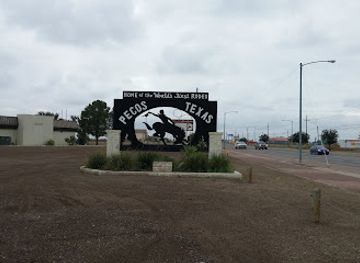
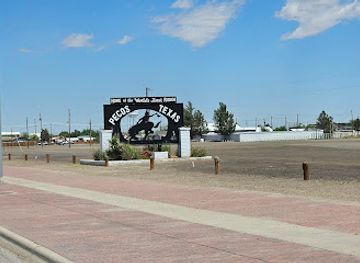
Welcome to Pecos Texas sign
Discover the charm and history of Pecos, Texas at the iconic Welcome to Pecos sign, a must-see landmark for travelers exploring the Lone Star State.
-
Historical landmark
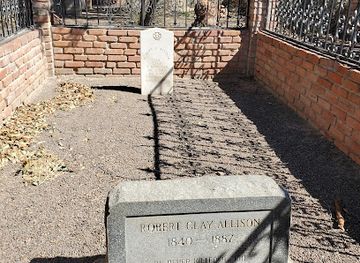
Grave of Robert Clay Allison
Explore the grave of Robert Clay Allison in Pecos, Texas, a captivating historical landmark that reveals the legacy of the Wild West.
Explore Trans-Pecos on the map
Plan your trip on one map. See where the top cities, national parks and sights are, and book hotels and experiences in a few clicks.
Best hotels in Trans-Pecos
Best restaurants in Trans-Pecos
Trans-Pecos dining reflects the region's borderland geography and frontier distances. El Paso is the strongest centre for Mexican and Tex-Mex cooking, with long-established traditions of tortillas, enchiladas, tamales, chile-based dishes and other foods shared across the Rio Grande. In smaller towns, cafés, diners, barbecue restaurants, food trucks and rural inns are more typical, with menus often combining Tex-Mex, burgers, steaks and practical road food. Ranching still influences the prominence of beef, while local farms and springs support limited but important agricultural production in otherwise dry country. Marfa and Alpine add contemporary restaurants, bakeries and coffee shops linked to their arts and university communities. Terlingua and the Big Bend gateway settlements cater to park visitors with casual meals and regional comfort food. Portions, service patterns and opening days can be seasonal or limited in remote districts, so carrying provisions is sensible. The region's culinary identity lies less in one exclusive dish than in the meeting of Mexican, Texan, ranch and desert-town traditions.
-
Barbecue
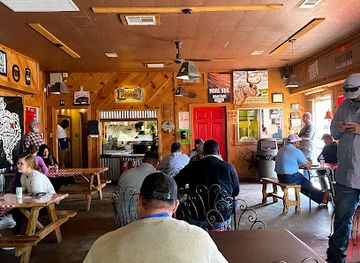
Pody's BBQ
Experience authentic Texan barbecue at Pody's BBQ in Pecos - where smoky flavors meet tradition!
-
Restaurant
Arti’s Italian Restaurant
Experience authentic Italian cuisine at Arti's Italian Restaurant in Pecos, Texas—where every dish tells a story.
-
Barbecue
Old Mill Restaurant
Experience the rich flavors of barbecue and Mexican cuisine at Old Mill Restaurant in Pecos, Texas – a culinary delight for all travelers.
-
Mexican
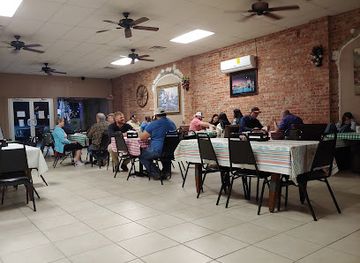
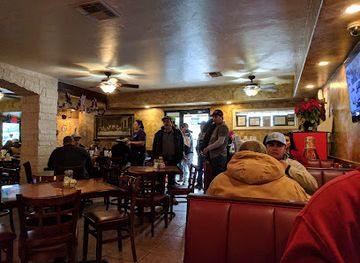
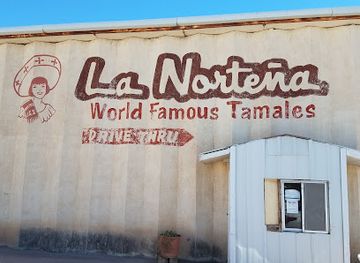
La Nortena Tamale Factory
Experience the rich flavors of Mexico at La Nortena Tamale Factory in Pecos, TX - where every tamale is crafted with love.
Best bars in Trans-Pecos
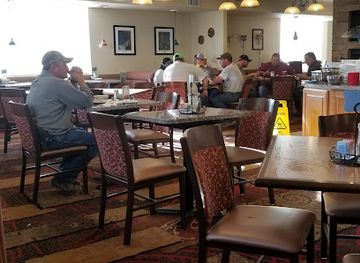
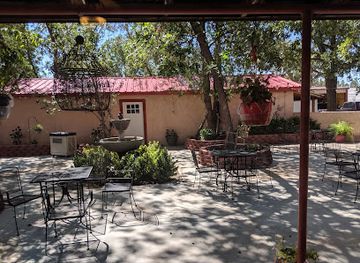
Nightlife in Trans-Pecos is small-scale and strongly shaped by distance. El Paso has the region's broadest evening offering, including bars, live music, restaurants and entertainment in several urban areas, with a cultural life influenced by its proximity to Ciudad Juárez. Marfa has wine bars, galleries, restaurants and occasional live performances associated with its contemporary-art scene, while Alpine offers a modest town-and-student nightlife around its university community. In Fort Davis, Terlingua and other rural settlements, evening life centres on historic bars, local restaurants, informal music and the social atmosphere of small communities rather than nightclubs. Big Bend visitors often replace late-night entertainment with stargazing, campfire gatherings or early starts on the trail. Distances and limited taxi availability make drinking and driving particularly dangerous; arrange a safe return and remember that venues, performances and seasonal schedules can change.
-
Bar
Funkmeyers Rec Room
Experience the vibrant nightlife at Funkmeyers Rec Room, a lively bar in El Paso offering diverse drinks and a welcoming atmosphere.
-
Barbecue
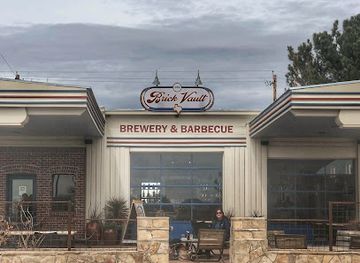
Brick Vault Brewery and Barbecue
Experience the authentic taste of Texas barbecue and craft beer at Brick Vault Brewery and Barbecue in Marathon, Texas.
-
Restaurant
Alpine Lodge Restaurant
Experience the flavors of Pecos at Alpine Lodge Restaurant, where cozy ambiance meets a diverse menu of culinary delights.
-
Mexican
La Cueva De Oso Restaurant
Experience authentic Mexican cuisine at La Cueva De Oso in Balmorhea, Texas, where flavors come alive in a vibrant setting.

Best nightclubs in Trans-Pecos
Nightlife in Trans-Pecos is small-scale and strongly shaped by distance. El Paso has the region's broadest evening offering, including bars, live music, restaurants and entertainment in several urban areas, with a cultural life influenced by its proximity to Ciudad Juárez. Marfa has wine bars, galleries, restaurants and occasional live performances associated with its contemporary-art scene, while Alpine offers a modest town-and-student nightlife around its university community. In Fort Davis, Terlingua and other rural settlements, evening life centres on historic bars, local restaurants, informal music and the social atmosphere of small communities rather than nightclubs. Big Bend visitors often replace late-night entertainment with stargazing, campfire gatherings or early starts on the trail. Distances and limited taxi availability make drinking and driving particularly dangerous; arrange a safe return and remember that venues, performances and seasonal schedules can change.
-
Bar
Texas Moon
Discover the vibrant nightlife of Kermit at Texas Moon, a bar offering a great selection of drinks and a welcoming atmosphere for all.
Best shops in Trans-Pecos
Shopping in Trans-Pecos is concentrated in El Paso and the region's small market towns rather than in large retail districts. El Paso offers the widest range of shops, from everyday high-street and mall retail to Mexican-influenced food products, craft goods, western wear and galleries. Marfa is known for contemporary art spaces, design-led shops, books, ceramics and locally made objects, while Alpine and Fort Davis provide independent stores, antiques, books, crafts and practical outdoor supplies. In Big Bend gateway communities, visitors commonly look for regional artwork, western clothing, desert-themed crafts, maps and locally produced food items. Farmers' and community markets appear on a seasonal or occasional basis and are best treated as local events rather than guaranteed daily attractions. Purchases should respect restrictions on removing plants, rocks, fossils and archaeological material from protected land. For a durable regional souvenir, locally made pottery, textiles, artwork or food products generally conveys more about Trans-Pecos than mass-produced frontier imagery.
-
Department store
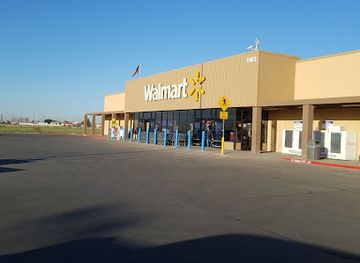
Walmart
Discover Walmart in Pecos, Texas: your ultimate destination for affordable shopping with a local flair, open every day from 6 AM to 11 PM.
-
Grocery store
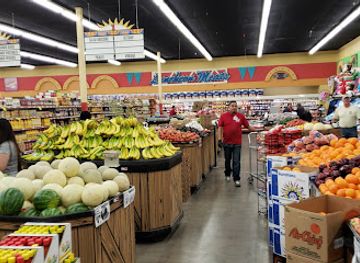
La Tienda Thriftway
Experience the local flavors of Pecos at La Tienda Thriftway, your go-to grocery store for fresh produce, bakery delights, and Tex-Mex specialties.
-
Gift shop
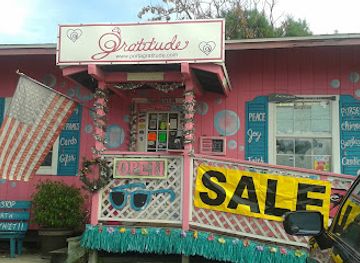
Gratitude
Explore Gratitude Gift Shop in Port Aransas for unique gifts that capture the spirit of Texas coastal living.
-
Clothing store
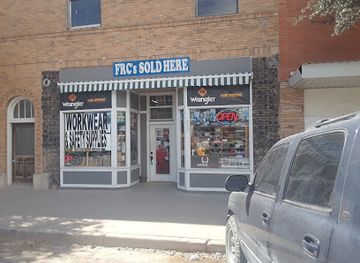
Pecos FR Workwear & Safety Supplies
Discover quality workwear and safety supplies at Pecos FR Workwear, your trusted clothing store in Pecos, Texas.
Get your free copy of our complete guide to Trans-Pecos, delivered straight to you.
Everything on this page, from attractions and restaurants to essentials and local phrases, in one PDF you can read offline, print or share.
Already have an account? Sign in
Your Trans-Pecos guide is ready.
We'll send it to · Not you? Sign out

Getting your guide ready…
We are putting together a fresh copy of the Trans-Pecos guide. This can take up to a minute.
This can take a few moments. If your browser asks, choose Allow so the download can start. You'll find the guide in your Downloads folder.
Nothing happened? Download it again
Sorry, the guide is taking longer than usual. Please try again in a minute, or get it by email instead.
Trans-Pecos essentials
Currency and Payment
Safety
Emergency Situations
Do's and Don'ts
Local Tips
From Eve
Local phrases worth knowing
You don't need to get them perfect. A few words go a long way, and locals appreciate the effort.
Basics
| English | Local | Say it |
|---|---|---|
| Hello | Hola | [O-la] |
| Goodbye | Adiós | [A-dee-os] |
| Yes | Sí | [See] |
| No | No | [No] |
| Please/You're welcome | Por favor/De nada | [Por fa-vor/De na-da] |
| Thank you | Gracias | [Gra-see-as] |
| Excuse me/Sorry | Perdón | [Per-don] |
| How are you? | ¿Cómo estás? | [Koh-mo es-tas] |
| Fine. And you? | Bien. ¿Y tú? | [Bee-en. Ee too] |
| Do you speak English? | ¿Hablas inglés? | [Ah-blas een-glehs] |
| I don't understand | No entiendo | [No en-tee-en-do] |
Eating & Drinking
| English | Local | Say it |
|---|---|---|
| I'd like to see the menu, please | Quisiera ver el menú, por favor | [Kee-see-eh-ra ver el me-nu, por fa-vor] |
| I don't eat meat | No como carne | [No co-mo car-ne] |
| Cheers! | ¡Salud! | [Sa-lud] |
| I would like to pay, please | Me gustaría pagar, por favor | [Me goo-sta-ree-a pa-gar, por fa-vor] |
Emergencies
| English | Local | Say it |
|---|---|---|
| Help! | ¡Ayuda! | [A-yu-da] |
| Go away! | ¡Vete! | [Ve-te] |
| Call the Police! | ¡Llama a la policía! | [Ya-ma a la po-li-ci-a] |
| Call a doctor! | ¡Llama a un doctor! | [Ya-ma a un doc-tor] |
| I'm lost | Estoy perdido | [Es-toy per-di-do] |
| I'm ill | Estoy enfermo/a | [Es-toy en-fer-mo/a] |
Shopping
| English | Local | Say it |
|---|---|---|
| I'd like to buy... | Quisiera comprar... | [Kee-see-eh-ra com-prar] |
| I'm just looking | Solo estoy mirando | [So-lo es-toy mi-ran-do] |
| How much is it? | ¿Cuánto cuesta? | [Kwan-to kwes-ta] |
| That's too expensive | Es muy caro | [Es mooy ca-ro] |
| Can you lower the price? | ¿Puedes bajar el precio? | [Pwe-des ba-har el pre-cio] |
Time & Numbers
| English | Local | Say it |
|---|---|---|
| What time is it? | ¿Qué hora es? | [Ke o-ra es] |
| It's one o'clock | Es la una | [Es la u-na] |
| Half past (10) | Y media (10) | [Ee me-dia (10)] |
| Morning | Mañana | [Ma-nyana] |
| Afternoon | Tarde | [Tar-de] |
| Evening | Noche | [No-che] |
| Yesterday | Ayer | [A-yer] |
| Today | Hoy | [Oi] |
| Tomorrow | Mañana | [Ma-nyana] |
| 1 | Uno | [Oo-no] |
| 2 | Dos | [Dos] |
| 3 | Tres | [Tres] |
| 4 | Cuatro | [Kwa-tro] |
| 5 | Cinco | [Sin-co] |
| 6 | Seis | [Says] |
| 7 | Siete | [See-e-te] |
| 8 | Ocho | [O-cho] |
| 9 | Nueve | [Nwe-ve] |
| 10 | Diez | [De-ez] |
Transport & Directions
| English | Local | Say it |
|---|---|---|
| Where's a/the...? | ¿Dónde está el...? | [Don-de es-ta el] |
| What's the address? | ¿Cuál es la dirección? | [Kwal es la di-reccion] |
| Can you show me (on the map)? | ¿Puedes mostrarme (en el mapa)? | [Pwe-des mos-trar-me (en el ma-pa)] |
| When's the next (bus)? | ¿Cuándo es el próximo (autobús)? | [Kwan-do es el pro-xi-mo (au-to-bus)] |
| A ticket (to ....) | Un boleto (a....) | [Un bo-le-to (a....)] |
History of Trans-Pecos
Indigenous Homelands and Rock Art
Trans-Pecos has been inhabited for thousands of years by Indigenous peoples adapted to desert springs, mountain corridors and river environments. Evidence includes archaeological sites, tools, pictographs and rock shelters, with Hueco Tanks near El Paso among the best-known places for rock art and cultural remains. Apache groups, including the Mescalero Apache, later played a major role in the region's history. These landscapes are not empty wilderness: they preserve traces of movement, ceremony, subsistence and changing relationships with water.
Spanish Missions and El Paso del Norte
Spanish settlement expanded along the Rio Grande in the seventeenth century, linking the area around present-day El Paso and Ciudad Juárez with the wider colonial network of New Spain. Mission communities, irrigation and farming developed in the river valley, while Indigenous populations experienced profound religious, political and demographic change. Ysleta Mission, established in the El Paso area in the late seventeenth century, remains an important surviving expression of this layered borderlands history.
Military Forts and Apache Wars
During the nineteenth century, the United States established military posts to control routes, protect settlements and project authority across the frontier. Fort Davis, founded in 1854 in the Davis Mountains, guarded a strategically important road and is now one of the best-preserved frontier forts in the country. Conflict and negotiation involving the US Army, Apache communities, settlers and travellers reshaped the region. The fort also illustrates the logistical difficulties of maintaining military and civilian life in an arid environment.
Ranching, Railways and Border Trade
Cattle ranching expanded across the desert grasslands and mountain valleys during the late nineteenth century, although water scarcity always limited settlement. Railways connected El Paso and other Trans-Pecos communities with national markets, bringing freight, migrants, military traffic and new town sites. El Paso became a major commercial and transport centre, while Alpine, Marfa, Fort Davis and other settlements developed around ranching, rail, administration and regional trade. The border remained economically active but politically sensitive.
Oil, Irrigation and Modern Infrastructure
Twentieth-century development brought oil production in parts of the Permian Basin and new roads, dams, pipelines and communications infrastructure. Balmorhea and other springs supported irrigated agriculture and settlement in an otherwise dry environment, while El Paso grew into a major manufacturing and cross-border urban centre. These changes made travel and commerce easier, but also intensified debates about water, land use and conservation in a region where ecological resources are limited.
Conservation, Science and the Arts
The later twentieth century saw major efforts to protect desert, mountain and river landscapes through Big Bend National Park, Guadalupe Mountains National Park, Big Bend Ranch State Park and other protected areas. Scientific work at the McDonald Observatory reinforced the region's importance for astronomy, while Marfa developed an international reputation for contemporary art after artists associated with Donald Judd established long-term projects there. Conservation, research and the arts now form important parts of Trans-Pecos's modern identity alongside ranching, energy and border commerce.
Trans-Pecos in Photos
Browse through our photo collection highlighting the charm and character of the destination.
Neighbouring regions of Trans-Pecos
The closest regions to Trans-Pecos, if you have time for more than one.
-

-

-

-

-


Swipe for more regions
Explore more
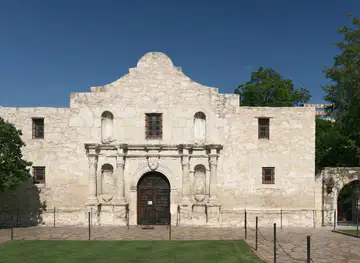
Explore more of Texas
Discover the diverse landscapes, rich history, vibrant cities, and culinary delights of Texas, the Lone Star State, where adventure and culture await at every turn.
Explore Texas