Free Llano Estacado Travel Guide & Mobile App
Explore Llano Estacado with free travel guides. Discover regional history, expert tips, proposed trips, and audio guides on web or mobile app.


Discover the stunning landscapes, vibrant wildlife, and rich cultural heritage of Llano Estacado, the expansive and scenic plains of Texas.
Read more about Llano Estacado
Getting to and around Llano Estacado
How to get there
Transportation
Top city travel guides in Llano Estacado
The cities of Llano Estacado, and the easiest places to base yourself.
-
 Amarillo
Discover Amarillo, Texas: A blend of cowboy culture, stunning natural beauty, and modern attractions in the heart of the Texas Panhandle.
Amarillo
Discover Amarillo, Texas: A blend of cowboy culture, stunning natural beauty, and modern attractions in the heart of the Texas Panhandle.
-
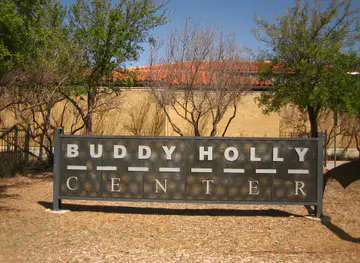 Lubbock
Discover Lubbock, Texas: A vibrant city with rich culture, musical heritage, and a blend of outdoor and culinary delights in the heart of the Lone Star State.
Lubbock
Discover Lubbock, Texas: A vibrant city with rich culture, musical heritage, and a blend of outdoor and culinary delights in the heart of the Lone Star State.
-
 San Angelo
Discover San Angelo: A blend of history, art, and natural beauty in the heart of West Texas.
San Angelo
Discover San Angelo: A blend of history, art, and natural beauty in the heart of West Texas.
-
 Midland
Discover Midland, Texas: A blend of Western heritage, modern charm, and cultural landmarks in the heart of West Texas.
Midland
Discover Midland, Texas: A blend of Western heritage, modern charm, and cultural landmarks in the heart of West Texas.
-
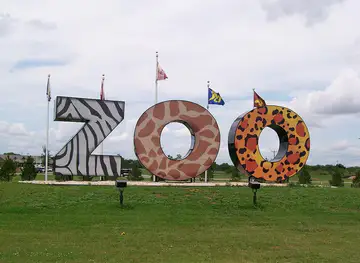 Abilene
Discover Abilene, Texas: A blend of historic charm and modern attractions, offering museums, arts, outdoor activities, and a delightful culinary scene.
Abilene
Discover Abilene, Texas: A blend of historic charm and modern attractions, offering museums, arts, outdoor activities, and a delightful culinary scene.
Swipe for more cities
Destinations in Llano Estacado
Resorts, valleys and scenic spots worth a trip of their own.
-
 Palo Duro Canyon State Park
Explore the awe-inspiring Palo Duro Canyon State Park, the second-largest canyon in the United States, offering hiking, camping, and rich history in the Texas Panhandle.
Palo Duro Canyon State Park
Explore the awe-inspiring Palo Duro Canyon State Park, the second-largest canyon in the United States, offering hiking, camping, and rich history in the Texas Panhandle.
-
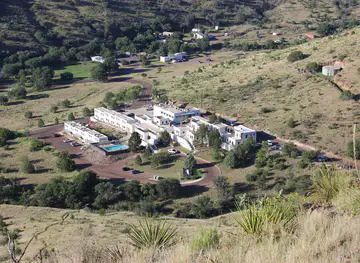 Davis Mountains State Park
Discover the serene beauty of Davis Mountains State Park, where rugged landscapes, rich history, and diverse wildlife create a perfect escape in West Texas.
Davis Mountains State Park
Discover the serene beauty of Davis Mountains State Park, where rugged landscapes, rich history, and diverse wildlife create a perfect escape in West Texas.
Swipe for more destinations
Best attractions in Llano Estacado
Llano Estacado, a majestic plateau stretching across Texas, offers a mesmerizing blend of natural beauty and historical intrigue that beckons travelers to explore its vast landscapes. Visitors can marvel at the stunning vistas of Palo Duro Canyon, the second-largest canyon in the United States, where vibrant rock formations and breathtaking sunsets create a painter's paradise. History enthusiasts will be captivated by the rich cultural tapestry of the region, with sites like the Lubbock Lake Landmark providing a glimpse into ancient human history with its archaeological discoveries. The charming city of Lubbock stands as a gateway to the region, offering museums dedicated to the American West, such as the National Ranching Heritage Center, where the spirit of cowboy life is vividly brought to life. Nature lovers can immerse themselves in the serene beauty of Muleshoe National Wildlife Refuge, home to diverse wildlife and serene lakes perfect for bird watching. For those seeking a slice of Texan culture, the Llano Estacado wineries offer a delightful taste of local viticulture amidst the rugged beauty of the plateau. This is a land where the winds carry whispers of the past and the promise of adventure, inviting visitors to embark on an unforgettable journey across its storied terrain.
-
Winery
Llano Estacado Winery, Inc
Experience the charm of Llano Estacado Winery in Lubbock, Texas - a haven for wine lovers and a celebration of local viticulture.
-
Museum
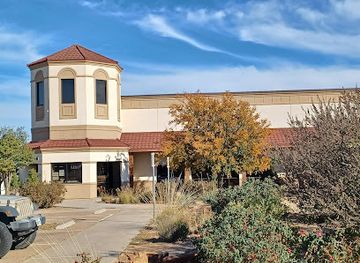
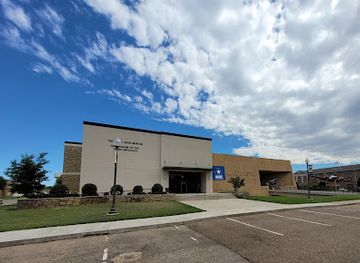
The Museum of the Llano Estacado
Explore the captivating history and culture of the Llano Estacado at this engaging local history museum in Plainview, Texas.
Best landmarks in Llano Estacado
Llano Estacado, a vast plateau stretching across northwest Texas and eastern New Mexico, offers a mesmerizing blend of natural beauty and intriguing history. Visitors can marvel at the stunning Palo Duro Canyon, the second-largest canyon in the United States, where vibrant layers of rock create a breathtaking backdrop for hiking and exploring. History enthusiasts can step back in time at the Lubbock Lake Landmark, a significant archaeological site revealing ancient human activity dating back 12,000 years. The area is also home to the Silent Wings Museum, dedicated to the World War II glider pilots, showcasing aircraft and artifacts that tell stories of bravery and innovation. Nature lovers can delight in the Muleshoe National Wildlife Refuge, where diverse wildlife and the serene beauty of the prairie landscape provide an idyllic escape. As you traverse the Llano Estacado, expect to be captivated by its expansive horizons, rich cultural heritage, and the unique charm of its small towns, each offering its own slice of Texan hospitality and history.
-
Museum
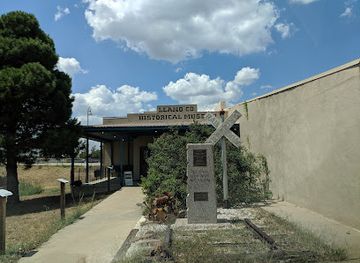
Llano County Museum
Explore the Llano County Museum in Texas for a fascinating journey through local history and culture, featuring exhibits on geological wonders and community heritage.
-
Museum
The Museum of the Llano Estacado
Explore the rich history of the Llano Estacado at The Museum of the Llano Estacado, where local stories come to life through engaging exhibits.
-
Historical place
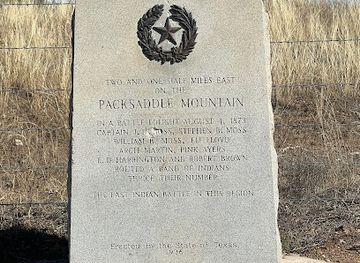
Historical Marker
Discover the Llano Historical Marker, where the last Indian battle took place and history comes alive amidst the beauty of Texas.
-
Historical place
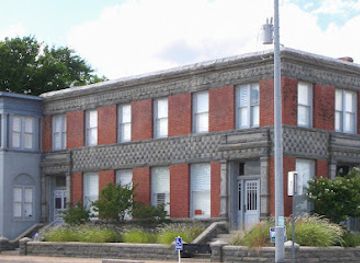
Badu Building
Explore the Badu Building in Llano, Texas, where history comes alive through its captivating architecture and storied past.
Explore Llano Estacado on the map
Plan your trip on one map. See where the top cities, national parks and sights are, and book hotels and experiences in a few clicks.
Best hotels in Llano Estacado
Best restaurants in Llano Estacado
The dining scene in Llano Estacado offers an enticing blend of West Texan flavors and cultural heritage, reflecting the area's rich history and diverse landscapes. Visitors can savor authentic Tex-Mex cuisine, where the tantalizing aromas of sizzling fajitas and enchiladas are infused with local spices, or indulge in a traditional Texas barbecue experience, complete with tender brisket and smoky ribs that have been perfected over generations. For those seeking a taste of the frontier, ranch-style steakhouses serve up hearty meals with locally sourced beef, paired perfectly with regional wines from the burgeoning vineyards of the Texas High Plains. The area also boasts charming diners and cafes that offer a glimpse into the local lifestyle, serving homemade pies and comfort food with a side of warm Southern hospitality. Whether dining under the vast, starlit skies or enjoying a cozy meal in a historic town, Llano Estacado's culinary offerings promise a memorable gastronomic journey for every traveler.
-
Barbecue
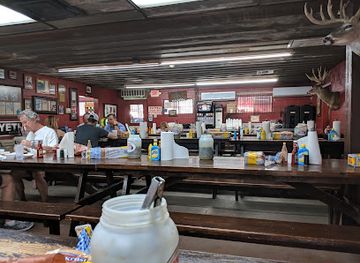
Cooper's Old Time Pit Bar-B-Que
Experience authentic Texas barbecue at Cooper's Old Time Pit Bar-B-Que in Llano – where smoky flavors meet hearty portions.
-
Mexican
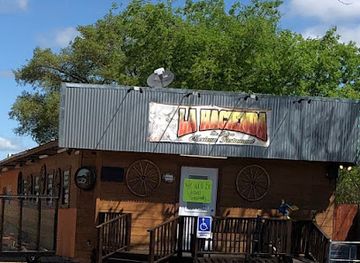
La Hacienda De Jalisco
Savor the vibrant flavors of authentic Mexican cuisine at La Hacienda De Jalisco in Llano, Texas.
-
Italian
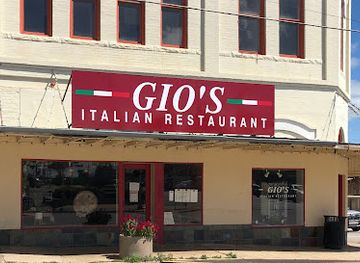
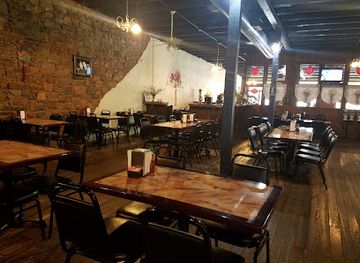
Gio's Italian Restaurant
Experience authentic Italian cuisine at Gio's Italian Restaurant in Llano – where every meal feels like a celebration of flavor.
-
Chinese
China Wok
Experience authentic Chinese cuisine at China Wok in Llano - where every meal is a celebration of flavor!
Best bars in Llano Estacado
As the sun dips below the expansive horizon of the Llano Estacado, the region's nightlife scene comes alive with a unique blend of rustic charm and modern flair that captures the adventurous spirit of the Texas plains. Visitors can immerse themselves in the lively atmosphere of local saloons and dance halls where the twang of country music fills the air and friendly locals invite you to join in on a Texas two-step. For those seeking a more contemporary vibe, trendy bars offer craft cocktails infused with local flavors, and live music venues showcase talented artists, from regional bands to up-and-coming country stars. Whether you're sipping a cold one under the wide-open Texas sky or grooving to the rhythm of the night, Llano Estacado offers a captivating nightlife experience that blends the authenticity of the Old West with the excitement of the new.
-
American
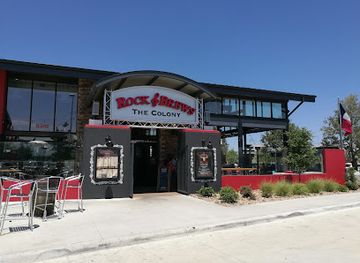
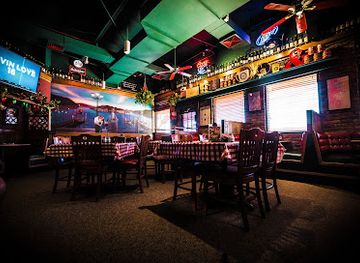
Rock & Brews
Experience the ultimate American bar and grill at Rock & Brews, where delicious food meets a vibrant rock 'n' roll atmosphere in The Colony, Texas.
-
Barbecue
Cooper's Old Time Pit Bar-B-Que
Discover the rich tradition of Texas barbecue at Cooper's Old Time Pit Bar-B-Que in Llano, where every bite is a celebration of flavor and culture.
-
Italian
Orlando's Italian Restaurant
Experience authentic Italian cuisine in a family-friendly atmosphere at Orlando's Italian Restaurant, a must-visit dining destination in Lubbock, Texas.
-
Seafood
Charlotte Plummers
Discover the flavors of the Gulf Coast at Charlotte Plummers, Rockport's premier seafood restaurant offering fresh dishes and stunning views.

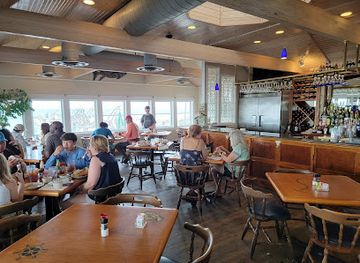
Best nightclubs in Llano Estacado
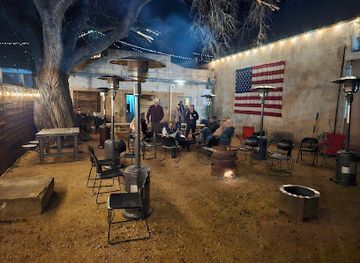
As the sun dips below the expansive horizon of the Llano Estacado, the region's nightlife scene comes alive with a unique blend of rustic charm and modern flair that captures the adventurous spirit of the Texas plains. Visitors can immerse themselves in the lively atmosphere of local saloons and dance halls where the twang of country music fills the air and friendly locals invite you to join in on a Texas two-step. For those seeking a more contemporary vibe, trendy bars offer craft cocktails infused with local flavors, and live music venues showcase talented artists, from regional bands to up-and-coming country stars. Whether you're sipping a cold one under the wide-open Texas sky or grooving to the rhythm of the night, Llano Estacado offers a captivating nightlife experience that blends the authenticity of the Old West with the excitement of the new.
-
Bar
Granite-O-Bar
Experience the vibrant atmosphere of Granite-O-Bar in Llano, Texas, where great drinks and friendly faces await you in the heart of the Hill Country.
-
Bar
LTX Mercantile & Redneck Speakeasy
Discover the vibrant atmosphere of LTX Mercantile & Redneck Speakeasy, where Texas charm meets lively nightlife in the heart of Llano.

Best shops in Llano Estacado
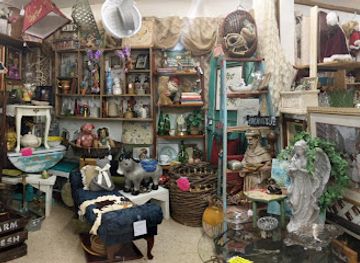
Exploring the shopping scene of Llano Estacado is like embarking on a treasure hunt through the heart of Texas heritage and artisan craftsmanship. Visitors will find an eclectic array of local boutiques and markets nestled amidst the sweeping plains, each offering unique and authentic wares that reflect the rich history and vibrant culture of the region. From handcrafted leather goods and rustic home decor to locally-produced wines and gourmet foods, the area is a haven for those seeking one-of-a-kind items and souvenirs. Art enthusiasts can discover galleries showcasing works by local artists, capturing the spirit and landscapes of Llano Estacado through various mediums. The shopping experience is complemented by the warm hospitality of local shop owners, eager to share the stories behind their creations and the history of the area. Whether it's exploring charming small-town shops or visiting bustling farmers' markets, the shopping scene in Llano Estacado promises an engaging and memorable experience that captures the essence of this unique Texan landscape.
-
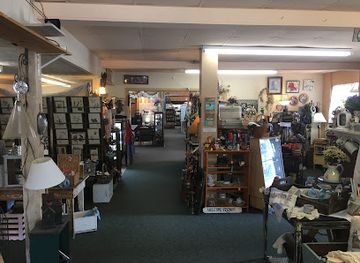
Antique store
The Knot Hole
Explore The Knot Hole in Burnet, Texas, where timeless antiques and unique treasures await every visitor.
-
City park
Badu Park
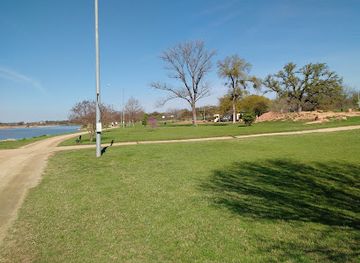
Discover tranquility at Badu Park, a scenic city park in Llano, Texas, perfect for outdoor activities and relaxation by the Llano River.
-
Antique store
Red Baron Antique Mall
Explore a vintage wonderland at Red Baron Antique Mall in Fredericksburg, where every corner reveals unique antiques and collectibles waiting to be discovered.
-
Winery
Llano Estacado Winery, Inc
Discover Llano Estacado Winery: A premier Texas winery offering exquisite wines, scenic views, and a taste of local culture.

Get your free copy of our complete guide to Llano Estacado, delivered straight to you.
Everything on this page, from attractions and restaurants to essentials and local phrases, in one PDF you can read offline, print or share.
Already have an account? Sign in
Your Llano Estacado guide is ready.
We'll send it to · Not you? Sign out

Getting your guide ready…
We are putting together a fresh copy of the Llano Estacado guide. This can take up to a minute.
This can take a few moments. If your browser asks, choose Allow so the download can start. You'll find the guide in your Downloads folder.
Nothing happened? Download it again
Sorry, the guide is taking longer than usual. Please try again in a minute, or get it by email instead.
Llano Estacado essentials
Currency and Payment
Safety
Emergency Situations
Do's and Don'ts
Local Tips
From Eve
Local phrases worth knowing
You don't need to get them perfect. A few words go a long way, and locals appreciate the effort.
Basics
| English | Local | Say it |
|---|---|---|
| Hello | Howdy | [haʊdi] |
| Goodbye | See ya | [siː jɑ] |
| Yes | Yep | [jɛp] |
| No | Nope | [noʊp] |
| Please/You're welcome | Sure thing | [ʃʊr θɪŋ] |
| Thank you | Thanks a lot | [θæŋks ə lɑt] |
| Excuse me/Sorry | Pardon me | [ˈpɑrdən mi] |
| How are you? | How ya doin'? | [haʊ jə ˈduɪn] |
| Fine. And you? | Good. And you? | [gʊd ənd ju] |
| Do you speak English? | Do ya speak English? | [du jə spiːk ˈɪŋɡlɪʃ] |
| I don't understand | I ain't gettin' it | [aɪ eɪnt ˈɡɛtɪn ɪt] |
Eating & Drinking
| English | Local | Say it |
|---|---|---|
| I'd like to see the menu, please | Can I see the menu, please? | [kæn aɪ si ðə ˈmɛnju pliz] |
| I don't eat meat | I don't do meat | [aɪ doʊnt du mit] |
| Cheers! | Here's to ya! | [hɪrz tu jə] |
| I would like to pay, please | I'd like to settle up, please | [aɪd laɪk tu ˈsɛtl ʌp pliz] |
Emergencies
| English | Local | Say it |
|---|---|---|
| Help! | Help! | [hɛlp] |
| Go away! | Get lost! | [ɡɛt lɔst] |
| Call the Police! | Call the cops! | [kɔl ðə kɑps] |
| Call a doctor! | Get a doc! | [ɡɛt ə dɑk] |
| I'm lost | I'm turned around | [aɪm tɜrnd əˈraʊnd] |
| I'm ill | I ain't feelin' good | [aɪ eɪnt ˈfiːlɪn ɡʊd] |
Shopping
| English | Local | Say it |
|---|---|---|
| I'd like to buy... | I wanna buy... | [aɪ ˈwɑnə baɪ] |
| I'm just looking | I'm just browsin' | [aɪm dʒʌst ˈbraʊzɪn] |
| How much is it? | What’s the price? | [wʌts ðə praɪs] |
| That's too expensive | That’s too pricey | [ðæts tu ˈpraɪsi] |
| Can you lower the price? | Can ya bring down the price? | [kæn jə brɪŋ daʊn ðə praɪs] |
Time & Numbers
| English | Local | Say it |
|---|---|---|
| What time is it? | What time ya got? | [wʌt taɪm jə ɡɑt] |
| It's one o'clock | It’s one | [ɪts wʌn] |
| Half past (10) | Ten-thirty | [tɛn ˈθɜrti] |
| Morning | Mornin' | [ˈmɔrnɪn] |
| Afternoon | Afternoon | [ˈæftərˌnun] |
| Evening | Evenin' | [ˈivnɪn] |
| Yesterday | Yesterday | [ˈjɛstərdeɪ] |
| Today | Today | [təˈdeɪ] |
| Tomorrow | Tomorrow | [təˈmɔroʊ] |
| 1 | One | [wʌn] |
| 2 | Two | [tu] |
| 3 | Three | [θri] |
| 4 | Four | [fɔr] |
| 5 | Five | [faɪv] |
| 6 | Six | [sɪks] |
| 7 | Seven | [ˈsɛvən] |
| 8 | Eight | [eɪt] |
| 9 | Nine | [naɪn] |
| 10 | Ten | [tɛn] |
Transport & Directions
| English | Local | Say it |
|---|---|---|
| Where's a/the...? | Where's the...? | [wɛrz ðə] |
| What's the address? | What’s the address? | [wʌts ði ˈædrɛs] |
| Can you show me (on the map)? | Can ya point it out? | [kæn jə pɔɪnt ɪt aʊt] |
| When's the next (bus)? | When's the next bus? | [wɛnʔs ðə nɛkst bʌs] |
| A ticket (to ....) | A ticket to... | [ə ˈtɪkɪt tu] |
History of Llano Estacado
The Indigenous Heritage
The Llano Estacado, also known as the Staked Plains, was originally inhabited by various Native American tribes, including the Comanche and Apache. These tribes were hunter-gatherers who utilized the vast plains for hunting buffalo and other game. The Comanche, in particular, became formidable horsemen and dominated the region for centuries before European settlers arrived.
Coronado's Expedition
In 1541, the Spanish explorer Francisco Vásquez de Coronado led an expedition into the Llano Estacado in search of the mythical Seven Cities of Gold. Although he did not find the cities, Coronado's journey marked one of the first European explorations of the region. His expedition provided valuable information about the vast, flat, and arid landscape of the Llano Estacado.
The Texas Panhandle and New Mexico Territory
During the 19th century, the Llano Estacado became part of the territories of Texas and New Mexico. The region's challenging environment made it one of the last areas to be settled by Euro-American settlers. The establishment of military forts, such as Fort Sumner and Fort Concho, helped to protect settlers from Native American raids, paving the way for more permanent settlements.
The Cattle Drives and Ranching Era
By the late 19th century, the Llano Estacado became a crucial part of the cattle industry. The vast grasslands supported large cattle drives, including the famous Goodnight-Loving Trail. Charles Goodnight and Oliver Loving, two prominent cattlemen, established this trail, which passed through the Llano Estacado and helped transport cattle from Texas to markets in Colorado and Wyoming.
The Development of Agriculture
In the early 20th century, advances in irrigation and farming techniques transformed the Llano Estacado into a major agricultural region. The introduction of crops like cotton, wheat, and sorghum, along with the drilling of deep wells for groundwater, allowed for more sustainable farming. Today, the area remains an important agricultural hub, producing significant amounts of cotton and other crops.
Cultural Significance and Modern Day
The Llano Estacado is not just significant for its history but also for its cultural impact. The region has inspired numerous works of literature, film, and art, capturing the imagination of people worldwide. Towns such as Lubbock and Amarillo serve as cultural centers, hosting museums, galleries, and festivals that celebrate the area's rich heritage. The Buddy Holly Center in Lubbock, for example, honors the legendary rock 'n' roll musician who was born there.
Llano Estacado in Photos
Browse through our photo collection highlighting the charm and character of the destination.
Neighbouring regions of Llano Estacado
The closest regions to Llano Estacado, if you have time for more than one.
-
 South Plains
Discover the vast landscapes, rich history, and vibrant culture of the South Plains in Texas. Experience small-town charm, outdoor adventures, and the spirit of the Lone Star State.
South Plains
Discover the vast landscapes, rich history, and vibrant culture of the South Plains in Texas. Experience small-town charm, outdoor adventures, and the spirit of the Lone Star State.
-
 Permian Basin
Discover the Permian Basin: Texas's treasure trove of natural beauty, historical intrigue, and cultural richness, perfect for explorers and enthusiasts alike.
Permian Basin
Discover the Permian Basin: Texas's treasure trove of natural beauty, historical intrigue, and cultural richness, perfect for explorers and enthusiasts alike.
-
 West Texas
Explore the rugged beauty, rich history, and artistic charm of West Texas. From Big Bend National Park to the quirky town of Marfa, discover a land of contrasts.
West Texas
Explore the rugged beauty, rich history, and artistic charm of West Texas. From Big Bend National Park to the quirky town of Marfa, discover a land of contrasts.
-
 Trans-Pecos
Discover the rugged beauty and rich history of Trans-Pecos, Texas – from the stunning landscapes of Big Bend to the art and culture of Marfa.
Trans-Pecos
Discover the rugged beauty and rich history of Trans-Pecos, Texas – from the stunning landscapes of Big Bend to the art and culture of Marfa.
-
 Big Bend Country
Explore the rugged beauty, starry skies, and rich cultural history of Big Bend Country, Texas, where the Rio Grande meets the Chisos Mountains in an unforgettable adventure.
Big Bend Country
Explore the rugged beauty, starry skies, and rich cultural history of Big Bend Country, Texas, where the Rio Grande meets the Chisos Mountains in an unforgettable adventure.
Swipe for more regions