

Free Permian Basin Travel Guide & Mobile App
Explore Permian Basin with free travel guides. Discover regional history, expert tips, proposed trips, and audio guides on web or mobile app.


Explore the Texas Permian Basin for oil heritage, desert landscapes, spring-fed waters, museums and wide-open West Texas roads.
Read more about Permian Basin
Getting to and around Permian Basin
How to get there
Transportation
Top city travel guides in Permian Basin
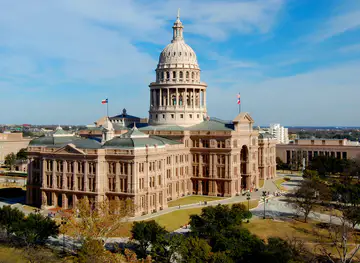
The cities of Permian Basin, and the easiest places to base yourself.
-
-

-

-

-

-


Swipe for more cities
Destinations in Permian Basin
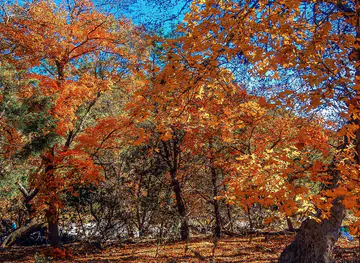
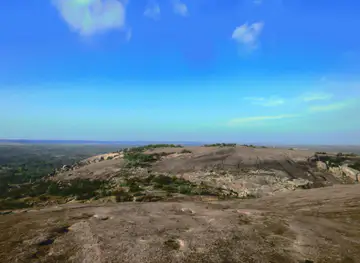
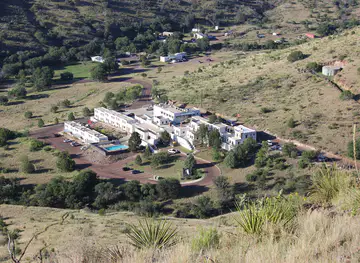
Resorts, valleys and scenic spots worth a trip of their own.
-

-

-

-
-
-


Swipe for more destinations
Best attractions in Permian Basin
The Texas Permian Basin’s attractions are spread across working cities, open ranch country and desert-edge landscapes. In Midland, the Permian Basin Petroleum Museum explains the geology, machinery and social history behind the region’s energy economy, while the nearby George W. Bush Childhood Home interprets a formative period in the life of the former US president. Odessa provides the Ellen Noël Art Museum, arts programming and the Odessa Meteor Crater, a small but scientifically significant impact site near the city. Monahans Sandhills State Park, east of the main urban centres, offers shifting dunes and unusual opportunities for sand recreation. To the west, Balmorhea State Park is known for its spring-fed pool and desert wildlife, although it lies near the basin’s western edge and requires careful planning. Fort Stockton adds historic military interpretation and access to the wider Trans-Pecos landscape. Smaller museums, courthouse squares, ranching displays and geological viewpoints reward travellers who take the highways between these principal stops rather than treating the region solely as an urban destination.
-
State park
Balmorhea State Park
Discover the beauty and tranquility of Balmorhea State Park, a unique oasis in Texas with spring-fed pools, hiking trails, and rich wildlife.
-
Tourist attraction
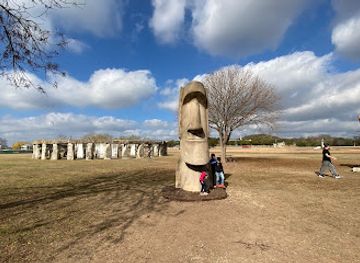
Stonehenge II at the Hill Country Arts Foundation
Explore the captivating Stonehenge II in Texas Hill Country, a remarkable sculpture replicating the iconic Stonehenge, surrounded by stunning landscapes.
-
State park
Monahans Sandhills State Park
Explore the stunning dunes of Monahans Sandhills State Park, an outdoor paradise in Texas perfect for adventure and nature lovers alike.
-
State park
Davis Mountains State Park Headquarters
Discover the breathtaking beauty and adventure awaiting you at Davis Mountains State Park, a top destination for nature lovers and outdoor enthusiasts in Texas.


Best landmarks in Permian Basin
The most recognisable landmarks of the Texas Permian Basin express its geological and industrial character. Midland’s Permian Basin Petroleum Museum is both a museum and a visual symbol of the industry that transformed West Texas, while the city’s George W. Bush Childhood Home represents the civic and political associations attached to the region. Odessa’s Stonehenge Replica, built as a community art project, is an unexpected roadside landmark, and the nearby Odessa Meteor Crater records a far older encounter between the landscape and space. Monahans Sandhills form one of the basin’s most distinctive natural horizons, their pale dunes contrasting with oilfield infrastructure and flat grassland. Balmorhea’s spring-fed pool is another memorable feature near the western basin, sustained by water emerging from the desert aquifer. Courthouse squares, railway-era buildings and water towers in smaller communities such as Pecos, Fort Stockton and Big Spring add a more understated architectural layer, recalling the settlement and transport networks that preceded the modern petroleum economy.
-
National park
Guadalupe Mountains National Park
Discover the breathtaking beauty of Guadalupe Mountains National Park, where towering peaks meet diverse ecosystems in an unforgettable Texas adventure.
-
Tourist attraction
Stonehenge II at the Hill Country Arts Foundation
Discover the artistic marvel of Stonehenge II, a captivating replica in the Texas Hill Country that blends history, art, and natural beauty.
-
State park
Monahans Sandhills State Park
Experience the breathtaking beauty of Monahans Sandhills State Park, where rolling dunes and diverse wildlife await your exploration in Texas.
-
Performing arts theater
Wagner Noël Performing Arts Center
Discover the vibrant arts scene at Wagner Noël Performing Arts Center, where exceptional performances and cultural experiences await in Midland, Texas.


Explore Permian Basin on the map
Plan your trip on one map. See where the top cities, national parks and sights are, and book hotels and experiences in a few clicks.
Best hotels in Permian Basin
Best restaurants in Permian Basin
Dining in the Texas Permian Basin reflects West Texas practicality: substantial steaks, burgers, Tex-Mex, barbecue, breakfast plates and diner food are common, with Midland and Odessa offering the broadest selection. Mexican and Mexican-American cooking is an important part of everyday food culture, while ranching and the energy workforce support restaurants accustomed to generous portions and early starts. Roadside cafés and independent diners remain useful stops in smaller communities, where menus may be more traditional and service hours more limited than in the cities. Midland and Odessa also have contemporary restaurants, coffee shops, bakeries and international options serving a diverse working population. Around Monahans, Pecos, Fort Stockton and other highway towns, expect practical dining rather than a concentrated restaurant district. Texas beer, iced tea and locally familiar comfort foods fit the climate and culture, while farmers’ markets and specialty retailers provide opportunities to buy regional produce when in season.
-
Steak
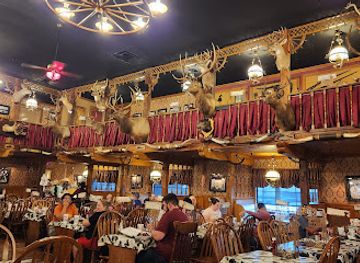
The Big Texan Steak Ranch & Brewery
Discover the iconic Big Texan Steak Ranch & Brewery in Amarillo - home of the legendary 72-ounce steak challenge and authentic Texas dining.
-
Seafood
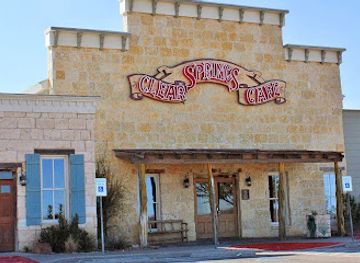
Clear Springs Restaurant
Discover the taste of coastal cuisine at Clear Springs Restaurant in Midland, TX - where fresh seafood meets Texas hospitality.
-
Grill
Cork & Pig Tavern
Experience the best of Texan cuisine at Cork & Pig Tavern in Odessa – where grilled delights meet gourmet pizzas.
-
Steak
Texas Roadhouse
Experience authentic American dining at Texas Roadhouse in Hobbs - where every meal feels like a celebration.


Best bars in Permian Basin
Evening life in the Permian Basin is concentrated in Midland and Odessa and is generally more social and low-key than the nightclub scenes of Texas’s largest cities. Traditional bars, sports-focused venues, breweries, cocktail rooms, live-music spaces and restaurants provide the main choices, with activity often shaped by the working week and the presence of oilfield crews. Midland’s downtown and entertainment areas offer the greatest concentration of evening options, while Odessa combines bars and restaurants with theatre, concerts and community events. Smaller towns such as Pecos, Monahans and Fort Stockton tend to rely on local pubs, hotel bars and restaurants rather than dedicated clubs. On some evenings, college sport, rodeo and performing arts are more central to local entertainment than late-night dancing. Check current arrangements locally, as venues and schedules can change with the region’s economic cycles.
-
Sports bar
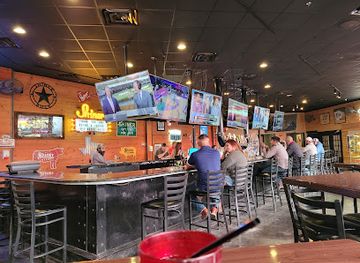
Bottoms Up Bar & Grill
Discover Bottoms Up Bar & Grill, a lively sports bar in Odessa, Texas, blending delicious food and exciting sports entertainment for an unforgettable experience.
-
Bar
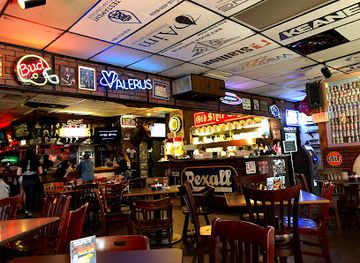
The Bar
Experience the vibrant nightlife at The Bar in Midland, TX, featuring craft beers, delicious eats, and a welcoming atmosphere for all.
-
Grill
Riley's Bar & Grill
Experience the best of Midland at Riley's Bar & Grill, where delicious food, refreshing drinks, and vibrant atmosphere await you.
-
Bar
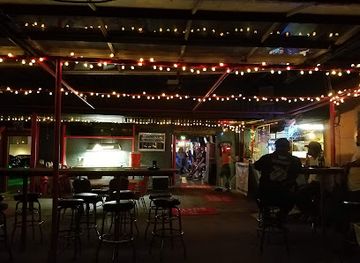
Midland Beer Garden
Experience the best of Midland's craft beer scene at Midland Beer Garden, a vibrant outdoor bar perfect for relaxation and socializing.

Best nightclubs in Permian Basin
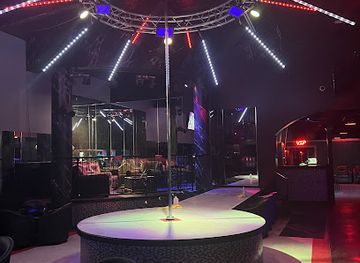
Evening life in the Permian Basin is concentrated in Midland and Odessa and is generally more social and low-key than the nightclub scenes of Texas’s largest cities. Traditional bars, sports-focused venues, breweries, cocktail rooms, live-music spaces and restaurants provide the main choices, with activity often shaped by the working week and the presence of oilfield crews. Midland’s downtown and entertainment areas offer the greatest concentration of evening options, while Odessa combines bars and restaurants with theatre, concerts and community events. Smaller towns such as Pecos, Monahans and Fort Stockton tend to rely on local pubs, hotel bars and restaurants rather than dedicated clubs. On some evenings, college sport, rodeo and performing arts are more central to local entertainment than late-night dancing. Check current arrangements locally, as venues and schedules can change with the region’s economic cycles.
-
Adult entertainment club
Rick's Cabaret Odessa
Discover the dynamic nightlife at Rick's Cabaret Odessa, where adult entertainment meets exquisite dining and unforgettable performances.
-
Adult entertainment club
Jaguars Odessa
Discover the vibrant nightlife at Jaguars Odessa, Texas' premier adult entertainment club, where fun meets exceptional performances in an electrifying atmosphere.
-
Adult entertainment club
PT's Showclub Odessa
Discover the vibrant nightlife of PT's Showclub Odessa, where exciting performances and great drinks await in the heart of Texas.
-
Karaoke bar
Basin Nights
Discover the heart of Odessa's nightlife at Basin Nights, where music, fun, and unforgettable memories await every visitor.


Best shops in Permian Basin
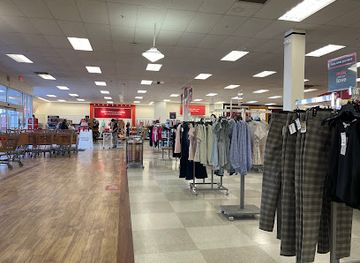
Shopping in the Texas Permian Basin is centred on Midland and Odessa, where conventional retail, independent boutiques, galleries, western wear shops, bookstores and practical services reflect the needs of a dispersed regional population. Downtown Midland has the strongest concentration of civic, cultural and independent retail activity, while larger commercial areas serve residents and oilfield workers with clothing, equipment and everyday goods. Odessa is useful for western-style clothing, locally oriented gifts and shopping linked to its arts and community institutions. In smaller towns, the most distinctive purchases are likely to come from antique shops, trading posts, craft retailers, farmers’ markets and local food outlets rather than large shopping centres. Look for Texas-made products, regional artwork, leather goods, boots, western accessories and packaged foods suitable for travel. Market days and small businesses can be seasonal, so visitors should check local arrangements rather than assume a rural shop will be open every day.
-
Shopping mall
Midland Park Mall
Discover the charm of Midland Park Mall, where shopping, dining, and entertainment come together for an unforgettable experience in Midland, Texas.
-
Shopping mall
Chimney Rock Shopping Center
Discover the vibrant shopping and dining scene at Chimney Rock Shopping Center in Odessa, Texas, offering diverse stores and delightful experiences.
-
Department store
T.J. Maxx & HomeGoods
Explore T.J. Maxx & HomeGoods in Midland, Texas for budget-friendly fashion and unique home goods that cater to every shopper's taste.
-
Gift shop
Miss Cayce's
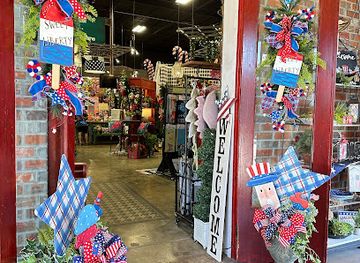
Explore the enchanting world of Miss Cayce's, a Midland gift shop offering unique collectibles, seasonal decor, and stunning floral designs for every occasion.

Get your free copy of our complete guide to Permian Basin, delivered straight to you.
Everything on this page, from attractions and restaurants to essentials and local phrases, in one PDF you can read offline, print or share.
Already have an account? Sign in
Your Permian Basin guide is ready.
We'll send it to · Not you? Sign out

Getting your guide ready…
We are putting together a fresh copy of the Permian Basin guide. This can take up to a minute.
This can take a few moments. If your browser asks, choose Allow so the download can start. You'll find the guide in your Downloads folder.
Nothing happened? Download it again
Sorry, the guide is taking longer than usual. Please try again in a minute, or get it by email instead.
Permian Basin essentials
Currency and Payment
Safety
Emergency Situations
Do's and Don'ts
Local Tips
From Eve
Local phrases worth knowing
You don't need to get them perfect. A few words go a long way, and locals appreciate the effort.
Basics
| English | Local | Say it |
|---|---|---|
| Hello | Howdy | [Ha-dee] |
| Goodbye | See ya later | [See ya lay-ter] |
| Yes | Yup | [Yup] |
| No | Nah | [Nah] |
| Please/You're welcome | No problem | [No prob-lem] |
| Thank you | Thanks a bunch | [Thanks a bunch] |
| Excuse me/Sorry | Pardon me | [Par-don me] |
| How are you? | How ya doin'? | [How ya doin'?] |
| Fine. And you? | Good, and you? | [Good, and you?] |
| Do you speak English? | Do ya speak English? | [Do ya speak English?] |
| I don't understand | I ain't got a clue | [I ain't got a clue] |
Eating & Drinking
| English | Local | Say it |
|---|---|---|
| I'd like to see the menu, please | Can I see the menu, please? | [Can I see the menu, please?] |
| I don't eat meat | I don't eat meat | [I don't eat meat] |
| Cheers! | Cheers! | [Cheers!] |
| I would like to pay, please | Can I get the check, please? | [Can I get the check, please?] |
Emergencies
| English | Local | Say it |
|---|---|---|
| Help! | Help! | [Help!] |
| Go away! | Leave me alone! | [Leave me alone!] |
| Call the Police! | Call the cops! | [Call the cops!] |
| Call a doctor! | Get a doctor! | [Get a doctor!] |
| I'm lost | I’m lost | [I’m lost] |
| I'm ill | I ain't feelin' good | [I ain't feelin' good] |
Shopping
| English | Local | Say it |
|---|---|---|
| I'd like to buy... | I wanna buy... | [I wanna buy...] |
| I'm just looking | Just browsing | [Just browsing] |
| How much is it? | What’s the price? | [What’s the price?] |
| That's too expensive | That's way too high | [That's way too high] |
| Can you lower the price? | Can ya drop the price a bit? | [Can ya drop the price a bit?] |
Time & Numbers
| English | Local | Say it |
|---|---|---|
| What time is it? | What time ya got? | [What time ya got?] |
| It's one o'clock | It's one o'clock | [It's one o'clock] |
| Half past (10) | Half past ten | [Half past ten] |
| Morning | Mornin' | [Mornin'] |
| Afternoon | Afternoon | [Afternoon] |
| Evening | Evenin' | [Evenin'] |
| Yesterday | Yesterday | [Yesterday] |
| Today | Today | [Today] |
| Tomorrow | Tomorrow | [Tomorrow] |
| 1 | One | [One] |
| 2 | Two | [Two] |
| 3 | Three | [Three] |
| 4 | Four | [Four] |
| 5 | Five | [Five] |
| 6 | Six | [Six] |
| 7 | Seven | [Seven] |
| 8 | Eight | [Eight] |
| 9 | Nine | [Nine] |
| 10 | Ten | [Ten] |
Transport & Directions
| English | Local | Say it |
|---|---|---|
| Where's a/the...? | Where's the nearest...? | [Where's the nearest...?] |
| What's the address? | What's the address? | [What's the address?] |
| Can you show me (on the map)? | Can ya point it out on the map? | [Can ya point it out on the map?] |
| When's the next (bus)? | When's the next bus? | [When's the next bus?] |
| A ticket (to ....) | A ticket to.... | [A ticket to....] |
History of Permian Basin
An Ancient Sea and Fossil Landscapes
Long before human settlement, much of the Permian Basin lay beneath a warm inland sea. Reef systems, marine sediments and layers of limestone accumulated during the Permian geological period, roughly 299 to 252 million years ago. Those deposits later became the source rocks and reservoirs that made the region one of the world’s great petroleum provinces. Fossils and geological formations remain important to the basin’s scientific identity, while the flat-to-undulating terrain and exposed rock help explain why oil production is so closely connected with the landscape.
Indigenous Peoples and Trade Routes
The basin was used by Indigenous peoples long before European settlement, including Apache and Comanche communities whose movements, hunting grounds and trading networks extended across West Texas. Water sources, seasonal resources and established trails shaped life in an environment where permanent surface water was limited. Later Spanish and Mexican expeditions followed some of these routes, but the region remained sparsely settled compared with central and eastern Texas. Indigenous history is an essential part of the basin’s story, even though many modern towns present a predominantly later, ranching and oil-focused public identity.
Spanish, Mexican and Early Anglo-American Expansion
Spanish exploration and later Mexican administration brought the wider West Texas region into imperial and national systems without creating dense settlement across the basin. After Texas independence and annexation to the United States, military expeditions, ranchers, traders and surveyors increased outside involvement. Forts and transport routes in the broader region supported westward movement, while cattle ranching became a defining land use. The arrival of railways in the late nineteenth century connected emerging communities such as Midland and Odessa with markets beyond the plains and made large-scale settlement more practical.
Ranching, Railways and Early Town Development
Before petroleum transformed the economy, ranching, farming and railway activity dominated much of the Texas basin. Midland developed around the Texas and Pacific Railway, while Odessa grew as a rail and stock-raising centre. Water scarcity, harsh summers and wide distances influenced building styles, commerce and community life. Towns depended on rail connections and regional trading relationships rather than dense networks of nearby settlements. Many of today’s streets, civic buildings and local museums preserve traces of this earlier period, when cattle, land and transport mattered more than drilling technology.
The Santa Rita Well and the Oil Boom
The discovery of oil at the Santa Rita No. 1 well near Big Lake in 1923 changed the economic history of the basin. Drilling expanded rapidly across the surrounding counties, and Midland and Odessa became major centres for production, finance, equipment and professional services. The boom brought investment, workers and infrastructure, but it also produced volatility when prices fell or fields were overdeveloped. Oil wealth reshaped the region’s towns and public institutions, creating the distinctive combination of modern commercial development and remote industrial landscapes visible today.
Wartime Industry and Post-war Growth
Petroleum became even more strategically important during the Second World War, when fuel and industrial materials were vital to the Allied war effort. After 1945, rising vehicle ownership, petrochemical demand and expanding national energy consumption sustained growth in the Permian Basin. Midland developed as a centre for petroleum finance and administration, while Odessa became strongly associated with equipment, services and industrial employment. Schools, hospitals, civic facilities and cultural organisations expanded alongside the population, although the region continued to experience the sharp economic cycles characteristic of oil-producing areas.
Horizontal Drilling and the Modern Energy Economy
Advances in horizontal drilling and hydraulic fracturing revived production in shale formations during the twenty-first century. Operators were able to extract oil and gas from extensive rock layers that had previously been difficult or uneconomic to develop, producing another major surge in activity across the basin. The modern industry has brought highly specialised jobs, heavy traffic and continued investment, while also raising questions about water use, emissions, land disturbance and economic resilience. Today, petroleum remains central, but the region’s future also includes efforts to diversify education, healthcare, technology and other services.
Permian Basin in Photos
Browse through our photo collection highlighting the charm and character of the destination.
Neighbouring regions of Permian Basin
The closest regions to Permian Basin, if you have time for more than one.
-

-

-

-

-


Swipe for more regions
Explore more
Explore more of Texas
Discover the diverse landscapes, rich history, vibrant cities, and culinary delights of Texas, the Lone Star State, where adventure and culture await at every turn.
Explore Texas