

Free Panhandle Travel Guide & Mobile App
Explore Panhandle with free travel guides. Discover regional history, expert tips, proposed trips, and audio guides on web or mobile app.


Explore the Texas Panhandle for Palo Duro Canyon, open prairie, Route 66 heritage, Indigenous history and distinctive West Texas culture.
Read more about Panhandle
Getting to and around Panhandle
How to get there
Transportation
Top city travel guides in Panhandle
The cities of Panhandle, and the easiest places to base yourself.
-

-


Swipe for more cities
Destinations in Panhandle
Resorts, valleys and scenic spots worth a trip of their own.

Swipe for more destinations
Best attractions in Panhandle
The Texas Panhandle’s attractions combine dramatic geology with the material history of Indigenous life, ranching, transport and energy. Palo Duro Canyon State Park, reached near Canyon, is the region’s leading outdoor destination, with hiking, mountain biking, camping and horseback routes through layered red and ochre rock. Lake Meredith National Recreation Area offers boating, fishing, birdwatching, camping and access to the Canadian River valley, while nearby Alibates Flint Quarries National Monument protects an ancient Indigenous quarry landscape visited through managed programmes. Caprock Canyons State Park and Trailway, in the southern Panhandle, adds rugged canyon scenery, hiking, cycling and wildlife viewing. In Amarillo, the Panhandle-Plains Historical Museum, American Quarter Horse Hall of Fame and Museum, Route 66 sites and the Cadillac Ranch provide contrasting views of regional history and popular culture. Smaller museums, historic courthouses, ranching collections and heritage sites in towns such as Canadian, Dalhart, Borger and Pampa reveal how railways, agriculture and oil shaped everyday life. Outdoor plans should account for distance, exposed terrain, heat and rapidly changing weather.
-
State park
Caprock Canyons State Park & Trailway
Explore the breathtaking landscapes of Caprock Canyons State Park & Trailway, a premier destination for outdoor adventures and stunning natural beauty in Texas.
-
Museum
Carson County Square House Museum
Explore the Carson County Square House Museum, a captivating destination showcasing the rich heritage of the Texas Panhandle through engaging exhibits and local artifacts.
-
Tourist attraction
Patriot Peace Garden
Discover the tranquil beauty of Patriot Peace Garden, a serene tribute to patriotism in Panhandle, Texas, perfect for relaxation and reflection.
-
Museum
Peace Park
Explore Peace Park in Panhandle, Texas, a tranquil tribute to American patriotism and service, perfect for reflection and remembrance.


Best landmarks in Panhandle
Palo Duro Canyon is the Panhandle’s defining natural landmark, its exposed red, orange and cream strata forming a vast system of cliffs and ravines south of Amarillo. The canyon’s scale reflects erosion by the Prairie Dog Town Fork of the Red River and gives the surrounding high plain a dramatic edge. The Canadian River breaks provide another important geographical marker, with Lake Meredith occupying part of the valley and Alibates Flint Quarries preserving a landscape associated with ancient toolmaking. In Amarillo, the historic Route 66 corridor, surviving roadside structures and the Cadillac Ranch installation symbolise different eras of American road culture. The Santa Fe Building and other early twentieth-century commercial structures also reflect the city’s growth as a railway and regional trading centre. Canyon’s Panhandle-Plains Historical Museum is a landmark of scholarship and public memory rather than a single monumental structure, documenting the region’s Indigenous, ranching, agricultural and industrial past. In the southern Panhandle, the deep ravines of Caprock Canyons form a distinctive landscape of cliffs, grasslands and scrub, visually contrasting with the level plains around Amarillo and Dalhart.
-
History museum
Panhandle-Plains Historical Museum
Explore the fascinating history of the Texas Panhandle at the Panhandle-Plains Historical Museum, where culture and heritage come alive.
-
Hotel
Best Western Palo Duro Canyon Inn & Suites
Experience the perfect blend of comfort and nature at Best Western Palo Duro Canyon Inn & Suites, your gateway to Texas's breathtaking Palo Duro Canyon.
-
Historical landmark
Tex Randall Statue
Explore the Tex Randall Statue, a captivating historical landmark in Canyon, Texas, celebrating the spirit of the American West.
-
Museum
Carson County Square House Museum
Explore the fascinating history of Panhandle, TX at the Carson County Square House Museum, where local stories and heritage come alive.


Explore Panhandle on the map
Plan your trip on one map. See where the top cities, national parks and sights are, and book hotels and experiences in a few clicks.
Best hotels in Panhandle
Best restaurants in Panhandle
Dining in the Texas Panhandle reflects cattle country, agricultural production, Mexican-American traditions and the long history of highway travel. Amarillo has the broadest choice, from steakhouses and barbecue restaurants to independent cafés, bakeries and contemporary restaurants, while Canyon and the smaller towns offer a more compact selection of local diners, grills and family-run establishments. Texas barbecue and beef are prominent, but visitors will also encounter Tex-Mex dishes, burgers, chicken-fried steak, beans, cornbread and regional comfort food. Roadside diners and classic Route 66-style stops remain part of the area’s food culture, especially around Amarillo, though individual businesses and opening arrangements change. Farmers’ markets and local shops can provide seasonal produce, baked goods and regional provisions, while craft beer and other Texas-made drinks appear in larger communities. In rural areas, check distances and service hours before setting out, as evening options may be limited and the next town can be far away.
-
American
Feldman's Wrong Way Diner
Discover the charm of American dining at Feldman's Wrong Way Diner in Canyon, Texas – where comfort food meets cozy ambiance.
-
Hotel
Best Western Palo Duro Canyon Inn & Suites
Discover comfort and convenience at Best Western Palo Duro Canyon Inn & Suites - your ideal base for exploring Texas' stunning Palo Duro Canyon.
-
Fast Food
McDonald's
Discover quick meals and familiar flavors at McDonald's in Canyon, TX – your ideal stop for fast food while exploring!
-
Restaurant
Buff's
Experience authentic Texan hospitality at Buff's in Canyon—a favorite spot for comfort food lovers seeking delicious meals at affordable prices.


Best bars in Panhandle
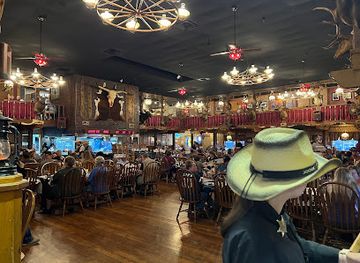
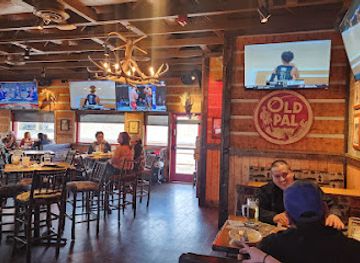
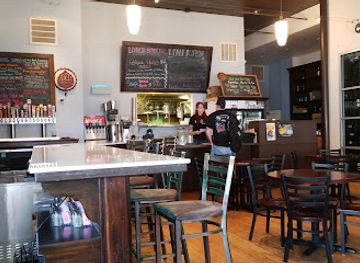
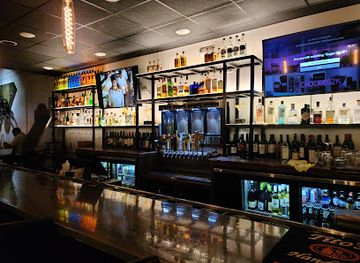
Nightlife in the Texas Panhandle is concentrated in Amarillo and, to a lesser extent, Canyon and the larger county-seat communities. Amarillo offers traditional Texas bars, breweries, live-music settings, sports bars, cocktail-oriented venues and restaurants that remain active into the evening; the atmosphere ranges from contemporary downtown spaces to informal establishments shaped by the city’s highway and ranching connections. Canyon’s evening scene is influenced by West Texas State University, although it is considerably smaller than Amarillo’s. In the rural Panhandle, evenings more often centre on local restaurants, traditional pubs, community events or live music than on dedicated nightclubs. Route 66-themed venues and seasonal performances add occasional variety, but schedules change, so check locally rather than assuming nightly entertainment. Travellers should arrange a sober driver or dependable transport, since distances between towns are substantial and taxis or rideshare availability may be limited outside Amarillo.
-
Steak
The Big Texan Steak Ranch & Brewery
Discover the legendary Big Texan Steak Ranch & Brewery in Amarillo, Texas, where hearty meals and Texas hospitality await every visitor.
-
Sports bar
Twin Peaks Amarillo
Experience the ultimate sports bar at Twin Peaks Amarillo, where great food, cold drinks, and an electrifying atmosphere await you.
-
New American
Crush Wine Bar Grill
Discover Crush Wine Bar Grill in Amarillo, TX, where innovative New American cuisine meets an extensive wine selection in a vibrant atmosphere.
-
American
Cask & Cork
Experience the best of American cuisine at Cask & Cork in Amarillo, where unique cocktails and a vibrant atmosphere await you.
Best nightclubs in Panhandle
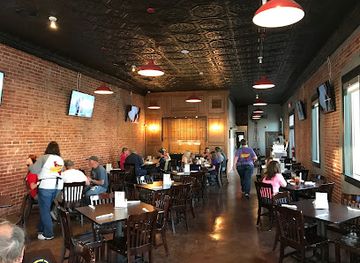
Nightlife in the Texas Panhandle is concentrated in Amarillo and, to a lesser extent, Canyon and the larger county-seat communities. Amarillo offers traditional Texas bars, breweries, live-music settings, sports bars, cocktail-oriented venues and restaurants that remain active into the evening; the atmosphere ranges from contemporary downtown spaces to informal establishments shaped by the city’s highway and ranching connections. Canyon’s evening scene is influenced by West Texas State University, although it is considerably smaller than Amarillo’s. In the rural Panhandle, evenings more often centre on local restaurants, traditional pubs, community events or live music than on dedicated nightclubs. Route 66-themed venues and seasonal performances add occasional variety, but schedules change, so check locally rather than assuming nightly entertainment. Travellers should arrange a sober driver or dependable transport, since distances between towns are substantial and taxis or rideshare availability may be limited outside Amarillo.
-
Hotel
Best Western Palo Duro Canyon Inn & Suites
Discover the charm of Palo Duro Canyon while enjoying the comfort and convenience of Best Western Palo Duro Canyon Inn & Suites.
-
Hotel
Holiday Inn Express & Suites Canyon, an IHG Hotel
Discover comfort and convenience at Holiday Inn Express & Suites Canyon, your ideal base for exploring Palo Duro Canyon and the Texas Panhandle.
-
Restaurant
Brickstreet 200
Discover a delightful dining experience at Brickstreet 200, where classic comfort food meets local Texan hospitality in Panhandle, Texas.
-
Golf course
Palo Duro Creek Golf Course
Experience the beauty of Texas at Palo Duro Creek Golf Course, where every swing is accompanied by breathtaking landscapes and a welcoming atmosphere.



Best shops in Panhandle
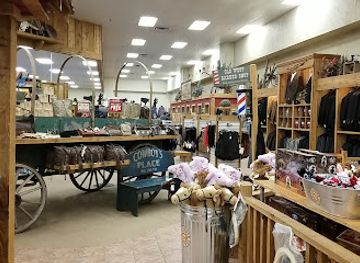
Shopping in the Texas Panhandle is centred on Amarillo’s established retail areas, independent businesses, galleries, western-wear shops, bookshops and food retailers, with larger chains and everyday services concentrated there. Canyon provides a smaller town-centre experience connected with the university and nearby tourism, while communities such as Canadian, Dalhart, Borger and Pampa have local high streets and specialist stores rather than extensive destination retail. Western clothing, boots, leather goods, ranch supplies, regional art and equestrian products reflect the Panhandle’s working landscapes, although quality and provenance vary between sellers. Visitors can also look for Texas-made food products, barbecue ingredients, pottery, prints and crafts at independent shops and seasonal markets. Route 66 memorabilia and roadside souvenirs are particularly associated with Amarillo and nearby stretches of the historic highway. Food markets and farm stands may offer produce, baked goods or preserves when in season, but they are not uniformly available across the region, so small-town shopping plans should allow for limited opening days and distances between communities.
-
Department store
Walmart Supercenter
Explore the Walmart Supercenter in Canyon, Texas, the ultimate shopping destination for all your travel essentials and local finds.
-
Boot store
Cavender's Boot City
Explore Cavender's Boot City in Amarillo for the best Western apparel, boots, and accessories, capturing the true spirit of the American West.
-
Grocery store
United Supermarkets
Explore local flavors and fresh produce at United Supermarkets, a cherished grocery store in Canyon, Texas, perfect for tourists seeking culinary delights.
-
Hotel
Best Western Palo Duro Canyon Inn & Suites
Discover comfort at Best Western Palo Duro Canyon Inn & Suites, your gateway to stunning landscapes and local charm in Canyon, Texas.



Get your free copy of our complete guide to Panhandle, delivered straight to you.
Everything on this page, from attractions and restaurants to essentials and local phrases, in one PDF you can read offline, print or share.
Already have an account? Sign in
Your Panhandle guide is ready.
We'll send it to · Not you? Sign out

Getting your guide ready…
We are putting together a fresh copy of the Panhandle guide. This can take up to a minute.
This can take a few moments. If your browser asks, choose Allow so the download can start. You'll find the guide in your Downloads folder.
Nothing happened? Download it again
Sorry, the guide is taking longer than usual. Please try again in a minute, or get it by email instead.
Panhandle essentials
Currency and Payment
Safety
Emergency Situations
Do's and Don'ts
Local Tips
From Eve
Local phrases worth knowing
You don't need to get them perfect. A few words go a long way, and locals appreciate the effort.
Basics
| English | Local | Say it |
|---|---|---|
| Hello | Howdy | [Ha-dee] |
| Goodbye | See ya later | [See ya lay-ter] |
| Yes | Yep | [Yep] |
| No | Nope | [Nope] |
| Please/You're welcome | Please / No problem | [Pleez / No prob-lem] |
| Thank you | Thanks a bunch | [Thanks a bunch] |
| Excuse me/Sorry | Excuse me / My bad | [Ex-kyoos mee / My bad] |
| How are you? | How ya doin'? | [How ya doin'?] |
| Fine. And you? | I'm good. How 'bout you? | [I'm good. How 'bout you?] |
| Do you speak English? | Do ya speak English? | [Do ya speak English?] |
| I don't understand | I ain't gettin' it | [I ain't gettin' it] |
Eating & Drinking
| English | Local | Say it |
|---|---|---|
| I'd like to see the menu, please | Can I see the menu, please? | [Can I see the menu, pleez?] |
| I don't eat meat | I don't eat no meat | [I don't eat no meat] |
| Cheers! | Cheers! | [Cheers!] |
| I would like to pay, please | I'd like to settle up, please | [I'd like to settle up, pleez] |
Emergencies
| English | Local | Say it |
|---|---|---|
| Help! | Help! | [Help!] |
| Go away! | Leave me be! | [Leave me be!] |
| Call the Police! | Call the cops! | [Call the cops!] |
| Call a doctor! | Get a doc! | [Get a doc!] |
| I'm lost | I'm lost | [I'm lost] |
| I'm ill | I'm feelin' sick | [I'm feelin' sick] |
Shopping
| English | Local | Say it |
|---|---|---|
| I'd like to buy... | I wanna buy... | [I wanna buy...] |
| I'm just looking | Just browsin' | [Just browsin'] |
| How much is it? | What's the damage? | [What's the damage?] |
| That's too expensive | That's a bit pricey | [That's a bit pricey] |
| Can you lower the price? | Can you knock down the price? | [Can you knock down the price?] |
Time & Numbers
| English | Local | Say it |
|---|---|---|
| What time is it? | What time ya got? | [What time ya got?] |
| It's one o'clock | It's one o'clock | [It's one o'clock] |
| Half past (10) | Half past ten | [Half past ten] |
| Morning | Mornin' | [Mornin'] |
| Afternoon | Afternoon | [Afternoon] |
| Evening | Evenin' | [Evenin'] |
| Yesterday | Yesterday | [Yesterday] |
| Today | Today | [Today] |
| Tomorrow | Tomorrow | [Tomorrow] |
| 1 | One | [One] |
| 2 | Two | [Two] |
| 3 | Three | [Three] |
| 4 | Four | [Four] |
| 5 | Five | [Five] |
| 6 | Six | [Six] |
| 7 | Seven | [Seven] |
| 8 | Eight | [Eight] |
| 9 | Nine | [Nine] |
| 10 | Ten | [Ten] |
Transport & Directions
| English | Local | Say it |
|---|---|---|
| Where's a/the...? | Where's the...? | [Where's the...?] |
| What's the address? | What's the address? | [What's the address?] |
| Can you show me (on the map)? | Can ya show me on the map? | [Can ya show me on the map?] |
| When's the next (bus)? | When's the next bus? | [When's the next bus?] |
| A ticket (to ....) | A ticket to... | [A ticket to...] |
History of Panhandle
Ancient Indigenous Landscapes and Alibates Flint
People have lived across the Panhandle for thousands of years, adapting to the springs, rivers, grasslands and shelter provided by the Canadian River breaks. Alibates Flint Quarries, overlooking Lake Meredith, was an important source of colourful agatized dolomite, commonly called Alibates flint, which was worked into tools and projectile points and traded across a wide area. Later Indigenous communities, including the Antelope Creek people, built stone structures and cultivated crops in parts of the region. These archaeological remains demonstrate that the plains were occupied and connected long before European-American settlement.
Spanish Exploration and the Southern Plains
Spanish expeditions entered the Panhandle during the colonial period, although the region remained far from permanent Spanish settlement. Comanches and other Indigenous peoples shaped the history of the southern plains through mobility, trade, diplomacy and resistance. The Canadian River valley, grasslands and watering places were part of a wider world of hunting and exchange rather than an empty frontier. European-American expansion later brought military conflict, disease, land dispossession and the forced removal of Indigenous communities, transforming the political and cultural geography of the Panhandle.
The Red River War and Frontier Conquest
The Red River War of 1874–75 was a decisive conflict in the southern plains. United States military campaigns targeted Comanche, Kiowa and Southern Cheyenne communities, whose resistance was linked to the destruction of the buffalo economy and mounting pressure on their lands. After the war, many Indigenous people were confined to reservations outside the Panhandle, while the region opened more fully to ranching, settlement and railway development. The conflict remains essential to understanding the cost of frontier expansion and the region’s later ranching mythology.
Cattle Ranching and the Goodnight Legacy
Large cattle operations became central to the Panhandle economy in the late nineteenth century. Charles Goodnight, a prominent rancher and former buffalo hunter, helped establish the Goodnight-Loving cattle trail and developed the JA Ranch with John Adair in the Palo Duro country. Ranching shaped land ownership, water use, transport and local identity, while later cattle enterprises grew alongside agriculture. Today, museums, historic ranch sites and working livestock operations preserve parts of this history, though the modern economy is more varied than the popular image of the open-range cowboy suggests.
Railways, Town Building and Agricultural Settlement
Railway construction in the late nineteenth and early twentieth centuries encouraged the growth of towns such as Amarillo, Canadian, Dalhart and Pampa. Rail links brought livestock, supplies and settlers to the high plains and connected local producers with distant markets. Agricultural settlement expanded as new technologies and irrigation made parts of the dry grassland more productive, while the railroad town became a characteristic pattern of Panhandle development. The resulting network still shapes travel today, with highways often following routes first established by rail and long-distance trade.
Oil, Natural Gas and Industrial Change
Petroleum and natural gas discoveries transformed the Panhandle during the twentieth century. The Panhandle oilfield, the Hugoton gas field and associated processing and pipeline industries brought investment, employment and rapid growth to communities including Borger and Pampa. Energy development altered the landscape and helped diversify an economy previously dominated by ranching and farming. Although production patterns have changed, oil and gas remain important to the region’s historical identity, and industrial sites, museums and townscapes preserve evidence of the boom years.
Route 66 and the Era of Roadside Travel
U.S. Route 66 crossed the Texas Panhandle, linking Amarillo and nearby communities with a major east–west road network between Chicago and Los Angeles. The highway encouraged motels, filling stations, cafés, garages and colourful roadside businesses, many of which catered to motorists rather than rail passengers. Interstate development later redirected through traffic, but surviving buildings, signs and attractions around Amarillo preserve the visual language of the road. Route 66 remains an important cultural layer, connecting Panhandle history with the broader story of twentieth-century American mobility.
Panhandle in Photos
Browse through our photo collection highlighting the charm and character of the destination.
Neighbouring regions of Panhandle
The closest regions to Panhandle, if you have time for more than one.
-

-

-

-

-


Swipe for more regions
Explore more
Explore more of Texas
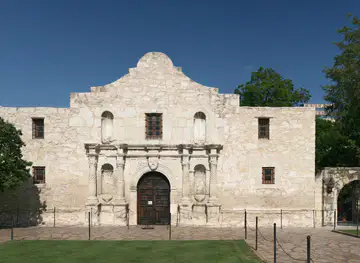
Discover the diverse landscapes, rich history, vibrant cities, and culinary delights of Texas, the Lone Star State, where adventure and culture await at every turn.
Explore Texas