

Davis Mountains State Park Travel Guide - Free Web & App
Your ultimate guide to Davis Mountains State Park. Discover top landmarks, proposed trips, and local tips. Free on the web or via the Evendo companion app.


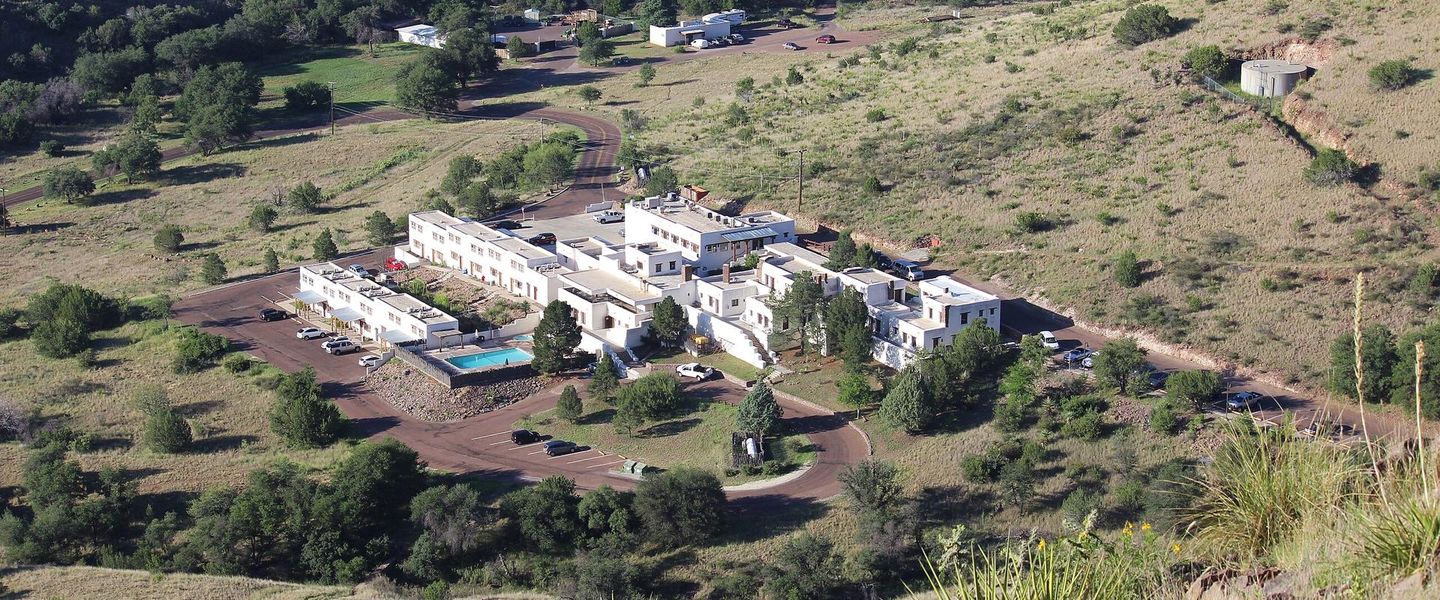


Davis Mountains State Park in Texas offers volcanic peaks, high-desert trails, dark skies, wildlife and scenic access to historic Fort Davis.
Mountain Landscape and Desert Light
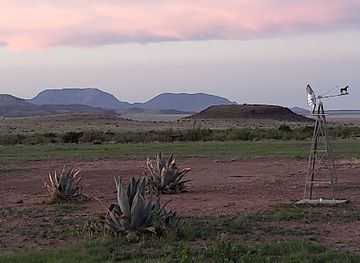
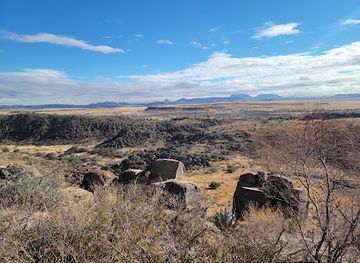
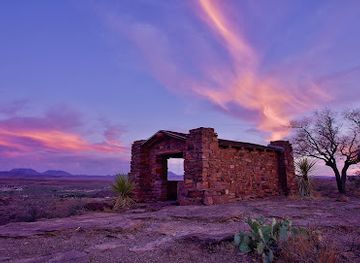
Davis Mountains State Park occupies a high, rugged corner of West Texas near the small town of Fort Davis. Its volcanic mountains, open grasslands, juniper-covered slopes and dry canyons form a striking contrast with the surrounding Chihuahuan Desert, while elevations reaching more than 1,500 metres bring cooler temperatures and a richer variety of plant life than the desert floor. The park's setting is particularly memorable at dawn and dusk, when long shadows define the ridges and the clear atmosphere often opens wide views across the Davis Mountains.Read more about Davis Mountains State Park
Trails, Wildlife and Dark Skies
Fort Davis and the Wider Mountains
When is the best time to visit Davis Mountains State Park?
Best: April–May, October · 21–26°C| Month | High (°C) | Rainfall (mm) |
|---|---|---|
| January | 11 | 16 |
| February | 13 | 15 |
| March | 18 | 17 |
| April (best) | 22 | 20 |
| May (best) | 26 | 27 |
| June | 30 | 44 |
| July | 31 | 83 |
| August | 29 | 78 |
| September | 26 | 66 |
| October (best) | 21 | 34 |
| November | 15 | 20 |
| December | 11 | 18 |
Getting to and around Davis Mountains State Park
How to get there
Transportation
Best attractions in Davis Mountains State Park
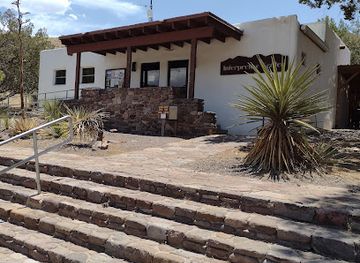
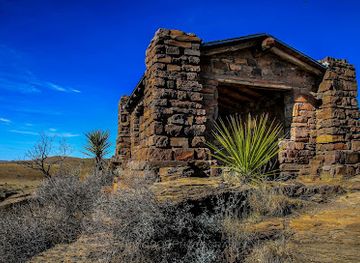
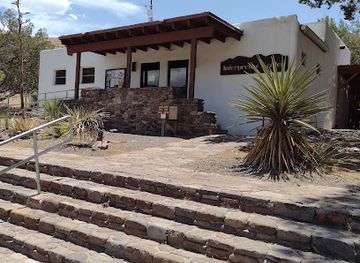
Davis Mountains State Park's principal attractions are its mountain scenery, trails and elevated desert setting. Skyline Drive climbs through the park to broad viewpoints over ridges, canyons and the Chihuahuan Desert, while trails such as the Limpia Creek, Montezuma Quail and Sheep Pen routes reveal different aspects of the landscape. Indian Lodge, a historic park building with Pueblo Revival influences, is an attraction in its own right, although access to accommodation and facilities should be checked in advance. Wildlife observation is rewarding for patient visitors, with mountain and desert species occupying the grasslands, scrub and wooded slopes. Just beyond the park, Fort Davis National Historic Site preserves a major nineteenth-century military post, and McDonald Observatory on the higher Davis Mountains provides a separate astronomy experience. The small settlement of Fort Davis links these attractions with local history, supplies and regional services.
-
State park
Davis Mountains State Park Headquarters
Explore the breathtaking landscapes and diverse wildlife of Davis Mountains State Park, a true natural wonder in West Texas perfect for adventurers and nature lovers.
-
Historical place museum
Fort Davis National Historic Site
Explore the historic Fort Davis National Historic Site in Texas, where military history meets breathtaking mountain scenery, perfect for all types of travelers.
-
Park
Jeff Davis County Park
Explore the breathtaking landscapes and abundant wildlife at Jeff Davis County Park in Texas, a haven for outdoor enthusiasts and nature lovers.
-
Museum
Davis Mountains State Park Interpretive Center
Discover the rich biodiversity and cultural heritage at the Davis Mountains State Park Interpretive Center, a must-see for nature lovers visiting Texas.
Best landmarks in Davis Mountains State Park
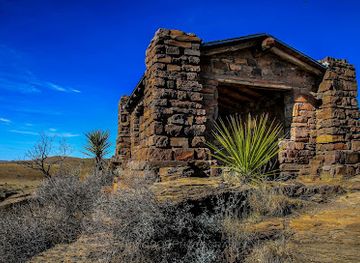
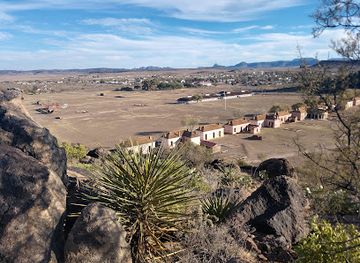
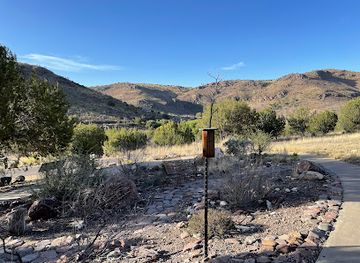
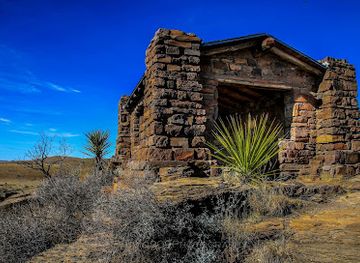
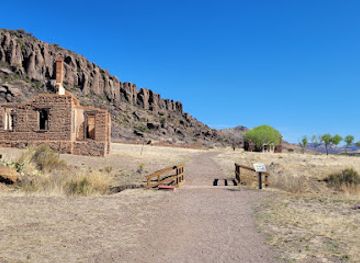
The defining natural landmark is the Davis Mountains themselves, an elevated volcanic range rising above the Chihuahuan Desert and producing the high-country character of the park. Within the protected area, Skyline Drive is the principal scenic feature, following the slopes towards elevated views across ridges, valleys and open desert. Indian Lodge is the park's best-known built landmark, a historic Pueblo Revival-style structure associated with the New Deal development of Texas state parks. Nearby but outside Davis Mountains State Park, Fort Davis National Historic Site preserves the buildings and parade grounds of the nineteenth-century military post, while McDonald Observatory marks the region's international importance for astronomical research and dark-sky observation. Together, these natural, architectural and historical features express the relationship between geology, frontier travel, conservation and science in the Davis Mountains.
-
State park
Davis Mountains State Park Headquarters
Discover breathtaking landscapes and diverse wildlife in Davis Mountains State Park, a premier outdoor destination in West Texas for adventurers and nature lovers.
-
Historical place museum
Fort Davis National Historic Site
Explore Fort Davis National Historic Site: A historic military post in Texas offering rich heritage and stunning hiking trails in the Davis Mountains.
-
Museum
Davis Mountains State Park Interpretive Center
Explore the breathtaking landscapes and rich history at the Davis Mountains State Park Interpretive Center in Fort Davis, Texas.
-
Museum
Old Overland Trail Museum
Discover the rich history of the Wild West at the Old Overland Trail Museum in Fort Davis, Texas, where every artifact tells a story.
Explore Davis Mountains State Park on the map
Plan your trip on one map. See where the top attractions, landmarks, restaurants and hotels are, and book hotels and experiences in a few clicks.
Best hotels in Davis Mountains State Park
Best restaurants in Davis Mountains State Park
Davis Mountains State Park has limited dining infrastructure, so most visitors eat at their accommodation, prepare food at a campsite where permitted, or travel into Fort Davis for restaurants, cafés and traditional small-town establishments. The local food culture reflects West Texas rather than a single narrowly defined mountain cuisine, with menus commonly shaped by Tex-Mex and Mexican-American traditions, ranch-country cooking, barbecue and familiar American dishes. Fort Davis is the practical place to look for a meal before or after a day on the trails, while Alpine and Marfa offer a broader choice farther afield. Because distances are considerable and rural businesses may keep seasonal or changing hours, visitors should check current arrangements and carry provisions for time spent in the park. Farm and ranch products, locally made goods and regional foodstuffs may also appear through small shops or seasonal community events.
-
State park
Davis Mountains State Park Headquarters
Experience the stunning beauty of Davis Mountains State Park in Texas - a paradise for hikers, campers, and stargazers alike.
-
Hotel
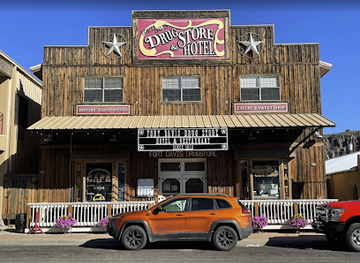
Fort Davis Drug Store Hotel
Discover comfort and history at Fort Davis Drug Store Hotel – your perfect base for exploring Texas' stunning landscapes.
-
Mexican
Cueva De Leon
Experience authentic Mexican flavors at Cueva De Leon in Fort Davis – where tradition meets taste in every bite!
-
Restaurant
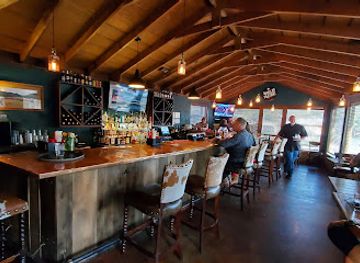
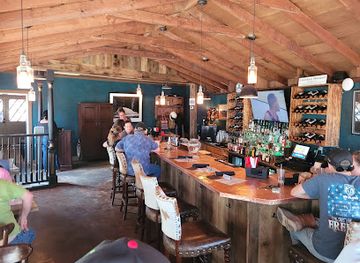
Blue Mountain Bar and Grill
Experience authentic Texan cuisine at Blue Mountain Bar and Grill in Fort Davis - where every meal is a celebration of local flavors.
Best bars in Davis Mountains State Park
Davis Mountains State Park is a quiet natural area rather than a nightlife destination. Evenings centre on the dark sky, the cool mountain air and the subdued hospitality of Fort Davis, where visitors may find traditional local drinking and dining venues rather than a concentration of late-night bars or clubs. The town's small scale means entertainment can be seasonal and operating arrangements may change, so it is wise not to assume late services. Alpine, a larger regional centre, provides a wider choice of evening establishments, but it lies outside the park and requires a drive. Astronomy programmes at McDonald Observatory, also outside the state park, can provide a distinctive organised evening experience when scheduled, while campers should observe quiet hours and light-conscious practices within the protected landscape.
-
Restaurant
Blue Mountain Bar and Grill
Experience the best of Fort Davis at Blue Mountain Bar and Grill, where local flavors and friendly service create unforgettable dining moments.
-
Restaurant
Black Bear Restaurant
Experience hearty Texas cuisine at Black Bear Restaurant in Fort Davis, where generous portions and warm hospitality await every visitor.


Best nightclubs in Davis Mountains State Park
Davis Mountains State Park is a quiet natural area rather than a nightlife destination. Evenings centre on the dark sky, the cool mountain air and the subdued hospitality of Fort Davis, where visitors may find traditional local drinking and dining venues rather than a concentration of late-night bars or clubs. The town's small scale means entertainment can be seasonal and operating arrangements may change, so it is wise not to assume late services. Alpine, a larger regional centre, provides a wider choice of evening establishments, but it lies outside the park and requires a drive. Astronomy programmes at McDonald Observatory, also outside the state park, can provide a distinctive organised evening experience when scheduled, while campers should observe quiet hours and light-conscious practices within the protected landscape.
-
State park
Davis Mountains State Park Headquarters
Explore the breathtaking landscapes and diverse wildlife of Davis Mountains State Park, a natural paradise in the heart of Texas.
-
Restaurant
Blue Mountain Bar and Grill
Experience the flavors of Texas at Blue Mountain Bar and Grill, a must-visit restaurant in Fort Davis for locals and tourists alike.
-
Campground
Davis Mountains State Park
Discover the stunning landscapes and outdoor adventures at Davis Mountains State Park, a must-visit destination for nature lovers in Texas.
Best shops in Davis Mountains State Park
Shopping within Davis Mountains State Park is limited and primarily connected with visitor necessities or park services rather than a dedicated retail district. Fort Davis is the nearest useful settlement for groceries, basic supplies, gifts and locally oriented shops, while Alpine and Marfa provide a broader range of independent retail, galleries and regional products farther from the park. Visitors may find West Texas crafts, artwork, books, food products and ranch-influenced goods, although stock and opening arrangements vary among small businesses. Outdoor equipment and provisions are best obtained before travelling into the mountains. Buying from established local businesses in Fort Davis and nearby communities supports the area's small-scale economy without suggesting that the park itself has extensive shopping facilities.
-
State park
Davis Mountains State Park Headquarters
Discover the breathtaking beauty and outdoor adventures at Davis Mountains State Park, a must-visit natural wonder in Texas.
-
Grocery store
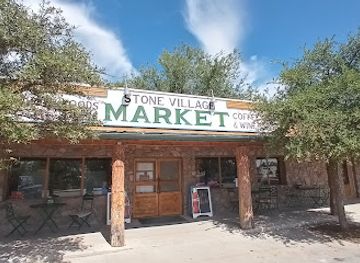
Stone Village Market
Explore the unique flavors of Fort Davis at Stone Village Market, your local grocery store bursting with specialty items and friendly service.
-
Campground
Davis Mountains State Park
Discover the natural beauty and diverse wildlife of Davis Mountains State Park, a premier destination for outdoor enthusiasts in Texas.
-
Nut store
Davis Mountains Nut Company
Experience the best of Texas at Davis Mountains Nut Company, where fresh nuts and unique gifts await in the heart of Fort Davis.

Get your free copy of our complete guide to Davis Mountains State Park, delivered straight to you.
Everything on this page, from attractions and restaurants to essentials and local phrases, in one PDF you can read offline, print or share.
Already have an account? Sign in
Your Davis Mountains State Park guide is ready.
We'll send it to · Not you? Sign out

Getting your guide ready…
We are putting together a fresh copy of the Davis Mountains State Park guide. This can take up to a minute.
This can take a few moments. If your browser asks, choose Allow so the download can start. You'll find the guide in your Downloads folder.
Nothing happened? Download it again
Sorry, the guide is taking longer than usual. Please try again in a minute, or get it by email instead.
Davis Mountains State Park essentials
Currency and Payment
Safety
Emergency Situations
Do's and Don'ts
Local Tips
From Eve
Local phrases worth knowing
You don't need to get them perfect. A few words go a long way, and locals appreciate the effort.
Basics
| English | Local | Say it |
|---|---|---|
| Hello | Howdy | [hah-dee] |
| Goodbye | See ya | [see yah] |
| Yes | Yep | [yep] |
| No | Nah | [nah] |
| Please/You're welcome | Please/No problem | [pleez/no prob-lem] |
| Thank you | Thanks | [thanks] |
| Excuse me/Sorry | Pardon me/My bad | [par-dn me/my bad] |
| How are you? | Howdy | [hah-dee] |
| Fine. And you? | Great. You? | [grayt. yoo?] |
| Do you speak English? | Speak English? | [speek ing-lish?] |
| I don't understand | I'm lost | [ahm lost] |
Eating & Drinking
| English | Local | Say it |
|---|---|---|
| I'd like to see the menu, please | Menu, please | [men-yoo, pleez] |
| I don't eat meat | No meat | [no meet] |
| Cheers! | Cheers! | [cheers] |
| I would like to pay, please | Check, please | [chek, pleez] |
Emergencies
| English | Local | Say it |
|---|---|---|
| Help! | Help! | [help!] |
| Go away! | Go away! | [go way!] |
| Call the Police! | Call the Sheriff! | [call the sher-if!] |
| Call a doctor! | Get a doc! | [get a doc!] |
| I'm lost | Lost | [lost] |
| I'm ill | Sick | [sick] |
Shopping
| English | Local | Say it |
|---|---|---|
| I'd like to buy... | I wanna buy... | [ah wanna buy...] |
| I'm just looking | Just looking | [just look-ing] |
| How much is it? | How much? | [how much?] |
| That's too expensive | Too much | [too much] |
| Can you lower the price? | Lower price? | [low-er price?] |
Time & Numbers
| English | Local | Say it |
|---|---|---|
| What time is it? | What time? | [what time?] |
| It's one o'clock | It's one | [its one] |
| Half past (10) | Half ten | [half ten] |
| Morning | Morning | [mor-ning] |
| Afternoon | Afternoon | [af-ter-noon] |
| Evening | Evening | [ee-ven-ing] |
| Yesterday | Yesterday | [yester-day] |
| Today | Today | [to-day] |
| Tomorrow | Tomorrow | [to-mor-row] |
| 1 | One | [wun] |
| 2 | Two | [too] |
| 3 | Three | [three] |
| 4 | Four | [four] |
| 5 | Five | [five] |
| 6 | Six | [six] |
| 7 | Seven | [sev-en] |
| 8 | Eight | [ate] |
| 9 | Nine | [nine] |
| 10 | Ten | [ten] |
Transport & Directions
| English | Local | Say it |
|---|---|---|
| Where's a/the...? | Where's the...? | [wheres the...?] |
| What's the address? | Address? | [address?] |
| Can you show me (on the map)? | Show me | [show me] |
| When's the next (bus)? | Next bus? | [next bus?] |
| A ticket (to ....) | Ticket | [ticket] |
History of Davis Mountains State Park
Volcanic Origins and High Elevation
The Davis Mountains are part of the Trans-Pecos volcanic province, shaped by volcanic activity and subsequent erosion over geological time. Lava flows, ash deposits and uplift helped create the rugged ridges and elevated basins visible around the state park, while erosion carved the canyons and slopes that define its present form. The mountains rise above the surrounding Chihuahuan Desert, producing cooler conditions and supporting habitats that differ from those on the lower plains. This geological setting explains both the area's distinctive scenery and its importance as a meeting place between desert, grassland and mountain environments.
Indigenous Homelands and Regional Travel
Long before the establishment of the state park, Indigenous peoples travelled through and used the mountains and desert country of the Trans-Pecos. Apache and Comanche groups were among the peoples associated with the wider region during the period of expanding Spanish, Mexican and American influence. Springs, mountain passes and reliable routes were important in an otherwise dry landscape. Later trails linking settlements and military posts crossed the area, bringing increased movement through the Davis Mountains while also intensifying conflict and disruption for Indigenous communities.
Fort Davis and the Frontier Army
The nearby military post of Fort Davis was established in 1854 to protect the San Antonio–El Paso road and other routes across the frontier. Although the post's history includes interruption during the American Civil War, it became an important United States Army installation after the conflict, with Buffalo Soldiers among the troops who served there. The fort's location reflected the strategic value of the mountain passes and water sources. Today, Fort Davis National Historic Site preserves substantial remains of the post and provides context for the settlement and transport history of the surrounding mountains.
Ranching, Settlement and Scientific Observation
After the frontier military period, ranching became a durable influence on the Davis Mountains and the wider area. Fort Davis developed as a small regional settlement, while roads and communications gradually made the high country more accessible. In the twentieth century, the mountains also attracted scientific interest: McDonald Observatory was established on Mount Locke in the late 1930s through a partnership involving the University of Texas and the McDonald estate. Its location was chosen for the region's dark, clear skies, a quality that remains central to the area's identity.
Park Development and Conservation
Davis Mountains State Park was developed during the New Deal era, when Civilian Conservation Corps crews created roads, trails, stone structures and other visitor facilities in Texas parks. The park opened in the 1930s, and Indian Lodge became one of its best-known buildings, constructed in a Pueblo Revival style suited to the regional setting. Subsequent park management has focused on conserving mountain habitats while allowing camping, walking, scenic driving and educational visits. The continuing protection of dark skies, native vegetation and wildlife forms an important part of the area's modern visitor experience.
Davis Mountains State Park in Photos
Browse through our photo collection highlighting the charm and character of the destination.
Neighbouring destination travel guides
The closest destinations to Davis Mountains State Park, if you have time for more than one.
-

-

-

-

-


Swipe for more destinations
Explore more

Explore more of Trans-Pecos
Explore Trans-Pecos Texas for desert parks, mountain trails, borderland culture, contemporary art and some of the darkest skies in the United States.
Explore Trans-Pecos
Explore more of Texas
Discover the diverse landscapes, rich history, vibrant cities, and culinary delights of Texas, the Lone Star State, where adventure and culture await at every turn.
Explore Texas