

Koh Chang, Thailand Travel Guide
Discover Koh Chang, Thailand - A tropical paradise with pristine beaches, lush jungles, vibrant marine life, and rich cultural experiences in a serene island setting.
Koh Chang, Thailand's third-largest island, is a hidden gem in the Gulf of Thailand. Known for its lush forests, pristine beaches, and vibrant marine life, Koh Chang offers an idyllic retreat for nature lovers and adventure seekers alike. The island is part of the Mu Ko Chang National Park, which ensures that much of its natural beauty is preserved. Whether you're snorkeling in clear blue waters, hiking through dense jungle trails, or simply lounging on a sandy beach, Koh Chang provides a serene escape from the hustle and bustle of city life. The island's name, which means 'Elephant Island,' is derived from its elephant-shaped headland. Despite its size, Koh Chang is less crowded compared to other popular Thai islands, making it perfect for those looking to enjoy tranquility. The island boasts a range of accommodations, from luxury resorts to budget-friendly bungalows, catering to all types of travelers. White Sand Beach, the most famous beach on the island, offers stunning sunsets and a lively nightlife scene, while quieter beaches like Lonely Beach and Klong Prao Beach provide peaceful settings for relaxation. Koh Chang is also a haven for outdoor activities. The island's waters are teeming with colorful coral reefs and diverse marine species, making it a popular spot for diving and snorkeling. Inland, you can explore waterfalls such as Klong Plu and Than Mayom, which are perfect for a refreshing dip. For a deeper cultural experience, visit the fishing villages of Bang Bao and Salak Phet, where you can learn about the local way of life and enjoy fresh seafood delicacies. With its blend of natural beauty and cultural richness, Koh Chang is a must-visit destination in Thailand.

Know before you go
Hi, I'm Eve. Here are a few practical things to know before exploring Koh Chang.
- Visit during the dry season (November to February) for the best weather and calmer seas.
- Rent a motorbike to explore the island at your own pace and reach remote beaches.
- Carry cash, as ATMs can be scarce in some parts of the island.
- Don't miss the night market at White Sand Beach for local crafts and delicious street food.
- Pack insect repellent to protect against mosquitoes, especially if you plan to hike or visit waterfalls.
Explore Koh Chang: Things to Do, Places to Eat, Hotels & More
Handpicked recommendations for top attractions, local dining, accommodations, and more

Best attractions in Koh Chang
Top-rated picks
Best Attractions

Kai Bae Viewpoint
Experience unparalleled views of the Gulf of Thailand at Kai Bae Viewpoint, a must-see destination on Ko Chang island, Thailand.

Tree Top Adventure Park Koh Chang
Experience the thrill of zip-lining and rope courses in the lush jungles of Koh Chang at Tree Top Adventure Park, a must-visit for adventure enthusiasts.

National Park Protection Unit (Khlong Phlu)
Discover the beauty of nature at Khlong Phlu National Park with its stunning waterfalls, lush forests, and diverse wildlife - a true Thai paradise.
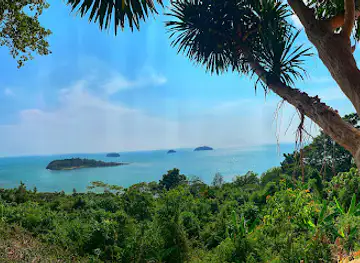
Kai Bae Beach
Experience the breathtaking beauty of Kai Bae Beach, a tropical haven offering stunning sunsets, water sports, and vibrant local culture in Ko Chang, Thailand.

Best landmarks in Koh Chang
Top-rated picks
Best Landmarks

Kai Bae Viewpoint
Discover the stunning views of Kai Bae Viewpoint on Ko Chang, a must-visit scenic spot that captures the essence of Thailand's natural beauty.
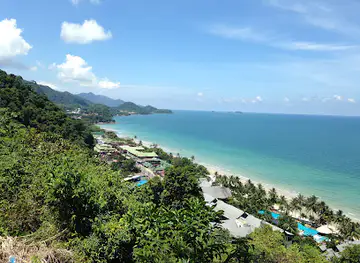
View point
Experience the stunning vistas at Koh Chang's scenic viewpoint, where lush greenery meets crystal-clear waters in a tropical paradise.

Tree Top Adventure Park Koh Chang
Discover the thrill of adventure amidst nature at Tree Top Adventure Park Koh Chang, where excitement meets breathtaking views in a tropical paradise.

Mu Ko Chang National Park
Experience breathtaking landscapes and diverse wildlife at Mu Ko Chang National Park, Thailand's tropical paradise for nature lovers and adventure seekers.

Best restaurants in Koh Chang
Top-rated picks
Best Restaurants

Ronnie's Organic Coconut Garden
Discover the flavors of Thailand at Ronnie's Organic Coconut Garden - a tranquil restaurant offering organic dishes amid stunning natural beauty.

Ginger Home Restaurant & Bar And Chan siam tattoo bamboo & machine
Discover the perfect blend of delectable Thai cuisine and vibrant live music at Ginger Home Restaurant & Bar in Koh Chang.

Poke bowl koh chang
Discover vibrant vegetarian poke bowls at Poke Bowl Koh Chang, where freshness meets flavor in a stunning tropical setting.

Khao Kwan Restaurant ( ร้านอาหาร ข้าว ขวัญ )
Discover the authentic taste of Thailand at Khao Kwan Restaurant in Ko Chang – where every dish tells a story.

Best bars in Koh Chang
Top-rated picks
Best Bars

Beautiful Bar
Discover the lively atmosphere of Beautiful Bar, where delicious food, crafted cocktails, and stunning beach views create unforgettable moments in Ko Chang.
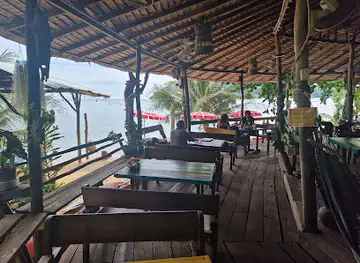
Ido Ido Restaurant & Chill out Bar
Experience the vibrant flavors and laid-back atmosphere at Ido Ido Restaurant & Chill Out Bar in Koh Chang, where good food meets live music.

Jellyfish Bar & Tattoo Koh Chang
Experience the vibrant fusion of cocktails and body art at Jellyfish Bar & Tattoo in Koh Chang, where creativity meets relaxation.

The Malibu Bar
Discover The Malibu Bar in Ko Chang, a lively hotspot for tourists, offering delicious drinks, a vibrant atmosphere, and unforgettable island experiences.

Best nightclubs in Koh Chang
Top-rated picks
Best Nightclubs

Rude Boy Bar
Discover the vibrant nightlife of Rude Boy Bar in Ko Chang, where the beach meets exceptional cocktails and lively entertainment.

Beautiful Bar
Discover the vibrant nightlife at Beautiful Bar in Ko Chang - a premier destination for cocktails, dancing, and unforgettable memories.

Lighthouse Nightclub
Experience the vibrant nightlife at Lighthouse Nightclub in Ko Chang, where unforgettable memories and electrifying dance floors await every traveler.

ร้าน@เกาะช้าง
Discover the pulsating nightlife of Ko Chang at ร้าน@เกาะช้าง, where vibrant music and refreshing cocktails await every night.

Best shops in Koh Chang
Top-rated picks
Best Shops

7th Heaven Koh Chang
Explore the vibrant cannabis culture at 7th Heaven Koh Chang, where quality meets tranquility in a tropical paradise.

Dope Dealer Koh Chang
Experience the vibrant blend of cannabis culture and coffee shop vibes at Dope Dealer Koh Chang, a must-visit in Thailand's tropical paradise.

7th Heaven Koh Chang 2
Explore the vibrant cannabis culture at 7th Heaven Koh Chang, an essential stop for relaxation and discovery in Thailand's tropical paradise.

Koh Chang Wine Gallery
Explore Koh Chang Wine Gallery for an exquisite selection of wines, Mediterranean cuisine, and a cozy atmosphere perfect for relaxation.

Explore Koh Chang on the Map
A handpicked selection of must-see spots in Koh Chang, mapped for you.
Koh Chang Essentials
-
Koh Chang is accessible primarily via Trat Airport, which is the nearest airport to the island. From Bangkok, you can take a domestic flight to Trat, which takes approximately 1 hour. Upon arrival at Trat Airport, you can take a taxi or a minibus to one of the ferry piers, such as Laem Ngop, Ao Thammachat, or Centerpoint Pier. The ferry ride to Koh Chang takes about 30-45 minutes. Alternatively, you can take a bus from Bangkok's Ekkamai Bus Terminal to Trat, followed by a taxi or minibus to the ferry pier.
-
On Koh Chang, transportation options include songthaews (shared taxis), motorbike rentals, and car rentals. Songthaews are the most common form of transport and operate as shared taxis along the main road. Motorbike rentals are popular and provide flexibility to explore the island at your own pace. Car rentals are also available, though the island's hilly terrain and narrow roads require careful driving. Bicycles can be rented for short trips, especially in flat areas.
-
The official currency in Thailand is the Thai Baht (THB). Credit cards are widely accepted in hotels, resorts, and major restaurants, but smaller establishments and local markets may only accept cash. ATMs are available throughout Koh Chang, allowing you to withdraw Thai Baht using international debit or credit cards. It is advisable to carry sufficient cash for small purchases and in more remote areas of the island.
-
Koh Chang is generally considered safe for tourists. However, like any popular destination, petty crimes such as pickpocketing and bag snatching can occur. Be cautious with your belongings, especially in crowded areas and at night. Avoid isolated beaches after dark and be mindful of your surroundings. It is recommended to use hotel safes for valuables. There are no specific high-crime areas targeting tourists, but staying vigilant is always a good practice.
-
In case of emergency, dial 1155 for the Tourist Police, who can assist in English. For medical emergencies, dial 1669. Koh Chang has several medical clinics and a hospital located in the northern part of the island in Dan Mai. It is advisable to have travel insurance that covers medical emergencies. Pharmacies are available in the main tourist areas and can provide over-the-counter medications for minor health issues.
-
Fashion: Do dress modestly, especially when visiting temples. Swimwear is acceptable at the beach but not in public places such as markets or restaurants. Religion: Do respect local customs and traditions. Remove your shoes when entering temples and avoid pointing your feet at religious objects. Public Transport: Do use songthaews and negotiate fares in advance. Don’t expect strict schedules as service can be irregular. Greetings: Do greet people with a 'wai' (a slight bow with hands pressed together). Avoid overly physical greetings like hugs and kisses. Eating & Drinking: Do try local dishes and street food, but be cautious with tap water. Prefer bottled water for drinking.
-
To experience Koh Chang like a local, visit the night markets where you can enjoy local street food and shop for handmade crafts. Engage with locals, who are generally friendly and welcoming. Consider taking a cooking class to learn how to prepare Thai dishes. Explore the island's waterfalls such as Klong Plu and Than Mayom, which are popular among locals. For a unique experience, participate in a Muay Thai class or watch a local match.
When is the best time to visit Koh Chang?
Useful Local Phrases for Koh Chang
You don't need to speak the language perfectly. Even learning a few simple words can make conversations warmer—and locals usually appreciate the effort.
— Eve

Here are the phrases I use most often in Koh Chang. Try a few—you'll be surprised how far they go! 😊
❤️
-
- Helloสวัสดี
[sawasdee] - Goodbyeลาก่อน
[laa kon] - Yesใช่
[chai] - Noไม่
[mai] - Please/You're welcomeโปรด/ยินดีต้อนรับ
[prôd/yindî tôn rap] - Thank youขอบคุณ
[khop khun] - Excuse me/Sorryขอโทษ
[kho toht] - How are you?สบายดีไหม
[sabaidee mai] - Fine. And you?ดีค่ะ คุณละ
[dee ka khun la] - Do you speak English?คุณพูดภาษาอังกฤษได้ไหม
[khun poot phasa angkrit dai mai] - I don't understandฉันไม่เข้าใจ
[chan mai khao chai]
- Helloสวัสดี
-
- I'd like to see the menu, pleaseฉันอยากดูเมนู ของหน่อย
[chan yak du menu khong noi] - I don't eat meatฉันไม่กินเนื้อ
[chan mai kin nuea] - Cheers!ชนเครื่องดื่ม!
[chon khreung deum] - I would like to pay, pleaseฉันต้องการจ่ายเงิน ของหน่อย
[chan tong kan chai ngern khong noi]
- I'd like to see the menu, pleaseฉันอยากดูเมนู ของหน่อย
-
- Help!ช่วยด้วย!
[chuai duay] - Go away!ไปข้างหน้า!
[pai kang naa] - Call the Police!โทรตำรวจ!
[tho tamruat] - Call a doctor!โทรหมอ!
[tho mo] - I'm lostฉันหลงทาง
[chan long tang] - I'm illฉันไม่สบาย
[chan mai sabai]
- Help!ช่วยด้วย!
-
- I'd like to buy...ฉันอยากซื้อ...
[chan yak seu...] - I'm just lookingฉันแค่ดู
[chan kae du] - How much is it?ราคาเท่าไหร่
[ra ka thao rai] - That's too expensiveแพงเกินไป
[paeng kuen pai] - Can you lower the price?ลดราคาได้ไหม
[lot ra ka dai mai]
- I'd like to buy...ฉันอยากซื้อ...
-
- What time is it?เวลาเท่าไหร่
[wela thao rai] - It's one o'clockเป็นโมงตีหนึ่ง
[pen mong tee nuea] - Half past (10)สามสิบครึ่ง
[sam sip khreung] - Morningเช้า
[chao] - Afternoonบ่าย
[bai] - Eveningเย็น
[yen] - Yesterdayเมื่อวาน
[meua waan] - Todayวันนี้
[wan nee] - Tomorrowพรุ่งนี้
[phrung nee] - 1หนึ่ง
[nuea] - 2สอง
[song] - 3สาม
[sam] - 4สี่
[si] - 5ห้า
[ha] - 6หก
[hok] - 7เจ็ด
[chet] - 8แปด
[paet] - 9เก้า
[kao] - 10สิบ
[sip]
- What time is it?เวลาเท่าไหร่
-
- Where's a/the...?...อยู่ที่ไหน
[...yoo tee nai] - What's the address?ที่อยู่คืออะไร
[tee yoo keu arai] - Can you show me (on the map)?แสดงให้ฉันดู (บนแผนที่) ได้ไหม
[saeng hai chan du (bon paen tee) dai mai] - When's the next (bus)?รถถัดไปเวลาเท่าไหร่
[rot that pai wela thao rai] - A ticket (to ....)ตั๋ว (ไป....)
[dtua (pai...)]
- Where's a/the...?...อยู่ที่ไหน
History of Koh Chang
-
Long before modern tourists, Koh Chang was home to indigenous tribes such as the Chong people, who are believed to have inhabited the island for centuries. These early inhabitants lived off the rich natural resources, engaging in fishing, hunting, and small-scale agriculture. Evidence of their presence can still be found in local folklore and some archaeological sites.
-
During the Ayutthaya period (1350-1767), Koh Chang became a strategic location for the Kingdom of Siam. It served as a vital stopover point for naval and trading vessels navigating the Gulf of Thailand. The island's position helped protect Siam from potential seaborne invasions, and its natural harbors provided refuge for ships during storms.
-
In 1893, Koh Chang was the site of a significant altercation during the Franco-Siamese War. French warships clashed with Siamese forces near the island as part of their broader campaign to exert control over the region. This conflict eventually led to the Treaty of Bangkok, which ceded territories on the east side of the Mekong River to French Indochina.
-
On January 17, 1941, during World War II, Koh Chang became the theater for a naval battle between the Royal Thai Navy and the French Navy. Known as the Battle of Koh Chang, this confrontation resulted in a Thai victory, with the sinking of several French ships. The battle is commemorated with a shrine at the naval base in Laem Ngop, just a short ferry ride from Koh Chang.
-
In the late 20th century, Koh Chang began to transform from a quiet, largely undeveloped island into a popular tourist destination. The government initiated development projects to improve infrastructure, including roads, electricity, and water supply, making the island more accessible to visitors. The island's natural beauty, with its pristine beaches, dense jungles, and vibrant coral reefs, quickly attracted international attention.
-
In 1982, the Thai government designated Koh Chang and its surrounding islands as part of the Mu Ko Chang National Park. This move aimed to protect the area's rich marine biodiversity and promote sustainable tourism. The park status helped preserve the island's natural environment, ensuring that future generations could enjoy its unspoiled beauty.
-
Koh Chang hosts several cultural festivals that reflect its rich heritage. One of the most notable is the Chong Khao Khat Festival, celebrating the traditional customs of the Chong people. Additionally, the island observes Songkran, the Thai New Year, with fervor, where locals and tourists alike participate in water fights and traditional ceremonies.
Neighbouring destination travel guides
Browse our curated selection of top destinations, scenic points, and must-visit spots in the area.


Your all‑in‑one travel companion app
Explore expert travel guides, compare and book tours, experiences, hotels, and more—all from the palm of your hand. Download now for seamless trip planning wherever your wanderlust takes you.


Explore More of Eastern Thailand
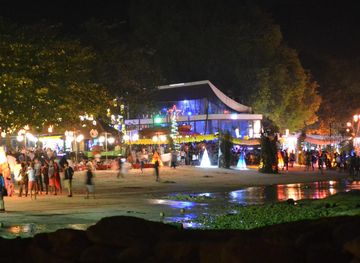
Looking beyond Koh Chang? Discover Eastern Thailand for broader travel guides, local hot-spots, and regional highlights.
Explore Eastern ThailandExplore More of Thailand
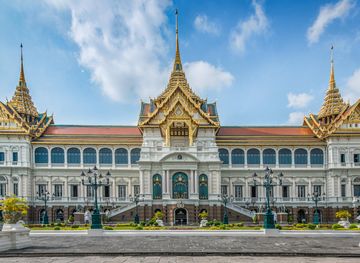
Looking beyond Koh Chang? Discover Thailand for broader travel guides, local hot-spots, and regional highlights.
Explore ThailandKoh Chang in Photos
Browse through our photo collection highlighting the charm and character of the destination.


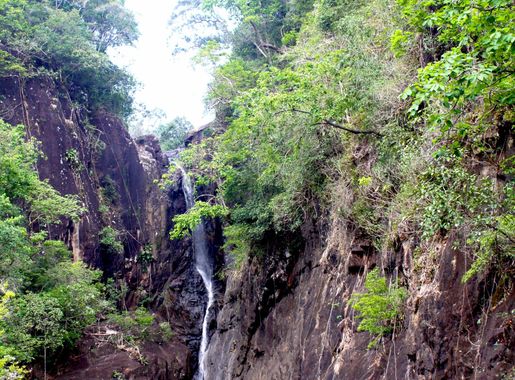

Tropical Paradise: Koh Chang, Thailand
Koh Chang, Thailand's third-largest island, is a hidden gem in the Gulf of Thailand. Known for its lush forests, pristine beaches, and vibrant marine life, Koh Chang offers an idyllic retreat for nature lovers and adventure seekers alike. The island is part of the Mu Ko Chang National Park, which ensures that much of its natural beauty is preserved. Whether you're snorkeling in clear blue waters, hiking through dense jungle trails, or simply lounging on a sandy beach, Koh Chang provides a serene escape from the hustle and bustle of city life. The island's name, which means 'Elephant Island,' is derived from its elephant-shaped headland. Despite its size, Koh Chang is less crowded compared to other popular Thai islands, making it perfect for those looking to enjoy tranquility. The island boasts a range of accommodations, from luxury resorts to budget-friendly bungalows, catering to all types of travelers. White Sand Beach, the most famous beach on the island, offers stunning sunsets and a lively nightlife scene, while quieter beaches like Lonely Beach and Klong Prao Beach provide peaceful settings for relaxation. Koh Chang is also a haven for outdoor activities. The island's waters are teeming with colorful coral reefs and diverse marine species, making it a popular spot for diving and snorkeling. Inland, you can explore waterfalls such as Klong Plu and Than Mayom, which are perfect for a refreshing dip. For a deeper cultural experience, visit the fishing villages of Bang Bao and Salak Phet, where you can learn about the local way of life and enjoy fresh seafood delicacies. With its blend of natural beauty and cultural richness, Koh Chang is a must-visit destination in Thailand.