
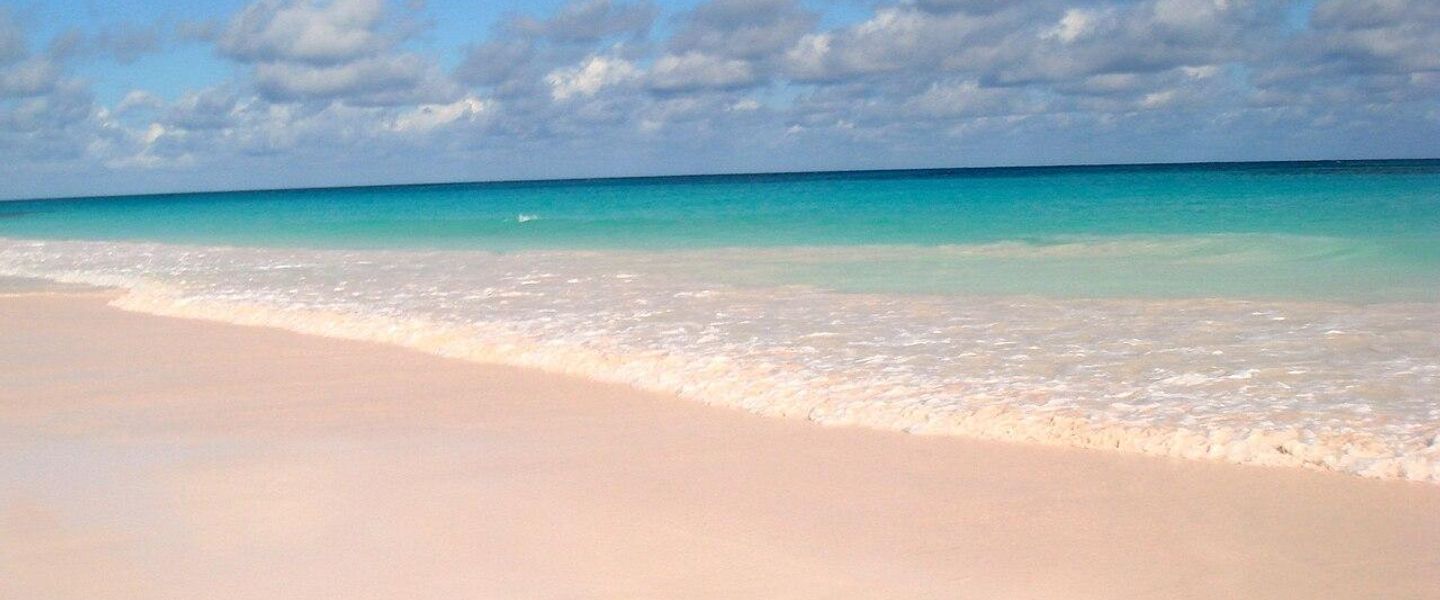
Harbour Island, The Bahamas Travel Guide
Discover Harbour Island in The Bahamas, renowned for its pink sand beaches, rich history, vibrant marine life, and charming colonial architecture.
Harbour Island, a small gem in The Bahamas, offers a tranquil escape with its pink sand beaches and crystal-clear waters. Known for its vibrant marine life and charming colonial architecture, this island promises a unique blend of relaxation and adventure. Stroll through the narrow streets of Dunmore Town, where pastel-colored cottages and friendly locals create a welcoming atmosphere. Don't miss the chance to explore the island's rich history, including the Loyalist heritage that dates back to the 18th century. For those passionate about nature, Harbour Island provides excellent opportunities for snorkeling and diving. The island's coral reefs are home to an array of sea creatures, making it a paradise for underwater enthusiasts. Additionally, the island’s calm waters are perfect for kayaking and paddleboarding. Dining on Harbour Island is a treat in itself, with many seaside restaurants offering fresh seafood and local delicacies. Whether you're seeking a romantic dinner or a casual meal, the island's culinary scene will not disappoint. Harbour Island's laid-back vibe and scenic beauty make it an ideal destination for those looking to unwind and experience the best of Bahamian culture.

Know before you go
Hi, I'm Eve. Here are a few practical things to know before exploring Harbour Island.
- Visit the Pink Sands Beach early in the morning for the most serene experience.
- Rent a golf cart to explore the island easily.
- Try the local Bahamian dish, conch salad, at one of the beachfront eateries.
- Book snorkeling or diving trips in advance to secure your spot.
- Bring cash as some smaller establishments do not accept credit cards.
Explore Harbour Island: Things to Do, Places to Eat, Hotels & More
Handpicked recommendations for top attractions, local dining, accommodations, and more

Best attractions in Harbour Island
Top-rated picks
Best Attractions

Queen's Baths
Experience the stunning beauty and tranquility of Queen's Baths, a must-visit public beach in the Bahamas, perfect for relaxation and adventure.

Sapphire Blue Hole
Explore the serene Sapphire Blue Hole in The Bluff Settlement, Bahamas – a breathtaking natural wonder for swimming, snorkeling, and relaxation.

Pink Sands Beach
Experience the enchanting beauty of Pink Sands Beach in Isla Harbour, Bahamas, where turquoise waters meet soft, pink sands for an unforgettable getaway.

Preacher's Cave
Explore Preacher's Cave in The Bluff Settlement, a stunning park with rich history and breathtaking geological features perfect for nature lovers.

Best landmarks in Harbour Island
Top-rated picks
Best Landmarks

Fort Fincastle
Explore Fort Fincastle, a historical landmark in Nassau, Bahamas, offering stunning views and rich insights into the island's colonial past.

Valentines Resort & Marina
Experience the ultimate Bahamian getaway at Valentines Resort & Marina, blending luxury, adventure, and local culture in stunning Dunmore Town.

Romora Bay Resort and Marina
Experience the perfect blend of luxury, relaxation, and adventure at Romora Bay Resort and Marina in Dunmore Town, Bahamas.

Queen Conch
Discover the rich flavors of the Caribbean at Queen Conch in Dunmore Town, where authentic conch dishes meet vibrant island hospitality.

Best restaurants in Harbour Island
Top-rated picks
Best Restaurants

Valentines Resort & Marina
Experience luxury and adventure at Valentines Resort & Marina - your gateway to Bahamian paradise with dining, diving, and relaxation.

1648 - An Island Restaurant
Experience exquisite island cuisine at 1648 - An Island Restaurant in Governor's Harbour, where breathtaking views meet delectable local flavors.

Tippy's Restaurant and Beachside Bar
Experience tropical dining at Tippy's Restaurant and Beachside Bar – where Caribbean flavors meet breathtaking ocean views in North Palmetto Point.

Queen Conch
Discover authentic Bahamian flavors at Queen Conch in Dunmore Town – a must-visit Caribbean dining experience!

Best bars in Harbour Island
Top-rated picks
Best Bars

Shenanigans Irish Bar
Discover Shenanigans Irish Bar in Nassau: where authentic Irish culture meets Caribbean charm for an unforgettable night out.

Acquapazza Wine Bar & Ristorante
Discover the essence of Italian cuisine at Acquapazza Wine Bar & Ristorante, where every dish tells a flavorful story amidst breathtaking marina views.

Rock House Hotel and Restaurant
Discover the enchanting Rock House Hotel and Restaurant on Harbour Island, where fine dining meets luxurious accommodations in a tropical paradise.

Tropics On Bay
Discover the vibrant flavors and lively atmosphere of Tropics On Bay, Nassau's premier grill and bar destination for food and entertainment.

Best nightclubs in Harbour Island
Top-rated picks
Best Nightclubs

Aura Nightclub
Dive into the vibrant nightlife of Paradise Island at Aura Nightclub, where music, dancing, and unforgettable memories await.

Runaway Hill Inn
Discover the serene beauty and luxury of Runaway Hill Inn in Dunmore Town, where relaxation meets adventure in the heart of the Bahamas.
The Ocean View Club
Discover the tranquility of The Ocean View Club in Dunmore Town, where stunning ocean vistas meet Bahamian charm for an unforgettable escape.

Gusty's Bar
Experience the vibrant spirit of the Bahamas at Gusty's Bar, a lively spot in Dunmore Town perfect for cocktails, music, and unforgettable sunsets.

Best shops in Harbour Island
Top-rated picks
Best Shops

Pigly Wigly
Explore the vibrant local flavors at Pigly Wigly, Dunmore Town's favorite grocery store for fresh produce and Bahamian delicacies.

Island Made Gift Shop
Explore the Island Made Gift Shop for unique Bahamian souvenirs, handcrafted treasures, and a slice of local culture in the heart of the Bahamas.

Captain Bobs Marketplace
Discover the flavors of the Bahamas at Captain Bob's Marketplace, your go-to grocery store in Dunmore Town for local and fresh products.

A and A Hidden Treasures
Explore the enchanting world of Bahamian craftsmanship at A and A Hidden Treasures, your go-to souvenir store in Dunmore Town.

Explore Harbour Island on the Map
A handpicked selection of must-see spots in Harbour Island, mapped for you.
Harbour Island Essentials
-
Harbour Island is located off the northeast coast of Eleuthera in The Bahamas. The most common way to reach Harbour Island is by flying into North Eleuthera Airport (ELH). From there, you can take a taxi to the ferry dock, followed by a short ferry ride to Harbour Island. The entire journey from the airport to Harbour Island typically takes around 20 minutes. Alternatively, you can also arrive via private boat or yacht.
-
Once on Harbour Island, the primary mode of transportation is golf carts, which are available for rent from several local vendors. Bicycles are also a popular option for getting around. Walking is feasible as the island is small, and many attractions are within a short distance. Taxis are available but less commonly used due to the island's compact size.
-
The official currency of The Bahamas is the Bahamian Dollar (BSD), which is pegged to the US Dollar (USD) at a 1:1 ratio. US dollars are widely accepted, so there's no need to exchange currency if you are carrying USD. Credit cards are accepted at most hotels, restaurants, and shops. However, it is advisable to carry some cash for smaller establishments and tips. ATMs are available on the island.
-
Harbour Island is generally considered safe for tourists. However, it is wise to take standard precautions like not leaving valuables unattended and avoiding poorly lit areas at night. There are no specific high-crime areas targeting tourists, but staying vigilant and aware of your surroundings is always advisable.
-
In case of emergency, dial 911 for immediate assistance. Harbour Island has a local clinic for minor health issues, and more comprehensive medical services are available on the nearby Eleuthera Island. It is strongly recommended to have travel insurance that covers medical emergencies. Pharmacies are also available for over-the-counter medications.
-
Fashion: Do pack light and breathable clothing appropriate for a tropical climate. Swimwear is fine at the beach, but cover up when away from the shore. Religion: Do respect local customs and dress modestly when visiting religious sites. Public Transport: Do use golf carts and bicycles responsibly. Don't assume that pedestrians have the right of way. Greetings: Do greet locals with a friendly 'Good Morning' or 'Good Afternoon.' Eating & Drinking: Do try local Bahamian dishes like conch fritters and fresh seafood. Don't forget to tip, as it is customary.
-
To experience Harbour Island like a local, visit the Pink Sands Beach, a unique attraction with its stunning pink-hued shoreline. Engage with local fishermen in the morning to get fresh seafood. Attend local events and festivals to immerse yourself in Bahamian culture. Don't miss out on the island's nightlife, where local bars and restaurants offer live music and a lively atmosphere.
When is the best time to visit Harbour Island?
Useful Local Phrases for Harbour Island
You don't need to speak the language perfectly. Even learning a few simple words can make conversations warmer—and locals usually appreciate the effort.
— Eve

Here are the phrases I use most often in Harbour Island. Try a few—you'll be surprised how far they go! 😊
❤️
-
- HelloHey
[Hey] - GoodbyeGoodbye
[Goodbye] - YesYes
[Yes] - NoNo
[No] - Please/You're welcomePlease/You're welcome
[Please/You're welcome] - Thank youThank you
[Thank you] - Excuse me/SorryExcuse me/Sorry
[Excuse me/Sorry] - How are you?How you doin'?
[How you doin'?] - Fine. And you?I good. And you?
[I good. And you?] - Do you speak English?You speak English?
[You speak English?] - I don't understandI no get it
[I no get it]
- HelloHey
-
- I'd like to see the menu, pleaseLet me see the menu, please
[Let me see the menu, please] - I don't eat meatI don't eat meat
[I don't eat meat] - Cheers!Cheers!
[Cheers!] - I would like to pay, pleaseI would like to pay, please
[I would like to pay, please]
- I'd like to see the menu, pleaseLet me see the menu, please
-
- Help!Help!
[Help!] - Go away!Go 'way!
[Go 'way!] - Call the Police!Call the Police!
[Call the Police!] - Call a doctor!Call a doctor!
[Call a doctor!] - I'm lostI lost
[I lost] - I'm illI sick
[I sick]
- Help!Help!
-
- I'd like to buy...I want buy...
[I want buy...] - I'm just lookingI just looking
[I just looking] - How much is it?How much dis is?
[How much dis is?] - That's too expensiveDat too much
[Dat too much] - Can you lower the price?Lower the price?
[Lower the price?]
- I'd like to buy...I want buy...
-
- What time is it?What time it is?
[What time it is?] - It's one o'clockIt one o'clock
[It one o'clock] - Half past (10)Half ten
[Half ten] - MorningMornin'
[Mornin'] - AfternoonAfternoon
[Afternoon] - EveningEvenin'
[Evenin'] - YesterdayYesterday
[Yesterday] - TodayToday
[Today] - TomorrowTomorrow
[Tomorrow] - 1One
[One] - 2Two
[Two] - 3Three
[Three] - 4Four
[Four] - 5Five
[Five] - 6Six
[Six] - 7Seven
[Seven] - 8Eight
[Eight] - 9Nine
[Nine] - 10Ten
[Ten]
- What time is it?What time it is?
-
- Where's a/the...?Where's the...?
[Where's the...?] - What's the address?What the address?
[What the address?] - Can you show me (on the map)?Show me (on the map)?
[Show me (on the map)?] - When's the next (bus)?When the next (bus)?
[When the next (bus)?] - A ticket (to ....)A ticket (to ....)
[A ticket (to ....)]
- Where's a/the...?Where's the...?
History of Harbour Island
-
Before European contact, Harbour Island was inhabited by the Lucayan people. They were the original settlers of the Bahamas, living in harmony with the natural environment. The Lucayans were known for their advanced maritime skills, and they thrived on fishing and agriculture.
-
In 1492, Christopher Columbus arrived in the Bahamas, marking the beginning of European exploration in the region. Harbour Island, like the rest of the Bahamas, became a point of interest for European explorers. The island’s strategic location made it an ideal stopover for ships travelling between the Old and New Worlds.
-
By the mid-1600s, British settlers began to arrive on Harbour Island. They established the town of Dunmore Town, named after the Earl of Dunmore, who was the Governor of the Bahamas from 1786 to 1798. The British settlers brought their culture, architecture, and governance to the island, leaving a lasting impact.
-
During the late 1600s and early 1700s, the Bahamas became a haven for pirates. Harbour Island was no exception, with infamous pirates like Blackbeard and Calico Jack using the island as a base for their operations. The natural harbors and coves provided perfect hiding spots for their ships.
-
In the late 18th century, American Loyalists fleeing the American Revolution settled on Harbour Island. They brought slaves and established plantations, contributing to the island’s development. The Loyalists also influenced the architectural style, with many of their buildings still standing today.
-
In the mid-1600s, a group of English Puritans known as the Eleutheran Adventurers sought religious freedom and settled on nearby Eleuthera island. Some of these settlers eventually moved to Harbour Island, further shaping its cultural and social landscape.
-
Harbour Island is renowned for its Pink Sands Beach, a stunning natural phenomenon. The pink hue comes from microscopic coral insects known as Foraminifera. This unique feature has become one of the island’s most famous attractions, drawing visitors from around the world.
-
Today, Harbour Island is a blend of historical charm and modern luxury. The island has become a popular destination for tourists seeking pristine beaches, vibrant culture, and rich history. Despite its small size, Harbour Island boasts a unique blend of colonial architecture, local Bahamian culture, and natural beauty.
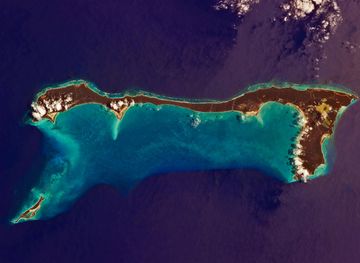
Cities near Harbour Island
The closest cities to Harbour Island, if you have time for more than one stop.




Your all‑in‑one travel companion app
Explore expert travel guides, compare and book tours, experiences, hotels, and more—all from the palm of your hand. Download now for seamless trip planning wherever your wanderlust takes you.


Harbour Island in Photos
Browse through our photo collection highlighting the charm and character of the destination.


Harbour Island: The Jewel of The Bahamas
Harbour Island, a small gem in The Bahamas, offers a tranquil escape with its pink sand beaches and crystal-clear waters. Known for its vibrant marine life and charming colonial architecture, this island promises a unique blend of relaxation and adventure. Stroll through the narrow streets of Dunmore Town, where pastel-colored cottages and friendly locals create a welcoming atmosphere. Don't miss the chance to explore the island's rich history, including the Loyalist heritage that dates back to the 18th century. For those passionate about nature, Harbour Island provides excellent opportunities for snorkeling and diving. The island's coral reefs are home to an array of sea creatures, making it a paradise for underwater enthusiasts. Additionally, the island’s calm waters are perfect for kayaking and paddleboarding. Dining on Harbour Island is a treat in itself, with many seaside restaurants offering fresh seafood and local delicacies. Whether you're seeking a romantic dinner or a casual meal, the island's culinary scene will not disappoint. Harbour Island's laid-back vibe and scenic beauty make it an ideal destination for those looking to unwind and experience the best of Bahamian culture.
Explore More of The Bahamas

Looking beyond Harbour Island? Discover The Bahamas for broader travel guides, local hot-spots, and regional highlights.
Explore The Bahamas