

Abuko Nature Reserve Travel Guide - Free Web & App
Your ultimate guide to Abuko Nature Reserve. Discover top landmarks, proposed trips, and local tips. Free on the web or via the Evendo companion app.


Abuko Nature Reserve in The Gambia offers gallery forest, wetlands, monkeys, birds and crocodiles close to Banjul, with guided walks and trails.
Forest, Wetlands and Wildlife
Abuko Nature Reserve is a compact protected forest in western The Gambia, close to the village of Lamin and within easy reach of the country’s principal coastal settlements. Covering roughly 105 hectares, it is modest in size but ecologically important, preserving a patchwork of gallery forest, seasonally wet ground, open woodland and savanna around the Lamin Stream. The reserve’s shaded paths provide a marked contrast to the surrounding settlements and cultivated land, while the watercourse supports a greener habitat during the dry season.Read more about Abuko Nature Reserve
A Close Look at Gambian Nature
Visiting from the Coastal Area
When is the best time to visit Abuko Nature Reserve?
Best: December–February · 31–32°C| Month | High (°C) | Rainfall (mm) |
|---|---|---|
| January (best) | 32 | 0 |
| February (best) | 32 | 0 |
| March | 33 | 0 |
| April | 34 | 0 |
| May | 35 | 0 |
| June | 35 | 0 |
| July | 34 | 0 |
| August | 34 | 0 |
| September | 34 | 0 |
| October | 34 | 0 |
| November | 33 | 0 |
| December (best) | 31 | 0 |
Getting to and around Abuko Nature Reserve
How to get there
Transportation
Best attractions in Abuko Nature Reserve
The main attraction at Abuko Nature Reserve is the opportunity to walk through a protected block of gallery forest and wetland habitat close to The Gambia’s urban and coastal corridor. Established paths lead through shaded vegetation around the Lamin Stream, where birdwatchers may encounter kingfishers, herons, bee-eaters, hornbills and raptors depending on conditions. Monkeys, including vervet and patas monkeys, are among the reserve’s characteristic animals, while reptiles can be seen around water and woodland edges. Near the entrance, managed wildlife facilities and crocodile pools provide a more predictable introduction to local fauna and conservation work. The reserve’s compact scale makes it suitable for a half-day nature outing rather than an extended trek, with the greatest interest coming from changing vegetation, birdsong and patient observation. Visitors should treat the surrounding villages and roads as gateways rather than part of the reserve itself, and should follow current guidance about which paths and facilities are open.
-
Garden
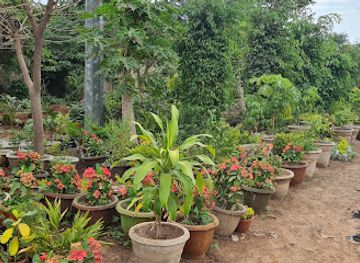
Saro's Tree Nursery & Ornamental Garden
Explore Saro's Tree Nursery & Ornamental Garden, a picturesque escape in Serrekunda, showcasing the beauty of Gambian flora and tranquility.
Explore Abuko Nature Reserve on the map
Plan your trip on one map. See where the top attractions, landmarks, restaurants and hotels are, and book hotels and experiences in a few clicks.
Best hotels in Abuko Nature Reserve
Best bars in Abuko Nature Reserve
Abuko itself has no established nightlife district and is best experienced during daylight hours. Evening entertainment is found primarily outside the reserve, in the coastal tourism zone and larger settlements of the Greater Banjul and Kombo area. Depending on the location and season, visitors may encounter hotel bars, relaxed beach venues, restaurants with music and occasional cultural performances, while local compounds and neighbourhoods generally offer a quieter atmosphere. Village and roadside drinking spots may provide a more informal evening experience, but facilities and operating patterns vary. Visitors staying near Abuko should arrange their return transport before going out, since the reserve is a daytime nature attraction rather than an evening venue and transport options can become less convenient after dark.
-
 Bar
BarBrikama
Experience the vibrant nightlife of Brikama at this lively bar, where local culture and friendly vibes come together.
Best nightclubs in Abuko Nature Reserve
Abuko itself has no established nightlife district and is best experienced during daylight hours. Evening entertainment is found primarily outside the reserve, in the coastal tourism zone and larger settlements of the Greater Banjul and Kombo area. Depending on the location and season, visitors may encounter hotel bars, relaxed beach venues, restaurants with music and occasional cultural performances, while local compounds and neighbourhoods generally offer a quieter atmosphere. Village and roadside drinking spots may provide a more informal evening experience, but facilities and operating patterns vary. Visitors staying near Abuko should arrange their return transport before going out, since the reserve is a daytime nature attraction rather than an evening venue and transport options can become less convenient after dark.
-
Bar
Brikama
Immerse yourself in the vibrant bar culture of Brikama, The Gambia, where local drinks and friendly faces await.
Best shops in Abuko Nature Reserve
Shopping at Abuko is limited and centred on the practical needs of a short nature visit rather than on a substantial retail scene. Visitors may find small local shops and informal stalls in nearby settlements such as Lamin, while broader choices are available in Serrekunda, the coastal tourism area and Banjul. These larger centres are places to look for Gambian textiles, woven goods, carved souvenirs, artwork, jewellery and regional food products, with selection and quality varying between sellers. Visitors should distinguish genuinely local crafts from mass-produced items and ask permission before photographing artisans or people. Food, water, insect repellent and other essentials are easier to obtain before reaching the reserve, as the protected area itself should not be treated as a shopping destination and visitors should avoid bringing disposable packaging that could become litter.
-
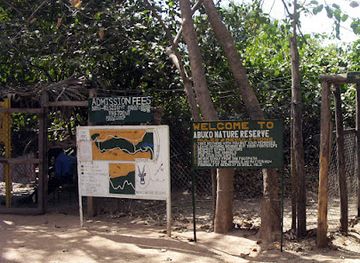
Nature preserve
Abuko Nature Reserve
Discover the tranquil beauty and rich biodiversity of Abuko Nature Reserve, a natural gem in The Gambia perfect for wildlife enthusiasts and nature lovers.
-
Home goods store
Sonko kunda
Explore Sonko Kunda in Lamin for unique home goods that showcase Gambian craftsmanship and culture, perfect for souvenirs and gifts.
Get your free copy of our complete guide to Abuko Nature Reserve, delivered straight to you.
Everything on this page, from attractions and restaurants to essentials and local phrases, in one PDF you can read offline, print or share.
Already have an account? Sign in
Your Abuko Nature Reserve guide is ready.
We'll send it to · Not you? Sign out

Getting your guide ready…
We are putting together a fresh copy of the Abuko Nature Reserve guide. This can take up to a minute.
This can take a few moments. If your browser asks, choose Allow so the download can start. You'll find the guide in your Downloads folder.
Nothing happened? Download it again
Sorry, the guide is taking longer than usual. Please try again in a minute, or get it by email instead.
Abuko Nature Reserve essentials
Currency and Payment
Safety
Emergency Situations
Do's and Don'ts
Local Tips
From Eve
Local phrases worth knowing
You don't need to get them perfect. A few words go a long way, and locals appreciate the effort.
Basics
| English | Local | Say it |
|---|---|---|
| Hello | Salamalekum | [sa-la-ma-le-kum] |
| Goodbye | Ba beneen | [ba be-neen] |
| Yes | Ee | [ee] |
| No | Alaa | [a-laa] |
| Please/You're welcome | Nanga def | [nan-ga def] |
| Thank you | Jerejef | [je-re-jef] |
| Excuse me/Sorry | Njokkoma | [njo-kko-ma] |
| How are you? | Nanga def? | [nan-ga def] |
| Fine. And you? | Nopp, ñaaw la | [nop, nyaaw la] |
| Do you speak English? | Boop laa Angalees? | [boop laa an-ga-lees] |
| I don't understand | Maa laa tànk | [maa laa taank] |
Eating & Drinking
| English | Local | Say it |
|---|---|---|
| I'd like to see the menu, please | Dama waare meni, jéggul | [da-ma wa-re me-ni, je-ggul] |
| I don't eat meat | Maa laa jëm leb | [maa laa jem leb] |
| Cheers! | Beneen! | [be-neen] |
| I would like to pay, please | Dama defal, jéggul | [da-ma de-fal, je-ggul] |
Emergencies
| English | Local | Say it |
|---|---|---|
| Help! | Ndanka! | [n-dan-ka] |
| Go away! | Noppa naw! | [nop-pa naw] |
| Call the Police! | Yi Metti! | [yi met-ti] |
| Call a doctor! | Yi doktore! | [yi dok-to-re] |
| I'm lost | Maa laa tànk | [maa laa taank] |
| I'm ill | Maa laa këy | [maa laa keey] |
Shopping
| English | Local | Say it |
|---|---|---|
| I'd like to buy... | Dama jang... | [da-ma jang] |
| I'm just looking | Maa laa xam ne | [maa laa xam ne] |
| How much is it? | Nopp la? | [nop la] |
| That's too expensive | Nopp, defar laa | [nop, de-far laa] |
| Can you lower the price? | Nopp, jéggul laa yàggal | [nop, je-ggul laa ya-ggal] |
Time & Numbers
| English | Local | Say it |
|---|---|---|
| What time is it? | Jàng nga tànk? | [jang nga taank] |
| It's one o'clock | Tànk mbind mi | [taank mbind mi] |
| Half past (10) | Nopp ci biir (10) | [nop ci beer (10)] |
| Morning | Kër gi | [ker gi] |
| Afternoon | Kër bu | [ker bu] |
| Evening | Kër yi | [ker yi] |
| Yesterday | Nàkkeey | [naak-keey] |
| Today | Nopp | [nop] |
| Tomorrow | Noppalaa | [nop-pa-laa] |
| 1 | Benn | [ben] |
| 2 | Jujukaay | [ju-ju-kaay] |
| 3 | Sap | [sap] |
| 4 | Nyaar | [nyaar] |
| 5 | Juroom | [ju-room] |
| 6 | Woxtaan | [wox-taan] |
| 7 | Juddu | [jud-du] |
| 8 | Njëf | [n-jef] |
| 9 | Sàpp | [sa-pp] |
| 10 | Fukk | [fukk] |
Transport & Directions
| English | Local | Say it |
|---|---|---|
| Where's a/the...? | Mangi... | [man-gi] |
| What's the address? | Wàññi làmmi ñoom? | [wa-ni lam-mi nya-oom] |
| Can you show me (on the map)? | Nopp, jéggul maangi (añ lekki)? | [nop, je-ggul man-gi (an le-kki)] |
| When's the next (bus)? | Nopp, ñaari yàgg yengu? | [nop, nya-ri ya-gg yen-gu] |
| A ticket (to ....) | Jikko (ba ....) | [jik-ko (ba)] |
History of Abuko Nature Reserve
A Protected Watercourse
Abuko’s modern history began with concern for the Lamin Stream and its surrounding vegetation. A small area was fenced during the early twentieth century to protect a water catchment used by nearby communities, limiting access to the stream and allowing forest vegetation to persist. This early protective measure was not yet a wildlife reserve in the modern sense, but it helped preserve a relatively dense pocket of natural habitat in a region increasingly affected by settlement, cultivation and changing land use.
The First Nature Reserve
The protected area was formally established as Abuko Nature Reserve in 1968, making it The Gambia’s first designated nature reserve. Its creation reflected growing recognition that the country’s remaining forest and wetland habitats required active protection. The reserve’s small size made it particularly important as a refuge close to the rapidly developing coastal and urban corridor, while the Lamin Stream continued to provide the ecological focus around which its vegetation and wildlife were concentrated.
Conservation and Public Education
During the later twentieth century, Abuko developed both as a conservation site and as a place where visitors could learn about Gambian wildlife. Managed facilities near the entrance, including interpretation and crocodile enclosures, complemented the reserve’s natural paths. The area became an accessible setting for environmental education, research and wildlife observation, allowing residents, school groups and international visitors to encounter habitats that are less extensive and more fragmented elsewhere in the Greater Banjul area.
A Forest Refuge in a Changing Region
Abuko now sits within a landscape shaped by expanding settlement, roads, tourism and agriculture. Its continuing importance lies in maintaining forest cover, wetland habitat and ecological links in one of the country’s most heavily visited regions. Conservation at the reserve depends on protecting vegetation and water, managing visitor access and limiting disturbance to animals. Its history therefore remains closely connected to the wider challenge of safeguarding small but valuable natural areas as The Gambia’s population and built environment grow.
Abuko Nature Reserve in Photos
Browse through our photo collection highlighting the charm and character of the destination.
Neighbouring destination travel guides
The closest destinations to Abuko Nature Reserve, if you have time for more than one.
-

-

-

-

-
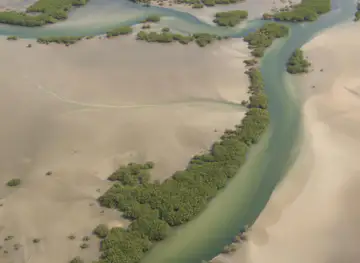


Swipe for more destinations
Explore more

Explore more of Kombo North
Kombo North combines Gambian beaches, coastal dining, local markets and easy access to the wider landscapes of western The Gambia.
Explore Kombo North
Explore more of The Gambia
Discover The Gambia: a treasure trove of cultural richness, stunning beaches, and diverse wildlife. An unforgettable journey awaits you in Africa's Smiling Coast.
Explore The Gambia