

Free Tunapuna-Piarco Travel Guide & Mobile App
Explore Tunapuna-Piarco with free travel guides. Discover regional history, expert tips, proposed trips, and audio guides on web or mobile app.


Explore Tunapuna-Piarco for Trinidad's airport access, historic Saint Joseph, university culture, local markets and Northern Range foothills.
Read more about Tunapuna-Piarco
When is the best time to visit Tunapuna-Piarco?
Best: February–April · 31–32°C| Month | High (°C) | Rainfall (mm) |
|---|---|---|
| January | 30 | 75 |
| February (best) | 31 | 60 |
| March (best) | 31 | 50 |
| April (best) | 32 | 60 |
| May | 32 | 100 |
| June | 32 | 150 |
| July | 32 | 180 |
| August | 32 | 200 |
| September | 32 | 180 |
| October | 32 | 150 |
| November | 31 | 120 |
| December | 31 | 90 |
Getting to and around Tunapuna-Piarco
How to get there
Transportation
Top city travel guides in Tunapuna-Piarco
The cities of Tunapuna-Piarco, and the easiest places to base yourself.
-

-

-
-

-


Swipe for more cities
Destinations in Tunapuna-Piarco
Resorts, valleys and scenic spots worth a trip of their own.
-

-

-


Swipe for more destinations
Best attractions in Tunapuna-Piarco
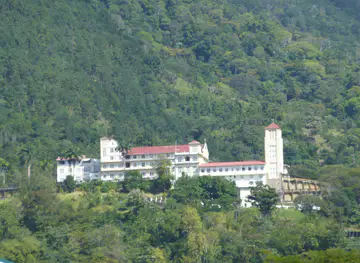
Tunapuna-Piarco's attractions range from urban markets and university culture to historic settlements and forested foothills. Tunapuna offers a close look at everyday commerce, food stalls and the energy of a major East-West Corridor town, while The University of the West Indies, St Augustine Campus contributes museums, gardens, performances and a cosmopolitan student atmosphere. Saint Joseph is significant for its early Spanish history, and Mount Saint Benedict combines religious heritage with elevated views and access towards the Northern Range. North of the main corridor, Lopinot presents a quieter valley landscape associated with cocoa, French Creole settlement and local heritage. Nature-oriented visitors can seek guided birdwatching, short hikes and rainforest experiences in the foothills, where conditions are humid and trails can be demanding after rain. Piarco itself is principally a transport and commercial centre rather than a sightseeing district, but its airport, hotels and roads make it a convenient base. The overall attraction landscape is defined by contrast: busy suburban Trinidad, historic communities, plantation-era traces and green mountain margins within a relatively short journey.
-
Market
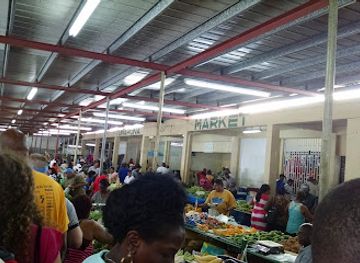
Tunapuna Market
Dive into the flavors and colors of Trinidad at Tunapuna Market, a bustling hub for fresh produce and local culture.
-
Nature preserve
La Vega Estate
Explore La Vega Estate, a stunning nature preserve in Gran Couva, Trinidad, perfect for nature lovers and serene escapes amidst vibrant flora.
-
Park
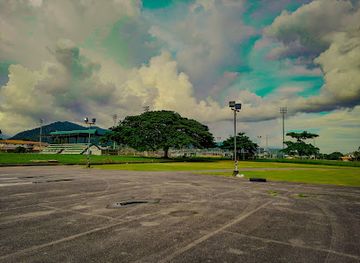
Constantine Park
Explore the lush landscapes and serene atmosphere of Constantine Park, a perfect haven for relaxation and recreation in Tunapuna, Trinidad.
-
Park
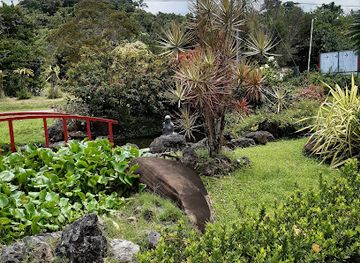
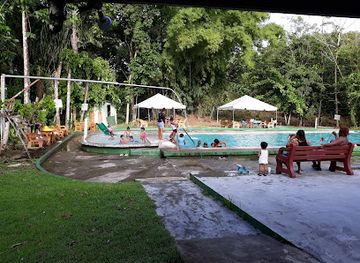
Valencia Eco Resort
Experience the beauty of nature at Valencia Eco Resort, a tranquil park perfect for family outings and a serene escape in Trinidad.

Best landmarks in Tunapuna-Piarco
The region's most important historic landmark is Saint Joseph, the former San José de Oruña founded by the Spanish in 1592. Its significance lies in its role as Trinidad's first Spanish settlement and early colonial capital, a history that sets it apart from the region's later suburban development. Mount Saint Benedict is another defining landmark, visible from much of the surrounding plains and associated with the Benedictine monastery established in the twentieth century; its hillside setting gives it both religious and geographical importance. The buildings and landscaped grounds of The University of the West Indies, St Augustine Campus form a major modern landmark on the site of a former sugar estate, linking higher education with the history of plantation Trinidad. In the north, the valleys and ridges around Lopinot provide a less monumental but deeply characteristic landscape of cocoa country, historic settlement and forest margins. Piarco International Airport is a contemporary landmark of national importance, representing the region's role as Trinidad and Tobago's principal international gateway.
-
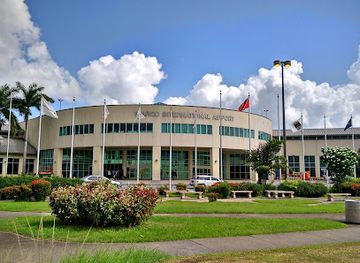
International airport
Piarco International Airport
Discover the heart of Trinidad and Tobago at Piarco International Airport, your first step into paradise with local shops, cuisine, and warm hospitality.
-
Park
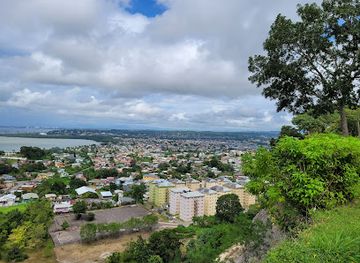
San Fernando Hill
Discover the breathtaking views and tranquil beauty of San Fernando Hill, a perfect getaway for nature lovers and photography enthusiasts in Trinidad.
-
Park
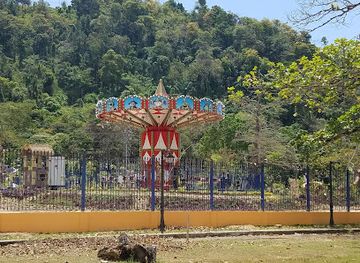
Chaguaramas Boardwalk
Explore the natural beauty and vibrant atmosphere of Chaguaramas Boardwalk, Trinidad's scenic waterfront park offering endless recreational opportunities.
-
Historical landmark
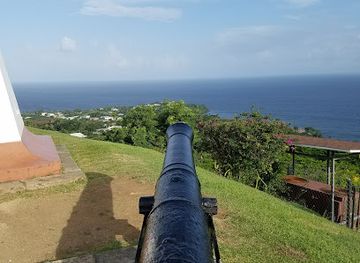
Fort King George
Discover the historical treasures and stunning views at Fort King George, Tobago's premier historical landmark and tourist attraction.
Explore Tunapuna-Piarco on the map
Plan your trip on one map. See where the top cities, national parks and sights are, and book hotels and experiences in a few clicks.
Best hotels in Tunapuna-Piarco
Best restaurants in Tunapuna-Piarco
Eating in Tunapuna-Piarco reflects the mixed heritage of Trinidad and Tobago, with Indo-Trinidadian, African, Creole, European and wider Caribbean influences appearing in everyday cooking. Visitors can find roti, doubles, bake and shark-style fried breads, pelau, macaroni pie, callaloo, corn soup, grilled meats and richly seasoned vegetable dishes in cafés, food stalls and family-run eateries. Tunapuna and the university surroundings offer particularly varied informal dining, while Piarco and Trincity have hotel restaurants, chain outlets and contemporary options suited to travellers in transit. Look for seasonal fruit, local pepper sauces, cocoa products and fresh juices, and explore markets for practical insight into the region's ingredients. Dining is generally more casual than formal outside hotel and commercial settings, although restaurants along the main corridor provide broader choices. The region's food culture is best understood through its combination of quick street food, home-style cooking, rum-based drinks and modern Caribbean interpretation rather than through a single signature dish.
-
Restaurant
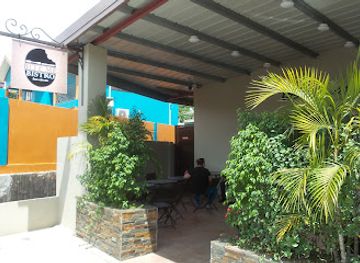
Bite Me Bistro
Discover exquisite Caribbean cuisine at Bite Me Bistro in Curepe—where every meal is a celebration of flavor!
-
Restaurant
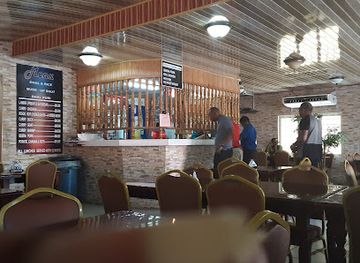
Wing's Restaurant and Bar
Experience authentic Trinidadian cuisine at Wing's Restaurant and Bar in Tunapuna - where flavor meets affordability.
-
Restaurant
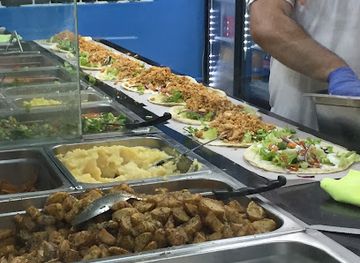
Sami Gyros
Experience authentic Greek flavors at Sami Gyros in Curepe, Trinidad – where every bite tells a story.
-
Restaurant
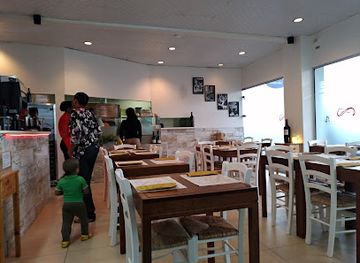
Mammamia Pizzeria & Cucina Italiana
Experience authentic Italian cuisine at Mammamia Pizzeria & Cucina Italiana in Arima - where every meal tells a story.
Best bars in Tunapuna-Piarco
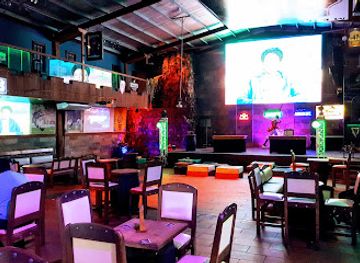
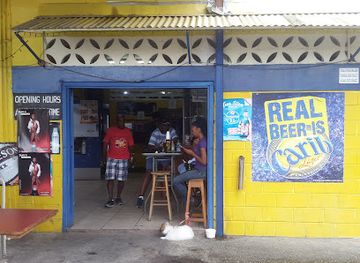
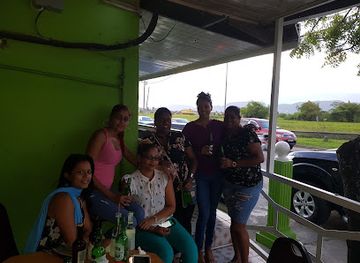
Evening life in Tunapuna-Piarco is centred mainly on restaurants, rum shops, neighbourhood bars, hotel lounges and casual venues around the main urban corridor rather than a concentrated nightclub district. Tunapuna and the university area can feel busier when students are in residence, with occasional live music, cultural programmes and informal social gatherings, while Piarco and Trincity cater strongly to hotel guests, airport travellers and suburban residents. Local bars may serve Trinidad and Tobago rum, beer and mixed drinks, but alcohol is only one part of the region's evening culture; food, conversation, cricket and music are equally important. Nightlife is quieter in the foothill communities, where early starts are sensible for hiking and birdwatching. Because businesses and events change, visitors should check current arrangements locally and use trusted transport after dark rather than walking along busy highways or poorly lit suburban roads.
-
Sports bar
Hutt Shutts
Discover Hutt Shutts, Tacarigua's premier sports bar offering vibrant atmosphere, delicious food, and thrilling live sports entertainment.
-
Bar
The MiniBar
Experience the vibrant cocktail culture at The MiniBar in Arima, where unique drinks meet a lively atmosphere for the perfect night out.
-
Bar
Bruse Bar
Discover the lively spirit of Curepe at Bruse Bar, where local culture meets refreshing drinks and vibrant entertainment in Trinidad.
-
Bar
Kamachie's Bar
Experience the vibrant spirit of Kamachie's Bar, a lively local hangout in Kelly Village offering affordable drinks and a welcoming atmosphere.

Best nightclubs in Tunapuna-Piarco
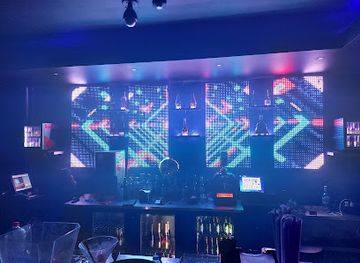
Evening life in Tunapuna-Piarco is centred mainly on restaurants, rum shops, neighbourhood bars, hotel lounges and casual venues around the main urban corridor rather than a concentrated nightclub district. Tunapuna and the university area can feel busier when students are in residence, with occasional live music, cultural programmes and informal social gatherings, while Piarco and Trincity cater strongly to hotel guests, airport travellers and suburban residents. Local bars may serve Trinidad and Tobago rum, beer and mixed drinks, but alcohol is only one part of the region's evening culture; food, conversation, cricket and music are equally important. Nightlife is quieter in the foothill communities, where early starts are sensible for hiking and birdwatching. Because businesses and events change, visitors should check current arrangements locally and use trusted transport after dark rather than walking along busy highways or poorly lit suburban roads.
-
Lounge
Silhouettes
Experience the vibrant nightlife at Silhouettes Lounge in Bejucal, where modern decor meets great music and delicious drinks.
-
Night club
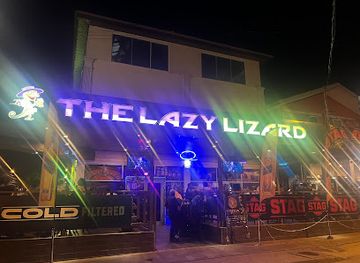
The Lazy Lizard
Experience the vibrant nightlife at The Lazy Lizard, Chaguanas' top destination for music, drinks, and unforgettable nights out.
-
Lounge
Pavilion Bar and Top Deck Lounge
Discover the vibrant nightlife of Arouca at Pavilion Bar and Top Deck Lounge, where diverse music, delicious food, and refreshing drinks await.
-
Night club
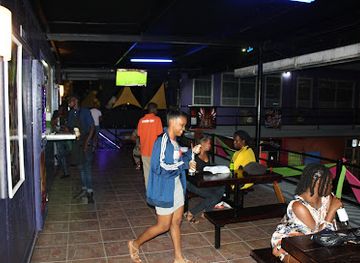
Rush Sports Bar and Night Club
Experience the electrifying atmosphere of Rush Sports Bar and Night Club in Tacarigua, where sports, great food, and nightlife come together.

Best shops in Tunapuna-Piarco
Shopping in Tunapuna-Piarco ranges from busy local commerce and street-facing markets to modern suburban retail and airport-oriented services. Tunapuna is the principal place to browse everyday goods, fresh produce, prepared food, clothing and small independent businesses, while nearby Saint Augustine benefits from the presence of the university and its student-oriented shops and services. Trincity and the surrounding commercial area provide larger modern retail facilities, supermarkets, cafés and practical shopping for visitors staying in the corridor. Piarco is useful for last-minute purchases and packaged gifts, although airport prices and selection may differ from town shops. For distinctive take-home items, look for Trinidadian cocoa, pepper sauces, preserved foods, textiles, craftwork and locally made drinks, checking labelling and airline restrictions where relevant. Markets are generally more rewarding for produce and street food than for polished souvenirs, so carry small cash denominations and bargain cautiously rather than assuming every price is negotiable.
-
Shopping mall
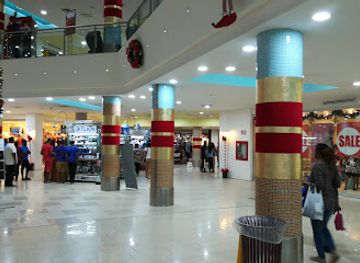
Trincity Mall
Discover Trincity Mall, Trinidad's vibrant shopping destination, featuring a wide range of stores, dining options, and entertainment for all ages.
-
Shopping mall
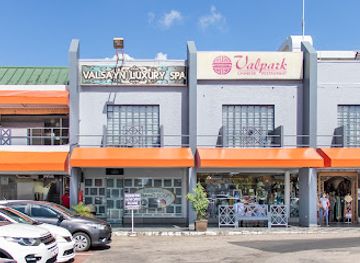
Valpark Shopping Plaza
Discover the vibrant shopping and dining experience at Valpark Shopping Plaza in Trinidad, where local culture meets modern retail.
-
Market
Tunapuna Market
Discover the vibrant Tunapuna Market in Trinidad, a must-visit destination for local flavors, fresh produce, and handmade crafts.
-
Cosmetics store
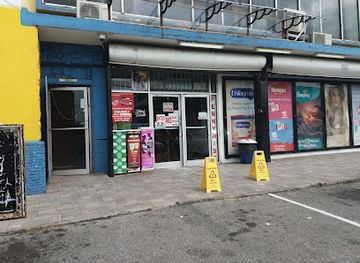
Pennywise Cosmetics
Discover beauty and wellness at Pennywise Cosmetics in Tunapuna, your ultimate shopping destination for cosmetics, baby products, and perfumes.
Get your free copy of our complete guide to Tunapuna-Piarco, delivered straight to you.
Everything on this page, from attractions and restaurants to essentials and local phrases, in one PDF you can read offline, print or share.
Already have an account? Sign in
Your Tunapuna-Piarco guide is ready.
We'll send it to · Not you? Sign out

Getting your guide ready…
We are putting together a fresh copy of the Tunapuna-Piarco guide. This can take up to a minute.
This can take a few moments. If your browser asks, choose Allow so the download can start. You'll find the guide in your Downloads folder.
Nothing happened? Download it again
Sorry, the guide is taking longer than usual. Please try again in a minute, or get it by email instead.
Tunapuna-Piarco essentials
Currency and Payment
Safety
Emergency Situations
Do's and Don'ts
Local Tips
From Eve
Local phrases worth knowing
You don't need to get them perfect. A few words go a long way, and locals appreciate the effort.
Basics
| English | Local | Say it |
|---|---|---|
| Hello | Hello | [Heh-loh] |
| Goodbye | Bye | [Bah-ee] |
| Yes | Yeah | [Yeh] |
| No | No | [Noh] |
| Please/You're welcome | Please/No problem | [Pleez/Noh proh-blem] |
| Thank you | Thank you | [Thank yuh] |
| Excuse me/Sorry | Excuse me/Sorry | [Ex-kyoos me/Sah-ree] |
| How are you? | How yuh doing? | [How yuh doo-ing] |
| Fine. And you? | Fine. And yuh? | [Fine. And yuh?] |
| Do you speak English? | Yuh does speak English? | [Yuh dahs speek In-glish?] |
| I don't understand | I eh understand | [I eh un-der-stand] |
Eating & Drinking
| English | Local | Say it |
|---|---|---|
| I'd like to see the menu, please | Could I see the menu, please? | [Cud I see de men-yoo, pleez?] |
| I don't eat meat | I eh eat meat | [I eh eet meet] |
| Cheers! | Cheers! | [Cheerz!] |
| I would like to pay, please | I would like to pay, please | [I wud like to pay, pleez] |
Emergencies
| English | Local | Say it |
|---|---|---|
| Help! | Help! | [Help!] |
| Go away! | Go way! | [Go wey!] |
| Call the Police! | Call de Police! | [Call de Po-lees!] |
| Call a doctor! | Call a doctor! | [Call a doc-tah!] |
| I'm lost | I lost | [I lost] |
| I'm ill | I eh feel good | [I eh feel good] |
Shopping
| English | Local | Say it |
|---|---|---|
| I'd like to buy... | I want to buy... | [I want to buy...] |
| I'm just looking | I just looking | [I jus look-ing] |
| How much is it? | How much it cost? | [How much it cost?] |
| That's too expensive | Dat too expensive | [Dat too ex-pen-sive] |
| Can you lower the price? | Yuh could bring down de price? | [Yuh cud bring down de price?] |
Time & Numbers
| English | Local | Say it |
|---|---|---|
| What time is it? | Wha time it is? | [Wha time it is?] |
| It's one o'clock | It one o'clock | [It wun o'clock] |
| Half past (10) | Half past ten | [Half past ten] |
| Morning | Morning | [Morn-ing] |
| Afternoon | Afternoon | [Af-ter-noon] |
| Evening | Evening | [Eve-ning] |
| Yesterday | Yesterday | [Yes-ter-day] |
| Today | Today | [To-day] |
| Tomorrow | Tomorrow | [To-mor-row] |
| 1 | One | [Wun] |
| 2 | Two | [Too] |
| 3 | Three | [Tree] |
| 4 | Four | [For] |
| 5 | Five | [Fahiv] |
| 6 | Six | [Siks] |
| 7 | Seven | [Sev-en] |
| 8 | Eight | [Ait] |
| 9 | Nine | [Nain] |
| 10 | Ten | [Ten] |
Transport & Directions
| English | Local | Say it |
|---|---|---|
| Where's a/the...? | Wha de...? | [Wha de...?] |
| What's the address? | Wha de address? | [Wha de ad-dress?] |
| Can you show me (on the map)? | Yuh could show me (on de map)? | [Yuh cud show me (on de map)?] |
| When's the next (bus)? | When de next (bus)? | [When de next (bus)?] |
| A ticket (to ....) | A ticket (to....) | [A tick-et (to....)] |
History of Tunapuna-Piarco
Indigenous Settlement and Northern Range Communities
Long before European colonisation, Trinidad was occupied by Indigenous peoples whose movements connected the Northern Range, central plains and coastal areas. Archaeological evidence across Trinidad demonstrates longstanding use of forests, rivers and cultivated landscapes, although many individual sites are not presented as formal visitor attractions. Indigenous knowledge of plants, waterways and routes continued to influence later settlement. The region's valleys and foothills should therefore be understood as landscapes with a human history extending well beyond the colonial period.
Spanish Saint Joseph, 1592
Saint Joseph, originally San José de Oruña, was founded by the Spanish in 1592 under Antonio de Berrío and became the first Spanish settlement and capital of Trinidad. Its location near the foothills and rivers made it an important base for colonial administration and missionary activity. The settlement later lost its capital status, but its early foundation gives the surrounding district an importance unmatched by most of the island's later suburban communities. Modern Saint Joseph contains the layered remains of a town shaped by several centuries of political and religious change.
Plantations, Cocoa and Sugar
During the eighteenth and nineteenth centuries, the plains and foothills of east-central Trinidad were transformed by plantation agriculture. Sugar estates required land, labour and transport, while cocoa became particularly important in the wetter foothills and valleys. Estate production brought European owners, enslaved Africans, free people of colour and later indentured workers into a changing rural economy. Much of the region's settlement pattern, road network and agricultural character developed from these plantations. Surviving estate landscapes and valley communities still reflect the transition from export agriculture to more varied modern land use.
Indian Indentureship and a Plural Society
After emancipation, workers from India were recruited under indenture to sustain Trinidad's plantation economy, beginning in 1845 and continuing until 1917. Many settled after completing their contracts, establishing farms, businesses, religious institutions and family networks across central and eastern Trinidad, including the Tunapuna-Piarco area. Indian, African, European, Syrian-Lebanese and other influences contributed to the region's language, food, religious life and commercial culture. The result is not a single local tradition but a plural society whose everyday character is visible in markets, festivals, shrines, churches and family-run businesses.
Railways and the Opening of the East
The Trinidad Government Railway, opened in stages from the 1870s, linked Port of Spain with agricultural districts to the east and helped move produce, workers and passengers through communities that later formed the region's urban corridor. Railway access encouraged settlement and trade around places such as Tunapuna, Saint Augustine, Arouca and nearby districts. Although passenger railway service ended in the twentieth century, the corridor's towns retain the imprint of this period, when transport infrastructure helped connect plantation landscapes with the colonial capital and expanding commercial centres.
Modern Aviation and Metropolitan Growth
Piarco's importance grew through twentieth-century aviation, eventually leading to the development of Piarco International Airport as Trinidad and Tobago's principal international gateway. The airport, together with the Churchill-Roosevelt Highway and the East-West Corridor, accelerated suburban growth, logistics, commerce and commuting in Tunapuna-Piarco. Trincity, Piarco and neighbouring communities became part of a metropolitan belt extending from Port of Spain towards central and eastern Trinidad. This modern infrastructure sits alongside older villages, religious sites, agricultural land and forested hills, producing the region's distinctive contrast between mobility and rooted local life.
The University of the West Indies at Saint Augustine
The University of the West Indies established its Trinidad campus at Saint Augustine in 1960 on the site of a former sugar estate. The campus became an important centre for higher education, research and public life in the Caribbean, attracting students and scholars from across the region and beyond. Its presence influenced the cultural and intellectual character of surrounding communities, while its museums, gardens, performances and academic events broaden the visitor experience. The campus also represents the movement from a colonial plantation economy towards a post-war Caribbean society shaped by education and regional cooperation.
Tunapuna-Piarco in Photos
Browse through our photo collection highlighting the charm and character of the destination.
Neighbouring regions of Tunapuna-Piarco
The closest regions to Tunapuna-Piarco, if you have time for more than one.
-

-
-

-

-


Swipe for more regions
Explore more
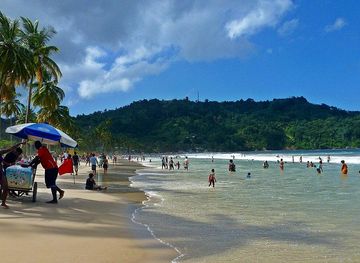
Explore more of Trinidad and Tobago
Discover Trinidad and Tobago: A Caribbean paradise where vibrant culture meets stunning natural beauty, offering unique experiences from lively festivals to serene beaches.
Explore Trinidad and Tobago