

Free St. George West Travel Guide & Mobile App
Explore St. George West with free travel guides. Discover regional history, expert tips, proposed trips, and audio guides on web or mobile app.




Explore St. George West in Trinidad for forested valleys, Chaguaramas coastlines, military history, marinas and accessible outdoor adventures.
Read more about St. George West
When is the best time to visit St. George West?
Best: January–March · 29°C| Month | High (°C) | Rainfall (mm) |
|---|---|---|
| January (best) | 29 | 80 |
| February (best) | 29 | 70 |
| March (best) | 29 | 60 |
| April | 30 | 70 |
| May | 30 | 90 |
| June | 31 | 110 |
| July | 31 | 130 |
| August | 31 | 130 |
| September | 30 | 120 |
| October | 30 | 110 |
| November | 29 | 100 |
| December | 29 | 90 |
Getting to and around St. George West
How to get there
Transportation
Top city travel guides in St. George West
The cities of St. George West, and the easiest places to base yourself.
-

-

-
-


Swipe for more cities
Destinations in St. George West
Resorts, valleys and scenic spots worth a trip of their own.
-

-

-

-

-


Swipe for more destinations
Best attractions in St. George West
St. George West’s attractions combine accessible nature, maritime recreation and the layered history of north-western Trinidad. Chaguaramas National Park is the region’s principal outdoor area, with wooded valleys, coastal roads, picnic settings and routes for walking and cycling. Tucker Valley provides a forested setting for exploring the peninsula, while Macqueripe Bay is a recognised coastal destination for swimming and relaxation when sea conditions are favourable. The Chaguaramas Boardwalk and nearby waterfront facilities offer easier access to the shoreline and views across the Gulf of Paria. Museums and heritage facilities explain the peninsula’s military and maritime past, including the role of Chaguaramas during the Second World War. Marinas support boating and other water-based activities, while the communities of Diego Martin and Petit Valley reveal the region’s contemporary suburban character. The attraction landscape is less about a single monumental sight than about moving between valleys, coast, forest and historic infrastructure within a compact but traffic-sensitive area.
-
Beach
Las Cuevas Beach
Discover the tranquil beauty of Las Cuevas Beach, a perfect destination for sun, sea, and relaxation on Trinidad's stunning northern coast.
-
Tourist attraction
Fort Abercromby
Explore Fort Abercromby: A captivating historical landmark in Trinidad that offers stunning coastal views and a glimpse into the island's colonial past.
-
Bird watching area
Yerettê - Home of the Hummingbird
Discover the enchanting Yerettëa, Trinidad's ultimate birdwatching sanctuary, home to breathtaking hummingbirds and vibrant tropical flora.
-
Hiking area
Maracas Waterfall
Immerse yourself in the natural beauty of Maracas Waterfall, a stunning tropical oasis in Trinidad perfect for hiking and relaxation.


Best landmarks in St. George West
The most recognisable landmarks of St. George West are concentrated around Chaguaramas and its approach from the suburban valleys. The peninsula itself is the defining geographical feature, projecting into the Gulf of Paria and creating a succession of coves, wooded slopes and working waterfronts. Macqueripe Bay is a familiar coastal landmark, framed by forest and steep terrain rather than extensive urban development. The Chaguaramas Boardwalk and marina waterfront mark the area’s modern recreational identity, while surviving military roads, buildings and installations point to its wartime importance and later American base. Inland, the green slopes of Tucker Valley provide a strong natural contrast with the developed communities of Diego Martin and Petit Valley. The region’s significance lies in this combination of strategic coastline, forested Northern Range foothills and suburban valleys: together they show why north-western Trinidad has long mattered for defence, transport, settlement and recreation.
-
Shopping mall
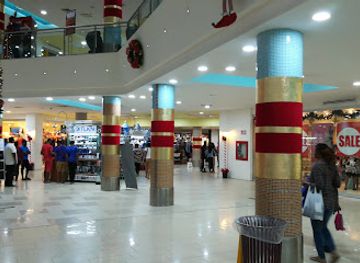
The Falls at Westmall
Experience the vibrant blend of shopping, dining, and entertainment at The Falls at Westmall in Port of Spain, Trinidad and Tobago.
-
Beach
Las Cuevas Beach
Experience the pristine beauty of Las Cuevas Beach, Trinidad, a serene haven with golden sands and crystal-clear waters perfect for relaxation and adventure.
-
Park
San Fernando Hill
Explore the breathtaking views and serene landscapes of San Fernando Hill, a perfect getaway in Trinidad for families and nature lovers alike.
-
Catholic church
Mount St. Benedict Abbey
Experience tranquility and rich cultural heritage at Mount St. Benedict Abbey, a serene retreat in Saint Augustine, Trinidad and Tobago.


Explore St. George West on the map
Plan your trip on one map. See where the top cities, national parks and sights are, and book hotels and experiences in a few clicks.
Best hotels in St. George West
Best restaurants in St. George West
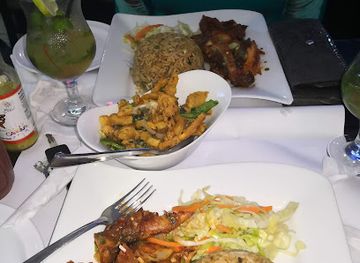
Dining in St. George West reflects Trinidad and Tobago’s broader mixture of African, Indian, Creole, Indigenous and international influences. Diego Martin and Petit Valley have everyday eateries, cafés, takeaway counters and family restaurants where visitors may find doubles, roti, pelau, callaloo, fried chicken, soups and other familiar Trinidadian dishes. Around Chaguaramas, waterfront and road-side establishments commonly emphasise seafood, grilled food, casual lunches and cold drinks, though individual businesses and menus change. Local pepper sauces can be potent, so ask about heat levels and ingredients. Bake and shark is strongly associated with Trinidad’s wider coastal food culture, but it should not be presented as exclusive to St. George West. Markets and small vendors are useful for trying seasonal fruit, local snacks and drinks, while Port of Spain nearby provides a wider range of formal restaurants and international cuisines.
-
Restaurant
Town Restaurant & Bar
Discover exquisite Caribbean cuisine at Town Restaurant & Bar in Port of Spain—where every meal is a celebration of flavor.
-
Grill
Castro's
Discover the vibrant culinary scene at Castro's in Arima—where every meal is a celebration of Caribbean flavors.
-
Italian
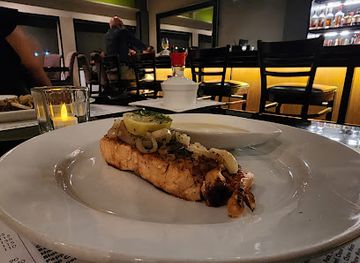
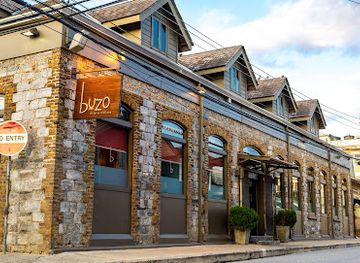
Buzo Osteria Italiana
Experience authentic Italian cuisine at Buzo Osteria Italiana, where fresh ingredients meet traditional recipes in Port of Spain.
-
Fast Food
West Bees Shopping Plaza
Experience the vibrant flavors of fast food at West Bees Shopping Plaza in Diego Martin - A must-visit culinary destination!

Best bars in St. George West
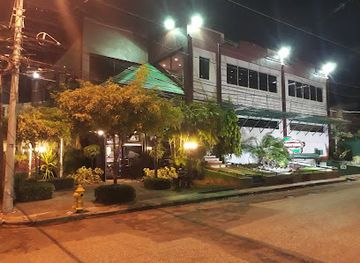
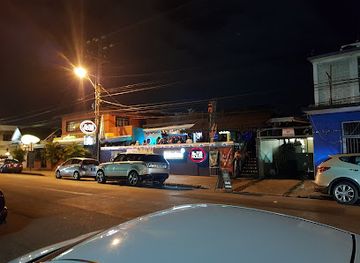
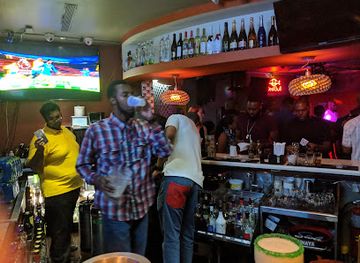
Evening life in St. George West is generally more relaxed and dispersed than the nightlife of central Port of Spain. Diego Martin and Petit Valley have neighbourhood bars, rum shops, restaurants and casual venues where residents meet for conversation, sport and music. Chaguaramas adds a waterfront dimension, with dining near marinas and occasional live entertainment, but the peninsula is not a continuous nightclub district and venues can operate on changing schedules. Visitors seeking larger clubs, theatre, concerts or a broader selection of late-night establishments will usually find more choice in Port of Spain, immediately east of the region. Drinking is not necessary to experience local evening culture; food, music, liming with friends and social gatherings are equally important parts of Trinidadian life. Arrange transport in advance when returning from quieter coastal areas after dark.
-
Grill
Jade Monkey Casino Bar and Grill
Discover the flavors of the Caribbean at Jade Monkey Casino Bar and Grill, where good food, drinks, and entertainment come together in Crown Point.
-
Sports bar
Trotters
Experience the vibrant atmosphere at Trotters, Port of Spain's premier sports bar, featuring delicious food, drinks, and live sports action.
-
Bar
Frankie’s Bar
Discover the vibrant nightlife at Frankie’s Bar, where local flavors and a lively atmosphere come together for an unforgettable experience in Port of Spain.
-
Bar
The Avenue Pub House
Experience the vibrant atmosphere of The Avenue Pub House, a top bar in Port of Spain for drinks, local cuisine, and live entertainment.

Best nightclubs in St. George West
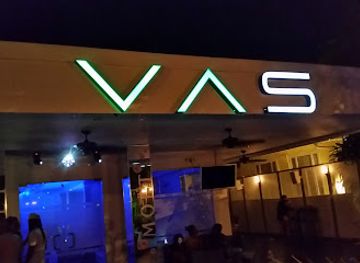
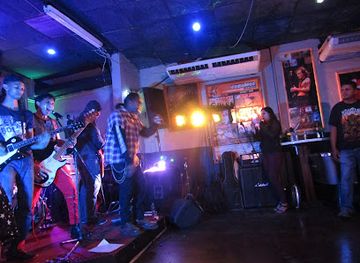
Evening life in St. George West is generally more relaxed and dispersed than the nightlife of central Port of Spain. Diego Martin and Petit Valley have neighbourhood bars, rum shops, restaurants and casual venues where residents meet for conversation, sport and music. Chaguaramas adds a waterfront dimension, with dining near marinas and occasional live entertainment, but the peninsula is not a continuous nightclub district and venues can operate on changing schedules. Visitors seeking larger clubs, theatre, concerts or a broader selection of late-night establishments will usually find more choice in Port of Spain, immediately east of the region. Drinking is not necessary to experience local evening culture; food, music, liming with friends and social gatherings are equally important parts of Trinidadian life. Arrange transport in advance when returning from quieter coastal areas after dark.
-
Night club
VAS Lounge
Discover the lively nightlife at VAS Lounge in Port of Spain, a vibrant night club with great music, cocktails, and an unforgettable atmosphere.
-
Bar
Phoenix Bar
Discover the vibrant nightlife at Phoenix Bar, a local favorite in Chaguanas, offering refreshing drinks and a lively atmosphere for all.
-
Bar
Rumors Bar
Experience the vibrant spirit of Trinidad at Rumors Bar, where local flavors and lively ambiance meet in the heart of San Pedro.
-
Night club
Ibiza Night Club & Lounge
Discover the ultimate nightlife experience at Ibiza Night Club & Lounge in Port of Spain—where music, fun, and a vibrant atmosphere come together.


Best shops in St. George West
Shopping in St. George West is primarily practical and local rather than centred on a major luxury retail district. Diego Martin and Petit Valley have supermarkets, pharmacies, small shopping plazas, service businesses and independent food outlets suited to everyday needs. Visitors can look for local snacks, pepper sauces, seasonings, rum-based products and packaged Trinidadian foods, while smaller craft and souvenir opportunities are more likely around visitor facilities and waterfront areas than on a single dedicated shopping street. Chaguaramas is oriented towards boating, recreation and dining, with specialist marine and outdoor businesses rather than extensive retail. For art, books, fashion, larger malls and a broader selection of locally made gifts, nearby Port of Spain offers more choice outside the region. Farmers’ stalls and informal vendors may offer fruit or prepared food, but availability depends on the day and season.
-
Shopping mall
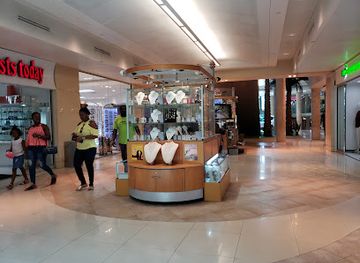
Trincity Mall
Discover Trincity Mall, Trinidad's bustling shopping hub, featuring diverse stores, delightful dining, and family-friendly entertainment.
-
Shopping mall
The Falls at Westmall
Discover a shopping paradise at The Falls at Westmall, featuring diverse stores, delightful dining, and a vibrant atmosphere in Port of Spain.
-
Shopping mall
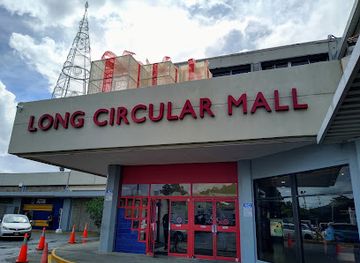
Long Circular Mall
Discover Long Circular Mall, a vibrant shopping destination in Port of Spain, offering diverse stores, dining options, and a lively atmosphere.
-
Shopping mall
Gulf City Mall
Discover the vibrant shopping experience at Gulf City Mall in Trinidad, where retail, dining, and entertainment come together for an unforgettable visit.

Get your free copy of our complete guide to St. George West, delivered straight to you.
Everything on this page, from attractions and restaurants to essentials and local phrases, in one PDF you can read offline, print or share.
Already have an account? Sign in
Your St. George West guide is ready.
We'll send it to · Not you? Sign out

Getting your guide ready…
We are putting together a fresh copy of the St. George West guide. This can take up to a minute.
This can take a few moments. If your browser asks, choose Allow so the download can start. You'll find the guide in your Downloads folder.
Nothing happened? Download it again
Sorry, the guide is taking longer than usual. Please try again in a minute, or get it by email instead.
St. George West essentials
Currency and Payment
Safety
Emergency Situations
Do's and Don'ts
Local Tips
From Eve
Local phrases worth knowing
You don't need to get them perfect. A few words go a long way, and locals appreciate the effort.
Basics
| English | Local | Say it |
|---|---|---|
| Hello | Hallo | [hah-loh] |
| Goodbye | Goodbye | [gud-bai] |
| Yes | Yes | [yes] |
| No | No | [noh] |
| Please/You're welcome | Please/Welcome | [pleez/wel-kum] |
| Thank you | Thank you | [tank yuh] |
| Excuse me/Sorry | Excuse me/Sorry | [ehk-skyoos mee/saw-ree] |
| How are you? | How yuh doing? | [hao yah doo-ing] |
| Fine. And you? | Fine. And yuh? | [fain. and yuh?] |
| Do you speak English? | Yuh does speak English? | [yuh duz speek ing-glish] |
| I don't understand | I eh understand | [ai eh un-der-stand] |
Eating & Drinking
| English | Local | Say it |
|---|---|---|
| I'd like to see the menu, please | I would like to see the menu, please | [ai wud laik tuh si de men-yu, pleez] |
| I don't eat meat | I eh eat meat | [ai eh eet meet] |
| Cheers! | Cheers! | [cheers] |
| I would like to pay, please | I would like to pay, please | [ai wud laik tuh pey, pleez] |
Emergencies
| English | Local | Say it |
|---|---|---|
| Help! | Help! | [help] |
| Go away! | Go 'way! | [go 'way] |
| Call the Police! | Call de police! | [kol de po-lees] |
| Call a doctor! | Call a doctor! | [kol a dok-ta] |
| I'm lost | I lost | [ai lost] |
| I'm ill | I sick | [ai sik] |
Shopping
| English | Local | Say it |
|---|---|---|
| I'd like to buy... | I would like to buy... | [ai wud laik tuh bai...] |
| I'm just looking | I just looking | [ai juss luk-ing] |
| How much is it? | How much it cost? | [hao mu-ch it kost?] |
| That's too expensive | Dat too expensive | [dat tu eks-pen-siv] |
| Can you lower the price? | Yuh could lower de price? | [yuh kud loh-er de prais?] |
Time & Numbers
| English | Local | Say it |
|---|---|---|
| What time is it? | Wha time it? | [wha taim it?] |
| It's one o'clock | It one o'clock | [it wan o'klok] |
| Half past (10) | Half past ten | [haf past ten] |
| Morning | Mornin' | [morn-in] |
| Afternoon | Afternoon | [af-ter-noon] |
| Evening | Evenin' | [eev-nin] |
| Yesterday | Yesterday | [yes-ter-day] |
| Today | Today | [to-day] |
| Tomorrow | Tomorrow | [to-mor-row] |
| 1 | 1 | [wan] |
| 2 | 2 | [tu] |
| 3 | 3 | [thri] |
| 4 | 4 | [foh] |
| 5 | 5 | [fai] |
| 6 | 6 | [siks] |
| 7 | 7 | [sev-en] |
| 8 | 8 | [eit] |
| 9 | 9 | [nain] |
| 10 | 10 | [ten] |
Transport & Directions
| English | Local | Say it |
|---|---|---|
| Where's a/the...? | Where de...? | [wheh de...?] |
| What's the address? | Wha de address? | [wha de ad-res] |
| Can you show me (on the map)? | Yuh could show me (on de map)? | [yuh kud sho mee (on de map)?] |
| When's the next (bus)? | When de next (bus)? | [wen de nekst (bus)?] |
| A ticket (to ....) | A ticket (to ....) | [a tik-it (to ....)] |
History of St. George West
Indigenous settlement and the pre-colonial landscape
Long before European colonisation, Trinidad was inhabited by Indigenous peoples whose movement and livelihood were connected to rivers, forests, valleys and the Gulf of Paria. The north-western peninsula and adjoining valleys formed part of a wider network of coastal and inland environments rather than an isolated settlement zone. Archaeological evidence across Trinidad demonstrates long periods of Indigenous occupation, although the surviving historical record for particular parts of St George West is limited. The region’s forests, sheltered bays and freshwater valleys still provide clues to the environmental geography that shaped early human activity.
Spanish rule and the transformation of western Trinidad
Trinidad remained under Spanish rule from the late fifteenth century until the British capture of the island in 1797. During the Spanish period, settlement was relatively sparse compared with later colonial development, but missions, land grants and agricultural activity began to alter the island’s landscape. After the British takeover, western Trinidad became increasingly connected to Port of Spain and to estates producing crops for local and export markets. Roads, drainage works and changing patterns of land ownership gradually linked the valleys around Diego Martin with the expanding colonial capital.
Plantations, estates and labour migration
During the nineteenth century, the valleys of western Trinidad were shaped by agricultural estates and by successive waves of labour migration. Sugar and other crops were cultivated in parts of the wider area, while cocoa became important in Trinidad’s rural economy and depended on the island’s humid northern landscapes. The end of slavery in 1834 transformed the labour system, followed by the arrival of indentured workers from India and migration from other Caribbean territories. These developments contributed to the diverse religious, culinary and cultural life now associated with Trinidad and Tobago.
Chaguaramas and the Second World War
Chaguaramas acquired major strategic importance during the Second World War because of its position overlooking the Gulf of Paria and the approaches to the Panama Canal. Under the 1941 agreement between Britain and the United States, a large American military base was established in the area. Roads, docks and other infrastructure were developed, and the peninsula became a significant military and logistical centre. The base brought international personnel and economic activity, but also restricted local access to parts of the peninsula during its operation.
The return of Chaguaramas and national sovereignty
The United States returned the Chaguaramas base to Trinidad and Tobago in 1967, several years after the country achieved independence in 1962. The transfer was an important symbol of national sovereignty and enabled the peninsula to be reconsidered for public, recreational and economic uses. Former military land and infrastructure later supported marinas, coast-road access, museums, parks and outdoor facilities. The military past remains visible in the built environment and is interpreted through heritage sites in and around Chaguaramas.
Suburban growth and contemporary St. George West
In the later twentieth century, Diego Martin, Petit Valley and neighbouring communities became increasingly urbanised as Trinidad’s population and economy expanded around Port of Spain. Residential development spread along the valley floors and lower foothills, while traffic corridors connected the western suburbs with the capital and the peninsula. Chaguaramas developed a different profile, combining public recreation, boating, tourism, conservation and remnants of its strategic history. The result is a region where suburban life, protected greenery, maritime activity and post-colonial heritage exist in close proximity.
St. George West in Photos
Browse through our photo collection highlighting the charm and character of the destination.
Neighbouring regions of St. George West
The closest regions to St. George West, if you have time for more than one.
-
-

-

-

-


Swipe for more regions
Explore more
Explore more of Trinidad and Tobago
Discover Trinidad and Tobago: A Caribbean paradise where vibrant culture meets stunning natural beauty, offering unique experiences from lively festivals to serene beaches.
Explore Trinidad and Tobago