

Free Diego Martin Travel Guide & Mobile App
Explore Diego Martin with free travel guides. Discover regional history, expert tips, proposed trips, and audio guides on web or mobile app.


Explore Diego Martin’s green valleys, coastal Carenage, Chaguaramas recreation areas, local food and Northern Range scenery in western Trinidad.
Read more about Diego Martin
When is the best time to visit Diego Martin?
Best: January–March · 30–31°C| Month | High (°C) | Rainfall (mm) |
|---|---|---|
| January (best) | 30 | 60 |
| February (best) | 30 | 50 |
| March (best) | 31 | 55 |
| April | 31 | 60 |
| May | 31 | 70 |
| June | 32 | 80 |
| July | 32 | 85 |
| August | 32 | 90 |
| September | 32 | 95 |
| October | 31 | 100 |
| November | 31 | 90 |
| December | 31 | 80 |
Getting to and around Diego Martin
How to get there
Transportation
Top city travel guides in Diego Martin
The cities of Diego Martin, and the easiest places to base yourself.

Swipe for more cities
Destinations in Diego Martin
Resorts, valleys and scenic spots worth a trip of their own.
-

-


Swipe for more destinations
Best attractions in Diego Martin
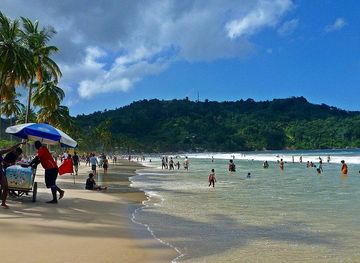
Diego Martin’s attractions are spread across three contrasting settings: settled valley communities, the Gulf of Paria coast and the forested recreation landscape of Chaguaramas. In the inland districts, Blue Basin Waterfall provides a nature-focused outing involving a walk through the Diego Martin valley, while nearby hills and smaller waterways offer opportunities for short hikes and landscape photography when conditions are suitable. Carenage introduces a maritime dimension through its coastal setting, boat activity and views across the gulf. The western peninsula is the region’s broadest outdoor area, with Macqueripe Bay, Tucker Valley, beaches, picnic spaces, marinas and routes through tropical vegetation. Some facilities are commercial or managed, so visitors should check access locally rather than assuming every trail or bay is freely available. The region also offers churches, neighbourhood food stops and remnants of military and maritime history, though its appeal lies more in the combination of landscapes than in a concentration of formal museums. Families often favour the accessible coastal and recreation areas, while walkers and photographers may prefer the valleys and forested slopes. Port of Spain’s major museums and cultural institutions are nearby but outside Diego Martin, making the region well suited to an itinerary that combines metropolitan culture with western Trinidad’s greener and more open environments.
-
Park
Queen's Park Savannah
Experience the vibrant culture and natural beauty of Queen's Park Savannah, an urban oasis in Port of Spain, Trinidad, perfect for relaxation and exploration.
-
Botanical garden
Royal Botanic Gardens
Experience the lush beauty and tranquility of the Royal Botanic Gardens, a true gem in the heart of Port of Spain, Trinidad.
-
Tourist attraction
Emperor Valley Zoo
Explore the vibrant wildlife at Emperor Valley Zoo in Port of Spain, Trinidad - a family-friendly attraction full of discovery and conservation.
-
Park
Chaguaramas Boardwalk
Discover the beauty of Trinidad at Chaguaramas Boardwalk, where stunning views, local culture, and outdoor fun await you.


Best landmarks in Diego Martin
Blue Basin Waterfall is one of Diego Martin’s most recognisable natural landmarks, marking the point where the valley’s waterways and forested slopes become a visitor destination as well as an important local landscape. The Northern Range foothills form a continuous green backdrop to the region, sharply distinguishing inland Diego Martin from the built-up areas nearer Port of Spain. Along the coast, Carenage is significant as a historic working waterfront whose sheltered position connects the region with fishing, boatbuilding and Gulf of Paria travel. Farther west, the Chaguaramas peninsula is defined by wooded ridges, bays and the strategic landscape created by twentieth-century military use. Macqueripe Bay is a particularly recognisable coastal setting, enclosed by hills and associated with recreation and beach visits. Roads and former facilities in Chaguaramas also point to the peninsula’s wartime and naval history, even where individual structures are not open as museums. The region’s landmarks are therefore not dominated by a single grand building: they form a sequence of valleys, waterways, coastal settlements, forested hills and strategic sites that explain Diego Martin’s geography and changing relationship with Trinidad’s capital.
-
Park
Chaguaramas Boardwalk
Discover the natural beauty and vibrant atmosphere of Chaguaramas Boardwalk, a must-visit park along Trinidad's stunning coastline.
-
Historical landmark
Fort King George
Discover the captivating history and stunning views at Fort King George, Tobago’s iconic historical landmark and a window into the island's colonial past.
-
Nature preserve
Bamboo Cathedral
Explore the stunning Bamboo Cathedral, a breathtaking natural wonder in Trinidad that captivates with its towering bamboo and serene atmosphere.
-
Historical place
Lopinot Historical Complex
Explore the Lopinot Historical Complex, a serene destination filled with rich history, lush landscapes, and vibrant cultural experiences in Trinidad.


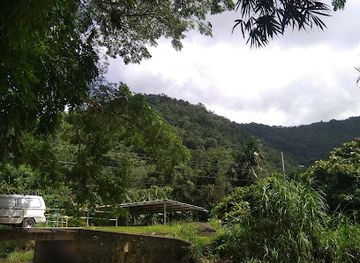
Explore Diego Martin on the map
Plan your trip on one map. See where the top cities, national parks and sights are, and book hotels and experiences in a few clicks.
Best hotels in Diego Martin
Best restaurants in Diego Martin
Eating in Diego Martin reflects the multicultural food traditions of Trinidad and Tobago alongside the region’s proximity to Port of Spain and its western coastline. Local stalls and casual shops serve doubles, roti, bake, pelau, corn soup, macaroni pie, callaloo and fried or stewed dishes, while seafood is particularly appropriate around Carenage and the coastal road towards Chaguaramas. The area’s commercial strips contain cafés, bakeries, takeaways and restaurants serving Indian, Creole, Chinese, Caribbean and international cooking. Roti shops and doubles vendors are useful for an informal breakfast or lunch, whereas restaurants and hotel dining rooms provide more leisurely meals. Look for fresh juices, seasonal fruit and traditional sweet treats alongside better-known savoury dishes. Food quality and opening arrangements vary between businesses, so local recommendations and current checks are sensible. Markets and provision shops can also reveal the ingredients used in home cooking, including pepper sauces, green seasoning, provisions and fresh herbs. Dining is generally more concentrated in the populated corridor than beside remote trails, so carry water and plan meals before spending several hours outdoors.
-
Restaurant
Town Restaurant & Bar
Experience authentic Trinidadian cuisine at Town Restaurant & Bar in Port of Spain - where flavor meets vibrant culture.
-
Italian
Buzo Osteria Italiana
Experience authentic Italian cuisine at Buzo Osteria Italiana in Port of Spain – where every dish tells a story.
-
Seafood
Richard's Bake & Shark
Experience authentic Trinidadian cuisine at Richard's Bake & Shark – home of the famous fried shark sandwich amidst stunning coastal views.
-
Restaurant
Texas de Brazil - Trinidad
Experience authentic Brazilian flavors at Texas de Brazil - Trinidad; a steakhouse paradise in Port of Spain offering exquisite dining.


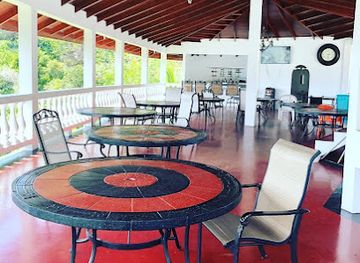

Best bars in Diego Martin
Nightlife in Diego Martin is generally social and neighbourhood-based rather than centred on a large club district. Bars, rum shops, sports bars and restaurants provide evening meeting places in the more settled parts of the region, while Carenage and Chaguaramas add a coastal atmosphere through waterfront dining, marina activity and occasional live entertainment. Some venues focus on soca, calypso, reggae or contemporary Caribbean music, particularly around festive periods, but programmes and opening arrangements change. The region’s nightlife is less concentrated than that of central Port of Spain, which lies nearby but outside Diego Martin and offers a broader selection of clubs, theatres and late-night venues. In quieter valley communities, evenings are more likely to revolve around food, conversation, family gatherings or local events than all-night entertainment. Visitors using taxis or private transport should arrange their return journey in advance, especially when staying near outlying coastal or recreation areas. Drink responsibly, respect residential surroundings and avoid driving after drinking.
-
Sports bar
Trotters
Discover Trotters, the ultimate sports bar in Port of Spain, where vibrant atmosphere meets thrilling sports action and delicious cuisine.
-
Brewpub
Tommy's Brewing Company
Discover the vibrant craft beer and grill flavors at Tommy's Brewing Company in Port of Spain, Trinidad, a must-visit for every foodie and beer lover.
-
Bar
Frankie’s Bar
Experience the vibrant nightlife at Frankie’s Bar in Port of Spain, where cocktails, live music, and a lively atmosphere await every visitor.
-
Bar
The Avenue Pub House
Experience the vibrant nightlife and local flavors at The Avenue Pub House, a must-visit bar in Port of Spain, Trinidad.


Best nightclubs in Diego Martin
Nightlife in Diego Martin is generally social and neighbourhood-based rather than centred on a large club district. Bars, rum shops, sports bars and restaurants provide evening meeting places in the more settled parts of the region, while Carenage and Chaguaramas add a coastal atmosphere through waterfront dining, marina activity and occasional live entertainment. Some venues focus on soca, calypso, reggae or contemporary Caribbean music, particularly around festive periods, but programmes and opening arrangements change. The region’s nightlife is less concentrated than that of central Port of Spain, which lies nearby but outside Diego Martin and offers a broader selection of clubs, theatres and late-night venues. In quieter valley communities, evenings are more likely to revolve around food, conversation, family gatherings or local events than all-night entertainment. Visitors using taxis or private transport should arrange their return journey in advance, especially when staying near outlying coastal or recreation areas. Drink responsibly, respect residential surroundings and avoid driving after drinking.
-
Bar
63 Lounge
Discover the vibrant nightlife at 63 Lounge, a premier bar in Port of Spain, offering great cocktails, music, and a welcoming atmosphere.
-
Night club
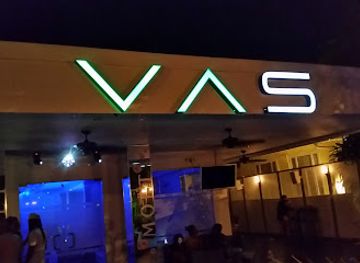
VAS Lounge
Experience the vibrant nightlife of Port of Spain at VAS Lounge, a top night club offering electrifying music, delicious drinks, and an unforgettable atmosphere.
-
Night club
Rush Sports Bar and Night Club
Experience the best of Trinidad's nightlife at Rush Sports Bar and Night Club, where great sports, music, and delicious food come together.
-
Bar
Bacchanal Sports Bar & Lounge
Discover Bacchanal Sports Bar & Lounge, a vibrant hub for sports lovers and food enthusiasts in Saint George, offering delicious bites and lively entertainment.

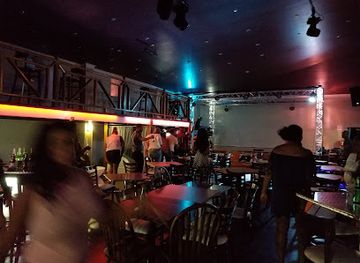
Best shops in Diego Martin
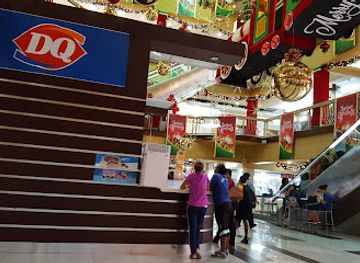
Shopping in Diego Martin is primarily practical and local, with commercial strips, supermarkets, pharmacies, bakeries, small malls and independent shops serving residential communities. Around Diego Martin and Petit Valley, visitors can find everyday goods, clothing, takeaway food and household provisions rather than a concentrated luxury-shopping quarter. Small food businesses and produce sellers are useful for sampling pepper sauces, green seasoning, local snacks, tropical fruit and other ingredients associated with Trinidadian cooking. Carenage and the Chaguaramas area may offer marine-related services, casual browsing and locally oriented purchases, but retail choice is more limited than in Port of Spain, which is nearby but outside the region. Craft items, art and handmade products are best sought through individual studios, community events and temporary markets when available rather than assumed to be permanently stocked in one shopping district. Visitors should compare prices for informal purchases, carry cash for smaller vendors and pack fragile food products securely for travel. The region is better suited to buying local provisions and practical souvenirs than to a dedicated day of department-store or designer shopping.
-
Shopping mall
The Falls at Westmall
Discover the vibrant shopping experience at The Falls at Westmall in Port of Spain, where retail, entertainment, and dining come together in one stunning location.
-
Shopping mall
Long Circular Mall
Explore the Long Circular Mall in Port of Spain for a delightful shopping and dining experience amidst a lively atmosphere.
-
Shopping mall
Starlite Shopping Plaza
Shop, dine, and unwind at Starlite Shopping Plaza, Petit Valley's premier shopping destination with diverse offerings for every visitor.
-
Shopping mall
Shoppes of Maraval
Explore the Shoppes of Maraval: A premier shopping and dining destination in Port of Spain, where local culture meets retail therapy.



Get your free copy of our complete guide to Diego Martin, delivered straight to you.
Everything on this page, from attractions and restaurants to essentials and local phrases, in one PDF you can read offline, print or share.
Already have an account? Sign in
Your Diego Martin guide is ready.
We'll send it to · Not you? Sign out

Getting your guide ready…
We are putting together a fresh copy of the Diego Martin guide. This can take up to a minute.
This can take a few moments. If your browser asks, choose Allow so the download can start. You'll find the guide in your Downloads folder.
Nothing happened? Download it again
Sorry, the guide is taking longer than usual. Please try again in a minute, or get it by email instead.
Diego Martin essentials
Currency and Payment
Safety
Emergency Situations
Do's and Don'ts
Local Tips
From Eve
Local phrases worth knowing
You don't need to get them perfect. A few words go a long way, and locals appreciate the effort.
Basics
| English | Local | Say it |
|---|---|---|
| Hello | Hello | [Heh-loh] |
| Goodbye | Bye | [Bahy] |
| Yes | Yes | [Yes] |
| No | No | [No] |
| Please/You're welcome | Please/No problem | [Pleez/No prob-lum] |
| Thank you | Thank you | [Thank yuh] |
| Excuse me/Sorry | Excuse me/Sorry | [Ex-cuse meh/Saw-ree] |
| How are you? | How yuh doing? | [How yuh doin?] |
| Fine. And you? | All good. And you? | [All good. An yuh?] |
| Do you speak English? | Yuh speak English? | [Yuh speek In-glish?] |
| I don't understand | I eh understand | [I eh un-der-stand] |
Eating & Drinking
| English | Local | Say it |
|---|---|---|
| I'd like to see the menu, please | I want to see the menu, please | [I want tuh see de men-yu, pleez] |
| I don't eat meat | I doh eat meat | [I doh eet meet] |
| Cheers! | Cheers! | [Cheers!] |
| I would like to pay, please | I want to pay, please | [I want tuh pay, pleez] |
Emergencies
| English | Local | Say it |
|---|---|---|
| Help! | Help! | [Help!] |
| Go away! | Go 'way! | [Go 'way!] |
| Call the Police! | Call de Police! | [Call de Po-lees!] |
| Call a doctor! | Call a doctor! | [Call a doctah!] |
| I'm lost | I lost | [I lost] |
| I'm ill | I sick | [I sik] |
Shopping
| English | Local | Say it |
|---|---|---|
| I'd like to buy... | I want to buy... | [I want tuh buy...] |
| I'm just looking | I just browsing | [I just braw-sing] |
| How much is it? | How much it cost? | [How much it kost?] |
| That's too expensive | Dat too expensive | [Dat too ex-pen-sive] |
| Can you lower the price? | Yuh could lower de price? | [Yuh cud lo-wah de price?] |
Time & Numbers
| English | Local | Say it |
|---|---|---|
| What time is it? | Wha time it is? | [Wha time it is?] |
| It's one o'clock | It one o'clock | [It wun o'clock] |
| Half past (10) | Half past ten | [Half past ten] |
| Morning | Morning | [Morn-ing] |
| Afternoon | Afternoon | [Af-ter-noon] |
| Evening | Evening | [Eve-ning] |
| Yesterday | Yesterday | [Yes-ter-day] |
| Today | Today | [To-day] |
| Tomorrow | Tomorrow | [To-mor-row] |
| 1 | One | [Wun] |
| 2 | Two | [Too] |
| 3 | Three | [Tree] |
| 4 | Four | [For] |
| 5 | Five | [Fahiv] |
| 6 | Six | [Siks] |
| 7 | Seven | [Seh-ven] |
| 8 | Eight | [Ayt] |
| 9 | Nine | [Nayn] |
| 10 | Ten | [Ten] |
Transport & Directions
| English | Local | Say it |
|---|---|---|
| Where's a/the...? | Where de...? | [Where de...?] |
| What's the address? | Wha de address? | [Wha de ad-dress?] |
| Can you show me (on the map)? | Yuh could show me (on de map)? | [Yuh cud show meh (on de map)?] |
| When's the next (bus)? | When de next (bus)? | [When de next (bus)?] |
| A ticket (to ...) | A ticket (to ...) | [A tik-it (to ...)] |
History of Diego Martin
Kalinago and Early Spanish Trinidad
Before European colonisation, Trinidad was inhabited by Indigenous peoples whose movements connected the island with neighbouring parts of the Caribbean and northern South America. The sheltered western coastline and river valleys around present-day Diego Martin provided useful environments for travel, fishing and settlement, although surviving evidence is uneven. Spanish control, established from the late fifteenth century, brought new political and religious structures but did not create dense European settlement in the western valleys. Indigenous knowledge, place names and patterns of movement remained part of the wider history of Trinidad even as later plantation development transformed the landscape.
French Settlement and Plantation Expansion
During the eighteenth century, French migrants and their enslaved workers helped expand plantation agriculture in Trinidad, particularly after the island became more attractive to settlers under Spanish rule. Cocoa, coffee, sugar and other crops were cultivated in valleys and foothill districts, including areas west of Port of Spain. The system depended on African enslavement and left an enduring mark on landownership, roads, settlement patterns and the cultural foundations of modern Trinidad. Some of Diego Martin’s present-day valleys and communities occupy landscapes first reorganised through this plantation economy.
British Rule and Emancipation
Trinidad became a British colony in 1797, and British administration gradually altered its legal, commercial and political institutions. Emancipation in 1834, followed by the end of the apprenticeship system in 1838, fundamentally changed plantation labour, although economic inequality persisted. Formerly enslaved people established communities and livelihoods beyond direct plantation control, while new forms of contracted migration, including Indian indentured labour, reshaped Trinidadian society. In and around Diego Martin, these changes contributed to the region’s later religious, culinary and cultural diversity.
Cocoa, Sugar and the Western Valleys
Nineteenth-century Trinidad relied on a mixed plantation economy in which sugar remained crucial and cocoa became especially important in suitable foothill districts. The Northern Range valleys around Diego Martin supported small estates and agricultural activity alongside settlements that supplied Port of Spain. Cocoa production later suffered from disease, market fluctuations and changing global conditions, while urban expansion reduced the amount of land under cultivation. The region’s lush valleys, old routes and scattered traces of rural settlement still reflect this period, even though most of Diego Martin is now residential or suburban.
Carenage and Maritime Life
Carenage developed around a naturally sheltered coastal setting on the Gulf of Paria. Fishing, boat work and coastal transport helped connect the community with Port of Spain and other western settlements. Its maritime importance was practical rather than grandly monumental, and much of the working waterfront changed as road transport, urban growth and modern marinas altered patterns of movement. The area nevertheless remains significant for understanding Diego Martin’s relationship with the sea, particularly in contrast with the inland valleys and foothills.
Chaguaramas and the Second World War
The Chaguaramas peninsula became strategically important during the Second World War and the twentieth-century expansion of United States military facilities in the Caribbean. Defence agreements led to the development of naval and military infrastructure in the area, displacing older uses and restricting access to parts of the peninsula for long periods. After the military presence diminished, Chaguaramas increasingly became associated with recreation, yachting, conservation and public access. Roads, buildings and other remnants of its strategic past remain part of the landscape.
Suburban Growth and Contemporary Diego Martin
After Trinidad and Tobago’s independence in 1962, Diego Martin was increasingly shaped by metropolitan growth from Port of Spain, improved roads, new housing and expanding commercial activity. Former agricultural and semi-rural landscapes were absorbed into a broad urban corridor, while the region retained forested hills, coastal communities and recreation areas. Today, the Diego Martin Regional Corporation includes a socially diverse collection of neighbourhoods whose identity is defined as much by everyday residential life and proximity to the capital as by historic plantations or natural scenery.
Diego Martin in Photos
Browse through our photo collection highlighting the charm and character of the destination.
Neighbouring regions of Diego Martin
The closest regions to Diego Martin, if you have time for more than one.
-

-
-
-

-


Swipe for more regions
Explore more
Explore more of Trinidad and Tobago
Discover Trinidad and Tobago: A Caribbean paradise where vibrant culture meets stunning natural beauty, offering unique experiences from lively festivals to serene beaches.
Explore Trinidad and Tobago