Free San Juan-Laventille Travel Guide & Mobile App
Explore San Juan-Laventille with free travel guides. Discover regional history, expert tips, proposed trips, and audio guides on web or mobile app.


San Juan-Laventille combines multicultural urban Trinidad with Northern Range valleys, rainforest roads, Maracas Bay and distinctive local food.
Read more about San Juan-Laventille
When is the best time to visit San Juan-Laventille?
Best: January–March · 31–32°C| Month | High (°C) | Rainfall (mm) |
|---|---|---|
| January (best) | 31 | 50 |
| February (best) | 31 | 45 |
| March (best) | 32 | 40 |
| April | 32 | 50 |
| May | 32 | 75 |
| June | 33 | 100 |
| July | 33 | 125 |
| August | 33 | 150 |
| September | 33 | 150 |
| October | 32 | 125 |
| November | 32 | 100 |
| December | 32 | 70 |
Getting to and around San Juan-Laventille
How to get there
Transportation
Top city travel guides in San Juan-Laventille
The cities of San Juan-Laventille, and the easiest places to base yourself.
-

-


Swipe for more cities
Destinations in San Juan-Laventille
Resorts, valleys and scenic spots worth a trip of their own.

Swipe for more destinations
Best attractions in San Juan-Laventille
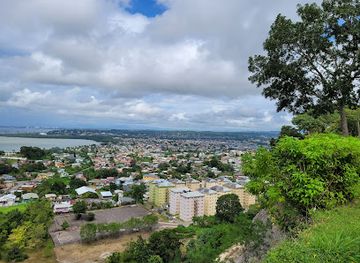
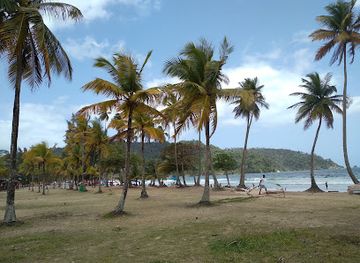
San Juan-Laventille’s attractions are defined by contrast. In the urban districts, visitors encounter local food stalls, markets, religious buildings, community activity and the cultural history of Laventille, a place closely associated with the development of steelpan. The region’s northern side offers a very different experience: the road through Maracas Valley climbs into forested foothills before reaching Maracas Bay, while routes towards the Northern Range provide access to scenic drives, streams and walking opportunities. Maracas Bay is suitable for a beach visit when conditions are favourable, although surf and weather should be taken seriously. Beyond the principal roads, the landscape includes small agricultural areas, steep valleys and pockets of rainforest habitat important to Trinidad’s birdlife and biodiversity. Many experiences are informal rather than ticketed, so visitors should plan transport, daylight and weather carefully. The strongest itineraries combine food and neighbourhood exploration with one of the region’s mountain or coastal journeys, rather than expecting a concentrated museum-and-monument district.
-
Beach
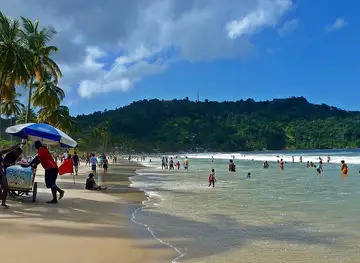
Maracas Beach
Experience the idyllic beauty of Maracas Beach in Trinidad and Tobago, where golden sands meet turquoise waters and vibrant local culture thrives.
-
Catholic church
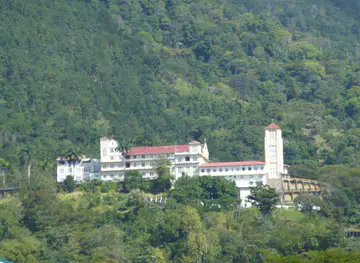
Mount St. Benedict Abbey
Discover the serene beauty and spiritual ambiance of Mount St. Benedict Abbey in Trinidad, a captivating retreat amidst lush landscapes.
-
Stage
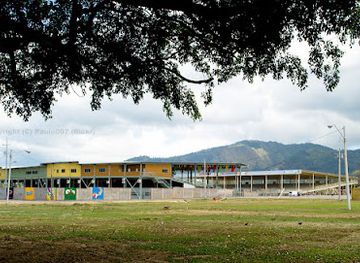
Queen's Park Savannah Grand Stand
Experience the vibrant cultural heartbeat of Trinidad at Queen's Park Savannah Grand Stand, where history and entertainment converge beautifully.
-
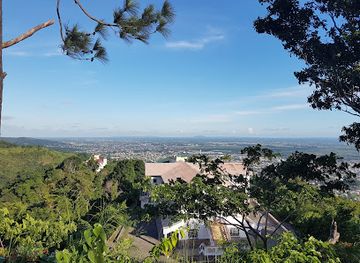
Lady Young Road Lookout
Discover the stunning panoramic views of Port of Spain and the Caribbean Sea at Lady Young Road Lookout, a must-see scenic spot in Trinidad.

Best landmarks in San Juan-Laventille
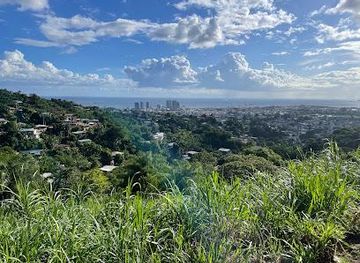
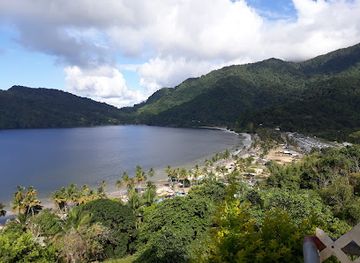
Maracas Bay is San Juan-Laventille’s most recognisable natural landmark, a broad coastal setting backed by the Northern Range and reached by the winding road through Maracas Valley. Its visual importance comes from the meeting of forested mountains, open sea and a long-established public beach tradition. The Northern Range itself forms the region’s defining geographic landmark, with steep green slopes, narrow valleys and changing views towards the densely settled plain. Within the urban landscape, Laventille’s hills carry particular cultural significance because of their association with steelpan’s development and the communities that sustained the instrument. San Juan’s churches and civic buildings reflect the religious and civic growth of a multicultural suburban corridor, although they are best understood as part of lived neighbourhoods rather than as an isolated monument quarter. The East-West Corridor is another important human landmark: its continuous development expresses Trinidad’s twentieth-century movement from a compact colonial capital towards a connected metropolitan belt. Together, these places show why San Juan-Laventille cannot be reduced either to urban suburbia or to a beach-and-mountain excursion.
-
Beach
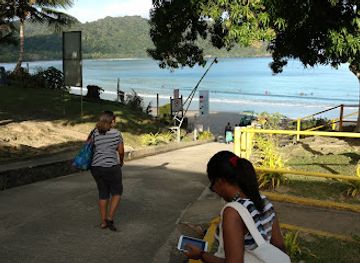
Maracas Beach
Discover the vibrant charm of Maracas Beach, Trinidad: a paradise of golden sands, delicious local cuisine, and stunning ocean views.
-
Beach
Las Cuevas Beach
Discover the pristine beauty of Las Cuevas Beach in Trinidad, a perfect tropical destination for relaxation and adventure.
-
International airport
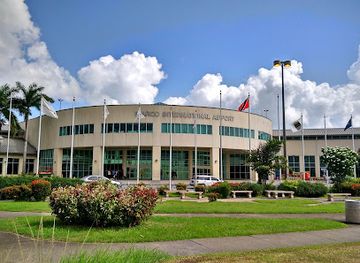
Piarco International Airport
Discover the heart of the Caribbean at Piarco International Airport - your gateway to Trinidad and Tobago's vibrant culture and breathtaking landscapes.
-
Park
San Fernando Hill
Explore San Fernando Hill, a breathtaking park in Trinidad and Tobago, perfect for nature lovers and adventure seekers alike, with stunning views and serene landscapes.
Explore San Juan-Laventille on the map
Plan your trip on one map. See where the top cities, national parks and sights are, and book hotels and experiences in a few clicks.
Best hotels in San Juan-Laventille
Best restaurants in San Juan-Laventille
Eating in San Juan-Laventille is closely tied to Trinidad’s multicultural street-food and everyday dining traditions. Doubles, roti, bake, pelau, fried chicken, grilled meats, soups and fresh juices are widely encountered along busy roads and in commercial communities, with recipes and styles varying from one vendor or family business to another. San Juan and the East-West Corridor offer the broadest choice of casual restaurants, takeaways and cafés, while journeys towards the Northern Range bring roadside stalls and beach-oriented food stops. Maracas Bay is particularly associated with shark and bake, although visitors should choose vendors with good turnover and sensible food-handling practices. Indian, African, Creole and international influences coexist in the local dining scene, and vegetarian choices are generally available. Farmers’ produce and seasonal fruit are sold through informal outlets and markets, while established restaurants provide more polished interpretations of Trinidadian cooking. Service may be relaxed, so allow time rather than planning a tightly timed meal between distant stops.
-
Restaurant
Toppers Restaurant & Bar
Experience the vibrant culinary scene at Toppers Restaurant & Bar in Valsayn - a must-visit destination for food lovers!
-
Restaurant
Uncle Sam & Sons - Bake & Shark
Experience authentic Trinidadian cuisine at Uncle Sam & Sons - Bake & Shark in Maracas Bay; where every bite tells a story.
-
Italian
Buzo Osteria Italiana
Experience authentic Italian cuisine at Buzo Osteria Italiana in Port of Spain – where every meal is a celebration of flavor.
-
Seafood
Richard's Bake & Shark
Experience authentic Trinidadian cuisine at Richard's Bake & Shark in Maracas Bay - home of the famous bake and shark sandwich.

Best bars in San Juan-Laventille
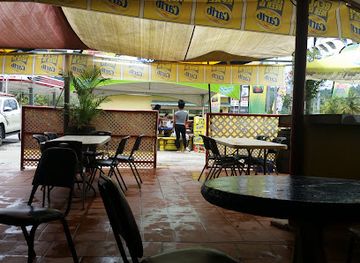
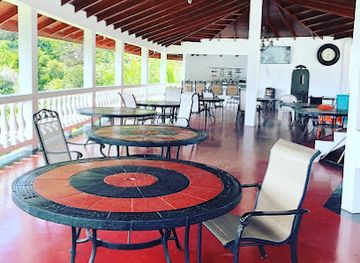
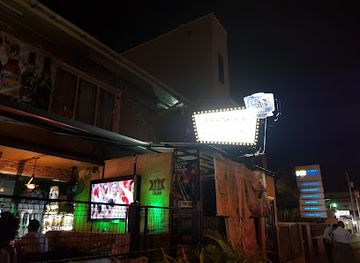
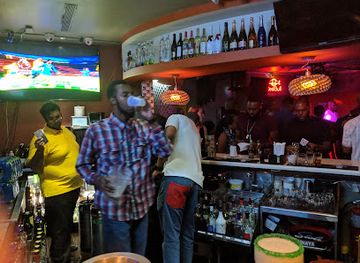
Evening life in San Juan-Laventille is primarily local and social rather than built around a large tourist nightclub circuit. Bars, rum shops, casual restaurants and small music venues provide places to meet, watch sport and listen to soca, calypso or other Caribbean music, particularly along the more densely settled urban corridors. Some venues are strongly community-oriented, so visitors should follow local etiquette, keep valuables secure and arrange transport in advance rather than walking between scattered locations late at night. Carnival season and other cultural events can bring live music, steelpan and daytime or evening gatherings, but dates and arrangements vary. The region’s nightlife is less concentrated than that of central Port of Spain, and rural foothill communities generally become quiet after dinner. Breweries, cocktail bars and larger entertainment venues may be found within the wider metropolitan area, but visitors should confirm current opening arrangements locally and avoid assuming that establishments operate every night.
-
Restaurant
Uncle Sam & Sons - Bake & Shark
Discover the authentic taste of Trinidad and Tobago with Uncle Sam & Sons - Bake & Shark, a must-visit restaurant in Maracas Bay for food lovers.
-
Seafood
Richard's Bake & Shark
Savor the authentic flavors of Trinidad at Richard's Bake & Shark, where every bite is a taste of paradise in Maracas Bay.
-
Bar
Frankie’s Bar
Discover the vibrant nightlife of Trinidad at Frankie’s Bar, where local flavors and lively music create an unforgettable experience.
-
Bar
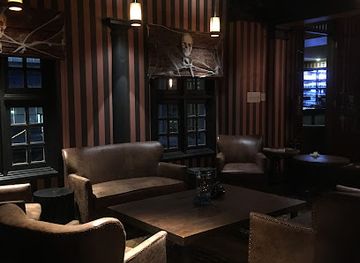
The Avenue Pub House
Experience vibrant nightlife at The Avenue Pub House in Port of Spain, where delicious drinks and a lively atmosphere come together for an unforgettable evening.
Best nightclubs in San Juan-Laventille
Evening life in San Juan-Laventille is primarily local and social rather than built around a large tourist nightclub circuit. Bars, rum shops, casual restaurants and small music venues provide places to meet, watch sport and listen to soca, calypso or other Caribbean music, particularly along the more densely settled urban corridors. Some venues are strongly community-oriented, so visitors should follow local etiquette, keep valuables secure and arrange transport in advance rather than walking between scattered locations late at night. Carnival season and other cultural events can bring live music, steelpan and daytime or evening gatherings, but dates and arrangements vary. The region’s nightlife is less concentrated than that of central Port of Spain, and rural foothill communities generally become quiet after dinner. Breweries, cocktail bars and larger entertainment venues may be found within the wider metropolitan area, but visitors should confirm current opening arrangements locally and avoid assuming that establishments operate every night.
-
Night club
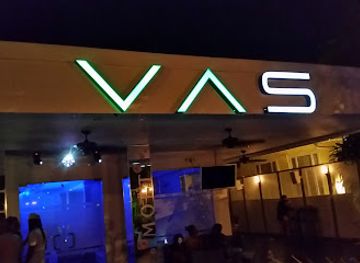
VAS Lounge
Experience the electrifying nightlife of Trinidad at VAS Lounge, the ultimate destination for fun, music, and socializing in Port of Spain.
-
Sports bar
Starlit Bar & Lounge
Experience the thrill of sports and the warmth of camaraderie at Starlit Bar & Lounge in San Juan, where every night is a celebration.
-
Night club
Ibiza Night Club & Lounge
Discover the vibrant nightlife at Ibiza Night Club & Lounge in Port of Spain, the ultimate destination for dance, music, and unforgettable memories.
-
Night club
Siam Nightclub
Discover the heartbeat of Trinidad's nightlife at Siam Nightclub, where vibrant music and dancing create unforgettable memories in Port of Spain.

Best shops in San Juan-Laventille
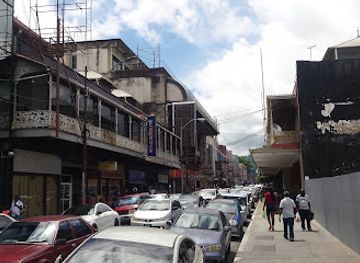
Shopping in San Juan-Laventille is centred on practical urban commerce, food and small independent businesses rather than destination luxury retail. San Juan and the East-West Corridor contain supermarkets, pharmacies, clothing shops, mobile-phone outlets, cafés and everyday services, while local markets and roadside sellers are useful for fruit, vegetables, snacks and prepared food. Visitors looking for souvenirs can seek Trinidadian music, Carnival-related goods, locally produced sauces, spices, cocoa products, craft items and small artworks, but stock varies and provenance should be checked. The region’s strongest purchases are often edible: pepper sauces, seasonings, sweets, preserved fruit and packaged local products travel more easily than fragile crafts. Shopping around Maracas Bay tends to be informal and beach-oriented, whereas the urban centres offer more reliable access to essentials. For a wider selection of galleries, specialist shops and formal retail, travellers may choose to combine San Juan-Laventille with nearby Port of Spain, which lies outside the region.
-
Home improvement store
The Home Store
Explore The Home Store in San Juan for an extensive selection of home improvement, garden supplies, and unique decor that embodies Trinidad's vibrant culture.
-
Restaurant
Uncle Sam & Sons - Bake & Shark
Discover the authentic taste of Trinidad at Uncle Sam & Sons, famous for its mouth-watering bake and shark in the picturesque Maracas Bay.
-
Shopping mall
Excellent City Centre
Discover the Excellent City Centre: Port of Spain's premier shopping mall with diverse stores, dining, and entertainment for every visitor.
-
Supermarket
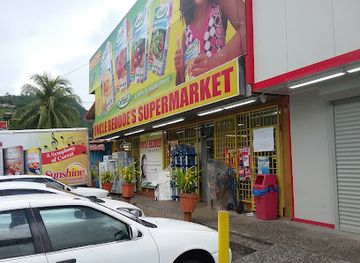
Uncle Beddoe’s Supermarket
Explore the flavors of Trinidad at Uncle Beddoe’s Supermarket, a vibrant hub for local and international culinary delights.


Get your free copy of our complete guide to San Juan-Laventille, delivered straight to you.
Everything on this page, from attractions and restaurants to essentials and local phrases, in one PDF you can read offline, print or share.
Already have an account? Sign in
Your San Juan-Laventille guide is ready.
We'll send it to · Not you? Sign out

Getting your guide ready…
We are putting together a fresh copy of the San Juan-Laventille guide. This can take up to a minute.
This can take a few moments. If your browser asks, choose Allow so the download can start. You'll find the guide in your Downloads folder.
Nothing happened? Download it again
Sorry, the guide is taking longer than usual. Please try again in a minute, or get it by email instead.
San Juan-Laventille essentials
Currency and Payment
Safety
Emergency Situations
Do's and Don'ts
Local Tips
From Eve
Local phrases worth knowing
You don't need to get them perfect. A few words go a long way, and locals appreciate the effort.
Basics
| English | Local | Say it |
|---|---|---|
| Hello | Wah gwan | [Wah gwan] |
| Goodbye | Lata | [Lata] |
| Yes | Yea | [Yea] |
| No | Nah | [Nah] |
| Please/You're welcome | No problem | [No problem] |
| Thank you | Thanks | [Thanks] |
| Excuse me/Sorry | Sorry | [Sorry] |
| How are you? | How yuh doin? | [How yuh doin?] |
| Fine. And you? | I good. An yuh? | [I good. An yuh?] |
| Do you speak English? | Yuh speak English? | [Yuh speak English?] |
| I don't understand | I eh understand | [I eh understand] |
Eating & Drinking
| English | Local | Say it |
|---|---|---|
| I'd like to see the menu, please | I want to see the menu, please | [I want to see d menu, please] |
| I don't eat meat | I doh eat meat | [I doh eat meat] |
| Cheers! | Cheers! | [Cheers!] |
| I would like to pay, please | I want to pay, please | [I want to pay, please] |
Emergencies
| English | Local | Say it |
|---|---|---|
| Help! | Help! | [Help!] |
| Go away! | Go way! | [Go way!] |
| Call the Police! | Call de Police! | [Call de Police!] |
| Call a doctor! | Call a doctor! | [Call a doctor!] |
| I'm lost | I lost | [I lost] |
| I'm ill | I sick | [I sick] |
Shopping
| English | Local | Say it |
|---|---|---|
| I'd like to buy... | I want to buy... | [I want to buy...] |
| I'm just looking | I just browsing | [I just browsing] |
| How much is it? | How much dat? | [How much dat?] |
| That's too expensive | Dat too dear | [Dat too dear] |
| Can you lower the price? | Yuh could lower the price? | [Yuh could lower de price?] |
Time & Numbers
| English | Local | Say it |
|---|---|---|
| What time is it? | Wah time it? | [Wah time it?] |
| It's one o'clock | It one o'clock | [It one o'clock] |
| Half past (10) | Half past ten | [Half past ten] |
| Morning | Mornin | [Mornin] |
| Afternoon | Afternoon | [Afternoon] |
| Evening | Evenin | [Evenin] |
| Yesterday | Yesterday | [Yesterday] |
| Today | Today | [Today] |
| Tomorrow | Tomorrow | [Tomorrow] |
| 1 | One | [One] |
| 2 | Two | [Two] |
| 3 | Three | [Three] |
| 4 | Four | [Four] |
| 5 | Five | [Five] |
| 6 | Six | [Six] |
| 7 | Seven | [Seven] |
| 8 | Eight | [Eight] |
| 9 | Nine | [Nine] |
| 10 | Ten | [Ten] |
Transport & Directions
| English | Local | Say it |
|---|---|---|
| Where's a/the...? | Whey de...? | [Whey de...?] |
| What's the address? | Wah de address? | [Wah de address?] |
| Can you show me (on the map)? | Yuh could show me (on de map)? | [Yuh could show me (on de map)?] |
| When's the next (bus)? | When de next (bus)? | [When de next (bus)?] |
| A ticket (to ....) | A ticket (to ....) | [A ticket (to ....)] |
History of San Juan-Laventille
First Peoples and the Northern Range
Long before European colonisation, Trinidad was inhabited by Indigenous peoples including communities associated with the Arawakan and Cariban cultural worlds. The Northern Range provided forest resources, freshwater and routes between the interior and the coast, while the Gulf of Paria and northern shoreline supported fishing and movement. Much of the archaeological record is subtle, and later settlement transformed many original landscapes, but the region’s valleys and coastal access form part of Trinidad’s much older human geography.
Spanish Trinidad and Colonial Settlement
Spain claimed Trinidad from the late fifteenth century, although colonial settlement remained limited for much of the Spanish period. The island’s strategic position and proximity to Venezuela shaped administration, trade and migration. After the 1783 Cedula of Population encouraged Catholic settlers and enslaved labourers to come to Trinidad, settlement expanded rapidly. The valleys and foothills north and east of Port of Spain were increasingly connected to plantations, roads and the growing colonial capital.
British Rule, Emancipation and New Communities
Trinidad became a British colony in 1797, bringing new administrative systems and closer integration into the British Caribbean. The abolition of slavery in the 1830s transformed labour arrangements, while indentured workers from India arrived from 1845 onwards and added lasting cultural and religious influences. African, Indian, European, Chinese, Syrian-Lebanese and other communities contributed to the social character of the settlements around San Juan, Laventille and the East-West Corridor.
Cocoa, Agriculture and the Northern Foothills
During the nineteenth and early twentieth centuries, cocoa cultivation and other agricultural activities shaped many of Trinidad’s northern valleys. Estate landscapes, rural tracks and small settlements developed between the urban plain and the forested Northern Range. Cocoa production declined sharply after disease, economic changes and competition affected the industry, but the agricultural history remains visible in the pattern of valleys and in the continuing importance of home gardens, small farms and local produce.
Urban Expansion and the East-West Corridor
During the twentieth century, population growth and economic development expanded settlement eastwards from Port of Spain. Communities such as Laventille, Morvant, San Juan, Barataria and El Socorro became closely connected to the capital through roads, public services and commerce. The East-West Corridor developed into one of Trinidad’s principal urban and transport axes, bringing employment and connectivity while also creating persistent congestion and pressure on hillsides, drainage and older neighbourhoods.
Laventille and the Rise of Steelpan
Laventille is strongly associated with the development and refinement of steelpan, Trinidad and Tobago’s national instrument. The instrument emerged from twentieth-century Carnival culture, particularly in the social and political conditions of working-class communities, when earlier forms of percussion were restricted or discouraged. Tuned steel instruments gradually developed into organised orchestras and a major national art form. Steelpan’s history is broader than one district, but Laventille remains an important place in the instrument’s cultural story.
Independence and Contemporary Trinidad
Trinidad and Tobago became independent from Britain in 1962 and a republic in 1976. San Juan-Laventille subsequently developed within the wider metropolitan economy of Trinidad, balancing dense urban settlement with increasingly valued forest and coastal environments. The region’s contemporary identity reflects national debates about inequality, public space, transport, cultural recognition and environmental protection, alongside the everyday creativity expressed through music, food, religious observance and community life.
San Juan-Laventille in Photos
Browse through our photo collection highlighting the charm and character of the destination.
Neighbouring regions of San Juan-Laventille
The closest regions to San Juan-Laventille, if you have time for more than one.
-
-
-

-

-


Swipe for more regions
Explore more
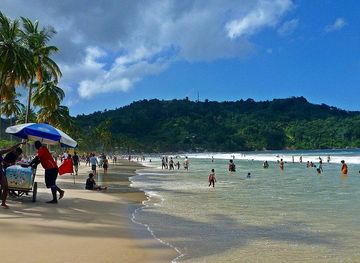
Explore more of Trinidad and Tobago
Discover Trinidad and Tobago: A Caribbean paradise where vibrant culture meets stunning natural beauty, offering unique experiences from lively festivals to serene beaches.
Explore Trinidad and Tobago