

Free St. Paul Travel Guide & Mobile App
Explore St. Paul with free travel guides. Discover regional history, expert tips, proposed trips, and audio guides on web or mobile app.


St Paul, Trinidad, offers a rural base for exploring eastern landscapes, local food, forested hills, wetlands and the communities beyond the urban corridor.
Read more about St. Paul
When is the best time to visit St. Paul?
Best: January–March · 29–30°C| Month | High (°C) | Rainfall (mm) |
|---|---|---|
| January (best) | 29 | 70 |
| February (best) | 30 | 60 |
| March (best) | 30 | 50 |
| April | 31 | 60 |
| May | 31 | 80 |
| June | 32 | 100 |
| July | 32 | 110 |
| August | 32 | 110 |
| September | 32 | 100 |
| October | 31 | 90 |
| November | 31 | 80 |
| December | 30 | 70 |
Getting to and around St. Paul
How to get there
Transportation
Destinations in St. Paul
Resorts, valleys and scenic spots worth a trip of their own.
-

-


Swipe for more destinations
Best attractions in St. Paul
St Paul itself is primarily a residential and rural community, so its attractions are the surrounding landscapes and the opportunity to experience eastern Trinidad beyond the main urban corridor. The area suits visitors interested in small farms, local churches, roadside cooking, tropical vegetation and the everyday movement between villages and market towns. With suitable transport, excursions can extend towards the Northern Range forests, the eastern lowlands, river environments and the Atlantic-facing countryside, although many individual sites lie outside St Paul and should be treated as separate day trips. Birdwatching, nature walks, photography and scenic driving are more realistic activities than a conventional programme of museums and ticketed attractions. Sangre Grande, outside the locality, is useful for local commerce and orientation, while more specialised rainforest experiences generally require prior arrangements with accommodation providers or guides. Visitors should check access, weather and permission before entering private agricultural land, forest tracks or wetland areas. The attraction landscape is therefore dispersed and strongly dependent on planning, daylight and road conditions, but it provides a direct introduction to the agricultural and ecological character of eastern Trinidad.
-
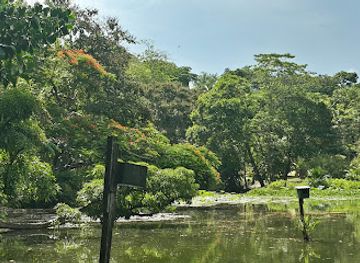
Park
Queen's Park Savannah
Discover the lush landscapes and cultural vibrancy of Queen's Park Savannah, the heart of Port of Spain, Trinidad, where nature meets history.
-
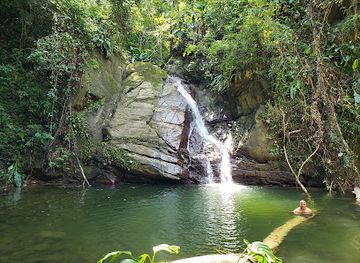
Nature preserve
Argyle Falls
Immerse yourself in the natural beauty of Argyle Falls, a stunning waterfall in Roxborough, Trinidad and Tobago, perfect for adventure, relaxation, and photography.
-
Environmental protection organization
Pointe-a-Pierre Wildfowl Trust
Explore the serene beauty of Pointe-a-Pierre Wildfowl Trust, a sanctuary for waterfowl and a hub for environmental conservation in Trinidad and Tobago.
-
Scenic spot
Castara Waterfall
Experience the tranquil beauty of Castara Waterfall, a must-visit scenic spot in Tobago, offering breathtaking views and serene natural surroundings.


Best landmarks in St. Paul
St Paul has few nationally recognised monuments, and its significance lies more in its rural setting than in a single architectural landmark. Local churches, roadside shrines, cultivated clearings and older homes provide the most visible reminders of community history, although many are ordinary working places rather than formal visitor sites. The broader eastern Trinidad landscape supplies stronger geographical landmarks: the forested slopes of the Northern Range, the broad lowland waterways and the Atlantic-facing wetlands and coastline are defining features of the region, even where particular viewpoints or reserves lie outside St Paul. Nearby Sangre Grande functions as the principal town landmark in practical terms, with its commercial streets and role as a service centre for eastern communities. Historic railway routes and former transport corridors also help explain the pattern of settlement, though much of the physical railway infrastructure has disappeared. Visitors should approach local religious buildings and private properties respectfully, seek permission before entering or photographing them and avoid presenting ordinary community structures as museum pieces.
-
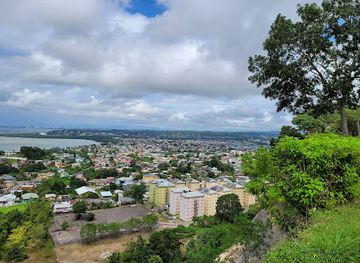
Park
San Fernando Hill
Discover the stunning views and lush landscapes of San Fernando Hill, a must-visit park for nature lovers in Trinidad and Tobago.
-
Park
Chaguaramas Boardwalk
Discover the beauty and vibrancy of Chaguaramas Boardwalk, a perfect blend of nature, leisure, and local culture in Trinidad.
-
Historical landmark
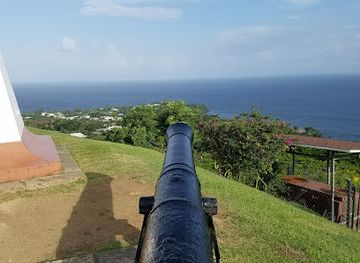
Fort King George
Uncover Tobago's colonial past at Fort King George, a historical landmark offering stunning views and rich heritage.
-
Tourist attraction
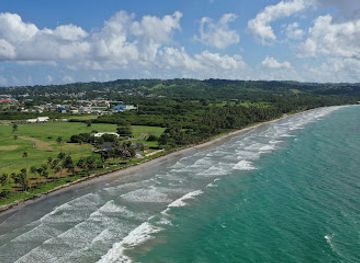
Tobago Plantations
Explore Tobago Plantations: A Tropical Haven with Luxurious Accommodations and World-Class Golf Courses.
Explore St. Paul on the map
Plan your trip on one map. See where the top cities, national parks and sights are, and book hotels and experiences in a few clicks.
Best hotels in St. Paul
Best restaurants in St. Paul
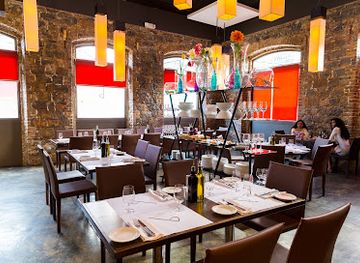
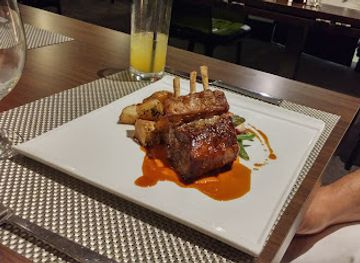
Dining in St Paul is informal and locally oriented, with small shops, takeaway counters, roadside vendors and home-style cooking more characteristic than a concentrated restaurant district. Trinidadian staples such as doubles, bake and shark-style fried-bread preparations, roti, pelau, callaloo, macaroni pie, stewed meats and provision-based dishes may be encountered across the wider eastern area, although availability varies by business and time of day. Fresh fruit, cassava, sweet potatoes, plantains and seasonal produce reflect the agricultural setting, while fish and other seafood become more prominent nearer the eastern coast. Sangre Grande and other larger nearby settlements offer a broader choice of cafés, bakeries, family restaurants and food courts. Visitors should carry cash for small vendors, ask about ingredients when necessary and choose busy establishments with good food turnover. The local dining experience is less about formal culinary presentation than about flavourful, filling food and the social role of roadside and neighbourhood eating places.
-
Restaurant
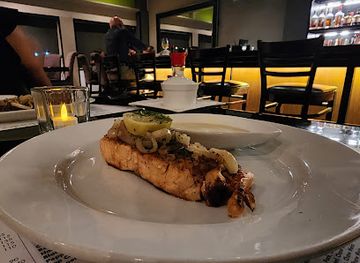
Town Restaurant & Bar
Discover authentic Trinidadian cuisine and vibrant cocktails at Town Restaurant & Bar in Port of Spain – a culinary gem for every traveler.
-
Restaurant
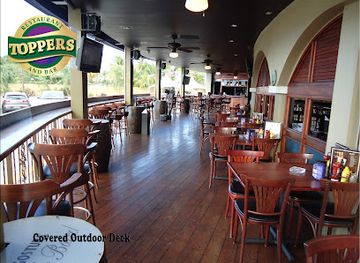
Toppers Restaurant & Bar
Experience Trinidadian flavors at Toppers Restaurant & Bar in Valsayn - where local meets international cuisine.
-
Italian
Buzo Osteria Italiana
Discover exquisite Italian cuisine at Buzo Osteria Italiana in Port of Spain—where authentic flavors meet elegant dining.
-
Italian
Aioli
Experience the rich flavors of Italy at Aioli in Port of Spain – where culinary artistry meets vibrant Caribbean culture.
Best bars in St. Paul
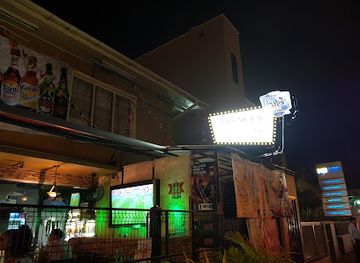
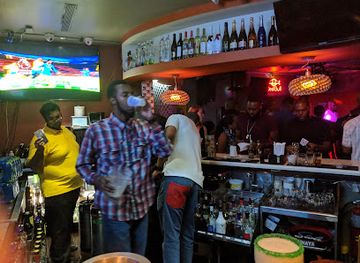
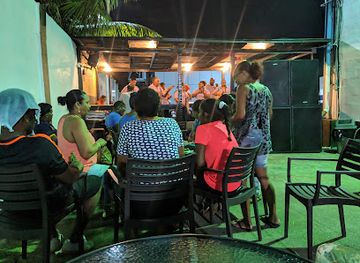
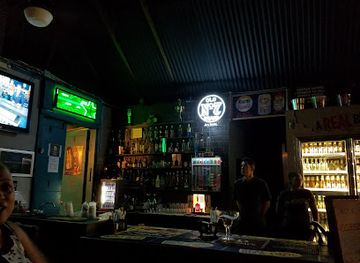
Nightlife in St Paul is limited and generally revolves around private gatherings, neighbourhood rum shops, small bars and occasional community events rather than a defined club scene. The evening atmosphere is quieter than in Port of Spain or the larger southern towns, and visitors should not expect a concentration of late-night venues within the settlement. Sangre Grande, outside St Paul, provides a wider selection of bars, casual restaurants and social venues, while more substantial live-music and nightclub options are usually found farther along the main urban corridor. Trinidad’s musical culture may be encountered through fêtes, Carnival-related events, calypso, soca, chutney and steelpan performances, but these are often seasonal or event-specific rather than nightly fixtures. Ask locally about current arrangements and return to rural accommodation responsibly, since roads may be poorly lit and transport options reduce later in the evening.
-
Bar
Frankie’s Bar
Discover the vibrant atmosphere of Frankie’s Bar in Port of Spain, where local culture meets unforgettable nightlife experiences.
-
Bar
The Avenue Pub House
Experience the vibrant nightlife of Port of Spain at The Avenue Pub House, where local culture meets lively entertainment.
-
Bar
The MiniBar
Experience the vibrant nightlife of Arima at The MiniBar, where delicious food and refreshing drinks meet upbeat music in a lively atmosphere.
-
Pub
Brooklyn Bar
Discover Brooklyn Bar: A lively pub in Port of Spain offering a vibrant atmosphere, great drinks, and a taste of local nightlife.
Best nightclubs in St. Paul
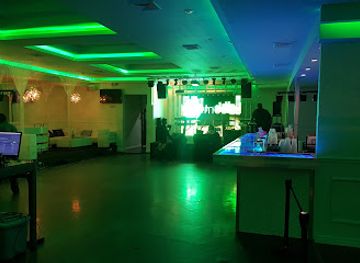
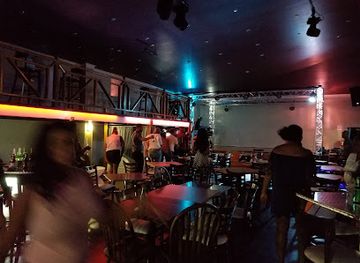
Nightlife in St Paul is limited and generally revolves around private gatherings, neighbourhood rum shops, small bars and occasional community events rather than a defined club scene. The evening atmosphere is quieter than in Port of Spain or the larger southern towns, and visitors should not expect a concentration of late-night venues within the settlement. Sangre Grande, outside St Paul, provides a wider selection of bars, casual restaurants and social venues, while more substantial live-music and nightclub options are usually found farther along the main urban corridor. Trinidad’s musical culture may be encountered through fêtes, Carnival-related events, calypso, soca, chutney and steelpan performances, but these are often seasonal or event-specific rather than nightly fixtures. Ask locally about current arrangements and return to rural accommodation responsibly, since roads may be poorly lit and transport options reduce later in the evening.
-
Night club
VAS Lounge
Discover the heartbeat of Port of Spain's nightlife at VAS Lounge, where every night is a celebration of music, dance, and culture.
-
Night club
Rush Sports Bar and Night Club
Discover the ultimate blend of sports excitement and nightlife at Rush Sports Bar and Night Club in Tacarigua, Trinidad.
-
Night club
Ibiza Night Club & Lounge
Experience the vibrant nightlife of Trinidad at Ibiza Night Club & Lounge, where music, dance, and fun converge for an unforgettable evening.
-
Night club
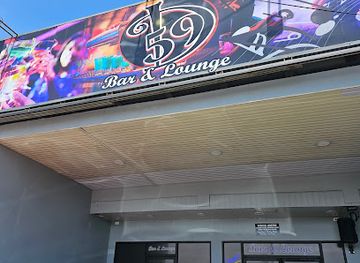
D59 Bar and Lounge
D59 Bar and Lounge in Bamboo Village: A vibrant night club experience with music, drinks, and unforgettable fun.

Best shops in St. Paul
Shopping in St Paul is mainly practical and local, with small groceries, neighbourhood shops, roadside produce sellers and informal food businesses serving residents. For a wider selection, visitors generally travel to Sangre Grande, outside the settlement, where supermarkets, pharmacies, banks, market trading and everyday services are more concentrated. Seasonal fruit, root crops, plantains, peppers, homemade preserves and locally prepared snacks can make useful regional purchases when bought directly from reputable sellers. Handicrafts and distinctive souvenirs are not a major retail industry in St Paul, so travellers seeking art, jewellery, books or nationally marketed Trinidadian products may need to shop in larger towns or established visitor areas elsewhere on the island. Carry reusable bags, keep cash available for small vendors and ask about produce rather than assuming it is locally grown. Markets and roadside stalls can change with the season, weather and trading day, making flexibility more useful than expecting a permanent tourist market.
-
Shopping mall
Trincity Mall
Explore Trincity Mall, Trinidad and Tobago's largest shopping destination, featuring diverse shops, delicious dining, and family-friendly entertainment.
-
Shopping mall
The Falls at Westmall
Discover the charm of The Falls at Westmall, a premier shopping destination featuring diverse retail, delightful dining, and vibrant entertainment in Port of Spain, Trinidad.
-
Shopping mall
Long Circular Mall
Explore the Long Circular Mall, a vibrant shopping haven in Port of Spain featuring diverse retail, dining, and entertainment options for a memorable experience.
-
Shopping mall
Gulf City Mall
Gulf City Mall: Your ultimate shopping and entertainment destination in Trinidad and Tobago, featuring diverse retail, dining, and entertainment options.



Get your free copy of our complete guide to St. Paul, delivered straight to you.
Everything on this page, from attractions and restaurants to essentials and local phrases, in one PDF you can read offline, print or share.
Already have an account? Sign in
Your St. Paul guide is ready.
We'll send it to · Not you? Sign out

Getting your guide ready…
We are putting together a fresh copy of the St. Paul guide. This can take up to a minute.
This can take a few moments. If your browser asks, choose Allow so the download can start. You'll find the guide in your Downloads folder.
Nothing happened? Download it again
Sorry, the guide is taking longer than usual. Please try again in a minute, or get it by email instead.
St. Paul essentials
Currency and Payment
Safety
Emergency Situations
Do's and Don'ts
Local Tips
From Eve
Local phrases worth knowing
You don't need to get them perfect. A few words go a long way, and locals appreciate the effort.
Basics
| English | Local | Say it |
|---|---|---|
| Hello | Wah Gwaan | [Wah Gwaan] |
| Goodbye | Later | [Ley-tah] |
| Yes | Yea | [Yea] |
| No | No | [No] |
| Please/You're welcome | Pleas/No problem | [Pleas/No prob-lem] |
| Thank you | Tank yuh | [Tank yuh] |
| Excuse me/Sorry | Excuse meh/Sorry | [Excuse meh/Sor-ree] |
| How are you? | How yuh doin? | [How yuh doin?] |
| Fine. And you? | I good. An yuh? | [I good. An yuh?] |
| Do you speak English? | Yuh does speak English? | [Yuh does speak English?] |
| I don't understand | I eh understand | [I eh understand] |
Eating & Drinking
| English | Local | Say it |
|---|---|---|
| I'd like to see the menu, please | Ah would like to see de menu, please | [Ah wud like to see de menu, please] |
| I don't eat meat | I eh eat meat | [I eh eat meat] |
| Cheers! | Cheers! | [Cheers!] |
| I would like to pay, please | Ah would like to pay, please | [Ah wud like to pay, please] |
Emergencies
| English | Local | Say it |
|---|---|---|
| Help! | Help! | [Help!] |
| Go away! | Go way! | [Go way!] |
| Call the Police! | Call de police! | [Call de po-lees!] |
| Call a doctor! | Call a doctor! | [Call a doctor!] |
| I'm lost | I lost | [I lost] |
| I'm ill | I sick | [I sick] |
Shopping
| English | Local | Say it |
|---|---|---|
| I'd like to buy... | Ah would like to buy... | [Ah wud like to buy...] |
| I'm just looking | Ah just looking | [Ah just looking] |
| How much is it? | How much it cost? | [How much it cost?] |
| That's too expensive | Dat too expensive | [Dat too expensive] |
| Can you lower the price? | Yuh could lower de price? | [Yuh could lower de price?] |
Time & Numbers
| English | Local | Say it |
|---|---|---|
| What time is it? | Wah time it is? | [Wah time it is?] |
| It's one o'clock | It one o'clock | [It one o'clock] |
| Half past (10) | Half past ten | [Half past ten] |
| Morning | Mornin | [Mornin] |
| Afternoon | Afternoon | [Afternoon] |
| Evening | Evenin | [Evenin] |
| Yesterday | Yesterday | [Yesterday] |
| Today | Today | [Today] |
| Tomorrow | Tomorrow | [Tomorrow] |
| 1 | One | [One] |
| 2 | Two | [Two] |
| 3 | Three | [Three] |
| 4 | Four | [Four] |
| 5 | Five | [Five] |
| 6 | Six | [Six] |
| 7 | Seven | [Seven] |
| 8 | Eight | [Eight] |
| 9 | Nine | [Nine] |
| 10 | Ten | [Ten] |
Transport & Directions
| English | Local | Say it |
|---|---|---|
| Where's a/the...? | Whey de...? | [Whey de...?] |
| What's the address? | Wah de address? | [Wah de address?] |
| Can you show me (on the map)? | Yuh could show me (on de map)? | [Yuh could show me (on de map)?] |
| When's the next (bus)? | When de next (bus)? | [When de next (bus)?] |
| A ticket (to ....) | A ticket (to ....) | [A ticket (to ....)] |
History of St. Paul
Indigenous Settlement and the Northern Range
Long before European colonisation, Trinidad was inhabited by Indigenous peoples who travelled through its forests, valleys and river systems. Eastern Trinidad formed part of a wider network linking the island to the Orinoco region of South America. Archaeological evidence across Trinidad indicates longstanding use of coastal and inland environments, although the surviving historical record does not provide a detailed account of St Paul as a distinct settlement. The area’s forests, waterways and cultivated clearings should therefore be understood within a much older landscape of Indigenous movement and environmental knowledge.
Spanish Trinidad and Colonial Change
Trinidad remained under Spanish rule from the late fifteenth century until the British capture of the island in 1797. During the Spanish period, settlement was concentrated unevenly and much of eastern Trinidad remained rural, forested and lightly developed compared with the central and western districts. The colonial economy brought new systems of land ownership, Christian institutions and forced migration, while Indigenous communities suffered severe disruption. British rule subsequently expanded plantation agriculture and administrative control, laying foundations for the transport routes and rural settlements that later connected communities such as St Paul with larger eastern towns.
Plantations, Emancipation and Indian Indenture
Sugar production transformed Trinidad during the nineteenth century, although the major plantation districts were concentrated in areas with suitable soils and transport links rather than evenly across the island. After emancipation in 1834, formerly enslaved people established communities and independent livelihoods, while the colonial government recruited indentured labourers from India between 1845 and 1917. Indo-Trinidadian families became especially important to the development of agriculture, commerce and religious life across eastern Trinidad. The region’s foodways, festivals, surnames, faith communities and small farming traditions reflect this period of profound demographic change.
Cocoa and Rural Agriculture
Cocoa became one of Trinidad’s most important agricultural exports during the nineteenth and early twentieth centuries. Small farms and estates spread through parts of the island’s foothills and interior, with production supported by family labour, estate workers and rural trading networks. Disease, falling prices and changing international markets later weakened the industry, but cocoa cultivation remains part of Trinidad’s agricultural heritage. In eastern communities, including the countryside around St Paul, the legacy is visible in the continued importance of smallholdings, fruit trees, provision crops and mixed rural land use.
Roads, Railways and the Growth of Eastern Towns
Transport development altered the relationship between rural settlements and market centres. Trinidad’s railway system, which operated from the nineteenth century until the 1960s, connected agricultural districts with ports and towns, while later roads encouraged private vehicles, buses and the expansion of communities along main corridors. Sangre Grande grew as a commercial and administrative centre for northeastern and eastern districts. St Paul’s modern character is consequently tied less to a single historic monument than to these wider changes in mobility, trade and the gradual integration of rural communities into Trinidad’s national economy.
Oil, Independence and Modern Trinidad
The rise of petroleum, particularly in southern Trinidad, changed the island’s economy during the twentieth century and accelerated urbanisation, public investment and social mobility. Trinidad and Tobago became independent from Britain in 1962 and a republic in 1976. Although eastern rural communities were not transformed into major oil centres, they became connected to a more urban, mobile and culturally diverse national society. Today St Paul combines older agricultural patterns with modern housing, road travel and access to services in larger towns, while remaining part of the less densely built eastern landscape.
St. Paul in Photos
Browse through our photo collection highlighting the charm and character of the destination.
Neighbouring regions of St. Paul
The closest regions to St. Paul, if you have time for more than one.
-

-

-

-

-


Swipe for more regions
Explore more
Explore more of Trinidad and Tobago
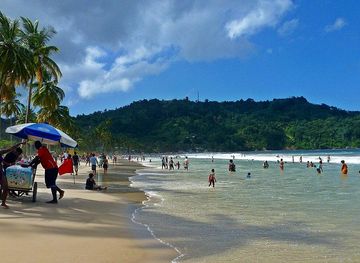
Discover Trinidad and Tobago: A Caribbean paradise where vibrant culture meets stunning natural beauty, offering unique experiences from lively festivals to serene beaches.
Explore Trinidad and Tobago