

Free Lycian Coast Travel Guide & Mobile App
Explore Lycian Coast with free travel guides. Discover regional history, expert tips, proposed trips, and audio guides on web or mobile app.


Explore Türkiye’s Lycian Coast for ancient cities, mountain-backed bays, sea-kayaking, Mediterranean food and long-distance coastal walks.
Read more about Lycian Coast
When is the best time to visit Lycian Coast?
Best: April–May, October · 23–28°C| Month | High (°C) | Rainfall (mm) |
|---|---|---|
| January | 15 | 100 |
| February | 16 | 90 |
| March | 19 | 70 |
| April (best) | 23 | 50 |
| May (best) | 28 | 30 |
| June | 33 | 20 |
| July | 36 | 10 |
| August | 36 | 10 |
| September | 31 | 20 |
| October (best) | 25 | 50 |
| November | 19 | 80 |
| December | 16 | 90 |
Getting to and around Lycian Coast
How to get there
Transportation
Top city travel guides in Lycian Coast
The cities of Lycian Coast, and the easiest places to base yourself.

Swipe for more cities
Destinations in Lycian Coast
Resorts, valleys and scenic spots worth a trip of their own.
-
-

-


Swipe for more destinations
Best attractions in Lycian Coast
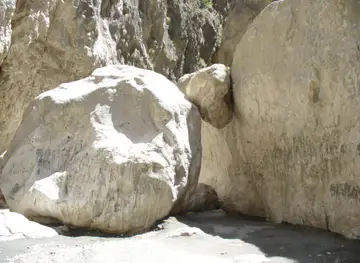
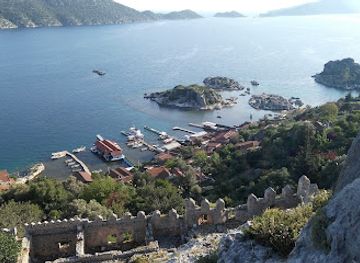
The Lycian Coast’s attractions combine archaeology, sea and mountain landscapes rather than concentrating in a single city. Fethiye provides access to harbour excursions, the cliff tombs above the town and the wide bays of the surrounding coast, while Ölüdeniz is associated with its sheltered lagoon, boat trips and paragliding from Babadağ. The western interior leads to Saklıkent Gorge and the ancient centres of Xanthos and Letoon. Around Kaş and Kalkan, visitors find diving, sea-kayaking, coves and access to the Kekova area, where submerged remains can be viewed from the water. Patara offers a substantial ancient settlement beside a long sandy beach, while Demre combines the ruins of Myra with routes towards Kekova. Farther east, Olympos, Phaselis and Çıralı bring forest trails, ancient harbours and the natural flames of Chimaera. The Lycian Way links many of these landscapes on foot, although individual stages require planning and adequate water.
-
Tourist attraction
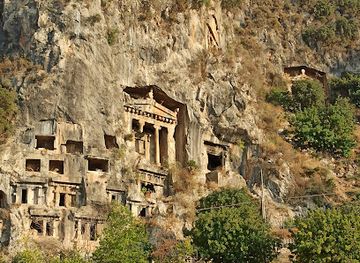
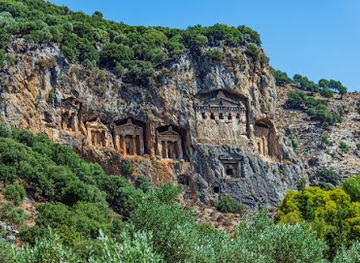
Amyntas Rock Tombs
Discover the Amyntas Rock Tombs, an ancient Lycian marvel carved into cliffs, offering breathtaking views and a glimpse into rich historical heritage.
-
Tourist attraction
YakaPark
Discover YakaPark in Seydikemer, where nature meets delightful dining experiences amidst stunning landscapes.
-
Resort hotel
Hilton Dalaman Sarigerme Resort & Spa
Discover the ultimate luxury escape at Hilton Dalaman Sarigerme Resort & Spa, where stunning views and exceptional amenities meet Turkish hospitality.
-
Water park
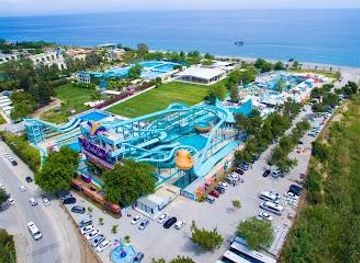
Dolusu Park Kemer
Experience a world of water fun and adventure at Dolusu Park Kemer, the ultimate family-friendly water park in Antalya, Turkey.

Best landmarks in Lycian Coast
The region’s most recognisable landmarks are often archaeological and geological rather than monumental in the conventional urban sense. The rock-cut tombs above Fethiye are an immediate reminder of ancient Telmessos, while the theatre and civic remains of Xanthos express the political importance of Lycia. Letoon, once a major sanctuary, complements Xanthos through its temples and inscriptions. Patara’s monumental gateway, theatre and assembly building stand among dunes and fields near the coast, creating one of the region’s clearest relationships between ancient city and landscape. Myra is known for its large rock-cut necropolis and theatre, and the church associated with Saint Nicholas gives nearby Demre an important Christian landmark. At Phaselis, ancient harbours remain legible between pine forest and the sea. The naturally burning Chimaera above Çıralı is a landmark of a different kind, while the submerged structures around Kekova provide a remarkable maritime archaeological landscape viewed from the water.
-
Hiking area
Lycian Way
Discover the stunning Lycian Way, a breathtaking hiking trail in Turkey showcasing stunning views, ancient ruins, and rich cultural heritage.
-
Tourist attraction
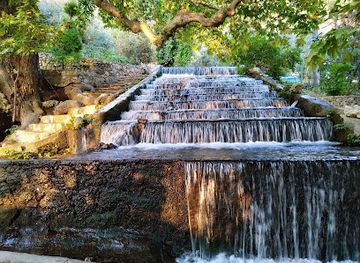
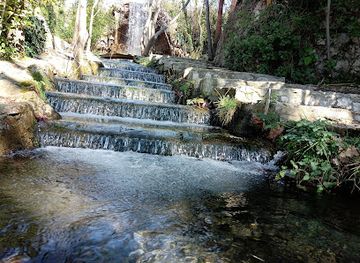
original waterfall Yakapark
Experience the tranquil beauty of Original Waterfall Yakapark in Muğla, a stunning natural attraction perfect for relaxation and exploration.
-
Historical landmark
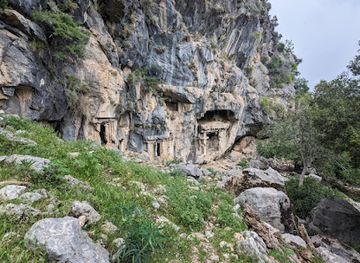
Pinara Antique City
Discover the ancient wonders of Pinara Antique City, a historical landmark in Muğla that offers breathtaking views and a journey into Lycian civilization.
-
Historical landmark
Lycia Rock Tombs
Explore the breathtaking Lycia Rock Tombs in Kaş, Turkey, a magnificent historical landmark carved into cliffs, revealing the rich heritage of the ancient Lycian civilization.
Explore Lycian Coast on the map
Plan your trip on one map. See where the top cities, national parks and sights are, and book hotels and experiences in a few clicks.
Best hotels in Lycian Coast
Best restaurants in Lycian Coast
Dining along the Lycian Coast draws on the broader Turkish Mediterranean tradition while reflecting local farming, fishing and village cooking. Menus commonly feature meze, grilled fish, prawns, seasonal vegetables, olives, citrus, pomegranates, tomatoes and herbs gathered or cultivated in the coastal valleys. Fethiye, Kaş and Kalkan offer the widest choice, from casual lokantas and breakfast cafés to restaurants focused on seafood or contemporary interpretations of Turkish dishes. In smaller settlements, family-run restaurants, village kitchens and simple waterfront establishments are often more characteristic than formal dining rooms. Around Finike and neighbouring agricultural districts, citrus and greenhouse produce are particularly important, while gözleme, pide and locally prepared pastries make useful informal meals. Markets provide fruit, nuts, olives, cheeses and regional pantry ingredients. Turkish tea and coffee remain central to everyday hospitality, and menus may also include local fruit juices, ayran and national wines or spirits rather than drinks exclusive to Lycia.
-
Restaurant
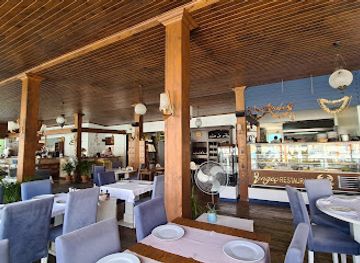
Yengec Restaurant
Discover fresh seafood delights at Yengec Restaurant in Fethiye – where every dish tells a story of flavor and tradition.
-
Restaurant
Kargıcak Koyu Dalyan
Secluded Turquoise Coast cove with pebbly beach, gourmet restaurant, and mountain vistas—perfect for chilled swims, sunsets, and upscale beach club vibes in Dalyan's hidden Gökbel reach.
-
Restaurant
Lebessos Wine Haus Restaurant (Kahvaltıcı Mahmut
Experience authentic Turkish cuisine at Lebessos Wine Haus Restaurant in Kayaköy, where local flavors meet stunning views.
-
Restaurant
Buzz Beach Bar
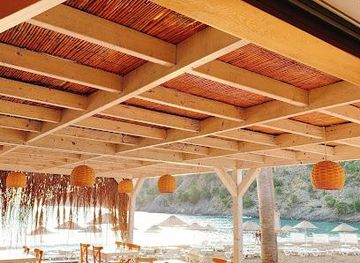
Experience unforgettable dining at Buzz Beach Bar in Ölüdeniz – where great food meets stunning sea views.
Best bars in Lycian Coast
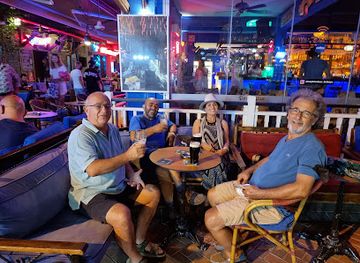
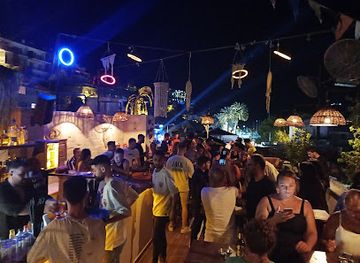
Nightlife varies sharply along the coast. Fethiye has the broadest range of evening options, including traditional meyhane-style dining, waterfront bars, live music and late venues in the central resort area. Kaş and Kalkan are more compact, with rooftop terraces, cocktail bars, restaurants and small venues where the evening usually develops around dinner and conversation. Ölüdeniz is more seasonal and resort-oriented, while Çıralı, Olympos and the smaller bays generally favour relaxed restaurants, garden bars and quiet evenings rather than large clubs. In Antalya’s coastal resort belt, nightlife is more extensive, but it has a different urban and package-tour character from the smaller Lycian settlements. During summer, boat trips and outdoor venues may extend the choice, though opening arrangements change with the season. Non-alcoholic drinks, tea and coffee are widely available, and experiencing the coast does not depend on visiting bars.
-
Restaurant
Buzz Beach Bar
Experience the perfect blend of delicious food, refreshing drinks, and stunning views at Buzz Beach Bar in Ölüdeniz, Turkey.
-
Bar
Deep Blue Bar
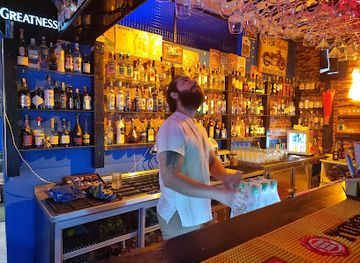
Experience the lively atmosphere and refreshing drinks at Deep Blue Bar, a top destination for tourists in Fethiye's vibrant nightlife.
-
Bar
NIL Bar Restaurant
Discover NIL Bar Restaurant in Fethiye: A culinary haven blending local flavors with a vibrant atmosphere perfect for tourists seeking an unforgettable dining experience.
-
Pub
Efes Garden Pub
Discover the vibrant Efes Garden Pub in Ölüdeniz, where delicious food and refreshing drinks meet a lively social atmosphere.
Best nightclubs in Lycian Coast
Nightlife varies sharply along the coast. Fethiye has the broadest range of evening options, including traditional meyhane-style dining, waterfront bars, live music and late venues in the central resort area. Kaş and Kalkan are more compact, with rooftop terraces, cocktail bars, restaurants and small venues where the evening usually develops around dinner and conversation. Ölüdeniz is more seasonal and resort-oriented, while Çıralı, Olympos and the smaller bays generally favour relaxed restaurants, garden bars and quiet evenings rather than large clubs. In Antalya’s coastal resort belt, nightlife is more extensive, but it has a different urban and package-tour character from the smaller Lycian settlements. During summer, boat trips and outdoor venues may extend the choice, though opening arrangements change with the season. Non-alcoholic drinks, tea and coffee are widely available, and experiencing the coast does not depend on visiting bars.
-
Bar
Deep Blue Bar
Unwind at Deep Blue Bar, a lively Fethiye hotspot offering refreshing drinks, delicious snacks, and a welcoming atmosphere for tourists and locals alike.
-
Night club
Boğa Club & Terrace
Discover Fethiye's premier nightlife experience at Boğa Club & Terrace, where music, dancing, and stunning views create unforgettable memories.
-
Night club
Avalon Fethiye
Avalon Fethiye: A vibrant night club in Turkey's Fethiye, offering unforgettable dance and musical experiences for every visitor.
-
Bar
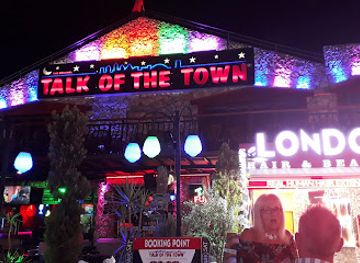
Talk Of The Town
Experience the lively atmosphere and delicious cocktails at Talk Of The Town, Ölüdeniz's favorite bar for unforgettable nights.
Best shops in Lycian Coast
Shopping on the Lycian Coast is strongest in market towns and resort centres rather than in large dedicated retail districts. Fethiye has the broadest everyday choice, with food shops, clothing retailers, market stalls and businesses serving both residents and visitors. Kaş and Kalkan are known for smaller independent shops, galleries, jewellery, textiles, leather goods and contemporary craft, while Antalya provides the region’s largest urban retail selection outside the smaller coastal settlements. Weekly markets are useful for seasonal fruit, vegetables, olives, cheeses, spices and household goods, although market days vary by town. Local food products make practical gifts: citrus, pomegranate products, honey, dried herbs, olive oil and regional sweets are widely encountered. Look for handmade ceramics, woven textiles and jewellery, but check quality and provenance before buying. Bargaining may be appropriate in some market settings, whereas fixed-price shops and galleries generally expect straightforward transactions.
-
Shopping mall
TerraCity
Discover the vibrant shopping scene and diverse dining options at TerraCity, Antalya's top shopping mall, perfect for tourists and locals alike.
-
Convenience store
Koyuncu Ticaret Kadıköy
Explore Seydikemer with convenience at Koyuncu Ticaret Kadıköy, your go-to spot for local snacks and essentials.
-
Store
Unique Designe
Discover Unique Designe, a vibrant department store blending modern style with local charm in the heart of Fethiye, Turkey.
-
 Shopping mall
A101 Eşen Mağazası
Discover the charm of Turkish shopping at A101 Eşen Mağazası in Fethiye, where local culture meets convenience in a vibrant shopping experience.

Get your free copy of our complete guide to Lycian Coast, delivered straight to you.
Everything on this page, from attractions and restaurants to essentials and local phrases, in one PDF you can read offline, print or share.
Already have an account? Sign in
Your Lycian Coast guide is ready.
We'll send it to · Not you? Sign out

Getting your guide ready…
We are putting together a fresh copy of the Lycian Coast guide. This can take up to a minute.
This can take a few moments. If your browser asks, choose Allow so the download can start. You'll find the guide in your Downloads folder.
Nothing happened? Download it again
Sorry, the guide is taking longer than usual. Please try again in a minute, or get it by email instead.
Lycian Coast essentials
Currency and Payment
Safety
Emergency Situations
Do's and Don'ts
Local Tips
From Eve
Local phrases worth knowing
You don't need to get them perfect. A few words go a long way, and locals appreciate the effort.
Basics
| English | Local | Say it |
|---|---|---|
| Hello | Merhaba | [mehr-HAH-bah] |
| Goodbye | Hoşça kal | [hosh-CHA kahl] |
| Yes | Evet | [eh-VET] |
| No | Hayır | [HAH-yuhr] |
| Please/You're welcome | Lütfen/ Rica ederim | [LOOT-fen/ ree-JAH eh-DEH-rim] |
| Thank you | Teşekkür ederim | [teh-shehk-KOOR eh-DEH-rim] |
| Excuse me/Sorry | Affedersiniz/ Özür dilerim | [ah-feh-DEHR-see-neez/ oh-ZOOR dee-leh-rim] |
| How are you? | Nasılsınız? | [NAH-suhl-suhn-uhz] |
| Fine. And you? | İyiyim. Ya siz? | [EE-yee-yim. YAH seez?] |
| Do you speak English? | İngilizce biliyor musunuz? | [een-gee-LEEZ-jay bee-LEE-yor moo-SOO-nuz?] |
| I don't understand | Anlamıyorum | [ahn-lah-MEE-yor-um] |
Eating & Drinking
| English | Local | Say it |
|---|---|---|
| I'd like to see the menu, please | Menüyü görmek isterim, lütfen | [meh-NOO-yoo GOER-mehk ees-TEH-rim, LOOT-fen] |
| I don't eat meat | Et yemiyorum | [et YEH-mee-yor-um] |
| Cheers! | Şerefe! | [sheh-REH-feh] |
| I would like to pay, please | Ödemek isterim, lütfen | [oe-DEH-mehk ees-TEH-rim, LOOT-fen] |
Emergencies
| English | Local | Say it |
|---|---|---|
| Help! | Yardım edin! | [YAR-dum eh-DEEN!] |
| Go away! | Git buradan! | [GEET boo-RAH-dahn!] |
| Call the Police! | Polisi çağırın! | [poh-LEE-see CHAH-uh-rin!] |
| Call a doctor! | Doktor çağırın! | [DOK-tor CHAH-uh-rin!] |
| I'm lost | Kayboldum | [KAHY-bol-dum] |
| I'm ill | Hastayım | [HAH-stah-yim] |
Shopping
| English | Local | Say it |
|---|---|---|
| I'd like to buy... | Satın almak istiyorum... | [sah-TUHN ahl-MAHK ees-tee-YOHR-um] |
| I'm just looking | Sadece bakıyorum | [SAH-deh-jeh bah-KIY-or-um] |
| How much is it? | Bu ne kadar? | [boo NEH kah-DAHR?] |
| That's too expensive | Bu çok pahalı | [boo CHOK pah-HAH-luh] |
| Can you lower the price? | Fiyatı düşürebilir misiniz? | [FEE-yah-tuh DOO-sheh-reh-BEEL-eer MEE-see-neez?] |
Time & Numbers
| English | Local | Say it |
|---|---|---|
| What time is it? | Saat kaç? | [sah-AT kahch?] |
| It's one o'clock | Saat bir | [sah-AT beer] |
| Half past (10) | On buçuk | [on BOO-chook] |
| Morning | Sabah | [sah-BAH] |
| Afternoon | Öğle | [oe-GLEH] |
| Evening | Akşam | [ahk-SHAHM] |
| Yesterday | Dün | [DUN] |
| Today | Bugün | [boo-GOON] |
| Tomorrow | Yarın | [YAH-ruhn] |
| 1 | Bir | [beer] |
| 2 | İki | [ee-KEE] |
| 3 | Üç | [OOSH] |
| 4 | Dört | [DUERT] |
| 5 | Beş | [BESH] |
| 6 | Altı | [AHL-tee] |
| 7 | Yedi | [YEH-dee] |
| 8 | Sekiz | [seh-KEEZ] |
| 9 | Dokuz | [DOH-kooz] |
| 10 | On | [ON] |
Transport & Directions
| English | Local | Say it |
|---|---|---|
| Where's a/the...? | Nerede...? | [NEH-reh-de...?] |
| What's the address? | Adres nedir? | [ah-DRES NEH-deer?] |
| Can you show me (on the map)? | Bana (haritada) gösterebilir misiniz? | [BAH-nah (hah-REE-tah-dah) GOES-teh-reh-BEEL-eer MEE-see-neez?] |
| When's the next (bus)? | Sonraki (otobüs) ne zaman? | [SON-rah-kee (oh-toh-BUESS) NEH zah-MAHN?] |
| A ticket (to ....) | Bir bilet (....) | [beer bee-LET (....)] |
History of Lycian Coast
The Lycian Confederation and Early Settlements
Lycia developed as a distinctive civilisation in the mountainous peninsula between the Dalaman region and the Gulf of Antalya. Its communities spoke a language related to the wider Anatolian languages and built civic centres at places including Xanthos, Patara and Myra. From the fifth century BCE, several Lycian cities formed a political league with an unusually sophisticated system of representation for the ancient world. Rock-cut tombs, freestanding sarcophagi and theatre remains reveal both local traditions and sustained contact with neighbouring Caria, Greece and Anatolia.
Persian, Greek and Hellenistic Rule
Lycia came under the influence of the Persian Empire during the fifth and fourth centuries BCE, while local dynasts retained considerable authority. Alexander the Great’s campaigns brought the region into the Hellenistic world, after which control passed among successor kingdoms, including the Ptolemies and Seleucids. Greek architectural forms became increasingly prominent in urban centres, but Lycian funerary monuments and political traditions continued. The mixed heritage is visible in the plans, inscriptions and sculptural remains of sites such as Xanthos and Letoon.
Roman Lycia and the Port of Patara
Rome incorporated Lycia in the first century BCE, later organising it with neighbouring Pamphylia as the province of Lycia et Pamphylia. Roads, civic buildings and harbours expanded, and Patara became an important port and administrative centre. Myra also prospered, while theatres, baths and monumental gateways were constructed or remodelled across the region. Roman rule did not erase local identity: the cities retained distinctive religious and civic traditions, although imperial administration and Mediterranean commerce linked the coast more closely to the wider Roman world.
Christianity and the Byzantine Coast
Christian communities became established along the Lycian Coast during late antiquity. Myra gained particular importance through its bishop Nicholas, later known internationally as Saint Nicholas, whose historical association remains central to the town. Patara was also an early Christian centre and is traditionally linked with Saint Paul’s journeys. As the eastern Roman, or Byzantine, Empire faced political pressure and economic change, some coastal cities contracted, while fortified settlements and religious foundations continued in more defensible locations.
Turkish Principalities and Ottoman Incorporation
From the eleventh century onwards, Turkic powers gradually established control across Anatolia, although the southern coast experienced shifting Byzantine, Seljuk and local political influences. Antalya became an important Seljuk port, while the Teke area was later associated with the Anatolian beylik of Teke. Ottoman authority was consolidated in the region during the late medieval and early modern period. Rural settlement, agriculture, seafaring and small-scale trade continued to shape the coast, whose towns remained less urbanised than the major centres of western Anatolia.
Maritime Trade, Agriculture and Coastal Communities
For centuries, the coast’s economy depended on small harbours, fishing, timber, farming and maritime exchange rather than on large industry. Citrus cultivation became particularly important around Finike and neighbouring districts, while olive groves, pomegranate orchards and greenhouse agriculture altered many coastal valleys in the modern period. Mountainous terrain kept communities relatively distinct from one another, and sea routes often connected settlements more easily than overland travel. Traditional gulets, now mainly used for tourism, echo the region’s long relationship with coastal navigation.
Archaeology, Conservation and Modern Tourism
The modern tourism economy expanded rapidly along the coast from the second half of the twentieth century, especially around Fethiye, Ölüdeniz, Kalkan, Kaş and Antalya. At the same time, archaeological work and conservation brought wider recognition to Xanthos, Letoon, Patara, Myra, Olympos and other ancient centres. UNESCO lists Xanthos and Letoon together as a World Heritage property. Protected beaches, marine areas and mountain landscapes now sit alongside resorts, creating an ongoing balance between visitor access, construction, agriculture and the preservation of a densely layered cultural landscape.
Lycian Coast in Photos
Browse through our photo collection highlighting the charm and character of the destination.
Neighbouring regions of Lycian Coast
The closest regions to Lycian Coast, if you have time for more than one.
-

-

-

-

-


Swipe for more regions
Explore more
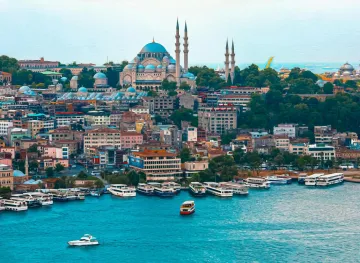
Explore more of Turkiye
Discover Turkiye: Where ancient history, stunning landscapes, and vibrant culture come together to create an unforgettable travel experience.
Explore Turkiye