

Caria, Turkiye Travel Guide
Discover Caria in Turkiye, an ancient region filled with historic ruins, charming villages, and stunning natural landscapes perfect for history buffs and nature lovers alike.
Caria, a hidden gem in southwestern Turkiye, offers a captivating blend of history, culture, and natural beauty. This ancient region, once home to the Carian people, is dotted with historic ruins, quaint villages, and scenic landscapes that provide a unique experience for visitors. Wander through the ancient city of Knidos, where you can marvel at the well-preserved ruins of temples, theaters, and an impressive harbor. This archaeological site offers a glimpse into Caria's rich past and is a must-visit for history enthusiasts. The region is also home to the charming village of Akyaka, known for its traditional Ottoman-style houses and stunning views of the Azmak River. Nature lovers will find Caria's landscapes breathtaking. The Datça Peninsula, with its rugged coastline and pristine beaches, is perfect for hiking, swimming, and enjoying the Mediterranean sun. Caria's diverse flora and fauna make it a paradise for bird watchers and nature photographers. Don't miss the opportunity to explore the stunning Gökova Bay, where turquoise waters meet lush greenery.

Know before you go
Hi, I'm Eve. Here are a few practical things to know before exploring Caria.
- Visit Knidos early in the morning to avoid crowds and enjoy the serene atmosphere.
- Try the local seafood in Akyaka; it's fresh and delicious.
- Bring comfortable walking shoes for exploring the archaeological sites and hiking trails.
- Don't forget your sunscreen and hat; the Mediterranean sun can be intense.
- Consider renting a car to explore the region at your own pace.
Top City Travel Guides in Caria
The cities of Caria, and the easiest places to base yourself.


Destinations in Caria
Resorts, valleys and scenic spots worth a trip of their own.


Explore Caria: Things to Do, Places to Eat, Hotels & More
Handpicked recommendations for top attractions, local dining, accommodations, and more

Top Attractions & Sightseeing in Caria
Top-rated picks
Best Attractions

Palace of the Grand Master of the Knights of Rhodes
Discover the rich history and stunning architecture of the Palace of the Grand Master of the Knights of Rhodes, a must-visit historical landmark.

Göbeklitepe
Explore Göbeklitepe, the world's oldest temple, a UNESCO World Heritage Site in Turkey, revealing the roots of civilization and early spirituality.

Medieval City of Rhodes
Discover the rich history and stunning architecture of the Medieval City of Rhodes, a UNESCO World Heritage site steeped in captivating stories.

Sümela Monastery
Discover the breathtaking Sümela Monastery, a historic gem perched in the Altındere Valley National Park, blending spirituality and stunning natural beauty.

Best landmarks in Caria
Top-rated picks
Best Landmarks

Grand Bazaar
Experience the enchantment of Istanbul at the Grand Bazaar, a historic marketplace overflowing with treasures, culture, and vibrant atmosphere.

Hagia Sophia Grand Mosque
Explore the Hagia Sophia Grand Mosque, a UNESCO World Heritage site showcasing stunning mosaics and architectural grandeur in the heart of Istanbul.

Anıtkabir
Discover Anıtkabir, the grand mausoleum of Mustafa Kemal Atatürk, where Turkish history and national pride converge in an architecturally stunning setting.

Topkapi Palace Museum
Explore the opulent history of the Ottoman Empire at Topkapi Palace Museum, a UNESCO World Heritage Site in Istanbul.

Best restaurants in Caria
Top-rated picks
Best Restaurants

Hanzade Terrace Restaurant
Experience authentic Turkish cuisine with breathtaking views at Hanzade Terrace Restaurant in Istanbul.

ANTAKYA RESTAURANT
Discover the essence of Turkish cuisine at Antakya Restaurant in Istanbul - a flavorful journey through traditional dishes and Mediterranean delights.

Old Ottoman Cafe & Restaurant
Experience authentic Turkish cuisine in a historic setting at Old Ottoman Cafe & Restaurant in Istanbul's Fatih district.

Feriye Lokantasi
Experience exquisite Turkish cuisine with breathtaking Bosphorus views at Feriye Lokantası in Istanbul.

Best bars in Caria
Top-rated picks
Best Bars

Bono Good Times Beach
Experience the vibrant culinary scene at Bono Good Times Beach in Marmaris, where delicious food meets stunning seaside views.

U2 Istanbul Irish Pub
Discover the lively atmosphere of U2 Istanbul Irish Pub, where authentic Irish cuisine meets vibrant nightlife in the heart of Istanbul's Beyoğlu district.

Ritim
Experience the vibrant nightlife of Istanbul at Ritim, a premier bar and nightclub in the heart of Beyoğlu, perfect for dancing and socializing.

BeerHall
Discover the lively BeerHall in Beşiktaş, Istanbul, where great beers and delightful food create an unforgettable social experience.

Best nightclubs in Caria
Top-rated picks
Best Nightclubs

Karma Restaurant & Night Club
Dive into an unforgettable culinary and nightlife experience at Karma Restaurant & Night Club in Side, where vibrant flavors and electrifying beats await.

AURA CLUB KEMER
Experience the vibrant nightlife of Kemer at AURA CLUB, where dancing, entertainment, and unforgettable memories await every night.

Joy Club
Discover the vibrant nightlife of Marmaris at Joy Club, where great music and unforgettable moments await every night.

Olivia Disco & Bar
Olivia Disco & Bar: Dive into Antalya's nightlife with vibrant music, creative cocktails, and an electrifying atmosphere.

Best shops in Caria
Top-rated picks
Best Shops

İstanbul Cevahir Shopping Mall
Discover the ultimate shopping experience at İstanbul Cevahir Shopping Mall, featuring a diverse array of shops, dining, and entertainment options.

Venezia Mega Outlet
Discover unbeatable deals and a lively shopping atmosphere at Venezia Mega Outlet, Istanbul's top shopping destination for style and savings.

İstinye Park Alışveriş Merkezi
Discover luxury shopping and gourmet dining at İstinye Park Alışveriş Merkezi, Istanbul's premier shopping destination.

Alara Grand Bazaar
Discover the vibrant Alara Grand Bazaar in Alanya, where local culture, unique souvenirs, and delicious street food await every traveler.

Explore Caria on the Map
A handpicked selection of must-see spots in Caria, mapped for you.
Caria Essentials
-
Caria, a historical region in southwestern Turkiye, can be accessed primarily through two major airports: Milas-Bodrum Airport (BJV) and Dalaman Airport (DLM). Both airports serve international and domestic flights. From the airports, you can take a taxi, shuttle bus, or rent a car to reach various locations within Caria. There are also bus services from major Turkish cities like Istanbul, Ankara, and Izmir to towns within Caria, such as Bodrum, Marmaris, and Fethiye.
-
Within Caria, you can use several modes of transportation to get around. The local dolmuş (shared mini-buses) are a convenient and affordable option for short distances between towns and cities. Taxis are readily available but can be more expensive. Renting a car offers the flexibility to explore the region at your own pace. Additionally, there are intercity bus services that connect the major towns and cities in Caria. For coastal destinations, ferries and boats are available, particularly in places like Bodrum and Marmaris.
-
The official currency in Turkiye is the Turkish Lira (TRY). Credit cards are widely accepted in hotels, restaurants, and shops, especially in tourist areas. However, it is advisable to carry some cash for small purchases, tips, and in rural areas where card payments may not be accepted. ATMs are plentiful in major towns and tourist areas, and they dispense Turkish Lira. Currency exchange services are available at airports, banks, and exchange offices.
-
Caria is generally a safe region for tourists, but it is always wise to take standard precautions. Avoid displaying valuables and be cautious in crowded places to prevent pickpocketing. While most areas are safe, it is recommended to avoid poorly lit and isolated areas at night. If you plan to hike or explore remote archaeological sites, inform someone of your plans and consider hiring a local guide. Emergency numbers in Turkiye include 112 for medical emergencies, 155 for police, and 110 for fire.
-
In case of an emergency, dial 112 for medical assistance, which is the general emergency number in Turkiye. The hospitals and clinics in major towns like Bodrum and Marmaris are well-equipped to handle medical emergencies. For police assistance, dial 155. It is recommended to have travel insurance that covers medical emergencies. Pharmacies (eczane) are available in towns and cities for minor health issues, and most pharmacists speak some English.
-
Fashion: Do dress modestly, especially when visiting religious sites. Avoid wearing revealing clothing. Religion: Do respect local customs and traditions. When visiting mosques, cover your head, shoulders, and legs. Public Transport: Do be respectful and give up your seat to elderly passengers. Don’t eat or drink on public transport. Greetings: Do greet people with a handshake. A slight bow of the head is also a sign of respect. Eating & Drinking: Do try local delicacies and accept food offerings graciously. Don’t refuse hospitality, as it is considered impolite.
-
To experience Caria like a local, visit the local markets where you can buy fresh produce, spices, and traditional Turkish goods. Engage with locals, as they are often friendly and willing to share stories about the area's history and culture. Don’t miss visiting historical sites like the Mausoleum at Halicarnassus in Bodrum and the ancient city of Knidos. For a unique experience, take a boat tour along the coast to explore hidden coves and beaches. Enjoy traditional Turkish tea or coffee in local cafes and try local dishes such as mezes, kebabs, and seafood.
When is the best time to visit Caria?
Useful Local Phrases for Caria
You don't need to speak the language perfectly. Even learning a few simple words can make conversations warmer—and locals usually appreciate the effort.
— Eve

Here are the phrases I use most often in Caria. Try a few—you'll be surprised how far they go! 😊
❤️
-
- HelloMerhaba
[Mehr-hah-bah] - GoodbyeHoşça kal
[Hosh-chah kahl] - YesEvet
[Eh-vet] - NoHayır
[Hah-yuhr] - Please/You're welcomeLütfen
[Lüt-fen] - Thank youTeşekkür ederim
[Teh-shehk-kur eh-deh-reem] - Excuse me/SorryAffedersiniz
[Ah-feh-dehr-see-neez] - How are you?Nasılsınız?
[Nah-suhl-suhn-uhz] - Fine. And you?İyiyim. Siz nasılsınız?
[Ee-yee-yim. Sees nah-suhl-suhn-uhz] - Do you speak English?İngilizce konuşuyor musunuz?
[Eeng-ee-leez-jeh koh-noo-shoo-yor moo-soo-nuhz] - I don't understandAnlamıyorum
[Ahn-lah-muh-yor-uhm]
- HelloMerhaba
-
- I'd like to see the menu, pleaseMenüyü görmek istiyorum, lütfen
[Meh-nü-yü gör-mehk ees-tee-yor-um, lüt-fen] - I don't eat meatEt yemiyorum
[Et yeh-mee-yor-um] - Cheers!Şerefe!
[Sheh-reh-feh] - I would like to pay, pleaseÖdemek istiyorum, lütfen
[Öh-deh-mehk ees-tee-yor-um, lüt-fen]
- I'd like to see the menu, pleaseMenüyü görmek istiyorum, lütfen
-
- Help!Yardım edin!
[Yahr-duhm eh-deen] - Go away!Defol!
[Deh-fol] - Call the Police!Polisi ara!
[Poh-lee-see ah-rah] - Call a doctor!Doktor çağır!
[Dohk-tor chah-uh] - I'm lostKayboldum
[Kah-y-bol-doom] - I'm illHastayım
[Has-tah-yim]
- Help!Yardım edin!
-
- I'd like to buy...Satın almak istiyorum...
[Sah-tuhn ahl-mahk ees-tee-yor-um] - I'm just lookingSadece bakıyorum
[Sah-deh-jeh bah-kee-yor-um] - How much is it?Bu ne kadar?
[Boo neh kah-dar] - That's too expensiveBu çok pahalı
[Boo chohk pah-hah-luh] - Can you lower the price?Fiyatı düşürebilir misiniz?
[Fee-yah-tuh dü-shü-reh-bee-leer mee-see-niz]
- I'd like to buy...Satın almak istiyorum...
-
- What time is it?Saat kaç?
[Sah-aht kahch] - It's one o'clockSaat bir
[Sah-aht beer] - Half past (10)On buçuk
[On boo-chook] - MorningSabah
[Sah-bah] - AfternoonÖğleden sonra
[Öh-leh-den sohn-rah] - EveningAkşam
[Ahk-shahm] - YesterdayDün
[Dün] - TodayBugün
[Boo-gün] - TomorrowYarın
[Yah-ruhn] - 1Bir
[Beer] - 2İki
[Ee-kee] - 3Üç
[Üch] - 4Dört
[Dört] - 5Beş
[Besh] - 6Altı
[Ahl-tuh] - 7Yedi
[Yeh-dee] - 8Sekiz
[Seh-keez] - 9Dokuz
[Doh-kooz] - 10On
[On]
- What time is it?Saat kaç?
-
- Where's a/the...?Nerede bir ...?
[Neh-reh-de beer ...] - What's the address?Adres nedir?
[Ah-dres neh-deer] - Can you show me (on the map)?Bana (haritada) gösterebilir misiniz?
[Bah-nah (hah-ree-tah-dah) gohs-teh-reh-bee-leer mee-see-niz] - When's the next (bus)?Bir sonraki (otobüs) ne zaman?
[Beer sohn-rah-kee (oh-toh-büsh) neh zah-mahn] - A ticket (to ....)Bir bilet (....)
[Beer bee-let (....)]
- Where's a/the...?Nerede bir ...?
History of Caria
-
Caria, located in modern-day southwestern Turkey, has a rich history that dates back to the Bronze Age. The region was originally inhabited by the Carians, an indigenous people who spoke a non-Greek language. Archaeological evidence suggests that Caria was a vibrant and complex society, with its own unique customs, beliefs, and art forms.
-
Around the 2nd millennium BCE, Caria came under the influence of the Minoan and Mycenaean civilizations. Trade and cultural exchanges flourished, leading to the integration of Minoan and Mycenaean elements into Carian society. This period saw the construction of significant architectural structures and the development of advanced pottery techniques.
-
In the 6th century BCE, Caria was conquered by the Persian Empire under Cyrus the Great. The Carians became subjects of the Achaemenid Empire, but they maintained a degree of autonomy. The region was governed by local dynasts who often intermarried with Persian nobility, blending Persian and Carian cultures.
-
Following the conquests of Alexander the Great in the 4th century BCE, Caria became part of the Hellenistic world. The region was deeply Hellenized, and many cities, such as Halicarnassus, became centers of Greek culture and learning. The Mausoleum at Halicarnassus, one of the Seven Wonders of the Ancient World, was constructed during this time.
-
After the fall of the Hellenistic kingdoms, Caria was incorporated into the Roman Empire. The region thrived under Roman rule, with the construction of roads, aqueducts, and public buildings. Caria continued to be an important cultural and economic hub during the Byzantine period, with many churches and monasteries being built.
-
In the 11th century CE, Caria came under the control of the Seljuk Turks, followed by the Ottomans in the 14th century. The region saw the construction of mosques, caravanserais, and other Islamic architecture. Caria's strategic location made it a crucial area for trade and military campaigns during the Ottoman period.
-
Today, Caria is a fascinating blend of ancient ruins and modern Turkish culture. The region's historical sites, such as the ruins of Halicarnassus and the ancient city of Knidos, attract tourists from around the world. Local traditions, crafts, and cuisine continue to reflect Caria's rich and diverse heritage.
Neighbouring Regions of Caria
The closest regions to Caria, if you have time for more than one.
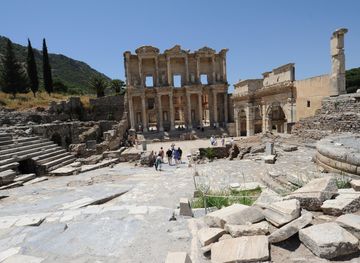


Your all‑in‑one travel companion app
Explore expert travel guides, compare and book tours, experiences, hotels, and more—all from the palm of your hand. Download now for seamless trip planning wherever your wanderlust takes you.


Explore More of Turkiye
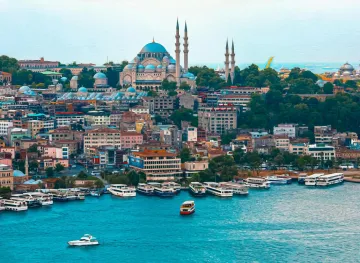
Looking beyond Caria? Discover Turkiye for broader travel guides, local hot-spots, and regional highlights.
Explore TurkiyeCaria in Photos
Browse through our photo collection highlighting the charm and character of the destination.


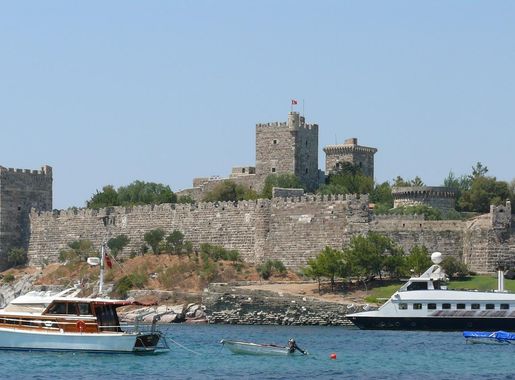


Caria: The Hidden Gem of Turkiye
Caria, a hidden gem in southwestern Turkiye, offers a captivating blend of history, culture, and natural beauty. This ancient region, once home to the Carian people, is dotted with historic ruins, quaint villages, and scenic landscapes that provide a unique experience for visitors. Wander through the ancient city of Knidos, where you can marvel at the well-preserved ruins of temples, theaters, and an impressive harbor. This archaeological site offers a glimpse into Caria's rich past and is a must-visit for history enthusiasts. The region is also home to the charming village of Akyaka, known for its traditional Ottoman-style houses and stunning views of the Azmak River. Nature lovers will find Caria's landscapes breathtaking. The Datça Peninsula, with its rugged coastline and pristine beaches, is perfect for hiking, swimming, and enjoying the Mediterranean sun. Caria's diverse flora and fauna make it a paradise for bird watchers and nature photographers. Don't miss the opportunity to explore the stunning Gökova Bay, where turquoise waters meet lush greenery.