Free Lycia Travel Guide & Mobile App
Explore Lycia with free travel guides. Discover regional history, expert tips, proposed trips, and audio guides on web or mobile app.


Explore Lycia in Turkiye for ancient ruins, Mediterranean coves, mountain trails and historic coastal towns between Fethiye and Antalya.
Read more about Lycia
When is the best time to visit Lycia?
Best: May–June, October · 25–32°C| Month | High (°C) | Rainfall (mm) |
|---|---|---|
| January | 14 | 200 |
| February | 15 | 171 |
| March | 18 | 121 |
| April | 22 | 71 |
| May (best) | 26 | 50 |
| June (best) | 32 | 20 |
| July | 34 | 10 |
| August | 34 | 11 |
| September | 31 | 30 |
| October (best) | 25 | 81 |
| November | 19 | 121 |
| December | 15 | 161 |
Getting to and around Lycia
How to get there
Transportation
Top city travel guides in Lycia
The cities of Lycia, and the easiest places to base yourself.

Swipe for more cities
Destinations in Lycia
Resorts, valleys and scenic spots worth a trip of their own.
-
-

-


Swipe for more destinations
Best attractions in Lycia
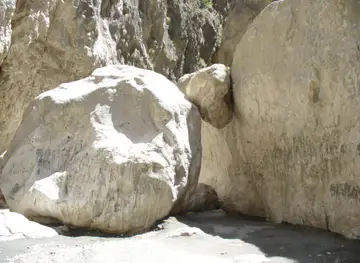
Lycia’s attractions are spread across a coastal and mountainous landscape rather than concentrated in one city. Archaeology is the central thread: Xanthos and Letoon reveal the political and religious importance of ancient Lycia, Patara combines a substantial ruined city with a long sandy beach, and Myra near Demre is known for its rock-cut tombs and Roman theatre. Tlos, Pinara, Limyra and Arykanda offer different settings among valleys and hills, often with fewer visitor facilities. Olympos and Phaselis place ancient remains beside forest and the Mediterranean, while Saklıkent provides a dramatic canyon experience in the mountainous interior. The Lycian Way links many landscapes through marked walking sections, though some require planning for heat, water and transport. Around Fethiye, Ölüdeniz, Kalkan, Kaş and Demre, boat trips, swimming, diving and sea kayaking provide access to coves and offshore scenery. The region’s appeal lies in the relationship between ruins, mountains and water rather than in any single attraction.
-
Historical landmark
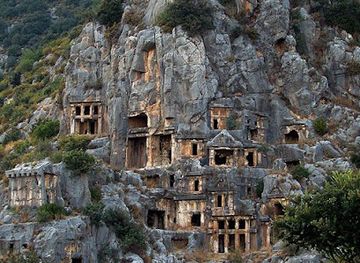
Myra Ancient City
Discover the ancient allure of Myra, where history and breathtaking landscapes intertwine in the heart of Antalya, Turkey.
-
Historical landmark
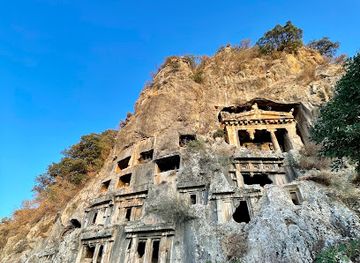
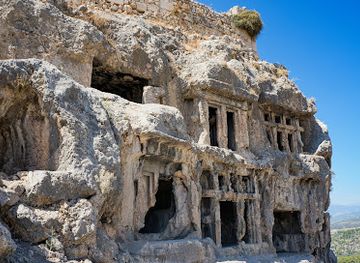
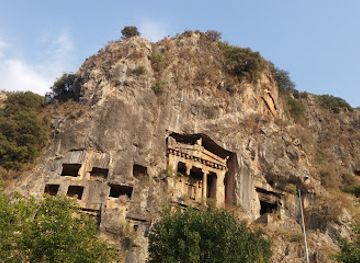
Amyntas Rock Tombs
Explore the Amyntas Rock Tombs in Fethiye, Turkey—an iconic historical site offering breathtaking views and insights into ancient Lycian culture.
-
Historical landmark
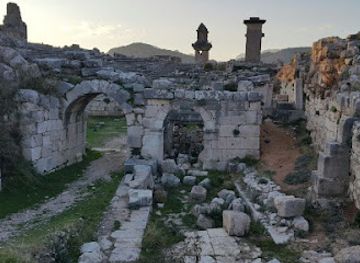
Tlos Ruins
Discover the Tlos Ruins, a historical gem in Fethiye, where ancient Lycian culture meets breathtaking landscapes.
-
Tourist attraction
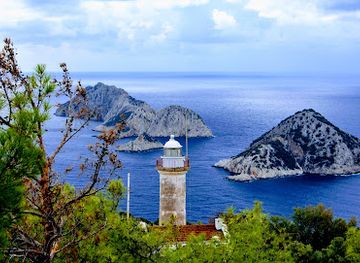
Gelidonya Lighthouse
Discover the stunning Gelidonya Lighthouse along the Lycian Way, a perfect blend of history, nature, and breathtaking coastal views.
Best landmarks in Lycia
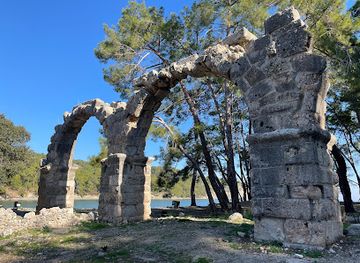
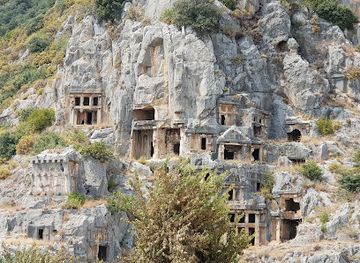
The most recognisable landmarks of Lycia are often carved from the region’s own pale limestone. At Xanthos, monumental tombs and the theatre mark the centre of an ancient city that played a leading political role. The sanctuary at Letoon, with its temples and sacred pools, is a major expression of Lycian religious life. Patara’s theatre, council hall and monumental gate stand within the remains of a former port, while the nearby beach gives the site an unusually open coastal setting. Myra’s high rock-cut tombs form a dramatic façade above the ancient city, and the Church of Saint Nicholas in modern Demre represents the region’s later Christian heritage. The ruins of Phaselis are distinguished by their three natural harbours and surviving colonnaded streets; Olympos is known for its wooded valley and scattered ancient structures. Inland, the hillside tombs and ruins of Tlos and Pinara demonstrate how Lycian architecture was adapted to mountainous terrain, while the high limestone landscape of Saklıkent is a natural landmark shaped by water rather than masonry.
-
Historical landmark
Phaselis Ancient City
Uncover the ancient wonders of Phaselis, a stunning historical landmark in Antalya that offers breathtaking views and a rich cultural experience.
-
Historical landmark
Myra Ancient City
Explore the ancient ruins of Myra, where history and breathtaking landscapes converge in the heart of Antalya's coastal beauty.
-
Historical landmark
Amyntas Rock Tombs
Explore the breathtaking Amyntas Rock Tombs, a historical treasure of ancient Lycia, offering stunning views and rich cultural heritage in Fethiye, Turkey.
-
Hiking area
Lycian Way
Discover the breathtaking beauty and rich history of the Lycian Way, a stunning hiking trail along Turkey's southwestern coast.
Explore Lycia on the map
Plan your trip on one map. See where the top cities, national parks and sights are, and book hotels and experiences in a few clicks.
Best hotels in Lycia
Best restaurants in Lycia
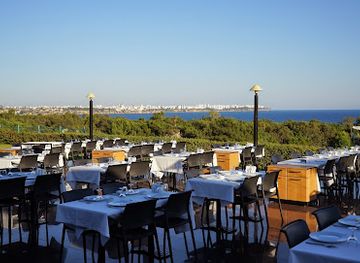
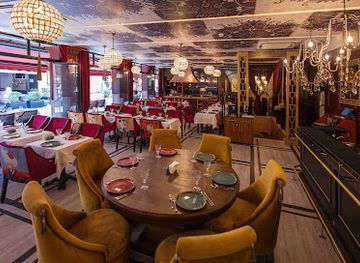
Dining in Lycia reflects the wider cuisine of Turkiye while drawing on the Mediterranean coast and the agricultural hinterland. Fethiye, Kaş, Kalkan and Demre offer restaurants serving meze, grilled fish, seasonal vegetables, pide, köfte and seafood, alongside international menus shaped by tourism. In villages and inland districts, look for gözleme, gözleme-style flatbreads, soups, stuffed vegetables, local yoghurt and simple grilled dishes. Citrus, tomatoes, olives, herbs and pomegranates are important regional produce, and Demre is strongly associated with greenhouse agriculture, particularly tomatoes and citrus cultivation. Breakfasts commonly feature bread, cheeses, olives, eggs, honey and preserves. Fish restaurants are most rewarding where the catch and season are clear, while small lokantas and family-run eateries provide a more direct connection with everyday regional cooking. Turkish tea, coffee, ayran and locally produced fruit-based drinks are widely available, and markets are useful places to see the ingredients that shape coastal and village food.
-
Restaurant
7 Mehmet
Experience authentic Mediterranean and Turkish cuisine at 7 Mehmet, Antalya's premier fine dining destination.
-
Restaurant
Deraliye
Discover authentic Turkish flavors at Deraliye, where tradition meets culinary excellence in the heart of Istanbul.
-
Restaurant
360 Panorama Restaurant
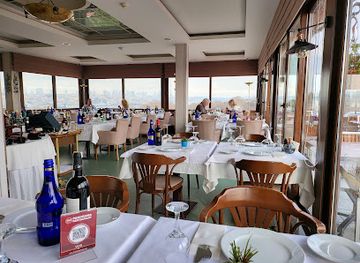
Savor authentic Turkish cuisine while enjoying stunning panoramic views of Istanbul at 360 Panorama Restaurant.
-
Restaurant
İnci Terrace Restaurant
Experience Istanbul's flavors with breathtaking views at İnci Terrace Restaurant, where every meal becomes a cherished memory.

Best bars in Lycia
Evening life varies sharply across Lycia. Fethiye has the broadest selection of bars, restaurants, live-music venues and late-night establishments, particularly around its waterfront and resort districts, while Kaş supports a sociable bar scene with rooftop terraces, meyhane-style dining and smaller music venues. Kalkan is oriented towards restaurants, terrace bars and a summer evening trade rather than a large club scene. In Demre and inland communities, nightlife is quieter and centres on cafés, restaurants, tea gardens and local social life. Ölüdeniz has seasonal resort bars and entertainment, but conditions change outside the main summer period. Traditional pubs are not part of the local culture in the British sense; visitors will more often encounter Turkish cafés, meyhanes, wine bars and venues serving local or imported beer. Drinking is optional, and a meal, coffee or evening walk can be equally typical ways to spend the night.
-
Bar
360 Istanbul
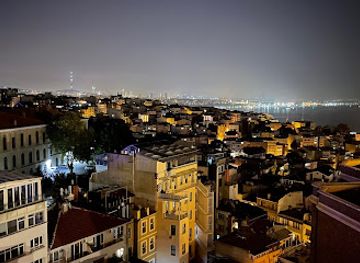
Discover 360 Istanbul, where breathtaking views, vibrant atmosphere, and exquisite Turkish cuisine come together for an unforgettable dining experience.
-
Irish pub
U2 Istanbul Irish Pub
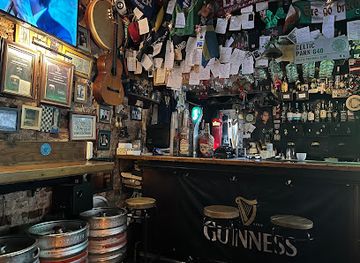
Discover the lively atmosphere of U2 Istanbul Irish Pub, where authentic Irish cuisine meets live music in the heart of Istanbul.
-
Bar
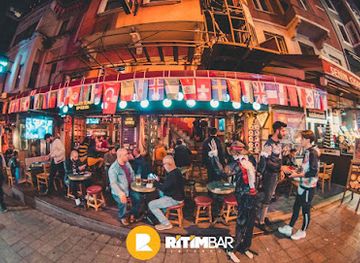
Ritim
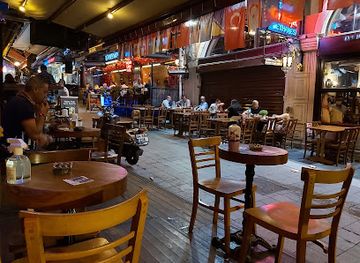
Experience the vibrant nightlife of Istanbul at Ritim, a premier bar and nightclub in Beyoğlu, offering great drinks and a lively atmosphere.
-
Gastropub
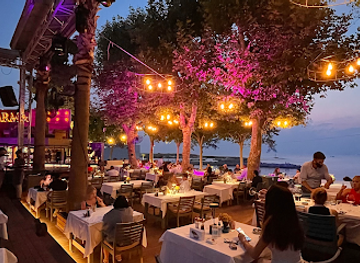
Karma Restaurant & Night Club
Experience culinary excellence and vibrant nightlife at Karma Restaurant & Night Club in Side, a top destination for food and fun.
Best nightclubs in Lycia
Evening life varies sharply across Lycia. Fethiye has the broadest selection of bars, restaurants, live-music venues and late-night establishments, particularly around its waterfront and resort districts, while Kaş supports a sociable bar scene with rooftop terraces, meyhane-style dining and smaller music venues. Kalkan is oriented towards restaurants, terrace bars and a summer evening trade rather than a large club scene. In Demre and inland communities, nightlife is quieter and centres on cafés, restaurants, tea gardens and local social life. Ölüdeniz has seasonal resort bars and entertainment, but conditions change outside the main summer period. Traditional pubs are not part of the local culture in the British sense; visitors will more often encounter Turkish cafés, meyhanes, wine bars and venues serving local or imported beer. Drinking is optional, and a meal, coffee or evening walk can be equally typical ways to spend the night.
-
Night club
Ritim
Dive into the vibrant nightlife of Ritim Night Club in Beyoğlu, İstanbul, where electrifying music and delicious drinks await every night.
-
Night club
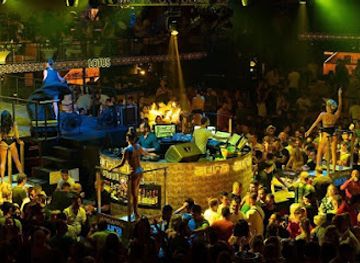
AURA CLUB KEMER
AURA CLUB KEMER: Dive into Kemer's electrifying nightlife with top-tier music, dancing, and unforgettable entertainment experiences.
-
Night club
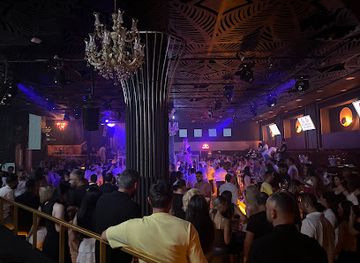
GAGA CLUB
GAGA Club in Antalya: The ultimate nightlife destination with vibrant music, electrifying ambiance, and unforgettable dance experiences.
-
Night club
Love Dance Point
Dance the night away at Love Dance Point, Istanbul's premier night club, where vibrant music and an inclusive atmosphere create unforgettable memories.

Best shops in Lycia
Shopping in Lycia is strongest in the market towns and resort centres rather than in large retail districts. Fethiye has the widest range of shops, including everyday markets, clothing, leather goods, jewellery, textiles, food products and tourist-oriented craft stores. Kaş and Kalkan have smaller independent boutiques, galleries, jewellery workshops and shops selling ceramics, woven goods and coastal-themed crafts. Demre and other agricultural communities are useful for seeing regional produce, including citrus, olives, seasonal fruit and locally made preserves, although fresh goods are often best bought at markets rather than packaged as souvenirs. Weekly markets rotate between towns and are good places to find herbs, spices, gözleme ingredients, household goods and textiles; ask locally for the current day and location. When buying antiquities, insist on legal modern products, as removing archaeological material is illegal. A sensible regional souvenir might be a contemporary ceramic, textile, olive-oil product, locally made soap or a book on Lycian archaeology.
-
Shopping mall
MarkAntalya Mall
Experience the ultimate shopping and dining adventure at MarkAntalya Mall, where style meets entertainment in the heart of Antalya.
-
Shopping mall
Venezia Mega Outlet
Discover the vibrant Venezia Mega Outlet in Istanbul, where shopping meets leisure in a charming atmosphere filled with top brands and delightful dining options.
-
Shopping mall
Nova Mall
Explore Nova Mall in Antalya for a unique shopping experience featuring diverse stores, delicious dining, and engaging entertainment.
-
Shopping mall
The Land of Legends Shopping Avenue
Explore luxury shopping, exquisite dining, and vibrant entertainment at The Land of Legends Shopping Avenue in Antalya.

Get your free copy of our complete guide to Lycia, delivered straight to you.
Everything on this page, from attractions and restaurants to essentials and local phrases, in one PDF you can read offline, print or share.
Already have an account? Sign in
Your Lycia guide is ready.
We'll send it to · Not you? Sign out

Getting your guide ready…
We are putting together a fresh copy of the Lycia guide. This can take up to a minute.
This can take a few moments. If your browser asks, choose Allow so the download can start. You'll find the guide in your Downloads folder.
Nothing happened? Download it again
Sorry, the guide is taking longer than usual. Please try again in a minute, or get it by email instead.
Lycia essentials
Currency and Payment
Safety
Emergency Situations
Do's and Don'ts
Local Tips
From Eve
Local phrases worth knowing
You don't need to get them perfect. A few words go a long way, and locals appreciate the effort.
Basics
| English | Local | Say it |
|---|---|---|
| Hello | Merhaba | [Mehr-hah-bah] |
| Goodbye | Hoşça kal | [Hosh-cha kal] |
| Yes | Evet | [Eh-vet] |
| No | Hayır | [Hah-yuhr] |
| Please/You're welcome | Lütfen | [Loot-fen] |
| Thank you | Teşekkür ederim | [Teh-shek-kur ed-er-im] |
| Excuse me/Sorry | Affedersiniz | [Af-feh-der-sin-iz] |
| How are you? | Nasılsınız? | [Nah-suhl-sin-iz] |
| Fine. And you? | İyiyim. Ya siz? | [Ee-yee-yim. Yah seez?] |
| Do you speak English? | İngilizce biliyor musunuz? | [Eeng-il-eed-zhe bee-lee-yor moo-sun-uz] |
| I don't understand | Anlamıyorum | [An-lah-muh-yor-um] |
Eating & Drinking
| English | Local | Say it |
|---|---|---|
| I'd like to see the menu, please | Menüyü görmek istiyorum lütfen | [Meh-new-yoo goer-mehk ees-tee-yor-um loot-fen] |
| I don't eat meat | Et yemiyorum | [Et yeh-mee-yor-um] |
| Cheers! | Şerefe! | [She-reh-feh] |
| I would like to pay, please | Ödemek istiyorum lütfen | [Oh-deh-mehk ees-tee-yor-um loot-fen] |
Emergencies
| English | Local | Say it |
|---|---|---|
| Help! | Yardım edin! | [Yahr-duhm eh-deen!] |
| Go away! | Defol! | [Deh-fohl!] |
| Call the Police! | Polisi arayın! | [Poh-lee-see ah-rah-yin!] |
| Call a doctor! | Bir doktor çağırın! | [Beer dok-tor chah-uh-rin!] |
| I'm lost | Kayboldum | [Kai-bol-dum] |
| I'm ill | Hastayım | [Has-tah-yuhm] |
Shopping
| English | Local | Say it |
|---|---|---|
| I'd like to buy... | Satın almak istiyorum... | [Sah-tuhn ahl-mahk ees-tee-yor-um] |
| I'm just looking | Sadece bakıyorum | [Sah-deh-jeh bah-kee-yor-um] |
| How much is it? | Bu ne kadar? | [Boo neh kah-dahr?] |
| That's too expensive | Bu çok pahalı | [Boo chohk pah-hah-luh] |
| Can you lower the price? | Fiyatı düşürebilir misiniz? | [Fee-yah-tuh doo-sheh-reh-beel-eer mee-sin-iz] |
Time & Numbers
| English | Local | Say it |
|---|---|---|
| What time is it? | Saat kaç? | [Sah-at kahch?] |
| It's one o'clock | Saat bir | [Sah-at beer] |
| Half past (10) | Yarım on | [Yah-rum on] |
| Morning | Sabah | [Sah-bah] |
| Afternoon | Öğleden sonra | [Uhr-lay-den sohn-rah] |
| Evening | Akşam | [Ahk-shahm] |
| Yesterday | Dün | [Doon] |
| Today | Bugün | [Boo-goon] |
| Tomorrow | Yarın | [Yah-ruhn] |
| 1 | Bir | [Beer] |
| 2 | İki | [Ee-kee] |
| 3 | Üç | [Ooch] |
| 4 | Dört | [Dohrt] |
| 5 | Beş | [Besh] |
| 6 | Altı | [Ahl-tuh] |
| 7 | Yedi | [Yeh-dee] |
| 8 | Sekiz | [Seh-keez] |
| 9 | Dokuz | [Doh-kooz] |
| 10 | On | [On] |
Transport & Directions
| English | Local | Say it |
|---|---|---|
| Where's a/the...? | Nerede bir ...? | [Neh-reh-deh beer ...?] |
| What's the address? | Adres ne? | [Ah-dress neh?] |
| Can you show me (on the map)? | Haritada gösterebilir misiniz? | [Hah-ree-tah-dah goh-steh-reh-beel-eer mee-sin-iz] |
| When's the next (bus)? | Sonraki (otobüs) ne zaman? | [Sohr-rah-kee (o-toh-bus) neh zah-mahn?] |
| A ticket (to ....) | Bir bilet (....) | [Beer bee-let (....)] |
History of Lycia
Bronze Age and Early Lycian Settlement
The region was inhabited long before the name Lycia became established. Bronze Age sites in southwestern Anatolia show connections with the wider Aegean and eastern Mediterranean worlds, while later Hittite and Greek records refer to peoples in this mountainous corner of Anatolia under names associated with Lukka. The difficult terrain encouraged communities to develop strong local centres in valleys and on defensible hills. Although the surviving monumental remains are mostly later, the region’s distinctive political geography and maritime connections were already taking shape in antiquity.
The Lycian League and Indigenous Culture
By the classical period, Lycian communities had developed a distinctive culture expressed through language, coinage, tomb architecture and civic institutions. Cities such as Xanthos, Patara, Tlos, Pinara and Myra were politically separate but connected by regional traditions. The Lycian League, an early federal association of cities, is particularly associated with this period and later influenced political thought through its system of representation. Rock-cut tombs, pillar tombs and elaborately decorated sarcophagi remain the most visible expression of Lycian identity.
Persian, Hellenistic and Roman Rule
Lycia came under Persian influence and was later drawn into the Hellenistic world after the campaigns of Alexander the Great. Control shifted among successor kingdoms before the region was incorporated into the Roman sphere. Greek language and architectural forms became increasingly prominent, but local traditions continued. Under Rome, ports such as Patara and cities including Xanthos, Myra and Olympos gained theatres, baths, roads and other civic works. The ruins visible today therefore combine indigenous Lycian forms with Greek and Roman urban design.
Roman Ports, Roads and Christianity
Roman administration strengthened Lycia’s role in Mediterranean trade and communications. Patara became an important harbour and administrative centre, while coastal and inland roads connected the cities across difficult mountain country. The region also became significant in early Christianity. Myra was the seat of a bishop, and Saint Nicholas is traditionally associated with the city, where he served during the fourth century. Churches and episcopal remains across the region reflect the continuing importance of Lycian settlements during the Byzantine period.
Byzantine Lycia and the Medieval Coast
After the division of the Roman world, Lycia remained part of the Eastern Roman, or Byzantine, Empire. Coastal towns, rural settlements and religious foundations continued to function, although earthquakes, changing trade patterns and insecurity affected some centres. Olympos and other ports experienced periods of decline and revival, while churches were built or adapted within older urban landscapes. Over subsequent centuries the coast was contested by regional powers and maritime states, and settlement patterns gradually shifted towards the towns and villages that form the modern landscape.
Turkish Settlement and Ottoman Administration
Turkish-speaking communities expanded into southwestern Anatolia during the Seljuk and later beylik periods, bringing new political structures and patterns of settlement to a landscape already shaped by ancient and Byzantine populations. The area was eventually incorporated into the Ottoman Empire. Agriculture, pastoralism, coastal trade and small-scale commerce remained important, while many ancient sites became silent ruins alongside newer villages. Modern towns such as Fethiye, Kaş and Demre grew from this layered history rather than replacing it entirely.
Modern Tourism and the Lycian Way
During the twentieth century, improved roads, coastal development and international tourism transformed access to the region. Fishing, agriculture and traditional village life were joined by hotels, marinas and outdoor tourism, especially around Fethiye, Kalkan and Kaş. The opening of the Lycian Way as a marked long-distance trail helped present the ancient region as a connected cultural landscape rather than a series of isolated ruins. Archaeological protection, coastal conservation and responsible trail use remain important as visitor numbers continue to grow.
Lycia in Photos
Browse through our photo collection highlighting the charm and character of the destination.
Neighbouring regions of Lycia
The closest regions to Lycia, if you have time for more than one.
-

-

-

-

-


Swipe for more regions