

Mary, Turkmenistan Travel Guide
Discover Mary, Turkmenistan's ancient oasis, where history meets modernity amidst stunning landscapes and vibrant markets.
Mary, located in the heart of Turkmenistan, is a city that seamlessly blends the ancient with the modern. As one of the oldest cities in Central Asia, Mary offers a rich tapestry of history, culture, and natural beauty. The city is home to the ancient ruins of Merv, a UNESCO World Heritage Site, which was once one of the largest and most thriving cities along the Silk Road. Walking through these ruins, visitors can imagine the bustling marketplace and grand palaces that once stood here. In addition to its historical significance, Mary is also known for its vibrant bazaars and traditional crafts. The local markets are a sensory delight, filled with the scents of spices, the colors of woven textiles, and the sounds of local artisans at work. Visitors can take home unique souvenirs, such as hand-knotted carpets and intricately designed jewelry, that capture the essence of Turkmen culture. Nature enthusiasts will also find much to love in Mary. The city is surrounded by stunning landscapes, including the Karakum Desert and the Murghab River. These natural attractions offer opportunities for adventure, whether it's exploring the desert dunes or enjoying a peaceful boat ride on the river. The local cuisine, rich in flavors and influenced by the region's diverse cultures, is another highlight. From savory kebabs to sweet baklava, the food in Mary is sure to delight any palate.

Know before you go
Hi, I'm Eve. Here are a few practical things to know before exploring Mary.
- Visit the ancient ruins of Merv early in the morning to avoid the heat and crowds.
- Try the local cuisine at a traditional teahouse, known as a 'chaikhana'.
- Bring cash, as credit cards are not widely accepted in local markets and smaller shops.
- Learn a few basic phrases in Turkmen to enhance your interaction with the locals.
- Dress modestly, especially when visiting religious sites and rural areas.
Explore Mary: Things to Do, Places to Eat, Hotels & More
Handpicked recommendations for top attractions, local dining, accommodations, and more

Best attractions in Mary
Top-rated picks
Best Attractions

Soltan Sanjar Mausoleum
Explore the Soltan Sanjar Mausoleum, a stunning historical landmark in Merv, Turkmenistan, showcasing exquisite architecture and rich cultural heritage.

Indian Temple Mound Museum
Explore the Indian Temple Mound Museum in Fort Walton Beach, where Native American history and culture come alive through fascinating exhibits and artifacts.

Bagtyyarlyk Seyilgahi
Discover the serene beauty of Bagtyyarlyk Seyilgahi, a lush city park in Mary, Turkmenistan, perfect for relaxation and cultural immersion.

Great Kyz Kala
Discover Great Kyz Kala, a stunning archaeological site in Merv, Turkmenistan, where ancient history meets breathtaking architecture.

Best landmarks in Mary
Top-rated picks
Best Landmarks

Independence Monument
Explore the Independence Monument in Ashgabat, a stunning symbol of Turkmenistan's heritage and independence, surrounded by beautiful gardens and history.

Soltan Sanjar Mausoleum
Discover the architectural splendor and historical significance of the Soltan Sanjar Mausoleum in Merv, a UNESCO World Heritage Site that enchants every visitor.

Turkmenbashy Ruhy Mosque
Explore the grandeur of the Turkmenbashy Ruhy Mosque, a stunning architectural masterpiece and a vital part of Turkmenistan's cultural heritage.

Mary chief mosque
Experience the majestic beauty and serene atmosphere of Mary Chief Mosque, an architectural masterpiece in Turkmenistan's heart.

Best restaurants in Mary
Top-rated picks
Best Restaurants

TDCP Patriata Chair Lift and Cable Car
Explore breathtaking views from the TDCP Patriata Chair Lift and Cable Car – a scenic adventure awaits amidst Pakistan's lush landscapes.

Mari Vanna
Experience the essence of Russia at Mari Vanna in Baku – where traditional flavors meet warm hospitality.

Fuoco
Experience exquisite modern European cuisine at Fuoco in Islamabad, where fresh ingredients meet innovative culinary artistry.

Caravan
Experience the best of Uzbek and international cuisine at Caravan in Tashkent - perfect for families and food lovers alike.

Best bars in Mary
Top-rated picks
Best Bars

Nescafe Karaoke-Bar
Experience the vibrant fusion of coffee and karaoke at Nescafe Karaoke-Bar in Mary, Turkmenistan – where every night is a musical celebration.

Gyzylgum Kafe
Experience the delightful flavors of Turkmenistan at Gyzylgum Kafe, a must-visit dining destination in Mary, offering local and international cuisine.

Mary Restoran
Discover the flavors of Turkmenistan at Mary Restoran, where traditional dishes meet warm hospitality in the heart of Mary.

Smak kafe
Discover the flavors of Turkmenistan at Smak Kafe, a cozy cafe in Mary offering delicious local dishes and a welcoming atmosphere.

Best nightclubs in Mary
Top-rated picks
Best Nightclubs

Nescafe Karaoke-Bar
Experience the vibrant nightlife at Nescafe Karaoke-Bar in Mary, where music, laughter, and unforgettable memories await every visitor.

Sanjar club
Discover the vibrant nightlife of Mary at Sanjar Club, a premier night club offering an energetic atmosphere and unforgettable experiences.

Altyn-Ay Club
Discover the vibrant nightlife of Mary at Altyn-Ay Club, a must-visit destination for dance, music, and local culture in Turkmenistan.

Best shops in Mary
Top-rated picks
Best Shops

Mary State History and Country Learning Museum
Discover the vibrant history and culture of Turkmenistan at the Mary State History and Country Learning Museum, a must-visit for every tourist.

Taze ay
Experience the vibrant Taze ay produce market in Mary, Turkmenistan, where fresh local produce and rich cultural interactions await.

Hoshal market
Experience the vibrant local culture at Hoshal Market, where fresh produce and traditional snacks await every tourist.

Panasonic Dükany
Explore Panasonic Dükany in Mary, Turkmenistan - your go-to destination for premium electronics and exceptional service.

Explore Mary on the Map
A handpicked selection of must-see spots in Mary, mapped for you.
Mary Essentials
-
Mary is accessible via the Mary International Airport (MYP), which offers domestic flights from Ashgabat and other major cities in Turkmenistan. Alternatively, travelers can take a train from Ashgabat to Mary, which typically takes around 6-8 hours. Buses and taxis are also available for road travel, but the train offers a more comfortable and scenic route.
-
Mary has a relatively well-developed public transportation system including buses and taxis. Buses are the most economical option, while taxis are more convenient but slightly more expensive. Make sure to negotiate the fare before starting your ride. For exploring the surrounding areas, renting a car from a local agency can be a good option.
-
The official currency in Turkmenistan is the Turkmenistani Manat (TMT). Credit cards are not widely accepted, so it is advisable to carry cash. ATMs are available in Mary, but they may not always be reliable, so ensure you have sufficient cash, especially for smaller establishments and local markets.
-
Mary is generally a safe city for tourists. However, as with any travel destination, it is important to remain vigilant. Avoid walking alone at night in unfamiliar areas and be cautious with your belongings in crowded places. There are no specific high-crime areas in Mary targeting tourists, but it's always best to stay alert.
-
In case of an emergency, dial 03 for an ambulance or 02 for the police. Mary has several hospitals and medical facilities where you can get assistance. It is recommended to have travel insurance that covers medical emergencies. Pharmacies are available for minor health issues, and many staff members speak basic English.
-
Fashion: Do dress conservatively. Avoid wearing revealing clothing. Religion: Do respect local customs. Cover your head when visiting mosques and religious sites. Public Transport: Do be respectful. Don't eat or drink on public transport. Greetings: Do greet people with a handshake. Eating & Drinking: Do try local dishes and accept food offerings graciously. Don't refuse hospitality as it is considered impolite.
-
To experience Mary like a local, visit the local bazaars where you can buy fresh produce and traditional Turkmen goods. Engage with locals, who are often friendly and willing to share stories about the city's history and culture. Don't miss visiting the ancient city of Merv, a UNESCO World Heritage Site, and take a stroll along the Murghab River for a relaxing experience.
When is the best time to visit Mary?
Useful Local Phrases for Mary
You don't need to speak the language perfectly. Even learning a few simple words can make conversations warmer—and locals usually appreciate the effort.
— Eve

Here are the phrases I use most often in Mary. Try a few—you'll be surprised how far they go! 😊
❤️
-
- HelloSalam
[sah-lahm] - GoodbyeBaş üýtde
[bahsh oot-deh] - YesHawa
[hah-wah] - NoÝok
[yohk] - Please/You're welcomeRahmet
[rah-met] - Thank youRahmet
[rah-met] - Excuse me/SorryUzr
[ooz-ur] - How are you?Näme ýigit?
[nah-meh yih-geet] - Fine. And you?Ýöne. Siz näme?
[yoh-neh. siz nah-meh?] - Do you speak English?Siz iňlis dilini bilyärsiňizmi?
[siz een-lees dee-lee-nee beel-yahr-seen-ez-mee?] - I don't understandMeniň agzam açylmady
[meh-neen ahg-zahm ah-chuhl-mah-dy]
- HelloSalam
-
- I'd like to see the menu, pleaseMen menýu görsemok
[mehn mehn-yoo gur-seh-mohk] - I don't eat meatMen et yemeýärin
[mehn eht yeh-meh-yah-reen] - Cheers!Sag boluň!
[sahg boh-loon] - I would like to pay, pleaseMen tölemek islerim
[mehn tuh-leh-mehk ees-leh-reem]
- I'd like to see the menu, pleaseMen menýu görsemok
-
- Help!Ulanyş!
[oo-lahn-yesh] - Go away!Uzaklaş!
[ooh-zahk-lahsh] - Call the Police!Militsiýa gelsin
[mee-lee-tsee-yah gehl-seen] - Call a doctor!Doktory gelsin
[dohk-toh-riy gehl-seen] - I'm lostMen yol üýtde
[mehn yohl oot-deh] - I'm illMen agyrman
[mehn ah-guhr-mahn]
- Help!Ulanyş!
-
- I'd like to buy...Men satyn almak islerim
[mehn sah-teen ahl-mahk ees-leh-reem] - I'm just lookingMen gowyňlyşýärin
[mehn goh-win-lee-shee-yah-reen] - How much is it?Bu näçe bolar?
[boo nah-cheh boh-lahr?] - That's too expensiveBu örän gowrak
[boo oh-rahn goh-wrahk] - Can you lower the price?Siz bähkiňi azaldyp bilerinmi?
[siz bahk-ihn-ee ah-zahl-duhp bee-leh-reen-mee?]
- I'd like to buy...Men satyn almak islerim
-
- What time is it?Näme wagtdyr?
[nah-meh wahg-tuhr?] - It's one o'clockOn bir wagtdyr
[ohn beer wahg-tuhr] - Half past (10)Onuň çäri wagtdyr
[oh-noon chah-ree wahg-tuhr] - MorningErtir
[ehr-teer] - AfternoonGünbeşde
[goon-behsh-deh] - EveningAkşam
[ahk-shahm] - YesterdayDüýn
[doo-yun] - TodayBugün
[boo-goon] - TomorrowErtir
[ehr-teer] - 1Bir
[beer] - 2Iki
[ee-kee] - 3Üç
[ootch] - 4Dört
[duhr-t] - 5Beş
[behsh] - 6Alty
[ahl-tuh] - 7Ýedi
[yeh-dee] - 8Sekiz
[seh-keez] - 9Dokuz
[doh-kooz] - 10On
[ohn]
- What time is it?Näme wagtdyr?
-
- Where's a/the...?...nädip?
[...nah-deep?] - What's the address?Adres näme?
[ah-drehs nah-meh?] - Can you show me (on the map)?Siz mene (kartada) görkezersiňizmi?
[siz meh-neh (kahr-tah-dah) gur-keh-zeer-seen-ez-mee?] - When's the next (bus)?Soňrak (awtobus) näme wagtda?
[sohn-rahk (ow-toh-boos) nah-meh wahg-tah?] - A ticket (to ....)Bilet (....-e)
[bee-leht (eh)]
- Where's a/the...?...nädip?
History of Mary
-
Mary, historically known as Merv, was one of the most significant cities along the Silk Road. Founded around the 6th century BC, Merv thrived as a major trade center, linking East and West. Its strategic location attracted merchants, scholars, and explorers, making it a melting pot of cultures and ideas.
-
During the Sassanian Empire (224-651 AD), Merv became a prosperous hub of knowledge and learning. The city was renowned for its libraries and academies, where scholars from various fields gathered to share their wisdom. This period marked the beginning of Merv's reputation as a center of intellectual and cultural development.
-
In the 8th century, under the Abbasid Caliphate, Merv reached new heights of prosperity. The city was a vibrant center of Islamic culture, science, and art. It became known for its impressive architecture, including grand mosques, palaces, and intricate gardens. Merv's scholars made significant contributions to fields such as mathematics, astronomy, and medicine.
-
During the 11th and 12th centuries, Merv served as the capital of the Seljuk Empire, one of the most powerful states in the Islamic world. The city's strategic importance continued to grow, and it saw the construction of monumental buildings and fortifications. Merv's role as a political and economic powerhouse cemented its status as a key city in the region.
-
In 1221, Merv faced a catastrophic event when it was invaded by the Mongol Empire under Genghis Khan. The city's population was decimated, and much of its infrastructure was destroyed. This invasion marked the beginning of a period of decline for Merv, as it struggled to recover from the devastation.
-
In the late 19th century, Merv came under Russian control, leading to significant changes in its infrastructure and administration. During the Soviet era, the city, renamed Mary, underwent further modernization, with the development of new industries and institutions. This period marked a shift from Merv's historical legacy to a more contemporary urban landscape.
-
Following Turkmenistan's independence from the Soviet Union in 1991, Mary experienced a cultural revival. Efforts were made to restore and preserve the city's historical heritage, including the ancient ruins of Merv. Today, Mary stands as a testament to its rich history, attracting tourists and scholars interested in exploring its storied past.
Cities near Mary
The closest cities to Mary, if you have time for more than one stop.


Your all‑in‑one travel companion app
Explore expert travel guides, compare and book tours, experiences, hotels, and more—all from the palm of your hand. Download now for seamless trip planning wherever your wanderlust takes you.


Mary in Photos
Browse through our photo collection highlighting the charm and character of the destination.


Mary: Turkmenistan's Ancient Oasis
Mary, located in the heart of Turkmenistan, is a city that seamlessly blends the ancient with the modern. As one of the oldest cities in Central Asia, Mary offers a rich tapestry of history, culture, and natural beauty. The city is home to the ancient ruins of Merv, a UNESCO World Heritage Site, which was once one of the largest and most thriving cities along the Silk Road. Walking through these ruins, visitors can imagine the bustling marketplace and grand palaces that once stood here. In addition to its historical significance, Mary is also known for its vibrant bazaars and traditional crafts. The local markets are a sensory delight, filled with the scents of spices, the colors of woven textiles, and the sounds of local artisans at work. Visitors can take home unique souvenirs, such as hand-knotted carpets and intricately designed jewelry, that capture the essence of Turkmen culture. Nature enthusiasts will also find much to love in Mary. The city is surrounded by stunning landscapes, including the Karakum Desert and the Murghab River. These natural attractions offer opportunities for adventure, whether it's exploring the desert dunes or enjoying a peaceful boat ride on the river. The local cuisine, rich in flavors and influenced by the region's diverse cultures, is another highlight. From savory kebabs to sweet baklava, the food in Mary is sure to delight any palate.
Explore More of Murgab River Basin

Looking beyond Mary? Discover Murgab River Basin for broader travel guides, local hot-spots, and regional highlights.
Explore Murgab River BasinExplore More of Turkmenistan
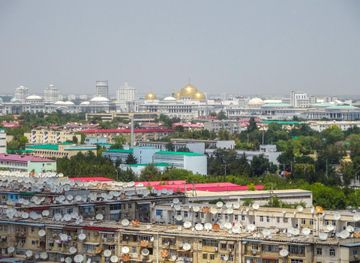
Looking beyond Mary? Discover Turkmenistan for broader travel guides, local hot-spots, and regional highlights.
Explore Turkmenistan