

Free Buganda Travel Guide & Mobile App
Explore Buganda with free travel guides. Discover regional history, expert tips, proposed trips, and audio guides on web or mobile app.


Explore Buganda’s royal heritage, Kampala’s cultural hills, Lake Victoria wetlands, Entebbe gardens and the forested Ssese Islands in central Uganda.
Read more about Buganda
When is the best time to visit Buganda?
Best: December–January · 27–29°C| Month | High (°C) | Rainfall (mm) |
|---|---|---|
| January (best) | 29 | 76 |
| February | 30 | 83 |
| March | 30 | 119 |
| April | 28 | 162 |
| May | 28 | 162 |
| June | 28 | 109 |
| July (best) | 27 | 106 |
| August | 28 | 119 |
| September | 28 | 119 |
| October | 28 | 162 |
| November | 28 | 142 |
| December (best) | 28 | 96 |
Getting to and around Buganda
How to get there
Transportation
Best attractions in Buganda
Buganda’s attractions range from royal and religious heritage in Kampala to wetlands, botanical landscapes and lake environments beyond the capital. The Kasubi Tombs provide an important introduction to Ganda royal traditions, while the Mengo royal complex and nearby historic institutions help explain the kingdom’s political development. Kampala also offers museums, galleries, cultural centres, markets and places of worship representing the region’s layered history. In Entebbe, the Uganda Wildlife Education Centre, botanical gardens and lakeside setting provide a gentler complement to the capital’s busy hills. The Mabamba wetlands, reached by canoe, are known for birdwatching and narrow channels through papyrus. Mukono and the surrounding countryside offer access to rural scenery and sites associated with Buganda’s cultural landscape. The Ssese Islands add forest, beaches, fishing communities and boat travel to the itinerary, although services are more limited and weather-sensitive than on the mainland. Visitors interested in outdoor activities can choose from birdwatching, nature walks, cycling, fishing and carefully organised lake excursions. The region’s appeal lies in the contrast between dense urban life, revered cultural sites and expansive water and wetland landscapes.
-
Park
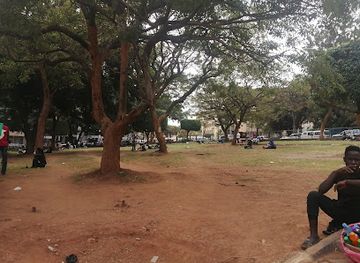
Digisat Surveillance Home (City square Kampala)
Experience the vibrant culture and tranquility of Digisat Surveillance Home in the heart of Kampala, a perfect oasis for relaxation and exploration.
-
Bridge
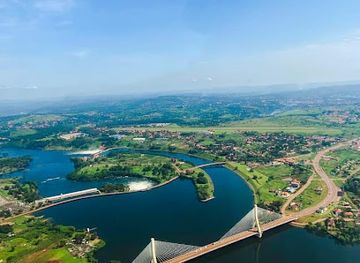
Jinja Nile Bridge
Experience the breathtaking views and thrilling adventures at the iconic Jinja Nile Bridge, a must-visit destination for every traveler exploring Uganda.
-
Art gallery
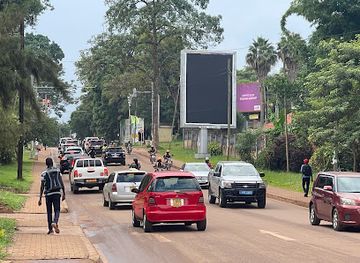
Nommo Gallery
Discover Uganda's rich artistic heritage at Nommo Gallery, a vibrant hub for contemporary and traditional art in Kampala.
-
Historical landmark
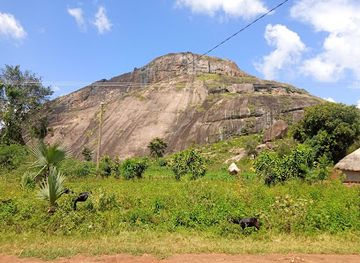
Kagulu Rock
Discover Kagulu Rock, a breathtaking historical landmark in Uganda that offers stunning views and rich cultural heritage.
Best landmarks in Buganda
The Kasubi Tombs are Buganda’s most important historic landmark, a sacred royal burial complex whose great thatched Muzibu Azaala Mpanga expresses the architectural traditions of the kingdom and the continuing significance of the Kabakas. On Mengo Hill, the Lubiri, or royal palace, and associated royal grounds recall the political centre of pre-colonial and colonial Buganda, while the nearby Bulange building represents the kingdom’s administrative heritage. Namugongo’s Uganda Martyrs shrines, in modern Wakiso within the Buganda cultural heartland, mark the 1886 executions and have become major pilgrimage landmarks for Catholics and Anglicans. In Kampala, the Bahá’í Mother Temple is a prominent hilltop building and one of the region’s notable modern religious landmarks. Entebbe’s peninsula and Lake Victoria shoreline provide a geographical landmark rather than a single monument, revealing how closely water has shaped the region’s settlement and movement. On the outer edge of Buganda’s lake world, the forested Ssese Islands offer a natural counterpoint to the built heritage of Kampala and Mengo.
-
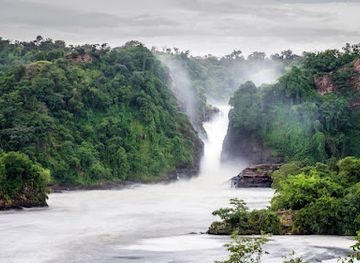
National park
Murchison Falls National Park
Experience the breathtaking beauty and wildlife of Murchison Falls National Park, Uganda's largest national park, where nature's wonders await.
-
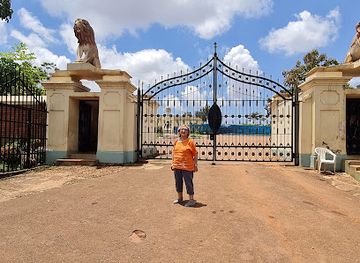
Tourist attraction
Kabaka's Palace
Discover the rich cultural heritage of Uganda at Kabaka's Palace, a stunning symbol of the Buganda Kingdom and a must-visit tourist attraction.
-
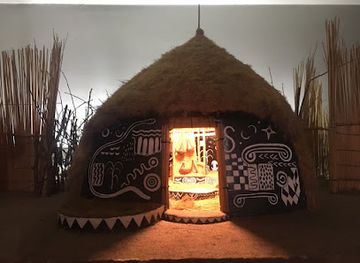
Museum
Uganda Museum
Explore the Uganda Museum, a cultural gem showcasing the rich history and heritage of Uganda through captivating exhibits and artifacts.
-
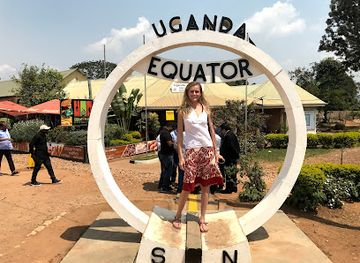
Historical landmark
Uganda Equator
Discover the enchanting Uganda Equator, where the Northern and Southern Hemispheres meet, offering culture, crafts, and cuisine in a stunning landscape.
Explore Buganda on the map
Plan your trip on one map. See where the top cities, national parks and sights are, and book hotels and experiences in a few clicks.
Best hotels in Buganda
Best restaurants in Buganda
Buganda shares much of Uganda’s broader culinary tradition while retaining a strong association with Luganda-speaking central Uganda. Everyday meals commonly include matoke, steamed or mashed plantain, cassava, sweet potatoes, beans, groundnut-based sauces, grilled meats and freshwater fish. In Kampala and Entebbe, visitors will find everything from informal local eateries and tea shops to Indian, Ethiopian, continental and contemporary Ugandan restaurants. Markets and roadside stalls are useful places to encounter seasonal fruit, roasted maize, chapati and other quick foods, while traditional restaurants may serve generous platters designed for sharing. Lake Victoria supports a visible fish culture, although sourcing and sustainability vary between suppliers. Rural inns and lakeside establishments tend to offer simpler menus and may require patience at busy times. Coffee, tea, fresh juices and locally produced beers are widely available, and visitors should distinguish Buganda’s local foodways from dishes marketed simply as national Ugandan cuisine.
-
Restaurant
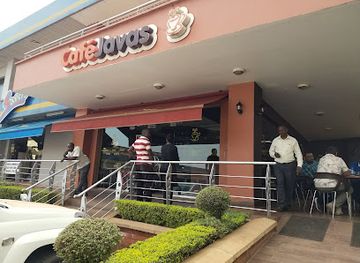
Café Javas
Experience delightful dining at Café Javas in Kampala - where local flavors meet global cuisine in an inviting setting.
-
East African
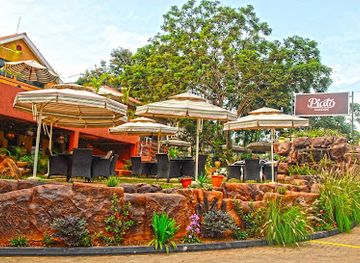
Piato Restaurant
Experience authentic East African flavors at Piato Restaurant in Kampala – where every meal tells a story.
-
Restaurant
Asian Fusion Restaurant
Experience the best of Asian cuisine at Asian Fusion Restaurant in Kampala - a culinary delight blending Chinese and Indian flavors.
-
Restaurant
Olives Restaurant & Bar
Discover authentic Ugandan cuisine blended with international flavors at Olives Restaurant & Bar in Kampala.
Best bars in Buganda
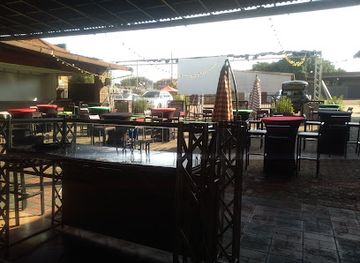
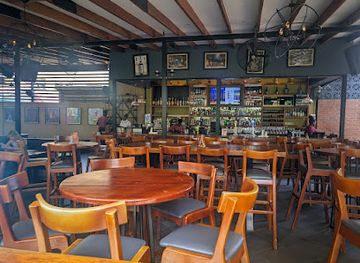
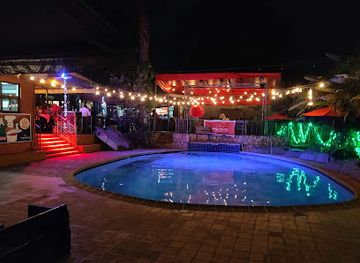
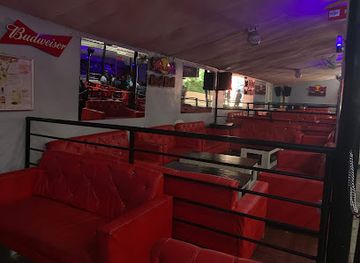
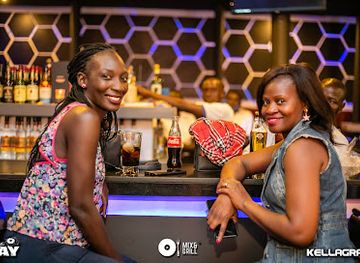
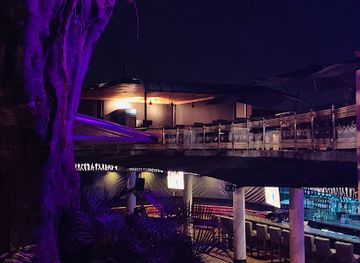
Evening life in Buganda is concentrated in Kampala, where neighbourhoods such as Kololo, Nakasero, Ntinda, Bugolobi, Kabalagala and the city centre offer different combinations of restaurants, pubs, lounges, live music and dancing. The capital’s nightlife is diverse rather than uniform, with venues ranging from relaxed local bars and sports pubs to cocktail rooms and clubs hosting Ugandan and regional music. Entebbe has a quieter evening scene centred on hotel bars, restaurants and lakeside establishments. In smaller towns and rural districts, social life generally revolves around local pubs, restaurants, community gatherings and occasional live entertainment rather than a large club circuit. The Ssese Islands offer laid-back lakeside evenings, with activity varying by island and season. Check local advice on transport after dark, as distances, traffic and limited lighting can make returning from an evening venue difficult.
-
Bar
Nexus Lounge
Experience the vibrant nightlife at Nexus Lounge, a top bar in Kampala offering delicious food, refreshing drinks, and live entertainment.
-
Bar
The Alchemist Kitchen and Bar
Experience the vibrant flavors and lively nightlife at The Alchemist Kitchen and Bar, the ultimate culinary destination in Kampala.
-
Bar
Cayenne
Discover the vibrant flavors of Kampala at Cayenne, the perfect bar and lounge for fast food lovers and nightlife enthusiasts alike.
-
Lounge
F.A.M.E Lounge
Discover F.A.M.E Lounge, Kampala's trendy destination for relaxation, cocktails, and vibrant social interactions.
Best nightclubs in Buganda
Evening life in Buganda is concentrated in Kampala, where neighbourhoods such as Kololo, Nakasero, Ntinda, Bugolobi, Kabalagala and the city centre offer different combinations of restaurants, pubs, lounges, live music and dancing. The capital’s nightlife is diverse rather than uniform, with venues ranging from relaxed local bars and sports pubs to cocktail rooms and clubs hosting Ugandan and regional music. Entebbe has a quieter evening scene centred on hotel bars, restaurants and lakeside establishments. In smaller towns and rural districts, social life generally revolves around local pubs, restaurants, community gatherings and occasional live entertainment rather than a large club circuit. The Ssese Islands offer laid-back lakeside evenings, with activity varying by island and season. Check local advice on transport after dark, as distances, traffic and limited lighting can make returning from an evening venue difficult.
-
Club
GUVNOR
Experience the vibrant nightlife of Kampala at Guvnor, where music, dance, and excitement await you until dawn.
-
Lounge
EXO LOUNGE
Discover the vibrant nightlife of Kampala at Exo Lounge, where stylish ambiance meets exquisite cocktails and unforgettable experiences.
-
Night club
Cielo Lounge
Experience the vibrant nightlife of Kampala at Cielo Lounge, where stunning views meet exquisite drinks and electrifying music.
-
Disco club
Catwalk Bar & Lounge
Discover the pulsating nightlife at Catwalk Bar & Lounge, Kampala's premier disco club for unforgettable nights filled with music and dancing.


Best shops in Buganda
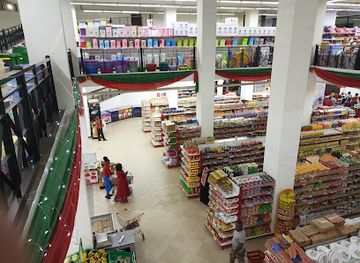
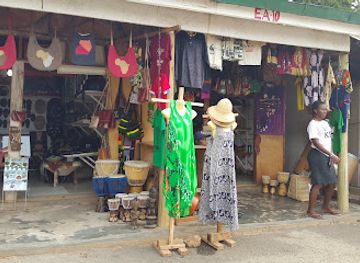
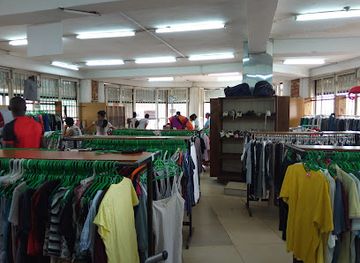
Shopping in Buganda ranges from Kampala’s large commercial districts and craft outlets to produce markets and small-town trading centres. Kampala is the region’s main place for contemporary fashion, books, art, jewellery, fabrics, household goods and Ugandan handicrafts, with shopping experiences differing sharply between formal malls, independent boutiques and open markets. Visitors should compare quality and provenance when buying woodcarvings, woven goods, baskets, textiles and artwork, and should never purchase protected wildlife products. Entebbe has craft shops and galleries suited to travellers arriving or departing through the airport, while markets in surrounding districts focus more heavily on fruit, vegetables, grains and household necessities. Farm produce, groundnuts, coffee, tea and packaged foods can make practical souvenirs when properly labelled and permitted for travel. On the Ssese Islands, shopping is modest and centred on local produce, fishing communities and simple crafts rather than extensive retail. Bargaining may be customary in some markets but should remain polite and good-natured.
-
Shopping mall
Senana Shopping Centre
Discover shopping, dining, and entertainment at Senana Shopping Centre, Kampala's vibrant retail hub for tourists and locals alike.
-
Craft store
Bagala Craft
Explore the vibrant culture of Uganda at Bagala Craft, where local artistry meets unique handcrafted treasures.
-
Clothing store
Green shop
Explore the vibrant fashion scene at Green Shop in Kampala, where local style meets contemporary design, perfect for every traveler.
-
Women's clothing store
Monaé
Discover the latest trends in women's fashion at Monaé, a premier clothing store in Kampala's bustling Ntinda 3 Sister's Mall.
Get your free copy of our complete guide to Buganda, delivered straight to you.
Everything on this page, from attractions and restaurants to essentials and local phrases, in one PDF you can read offline, print or share.
Already have an account? Sign in
Your Buganda guide is ready.
We'll send it to · Not you? Sign out

Getting your guide ready…
We are putting together a fresh copy of the Buganda guide. This can take up to a minute.
This can take a few moments. If your browser asks, choose Allow so the download can start. You'll find the guide in your Downloads folder.
Nothing happened? Download it again
Sorry, the guide is taking longer than usual. Please try again in a minute, or get it by email instead.
Buganda essentials
Currency and Payment
Safety
Emergency Situations
Do's and Don'ts
Local Tips
From Eve
Local phrases worth knowing
You don't need to get them perfect. A few words go a long way, and locals appreciate the effort.
Basics
| English | Local | Say it |
|---|---|---|
| Hello | Oli otya | [oh-lee oh-tyah] |
| Goodbye | Weebale | [weh-bah-leh] |
| Yes | Ye | [yeh] |
| No | Nedda | [neh-dah] |
| Please/You're welcome | Tukulakulana | [too-koo-kah-loo-nah] |
| Thank you | Webale | [weh-bah-leh] |
| Excuse me/Sorry | Nsaba | [n-sah-bah] |
| How are you? | Oli otya? | [oh-lee oh-tyah] |
| Fine. And you? | Nnyinza bulungi. Nyo? | [n-nin-zah boo-loon-gee. nyo?] |
| Do you speak English? | Ogw'ogenda mu English? | [oh-gw-oh-gen-dah moo in-glish] |
| I don't understand | Sikyalaba | [see-kyah-lah-bah] |
Eating & Drinking
| English | Local | Say it |
|---|---|---|
| I'd like to see the menu, please | Nkwagala okulaba ku menyu, nziza | [n-kwah-gah-lah oh-koo-lah-bah koo men-yoo, n-zee-zah] |
| I don't eat meat | Sikola nyama | [see-koh-lah nyah-mah] |
| Cheers! | Tukyayambala! | [too-kya-yam-bah-lah] |
| I would like to pay, please | Nkwagala okutandika, nziza | [n-kwah-gah-lah oh-koo-tan-dee-kah, n-zee-zah] |
Emergencies
| English | Local | Say it |
|---|---|---|
| Help! | Mpa obuyambi! | [m-pah oh-boo-yahm-bee] |
| Go away! | Genda! | [gen-dah] |
| Call the Police! | Genda okuvuganya! | [gen-dah oh-koo-vu-gah-nyah] |
| Call a doctor! | Genda okuvuganya daktari! | [gen-dah oh-koo-vu-gah-nyah dahk-tah-ree] |
| I'm lost | Nze nfuuka | [n-zeh n-foo-kah] |
| I'm ill | Nze ndowooza | [n-zeh n-doh-woh-zah] |
Shopping
| English | Local | Say it |
|---|---|---|
| I'd like to buy... | Nkwagala kugula... | [n-kwah-gah-lah koo-goo-lah] |
| I'm just looking | Nze nsaba okukola | [n-zeh n-sah-bah oh-koo-koh-lah] |
| How much is it? | Kikadde ki? | [kee-kah-deh kee?] |
| That's too expensive | Kyo kireeta | [kee-oh kee-reh-tah] |
| Can you lower the price? | Osobola okudduka emyezi? | [oh-so-boh-lah oh-koo-doo-kah eh-meh-zi] |
Time & Numbers
| English | Local | Say it |
|---|---|---|
| What time is it? | Lwaki kiki? | [l-wah-kee kee-kee?] |
| It's one o'clock | Kiri mu kimu | [kee-ree moo kee-moo] |
| Half past (10) | Bukadde mu (10) | [boo-kah-deh moo (10)] |
| Morning | Ekisanja | [eh-kee-sahn-jah] |
| Afternoon | Okwero | [oh-kweh-roh] |
| Evening | Ekitangaala | [eh-kee-tahng-ah-lah] |
| Yesterday | Ekitundu | [eh-kee-tun-doo] |
| Today | Lwaki | [l-wah-kee] |
| Tomorrow | Buli | [boo-lee] |
| 1 | Mugagga | [moo-gah-gah] |
| 2 | Biri | [bee-ree] |
| 3 | Mukaaga | [moo-kah-gah] |
| 4 | Munaana | [moo-nah-nah] |
| 5 | Mukaaga | [moo-kah-gah] |
| 6 | Musanvu | [moo-sahn-voo] |
| 7 | Munaana | [moo-nah-nah] |
| 8 | Munaana | [moo-nah-nah] |
| 9 | Munaana | [moo-nah-nah] |
| 10 | Munaana | [moo-nah-nah] |
Transport & Directions
| English | Local | Say it |
|---|---|---|
| Where's a/the...? | Wali wa...? | [wah-lee wah...?] |
| What's the address? | Kiki ekiraga? | [kee-kee eh-kee-rah-gah?] |
| Can you show me (on the map)? | Osobola okundekera (ku kadi)? | [oh-so-boh-lah oh-koon-deh-keh-rah] |
| When's the next (bus)? | Okwesiga kiki? | [oh-kweh-see-gah kee-kee?] |
| A ticket (to ....) | Ekitikiti (ku ...) | [eh-kee-tee-kee-tee (koo ...)] |
History of Buganda
The Formation of the Buganda Kingdom
Buganda developed as a centralised kingdom around the northern shores of Lake Victoria, with its authority organised through the Kabaka, chiefs and a network of counties. Oral traditions preserve accounts of early rulers and migrations, while later political structures gave the kingdom considerable influence in the region. The Ganda language, often written as Luganda, and shared institutions helped connect communities across a varied landscape of hills, wetlands and lake shores. By the nineteenth century, Buganda was one of the most powerful states in the Great Lakes region, able to shape politics well beyond its immediate royal capital.
Trade, Islam and Christianity in the Nineteenth Century
Long-distance trade linked Buganda to the wider Great Lakes world and the east African coast, bringing new goods, ideas and political relationships. Muslim traders reached the kingdom before Christian missionaries established Catholic and Anglican missions in the late nineteenth century. Religious competition became closely entangled with court politics and succession disputes. The Uganda Martyrs, executed at Namugongo in 1886 under Kabaka Mwanga II, became central figures in Catholic and Anglican memory. Their shrines are among the region’s most important religious sites and continue to attract pilgrims from Uganda and abroad.
Colonial Rule and the 1900 Agreement
British expansion transformed Buganda’s political position. The 1900 Buganda Agreement formalised a new relationship between the kingdom and the British administration, recognising certain institutions and land arrangements while incorporating Buganda into the Uganda Protectorate. The agreement helped give Buganda an influential administrative role, but it also reshaped land ownership and created lasting debates over authority, privilege and territorial organisation. Kampala and nearby Mengo grew as centres of government, commerce and education, laying foundations for the urban region visitors see today.
Kampala, Education and Urban Growth
During the colonial period and after independence, Kampala expanded from a cluster of hills near Mengo into Uganda’s principal city. Roads, rail connections, schools, hospitals, religious institutions and commercial districts connected the royal and administrative landscapes with the wider country. The growth of Buganda’s towns was accompanied by new professional, trading and political communities. Entebbe developed as an administrative and transport centre on Lake Victoria, while surrounding districts became increasingly linked to Kampala through settlement, agriculture and commerce.
Independence, the Kingdom Crisis and Restoration
Uganda became independent in 1962, with Buganda retaining a distinctive constitutional position within the new state. Tensions between central government and the kingdom culminated in the 1966 crisis, when Mengo was attacked and Kabaka Edward Mutesa II, who was also Uganda’s first president, went into exile. The kingdom was abolished under the republican order that followed. In 1993, the institution of the Kabaka was restored as a cultural kingdom, without the executive political powers it had historically exercised. Royal sites and ceremonies remain important expressions of Ganda identity.
The Living Cultural Landscape of Modern Buganda
Contemporary Buganda is shaped by rapid urbanisation, expanding transport corridors, farming, lake economies and the cultural work of the restored kingdom. Kampala’s growth has brought universities, arts organisations, media, technology and a diverse commercial scene, while rural areas retain strong connections to clans, agriculture and Luganda-language culture. The reconstruction and continued use of the Kasubi Tombs demonstrates the importance of safeguarding heritage after the 2010 fire. Today, Buganda’s history is encountered not only in monuments but also in language, food, music, ceremony and the organisation of community life.
Buganda in Photos
Browse through our photo collection highlighting the charm and character of the destination.
Neighbouring regions of Buganda
The closest regions to Buganda, if you have time for more than one.
-

-

-

-

-


Swipe for more regions
Explore more

Explore more of Uganda
Discover Uganda: From the majestic mountain gorillas of Bwindi to the vibrant streets of Kampala, experience the diverse landscapes and rich culture of the Pearl of Africa.
Explore Uganda