

Free Busoga Travel Guide & Mobile App
Explore Busoga with free travel guides. Discover regional history, expert tips, proposed trips, and audio guides on web or mobile app.


Explore Busoga in eastern Uganda for Jinja’s Nile adventures, royal heritage, river landscapes, local food and quiet Lake Victoria communities.
Read more about Busoga
When is the best time to visit Busoga?
Best: January–March · 31°C| Month | High (°C) | Rainfall (mm) |
|---|---|---|
| January (best) | 31 | 50 |
| February (best) | 31 | 60 |
| March (best) | 31 | 80 |
| April | 31 | 120 |
| May | 31 | 130 |
| June | 31 | 110 |
| July | 31 | 100 |
| August | 31 | 110 |
| September | 31 | 120 |
| October | 31 | 140 |
| November | 31 | 110 |
| December | 30 | 90 |
Getting to and around Busoga
How to get there
Transportation
Top city travel guides in Busoga
The cities of Busoga, and the easiest places to base yourself.
-

-

-


Swipe for more cities
Destinations in Busoga
Resorts, valleys and scenic spots worth a trip of their own.

Swipe for more destinations
Best attractions in Busoga
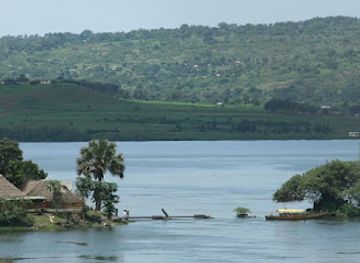
Busoga’s attractions centre on the Nile, Jinja and a wide rural landscape rather than on a single concentrated park or monument. Around Jinja, the Source of the Nile is the region’s most recognised visitor site, while rafting, kayaking, boat trips and riverside excursions make the river an active part of a visit. Itanda Falls offers a more powerful and less urban river setting, with viewing and adventure activities arranged through specialist operators. The Nalubaale and Kiira dams also illustrate how hydropower reshaped the Nile corridor. Jinja’s older streets, religious buildings, former commercial premises and cultural venues provide a quieter heritage experience between outdoor activities. Bugembe introduces visitors to the institutional and cultural history of the Busoga Kingdom, while Kagulu Rock in Buyende District combines oral history, a strenuous rocky ascent and expansive views across the countryside. Lake Victoria’s northern shore and islands offer fishing, birdwatching and community-based excursions, whereas the Lake Kyoga basin is better suited to slower journeys focused on wetlands, open water and rural life. Markets, farms and small towns are part of the attraction landscape too, revealing how agriculture, fishing and trade continue to shape the region.
-
Tourist attraction
SOURCE OF THE RIVER NILE ( Nile Fount Excursion Adventures
Experience the breathtaking beauty of the Source of the Nile in Jinja, Uganda, where adventure meets rich cultural heritage.
-
Tourist attraction
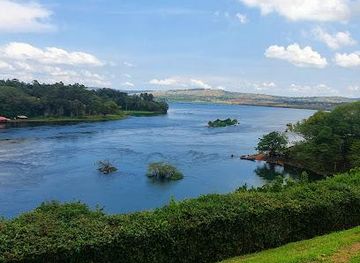
Source of The Nile.
Discover the breathtaking Source of the Nile in Jinja, Uganda—a landmark rich in history and natural beauty, perfect for adventurers and culture enthusiasts.
-
Park
Source of the Nile Gardens
Experience the natural beauty and historical significance of the Source of the Nile Gardens in Uganda, a must-visit destination for nature lovers and adventurers.
-
Scenic spot
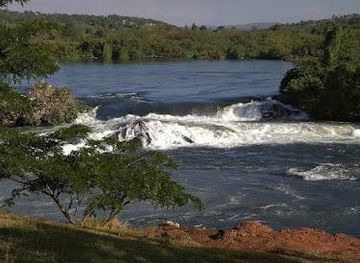
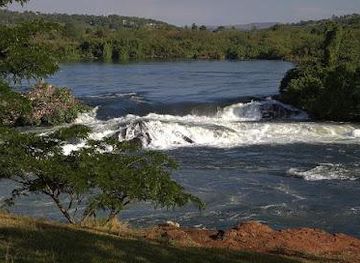
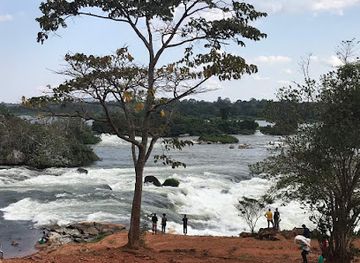
Itanda Falls
Experience the breathtaking beauty of Itanda Falls, Uganda’s stunning waterfall oasis, perfect for adventure and relaxation amidst nature's splendor.

Best landmarks in Busoga
The Source of the Nile site near Jinja is Busoga’s best-known landmark, marking the celebrated point where the Victoria Nile begins its northward course, although the wider hydrology of the Nile has long been more complex than the viewpoint’s simple narrative suggests. The river itself is the region’s defining natural feature, particularly where it narrows into rapids and falls around Itanda. Kagulu Rock, in Buyende District, is both a conspicuous geological formation and an important site in Busoga’s royal traditions, associated with early political history and commanding views over the surrounding plain. Bugembe’s royal precinct is significant as the seat of the Kyabazinga and the Busoga Kingdom’s cultural institutions. Jinja’s historic townscape, including surviving colonial-era civic, commercial and religious architecture, reflects the town’s growth as a railway and industrial centre. The Nalubaale and Kiira dam structures are landmarks of twentieth- and twenty-first-century engineering, representing Uganda’s long dependence on the Nile for electricity. Together these places express Busoga through landscape, monarchy, colonial urban development and modern infrastructure rather than through a single monumental building.
-
Tour operator
Mabamba Shoebills watching
Explore the enchanting Mabamba wetlands, a birdwatcher's haven featuring the majestic Shoebill stork and diverse avian wildlife in Uganda.
-
Tourist attraction
Source of The Nile.
Explore the enchanting Source of the Nile in Jinja, where adventure meets history at the beginning of the world's longest river.
-
Scenic spot
Itanda Falls
Experience the breathtaking beauty and adventure of Itanda Falls, Uganda's scenic gem for nature lovers and thrill-seekers alike.
-
Park
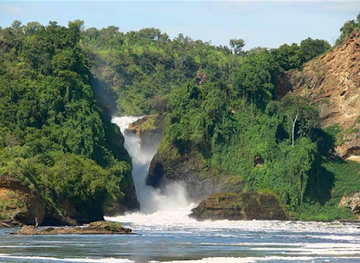
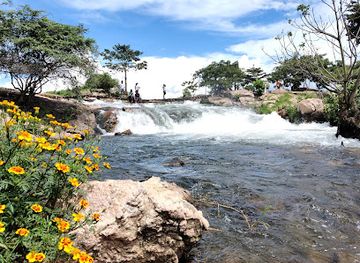
Busowoko Falls
Explore the natural beauty of Busowoko Falls in Jinja, Uganda – a serene park featuring breathtaking waterfalls and lush landscapes perfect for adventurers and nature lovers.
Explore Busoga on the map
Plan your trip on one map. See where the top cities, national parks and sights are, and book hotels and experiences in a few clicks.
Best hotels in Busoga
Best restaurants in Busoga
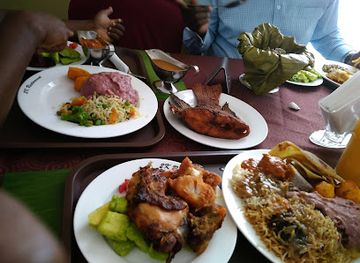
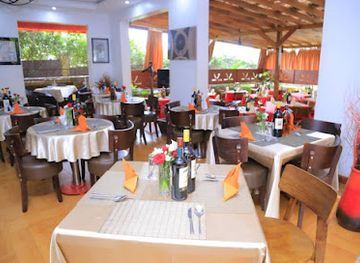
Dining in Busoga is most varied in Jinja, where local restaurants, cafés, hotels and roadside eateries serve Ugandan staples alongside international dishes for travellers and residents. Matooke, often accompanied by groundnut sauce, beans, beef or chicken, is common, as are cassava, sweet potatoes, rice and chapati. Fresh fish is particularly appropriate near the lakes and the Nile, although availability depends on season and locality; tilapia and Nile perch are familiar choices in Uganda. Grilled meat, roasted maize, samosas and other quick foods appear at markets and roadside stops. Tropical fruit, including bananas, pineapple and jackfruit, is widely available, while locally produced sugar is an important part of the regional economy rather than a restaurant speciality. Look for small eateries and family-run establishments for everyday Lusoga and Ugandan cooking, and use larger hotels or established restaurants when you need a broader menu or reliable dietary accommodation. Clean water and food-handling standards should be considered when choosing informal stalls, particularly outside Jinja.
-
Restaurant
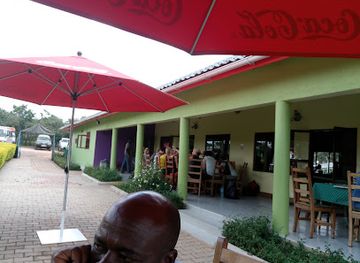
2K Restaurant
Discover authentic Ugandan cuisine blended with global flavors at Kampala's favorite dining spot - 2K Restaurant.
-
Restaurant
Kabalega Diner Limited
Discover Kabalega Diner Limited: A delightful restaurant in Nakitoma offering breakfast, lunch, and great coffee in a cozy setting.
-
Indian
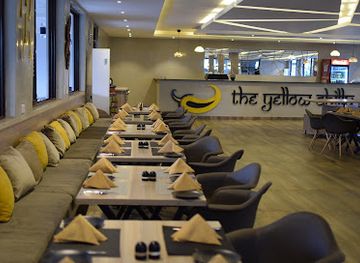
The Yellow Chilly - Multicuisine Restaurant
Experience the flavors of India and beyond at The Yellow Chilly - Jinja's premier multicuisine destination with something for everyone.
-
Restaurant
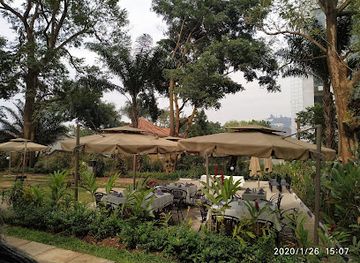
The Roots Restaurant
Experience the authentic flavors of Uganda at The Roots Restaurant in Kampala - where every meal tells a story.
Best bars in Busoga
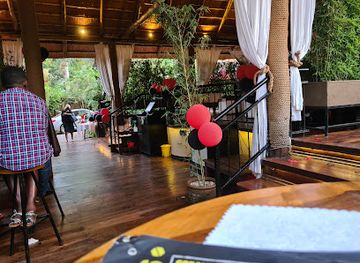
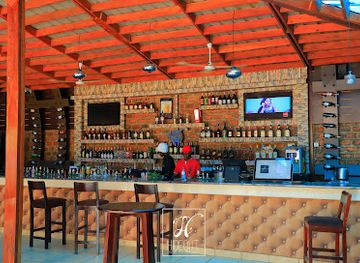
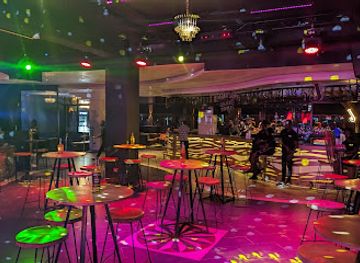
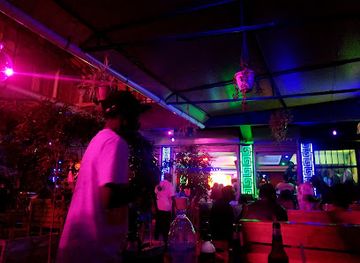
Jinja has Busoga’s most developed evening scene, with hotel bars, cafés, restaurants, traditional pubs and a modest selection of venues offering music and social gatherings. The atmosphere is generally more relaxed than that of Kampala, and evening activity is concentrated around central Jinja rather than spread across the countryside. Some venues cater to visitors involved in Nile activities, while others serve local residents and students, so music and clientele vary. Live music, televised sport and outdoor seating are common forms of evening entertainment. In smaller towns and rural districts, nightlife is mainly based around local pubs, restaurants and trading-centre gatherings, with limited late-night transport and fewer formal venues. River lodges may offer quiet drinks or meals, but they are not a substitute for a large club district. Arrange a safe ride back to accommodation and avoid walking unfamiliar rural roads after dark.
-
Bar
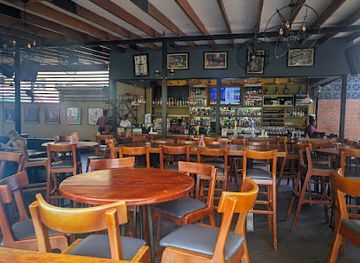
The Alchemist Kitchen and Bar
Discover The Alchemist Kitchen and Bar in Kampala: A perfect blend of local flavors and innovative cocktails in a vibrant atmosphere.
-
Grill
Banana Bar & Bistro
Enjoy the best of Ugandan and international cuisine at Banana Bar & Bistro, a vibrant grill and bistro in the heart of Kampala.
-
Grill
Hideout Lounge
Discover vibrant dining and a lively atmosphere at Hideout Lounge, the perfect spot for grilled delights and good vibes in Kampala.
-
Lounge
BRISK
Experience the vibrant atmosphere of BRISK, Kampala's top lounge for relaxation, socializing, and delicious beverages.
Best nightclubs in Busoga
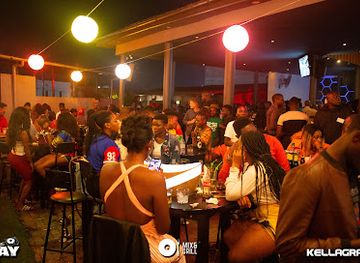
Jinja has Busoga’s most developed evening scene, with hotel bars, cafés, restaurants, traditional pubs and a modest selection of venues offering music and social gatherings. The atmosphere is generally more relaxed than that of Kampala, and evening activity is concentrated around central Jinja rather than spread across the countryside. Some venues cater to visitors involved in Nile activities, while others serve local residents and students, so music and clientele vary. Live music, televised sport and outdoor seating are common forms of evening entertainment. In smaller towns and rural districts, nightlife is mainly based around local pubs, restaurants and trading-centre gatherings, with limited late-night transport and fewer formal venues. River lodges may offer quiet drinks or meals, but they are not a substitute for a large club district. Arrange a safe ride back to accommodation and avoid walking unfamiliar rural roads after dark.
-
Lounge
EXO LOUNGE
Discover the vibrant nightlife of Kampala at EXO LOUNGE, where stylish ambiance meets an extensive drink menu in a lively atmosphere.
-
Night club
Cielo Lounge
Experience Kampala's vibrant nightlife at Cielo Lounge, where exquisite dining meets electrifying entertainment in a stunning rooftop setting.
-
Night club
Hive Night Club
Dive into the vibrant nightlife of Mukono at Hive Night Club, where great music, dancing, and unforgettable experiences await.
-
Disco club
La Bamba Pagali bar and restuarant
Experience the heartbeat of Kampala nightlife at La Bamba Pagali, where every night is a celebration of music, dance, and culture.

Best shops in Busoga
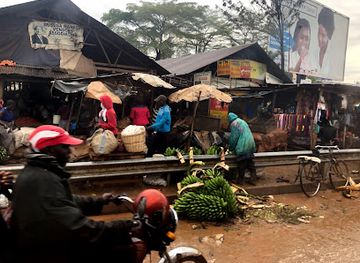
Jinja is Busoga’s main shopping centre, with a practical central market, supermarkets, independent shops, craft outlets and streets serving both local residents and visitors. Markets are useful for fruit, vegetables, spices, clothing and everyday goods, while small shops provide a more direct view of regional commerce than souvenir-focused outlets. Visitors can look for woven items, carved objects, jewellery, textiles and artwork, but should ask about materials and buy from responsible sellers rather than purchasing wildlife products or objects presented as archaeological. Food products such as coffee, tea, dried fruit, spices and locally made snacks travel more easily than fragile crafts, subject to customs rules at the destination country. Outside Jinja, shopping is concentrated in market towns and roadside trading centres, where choice is narrower but local produce is prominent. Bargaining may be customary in some markets but not in fixed-price shops; keep negotiations polite and pay attention to quality, provenance and fair treatment of makers.
-
Market
Busega market
Discover the lively Busega Market in Kampala, where authentic Ugandan culture meets vibrant local commerce and flavorful cuisine.
-
Supermarket
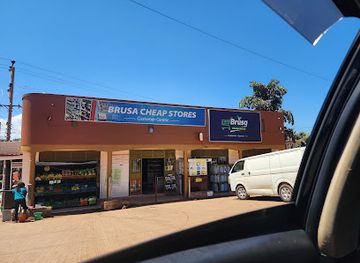
Brusa Cheap Stores
Experience budget-friendly shopping at Brusa Cheap Stores in Kampala, where affordability meets a wide selection of local goods.
-
Souvenir store
Pearl Crafts Village Entebbe
Explore the vibrant Pearl Crafts Village in Entebbe for authentic Ugandan souvenirs and a rich cultural experience.
-
Shopping mall
Busoga Mall
Discover the essence of Jinja at Busoga Mall, where shopping meets local culture in a vibrant atmosphere.

Get your free copy of our complete guide to Busoga, delivered straight to you.
Everything on this page, from attractions and restaurants to essentials and local phrases, in one PDF you can read offline, print or share.
Already have an account? Sign in
Your Busoga guide is ready.
We'll send it to · Not you? Sign out

Getting your guide ready…
We are putting together a fresh copy of the Busoga guide. This can take up to a minute.
This can take a few moments. If your browser asks, choose Allow so the download can start. You'll find the guide in your Downloads folder.
Nothing happened? Download it again
Sorry, the guide is taking longer than usual. Please try again in a minute, or get it by email instead.
Busoga essentials
Currency and Payment
Safety
Emergency Situations
Do's and Don'ts
Local Tips
From Eve
Local phrases worth knowing
You don't need to get them perfect. A few words go a long way, and locals appreciate the effort.
Basics
| English | Local | Say it |
|---|---|---|
| Hello | Oli otya | [Oh-lee oh-tyah] |
| Goodbye | Weeraba | [Wee-rah-bah] |
| Yes | Nze | [Nzeh] |
| No | Nedda | [Neh-dah] |
| Please/You're welcome | Ssaawa | [Sah-wah] |
| Thank you | Webale | [Weh-bah-leh] |
| Excuse me/Sorry | Nsonyiwa | [Nson-yee-wah] |
| How are you? | Oli otya | [Oh-lee oh-tyah] |
| Fine. And you? | Ndi bulungi. Nyo? | [Ndee boo-loon-gee. Nyo?] |
| Do you speak English? | Ogwanga okwogera Olungereza? | [O-gwan-gah oh-kyo-ger-ah Oh-loon-geh-reh-zah?] |
| I don't understand | Sikyalaba | [See-kya-lah-bah] |
Eating & Drinking
| English | Local | Say it |
|---|---|---|
| I'd like to see the menu, please | Nja kusaba okulaba emmenu, ssaawa | [N-jah koo-sah-bah oo-koo-lah-bah eh-may-nu, sah-wah] |
| I don't eat meat | Sikula nyama | [See-koo-lah nyah-mah] |
| Cheers! | Tukagale! | [Too-kah-gah-leh!] |
| I would like to pay, please | Njagala kulipa, ssaawa | [Njah-gah-lah koo-lee-pah, sah-wah] |
Emergencies
| English | Local | Say it |
|---|---|---|
| Help! | Mpozzi! | [M-po-zzi!] |
| Go away! | Genda bulungi! | [Gen-dah boo-loon-gee!] |
| Call the Police! | Yita Poliisi! | [Yee-tah Poh-lee-see!] |
| Call a doctor! | Yita daktari! | [Yee-tah dahk-tah-ree!] |
| I'm lost | Ndi mu kwegenda | [Ndee moo kweh-gen-dah] |
| I'm ill | Ndi mutwe | [Ndee moo-tweh] |
Shopping
| English | Local | Say it |
|---|---|---|
| I'd like to buy... | Njagala okugula... | [Njah-gah-lah oo-koo-goo-lah...] |
| I'm just looking | Nze ndi mu kutunula | [Nzeh n-dee moo koo-too-noo-lah] |
| How much is it? | Kikadde ki? | [Kee-kah-dde ki?] |
| That's too expensive | Kino kyekyali muwewe | [Kee-no kyeh-kya-lee moo-weh-weh] |
| Can you lower the price? | Oyinza okukeza ku kintu? | [Oh-yee-nzah oh-koo-keh-zah koo keen-too?] |
Time & Numbers
| English | Local | Say it |
|---|---|---|
| What time is it? | Ekitime ki? | [Eh-kee-tih-meh ki?] |
| It's one o'clock | Okwata saawa emu | [Oh-kwa-tah sah-wah eh-moo] |
| Half past (10) | Ekitundu ky'ekumi n'ekitundu | [Eh-kee-tun-doo kyeh-koo-mee n'eh-kee-tun-doo] |
| Morning | Omukya | [Oh-moo-kya] |
| Afternoon | Omutanda | [Oh-moo-tan-dah] |
| Evening | Omutwe | [Oh-moo-tweh] |
| Yesterday | Ekitanga | [Eh-kee-tahn-gah] |
| Today | Leero | [Leh-roh] |
| Tomorrow | Ekitanga ekya lero | [Eh-kee-tahn-gah eh-kya leh-roh] |
| 1 | Emu | [Eh-moo] |
| 2 | Ettandi | [Eh-tan-dee] |
| 3 | Ekitatu | [Eh-kee-tah-too] |
| 4 | Ekitaano | [Eh-kee-tah-noh] |
| 5 | Ekitaano | [Eh-kee-tah-noh] |
| 6 | Ekitaano | [Eh-kee-tah-noh] |
| 7 | Ekitaano | [Eh-kee-tah-noh] |
| 8 | Ekitaano | [Eh-kee-tah-noh] |
| 9 | Ekitaano | [Eh-kee-tah-noh] |
| 10 | Ekitaano | [Eh-kee-tah-noh] |
Transport & Directions
| English | Local | Say it |
|---|---|---|
| Where's a/the...? | Ekitundu kigenda? | [Eh-kee-tun-doo kee-gen-dah?] |
| What's the address? | Okwanjula kw'ekitundu? | [Oh-kwan-joo-lah kweh-kee-tun-doo?] |
| Can you show me (on the map)? | Oyinza okundabira (mu kanga)? | [Oh-yee-nzah oh-koon-dah-bee-rah (moo kahn-gah)?] |
| When's the next (bus)? | Ekitundu ky'ekigezo? | [Eh-kee-tun-doo kyeh-kee-geh-zoh?] |
| A ticket (to ....) | Ekitikiti (ku ....) | [Eh-kee-tee-kee-tee (koo ....)] |
History of Busoga
Early settlement and the heritage of Kagulu Rock
The hills, islands and lake margins of Busoga have supported human settlement for centuries, with farming, fishing and trade shaping communities long before colonial rule. Kagulu Rock, in present-day Buyende District, is particularly important in Busoga historical tradition. It is associated with Mukama, remembered as an early leader linked with the formation of the Busoga polity, and with the establishment of an early centre of authority. The site’s historical meaning is inseparable from oral tradition, clan histories and landscape. Its prominence above the surrounding plain makes it both a cultural landmark and a physical reminder of the region’s precolonial political development.
Clan states and the formation of Busoga
Before the emergence of a central Kyabazinga institution, Busoga was organised through several hereditary chiefdoms and clan-based communities rather than a single unified kingdom. Political authority was distributed among leaders whose territories were connected by kinship, agriculture, trade and shared cultural practices. The term Busoga gradually came to describe this broader cultural and geographical community. These earlier structures remain significant because the modern Busoga Kingdom is a federation-rooted institution, not a replacement for every local tradition. The continuing importance of clan identity, Lusoga language and customary memory reflects this layered political history.
British rule and the rise of Jinja
British colonial administration brought new forms of taxation, land management, education and political organisation to Busoga during the late nineteenth and early twentieth centuries. Jinja grew rapidly after the railway reached the area in the early 1900s, becoming a commercial and administrative centre connected to Kampala and the wider East African transport network. Cotton became a major cash crop, and trading networks expanded around the town and along Lake Victoria. Colonial development also created unequal economic structures and reshaped local authority, while schools, churches, commercial buildings and planned streets left a visible architectural legacy in Jinja.
The Kyabazinga institution, established in 1949
The office of the Kyabazinga was created in 1949 as a unifying institution for the Busoga chiefdoms. The title, commonly translated as king or paramount leader in the Busoga context, is selected through the region’s established royal and constitutional arrangements rather than inherited in precisely the same manner as a conventional hereditary monarchy. The institution helped express a shared Busoga identity while recognising the continuing importance of the individual chiefdoms. Bugembe became the seat of the Busoga Kingdom, and the Kyabazinga remains a prominent cultural symbol even though Uganda’s traditional kingdoms do not exercise governmental power.
Owen Falls Dam and industrial transformation
The construction of Owen Falls Dam at the outlet of Lake Victoria near Jinja was completed in the 1950s, with the hydroelectric station beginning operation in 1954. It became one of Uganda’s most important infrastructure projects, supplying electricity for urban growth, manufacturing and public services. The dam and later Kiira hydropower development changed the river’s flow and transformed the landscape around the former rapids. Jinja’s industrial importance expanded during the twentieth century, although later economic and political changes affected factories and employment. Hydropower remains central to the region’s modern history and to debates about development and river environments.
Independence, abolition and restoration of the kingdom
Uganda became independent in 1962, but the relationship between national government and traditional kingdoms changed sharply under the 1967 republican constitution, which abolished the kingdoms and removed their formal status. The Busoga Kingdom’s institutions consequently operated without official recognition for several decades. Uganda’s 1993 constitutional reforms restored the cultural institution of traditional kingdoms, while excluding political and administrative authority. The Busoga Kingdom was therefore revived as a cultural and historical institution rather than a territorial government. This distinction is important when visiting royal sites in Bugembe and understanding the role of the Kyabazinga today.
Contemporary Busoga: agriculture, tourism and regional identity
Modern Busoga combines agricultural communities, growing towns, industrial activity and a tourism economy centred particularly on Jinja and the Nile. Sugar cultivation, food farming, fishing and trade remain important, while rafting, kayaking, boating and heritage tourism bring visitors from Uganda and abroad. Jinja’s historic buildings and riverfront coexist with newer businesses and educational institutions. At the same time, the region continues to negotiate pressures including road access, environmental change, urban expansion and the protection of cultural sites. Lusoga cultural expression, the Busoga Kingdom and the river landscape provide enduring reference points in this changing regional identity.
Busoga in Photos
Browse through our photo collection highlighting the charm and character of the destination.
Neighbouring regions of Busoga
The closest regions to Busoga, if you have time for more than one.
-

-

-

-

-


Swipe for more regions
Explore more

Explore more of Uganda
Discover Uganda: From the majestic mountain gorillas of Bwindi to the vibrant streets of Kampala, experience the diverse landscapes and rich culture of the Pearl of Africa.
Explore Uganda