

Free Bukedi Travel Guide & Mobile App
Explore Bukedi with free travel guides. Discover regional history, expert tips, proposed trips, and audio guides on web or mobile app.


Explore Bukedi in eastern Uganda for Tororo Rock, Lake Victoria communities, borderland culture, markets and rural landscapes.
Read more about Bukedi
When is the best time to visit Bukedi?
Best: December–February · 27°C| Month | High (°C) | Rainfall (mm) |
|---|---|---|
| January (best) | 27 | 50 |
| February (best) | 27 | 55 |
| March | 28 | 70 |
| April | 27 | 100 |
| May | 27 | 110 |
| June | 27 | 95 |
| July | 26 | 80 |
| August | 26 | 90 |
| September | 26 | 115 |
| October | 26 | 120 |
| November | 26 | 100 |
| December (best) | 27 | 70 |
Getting to and around Bukedi
How to get there
Transportation
Top city travel guides in Bukedi
The cities of Bukedi, and the easiest places to base yourself.

Swipe for more cities
Destinations in Bukedi
Resorts, valleys and scenic spots worth a trip of their own.

Swipe for more destinations
Best attractions in Bukedi
Bukedi’s attractions are spread between a handful of urban centres, agricultural plains, wetlands and the Lake Victoria shoreline. The clearest natural focus is Tororo Rock, whose isolated volcanic form dominates the landscape and provides a demanding walk with broad views when conditions are suitable. Around Tororo, visitors can combine the rock with an introduction to the town’s railway and industrial history, although the region is not organised as a conventional sightseeing circuit. Busia offers a different experience as a major border town, where transport, commerce and cross-border movement are central to the urban atmosphere. In the wider lakeside area, fishing communities, birdlife and open water create opportunities for observation and photography, but facilities and access can be limited. Rural roads pass through fields of cassava, maize, rice, millet and other crops, with market centres providing glimpses of everyday trade. Wetlands are important for farming, drainage and wildlife, yet they should be explored with local guidance and care. The most rewarding activities are low-key: meeting a knowledgeable guide, visiting a market, observing village and lakeside life respectfully, or using Tororo as a base for a slower journey through eastern Uganda.
-
Tourist attraction
Murchison Falls Uganda
Discover the majestic Murchison Falls in Uganda, a breathtaking natural wonder known for its stunning landscapes, diverse wildlife, and thrilling adventures.
-
Tourist attraction
Source of The Nile.
Explore the breathtaking Source of the Nile in Jinja, a must-visit landmark offering stunning views, adventurous activities, and rich local culture.
-
Tourist attraction
Mayfair Casino
Discover the vibrant nightlife and thrilling gaming experience at Mayfair Casino, a premier attraction in Kampala, Uganda.
-
Recreation center
Kiwatule Recreation Centre
Discover the vibrant atmosphere of Kiwatule Recreation Centre in Kampala, where fun and relaxation meet for families and tourists alike.
Best landmarks in Bukedi
Tororo Rock is Bukedi’s defining physical landmark: a steep-sided volcanic plug rising abruptly from the plain near Tororo town. Its prominence has made it a geographical reference point as well as a destination for walking, and its summit gives a clear sense of the region’s settled agricultural terrain. Tororo’s railway infrastructure is another important marker of place, representing the transport corridor that connected eastern Uganda with the wider East African network and helped the town develop as an industrial centre. Busia’s border crossing has a more contemporary significance, marking the point where Uganda’s road and commercial systems meet Kenya’s. The surrounding townscape is shaped by freight traffic, customs activity and shops serving travellers. Further south and west, the Lake Victoria shoreline and associated wetlands form natural landmarks rather than monumental structures, with open water, fishing settlements and low-lying vegetation contrasting with the inland rock. Historic churches, schools, market buildings and civic structures in the region are generally modest and dispersed, so their significance is best understood through local interpretation rather than through a single celebrated architectural ensemble.
-
Shopping mall
Lugogo Mall
Experience the vibrant shopping culture of Kampala at Lugogo Mall, offering a mix of local crafts, international brands, and delightful dining options.
-
Taxi stand
Kampala Old Taxi Park
Kampala Old Taxi Park: Experience the vibrant pulse of Uganda's capital and immerse yourself in local culture with every visit.
-
Hotel
Kabira Country Club
Discover Kabira Country Club - a luxurious oasis in Kampala, offering upscale accommodations, exquisite dining, and top-notch amenities for the ultimate relaxation.
-
Market
Vegan foods Uganda
Explore the vibrant vegan offerings at Kampala's Market, where fresh produce and local flavors create an unforgettable culinary experience.
Explore Bukedi on the map
Plan your trip on one map. See where the top cities, national parks and sights are, and book hotels and experiences in a few clicks.
Best hotels in Bukedi
Best restaurants in Bukedi
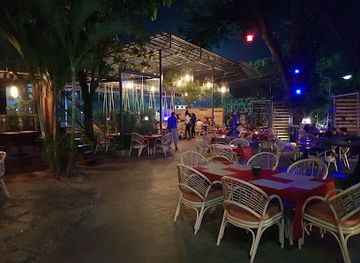
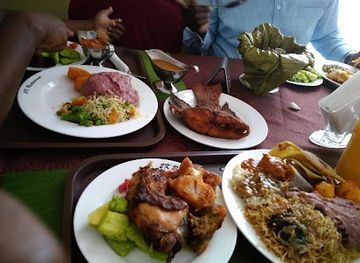
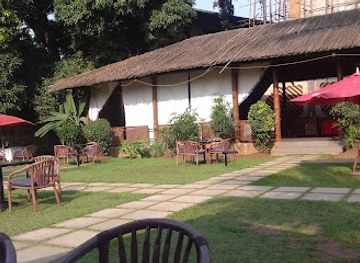
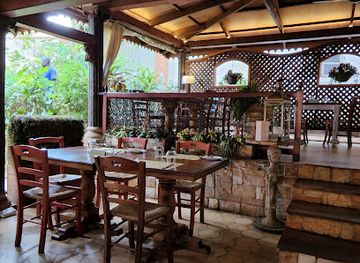
Dining in Bukedi is rooted in household cooking, market produce and modest local restaurants rather than a highly formal restaurant scene. Matoke, cassava, sweet potatoes, rice, beans, groundnuts, greens, millet preparations and grilled meat are widely encountered, while tilapia and other freshwater fish become more prominent near Lake Victoria and along routes serving lakeside communities. Tororo and Busia have the broadest choice of cafés, hotel restaurants and roadside eateries, with menus that may combine Ugandan staples with Indian, Kenyan and other East African influences. Market stalls are useful for seasonal fruit, roasted maize, chapati and simple snacks, although visitors should choose busy outlets where food is cooked and served hot. Tea is common, and locally available soft drinks and bottled water are easy to find in towns. In rural areas, meals may require more planning, and a guesthouse or local guide can often provide better advice than an online directory. Regional dishes are best approached as part of eastern Uganda’s wider food culture, since recipes and ingredients vary between Bagwere, Banyole, Basamia and neighbouring communities.
-
Restaurant
Asian Fusion Restaurant
Savor the fusion of authentic Chinese and Indian cuisines at Kampala's premier dining destination.
-
Restaurant
2K Restaurant
Experience the vibrant flavors of Uganda at 2K Restaurant in Kampala – where every meal is a celebration of taste.
-
Restaurant
Kati Kati Africa Ltd
Discover the rich flavors of Uganda at Kati Kati Africa Ltd, where African and Indian cuisines unite in an inviting atmosphere.
-
Restaurant
Cantine Divino
Discover culinary excellence at Cantine Divino – where local flavors meet international cuisine in the heart of Kampala.
Best bars in Bukedi
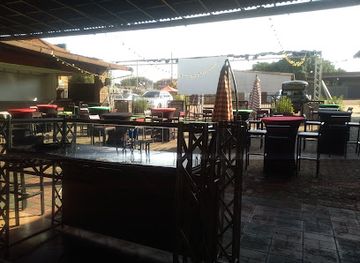
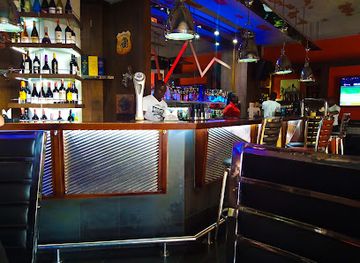
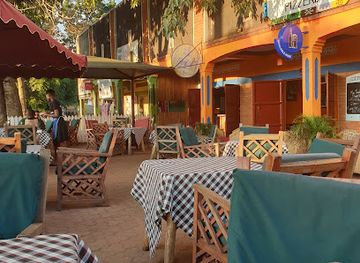
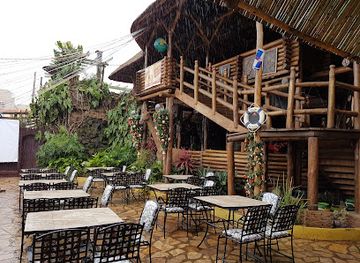
Evening life in Bukedi is concentrated in Tororo, Busia and other larger trading centres, with local pubs, hotel bars, small restaurants and music venues providing the main options. The atmosphere is generally social and informal rather than centred on a large club circuit. Busia’s border economy gives its central areas a busy evening character, while Tororo has the widest range of places to eat, meet friends and listen to music. In smaller towns and villages, evenings usually revolve around neighbourhood pubs, food stalls, guesthouses and private social gatherings, and venues may close earlier or operate according to local demand. Bottled beer, soft drinks, tea and spirits are commonly available, but drinking is not necessary to engage with local life. Travellers should arrange transport back to their accommodation in advance, avoid isolated roads after dark and follow local advice about photography and behaviour in busy nightlife areas.
-
Bar
Nexus Lounge
Experience Kampala's vibrant nightlife at Nexus Lounge, where local flavors and a lively atmosphere come together in perfect harmony.
-
Bar
Riders Lounge Ug
Experience the vibrant nightlife of Kampala at Riders Lounge, where local culture meets modern leisure in a lively bar setting.
-
Grill
Miki's Pub
Discover the best pizza and grill delights at Miki's Pub, a vibrant dining spot in Kampala, perfect for tourists seeking local flavors.
-
Bar
Bamboo Nest
Discover the vibrant atmosphere and diverse drink selection at Bamboo Nest, a must-visit bar in Kampala's lively Nakawa district.
Best nightclubs in Bukedi
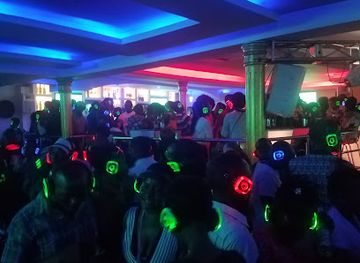
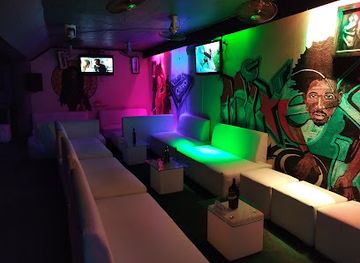
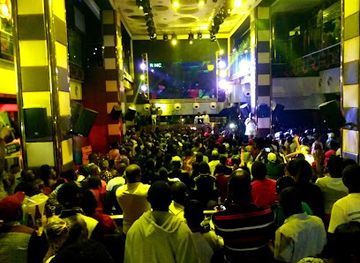
Evening life in Bukedi is concentrated in Tororo, Busia and other larger trading centres, with local pubs, hotel bars, small restaurants and music venues providing the main options. The atmosphere is generally social and informal rather than centred on a large club circuit. Busia’s border economy gives its central areas a busy evening character, while Tororo has the widest range of places to eat, meet friends and listen to music. In smaller towns and villages, evenings usually revolve around neighbourhood pubs, food stalls, guesthouses and private social gatherings, and venues may close earlier or operate according to local demand. Bottled beer, soft drinks, tea and spirits are commonly available, but drinking is not necessary to engage with local life. Travellers should arrange transport back to their accommodation in advance, avoid isolated roads after dark and follow local advice about photography and behaviour in busy nightlife areas.
-
Lounge
EXO LOUNGE
Discover the lively atmosphere and unique flavors at EXO LOUNGE, Kampala's premier destination for nightlife and entertainment.
-
Disco club
Club Beruga Makindye
Immerse yourself in Kampala's vibrant nightlife at Club Beruga Makindye, where music, dance, and culture blend in an unforgettable experience.
-
Bar
Club el Tanjia
Discover the heartbeat of Mbale's nightlife at Club el Tanjia, a lively bar and live music venue offering great food, drinks, and entertainment.
-
Night club
Club Ambiance Kampala
Discover the electrifying nightlife at Club Ambiance Kampala, where locals and tourists unite for unforgettable evenings filled with music, dancing, and vibrant energy.

Best shops in Bukedi
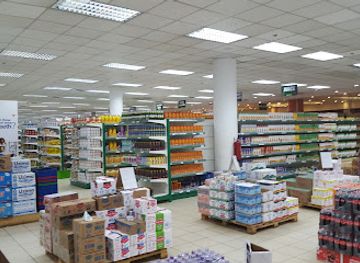
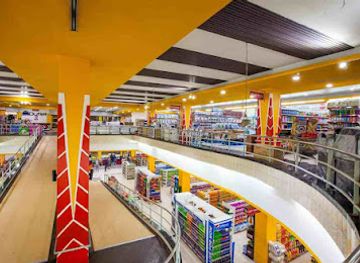
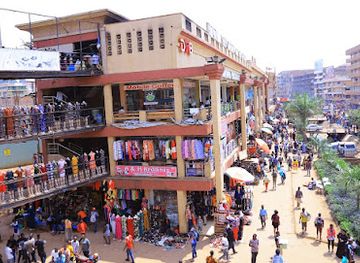
Shopping in Bukedi is primarily local and practical, with market towns and roadside trading centres offering produce, clothing, household goods, mobile-phone services and prepared food. Tororo and Busia provide the broadest selection, while Busia’s position on the Kenyan border gives its commercial streets a particularly strong cross-border character. Farmers’ markets are useful for cassava, bananas, rice, millet, maize, beans, groundnuts, fruit and seasonal vegetables, although products and market days vary by locality. Visitors may also find woven articles, baskets, simple woodwork and other handmade goods, but quality and availability should be assessed item by item rather than assumed to be standardised regional crafts. Packaged coffee, tea, groundnuts and other Ugandan foods can make practical souvenirs where properly labelled for travel. Bargaining may be appropriate in informal markets but is less so in fixed-price shops, pharmacies and supermarkets. Keep valuables secure in crowded trading areas and avoid buying archaeological objects, protected wildlife products or items whose provenance is unclear.
-
Shopping mall
Garden City Shopping Mall
Explore the dynamic Garden City Shopping Mall in Kampala, where shopping, dining, and entertainment meet in a lively atmosphere.
-
Outlet mall
Freedom City Mall
Discover a vibrant shopping experience at Freedom City Mall in Kampala, featuring local brands, diverse dining, and family-friendly entertainment.
-
Shopping mall
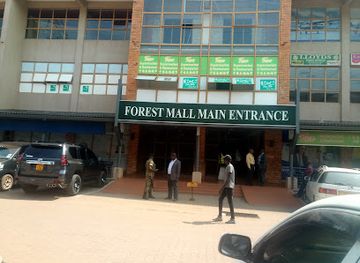
Forest Mall
Explore the lively Forest Mall in Kampala, a shopping paradise featuring diverse stores, dining experiences, and entertainment options for every traveler.
-
Shopping mall
Ham Shopping Mall
Explore Ham Shopping Mall in Kampala for shopping, dining, and entertainment in a vibrant urban setting.
Get your free copy of our complete guide to Bukedi, delivered straight to you.
Everything on this page, from attractions and restaurants to essentials and local phrases, in one PDF you can read offline, print or share.
Already have an account? Sign in
Your Bukedi guide is ready.
We'll send it to · Not you? Sign out

Getting your guide ready…
We are putting together a fresh copy of the Bukedi guide. This can take up to a minute.
This can take a few moments. If your browser asks, choose Allow so the download can start. You'll find the guide in your Downloads folder.
Nothing happened? Download it again
Sorry, the guide is taking longer than usual. Please try again in a minute, or get it by email instead.
Bukedi essentials
Currency and Payment
Safety
Emergency Situations
Do's and Don'ts
Local Tips
From Eve
Local phrases worth knowing
You don't need to get them perfect. A few words go a long way, and locals appreciate the effort.
Basics
| English | Local | Say it |
|---|---|---|
| Hello | Oli otya | [Oh-lee oh-tyah] |
| Goodbye | Weeraba | [Wee-rah-bah] |
| Yes | Nno | [Nnoh] |
| No | Nedda | [Neh-dah] |
| Please/You're welcome | Webale | [Weh-bah-leh] |
| Thank you | Webale nyo | [Weh-bah-leh nyo] |
| Excuse me/Sorry | Sorya | [So-ryah] |
| How are you? | Oli otya? | [Oh-lee oh-tyah?] |
| Fine. And you? | Ndi bulungi. Nyo? | [Ndee boo-loon-gee. Nyo?] |
| Do you speak English? | Osoma Oluganda? | [Oh-so-mah Oh-loo-gan-dah?] |
| I don't understand | Sina kumanya | [See-nah koo-mah-nyah] |
Eating & Drinking
| English | Local | Say it |
|---|---|---|
| I'd like to see the menu, please | Nandibadde okulaba ku menu, please | [Nan-dee-bah-deh oo-koo-lah-bah koo meh-noo, please] |
| I don't eat meat | Sina kudda ennyama | [See-nah koo-dah en-yah-mah] |
| Cheers! | Tukirize! | [Too-kee-ree-zeh!] |
| I would like to pay, please | Nandibadde okufunayo, please | [Nan-dee-bah-deh oo-koo-foo-nah-yo, please] |
Emergencies
| English | Local | Say it |
|---|---|---|
| Help! | Yamba! | [Yahm-bah!] |
| Go away! | Genda wano! | [Gen-dah wah-no!] |
| Call the Police! | Leka poliisi! | [Leh-kah poh-lee-see!] |
| Call a doctor! | Leka doko! | [Leh-kah doh-koh!] |
| I'm lost | Ndi muwanga | [Ndee moo-wahn-gah] |
| I'm ill | Ndi muwanga | [Ndee moo-wahn-gah] |
Shopping
| English | Local | Say it |
|---|---|---|
| I'd like to buy... | Nandibadde okugula... | [Nan-dee-bah-deh oo-koo-goo-lah...] |
| I'm just looking | Nze ndi kukola | [Nzeh n-dee koo-koh-lah] |
| How much is it? | Kikadde ki? | [Kee-kah-deh kee?] |
| That's too expensive | Kyo kisirimu kyangu | [Kee-oh kee-see-ree-moo chyan-goo] |
| Can you lower the price? | Osobola okulaba kusiima? | [Oh-so-boh-lah oo-koo-lah-bah koo-see-mah?] |
Time & Numbers
| English | Local | Say it |
|---|---|---|
| What time is it? | Ekitundu ki? | [Eh-kee-tun-doo kee?] |
| It's one o'clock | Kiri mu kumi | [Kee-ree moo koo-mee] |
| Half past (10) | Okwasa (10) | [Oh-kwah-sah (10)] |
| Morning | Omuziro | [Oh-moo-zee-roh] |
| Afternoon | Okitundu | [Oh-kee-tun-doo] |
| Evening | Omutwe | [Oh-moot-weh] |
| Yesterday | Ekitanga | [Eh-kee-tan-gah] |
| Today | Leero | [Leh-roh] |
| Tomorrow | Ekitanga ekya | [Eh-kee-tan-gah eh-kya] |
| 1 | Emu | [Eh-moo] |
| 2 | Ebiri | [Eh-bee-ree] |
| 3 | Ekitatu | [Eh-kee-tah-too] |
| 4 | Ekitano | [Eh-kee-tah-noh] |
| 5 | Ekitano | [Eh-kee-tah-noh] |
| 6 | Ekitono | [Eh-kee-toh-noh] |
| 7 | Ekiton | [Eh-kee-ton] |
| 8 | Ekiton | [Eh-kee-ton] |
| 9 | Ekiton | [Eh-kee-ton] |
| 10 | Ekiton | [Eh-kee-ton] |
Transport & Directions
| English | Local | Say it |
|---|---|---|
| Where's a/the...? | Wali wa...? | [Wah-lee wah...?] |
| What's the address? | Lwaki luno? | [Loo-wah-kee loo-no?] |
| Can you show me (on the map)? | Osobola okundabiriza (ku katale)? | [Oh-so-boh-lah oh-koon-dah-bee-ree-zah (koo kah-tah-le)?] |
| When's the next (bus)? | Genda ki? | [Gen-dah kee?] |
| A ticket (to ....) | Ekitikiti (ku ....) | [Eh-kee-tee-kee-tee (koo ....)] |
History of Bukedi
Early Communities and Iron-Age Settlement
The Bukedi landscape has been shaped for centuries by farming communities who cultivated cereals, bananas, cassava, legumes and other crops suited to the eastern Ugandan plains. Archaeological evidence across eastern Uganda points to long histories of ironworking, pottery, agriculture and settlement, although the surviving record is uneven and many local histories are preserved through oral tradition. The region’s communities developed connections through marriage, seasonal movement, exchange and competition over land and authority. Present-day cultural identities, including those associated with the Bagwere, Banyole and Basamia, reflect these deep histories as well as later migration and political change.
Chiefdoms, Kingdoms and Regional Exchange
Before colonial rule, authority in the Bukedi area was organised through a mixture of local chiefs, clan structures and relationships with neighbouring political systems. The region lay between the influential spheres of Busoga, Bugisu and the territories reaching towards Lake Victoria and western Kenya. Trade moved through local markets and lakeside routes, carrying food, livestock, crafts and other goods. Political boundaries were flexible compared with modern district lines, and communities often maintained connections across what later became the Uganda–Kenya border. These older networks help explain Bukedi’s cultural diversity and its continuing importance as an eastern trading region.
Colonial Rule and the Uganda Railway
British colonial administration altered eastern Uganda’s political geography, taxation, labour systems and transport links. The Uganda Railway and associated roads connected the interior with the Kenyan railway system and the port of Mombasa, encouraging the growth of Tororo and other transport centres. Mission schools, churches and administrative stations also expanded, bringing new forms of education and formal authority while interacting with established local institutions. The railway corridor strengthened long-distance trade, but colonial economic policies also placed pressure on rural households through taxation, labour demands and the production of crops for wider markets.
Tororo’s Industrial Development
Tororo’s location near transport routes and deposits of limestone helped it become one of eastern Uganda’s principal industrial centres. Cement production developed in the twentieth century, most notably through the Tororo Cement works, and industry became an important part of the town’s economic identity alongside agriculture and commerce. The factory and associated infrastructure represent Uganda’s wider postcolonial effort to expand domestic manufacturing and reduce dependence on imported building materials. Tororo’s industrial role distinguishes it from many surrounding market towns, whose economies remain more directly connected to farming, trading and public services.
Independence, Borders and Regional Commerce
Uganda’s independence in 1962 brought new administrative arrangements and national institutions to Bukedi, while the border with Kenya remained a major influence on local commerce. Busia developed as a significant crossing point for formal freight, passenger travel and smaller-scale trade. Border communities continued to share language, family and cultural links despite the international boundary. Political and economic pressures have periodically affected the movement of goods and people, but the corridor remains central to eastern Uganda’s trading geography. The region’s towns continue to reflect the combination of national administration, cross-border commerce and rural production.
Contemporary Agricultural and Urban Change
Modern Bukedi combines densely settled farming areas with expanding towns, transport corridors and wetlands under increasing environmental pressure. Rice, cassava, maize, millet, beans, groundnuts, bananas and livestock all contribute to local livelihoods, while fishing remains important around parts of Lake Victoria. Population growth, changing rainfall patterns, road development and cross-border trade are reshaping the region. Tororo and Busia have become more urban in character, whereas smaller centres retain strong links to weekly markets and surrounding villages. This continuing transition is an important part of Bukedi’s present-day identity.
Bukedi in Photos
Browse through our photo collection highlighting the charm and character of the destination.
Neighbouring regions of Bukedi
The closest regions to Bukedi, if you have time for more than one.
-

-

-

-

-


Swipe for more regions
Explore more

Explore more of Uganda
Discover Uganda: From the majestic mountain gorillas of Bwindi to the vibrant streets of Kampala, experience the diverse landscapes and rich culture of the Pearl of Africa.
Explore Uganda